
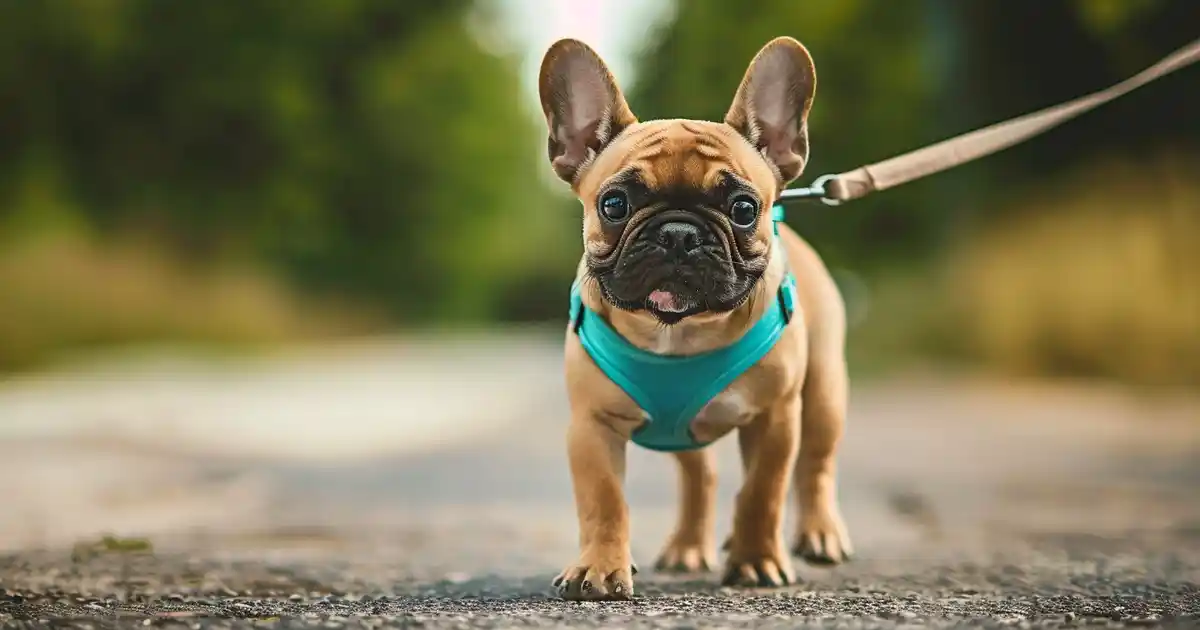
Have you ever wondered why leash training dogs seems impossible until you discover the right approach? I used to think a dog who walked politely on leash was either naturally well-behaved or required professional training I couldn’t afford, until I discovered these simple strategies that completely changed my perspective. Now my friends constantly ask how I managed to transform my pulling, lunging, zigzagging nightmare into a dog who actually walks beside me calmly, and my family (who thought walks would always be an arm-wrenching battle) keeps asking what finally clicked. Trust me, if you’re worried about whether your dog will ever walk politely without dragging you down the street or wrapping the leash around every obstacle, this approach will show you it’s more doable than you ever expected. Leash training isn’t about physical strength or expensive equipment—it’s about clear communication, consistent reinforcement, and creating a life-changing foundation of understanding that walking together is a cooperative activity, not a constant power struggle where your dog desperately tries to get wherever they want to go.
Here’s the Thing About Leash Training Dogs
Here’s the magic: leash training works when you understand that pulling is a reinforced behavior—every time your dog pulls and reaches their destination, you’ve accidentally taught them that pulling works to get what they want. What makes this approach effective is the combination of removing reinforcement for pulling, heavily rewarding loose-leash walking, building engagement so your dog wants to stay near you, and understanding that physical corrections or specialized equipment are band-aids that don’t address the actual learning problem. I never knew that leash training could be this straightforward when I stopped trying to physically restrain my dog and started making it genuinely more rewarding to walk beside me than to pull ahead. According to research on behavioral psychology, dogs repeat behaviors that get reinforced—if pulling reaches the interesting smell, the dog learns to pull; if loose-leash walking leads to treats, praise, and getting to move forward, the dog learns to walk nicely. This combination creates amazing results because you’re not fighting against your dog’s natural desire to explore—you’re teaching them that cooperation gets them where they want to go faster and more reliably than pulling. It’s honestly more doable than I ever expected, especially when you realize that size and strength don’t determine success—I’ve seen tiny owners with giant dogs walking beautifully because they understood the training principles. No complicated systems needed, just consistency in never rewarding pulling, abundant reinforcement for good walking, and understanding that every walk is a training opportunity where you either reinforce pulling or reinforce polite walking.
What You Need to Know – Let’s Break It Down
Understanding why dogs pull is absolutely crucial before implementing any training—dogs pull because it works to get them where they want to go faster. I finally figured out that my dog wasn’t being stubborn or dominant when she pulled; she was simply doing what had been accidentally reinforced thousands of times after months of misunderstanding the behavior. Every time I let my pulling dog reach the tree to sniff, I taught her that pulling works. This insight changes everything because it shifts from viewing pulling as defiance to recognizing it as learned behavior that can be retrained.
Don’t skip choosing appropriate equipment that supports training rather than substitutes for it (took me forever to realize this). A standard 4-6 foot leash and either a flat collar or front-clip harness work best for most dogs during training. Retractable leashes actively teach pulling because they require tension to extend, rewarding the exact behavior you’re trying to eliminate. Prong collars, choke chains, and other aversive tools may suppress pulling through discomfort but don’t teach your dog what to do instead and often create negative associations with walks. This foundation of appropriate equipment is game-changing, seriously, because it sets you up for training success rather than managing through intimidation or pain.
The “be a tree” method works beautifully for eliminating pulling reinforcement, but you’ll need patience and consistency beyond what you think necessary. When your dog pulls, you immediately stop moving—become completely still like a tree. The moment the leash goes slack (your dog stops pulling), you praise and resume walking. I always recommend starting this method in low-distraction environments because everyone sees results faster when dogs can actually focus on the contingency between pulling and stopping rather than being overwhelmed by stimuli.
Engagement and attention are the secret ingredients most people overlook. Yes, leash training techniques really work, and here’s why: a dog who is checking in with you, interested in what you’re doing, and finds you rewarding to be near doesn’t want to pull away in the first place. If you’re just starting out with building focus and engagement, check out my beginner’s guide to attention training for foundational techniques that will help your dog view you as the most interesting thing on walks rather than just the anchor holding them back from exciting things.
Realistic expectations prevent frustration and quitting. Leash training isn’t accomplished in one week or even one month—it’s an ongoing process requiring hundreds of repetitions before loose-leash walking becomes your dog’s default behavior. Progress isn’t linear; you’ll have great days and terrible days. Your dog may walk beautifully on familiar routes but pull on new ones. This is all completely normal and doesn’t mean your training has failed.
The Science and Psychology Behind Why This Works
Research from leading universities demonstrates that this approach works consistently because it aligns with operant conditioning principles—behaviors that get reinforced increase, while behaviors that don’t get reinforced decrease. Studies confirm that positive reinforcement training creates faster, more reliable learning with better retention than punishment-based methods, and crucially, it builds positive associations with walking rather than fear or stress.
Experts agree that aversive tools like prong collars may suppress pulling through discomfort, but they don’t teach dogs what to do instead, often create negative associations with walking or with things encountered on walks, and can cause physical injury to the trachea and neck. The psychology of effective leash training involves creating a positive reinforcement history for walking beside you—your dog learns that staying near you with a loose leash leads to treats, praise, forward movement, and access to interesting things, making it the most rewarding choice.
What makes this different from a scientific perspective is understanding that leash training isn’t about physical control—it’s about building a behavior through systematic reinforcement. When we stop reinforcing pulling (by not moving forward when the leash is taut) and heavily reinforce loose-leash walking (with treats, praise, and forward movement), we create a powerful contingency that teaches your dog exactly what behavior gets them what they want. The learning principles are the same whether you have a Chihuahua or a Great Dane because it’s about consequences and reinforcement, not physical strength.
Here’s How to Actually Make This Happen
Start by gathering the right equipment and high-value rewards before beginning any training walk. Here’s where I used to mess up—I’d start training with whatever collar my dog was already wearing and kibble as rewards, wondering why nothing worked. Get a standard 4-6 foot leash (not retractable), a flat collar or front-clip harness, and treats your dog finds irresistible—real meat, cheese, hot dog pieces that are small enough to deliver rapidly without stopping the walk. This preparation takes ten minutes but creates the foundation for successful training.
Now for the important part: begin training in the lowest-distraction environment possible, not on your regular walks through stimulating neighborhoods. Don’t worry if you’re just starting out—practice in your yard, driveway, or quiet street where your dog can actually focus on you rather than being overwhelmed by squirrels, other dogs, and exciting smells. When it clicks, you’ll understand that building the skill in easy environments first allows generalization to harder ones later.
Implement the “be a tree” method with absolute consistency from day one. My mentor taught me this trick: the moment your dog hits the end of the leash and creates tension, you stop walking completely—not slowing down, but full stop. Stand still without saying anything or giving corrections. The instant your dog creates slack (by stopping, turning back, or stepping toward you), mark with “yes!” and either treat or resume walking. Practice this constantly—you might stop 50 times in the first 100 feet, and that’s completely normal and necessary. Don’t be me—I used to implement this inconsistently, sometimes stopping for pulling and sometimes allowing it, which taught my dog that pulling worked sometimes, making it incredibly resistant to extinction.
Address the reinforcement schedule systematically through position rewards and premack principle. If your dog walks nicely beside you (roughly within the leash length without creating tension), mark and reward frequently initially—every few steps in the beginning. Results can vary, but high rates of reinforcement in early training create strong behavior patterns. Additionally, use environmental rewards—when your dog walks nicely, they get to reach the tree to sniff, greet the friendly dog, or investigate the interesting smell. This creates powerful reinforcement because what your dog wants (access to the environment) requires the behavior you want (loose-leash walking).
Practice engagement exercises before and during walks to keep your dog’s attention on you. Every few steps, say your dog’s name—when they look at you, mark and reward enthusiastically. Play “find it” games where you toss treats for your dog to search for, then immediately resume walking so treats become associated with the walk itself. Incorporate unpredictable direction changes, just like professional trainers recommend but with a completely different focus—you’re building your dog’s habit of watching you rather than tuning you out because you’re boringly predictable, always just following wherever your dog wants to go.
Work on gradually increasing duration and distraction level systematically. This creates lasting skills you’ll actually use in real life because loose-leash walking that only works in your quiet backyard isn’t functional. Once your dog walks well for 5 minutes in the driveway, try 5 minutes in a slightly busier area. Then 10 minutes in easy areas, then 5 minutes in harder areas. Build gradually so your dog succeeds at each level before increasing difficulty. Until your dog maintains loose-leash walking for 20+ minutes in low-distraction areas, harder environments will overwhelm their skills.
Implement management strategies for times when you can’t train actively. When you’re rushed, sick, or simply need to get somewhere without training, use different equipment (a harness if you train on collar, or vice versa) to signal “this isn’t a training walk.” This prevents accidentally reinforcing pulling during times when you can’t maintain consistency. However, understand that every reinforcement of pulling makes training harder—minimize these management walks as much as possible.
Common Mistakes (And How I Made Them All)
Don’t make my mistake of ignoring fundamental principles experts recommend: inconsistency in applying the “be a tree” rule. I would stop for pulling sometimes but allow it when I was rushed or tired, which taught my dog that persistence pays off—if she just kept pulling long enough, eventually it would work. This intermittent reinforcement made pulling incredibly resistant to training because my dog learned it works sometimes, creating a gambling effect where she kept trying. Consistency is non-negotiable—either commit to never allowing pulling to be reinforced, or accept that training will take exponentially longer.
Using retractable leashes or long lines during leash training actively undermines your progress. These tools require constant tension to stay extended, literally teaching your dog that pulling is how leashes work. I used a retractable leash thinking it gave my dog “freedom” while trying to train loose-leash walking, completely sabotaging the training by reinforcing the exact behavior I was trying to eliminate. Save long lines for recall training in safe enclosed areas—leash walking requires standard length leashes.
Expecting perfect walking immediately in stimulating environments guarantees frustration and failure. When I tried to implement leash training during our normal high-distraction neighborhood walks where my dog had thousands of reinforcements for pulling, she couldn’t focus enough to learn new behavior. Start easy and build gradually—this isn’t coddling your dog, it’s setting them up for success by teaching skills where they can actually focus before expecting them in harder contexts.
Using corrections, leash pops, or physical intimidation confuses dogs about what you want and creates negative associations with walking. When my trainer told me to “pop” the leash when my dog pulled, it suppressed pulling through discomfort but didn’t teach her what to do instead, created tension in our relationship, and made walks stressful rather than enjoyable for both of us. Positive reinforcement takes longer initially but creates genuine understanding and positive associations that make walks pleasant.
Holding your breath waiting for pulling to start creates tense body language your dog feels through the leash, often triggering the very pulling you’re worried about. I used to tense up anticipating my dog would pull, which communicated anxiety through the leash and actually increased pulling. Stay relaxed, breathe normally, and trust the training process—your dog reads your body language through that leash connection.
When Things Don’t Go as Planned
Feeling completely discouraged because progress seems impossibly slow or nonexistent? You probably need to lower your criteria and increase your reinforcement rate dramatically. This is totally normal—most people underestimate how slowly they need to progress and how frequently they need to reward initially. I’ve learned to handle this by going back to the easiest environment, rewarding literally every single step without pulling, and building from absolute basics rather than trying to skip ahead.
Your dog walks perfectly at home but pulls terribly in new environments? That’s completely expected and normal—behaviors don’t automatically generalize between contexts without specific training. When this happens (and it will), don’t despair—it means you need to train the behavior in each new environment starting at lower criteria. Walk perfectly in the driveway? Great! Now start over with high reinforcement rate for one minute of good walking in a slightly busier area. This is totally manageable when you accept that generalization requires explicit training, not just hoping skills transfer magically.
Is your dog suddenly pulling more despite previous progress? Adolescence (6-18 months), environmental changes, or simply testing boundaries can cause temporary regression. I always prepare for periodic backsliding because behavior change is rarely perfectly linear. Return to basics temporarily—easier environments, higher reinforcement rates, shorter training sessions—then gradually rebuild. Recovery from setbacks is usually faster than initial learning.
If you’re losing motivation because training feels endless and walking is no longer enjoyable, try incorporating more fun into walks beyond just training. Do 5 minutes of serious training, then 5 minutes of relaxed exploring with a longer leash, then 5 more minutes of training. Training doesn’t mean every walk must be boot camp—balance training with enjoyment so neither of you burns out.
Dealing with specific triggers that cause pulling regardless of training—seeing other dogs, encountering squirrels, approaching the park? These require specific counter-conditioning where you practice the trigger at sub-threshold distance (far enough your dog notices but doesn’t react) paired with exceptional rewards. If certain triggers consistently break your dog’s training, you may need to work with a certified trainer on those specific challenges while continuing general leash training.
Advanced Strategies for Next-Level Results
Advanced practitioners often implement specialized techniques for exceptional leash manners. Consider formal “heel” training where your dog walks in a specific position (shoulder aligned with your leg) with focused attention on you. I discovered this created incredible control in very distracting environments because my dog learned that intense focus position when needed, while more relaxed loose-leash walking worked for casual walks.
Implement pattern games during walks that create engagement and attention as habits. The “1-2-3 Pattern” where you feed treats at your side while counting creates predictability that calms anxious dogs while building the habit of being beside you. “Up-Down” where treats are delivered high (dog looks up at you) then low (on ground) creates an engagement pattern that transfers to walks.
Use varied reinforcement schedules as skills solidify. Once your dog walks nicely consistently, move from rewarding every few steps to variable schedules—sometimes after 10 steps, sometimes after 3, sometimes after 20. This variable reinforcement actually strengthens behavior more than constant reinforcement once the behavior is established, creating more persistent good walking even when you don’t have treats.
Explore distraction training systematically where you deliberately introduce controlled distractions while rewarding your dog for maintaining focus and loose-leash walking. Have helpers walk by with dogs at increasing proximity, practice near squirrels or parks, deliberately walk past triggers while heavily rewarding maintained skills. This proofing makes real-world walking reliable because your dog has practiced maintaining skills under pressure.
Consider incorporating tricks and obedience into walks beyond just loose-leash walking. Random “sit” cues, “touch” hand targets, or “spin” tricks during walks keep your dog engaged with you and build the communication and cooperation that support beautiful walking. These interactions make you more interesting and rewarding than the environment.
Ways to Make This Your Own
When I want accelerated results with young puppies who haven’t developed strong pulling habits yet, I’ll use the Prevention-First Protocol. This involves only allowing forward movement when the leash is loose from the very first walk, heavily rewarding position beside me, building engagement before pulling habits form. This makes it preventative but definitely worth it because teaching correct behavior from the start is exponentially easier than retraining established pulling habits.
For special situations like large powerful dogs requiring immediate management while training builds, I’ll implement the Front-Clip Harness Bridge Approach. My realistic version acknowledges that front-clip harnesses reduce pulling through mechanics (turning dog toward you when they pull) while I simultaneously train loose-leash walking with positive reinforcement, then gradually transition away from the management harness as skills solidify. Sometimes I add professional training sessions for accountability and troubleshooting, though that’s totally optional—definitely consider it if you’re struggling independently.
Summer approach includes more frequent shorter walks during cooler hours to prevent heat exhaustion while maintaining training consistency. For next-level results, I love incorporating my Varied Environment Protocol, which systematically practices in different locations—parking lots, trails, urban sidewalks, pet stores—to build generalized skills. My advanced version includes off-leash heel work in safe areas for dogs with exceptional recall and attention.
The Reactive Dog Adaptation works beautifully with dogs whose pulling stems from reactivity to triggers rather than simple desire to explore. Each variation works when you address the underlying reactivity through counter-conditioning while teaching loose-leash walking at sub-threshold distances from triggers. The Multi-Dog Version adapts by teaching each dog individually first before attempting to walk multiple dogs, as pack dynamics complicate training significantly.
Budget-Conscious Leash Training doesn’t require expensive equipment or professional trainers for most dogs. You can use basic flat collars, inexpensive leashes, and human-food treats like cheese or hot dogs from your kitchen. The core principles remain the same regardless of budget—consistency, reinforcement, and patience cost nothing but produce excellent results when applied systematically.
Why This Approach Actually Works
Unlike traditional methods that might emphasize physical corrections, specialized equipment, or dominance theory, this approach leverages proven learning principles that most people ignore: the reality that dogs repeat behaviors that get reinforced and stop behaviors that don’t. The science behind this method recognizes that leash pulling is an operant behavior maintained by reinforcement (reaching destinations faster), not a dominance display or willful disobedience requiring punishment.
Evidence-based research shows that positive reinforcement training produces faster initial learning, better long-term retention, fewer stress-related side effects, and stronger human-animal bonds compared to punishment-based methods. This proven approach is sustainable because it builds genuine understanding and motivation—your dog wants to walk nicely because it’s rewarding, not because they’re afraid of corrections. Dogs trained with positive methods maintain skills better and enjoy walking rather than tolerating it.
I never knew that leash training could be this straightforward when I started. Understanding the why behind the techniques—that we’re systematically removing reinforcement for pulling while abundantly reinforcing loose-leash walking—made everything click. What makes this approach different is recognizing that pulling isn’t a character flaw or dominance issue requiring physical confrontation; it’s simply a behavior that’s been accidentally reinforced and can be retrained through better reinforcement management. Change the consequences, change the behavior.
Real Success Stories (And What They Teach Us)
One dog owner had a 90-pound Labrador who dragged her down the street despite multiple trainers suggesting prong collars and corrections. She finally tried pure positive reinforcement—stopping completely for any pulling, heavily rewarding loose-leash walking, building engagement through games and treats. Progress was slow initially, requiring months of consistency, but within four months her dog walked beautifully without any aversive equipment. By month six, she could walk her powerful dog on a loose leash through busy environments. What made her successful was commitment to absolute consistency and patience through the initial slow progress period without resorting to quick fixes.
Another owner started leash training with a 10-week-old puppy before pulling habits formed, rewarding position beside them and never allowing pulling to be reinforced. By 4 months, this puppy had beautiful leash manners that continued into adulthood because proper walking was the only pattern ever learned. The lesson here is that prevention is exponentially easier than remediation—if you’re starting with a puppy, perfect consistency from day one prevents years of retraining later.
A family had a dog who pulled terribly for years until they finally committed to systematic training—practicing in the driveway daily, gradually increasing duration and distraction, absolutely never allowing pulling to be reinforced anymore. They accepted that walks would be slow initially and boring as they repeated the same low-distraction routes. Within two months of true consistency, their dog’s pulling decreased by 80%. Their experience aligns with research showing that consistency and systematic progression produce results where sporadic efforts fail.
I’ve seen dogs whose pulling was so extreme they were dangerous, choking themselves, pulling owners over, and making walks miserable. Many of these dogs transformed completely through patient positive reinforcement training, proving that even severe pulling habits can be retrained without aversive tools when owners commit to the process. Success requires accepting slow progress, celebrating small improvements, and maintaining consistency even when it’s inconvenient.
Tools and Resources That Actually Help
Standard 4-6 foot leashes in comfortable materials give you appropriate control for training without the constant tension of retractable leashes. I personally use a simple nylon or leather leash because fancy isn’t necessary—functionality and appropriate length matter most. Avoid anything shorter than 4 feet (too restrictive for the dog) or longer than 6 feet (too much space for pulling momentum during training).
Front-clip harnesses can help manage pulling while you build training, though they’re management tools not training solutions. These harnesses turn your dog toward you when they pull rather than rewarding forward movement. I’ve found them helpful for large powerful dogs requiring immediate safety while positive reinforcement training builds, but they work best as temporary bridges to eventual loose-leash walking on regular collars or back-clip harnesses.
High-value small training treats that can be delivered rapidly without stopping the walk are essential. Tiny pieces of real meat, cheese, or hot dogs work better than commercial training treats for most dogs because they’re more motivating. Keep them in a treat pouch on your waist for instant access—fumbling in pockets ruins timing and momentum.
Clickers or verbal markers help precisely mark the moment your dog offers loose-leash walking, though they’re optional if your praise timing is excellent. The click or “yes!” tells your dog exactly which behavior earned the reward—the moment the leash goes slack, the instant they check in with you, the second they step back into position.
The best resources come from certified professional dog trainers using positive reinforcement methods like those certified through CCPDT or similar positive-reinforcement-focused organizations. I always recommend avoiding trainers who rely heavily on corrections, prong collars, or dominance theory for leash training. Books like “The Other End of the Leash” by Patricia McConnell and online resources from trainers like Kikopup provide excellent leash training guidance using force-free methods.
Questions People Always Ask Me
How long does it take to train a dog to walk on a loose leash?
Most people need to adjust expectations because timelines vary dramatically based on your dog’s age, how long they’ve been pulling, training consistency, and environmental difficulty. I usually tell people to expect subtle improvements within 1-2 weeks of consistent training—maybe pulling decreases slightly or your dog checks in occasionally. Meaningful progress typically takes 1-3 months of daily consistent practice for established pullers, while puppies trained from the start may learn within weeks. Complete reliability in all environments often requires 6-12 months because each new environment requires separate training. The key is celebrating gradual improvement rather than expecting sudden perfection.
What if I don’t have time for separate training walks?
Every walk is a training opportunity, though dedicated short training sessions in easy environments accelerate progress. Even if you can’t do separate training walks, you can implement “be a tree” on every walk—just accept that walks will be slower and shorter initially as you stop constantly for pulling. Consider this: would you rather spend 5 months training on every walk and achieve lasting results, or spend years fighting pulling on every walk forever? The initial time investment pays off exponentially. That said, if truly unable to train consistently on necessary walks, use different equipment (management harness) for non-training walks to prevent reinforcing pulling, though this dramatically slows progress.
Should I use a harness or collar for leash training?
Both can work if used correctly, and choice depends on your dog and situation. Flat collars work well for dogs without trachea sensitivities and provide clear communication. Harnesses (back-clip) remove pressure from the neck but can give more pulling power. Front-clip harnesses help manage pulling through mechanics. The key isn’t the equipment—it’s the training. I’ve seen beautiful leash manners trained on collars and harnesses both. Avoid anything aversive (prong collars, choke chains) as these suppress behavior through discomfort without teaching alternatives and often create negative associations with walking.
Can older dogs learn loose-leash walking?
Absolutely—dogs of any age can learn new behaviors, though retraining established habits requires more patience than training puppies without bad habits. Adult dogs who’ve pulled for years have thousands of reinforcements for pulling, creating very strong behavior patterns. The training method is identical but requires more consistency and patience as you’re competing against deep-rooted habits. Expect slower progress with adult dogs, but meaningful change is completely achievable. I’ve successfully retrained 10-year-old dogs to walk nicely—it took 4-5 months versus 6-8 weeks for puppies, but worked beautifully with consistency.
What’s the most important thing to focus on first?
Absolute consistency in never allowing pulling to be reinforced is the foundation—if you master nothing else, master “be a tree” where pulling never results in forward movement. This alone will eventually extinguish pulling because the behavior stops working. Simultaneously, build engagement and make yourself interesting through games, unpredictable movement, and frequent rewards for attention. These two elements—stopping reinforcement of pulling and massively increasing reinforcement for good walking—are the core of successful leash training. Everything else is refinement.
How do I stay motivated through slow progress?
I’ve learned that tracking specific metrics helps immensely—count pulling incidents per walk, measure distance walked before first pull, or time duration of loose-leash walking. Seeing concrete improvement when overall progress feels invisible maintains motivation. Take monthly videos comparing leash behavior—visual proof of progress is incredibly motivating. Remember that every consistent training walk builds skills even when progress feels imperceptible day-to-day. Connect with other owners doing positive reinforcement leash training for support and accountability.
What mistakes should I avoid when leash training?
The biggest mistakes are inconsistency (sometimes allowing pulling, sometimes stopping), using punishment or aversive tools that don’t teach alternatives, expecting perfection in high-distraction environments before building skills in easy ones, using retractable leashes during training, having unrealistic timeline expectations, and giving up prematurely before real progress occurs. Avoid trainers who emphasize corrections and dominance rather than positive reinforcement. Also avoid the temptation to skip the “boring” foundation work in low-distraction environments—you cannot build advanced skills on a weak foundation.
Can I train loose-leash walking and heel simultaneously?
You can, though they’re different behaviors with different criteria. Loose-leash walking allows the dog to be anywhere within the leash length without creating tension—more relaxed and practical for daily walks. Heel requires the dog in a specific position (shoulder aligned with your leg) with focused attention—more formal and used for precision control in challenging situations. Most people benefit from training loose-leash walking first as it’s more practical for everyday use, then adding formal heel if desired for specific situations. Training both simultaneously can confuse dogs about criteria unless you have different cues for each.
What if my dog only pulls toward specific triggers like other dogs?
Trigger-specific pulling requires addressing the underlying excitement or reactivity to those triggers in addition to general leash training. Practice sub-threshold exposure to triggers—maintain distance where your dog notices the trigger but doesn’t pull, heavily reward calm behavior, gradually decrease distance over many sessions as your dog builds tolerance. Counter-conditioning creates positive associations with triggers, reducing the pulling motivation. This is essentially combining leash training with reactivity work, which may benefit from professional help if triggers are intense.
How much should I reward during leash training?
Initially, reward very frequently—every few steps of good walking in the beginning. This creates a strong reinforcement history for the correct behavior. Many people dramatically under-reinforce, wondering why their dog doesn’t learn. As skills solidify, gradually thin the reward schedule to variable reinforcement (sometimes after 5 steps, sometimes after 20, sometimes after 2). Rewards aren’t just treats—verbal praise, forward movement toward interesting things, and access to sniffing spots are all rewards. In advanced training, environmental rewards often replace treat rewards for maintained behavior.
What’s the difference between loose-leash walking and heel?
Loose-leash walking is relaxed, allowing the dog to be anywhere within the leash length without creating tension—sniffing, looking around, just not pulling. It’s practical for everyday walks where some exploration is fine. Heel is formal precision work where the dog maintains a specific position beside you (typically shoulder aligned with your leg) with focused attention on you, ignoring distractions. Heel is used for situations requiring maximum control—navigating crowded areas, passing triggers, or during competitive obedience. Most pet owners only need loose-leash walking for daily life, though heel training is valuable for challenging situations. They require different training and different cues to avoid confusing the dog about which criteria applies when.
My dog walks beautifully at training class but terribly everywhere else—why?
This is completely normal and expected—behaviors are initially context-specific and don’t automatically generalize to new environments without explicit training in those environments. The controlled, low-distraction training class environment is exponentially easier than real-world walks with squirrels, other dogs, and novel smells. The solution requires systematic generalization training: practice the behavior in progressively more challenging environments, starting with very brief sessions in slightly harder locations and building gradually. Your dog isn’t being stubborn—they genuinely haven’t learned that the “loose-leash walking” skill applies outside class unless you teach it in those new contexts.
Before You Get Started
I couldn’t resist sharing this because it proves that leash training success isn’t about your physical strength, expensive equipment, or your dog’s breed or size—it’s about understanding learning principles and committing to consistency even when progress feels frustratingly slow. The best leash training journeys happen when you release expectations of quick fixes and instead embrace the reality that building solid skills requires hundreds of repetitions, absolute consistency in never rewarding pulling, and abundant reinforcement for good walking until it becomes your dog’s default behavior. Remember, you’re not just teaching your dog where to walk; you’re fundamentally changing what behavior gets reinforced, building engagement and communication, and creating the foundation for a lifetime of pleasant walks together rather than years of constant physical battles. Ready to begin? Start in the easiest possible environment with the highest reinforcement rate you can manage, commit to never allowing pulling to work anymore, and build gradually—your dog’s beautiful leash manners are absolutely worth every moment of patient, consistent training effort you invest in teaching cooperation rather than trying to physically restrain a pulling dog forever.




