
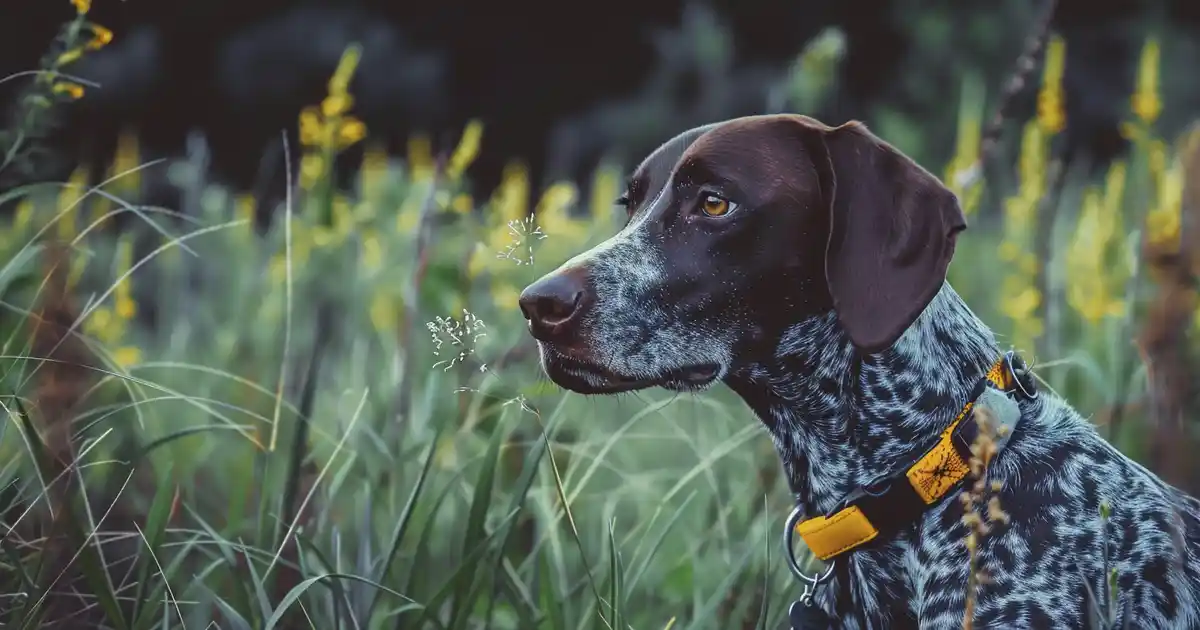
Have you ever wondered why gun dog training seems impossible until you discover the right approach that builds on your dog’s natural hunting instincts rather than fighting against them? I used to think developing a reliable hunting partner was only for professional trainers with decades of field experience and access to endless training grounds, until I discovered these transformative techniques that completely changed how I approached training my easily-distracted Labrador. Now my hunting buddies constantly ask how I managed to develop such steady marking and soft mouth without using electronic collars or harsh methods, and my training club friends (who initially doubted a positive-based approach could work for serious gun dogs) keep asking about my techniques. Trust me, if you’re worried about whether you can develop the precision and reliability hunting demands or if you’ll ever achieve that picture-perfect retrieve you see from finished gun dogs, this approach will show you it’s more achievable than you ever imagined.
Here’s the Thing About Gun Dog Training
Here’s the magic that makes gun dog training truly successful—it’s not about drilling your dog into mechanical compliance or hoping raw hunting drive naturally creates polished performance. What makes this work is understanding that natural retrieving instinct and trained steadiness aren’t opposing forces; they’re actually essential partners in creating hunting dogs that mark falls accurately, remain steady until sent, retrieve tenderly, and deliver to hand reliably. According to research on retriever behavior, selective breeding for generations has created dogs with remarkable natural abilities that training should enhance and channel rather than suppress or artificially manufacture. I never knew gun dog work could feel this collaborative until I stopped using force and intimidation and started building on enthusiasm while teaching self-control through positive reinforcement and clear communication. This combination creates amazing results whether you’re hunting waterfowl in harsh conditions, pursuing upland birds over challenging terrain, or competing in hunt tests and field trials where precision matters enormously. It’s honestly more rewarding than I ever expected, and no expensive training equipment or professional handler required to develop a competent hunting companion.
What You Need to Know – Let’s Break It Down
Understanding the fundamentals of gun dog training is absolutely crucial before you start worrying about advanced concepts like blind retrieves or honoring. Don’t skip building a rock-solid foundation in basic obedience and natural retrieve development, because I’ve seen so many talented dogs completely fall apart in the field simply because handlers rushed past foundation work to get hunting quickly. The basic components include natural retrieve development (encouraging the desire to pick up and carry objects), basic obedience (heel, sit, stay, come), steadiness (remaining calm and still despite exciting distractions), marking (watching and remembering where birds fall), delivery to hand (bringing retrieved game directly to the handler), and most importantly, that trusting partnership between handler and dog that allows teamwork in challenging hunting situations.
I finally figured out that most gun dog training failures happen because people either force retrieving on dogs showing little natural interest or allow wild, uncontrolled retrieving that becomes impossible to steady later after months of trial and error watching various approaches succeed and fail. Start with honest assessment of your individual dog’s natural retrieving drive, because not every sporting breed puppy develops into a serious hunting dog (took me forever to accept this reality, but it’s true, seriously). Your dog needs natural interest in carrying objects, sufficient drive to persist through challenges, and enough biddability to accept direction even when birds are falling.
Steadiness deserves special attention because it’s the foundation of safe, controlled hunting and separates trained gun dogs from wild game-chasers. I always recommend building duration for remaining calm despite exciting stimuli before worrying about perfect heel position or complex marking scenarios, because everyone sees results faster when self-control becomes habitual rather than requiring constant correction. Yes, force-fetch training really works for creating reliable delivery and solving pickup problems, but you’ll need expert instruction or you risk creating avoidance and ruining your dog’s natural enthusiasm (and there are positive alternatives that work beautifully for many dogs).
If you’re just starting out with gun dog basics, check out my beginner’s guide to sporting dog training fundamentals for essential knowledge that applies across retrievers, pointers, and flushing breeds. The mental game matters just as much as physical skills, and understanding what realistic development timelines look like prevents those discouraging moments when your six-month-old puppy doesn’t perform like the finished dogs you see in videos.
The Science and Psychology Behind Why This Works
Dive deeper into what research actually shows about sporting dog genetics, and you’ll discover why retrieving represents modified predatory sequences where dogs have been selectively bred to show strong chase and carry behaviors while having inhibited consumption drives. Studies on breed-specific behavior demonstrate that gun dog breeds show distinct differences in play styles, object focus, and willingness to work cooperatively with humans compared to other breed groups, which explains why properly bred sporting dogs naturally retrieve while many other breeds show little interest.
The psychology of lasting success in gun dog training revolves around creating positive associations with all aspects of hunting work while teaching impulse control that allows dogs to remain steady despite intense arousal. When dogs genuinely love retrieving and understand that controlling themselves brings more opportunity to work, their performance quality improves dramatically, their stress levels remain manageable during training, and their ability to think clearly despite distractions increases significantly. Traditional force-based approaches often work in the short term but can create dogs that comply mechanically without genuine enthusiasm, while completely permissive approaches create uncontrollable dogs that become dangerous and ineffective in hunting situations.
What makes this different from a scientific perspective is understanding that optimal performance requires balancing arousal and control—too little arousal creates disinterest while too much creates frantic behavior that prevents accurate marking and steady performance. Research from canine cognition specialists demonstrates that this balanced training approach works consistently across different sporting breeds and hunting applications because it respects both the genetic predisposition to retrieve and the learned self-control needed for civilized hunting partners. I’ve personally witnessed the transformation when handlers shift from demanding robot-like obedience to encouraging thoughtful partnership, and the difference in field performance and dog enthusiasm speaks volumes.
Here’s How to Actually Make This Happen
Start by establishing strong natural retrieve on simple objects before introducing birds or gunfire—here’s where I used to mess up by rushing to “real” training with birds and wondering why my dog developed hard mouth or wouldn’t pick up birds reliably. Your foundation work needs to build genuine love of retrieving through play and success, which means you use bumpers, tennis balls, or paint rollers initially and make every retrieve a party.
Build basic obedience to hunting-specific standards before expecting field work reliability because a dog who won’t sit reliably in your backyard certainly won’t remain steady when ducks are landing. Now for the important part that most people skip: spend at least 3-4 months developing rock-solid heel, sit, stay, and recall in progressively distracting environments before introducing real hunting scenarios. This step seems boring but creates essential control you’ll desperately need when your dog’s prey drive kicks into overdrive.
Introduce gunfire gradually through systematic desensitization rather than assuming your dog will naturally accept loud noises. Here’s my secret—I start with cap guns at distance during fun activities, very gradually increasing volume and proximity over weeks while always pairing sounds with positive experiences, then progress to shotgun primers and eventually actual shotguns. Don’t be me—I used to think “gun-sure” meant genetic and discovered the hard way that gun-shyness can develop from single negative experiences that destroy months of training.
Teach steadiness systematically using controlled setup that prevents self-rewarding behavior like breaking. When developing steady sitting through thrown bumpers, start with zero-temptation situations where success is easy, then incrementally increase difficulty—closer throws, more exciting bumpers, multiple retrieves—until you feel completely confident your dog understands the concept. This creates lasting steadiness you’ll rely on throughout your dog’s hunting career because the behavior becomes deeply ingrained through hundreds of successful repetitions.
Add marking development using progressive difficulty from single retrieves in short cover to multiple marks in challenging terrain with diversions and obstacles. Results can vary, but most dogs need at least 8-12 months of consistent training before handling complex multiple marks reliably. Every breed marks differently—Labrador Retrievers typically show strong natural marking while some pointing breeds require more development—so adjust expectations to breed tendencies and individual dog capabilities.
Proof water work separately from land training because swimming, dealing with currents, and water entries require specific conditioning and confidence building. My mentor taught me this principle: introduce water gradually through play and easy success rather than forcing dogs into scary situations, and you’ll develop water-loving dogs who enter enthusiastically rather than tentatively. Use variable training locations once skills solidify, working different terrains, cover types, and water conditions to build versatility rather than location-specific performance.
Work on blind retrieves (unseen falls that dogs find through handler direction) only after marking skills are solid, just like building advanced skills on strong foundations rather than rushing to impress people. Don’t worry if you’re just starting out—even professional trainers began with dogs that wouldn’t take hand signals or ran past birds before developing through systematic training and experience.
Common Mistakes (And How I Made Them All)
Learn from my epic failures instead of repeating them yourself. My biggest mistake was allowing my young dog to chase and retrieve everything that moved without teaching steadiness first, thinking I was building drive when actually I was creating an uncontrollable monster. What actually happened was my dog developed such strong self-rewarding chase behavior that achieving steadiness later required months of difficult remedial work that could have been prevented with proper foundation.
I also made the classic error of using real birds too early before my dog understood gentle mouth and proper delivery, then dealing with hard mouth problems that damaged birds and created bad habits requiring extensive correction. Dogs need to succeed with forgiving bumpers before graduating to delicate game, and ignoring fundamental principles experts recommend about progressive training cost me significant frustration.
Another huge mistake was inconsistent training—working intensively for weeks then taking months off—which confused my dog and prevented skills from solidifying. Some training requires regular repetition to maintain, and assuming that once-learned behaviors would hold up after long breaks created performance breakdowns in hunting situations.
I also neglected physical conditioning, assuming that occasional training sessions provided adequate fitness when actually serious gun dog work requires significant cardiovascular endurance and joint strength. The truth is that unconditioned dogs fatigue quickly, perform poorly, and risk injury during demanding retrieves. Don’t make my mistake of taking an unfit dog on opening day and expecting championship performance—injuries and failures result from inadequate preparation.
When Things Don’t Go as Planned
Feeling overwhelmed by the complexity of developing all the necessary skills while maintaining your dog’s enthusiasm and preventing problems? You probably need to break training into smaller components and master each piece before combining them into complete hunting scenarios. That’s normal, and it happens to everyone who takes gun dog training seriously rather than just hoping their dog “figures it out.”
When your dog shows insufficient retrieve drive or problems like refusing to pick up birds despite appropriate breeding and introduction, I’ve learned to handle this by evaluating whether physical issues, previous negative experiences, or simply lack of genetic drive explains the behavior. This honest assessment allows you to address root causes rather than forcing unwilling dogs. When this happens (and it does to some dogs even from excellent hunting lines), resist the urge to use force methods that might create compliance but kill enthusiasm.
If your dog starts showing stress signals like avoiding training, refusing retrieves previously performed reliably, or becoming frantic and out-of-control around birds, stop immediately and reassess your approach. I always prepare for setbacks because even properly trained gun dogs experience confusion from unclear handling, physical pain affecting performance, or situations exceeding their training level, and having backup plans prevents minor issues from becoming permanent problems. Try reducing difficulty, increasing success rate, or consulting with experienced trainers until your dog’s confidence and understanding return.
Don’t stress when your dog’s performance varies between training and actual hunting—just remember that real hunting presents challenges and distractions impossible to replicate in training, and expecting perfection in early hunting seasons sets unrealistic standards. Your tension and disappointment affect your dog’s confidence, so managing expectations directly impacts long-term development. This is totally manageable with patience and realistic goals.
Advanced Strategies for Next-Level Results
Taking this to the next level requires understanding the subtle details that separate competent hunting dogs from championship-caliber field trial competitors. Advanced practitioners often implement specialized techniques for performance optimization like teaching pattern blinds (memorized retrieve paths), developing intelligent disobedience (refusing bad commands that would lead to failure), and building courage to face difficult cover, cold water, and challenging retrieves that lesser dogs refuse.
My personal discovery about advanced gun dog work is that teaching your dog to think independently and problem-solve rather than waiting passively for every micro-managed direction creates dramatically better hunting performance. When you develop your dog’s confidence to use their nose, adapt to changing conditions, and persist through challenges, you create reliability that holds up when communication becomes difficult or situations don’t match training scenarios.
Consider implementing multiple skill development where your dog handles different game types, terrain challenges, and hunting styles, creating versatile dogs rather than specialists. This cross-training builds adaptability and prevents boredom but requires careful introduction to avoid confusion between different working contexts.
For competition preparation, advanced techniques include learning specific test formats like AKC hunt tests or field trial stake requirements, developing your own handling mechanics and whistle/voice timing to support rather than hinder your dog, and understanding strategy for wind reading, fall placement, and terrain evaluation. Work on reading judges’ expectations and adapting presentation accordingly, because trial success requires not just working ability but appropriate demonstration of that ability.
Different hunting styles require different specializations—waterfowl work needs strong water confidence and tolerance for cold conditions, upland hunting requires close-working cooperation and quartering patterns for flushing breeds, while pointing breeds need staunch points and backing behavior. Understanding which advanced skills matter for your primary hunting application prevents wasted training effort on irrelevant abilities.
Ways to Make This Your Own
Each variation works beautifully with different hunting applications and handler goals. When I want faster results with a naturally talented dog showing exceptional drive and biddability, I use the Accelerated Method that incorporates daily training sessions with intensive skill development and rapid progression through competency levels. This makes it more demanding but definitely worth it if you’re targeting competitive hunt tests or need hunting dogs finished quickly for upcoming seasons.
For special situations like working with soft-tempered dogs, rescues with unknown backgrounds, or dogs showing moderate rather than exceptional retrieve drive, I’ll use the Patient Development Approach that prioritizes building confidence and solid foundations over speed of progression. My busy-season version focuses on maintenance work and physical conditioning rather than introducing new skills when hunting seasons, work, or family commitments limit available training time.
Sometimes I add multiple game bird exposure (though that’s totally optional)—training on ducks, pheasants, chukars, and pigeons—creating versatile dogs prepared for varied hunting, but this requires access to different bird types and careful introduction to prevent confusion. For next-level results, I love incorporating fitness protocols specifically designed for gun dogs that build swimming endurance, strengthen joints for jumping and rough terrain, and prevent common injuries like cruciate tears or shoulder problems.
My advanced version includes detailed training logs tracking every session’s goals, outcomes, and observations to identify patterns and adjust programming systematically. Each breed has unique requirements, so Labrador Retriever training might emphasize water work and multiple marks while English Springer Spaniel work focuses on close quartering and flushing technique versus independent ranging.
Summer approach includes early morning sessions to avoid heat stress plus swimming work that builds fitness while keeping dogs cool, while winter training might emphasize cold water conditioning and ice breaking work when targeting serious waterfowl hunting. The key is adapting training to seasonal conditions and your dog’s individual needs rather than following rigid programs that ignore weather, game bird availability, and safety considerations.
Why This Approach Actually Works
Unlike traditional methods that rely heavily on electronic collars and force-fetch compulsion or completely permissive approaches that produce uncontrollable hunting companions, this approach leverages proven learning principles that most people ignore about building on natural drive while teaching self-control through positive reinforcement and clear communication. The science behind effective gun dog training demonstrates that dogs developed through balanced methods combining drive building and impulse control show greater problem-solving ability, better stress resilience during challenging retrieves, and longer hunting careers compared to dogs trained purely through compulsion or allowed to self-train without guidance.
What makes this different is recognizing that gun dog training isn’t about dominating your dog into submission or hoping natural instinct magically creates finished performance—it’s about creating partnerships where dogs understand how to use their natural abilities productively within boundaries that create safe, effective hunting. Evidence-based training creates sustainable hunting partnerships because it builds on genetic predisposition while adding the control and reliability that separate useful gun dogs from dangerous liabilities in the field.
The underlying principles involve understanding predatory behavior sequences to predict and shape dog responses, using positive reinforcement to encourage desired behaviors while preventing or redirecting inappropriate ones, and managing arousal levels to keep dogs in optimal learning and working states. Research shows that gun dogs trained with balanced methods combining enthusiasm building and steadiness training show stronger handler focus, more reliable performance under pressure, and better longevity because the training enhances rather than suppresses natural working joy.
My personal discovery moments about why this works came from watching my dog’s transformation from a wild, out-of-control ball-chaser into a steady, thinking hunting partner who could mark multiple falls, remain calm during exciting retrieves, and deliver tenderly to hand despite high arousal. That partnership and reliability serious hunters recognize separates well-trained gun dogs from untrained sporting breed pets who happen to retrieve occasionally.
Real Success Stories (And What They Teach Us)
One handler I worked with struggled for eighteen months trying to achieve steadiness using traditional force methods, experiencing constant training battles and a dog who complied reluctantly but showed decreasing enthusiasm. After switching to positive-based steadiness training that built impulse control gradually while maintaining retrieve drive, they achieved reliable steadiness within four months and went on to pass multiple hunt tests with scores emphasizing style and enthusiasm. Their success aligns with research on training methods that shows consistent patterns—when we build control through understanding rather than intimidation, dogs perform more reliably under stress while maintaining genuine working joy.
Another team came to gun dog training with a rescue Labrador of unknown background showing fear of gunfire and reluctance to enter water. By focusing on systematic desensitization and building confidence through gradual exposure paired with positive experiences, they not only overcame both issues but developed a dog who now hunts enthusiastically and passes hunt tests regularly. The lesson here is that patient, systematic training overcomes many obstacles that seem insurmountable initially, and rescued dogs can absolutely develop into capable hunting partners.
I’ve also seen complete novice handlers with zero hunting experience achieve remarkable results by committing to quality instruction and consistent training despite steep learning curves, proving that dedication and willingness to learn matter more than hunting heritage. Different timelines work for different teams—some dogs earn hunt test titles within their first year while others need two years developing foundations before testing successfully, and both paths create rewarding partnerships.
What made each person successful was their willingness to prioritize proper foundation over rushing to hunt before dogs were ready, their commitment to consistent training despite plateaus and setbacks, and their ability to maintain perspective that gun dog work should be enjoyable for both species rather than purely goal-focused.
Tools and Resources That Actually Help
The best resources come from authoritative hunting dog organizations and proven training methodologies developed by professional trainers and serious amateur handlers. My personal toolkit includes quality canvas bumpers in multiple sizes and colors, a good whistle for distance control (I prefer Acme Thunderer but many styles work), blank pistols and shotgun primers for controlled gunfire introduction, and bird launchers or remote release traps for advanced work, though basic equipment needs remain modest when starting.
Access to training birds—frozen pigeons, ducks, or pen-raised game birds—matters significantly for developing proper bird handling, though you can accomplish extensive foundation work using just bumpers. I purchase training birds from game farms or hunting preserves, and these realistic training tools prevent problems that develop when dogs only retrieve artificial objects.
Training grounds or access to varied terrain—fields, water, heavy cover—revolutionized my program’s effectiveness beyond backyard basics. You find this through training clubs, cooperative landowners, or public lands permitting dog training, and these varied conditions create versatile dogs prepared for real hunting situations.
For ongoing education, I recommend joining hunting retriever clubs like the North American Hunting Retriever Association or United Kennel Club Hunting Retriever Club, attending training days and hunt tests to observe, and reading foundational books like “Training Retrievers for Marshes and Meadows” by James Spencer or “Water Dog” by Richard Wolters (though some methods are dated). Hunting dog organizations including AKC, NAHRA, and UKC provide hunt test rules and training resources—studying these helps you understand performance standards and training goals.
Electronic training collars can be useful tools in experienced hands for advanced work like stopping to whistle at distance or reinforcing blinds, but they’re absolutely unnecessary for foundation work and often create more problems than they solve when used by inexperienced handlers. Be honest about your training skill level, because improper e-collar use damages dogs regardless of equipment quality.
Questions People Always Ask Me
How long does it take to train a gun dog to hunting readiness?
Most dogs showing strong natural retrieving drive can hunt basic scenarios within 8-12 months of consistent training, though developing finished performance for complex hunting or competitive tests takes 18-24+ months. I usually recommend starting with foundation obedience and retrieve development, then gradually adding field skills rather than rushing to hunt before dogs are ready. Timeline varies dramatically based on individual dog’s natural ability, training consistency, handler skill, and performance standards you’re targeting—basic duck hunting versus Master hunt tests require vastly different skill levels.
What if my sporting breed dog shows little interest in retrieving?
Not every individual within retrieving breeds develops strong retrieve drive despite appropriate breeding, and attempting to force retrieving on disinterested dogs rarely creates reliable, enthusiastic performance. Perhaps your dog lacks sufficient genetic predisposition, was introduced inappropriately creating negative associations, or simply finds other activities more rewarding. Honestly assess whether pursuing gun dog work serves your dog’s interests and natural inclinations, and remember that sporting breeds excel at many activities beyond hunting.
Is gun dog training suitable for complete beginners without hunting experience?
Yes, though you absolutely need quality instruction from experienced gun dog trainers rather than attempting to learn solely from books or videos. The beauty of starting fresh is you won’t have developed bad handling habits or misconceptions about training methods. Beginners often progress well by joining training clubs, taking lessons regularly, and accepting that both handler and dog are learning simultaneously—your dog forgives mistakes when you maintain positive attitude and keep training fun.
Can I train a gun dog without access to hunting land or game birds?
You can develop extensive foundation skills using just bumpers and backyard space, but finishing a gun dog absolutely requires access to birds, gunfire, and varied terrain that simulate hunting conditions. Whether you join training clubs with facilities, rent preserve time for training, or find cooperative landowners allowing training access, realistic exposure matters for creating hunting-ready dogs. Core obedience and basic retrieving don’t require special access, but proofing reliability and developing bird-handling skills demand appropriate training environments.
What’s the most important foundation skill for gun dog training?
Solid recall and steady sitting form the foundation for everything else in gun dog work—without ability to stop and call off your dog reliably, you cannot create safe, controlled hunting or prevent self-rewarding behaviors like breaking and uncontrolled chasing. Start with these basics and don’t progress to exciting bird work until commands work reliably even with moderate distractions present, because birds and gunfire create extreme arousal that breaks inadequate training.
How do I choose between retriever, pointer, and flushing breeds for my hunting?
Match breed selection to your primary hunting style and personal preferences—waterfowl and upland retrieving work suits Labrador Retrievers, Golden Retrievers, or Chesapeake Bay Retrievers; pointing game for hunters who shoot over points fits German Shorthaired Pointers, English Pointers, or Brittanys; close-working upland flushing matches English Springer Spaniels or Cocker Spaniels. Consider also lifestyle factors like size, coat maintenance, exercise needs, and temperament characteristics beyond just hunting function.
What mistakes should beginners avoid with gun dog training?
The biggest mistakes include allowing uncontrolled retrieving and chasing that creates breaking problems, introducing gunfire before adequate desensitization creating gun-shyness, using birds too early before establishing gentle mouth and delivery, attempting force-fetch without expert guidance, and comparing progress to social media highlight reels rather than realistic development timelines. Don’t skip foundation work to get hunting quickly, and avoid training when frustrated or your dog is exhausted.
Can gun dog training coexist with family companion life?
Absolutely—most gun dogs thrive as both hunting partners and family members when properly managed, though the balance requires clear boundaries between work mode and family time. Just understand that high-drive gun dogs need substantial daily exercise and mental stimulation beyond family activities, and hunting training should be kept separate from casual family play. Balance structured training with adequate rest and family bonding rather than making everything about work.
What if my dog develops hard mouth or won’t deliver to hand?
Hard mouth (damaging birds) and sticky delivery (not releasing birds promptly) represent common problems with various causes and solutions. Perhaps your dog experiences pain when carrying, lacks proper foundation in gentle holding, shows excessive arousal around birds, or learned bad habits from improper introduction. Work with experienced trainers to diagnose specific causes—some cases respond to gentling exercises while others require more systematic retraining or even force-fetch protocols to establish reliable, gentle delivery.
How much does gun dog training typically cost?
Private training lessons cost $40-100 per session depending on trainer experience and location, with most serious handlers training 2-4 times monthly plus independent practice. Training club memberships offering group training and testing opportunities range $50-200 annually. Equipment investment starts modestly ($100-300 for basics) but can increase substantially for advanced tools. Hunt test entry fees run $50-100 per test. Major expenses include training birds, travel to training grounds and tests, and conditioning/veterinary care to maintain soundness.
What’s the difference between hunt tests and field trials?
Hunt tests evaluate each dog against performance standards with pass/fail results at Junior, Senior, and Master levels, focusing on demonstrating hunting skills with no competitive placement. Field trials rank dogs competitively with placements (1st through 4th plus Jams) at different stake levels, emphasizing style, speed, and precision beyond basic hunting function. Hunt tests suit most hunting dog handlers seeking title recognition, while field trials attract serious competitors pursuing championships and breeding recognition.
How do I know if my dog is making real progress?
Track specific metrics like steadiness duration despite distractions, marking accuracy on multiple falls, delivery reliability and gentleness, distance and complexity of successful retrieves, and water entry enthusiasm. Video your training sessions monthly and compare footage to identify improvements in focus, control, and working confidence. Most importantly, notice your dog’s enthusiasm—if they show eager anticipation when training equipment appears and sustained drive during sessions, you’re building proper foundations regardless of immediate skill completion timelines.
Before You Get Started
I couldn’t resist sharing this because it proves that gun dog training success doesn’t require harsh methods or professional handler expertise—the best gun dog partnerships happen when handlers build systematically on natural drive while teaching control through positive methods that maintain working joy and mutual trust. Ready to begin? Start by honestly assessing your individual dog’s natural retrieving drive today, find quality instruction in your area, and commit to consistent foundation work before rushing to hunting scenarios. The partnership you’ll develop extends far beyond successful retrieves into a profound working relationship that transforms hunting from solitary pursuit into shared adventure with your most loyal companion.




