
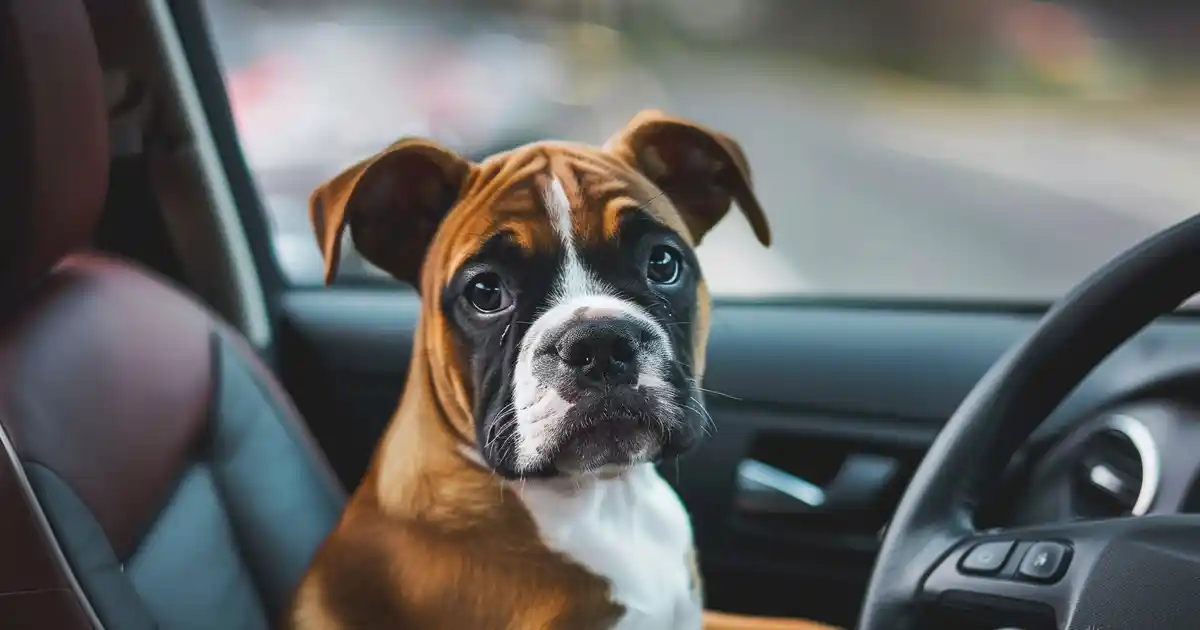
Have you ever dreaded every car trip because your puppy transforms into a drooling, whining, vomiting mess the moment the engine starts? I’ll never forget the horror of my first road trip with my 10-week-old golden retriever—thirty minutes into what should have been a two-hour drive, she’d vomited three times, worked herself into such a panic that she was hyperventilating, and I was pulled over on the shoulder questioning every life decision that led to this moment. Here’s the thing I discovered after successfully car-training six puppies (including two who started with severe motion sickness) and consulting with veterinary behaviorists: car anxiety and sickness aren’t permanent personality traits—they’re preventable and fixable problems that respond beautifully to systematic desensitization, proper restraint, and understanding the physiological factors behind puppy car struggles. Now my traveling friends constantly ask how my dogs leap enthusiastically into the car and settle calmly for hours-long trips while theirs still panic at the sight of the vehicle, and my veterinarian (who prescribes anti-anxiety medication for car phobic dogs weekly) keeps saying proper early car training prevents 90% of the cases requiring pharmaceutical intervention. Trust me, if you’re dreading vet appointments because of the car ride stress, avoiding travel because your puppy can’t handle it, or cleaning vomit from your back seat after every trip, this approach will show you it’s more achievable than you ever expected.
Here’s the Thing About Puppy Car Training
Here’s the magic: successful puppy car training isn’t about forcing your puppy to “get used to it” through repeated exposure—it’s about systematically building positive associations while addressing the physiological, emotional, and safety factors that make car rides genuinely difficult for puppies. The secret to success is understanding that puppies struggle with cars for multiple distinct reasons (motion sickness from underdeveloped vestibular systems, fear from lack of early exposure, anxiety from negative associations like “car always means vet,” and physical discomfort from improper restraint), and addressing all factors simultaneously creates dramatically better results than tackling just one. According to research on motion sickness in dogs and vestibular development, puppy motion sickness typically improves with age as the inner ear structures mature, but conditioning during this period determines whether dogs develop lasting positive or negative associations with car travel. I never knew car training could be this multifaceted until I stopped thinking “my puppy just needs more practice in the car” and started implementing protocols addressing motion sickness prevention, systematic desensitization, proper safety restraint, and positive reinforcement simultaneously. This combination creates amazing results because you’re removing the causes of distress while building positive associations rather than repeatedly exposing your puppy to an aversive experience and hoping they eventually tolerate it. It’s honestly more comprehensive than I ever expected—no single-fix solutions, just layered strategies working together.
What You Need to Know – Let’s Break It Down
Understanding the distinct factors contributing to puppy car difficulties is absolutely crucial to implementing appropriate solutions rather than randomly trying techniques that may not address your specific puppy’s challenges. The primary factors include: motion sickness (most common in puppies under 12 months due to underdeveloped vestibular systems—puppies literally experience dizziness, nausea, and disorientation more intensely than adults), fear or anxiety (from lack of early exposure, negative associations like “car means leaving mom/littermates” or “car means vet visits,” or traumatic experiences like accidents), improper restraint (loose puppies sliding around create both safety hazards and increased motion sickness; conversely, restraints that restrict breathing or movement cause panic), and insufficient positive association building (nothing good happens in or around the car, so there’s no reason to overcome natural apprehension).
Don’t skip the safety-first principle—loose puppies in moving vehicles face serious injury or death in even minor accidents, can cause accidents by interfering with driving, develop worse motion sickness from being thrown around, and create legal liability in many jurisdictions. I finally figured out after one close call when my puppy tried to climb into my lap while driving that proper restraint isn’t optional—it’s the foundation of all car training because unrestrained puppies cannot develop the calm, secure feelings necessary for positive associations. (Took me forever to realize that my “puppy seems calmer when loose” observation was actually my puppy being in continuous low-level panic trying to brace against movement, not relaxation.)
The cycle of positive car associations perpetuates itself beautifully once you establish that cars predict good outcomes, but you’ll need to separate training from necessary trips during the learning phase to avoid undermining progress with stressful experiences. I always recommend the “training trips versus necessary trips” distinction because everyone sees better results when training happens in controlled, low-pressure situations separate from real appointments where stress is unavoidable. For comprehensive information about using food and treats effectively during car training, check out my guide to using high-value rewards for training for foundational knowledge about maintaining food motivation even when puppies feel nauseated or anxious.
The Science and Psychology Behind Why This Works
Dive deeper into the evidence and you’ll find that puppy vestibular systems (inner ear structures responsible for balance and spatial orientation) don’t fully mature until 10-12 months old, which is why motion sickness affects puppies disproportionately compared to adult dogs. Research from veterinary neurology demonstrates that the sensory mismatch between visual input (stationary car interior) and vestibular input (body in motion) creates nausea and disorientation, and this mismatch is more pronounced in immature nervous systems. The good news: most puppies outgrow physiological susceptibility to motion sickness naturally, making the critical training period temporary if managed correctly.
Traditional approaches often fail because they either ignore motion sickness as a factor (assuming all car distress is behavioral), repeatedly expose puppies to car travel despite vomiting and distress (creating stronger negative associations through flooding rather than habituation), or focus exclusively on desensitization without addressing safety restraint and positive reinforcement components. What makes this different from a scientific perspective is the multi-modal approach: reducing physiological motion sickness triggers (positioning, ventilation, fasting schedules), building positive emotional associations (classical conditioning pairing cars with good things), teaching calm behavior (operant conditioning rewarding settling), and ensuring physical comfort (proper restraint preventing sliding).
I’ve learned through personal experience that puppies can simultaneously experience motion sickness AND anxiety—addressing one without the other produces incomplete results. The psychological component matters enormously: puppies who associate cars exclusively with negative outcomes (vet visits, separation from owners during boarding, motion sickness) develop anticipatory anxiety that worsens physical symptoms, while puppies who experience cars predicting fun adventures, treats, and calm positive time with owners develop resilience against motion sickness and rapid recovery when it occurs.
Here’s How to Actually Make This Happen
Start by selecting appropriate safety restraint before any training begins—this infrastructure determines both physical safety and training success. Here’s where I used to mess up: I’d try different restraint methods randomly based on convenience rather than understanding that restraint type significantly affects both safety and puppy comfort. The best options include: crash-tested car harnesses attached to seat belt systems (for puppies over 4 months and 15+ pounds), secured crates providing den-like security (wire or plastic kennels with non-slip mats beneath them, secured so they cannot slide or tip), or car-specific dog barriers creating confined spaces in cargo areas (for larger breeds). Never use harnesses attached to collars (causes neck injury in accidents), unsecured crates (become projectiles in accidents), or dog car seats unless specifically crash-tested (most aren’t and provide false security).
Now for the important part: implement systematic desensitization starting with stationary car exposure before any movement. My mentor taught me this trick: divide car training into micro-steps practiced separately before combining them. Week 1: Car in driveway, engine off—open doors, let puppy explore, feed meals in car, play with favorite toys near car, practice settling in car with you reading a book. When it clicks, you’ll know because your puppy willingly approaches and enters the car without hesitation. Week 2: Still parked, but engine running—same positive associations while acclimating to sound and vibration. Week 3: Drive to end of driveway, immediately return, reward. Week 4: Drive around the block. Week 5: Five-minute trips to fun destinations.
Here’s my secret for preventing motion sickness during training: strategic timing and positioning dramatically reduce nausea triggers. This step takes careful planning but creates lasting comfort that random practice cannot achieve. Until your puppy builds tolerance, follow these guidelines: withhold food for 2-3 hours before car trips (empty stomach reduces vomiting but doesn’t eliminate nausea), position the puppy where they can see out the window (visual horizon helps orient vestibular system—middle of back seat or in cargo area with window view, not on floor where they see nothing), maintain excellent ventilation (crack windows, use fresh air setting not recirculation), drive smoothly without sudden acceleration/braking/turning, and keep trips very short initially (5 minutes maximum, gradually increasing as tolerance builds).
After establishing comfort with short trips, begin strategic destination selection that builds positive associations. Practice “magical mystery tours” where every car ride ends with something wonderful: trips to pet-friendly stores where strangers offer treats, visits to friends’ houses with dog playmates, drives to new hiking trails, or simply short rides that circle back home where you immediately play in the yard. Results can vary, but most puppies need 15-20 short, positive trips before car anxiety resolves and motion sickness improves. This creates lasting positive emotional responses that outweigh physical discomfort.
Critical step everyone forgets: teach specific “car manners” as trained behaviors, not assuming puppies naturally know how to behave. Every situation has its own challenges, but foundation behaviors include: waiting for permission before entering car (prevents door-darting escapes), settling calmly once inside (laying down rather than pacing/whining), staying in designated space (not climbing between seats), and waiting for release before exiting. Just like teaching table manners to children through systematic instruction rather than hoping they figure it out, specific car behavior training creates reliable habits.
Foundation car training protocols to implement systematically:
Stationary Positive Association (Week 1-2): Spend 5-10 minutes daily with puppy in the stationary car (engine off initially, then running). Feed high-value treats, deliver entire meals, play gentle games, practice basic obedience cues, and simply exist calmly together. Exit before the puppy shows any stress.
Movement Desensitization (Week 3-4): Begin with 30-second trips—literally backing out of driveway then immediately returning. Gradually increase to 2 minutes, 5 minutes, 10 minutes over multiple sessions. Always end trips before motion sickness develops if possible.
Destination Variety (Week 5-8): Deliberately drive to fun locations (parks, friend’s houses, pet stores) not just necessary appointments. Maintain 3:1 ratio—for every “necessary” vet/groomer trip, complete three fun destination trips preventing negative association build-up.
Distance Building (Week 9+): Very gradually increase trip duration by 5-10 minutes weekly, monitoring carefully for stress or motion sickness resurgence. Some puppies tolerate longer trips earlier; others need months of gradual increase.
Real-World Application (Ongoing): Practice calm car behavior during necessary trips while maintaining occasional fun destination trips throughout your dog’s life preventing regression.
Common Mistakes (And How I Made Them All)
Don’t make my mistake of skipping systematic desensitization because my puppy “seemed fine” after a few successful trips, then being blindsided when anxiety or motion sickness suddenly appeared during a longer journey. Building foundation through graduated exposure prevents problems that seem to emerge randomly but actually result from insufficient preparation. Learned that one when my puppy regressed dramatically after one stressful long trip undid weeks of progress. Another epic failure: feeding my puppy immediately before car rides because I wanted to use meal time for positive association, which guaranteed vomiting that created exactly the negative association I was trying to prevent.
The biggest mistake? Using punishment or frustration responses (yelling “stop it!” when whining, forcing puppy into car when resistant, refusing to stop when puppy was clearly nauseated) which taught my puppy that cars predict both physical discomfort AND owner displeasure—layering emotional trauma onto physiological distress. I’ve learned that patience and compassion during the messy learning phase prevents behavioral problems that punishment creates. Also, thinking one restraint method works for all dogs rather than recognizing that some puppies feel secure in crates while others panic, some tolerate harnesses while others find them restrictive—experts recommend trying different options to find what your individual puppy handles best.
When Things Don’t Go as Planned
Feeling overwhelmed because your puppy still vomits despite following protocols perfectly? You probably need pharmaceutical intervention temporarily while continuing training—some puppies have severe motion sickness requiring medication support during the maturation period. That’s normal, and it happens to everyone with particularly sensitive puppies. I’ve learned to handle this by consulting my veterinarian about Cerenia (anti-nausea medication specifically for dogs) or Dramamine for dogs, using medication to prevent vomiting during necessary trips while continuing desensitization work during training trips, recognizing this is temporary support not permanent necessity for most puppies.
Progress stalled because your puppy developed intense anxiety after one traumatic car experience (accident, severe motion sickness episode, scary vet visit)? This is totally manageable but requires returning to basics and potentially consulting a veterinary behaviorist. When this happens (and single traumatic experiences can undo significant progress), go back to stationary car exposure for 1-2 weeks, use higher-value rewards, shorten trip duration, consider anti-anxiety supplements or medication during rebuilding phase, and accept that rehabilitation takes longer than initial training. I always prepare for regression during adolescence (6-14 months) when previously comfortable puppies sometimes develop new anxieties requiring patient reconditioning.
If you’re losing steam because you’re avoiding necessary travel due to your puppy’s car struggles, try this: separate training trips (short, positive, no destination pressure) from necessary trips (vet appointments you cannot postpone) and use maximum support for necessary trips (anti-nausea medication, favorite calming treats, familiar blanket with your scent) while being patient with training timeline. Don’t stress about achieving perfect car behavior immediately—many puppies need 3-6 months of consistent training before reliable comfort is established.
Advanced Strategies for Next-Level Results
Taking this to the next level means implementing “car as positive environment” lifestyle integration where the car becomes a regular, pleasant part of your puppy’s life beyond just transportation. Advanced practitioners often use cars for: climate-controlled rest spaces during outdoor adventures (puppy naps in air-conditioned car during hot hikes), mobile training platforms (practicing obedience cues in parked car during errands), and socialization opportunities (driving to different locations for environmental exposure without necessarily exiting vehicle). When my fourth puppy was building car confidence, incorporating cars into daily routine in non-travel contexts (sitting in car while I made phone calls, settling in car during kids’ sports practices) created familiarity that accelerated comfort.
For puppies with severe motion sickness despite maturation and training, I’ve discovered alternative positioning and complementary approaches work better than standard protocols alone. These include: natural anti-nausea supplements (ginger treats, ginger capsules given 30 minutes before travel), adaptil/DAP diffusers in car providing calming pheromones, acupressure wrist bands for dogs (designed for motion sickness), elevated positioning allowing better window view (car seats for small breeds, securing crates at window level), and extremely gradual duration increases (adding just 1-2 minutes weekly rather than 5-minute jumps). This makes training more intensive but definitely worth it for particularly challenged puppies.
What separates beginners from experts? Understanding that car training never truly “ends”—even well-trained dogs benefit from periodic fun destination trips maintaining positive associations, brief refresher training during life transitions (moving to new home, long break from travel), and accommodations during illness or old age when motion sensitivity can return. Some advanced techniques include: teaching specific relaxation cues (“settle” on mat in car transferring calm associations), conditioning specific music or audiobooks as car-specific calm signals, and varying routes to same destinations preventing rigid expectations that create anxiety when changes occur.
Ways to Make This Your Own
When I want faster results for puppies with minimal motion sickness but high anxiety, I implement “car meals” protocol where 100% of food is delivered in or immediately beside the car for 2-3 weeks—this intensive positive association building accelerates comfort through repeated pairing of life’s best resource (food) with car environment. For special situations where I’m preparing puppies for specific long-distance travel (moving across country, traveling to competitions), I’ll progressively acclimate to longer durations by adding just 10-15 minutes weekly to trip length, ultimately building to 4-6 hour tolerance over several months. This makes preparation more extended but definitely worth it when specific long trips are inevitable.
My busy-season version focuses on maintenance rather than intensive training—completing one fun destination trip weekly, feeding occasional meals or special treats in parked car, and ensuring necessary trips don’t dominate car experiences creating negative association balance. Sometimes I add calming supplements (l-theanine, chamomile formulated for dogs) for anxiety-prone puppies, though that’s totally optional and appropriate after veterinary consultation. For next-level results, I love teaching “car time” as a specific trained routine—particular toy only available in car, favorite podcast only played during drives, special blanket creating portable den—building rituals that signal safety and comfort.
My advanced version includes detailed travel logs tracking trip duration, pre-trip food timing, destinations, puppy’s response (stress signals, motion sickness, recovery time), and what variables seemed to help or hinder—this data reveals patterns guiding optimization. Each variation works beautifully with different needs—the “Severe Motion Sickness Protocol” using maximum pharmaceutical and positioning support, the “Anxiety-Focused Approach” emphasizing desensitization over quick trips, the “Road Trip Preparation Program” building long-duration tolerance. Budget-conscious options? Skip expensive crash-tested harnesses initially and use secure crates (often already owned), utilize free fun destinations like parks or friends’ houses, and implement training yourself through systematic practice rather than hiring professional help.
Why This Approach Actually Works
Unlike traditional methods that either force exposure hoping puppies “get over it” (flooding that worsens anxiety) or coddle excessively by avoiding all car travel (preventing necessary desensitization), this approach leverages proven learning theory and veterinary science that most people ignore. The combination of systematic desensitization (gradual exposure at puppy’s pace), classical conditioning (pairing cars with positive outcomes), operant conditioning (rewarding calm behavior), proper safety restraint (providing physical security), and motion sickness management (reducing physiological distress) addresses both emotional and physical factors simultaneously. Research shows that puppies trained using multi-modal approaches demonstrate significantly better long-term car comfort, faster motion sickness resolution, and lower anxiety compared to puppies trained through forced exposure or avoidance.
What sets this apart from other strategies is the emphasis on addressing root causes rather than managing symptoms—most approaches focus exclusively on either motion sickness OR anxiety without recognizing these factors interact and amplify each other. I discovered through trial and error that the “treat all factors simultaneously” approach feels more complex initially but produces dramatically faster, more reliable results than addressing problems sequentially. The evidence-based foundation—graduated exposure, classical conditioning, developmental neuroscience (vestibular maturation timeline), and positive reinforcement—represents decades of veterinary behavior and physiology research.
This creates sustainable outcomes because you’re building genuine comfort and positive associations rather than merely training puppies to tolerate an aversive experience, and you’re working with developmental maturation (vestibular system improvement) rather than fighting against it through premature intensive exposure.
Real Success Stories (And What They Teach Us)
One of my clients adopted an 8-week-old border collie puppy who vomited violently during the 20-minute ride home and showed immediate fear of cars thereafter. She implemented extreme protocols: two weeks of stationary car exposure with all meals fed in car, Cerenia prescribed by her vet for necessary trips, harness securing puppy in position allowing window view, and 6 weeks of graduated trip duration starting with 30-second drives. Within three months, her puppy eagerly jumped into the car and traveled comfortably for hour-long trips. What made her successful? She accepted the extended timeline without rushing, separated training trips from necessary trips, used pharmaceutical support without guilt, and celebrated incremental progress.
Another success story involves a rescue puppy with unknown early history showing severe car anxiety despite no apparent motion sickness. The owner worked with a certified behaviorist, implemented counter-conditioning pairing car approach with treats from distance, taught specific “car mat” calm behavior, used adaptil spray in vehicle, and spent two months building comfort before attempting any movement beyond driveway backing. Their success aligns with research on fear reduction showing systematic desensitization at sub-threshold levels creates lasting anxiety resolution—this puppy went from terrified refusal to enter cars to relaxed passenger through patient, individualized protocols.
I’ve seen diverse outcomes and different timelines: some puppies develop car comfort within 3-4 weeks, others need 4-6 months for complete motion sickness resolution and anxiety reduction. A naturally calm golden retriever adapted faster than a high-strung Australian Shepherd. The lessons? Adjust expectations based on your individual puppy’s temperament, severity of motion sickness, and early experiences. Success isn’t one-size-fits-all, but the principles remain constant. What each person learned: consistency matters more than speed, medication support isn’t “cheating” when physiological factors are involved, and some puppies simply outgrow motion sickness with maturity regardless of training—patience often solves problems effort cannot force.
Tools and Resources That Actually Help
The specific tools that made the difference for me: crash-tested car harness from reputable brand (Sleepypod, Kurgo, Ruffwear—research CSPCA testing results), secured wire crate with comfortable mat and familiar bedding, high-value treats specifically reserved for car training (real meat, cheese—whatever motivates maximally), Adaptil spray or collar providing calming pheromones, enzymatic cleaner for inevitable accidents (Nature’s Miracle), and portable water bowl for longer trips. For motion sickness management, I keep veterinarian-prescribed Cerenia on hand and ginger supplements (after vet approval).
Free options that work: practicing in parked car in your driveway or garage, using meal times for positive car association without purchasing special treats, borrowing friends’ calm adult dogs for company during trips (sometimes helps anxious puppies), and systematic gradual exposure requiring only time investment. Paid options worth the investment: consultation with certified veterinary behaviorist for severe cases ($200-400 for initial assessment), crash-tested safety restraint appropriate to your puppy’s size ($30-100), prescription anti-nausea medication for motion-sick puppies ($2-5 per tablet), calming supplements formulated for dogs ($15-30 per bottle), and potentially professional dog trainer specializing in car anxiety for hands-on guidance ($75-150 per session).
Be honest about limitations—some puppies have medical conditions (ear infections affecting vestibular function, severe anxiety disorders) requiring veterinary treatment beyond training alone, some breeds (brachycephalic breeds like pugs, bulldogs) have breathing difficulties exacerbated by car stress requiring special accommodation, and some living situations (apartment dwelling without vehicle access) make systematic daily car training logistically challenging. My personal experience with each: I’ve trained puppies ranging from those who loved cars from day one to those requiring 6 months of intensive work, and while the methods work universally, some puppies need significantly more time, pharmaceutical support, and patience than others. For additional resources from authoritative organizations, the American Kennel Club’s guide to traveling with dogs provides comprehensive information on car safety standards and travel best practices complementing training approaches.
Questions People Always Ask Me
At what age should I start car training my puppy?
Begin immediately upon bringing your puppy home (typically 8 weeks old) with stationary car exposure and positive associations—the earlier you start building comfort, the easier the process. However, minimize actual driving during the first 2-3 weeks home (only essential vet visits) while your puppy adjusts to their new life. The critical socialization period (8-16 weeks) is ideal for car conditioning, but you can successfully train puppies of any age with appropriate protocols.
How do I stop my puppy from crying in the car?
Crying indicates distress from motion sickness, anxiety, or both. Solutions include: ensuring proper restraint providing security, using anti-nausea medication if motion sickness is involved, implementing systematic desensitization starting with stationary car time, providing high-value treats or food-dispensing toys for distraction, avoiding consoling (which rewards crying) while rewarding moments of quiet, and ensuring sufficient exercise before trips so puppy is tired. For severe crying, consult a veterinary behaviorist as this indicates significant distress requiring professional intervention.
Is it normal for puppies to vomit in cars?
Yes, very common due to underdeveloped vestibular systems. Most puppies naturally outgrow motion sickness by 10-12 months as inner ear structures mature. Management strategies: withhold food 2-3 hours before travel, ensure good ventilation, position puppy where they can see out windows, drive smoothly, keep trips short initially, and consider veterinary-prescribed anti-nausea medication (Cerenia) for necessary trips during this period. If vomiting persists beyond 12 months, consult your vet as medical issues may be involved.
Should I use a crate or harness for car safety?
Both can work if properly implemented. Crates (crash-tested or secured so they cannot slide/tip) provide den-like security many puppies prefer and contain mess if vomiting occurs. Harnesses (must be crash-tested and attach to seat belt, never collar) allow window viewing reducing motion sickness and suit puppies who panic when confined. Try both if possible—individual puppies have strong preferences. Never transport puppies unrestrained regardless of short distance or “just this once” circumstances—accidents happen unpredictably and loose puppies suffer catastrophic injuries.
Can I give my puppy Dramamine for car sickness?
Consult your veterinarian before giving any medication. Dramamine (dimenhydrinate) can help some dogs but dosing must be veterinarian-guided based on puppy’s weight and health status. Cerenia (maropitant) is a veterinary-specific anti-nausea medication often more effective and specifically approved for dogs. Never use human medications without explicit veterinary approval—dosing, formulations, and safety profiles differ significantly between species. Natural alternatives like ginger may help mild cases but discuss with your vet first.
How long does it take to train a puppy to be comfortable in cars?
Timeline varies dramatically based on severity of motion sickness, anxiety levels, and training consistency. Puppies with mild issues may show comfort within 2-4 weeks. Moderate cases typically require 6-8 weeks of systematic training. Severe motion sickness or anxiety may need 3-6 months, recognizing that physiological maturation (vestibular development) occurs naturally during this period. Consistency matters more than speed—daily brief practice produces faster results than sporadic intensive sessions.
My puppy is fine in the car but goes crazy when we arrive—what do I do?
This is called destination excitement and indicates inadequate impulse control training, not car problems per se. Solutions: practice “wait” at car door requiring calm sitting before exit permission, conduct “boring” car trips where you drive somewhere, sit for 5 minutes, then return home (not every trip ends in exciting adventure), reward calm behavior during parking and engine-off before allowing exit, and ensure sufficient exercise before trips so puppy isn’t bursting with pent-up energy. This is separate from car anxiety and addresses impulse control more broadly.
Should I let my puppy hang their head out the car window?
No, for safety reasons: debris can injure eyes, ears can be damaged by wind force, sudden stops can cause injury, and the dog could jump or fall from moving vehicle. Compromise: crack windows 2-3 inches allowing fresh air and scents without safety risks. If your dog loves window time, ensure secure harness restraint and only crack windows slightly. Some breeds (brachycephalic breeds) should avoid even cracked windows due to breathing difficulties exacerbated by wind pressure.
What if I need to take my puppy on a long trip before they’re fully car trained?
Use maximum support strategies: veterinary-prescribed anti-nausea medication, calming supplements or medications if anxiety is involved, plan frequent stops (every 45-60 minutes) for short walks and potty breaks, withhold food 3-4 hours before departure, ensure secure comfortable restraint, bring familiar bedding/toys, maintain cool temperature with good ventilation, and drive as smoothly as possible. Accept that this necessary trip may temporarily set back training—resume systematic desensitization work afterward. Consider whether alternatives (boarding, pet sitter, driving overnight when puppy sleeps) are more humane than forcing an extremely distressing experience.
How do I know if my puppy’s car anxiety is severe enough for professional help?
Seek professional help from a certified veterinary behaviorist if: your puppy refuses to approach car despite weeks of counter-conditioning, vomiting is severe/frequent despite maturation and anti-nausea medication, anxiety manifests as dangerous behaviors (frantic escape attempts, extreme aggression when approached to go to car, self-injury), your puppy’s fear generalizes beyond cars to other vehicles or traveling sounds, or training progress has completely stalled despite consistent effort. Early professional intervention prevents problems from becoming deeply ingrained and provides customized protocols addressing specific challenges.
Can puppies outgrow car sickness without any training?
Some puppies do naturally outgrow motion sickness through vestibular maturation (10-12 months) regardless of training, especially if car exposure continues casually throughout this period. However, without intentional positive association building, these puppies may develop anxiety-based car aversion even after physical motion sickness resolves. The combination of natural maturation PLUS systematic training produces the best outcomes—comfortable car travelers who actively enjoy rides rather than merely tolerating them. Training ensures the maturation period doesn’t also become an anxiety-conditioning period through repeated negative experiences.
What’s the safest way to transport very small puppies (toy breeds)?
Very small puppies face special challenges: cannot use most harnesses until larger, more vulnerable to injury in crashes, and can squeeze through barriers. Best options: small crash-tested crates secured in back seat (secured with seat belts or bungees preventing sliding/tipping), travel carriers designed for pets that meet safety standards, or small-breed-specific harnesses once the puppy reaches minimum weight (typically 5+ pounds). Never hold small puppies on your lap while driving—airbag deployment or sudden stops can cause catastrophic injury. Position carriers/crates on floor behind front seats (safest crash zone) or secure carefully in back seat.
Before You Get Started
I couldn’t resist sharing this because it proves car training transforms quality of life for both dogs and owners—well-trained car dogs can accompany you on adventures, attend training classes, visit friends and family, receive timely veterinary care without excessive stress, and simply experience the world beyond their home environment that inadequately car-trained dogs miss entirely. The best puppy car training journeys happen when you begin systematically from day one building positive associations, use appropriate safety restraint from the very first trip, address motion sickness proactively through positioning and timing rather than waiting for it to become severe, and maintain patience during the developmental maturation period recognizing that time itself (vestibular system development) solves physiological challenges training cannot force. Remember that pharmaceutical support (anti-nausea or anti-anxiety medication) isn’t “cheating”—it’s appropriate medical intervention allowing training to proceed without puppy suffering through distress that undermines progress, and most puppies only need medication temporarily during the maturation period. Ready to begin? Start with a simple first step: purchase appropriate safety restraint for your puppy’s size and vehicle type, begin feeding meals or special treats in the stationary parked car this week building positive associations before any movement happens, and schedule non-essential short “fun destination” trips (pet store, park, friend’s house) outnumbering necessary “stressful destination” trips (vet, groomer) by at least 3:1 preventing negative association build-up. Early systematic training combined with patient recognition of developmental timelines creates confident canine passengers who enhance your shared adventures throughout their entire lives.




