
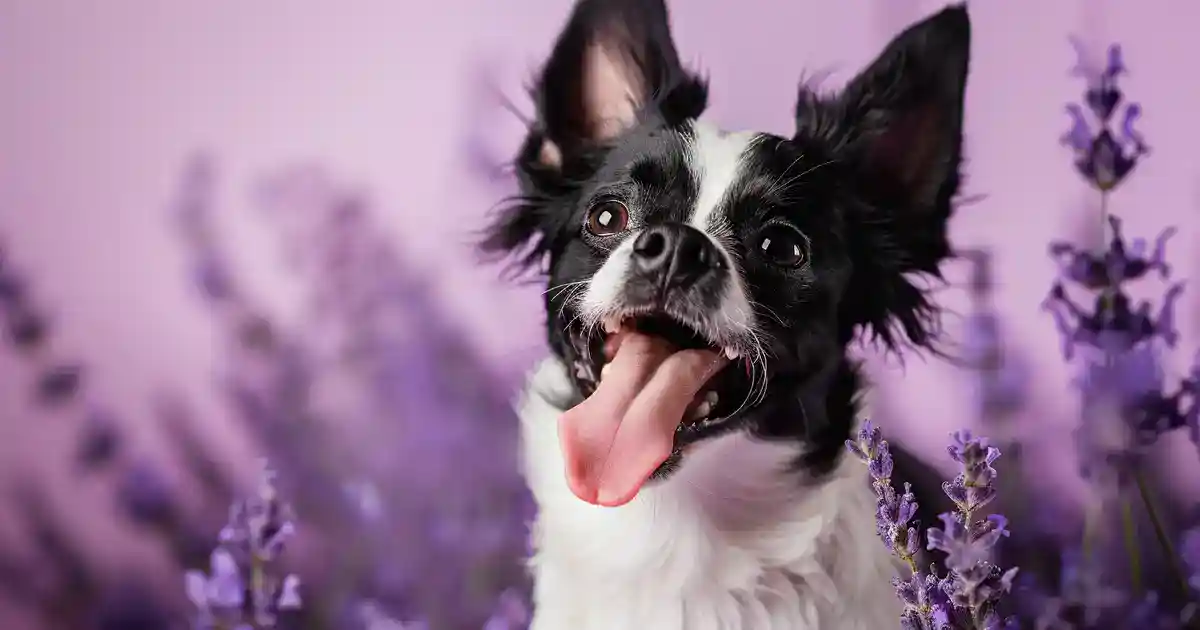
Have you ever considered using lavender to calm your anxious dog but hesitated because you weren’t sure if it was actually safe?
I used to avoid all essential oils around my dogs until I discovered that lavender is one of the few oils that can be safely used with proper dilution and application methods—but the difference between beneficial and harmful depends entirely on understanding concentration, application routes, and individual dog sensitivity. Here’s the thing I learned after consulting veterinary toxicologists and holistic practitioners: yes, properly diluted lavender oil and dried lavender are generally safe for dogs and may provide calming benefits, but concentrated essential oils, ingestion of large amounts, or application to sensitive areas can cause serious problems ranging from skin irritation to neurological symptoms. Now my friends constantly ask whether lavender products are safe and how to use them correctly, and my family (who thought all natural products were automatically safe) finally understands why essential oil safety requires careful education. Trust me, if you’re wondering whether that lavender spray, essential oil diffuser, or garden plant will help or harm your dog, this guide will show you exactly when lavender is beneficial and when it becomes dangerous.
Here’s the Thing About Lavender and Dogs
Here’s the magic: lavender (Lavandula species) contains compounds including linalool and linalyl acetate that have documented calming, anti-anxiety, and mild sedative effects in both humans and animals when used appropriately. What makes this work is that unlike many essential oils that are universally toxic to dogs, lavender falls into a nuanced category—safe when properly diluted and applied externally or diffused in well-ventilated spaces, but potentially problematic when concentrated, ingested in large amounts, or applied undiluted. I never knew that concentration and application method mattered so dramatically until I learned about essential oil toxicology. According to research on essential oil safety, concentrated plant extracts contain volatile compounds that can be therapeutic at appropriate doses but toxic at high concentrations or with inappropriate application. This combination creates a situation where lavender can be either wonderfully calming or genuinely harmful depending entirely on how you use it. It’s honestly more complex than I ever expected—not universally safe or universally dangerous, but requiring informed, careful usage.
What You Need to Know – Let’s Break It Down
Understanding the difference between lavender forms is absolutely crucial for safe use. Dried lavender (sachets, potpourri) is generally safest. Fresh lavender plants in gardens are typically safe for incidental contact. Essential oil requires significant dilution and careful application. Concentrated essential oil applied undiluted or ingested causes toxicity. Don’t skip learning these distinctions because they determine whether lavender helps or harms (took me forever to realize this).
I finally figured out that proper dilution means 0.5-1% for dogs after researching veterinary aromatherapy guidelines. This translates to approximately 3-6 drops of essential oil per ounce (30ml) of carrier oil—vastly more diluted than products marketed for humans. Never use human aromatherapy concentrations on dogs (game-changer, seriously).
Yes, application method matters tremendously. Diffusion in well-ventilated spaces is safest. Topical application requires heavy dilution in carrier oil (never undiluted). Ingestion should be avoided—while small accidental ingestion of dried lavender usually causes minimal problems, consuming essential oil or large plant quantities causes GI upset and potentially neurological symptoms. The key is understanding that dogs’ heightened sense of smell means they experience aromatherapy at much lower concentrations than humans need.
I always recommend consulting your veterinarian before using any essential oils, especially for dogs with liver disease, pregnant/nursing dogs, puppies, or those with seizure disorders. If you’re just starting out with natural remedies, check out my beginner’s guide to safe herbs and natural remedies for dogs for foundational knowledge on which botanicals are beneficial versus toxic.
The Science and Psychology Behind Why This Works
The biology centers on how linalool and linalyl acetate (lavender’s primary aromatic compounds) interact with the nervous system. These compounds modulate GABA receptors and affect neurotransmitter activity, creating mild sedative and anxiolytic (anti-anxiety) effects. In humans and animals, inhaling lavender aromatics has been shown to reduce cortisol levels and promote relaxation.
Research from leading veterinary toxicology experts demonstrates that while lavender is less toxic than many essential oils (tea tree, pennyroyal, wintergreen), it’s not without risks—especially when concentrated or ingested. What makes lavender different from a toxicology perspective is its relatively wide margin between therapeutic and toxic doses when used appropriately, but that margin narrows dramatically with concentration or ingestion.
I’ve learned through personal experience that the calming effects of properly diffused lavender are subtle but real for many dogs. Traditional approaches either dismiss all essential oils as dangerous or promote them recklessly without safety protocols, failing to recognize that informed, cautious use occupies a middle ground. Understanding the science helps you use lavender beneficially while respecting potential risks.
Here’s How to Use Lavender Safely With Dogs
Start by choosing the safest lavender form for your specific purpose—seriously, this step prevents most problems before they start. Here’s where I used to mess up: I used human-strength aromatherapy products without considering dogs’ different physiology and enhanced olfactory sensitivity.
Step 1: Select High-Quality, Pure Lavender Use only 100% pure lavender essential oil (Lavandula angustifolia) without additives, or organic dried lavender. Avoid synthetic fragrances or lavender blends with unknown ingredients. When it clicks, you’ll know—you’ll automatically check labels and verify purity before using any product near your dog.
Step 2: Choose Appropriate Application Method For diffusion: Use 1-2 drops in a water-based diffuser in a well-ventilated room where your dog can leave if desired. Run for 30-60 minutes maximum, not continuously. For topical use: Dilute to 0.5-1% (3-6 drops per ounce of carrier oil like fractionated coconut or sweet almond oil). For environmental use: Dried lavender sachets in dog beds or areas. My mentor (a holistic veterinarian) taught me this trick: always provide escape routes—never force exposure in confined spaces.
Step 3: Start With Minimal Exposure Introduce lavender gradually to assess individual tolerance. Now for the important part: watch your dog’s behavior—if they actively avoid the scent, sneeze, show respiratory distress, or seem agitated rather than calm, discontinue immediately. Dogs will often communicate discomfort through avoidance if we pay attention.
Step 4: Apply Diluted Oil Properly (If Using Topically) Apply heavily-diluted lavender oil only to areas your dog can’t lick—between shoulder blades or back of neck. Never apply to face, nose, ears, genital areas, or irritated skin. Results can vary, but most dogs tolerate properly diluted topical application without issues when applied to appropriate areas.
Step 5: Store Safely and Prevent Ingestion Keep all essential oils in high, locked cabinets. Here’s my secret: dogs attracted to interesting scents may knock over and ingest bottles—concentrated essential oil ingestion is a veterinary emergency. Never leave diffusers unattended with curious dogs.
Step 6: Monitor for Adverse Reactions Don’t worry if you’re just starting out, but understand signs of essential oil toxicity: drooling, vomiting, tremors, lethargy, difficulty breathing, or skin irritation. This creates lasting vigilance that protects your dog from both acute reactions and cumulative exposures.
Common Mistakes (And How I Made Them All)
My biggest mistake? Diffusing lavender continuously for hours thinking “more exposure equals more calming.” Just like assuming if some is good, more must be better, I didn’t realize that dogs’ sensitive noses become overwhelmed by constant strong scents. I learned this when my dog started actively avoiding the room where I was diffusing—she was telling me it was too much.
Another epic failure: applying undiluted lavender oil to my dog’s collar thinking it would create a portable calming effect. Don’t make my mistake of ignoring dilution requirements that experts emphasize constantly. The concentrated oil caused skin irritation where the collar rubbed, and the overwhelming scent right under her nose was clearly distressing rather than calming.
I also used to think that because lavender is “natural” and “safe,” my dog could ingest it without concern. Wrong. When my dog ate a lavender sachet, she experienced GI upset with vomiting and diarrhea. While not life-threatening, it taught me that ingestion of even “safe” plants in quantity causes problems. Every substance has appropriate and inappropriate uses.
When Things Don’t Go as Planned
Feeling like your dog is reacting poorly to lavender exposure? You probably used too high a concentration, applied it inappropriately, or your individual dog is sensitive. That’s completely valid—individual tolerance varies significantly.
If your dog shows signs of respiratory distress, excessive drooling, vomiting, tremors, or lethargy after lavender exposure: Stop all exposure immediately and contact your veterinarian. I’ve learned to handle this by documenting exposure details (amount, concentration, application method) to provide accurate information. When this happens (and adverse reactions do occur), don’t delay seeking professional guidance—essential oil toxicity can progress rapidly.
If your dog ingested concentrated lavender essential oil: This is a veterinary emergency. Call your vet or Pet Poison Helpline (855-764-7661) immediately. Concentrated essential oil ingestion can cause serious GI distress, central nervous system depression, and liver toxicity. This requires professional treatment—do not attempt home remedies.
If you’re uncertain whether lavender is helping or causing anxiety: Stop use and observe whether behavior improves with cessation. Some dogs find aromatherapy stressful rather than calming. When determining efficacy feels impossible, remember that if benefits aren’t obvious and your dog avoids the scent, it’s probably not appropriate for that individual.
Advanced Strategies for Next-Level Aromatherapy Safety
Once you’ve mastered basic lavender safety (or decided essential oils aren’t worth the complexity), consider these sophisticated approaches for optimal natural anxiety management. Advanced practitioners often implement specialized techniques for aromatherapy by combining botanical interventions with environmental management and behavior modification.
I’ve discovered that using dried lavender sachets in dog beds provides gentle, passive exposure without concentration concerns of essential oils. This requires no special knowledge or dilution—just placing organic dried lavender in breathable fabric near (not directly on) sleeping areas. For dogs needing anxiety support, working with veterinary behaviorists who understand both pharmaceutical and botanical options creates comprehensive treatment plans.
My advanced version includes creating lavender-infused carrier oils by steeping dried lavender in fractionated coconut oil for weeks—producing naturally diluted preparations safer than adding essential oil drops. For next-level aromatherapy, I use hydrosols (floral waters)—gentle byproducts of essential oil distillation with far lower concentration and minimal toxicity risk.
What separates beginners from experts is understanding that aromatherapy is one small tool in anxiety management, not a standalone solution. When and why to use lavender depends on anxiety severity, whether safer alternatives exist, and whether your individual dog finds the scent pleasant rather than overwhelming.
Ways to Make This Your Own
Dried Lavender Only Approach: When I prioritize absolute safety, I use exclusively dried lavender in sachets and avoid essential oils entirely. This eliminates concentration concerns and definitely works well for mild environmental calming.
Professional Diffusion Protocol: For those using essential oils, I follow strict guidelines: 1-2 drops maximum, well-ventilated space, 30-minute sessions only, dog can exit freely, never in enclosed spaces (cars, crates). My conservative version focuses on minimal exposure that provides benefits without risks.
Lavender Garden Method: I grow lavender plants in outdoor areas where my dogs can investigate naturally if interested. The plant-based approach allows dogs to self-regulate exposure—they can sniff or ignore as preferred. This respects individual preferences without forced exposure.
Complete Avoidance Strategy: Some dogs simply don’t respond well to aromatherapy or have sensitivities making it inappropriate. Each variation works for different dogs and comfort levels with botanical therapies.
Why Lavender Safety Knowledge Actually Matters
Unlike dismissing all essential oils as dangerous or embracing them recklessly, informed lavender use requires understanding that “natural” doesn’t mean “universally safe” and concentration determines whether substances help or harm. I never knew that something as seemingly gentle as lavender could cause serious problems when misused until I researched essential oil toxicology.
What sets informed use apart from uninformed experimentation is the foundation in toxicology and respect for proper dilution and application protocols. The underlying principle is simple: therapeutic substances have both beneficial and toxic doses, and the difference often lies in concentration and application route. My personal discovery moment came when I calculated that the “lavender spray” I’d been using on my dog’s bed contained concentrations 20 times higher than safe guidelines—suddenly her avoidance behavior made perfect sense. This understanding is evidence-based, safety-promoting, and positions you as a responsible owner who uses botanical therapies knowledgeably rather than casually.
Real Success Stories (And What They Teach Us)
One friend’s dog experienced severe thunderstorm anxiety requiring pharmaceutical intervention. Her veterinarian recommended adding environmental lavender (diffused at very low concentration during storms, with escape routes available) alongside behavior modification. The multimodal approach reduced anxiety more effectively than medication alone, allowing dose reduction. What made her successful was using lavender as one component of comprehensive treatment under professional guidance—not as a standalone “cure.”
Another success story involves a groomer who introduced optional lavender aromatherapy (very dilute, diffused in waiting areas, never forced) and found many dogs seemed calmer during appointments. However, she also noted some dogs actively avoiding the scent, so she maintains lavender-free spaces for sensitive individuals. The lesson here is respecting individual preferences and never forcing exposure even when benefits seem apparent.
I’ve seen adverse outcomes too—dogs who ingested essential oils suffering GI distress and neurological symptoms, dogs with skin reactions from undiluted applications, and dogs whose anxiety worsened with overwhelming scents. These cases reinforce that lavender requires the same caution as any therapeutic substance. Experiences align with veterinary toxicology showing that lavender is relatively safe compared to many essential oils, but absolutely not risk-free, especially when concentrated or improperly used.
Tools and Resources That Actually Help
High-Quality Carrier Oils: I personally use fractionated coconut oil or sweet almond oil for diluting essential oils, maintaining proper ratios with measuring tools. These create safe concentrations appropriate for canine use.
Precise Measuring Droppers: Accurate essential oil measurement prevents overdosing. The best resources come from authoritative veterinary toxicology sources providing evidence-based essential oil safety guidelines.
Organic Dried Lavender: Purchasing culinary-grade dried lavender ensures freedom from pesticides and chemicals. This provides the safest lavender form for passive environmental use.
Veterinary Aromatherapy References: Books like “Holistic Aromatherapy for Animals” by Kristen Leigh Bell provide species-specific safety information. Professional guidance prevents common dangerous practices.
Pet Poison Helpline Contact: Having 855-764-7661 readily available ensures immediate expert guidance if accidental concentrated exposure or ingestion occurs.
Questions People Always Ask Me
Is lavender safe for dogs?
Properly diluted lavender essential oil (0.5-1% in carrier oil) and dried lavender are generally safe for most dogs when used externally or diffused in well-ventilated spaces. Concentrated essential oil, undiluted application, or ingestion of large amounts can cause toxicity. Safety depends entirely on form, concentration, and application method.
Can I diffuse lavender oil around my dog?
Yes, cautiously. Use 1-2 drops in a water-based diffuser in a well-ventilated room where your dog can leave freely. Diffuse for 30-60 minutes maximum, not continuously. Never diffuse in enclosed spaces (cars, small rooms, crates) or force exposure. Watch your dog’s behavior—avoidance indicates it’s too strong.
What happens if my dog licks lavender oil?
Ingestion of properly diluted lavender oil (topical preparations) typically causes minimal issues beyond possible mild GI upset. Concentrated essential oil ingestion is a veterinary emergency causing drooling, vomiting, central nervous system depression, and potential liver damage. Call your vet or Pet Poison Helpline immediately for concentrated oil ingestion.
Can lavender help my anxious dog?
Possibly. Some dogs respond positively to properly diffused lavender aromatherapy as one component of comprehensive anxiety management. However, it’s not a cure-all and doesn’t work for every dog. Combine with behavior modification, environmental management, and veterinary guidance for best results. Absolutely, just focus on proper dilution and watching your dog’s individual response.
Is lavender plant toxic to dogs?
Fresh lavender plants are generally considered non-toxic, though ingestion of large amounts may cause mild GI upset. The greater concern is concentrated essential oil content—avoid lavender products containing high concentrations. Garden lavender that dogs occasionally sniff or brush against is typically safe.
How do I dilute lavender oil for dogs?
Dilute to 0.5-1% concentration: add 3-6 drops of pure lavender essential oil per ounce (30ml) of carrier oil like fractionated coconut or sweet almond oil. This creates safe concentration for occasional topical use in areas dogs can’t lick. Never use undiluted essential oil on dogs.
Can puppies be around lavender?
Extra caution is needed with puppies due to developing systems and smaller size. Avoid essential oils entirely for puppies under 10 weeks. For older puppies, use even more conservative dilutions and limited exposure compared to adult dogs. Dried lavender sachets are safest option for puppies.
What are signs of lavender toxicity in dogs?
Symptoms include: excessive drooling, vomiting, diarrhea, lethargy, difficulty breathing, tremors, unsteady gait, depression. Severe cases may involve liver damage with prolonged exposure. Any concerning symptoms after lavender exposure warrant immediate veterinary evaluation.
Is lavender safer than other essential oils for dogs?
Yes, generally. Lavender is considered one of the safer essential oils compared to highly toxic options like tea tree, pennyroyal, wintergreen, or citrus oils. However, “safer” doesn’t mean “completely safe”—proper dilution and application remain essential.
Can I put lavender oil in my dog’s shampoo?
Only if properly diluted and using dog-formulated shampoo. Add 1-2 drops per 8 ounces of dog shampoo, rinse thoroughly. Never use human lavender shampoos on dogs—they often contain additional ingredients and concentrations inappropriate for canine use.
Will lavender repel fleas on my dog?
Lavender has mild insect-repelling properties but is not reliable as a standalone flea prevention method. Use proven veterinary flea preventatives as primary protection. Lavender might provide minor additional deterrent benefit but should never replace effective flea control products.
Should I avoid lavender completely with dogs?
Not necessarily. Many dogs tolerate properly diluted lavender without issues and may benefit from its calming properties. However, if you’re uncomfortable with essential oil safety protocols, have a sensitive dog, or don’t want the complexity, avoiding lavender is perfectly reasonable—many effective anxiety management alternatives exist.
Can I use lavender spray on my dog?
Only sprays specifically formulated for dogs at appropriate concentrations. Never use human aromatherapy sprays—they contain essential oil concentrations too high for canine safety. Check ingredients carefully and apply sparingly only to areas dogs can’t lick.
Before You Get Started
I couldn’t resist sharing this because it proves that natural doesn’t automatically mean safe, and even relatively benign substances like lavender require educated, cautious use around dogs. The best botanical therapy experiences happen when you thoroughly research safety, respect proper dilution and application methods, and prioritize your individual dog’s response over general assumptions. Ready to begin? Start by deciding whether lavender’s modest benefits justify the learning curve and safety protocols required—for many dogs, simpler anxiety management approaches may be more appropriate. If you proceed, begin with the safest form (dried lavender sachets) and observe your dog’s response before considering essential oils. That careful approach builds toward safe use or informed decision that lavender isn’t necessary for your dog. You’ve got this!




