
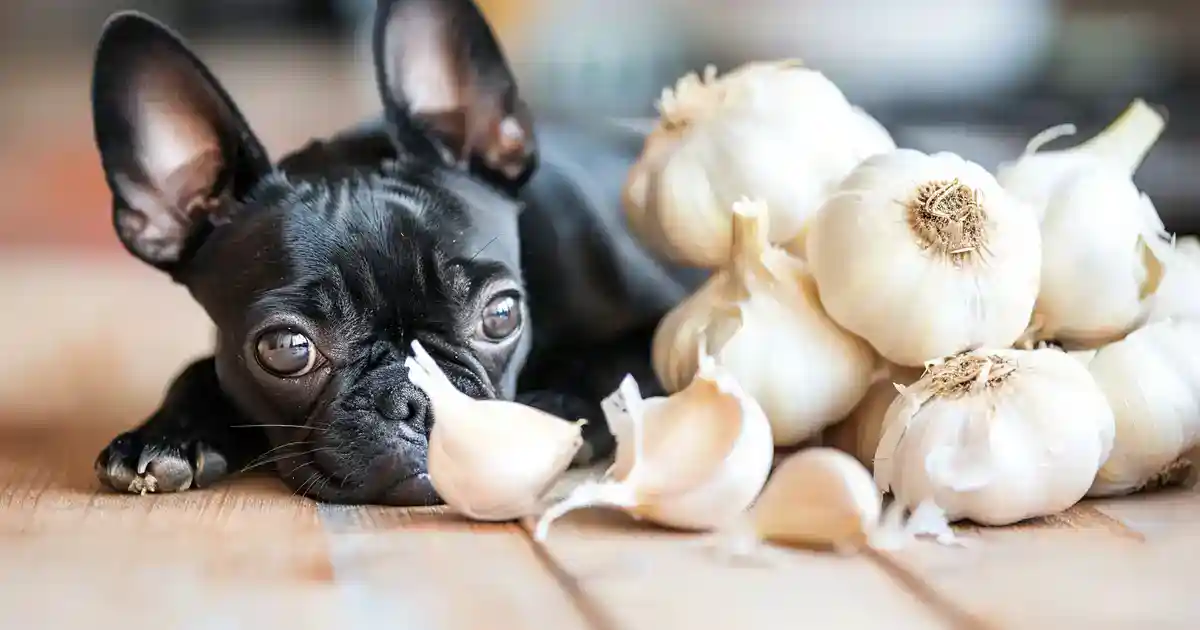
Have you ever wondered why garlic appears in some “natural” dog products while every veterinarian warns it’s toxic? I used to stand at the dinner table second-guessing whether a tiny piece of garlic bread that fell on the floor would poison my dog, completely confused by conflicting information online. Then I discovered the actual science behind garlic toxicity in dogs, and it completely changed how I approach kitchen safety and ingredient awareness. Now my friends constantly ask how I learned to navigate the real risks versus internet hysteria, and my vet (who appreciated my research-based questions) helped me understand exactly what constitutes dangerous exposure. Trust me, if you’re worried about accidental garlic ingestion or confused by contradictory advice about this common ingredient, this evidence-based approach will show you it’s more clear-cut than you ever expected.
Here’s the Thing About Garlic and Dogs
Here’s the critical truth: garlic is toxic to dogs and should never be fed intentionally, period. The danger comes from compounds called thiosulfates that damage red blood cells, causing oxidative injury that can lead to hemolytic anemia. I never knew the mechanism behind garlic toxicity could be this serious until I learned that even small amounts consumed regularly can accumulate and cause life-threatening blood disorders. According to research on Allium toxicity, all members of the Allium family—including garlic, onions, leeks, and chives—have been proven dangerous for dogs, with garlic being approximately five times more potent than onions. This scientific consensus is unambiguous. It’s honestly more straightforward than conflicting internet advice suggests—no amount of garlic is considered safe or beneficial for dogs, despite misleading marketing claims on some pet products.
What You Need to Know – Let’s Break It Down
Understanding thiosulfate toxicity is absolutely crucial for every dog owner. Garlic contains organosulfur compounds that dogs cannot properly metabolize, leading to oxidative damage to hemoglobin in red blood cells. Don’t skip understanding this mechanism (took me forever to grasp this), because knowing why garlic is dangerous helps you recognize other risky foods in the same family and understand the seriousness of any exposure.
I finally figured out the dose-dependent nature of garlic toxicity after researching veterinary toxicology studies. Toxicity typically occurs at doses of 15-30 grams of garlic per kilogram of body weight, which sounds like a lot—and it is for a single massive ingestion. However, here’s what’s terrifying: repeated small exposures accumulate over time, and symptoms may not appear for several days after ingestion, making it easy to miss the connection between what your dog ate and their declining health.
All garlic forms are dangerous—fresh, cooked, powdered, or dried. Garlic powder is particularly concentrated and therefore more dangerous gram-for-gram than fresh cloves. I always remind people that garlic bread, pasta sauce, seasoned meats, and countless prepared foods contain garlic in forms that are just as toxic as raw cloves.
Yes, garlic causes real harm and here’s exactly how: it damages red blood cells, leading to hemolytic anemia where the body destroys its own blood cells faster than it can produce new ones. Symptoms include weakness, lethargy, pale gums, red or brown urine, rapid breathing, elevated heart rate, and collapse in severe cases. The condition can be life-threatening and requires immediate veterinary intervention.
If you’re just starting out with understanding toxic foods and household hazards for your dog, check out my comprehensive guide to foods dogs should never eat for foundational knowledge on ingredient safety and emergency response protocols when your dog consumes something dangerous.
The Science and Psychology Behind Why This Works
Research from leading veterinary toxicologists demonstrates that garlic toxicity works through a clear biochemical mechanism that affects all dogs, though some breeds show increased susceptibility. Japanese breeds including Akitas and Shiba Inus appear particularly vulnerable due to genetic factors affecting red blood cell structure, but no dog is immune to garlic’s toxic effects.
Traditional approaches often fail because people confuse anecdotal reports (“my grandmother fed her dog garlic for years and nothing happened”) with scientific evidence. Studies confirm that just because immediate symptoms don’t appear doesn’t mean damage isn’t occurring—subclinical effects on red blood cells can happen at doses below those causing obvious illness, and cumulative exposure increases risk significantly.
What makes garlic different from a toxicology perspective is the delayed onset of symptoms. Unlike foods that cause immediate vomiting or diarrhea, garlic’s effects on red blood cells develop over days, with peak toxicity often appearing 1-4 days after ingestion. This delay makes it difficult for owners to connect their dog’s illness with garlic exposure, and by the time symptoms appear, significant damage may already exist.
The FDA and major veterinary organizations including the ASPCA Animal Poison Control Center unequivocally classify garlic as toxic to dogs. I discovered the psychological aspect matters too—when I stopped looking for exceptions or “safe amounts” and simply accepted that garlic has no place in canine nutrition, my vigilance about ingredient safety increased dramatically, and that protective mindset translated to better overall food safety practices that prevent multiple types of poisoning.
Here’s How to Actually Protect Your Dog
Start by conducting a thorough kitchen and pantry audit to identify all foods containing garlic. Here’s where I used to mess up: I’d focus on obvious sources like fresh garlic cloves while missing pasta sauces, seasoning blends, frozen meals, crackers, chips, and even some baby foods that contain garlic powder.
Now for the important part: create a strict “no table food” policy or carefully vet every human food before sharing. Read ingredient labels on everything—garlic appears in surprising places including broths, gravies, dips, marinades, pizza, Chinese food, Italian dishes, and countless prepared foods. This step takes vigilance but creates lasting safety because you’re eliminating the most common route of accidental exposure.
Here’s my secret for preventing accidental ingestion: train everyone in your household, including children and visitors, that dogs never receive food without explicit permission from the primary caregiver who understands toxic ingredients. Don’t be me—I used to think a tiny bite of garlic bread was harmless, not understanding that repeated small exposures create cumulative risk.
When cooking with garlic (and most of us do regularly), ensure your dog cannot access dropped food, dirty dishes, trash containing garlic scraps, or countertops where you’ve been preparing meals. My mentor taught me this trick: prep garlic-containing foods in areas your dog cannot reach and clean thoroughly afterward, treating garlic with the same caution you’d use for raw chicken or cleaning products.
If accidental ingestion happens, here’s the protocol: note the approximate amount consumed and the time of ingestion, then contact your veterinarian or Pet Poison Helpline immediately—don’t wait for symptoms to appear. Every situation has its own factors including your dog’s size, the amount ingested, and the garlic concentration in the food consumed.
For single, small exposures (a small piece of garlic bread, for example), most veterinarians recommend monitoring closely for 3-5 days while watching for symptoms like lethargy, weakness, pale gums, decreased appetite, or discolored urine. For larger exposures, immediate veterinary evaluation including possible induced vomiting and bloodwork to monitor red blood cell status becomes critical.
Don’t panic if your dog’s consumed a tiny amount once—toxicity is dose-dependent, and one-time minimal exposure rarely causes severe problems. Just like how one painkiller won’t harm you but regular overdoses will, garlic toxicity typically requires either large single doses or repeated exposure over time to cause serious illness.
Common Mistakes (And How I Made Them All)
My biggest mistake was believing internet claims that “small amounts of garlic boost immunity and repel fleas.” Here’s the truth: no credible scientific evidence supports these claims, and the risk of toxicity far outweighs any theoretical benefits. I learned this after nearly feeding garlic to my dog based on a holistic pet blog, then discovering that every major veterinary organization explicitly warns against it. Always trust veterinary science over anecdotal internet advice.
Don’t make my mistake of ignoring fundamental principles experts recommend about Allium family dangers. I thought garlic was bad but assumed chives and leeks were fine because they seemed “milder.” Wrong. All Allium species contain thiosulfates and pose risks—onions, garlic, leeks, shallots, and chives all cause the same type of red blood cell damage, with garlic being the most concentrated and therefore most dangerous per gram.
Another error I made repeatedly was dismissing garlic powder as less dangerous than fresh garlic. The opposite is true—dehydrated forms are more concentrated, meaning smaller amounts contain more of the toxic compounds. A teaspoon of garlic powder contains significantly more thiosulfates than a teaspoon of minced fresh garlic, making it especially hazardous.
I also assumed that cooking destroyed the toxic compounds in garlic. It doesn’t. Heat does not neutralize thiosulfates—cooked, roasted, sautéed, or fried garlic remains just as toxic as raw garlic. This means garlic bread, pasta with garlic sauce, or roasted garlic are all equally dangerous to dogs.
Finally, I didn’t take “natural” flea and tick products containing garlic seriously enough. Some companies market garlic supplements for dogs claiming they repel parasites or boost health. These products are not only ineffective but potentially harmful, especially with regular use. The fact that a product is sold for pets doesn’t mean it’s safe—regulatory oversight of pet supplements is limited, and dangerous products remain on the market.
When Things Don’t Go as Planned
Suspecting your dog ate garlic? You need to assess the situation immediately rather than waiting for symptoms. That’s the critical mistake many owners make—by the time symptoms appear, red blood cell damage is already underway. I’ve learned to handle potential exposures by immediately calculating the approximate dose (amount of garlic-containing food eaten and the likely garlic concentration) and contacting my vet or Pet Poison Helpline for guidance.
When you’ve confirmed garlic ingestion (and you will face this situation eventually if you keep dogs long enough), this is totally manageable with proper veterinary care. Don’t panic, but do act quickly. Call your vet immediately with specific information: your dog’s weight, the estimated amount of garlic consumed, what form it was in (fresh, powder, cooked in food), and how long ago ingestion occurred.
If you’re doubting whether the amount consumed is dangerous, always err on the side of caution and call for professional advice. Veterinarians and poison control can calculate whether the dose reaches toxic thresholds based on your dog’s body weight. For context, a 20-pound dog would need to consume approximately 3-4 full cloves of garlic (or a heaping tablespoon of garlic powder) to reach clearly toxic doses, but remember that smaller repeated amounts still pose risks.
I always have emergency contacts readily available because time matters with toxicity cases. Keep your veterinarian’s after-hours emergency number and Pet Poison Helpline (855-764-7661, fee applies) or ASPCA Animal Poison Control (888-426-4435, fee applies) saved in your phone. These services provide expert guidance on whether immediate veterinary care is necessary or home monitoring is appropriate.
When your vet recommends bringing your dog in for evaluation, treatment typically includes inducing vomiting if ingestion was recent (within 2 hours), administering activated charcoal to bind remaining toxins, and potentially running bloodwork to establish baseline red blood cell counts. For significant exposures, hospitalization with IV fluids and monitoring may be necessary. In severe cases, blood transfusions can be life-saving.
Advanced Strategies for Complete Protection
Advanced practitioners often implement comprehensive household safety protocols that eliminate all Allium exposure risks. One approach I discovered is creating a “safe foods list” posted on your refrigerator that clearly identifies the limited human foods approved for your dog, with explicit reminders that anything not on the list is forbidden—this prevents well-meaning family members from sharing dangerous foods.
When and why to use these strategies depends on your household complexity. Homes with children, elderly family members, or frequent visitors benefit from visual reminders and clear communication protocols. For households where multiple people cook, implementing a “dog-free zone” during food preparation prevents opportunistic consumption of dropped ingredients.
What separates beginners from experts is understanding that protection requires multiple layers. Beyond avoiding direct feeding, experts secure trash cans with locking lids (because dogs absolutely will raid garbage containing garlic scraps), store compost bins out of reach if they contain Allium vegetables, and even check their garden for wild Allium species that curious dogs might consume.
For dogs with a history of indiscriminate eating or counter surfing, advanced training techniques become valuable. Teaching solid “leave it” and “drop it” commands can literally save your dog’s life when they find garlic bread that fell behind the couch or encounter garlic bulbs in the garden. Working with a certified dog trainer on impulse control creates an additional safety layer.
I’ve also implemented what I call “emergency response drills” where everyone in the household knows exactly what to do if the dog consumes something potentially toxic—who calls the vet, who restrains the dog calmly, where emergency contact numbers are stored, and how to safely transport the dog to emergency care if needed. This advanced preparation means you don’t waste critical minutes panicking or searching for information during a real crisis.
Ways to Make Kitchen Safety Your Own
When I cook with garlic regularly (and I do—it’s in countless recipes), I’ll use the “Contained Cooking Zone” approach. This makes cooking more careful but definitely worth it: prep all garlic-containing ingredients on a specific cutting board in a specific area with my dog gated in another room, then thoroughly clean all surfaces, utensils, and your hands before allowing your dog back into the kitchen.
For special situations where guests are visiting, I’ll implement “Visitor Briefing Protocol”—taking 30 seconds when guests arrive to explain that the dog cannot have any human food due to severe allergies (I use “allergies” as shorthand because it’s quickly understood and taken seriously). My busy-household version focuses on teaching children that only specifically designated dog treats from the dog treat jar are ever acceptable to feed the dog, with zero exceptions.
Sometimes I create “Garlic-Free Meal Days” when I’m especially busy or distracted (though that’s totally optional)—choosing recipes without Allium ingredients entirely so there’s zero risk if I’m not as vigilant about cleanup or if my dog is underfoot in the kitchen. For next-level protection, I love the “Ingredient Awareness Challenge”—regularly practicing reading labels on new products to spot garlic before bringing items home, making ingredient screening automatic.
My advanced version includes what I call “Safe Food Substitution Knowledge”—learning which seasonings and flavor enhancers can replace garlic in recipes I share with my dog. For example, using herbs like basil, oregano, or parsley creates flavor without toxicity risk if I’m making a special homemade meal my dog will partially eat.
Each variation works beautifully with different household needs—the budget-conscious approach involves simply being more vigilant about existing foods rather than buying special products, the busy professional version relies on clear household rules that don’t require constant supervision, and the parent-friendly adaptation involves age-appropriate education about pet safety that empowers children to help protect the family dog.
Why This Approach Actually Works
Unlike confusing internet advice that either downplays risks or creates excessive panic, this approach leverages established toxicology principles that veterinary science has proven repeatedly. The thiosulfate compounds in garlic definitively cause oxidative damage to canine red blood cells through well-understood biochemical pathways—this isn’t controversial or debated in veterinary medicine.
What sets this apart from other strategies is the focus on both prevention and proportional response. Evidence-based veterinary toxicology shows that while garlic is genuinely dangerous, the dose makes the poison—understanding this helps you respond appropriately to different exposure scenarios rather than either panicking over a tiny crumb or dangerously downplaying a significant ingestion.
The underlying principle is respecting species differences in metabolism. I discovered why this works through understanding that dogs lack certain enzymes that humans possess for metabolizing sulfur compounds safely. What’s harmless or even beneficial for humans can be genuinely dangerous for dogs due to fundamental biological differences in digestive chemistry and liver metabolism.
Research demonstrates that the oxidative damage to red blood cells is cumulative and irreversible until new cells are produced, which takes time and stresses the body’s hematopoietic system. This combination of immediate cellular damage, delayed symptom onset, and cumulative effects makes garlic uniquely dangerous compared to foods that cause simple digestive upset—the stakes are genuinely higher because we’re talking about potential anemia and organ damage, not just temporary diarrhea.
Real Success Stories (And What They Teach Us)
One dog owner I know caught her Beagle eating several cloves of raw garlic that fell from the kitchen counter. She immediately called her veterinarian, brought her dog in within 30 minutes, and the vet induced vomiting and administered activated charcoal. Because of her quick action, her dog never developed any symptoms and bloodwork remained normal. What made her successful was not hesitating or trying to “wait and see”—she understood that time is critical with toxin exposure.
Another friend discovered her large German Shepherd had eaten an entire garlic bread loaf from the counter while she was out. By the time she found evidence (the wrapper), several hours had passed. She called Pet Poison Helpline, who calculated that the dose was concerning given his size and the amount consumed. Her vet ran bloodwork immediately and again 48 hours later, catching early signs of red blood cell changes before severe anemia developed. The lesson here is that even when immediate intervention isn’t possible, monitoring and follow-up care can prevent serious outcomes.
I’ve also seen a situation where a small Yorkie ate garlic-seasoned food regularly for weeks because the owner believed internet claims about flea prevention. The dog developed progressive lethargy and pale gums. The vet diagnosed hemolytic anemia through bloodwork, and treatment required hospitalization and blood transfusions. This dog survived but faced a critical health crisis that was completely preventable. Their experience aligns with research on cumulative toxicity that shows consistent patterns between repeated exposure and severe health consequences.
The timelines and outcomes varied dramatically—immediate treatment prevented all symptoms, delayed but proactive care caught problems early, and ignorance of risks led to life-threatening illness. What separates these stories is knowledge, vigilance, and willingness to seek professional help quickly when exposure occurs.
Tools and Resources That Actually Help
The best resources come from authoritative veterinary medicine sources and proven toxicology databases. I personally keep Pet Poison Helpline and ASPCA Animal Poison Control numbers saved in my phone under easy-to-find names like “DOG POISON EMERGENCY” so I can call immediately without searching. For understanding toxic doses and mechanisms, the ASPCA’s toxic plant and food database provides science-backed information about thousands of substances including detailed Allium toxicity data.
A pet first aid kit that includes activated charcoal (though only used under veterinary instruction), hydrogen peroxide for inducing vomiting (again, only when directed by a professional), and copies of your dog’s medical records can be valuable for emergency situations. The limitation is that these tools only help when you know exposure occurred—garlic’s danger comes partially from delayed symptoms that may appear days after ingestion.
For ingredient awareness, the free app “Is It Toxic?” allows you to quickly search foods and substances to check safety for dogs, though nothing replaces calling poison control or your vet for exposure guidance. Be honest about limitations—apps provide general information but cannot calculate dose-specific risk for your individual dog’s exposure situation.
I also maintain a written emergency plan posted on my refrigerator with veterinary contact information, nearby emergency clinic addresses and hours, and basic instructions for different types of poisoning. Free alternatives include thorough conversations with everyone in your household about toxic food awareness rather than relying solely on written materials that people may not read.
Questions People Always Ask Me
How much garlic is toxic to dogs?
Toxicity typically occurs at doses of 15-30 grams of fresh garlic per kilogram of body weight, but I usually tell people this calculation matters less than understanding that no amount is safe or beneficial. A 10-pound dog eating approximately 1.5-3 cloves of garlic could reach toxic doses, but smaller repeated amounts pose cumulative risks. The safest approach is zero garlic, ever.
What if my dog ate a tiny piece of garlic bread accidentally?
A single small exposure (like a bite of garlic bread) rarely causes severe problems in most dogs, but you should still monitor closely for 3-5 days. Watch for lethargy, weakness, pale gums, rapid breathing, or discolored urine. If any symptoms appear or if you’re concerned about the amount consumed, call your veterinarian immediately. Document what was eaten and when in case symptoms develop later.
Can garlic in commercial dog foods be safe?
Some pet foods and treats contain garlic in very small amounts, causing confusion about its safety. Most veterinarians recommend avoiding these products despite their availability. Regulatory oversight doesn’t guarantee safety—just because a product is sold doesn’t mean it’s optimal or risk-free. Choose foods without any Allium ingredients to eliminate unnecessary exposure.
Are some dog breeds more sensitive to garlic toxicity?
Yes, Japanese breeds including Akitas and Shiba Inus appear more susceptible due to genetic factors affecting red blood cell structure. However, all dogs are at risk—breed sensitivity means some dogs may develop symptoms at lower doses, but no breed is immune to thiosulfate toxicity. Treat all dogs as vulnerable regardless of breed.
What’s the most important thing to remember about garlic and dogs?
That garlic is never beneficial and always potentially harmful to dogs—there are no health advantages that justify any exposure risk. Every major veterinary organization agrees on this. Ignore internet claims about immune boosting or flea repelling, and simply eliminate garlic from your dog’s environment as much as possible.
How do I know if my dog is experiencing garlic poisoning?
Watch for weakness, lethargy, pale or yellowish gums, decreased appetite, vomiting, diarrhea, rapid breathing, increased heart rate, dark red or brown urine, and collapse in severe cases. Symptoms typically appear 1-4 days after ingestion, which is why monitoring must continue for several days. If you observe any of these signs, seek immediate veterinary care—this is potentially life-threatening.
What should I do if I’ve been feeding my dog garlic regularly?
Stop immediately and schedule a veterinary examination with bloodwork to check red blood cell counts and function. Explain to your vet exactly how much garlic your dog has received and for how long. Even if your dog seems fine, subclinical damage may exist. Your vet can monitor blood values and watch for emerging problems while advising on supportive care.
Can cooking or processing make garlic safe for dogs?
No, heat does not destroy or neutralize thiosulfate compounds. Cooked, roasted, sautéed, dehydrated, or powdered garlic remains toxic. In fact, garlic powder is more concentrated and therefore more dangerous per gram than fresh garlic. All forms pose the same fundamental risk to your dog’s red blood cells.
Is there an antidote for garlic poisoning in dogs?
There’s no specific antidote, but treatment focuses on supportive care and preventing absorption. If ingestion was recent, induced vomiting and activated charcoal can help. For dogs already showing symptoms, treatment includes IV fluids, monitoring bloodwork, medications to protect remaining red blood cells, and potentially blood transfusions for severe anemia. Quick veterinary intervention significantly improves outcomes.
What’s the difference between garlic toxicity and onion toxicity?
They cause the same type of damage through the same mechanism—both contain thiosulfates that damage red blood cells. The primary difference is potency: garlic is approximately 5 times more concentrated than onions, meaning smaller amounts of garlic cause equivalent damage to larger amounts of onions. Both are dangerous and should be completely avoided.
How long after garlic exposure should I monitor my dog?
Continue vigilant monitoring for at least 4-5 days after any known exposure, as red blood cell damage and symptoms typically peak 1-4 days after ingestion. Some cases show delayed symptoms up to a week later. If any concerning signs appear during this period—even subtle changes like reduced energy or appetite—contact your veterinarian immediately for evaluation.
Why do some “holistic” sources recommend garlic for dogs?
Outdated information, anecdotal evidence, and misunderstanding of veterinary science. Some alternative medicine advocates claim garlic boosts immunity or repels parasites, but no credible scientific studies support these claims in dogs. The potential risks of hemolytic anemia far outweigh any theoretical benefits. Trust evidence-based veterinary medicine over anecdotal alternative health advice.
Before You Get Started
I couldn’t resist sharing this because preventing garlic toxicity is completely achievable with awareness and vigilance—no dog should suffer from this preventable poisoning. The best approach to canine safety happens when you understand genuine risks based on veterinary science rather than internet myths, maintain consistent household rules about food safety, and respond quickly and appropriately when accidental exposure occurs. Remember that garlic avoidance is one critical component of comprehensive dog safety that includes toxic food awareness, household hazard management, immediate veterinary access for emergencies, and creating a culture of protection among everyone who interacts with your dog. Ready to begin? Start with a simple first step—conduct a kitchen audit this week to identify all garlic-containing foods, secure them away from your dog’s reach, and have a clear conversation with everyone in your household about the serious risks garlic poses to your beloved pet.




