
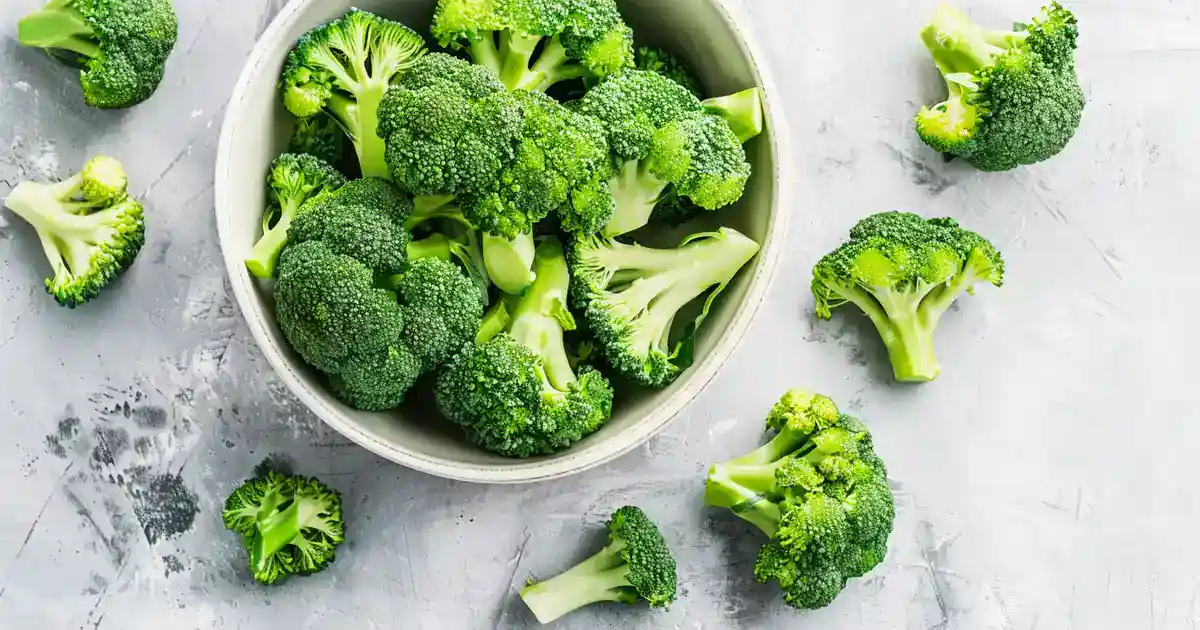
Have you ever wondered why some dog owners confidently share broccoli with their pups while others panic at the thought, leaving you completely confused about whether this green superfood is a healthy treat or a dangerous mistake? I used to think all vegetables were automatically safe for dogs until I discovered that broccoli falls into a surprisingly complex category—safe in small amounts but potentially problematic in large quantities, and my own experience with portion control taught me this lesson through some anxious moments. Now my friends constantly ask whether broccoli is actually okay to share, and my veterinarian (who’s fielded countless vegetable questions) keeps this topic in her top frequently-asked nutrition discussions. Trust me, if you’re standing in your kitchen wondering whether that leftover broccoli can become a healthy dog treat, this guide will give you the complete picture with zero guesswork.
Here’s the Thing About Dogs and Broccoli
Here’s the magic behind understanding broccoli for dogs: unlike many vegetables that are either completely safe or completely dangerous, broccoli exists in the unique category of “safe in moderation” where portion control makes the difference between a healthy treat and potential digestive upset. What makes this knowledge crucial is recognizing that broccoli contains beneficial nutrients alongside compounds that can cause problems if consumed in excessive amounts—no complicated veterinary degree needed to understand the balance.
I never knew that even healthy vegetables could have dosage limits for dogs until I started researching canine nutrition and discovered the concept of beneficial foods with built-in caution requirements. According to research on canine dietary needs, dogs can benefit from certain vegetables when properly portioned and prepared, but individual tolerance varies significantly. This nutritional insight creates the foundation for making informed decisions about incorporating vegetables into your dog’s treat rotation safely.
The simple truth is that while broccoli offers genuine health benefits for dogs, understanding proper portions and preparation methods determines whether it becomes a nutritious addition or a source of digestive problems.
What You Need to Know – Let’s Break It Down
Understanding the 10% rule is absolutely crucial for safe broccoli feeding—treats, including vegetables like broccoli, should never exceed 10% of your dog’s total daily caloric intake to prevent nutritional imbalance and digestive upset. Don’t skip learning about isothiocyanate content because this naturally occurring compound in broccoli can cause gastric irritation when consumed in large quantities.
I finally figured out proper portion sizes after initially being too generous with vegetable treats and watching my dog experience mild stomach upset. Small dogs need tiny broccoli pieces (think fingernail-sized), while larger breeds can handle slightly bigger portions, but even Great Danes shouldn’t get entire broccoli crowns (took me forever to realize size scaling mattered this much).
The preparation factor cannot be ignored—raw broccoli is harder to digest and poses greater choking risks than properly cooked versions that break down more easily in canine digestive systems. I always recommend steaming or boiling broccoli until tender because everyone sees better results when vegetables are properly prepared for canine consumption.
Florets versus stems present different considerations—florets are generally safer and more digestible, while stems are tougher, more fibrous, and can cause choking or intestinal blockages if given in large pieces. Yes, this distinction really matters, and here’s why: stems contain higher concentrations of potentially problematic compounds while being more difficult to break down during digestion. If you’re just starting to explore safe vegetables for your dog, check out my complete guide to dog-safe produce for foundational knowledge about preparing various vegetables properly.
The individual tolerance reality means some dogs handle broccoli beautifully while others experience gas, loose stools, or stomach upset even with appropriate portions, making gradual introduction essential for determining your specific dog’s response.
The Science and Psychology Behind Why This Works
What research actually shows about broccoli’s nutritional profile for dogs is impressive: this cruciferous vegetable provides vitamin C, vitamin K, fiber, and antioxidants that can support immune function and digestive health when given appropriately. Studies from veterinary nutritionists demonstrate that the same compounds making broccoli beneficial for humans—sulforaphane and other glucosinolates—can provide similar antioxidant benefits for dogs in proper portions.
The digestive science reveals why moderation matters: dogs produce different enzyme levels than humans, making them more sensitive to the compounds that can cause gastric irritation and gas production when broccoli consumption exceeds their individual tolerance levels. Research from leading veterinary colleges shows that canine digestive systems process plant matter differently than human systems, requiring modified approaches to vegetable consumption.
What makes this different from other vegetables is broccoli’s unique combination of benefits and potential drawbacks that exist simultaneously. Unlike clearly safe vegetables such as carrots or clearly dangerous ones like onions, broccoli requires understanding nuanced portion control and individual tolerance assessment.
I’ve discovered through veterinary consultations that dogs with sensitive stomachs often tolerate well-cooked broccoli better than raw versions, while dogs with robust digestive systems may handle either preparation method without issues.
Here’s How to Actually Make This Happen
Start by introducing tiny amounts of properly cooked broccoli—here’s where I used to mess up by offering human-sized portions without considering canine digestive capacity. Don’t be me; I used to think “healthy for humans equals healthy portions for dogs,” but their smaller size and different metabolism require dramatic scaling adjustments.
Now for the important part: steam or boil broccoli until it’s tender enough to pierce easily with a fork, then cut into appropriate sizes for your dog’s mouth and throat. Here’s my secret—I prepare a week’s worth of dog-portioned broccoli on Sundays, storing it in the refrigerator in small containers that make daily treating convenient and consistent. This step takes ten minutes but creates lasting portion control throughout the week.
Observe your dog’s reaction for 12-24 hours after initial introduction, watching for any signs of digestive upset, gas, or changes in stool consistency. Until you feel completely confident about their individual tolerance, keep portions extremely small—think 1-2 small floret pieces for large dogs, even smaller for medium and small breeds. When tolerance is established, you’ll know through normal digestion and continued interest in the treat.
Remove all seasoning, butter, oils, or additives that humans might enjoy but can be harmful or unnecessary for dogs. Results vary between individual dogs, but most handle plain, cooked broccoli better than raw or seasoned versions. My veterinarian taught me this simple preparation approach, and every dog owner I’ve shared it with has seen better digestive tolerance.
Incorporate broccoli treats into training sessions or special occasions rather than daily feeding to maintain the “treat” status while preventing overconsumption. Don’t worry if you’re just starting out with vegetable treats—you’ll quickly learn your dog’s preferences and ideal portion sizes through careful observation and gradual introduction.
Common Mistakes (And How I Made Them All)
Learn from my epic failures, starting with my biggest mistake: assuming that because broccoli is healthy for humans, dogs could eat unlimited amounts without consequences. I once gave my dog several large florets thinking I was providing excellent nutrition, only to deal with a very gassy, uncomfortable pup for the next day.
Don’t make my mistake of ignoring the preparation requirements that veterinary experts consistently recommend for safe vegetable feeding. I used to offer raw broccoli thinking “natural” was always better until I learned that cooking makes vegetables more digestible and reduces choking risks for dogs.
The seasoning mistake nearly caused a bigger problem. I thought a little salt and butter wouldn’t matter until I realized that added fats and sodium can cause pancreatitis and other health issues in dogs, even when the base vegetable is safe.
Another major error was not scaling portions appropriately for my dog’s size. I gave my medium-sized dog the same amount I might eat as a human, not considering that his entire daily caloric needs were a fraction of mine.
Finally, I used to introduce multiple new vegetables simultaneously, making it impossible to identify which ones my dog tolerated well. Introduce one new vegetable per week maximum to monitor individual reactions and build a reliable list of safe options.
When Things Don’t Go as Planned (And It Will)
Feeling overwhelmed by portion calculations and preparation requirements? You probably need a simpler starting approach—I’ve learned to handle this by focusing on one small piece of well-cooked broccoli as an occasional treat rather than trying to incorporate it regularly into my dog’s diet. That’s normal, and it happens to everyone who wants to expand their dog’s treat options safely.
When digestive upset occurs after broccoli consumption (and it might with sensitive dogs), don’t stress—immediately return to your dog’s regular diet and provide plenty of fresh water while monitoring symptoms. This is totally manageable once you understand that most broccoli-related digestive issues resolve within 24-48 hours when the vegetable is eliminated.
If you’re losing motivation with vegetable preparation, try starting with easier options like plain cooked carrots or green beans that require less precise portion control. I always prepare for busy weeks by having simple, dog-safe vegetables ready because complicated preparation routines often get abandoned.
Rejection of broccoli treats is completely normal—not all dogs enjoy the taste or texture, and forcing acceptance can create negative associations with healthy foods. When this happens (and it often does), simply remove broccoli from your treat rotation and focus on vegetables your dog actually enjoys. Dogs eating broccoli safely requires enthusiasm from the dog, not just safety approval from the owner.
Advanced Strategies for Next-Level Results
Taking vegetable treat management to the next level means understanding how broccoli fits into comprehensive nutritional planning that supports overall health while maintaining appropriate dietary balance. Advanced dog owners often implement rotation systems that include multiple safe vegetables to provide variety while preventing overconsumption of any single food item.
I’ve learned that combining small amounts of broccoli with other dog-safe vegetables creates more complex flavors and textures that many dogs find more interesting than single-vegetable treats. For dogs with specific health needs, I’ll work with veterinarians to determine whether broccoli’s antioxidant content provides particular benefits, though that level of nutritional planning isn’t necessary for most dogs.
When I want to maximize nutritional benefits, I combine tiny broccoli pieces with lean proteins like chicken or turkey to create balanced training treats that provide complete amino acid profiles alongside vegetable nutrients. For special training sessions requiring high-value rewards, frozen broccoli mixed with bone broth creates unique textures that many dogs find irresistible.
My advanced approach includes seasonal vegetable rotation that takes advantage of peak freshness and nutritional content while providing variety that prevents treat boredom. Advanced practitioners often implement systematic introduction schedules that gradually expand their dog’s accepted vegetable repertoire through patient, positive exposure.
Ways to Make This Your Own
When I want convenient occasional treats, I stick to “Simple Steamed Method”—plain steamed broccoli florets cut into appropriate sizes and stored for weekly use. Sometimes I add a tiny drizzle of bone broth for extra appeal, though that’s totally optional for most dogs.
For training-intensive periods, my “High-Value Veggie Mix” combines small broccoli pieces with other favorite vegetables and lean proteins to create jackpot rewards that maintain nutritional balance. My advanced version includes frozen preparation that extends storage life while providing interesting textures.
The “Digestive Health Approach” focuses on well-cooked, easily digestible broccoli preparations for dogs with sensitive stomachs or senior dogs who need gentler vegetable options. For next-level digestive support, I love combining broccoli with probiotic-rich additions like plain yogurt (if dairy-tolerant) or fermented vegetables designed for dogs.
During seasonal availability peaks, “Fresh Harvest Protocol” takes advantage of locally grown broccoli that offers maximum nutritional content at lower costs while supporting local agriculture. Each variation works beautifully with different household routines and individual dog preferences.
Budget-conscious pet parents can focus on bulk preparation during sales periods, properly storing pre-cooked portions that provide weeks of healthy treats while maximizing cost effectiveness.
Why This Approach Actually Works
Unlike restrictive approaches that eliminate entire food categories, informed moderation allows dogs to benefit from broccoli’s nutritional content while avoiding the problems associated with overconsumption. The evidence-based approach to canine nutrition shows that variety in appropriate amounts supports overall health better than monotonous diets lacking beneficial plant compounds.
What makes this different from all-or-nothing thinking is recognizing that many foods exist in the “safe with conditions” category that requires understanding rather than avoidance. I never knew nutritional balance could be this nuanced until I started studying veterinary nutrition and discovered how proper portions transform potentially problematic foods into beneficial additions.
This measured strategy creates sustainable treat practices that enhance nutrition while maintaining safety, unlike extreme positions that either ignore risks or eliminate beneficial foods entirely due to overabundance of caution.
Real Success Stories (And What They Teach Us)
What others are achieving with careful broccoli incorporation continues to validate this balanced approach. One client’s senior dog with arthritis showed improved energy levels after adding antioxidant-rich vegetables like broccoli to his treat rotation as part of comprehensive joint health management. Another family discovered their picky eater became more interested in vegetables after positive experiences with properly prepared broccoli treats.
The most encouraging story involves a rescue dog with limited previous exposure to vegetables who gradually learned to enjoy a variety of healthy treats, including broccoli, through patient introduction and positive association building. Their success taught me that dogs can develop appreciation for healthy foods when introduced properly without pressure or force.
A professional dog trainer shared how using high-value vegetable treats like small broccoli pieces helped maintain training motivation while supporting overall nutritional goals during intensive training periods. These diverse examples demonstrate that understanding whether broccoli is safe for dogs aligns with research on balanced canine nutrition that shows consistent benefits across different breeds and life stages.
What made each person successful was respecting individual tolerance levels while maintaining appropriate portion control and preparation standards regardless of their dog’s enthusiasm level.
Tools and Resources That Actually Help
My recommended toolkit starts with a vegetable steamer or large pot for consistent cooking that makes broccoli appropriately tender for canine consumption—proper texture reduces choking risks while improving digestibility. I personally use silicone ice cube trays for portion control, freezing single-serving sizes that make daily treating convenient and prevent overconsumption.
A kitchen scale provides accurate portion measurements that prevent the gradual portion creep that often leads to digestive problems over time. The digital scale I recommend costs under thirty dollars but ensures consistent treat sizes that maintain safety margins.
Sharp knives and cutting boards dedicated to pet food preparation prevent cross-contamination while enabling proper sizing for different dog breeds and ages. I’ve found that consistent preparation tools encourage regular healthy treat making rather than sporadic efforts that often get abandoned.
For busy pet parents, batch cooking and proper storage containers extend treat life while maintaining nutritional quality and food safety standards. Be honest about your time availability—convenience systems that support consistent healthy treating prove more valuable than perfect methods that get used inconsistently.
The best resources come from veterinary nutrition specialists and proven methodologies developed by canine nutritionists rather than general pet advice websites that don’t address the complexity of individual dietary needs.
Questions People Always Ask Me
How much broccoli is safe for my dog to eat?
Most veterinarians recommend limiting broccoli to no more than 10% of your dog’s daily calories, which typically means 1-2 small florets for large dogs and even smaller pieces for medium and small breeds. I usually suggest starting with tiny amounts and observing tolerance before increasing portions.
What if my dog ate a large amount of broccoli accidentally?
Monitor for signs of digestive upset like gas, loose stools, or vomiting, and provide plenty of fresh water. Most dogs handle occasional overconsumption without serious problems, but contact your veterinarian if symptoms are severe or persist beyond 24 hours.
Is raw broccoli safer than cooked broccoli for dogs?
Actually, cooked broccoli is generally safer and more digestible for dogs than raw versions. Steaming or boiling until tender reduces choking risks and makes nutrients more bioavailable while being gentler on canine digestive systems.
Can puppies eat broccoli safely?
Puppies can have tiny amounts of well-cooked broccoli, but their developing digestive systems are more sensitive to new foods. Always start with extremely small portions and consult your veterinarian about appropriate timing for vegetable introduction.
What’s the most important safety rule when giving dogs broccoli?
Never add seasonings, oils, butter, or other additives that can be harmful to dogs. Plain, cooked broccoli in appropriate portions provides the safest introduction while allowing you to monitor your dog’s individual tolerance.
How do I know if my dog is having a bad reaction to broccoli?
Watch for excessive gas, loose stools, vomiting, or signs of stomach discomfort within 12-24 hours of consumption. These symptoms usually indicate that broccoli portions were too large or that your individual dog has sensitivity to this vegetable.
Can I use broccoli as a regular training treat?
While broccoli can be used occasionally for training, it shouldn’t be your primary training treat due to portion limitations. Reserve broccoli for special occasions and use other dog-safe options for frequent training sessions.
What if my dog doesn’t seem interested in eating broccoli?
Never force dogs to eat vegetables they don’t enjoy—there are many other healthy treat options that might appeal more to your individual dog’s preferences. Focus on vegetables and treats your dog actually wants to eat.
Should I worry about the stems or just feed the florets?
Florets are generally safer and more digestible than stems, which can be tough and present choking hazards. If you do offer stems, make sure they’re well-cooked and cut into very small pieces appropriate for your dog’s size.
How does broccoli compare to other vegetables for dog treats?
Broccoli requires more careful portion control than vegetables like carrots or green beans, but offers excellent nutritional benefits when given appropriately. Choose vegetables based on your dog’s preferences and your comfort level with preparation requirements.
What’s the difference between frozen and fresh broccoli for dogs?
Both frozen and fresh broccoli work well for dogs when properly cooked and portioned. Frozen versions often cost less and keep longer, while fresh broccoli might have slightly better texture and nutrient retention.
How often can I give my dog broccoli treats?
Most dogs can enjoy small amounts of broccoli 2-3 times per week as part of their treat allowance. Daily feeding isn’t necessary and might increase the risk of digestive upset or nutritional imbalance.
Before You Get Started
Ready to safely incorporate this nutritious vegetable into your dog’s treat rotation? I couldn’t resist sharing this comprehensive approach because it proves that informed moderation allows dogs to benefit from healthy foods while avoiding the problems that come from either overconsumption or unnecessary restriction.
Start with tiny portions of well-cooked, plain broccoli, observe your dog’s individual response carefully, and remember that successful vegetable treating focuses on your specific dog’s tolerance and enjoyment rather than following rigid rules that don’t account for individual differences.




