
Here’s My Story With This Recipe
What if I told you the secret to making your dog excited about vegetables isn’t expensive? I discovered these frozen pea treats during a particularly hot summer when my 8-year-old Golden Retriever Amber was being his usual picky self about anything green in his bowl. The first time I offered him one of these frozen pea treats, he crunched through it so enthusiastically that I actually questioned whether I’d accidentally grabbed a different container—since when does Amber get excited about peas?
Here’s the thing about most dogs and vegetables—they’ll eat them mixed with other food, but they’re rarely excited about them. These frozen pea treats completely changed that dynamic in our house. Amber now does his happy dance when he sees me reaching for the pea bag, and I love that I’m giving him genuine nutrition disguised as a cooling summer treat (plus, they cost practically nothing to make).
What Makes This So Tail-Wagging Good
Here’s the magic behind these frozen pea treats: blending frozen peas with chicken broth and creamy yogurt creates this incredible texture that dogs find irresistible while concentrating all those vegetable nutrients into bite-sized frozen rewards. What makes this so appealing to pups is the savory chicken broth flavor that masks any “vegetable taste” that might make them hesitant.
I never knew peas could make Amber this excited, but apparently combining them with his favorite chicken flavor and turning them into crunchy frozen treats transforms boring vegetables into something special. This trio creates the perfect frozen consistency that’s satisfying to crunch but melts into creamy goodness that even picky eaters love. It’s honestly more effective than trying to sneak vegetables into their regular food because they actually look forward to these treats.
The Lineup – Let’s Talk Dog-Safe Ingredients
Good quality frozen peas are absolutely crucial for these treats—I use organic frozen peas because they’re picked at peak freshness and don’t have any additives (way better than trying to use fresh peas that might be starchy or tough). Don’t skip the frozen part; using already-frozen peas creates better texture when you blend them.
For the low-sodium chicken broth, I always double-check the label because regular broth has way too much salt for treats that dogs might eat multiple times during hot days (learned this after my vet explained how important sodium control is for dogs). Plain Greek yogurt works beautifully for the creamy base and provides probiotics that support digestive health.
I always buy extra frozen peas because these treats disappear fast once Amber realizes what’s in the freezer, and peas are honestly one of the most affordable vegetables you can buy. Yes, peas are completely safe for dogs and actually provide fiber, vitamins A and K, and plant-based protein that supports overall health.
The key is getting the ratios right—enough peas for nutrition, enough broth for flavor, and enough yogurt for that perfect creamy-when-melted texture that makes dogs think they’re getting something incredibly special.
Check out PetMD’s vegetable safety guide for more information about which vegetables are safe and beneficial for dogs.
Here’s How We Create This Dog-Approved Magic
Start by adding your frozen peas and low-sodium chicken broth to a food processor—here’s where I used to mess up by trying to use a regular blender and not getting smooth enough results. Food processors handle frozen vegetables much better and create that perfect texture we’re aiming for.
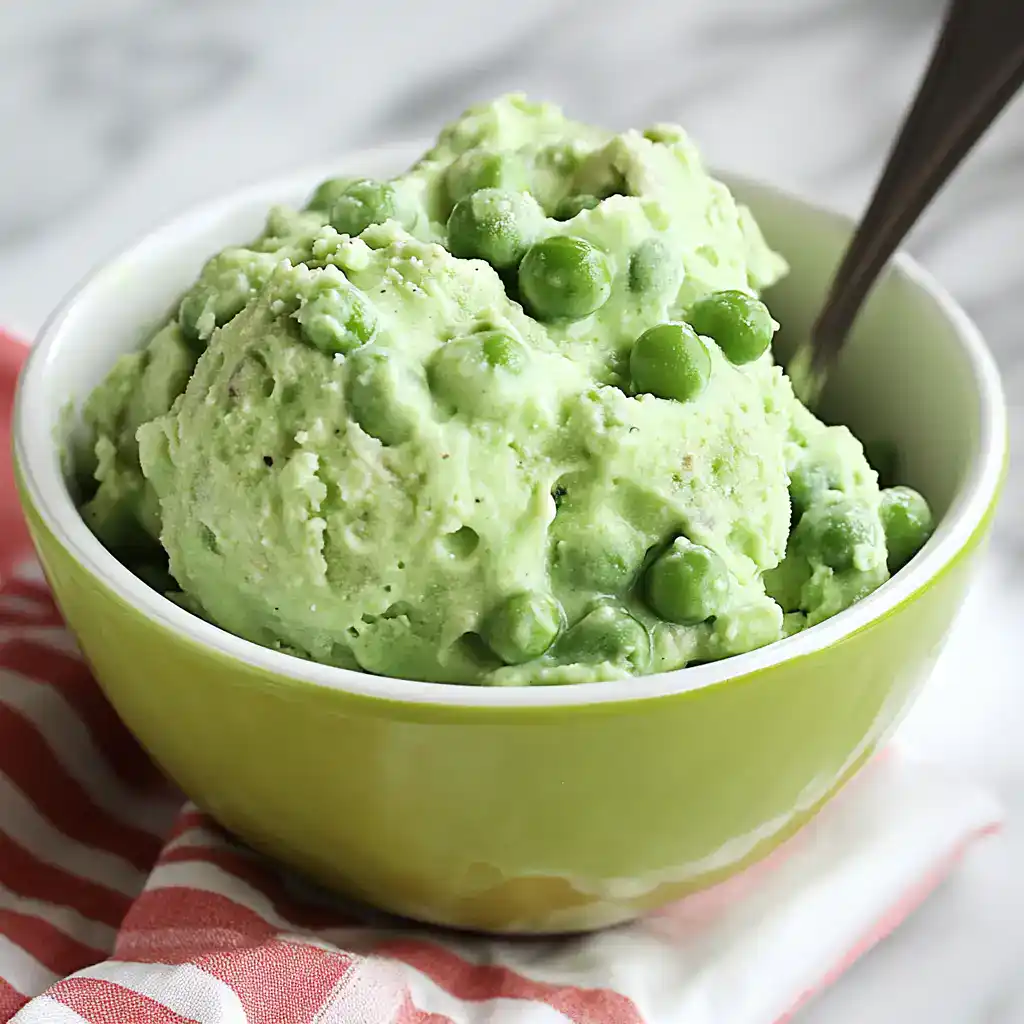
Blend the peas and broth until you get a smooth, thick consistency that looks like green hummus. This takes about 90 seconds of processing, but don’t rush it—you want everything completely smooth for the best frozen texture. The mixture should smell amazing from the chicken broth, which is what hooks even vegetable-hesitant dogs.
Now comes the creamy magic—add your plain Greek yogurt and pulse just until it’s evenly mixed throughout the green mixture. Here’s my secret for perfect frozen treats: don’t over-process once you add the yogurt, or it becomes too thin. The final mixture should be thick enough to hold its shape but smooth enough to pour easily.
Pour this gorgeous green mixture into ice cube trays or silicone molds, filling each compartment about 85% full to leave room for expansion during freezing. This step takes about 5 minutes but creates perfectly portioned treats that look almost too pretty to give to dogs (almost).
Slide them into the freezer for at least 3 hours until they’re completely solid. Every Golden Retriever has different patience levels, but Amber usually starts his “frozen treat patrol” after about 2 hours. Once they’re frozen solid, pop them out and prepare for your dog to completely change their opinion about vegetables.
For more vegetable-based frozen treats, check out our carrot and sweet potato ice pops that provide different nutrients with equally appealing flavors.
If This Happens, Don’t Panic
Treats came out too icy and hard instead of creamy when they melt? You probably used too much broth and not enough yogurt—that’s totally normal when you’re learning the ratios, and it happens to everyone. I’ve learned that the yogurt is what creates that perfect creamy texture as they soften.
Mixture seems too thick to blend properly in your food processor? Don’t stress, just add chicken broth one tablespoon at a time until your machine can handle it smoothly. When this happens (and it will with different pea textures), just be patient and add liquid gradually. The final result still provides amazing nutrition.
If your dog seems hesitant about the green color initially (some dogs are visual), try letting one soften for a minute so they can smell the chicken broth more easily. I always offer the first one with enthusiasm—dogs pick up on our energy, and if I’m excited about giving them “special treats,” they’re usually willing to try anything.
Fun Dog-Safe Twists to Try
When Amber needs extra digestive support during stressful periods, I’ll add a small spoonful of plain pumpkin puree to the mixture for additional fiber benefits. For special occasions like summer barbecues, I’ll use fun bone-shaped molds that make these look even more like special treats rather than vegetables.
My winter version includes a tiny bit of sweet potato for extra beta-carotene and natural sweetness (completely safe for dogs and adds gorgeous orange swirls to the green). Sometimes I use beef broth instead of chicken for dogs who prefer different flavors, though that’s totally optional. For dogs who need weight management, these are perfect because they’re mostly vegetables but taste like indulgent frozen treats.
Why This Works So Well for Dogs
What sets these frozen pea treats apart from commercial vegetable supplements is the incredible palatability combined with genuine nutritional benefits that dogs actually look forward to receiving. The technique of blending frozen peas with savory broth transforms vegetables from “something I have to eat” into “something I want to eat.”
This recipe works so much better than trying to sneak vegetables into regular food because dogs develop positive associations with getting their nutrition instead of feeling tricked. I discovered that the probiotics in yogurt actually help with absorption of the plant-based nutrients, while the freezing process makes them satisfying and entertaining. These have become our go-to healthy treats because they’re cooling, nutritious, affordable, and prove that vegetables can be exciting when presented properly.
Let’s Clear Up Some Dog-Safe Confusion
Can puppies eat these frozen pea treats?
Absolutely! Just give them smaller portions and supervise since the cold temperature and vegetable fiber might be new experiences. Most puppies love the creamy texture and chicken flavor, plus the nutrients support healthy development.
How long do these vegetable treats stay fresh?
These will keep in the freezer for up to 2 months in airtight containers. The yogurt and broth actually help preserve them, and they maintain their nutritional value throughout storage—I usually make a batch twice a month.
What if my dog has never liked vegetables before?
Start with treats that have extra chicken broth for maximum flavor appeal. Most dogs overcome vegetable hesitation when the treats taste primarily like chicken and have that satisfying frozen crunch they love.
Can I use fresh peas instead of frozen?
Frozen peas work much better because they’re already at the right texture for blending and create better consistency in the final treats. Fresh peas can be too starchy and don’t blend as smoothly.
How many pea treats can I give my dog per day?
I give Amber 2-3 treats depending on the weather and his activity level. These are mostly vegetables, so they’re much lower in calories than protein-based treats, but the probiotics mean you shouldn’t overdo it.
What’s the best way to serve these frozen treats?
I usually give them to Amber outside or on a towel since they can get messy as they melt. The melting process actually makes them more appealing as the chicken broth aroma gets stronger.
Are these good for senior dogs?
Perfect for older dogs! The fiber supports digestive health that often needs attention in senior pups, while the probiotics promote gut health. The soft texture when they start melting is easy on aging teeth like my 8-year-old Amber’s.
Before You Head to the Kitchen
I couldn’t resist sharing this frozen pea treat recipe because watching Amber get genuinely excited about eating vegetables—something I never thought I’d see—makes every batch absolutely worth the minimal effort. The best dog treat days are when you can provide real nutrition disguised as pure fun, and these pea treats prove that healthy can be irresistible.
Print
Frozen Pea Treats
Description
Nutritious frozen treats that transform ordinary vegetables into exciting rewards while providing cooling relief and genuine health benefits!
Prep Time: 5 minutes | Freezing Time: 3 hours | Total Time: 3 hours 5 minutes | Makes: 14 treats
Ingredients
- 8 oz frozen peas (organic varieties are picked at peak freshness with no additives)
- 1/2 cup low-sodium chicken broth (regular broth has too much salt for multiple daily treats)
- 1/4 cup plain Greek yogurt (probiotics for gut health plus perfect creamy texture)
Instructions
- Process the base – Add frozen peas and chicken broth to food processor. Blend for 90 seconds until completely smooth and thick like green hummus.
- Add creaminess – Pulse in Greek yogurt just until evenly mixed—don’t over-process or mixture becomes too thin for proper freezing.
- Fill and freeze – Pour mixture into ice cube trays or molds, filling each about 85% full to allow for expansion.
- Wait patiently – Freeze for at least 3 hours until completely solid. Your dog will probably start checking the freezer after 2 hours.
- Pop and serve – Remove from trays and watch your dog discover that vegetables can be exciting! Serve outside for mess-free enjoyment.
Notes:
- Yogurt creates creaminess as treats soften—don’t skip it even if your dog seems fine with dairy
- Food processor works better than blenders for achieving smooth texture with frozen vegetables
- Start enthusiastically since dogs pick up on our energy about new foods
Storage Tips:
- Store in freezer bags for up to 2 months without losing nutritional value
- Keep completely frozen until serving for best texture and probiotic preservation
- Make bi-weekly batches for consistent supply of fresh, healthy treats
- Label containers with dates to track freshness and ensure rotation
What Makes This Recipe Special:
Blending frozen peas with savory chicken broth transforms vegetables from something dogs tolerate into something they crave, while the yogurt provides probiotics that enhance nutrient absorption. The freezing process creates satisfying texture that makes healthy eating feel like a special reward.
Mix It Up (Dog-Safe Variations):
Digestive Support Special: Add plain pumpkin puree for dogs needing extra fiber and digestive benefits
Colorful Blend: Include small amounts of sweet potato for orange swirls and extra beta-carotene
Flavor Variation: Use beef broth instead of chicken for dogs with different taste preferences




