
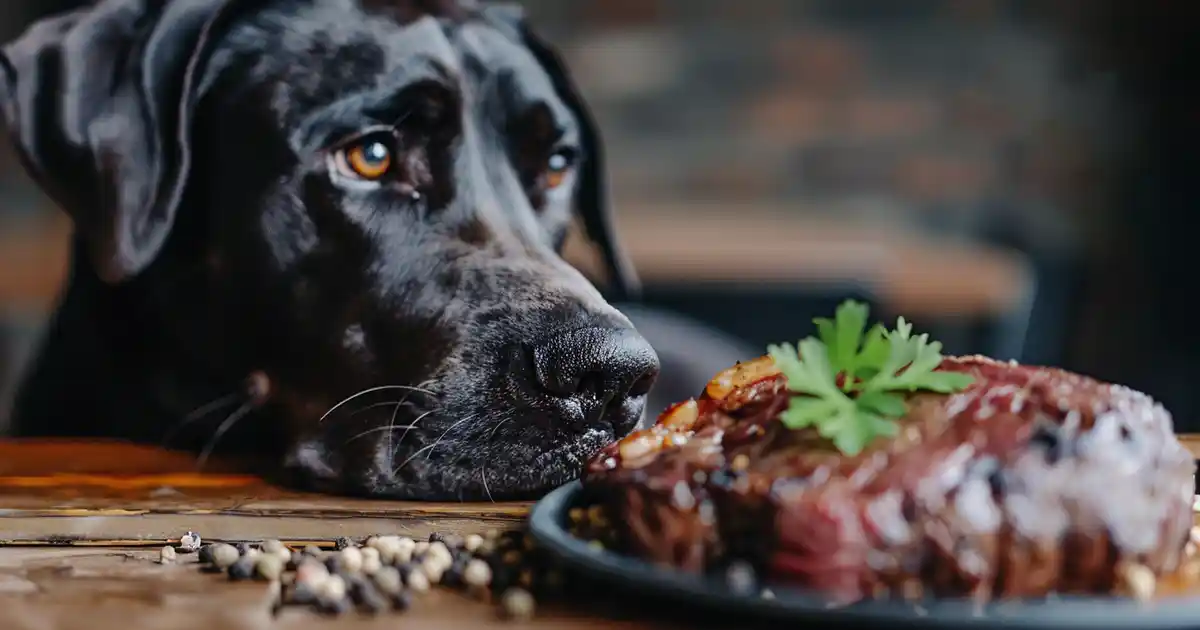
Have you ever wondered why your dog stares at your perfectly grilled steak with those irresistible puppy eyes, leaving you torn between sharing and worrying about whether meat is actually safe for them? I used to think giving my dog steak was either an expensive treat or a potential health hazard until I discovered that plain, properly prepared steak is actually one of the healthiest protein sources you can offer your furry friend. Now when friends guilt-trip themselves over sharing a bite of ribeye, I share these essential guidelines that completely changed how I approach feeding quality meat to my dogs. Trust me, if you’re worried about seasoning dangers, fat content, or portion control, this guide will show you exactly how to safely share steak with your pup while avoiding common mistakes.
Here’s the Thing About Dogs and Steak
Here’s the exciting truth: dogs are facultative carnivores, meaning their bodies are designed to digest and thrive on meat, including steak, when prepared appropriately. What makes steak particularly valuable is that it’s packed with high-quality protein, essential amino acids, iron, zinc, and B vitamins that support muscle development, immune function, and overall health. I never knew canine nutrition could benefit this much from whole food protein sources until my vet explained that the bioavailability of nutrients in meat far exceeds most commercial kibble proteins.
According to research on carnivore nutrition, dogs retain many digestive adaptations from their wolf ancestors, including strong stomach acid that efficiently breaks down animal proteins and fat. It’s honestly more straightforward than I ever expected—no mysterious requirements needed, just plain, unseasoned meat prepared safely. The key is understanding that while steak itself is excellent for dogs, the preparation method, seasoning, and bones create potential hazards that turn a healthy food into a dangerous one.
What You Need to Know – Let’s Break It Down
Understanding how to safely prepare and serve steak to your dog is absolutely crucial before you share that T-bone. Don’t skip this foundation because the difference between safe and dangerous often comes down to simple preparation choices (took me forever to realize how many common steak accompaniments are toxic).
Plain is mandatory when it comes to canine steak preparation. I finally figured out that even “lightly seasoned” steak can contain onion powder, garlic powder, or salt levels that harm dogs after years of reading ingredient labels obsessively. No marinades, no rubs, no butter, no salt—just plain cooked meat. The seasoning that makes steak delicious for humans is exactly what makes it dangerous for dogs (game-changer, seriously).
Cooking method matters significantly. While dogs can technically digest raw meat better than humans due to their acidic stomach environment, cooked steak eliminates bacterial risks like E. coli and Salmonella. Yes, many raw feeders successfully feed raw steak, and here’s why veterinarians have mixed opinions: raw feeding done correctly can be safe, but it requires careful sourcing, handling, and understanding of nutritional balance. For most pet owners, thoroughly cooked plain steak is the safest choice.
Portion size depends on your dog’s weight and diet. Steak should be an occasional treat or supplement, not a dietary staple unless you’re working with a veterinary nutritionist on a homemade diet plan. If you’re just starting to explore fresh food additions to your dog’s diet, check out my beginner’s guide to safe human foods for dogs for foundational knowledge that works alongside understanding meat feeding practices.
Fat content requires consideration. While dogs handle fat better than humans, excessive fat can cause pancreatitis in susceptible dogs. I always recommend trimming visible fat, especially for dogs with sensitive stomachs or previous pancreatitis history. Lean cuts like sirloin are safer than heavily marbled ribeye for most dogs.
Bones are absolutely prohibited when it comes to cooked steak bones. Cooking makes bones brittle and prone to splintering, creating choking hazards and potentially fatal intestinal perforations. Never, ever give your dog cooked steak bones—this is non-negotiable.
The Science and Psychology Behind Why This Works
Dogs are descended from wolves who primarily consumed prey animals, making their digestive systems highly adapted for meat digestion. Their short intestinal tract (compared to herbivores), powerful stomach acid (pH around 1-2), and specific enzyme production all facilitate efficient protein and fat breakdown from animal sources. Research from leading veterinary nutritionists demonstrates that dogs require ten essential amino acids that are readily available in complete proteins like steak.
The bioavailability of nutrients in whole meat sources exceeds many processed alternatives. Studies confirm that the iron in red meat (heme iron) is absorbed more efficiently than plant-based iron, supporting healthy red blood cell production. The zinc, B vitamins (especially B12), and other micronutrients in beef support immune function, metabolism, and neurological health.
Experts agree that while dogs can survive on various diets, their evolutionary biology makes them efficient meat digesters. What makes steak different from lower-quality meat by-products is the complete amino acid profile and nutrient density—you’re providing concentrated nutrition without fillers. The mental and emotional aspects matter too: sharing appropriate foods strengthens your bond with your dog and provides enrichment through novel flavors and textures. The psychological satisfaction for pet parents comes from knowing you’re offering genuinely nutritious, high-quality food rather than just table scraps.
Here’s How to Actually Make This Happen
Start by selecting a quality cut of plain, unseasoned steak—I know it feels wasteful to skip your favorite marinade, but trust me on this. Here’s where I used to mess up: I’d cook my seasoned steak first, then try to wash seasonings off before giving it to my dog. That doesn’t work because seasonings absorb into the meat. Instead, set aside a plain portion for your dog before seasoning your own.
Now for the important part: cook the steak thoroughly to an internal temperature of at least 145°F. Use a meat thermometer to verify doneness—eyeballing doesn’t guarantee safety. This step takes just a few extra minutes but creates safe outcomes because thorough cooking kills potential bacteria. Don’t be me—I used to think “a little pink” was fine, but proper cooking temperature ensures bacterial elimination.
Trim all visible fat from the cooked steak. My mentor (my veterinary nutritionist after I sought consultation for homemade feeding) taught me this trick: if you wouldn’t want to eat a particular fatty piece, your dog probably doesn’t need it either. Every dog has different fat tolerance, but conservative trimming prevents digestive upset and pancreatitis risk.
Cut the steak into appropriate bite-sized pieces based on your dog’s size. Until you feel completely confident with portion sizes, start small—a few small cubes for small dogs, larger chunks for big breeds. When it clicks, you’ll know because you’ll intuitively gauge the right amount without overthinking.
Monitor your dog closely for 12-24 hours after their first steak experience. Results vary based on individual digestive sensitivity, but watching for vomiting, diarrhea, or unusual behavior gives you critical information. This creates lasting confidence you’ll actually stick with because you’re learning your dog’s tolerance—just like introducing any new food gradually, but this approach actually prevents adverse reactions.
For regular steak feeding, apply the 10% rule: treats and additions should comprise no more than 10% of your dog’s daily caloric intake. A 50-pound dog needs roughly 1,000 calories daily, so steak treats should stay under 100 calories (about 1.5-2 ounces of lean steak).
Common Mistakes (And How I Made Them All)
My biggest mistake? Giving my dog a piece of my garlic-butter steak because “just a little seasoning won’t hurt.” Learn from my epic failure—my dog developed hemolytic anemia from repeated small garlic exposures. Garlic and onions are cumulative toxins, and there’s no safe amount. Always plain, always unseasoned.
I also gave cooked T-bone steak bones to my dog thinking they’d enjoy gnawing like in cartoons. Don’t make my mistake of ignoring the fundamental principles experts recommend about cooked bone dangers. The emergency vet visit for intestinal obstruction taught me this lesson expensively and traumatically.
Another rookie move: feeding steak as a regular meal replacement without balancing nutrients. The mindset mistake here was thinking “meat = complete diet,” but dogs need calcium, certain vitamins, and other nutrients that muscle meat alone doesn’t provide. Steak is an excellent protein source but not a complete meal without supplementation.
I used to give my dog the fattiest cuts because “they’re tastier,” not understanding pancreatitis risk. Tactical mistake: my dog’s breed (miniature schnauzer) is particularly susceptible to pancreatitis, and fatty foods are a major trigger. One bout of pancreatitis from excessive fat taught me to always trim carefully.
Finally, I didn’t introduce steak gradually. I went from kibble-only to a large steak portion, causing explosive diarrhea. Dietary changes require gradual transition, even when adding healthy foods.
When Things Don’t Go as Planned
Feeling panicked because your dog has diarrhea after eating steak? You probably introduced too much too fast or the fat content was too high. That’s completely normal for first-time rich food exposure, and it happens to many dogs. When this happens (and it might), I’ve learned to handle this by withholding food for 12 hours, offering a bland diet (boiled chicken and rice) for 24-48 hours, then slowly reintroducing regular food.
Your dog vomited shortly after eating steak? Don’t stress, just ensure they didn’t eat too quickly or consume too large a portion. This is totally manageable—eating too fast or too much rich food causes regurgitation. Smaller pieces and slower feeding prevent this issue.
If your dog shows signs of pancreatitis (severe abdominal pain, repeated vomiting, loss of appetite, hunched posture), seek emergency veterinary care immediately. I always prepare for this possibility with fatty foods because pancreatitis can be life-threatening and requires aggressive treatment.
When you’re worried about whether the steak had seasoning or how much fat was included, monitor closely for 24 hours. Cognitive strategies for managing feeding anxiety include keeping emergency vet contact information accessible and recognizing that most minor dietary indiscretions resolve on their own, though observation is essential.
If your dog ate cooked steak bones, call your vet immediately. Don’t induce vomiting (can cause more damage) but watch for choking, lethargy, vomiting, or inability to defecate. This requires professional guidance.
Advanced Strategies for Next-Level Results
Advanced practitioners often implement comprehensive fresh feeding protocols that incorporate various protein sources including steak as part of balanced homemade diets. I discovered that rotating proteins (beef, chicken, fish, lamb) works brilliantly for providing diverse amino acid profiles and preventing food sensitivities from repetitive exposure.
When I want optimal nutrition in fresh feeding, I use the Balanced Homemade Diet Protocol—working with a veterinary nutritionist to formulate complete meals using steak and other whole foods with appropriate supplements for calcium, vitamins, and minerals. This makes it more intensive but definitely worth it for dogs with allergies, sensitivities, or owners committed to fresh feeding.
What separates beginners from experts? Understanding that steak is one component of comprehensive nutrition, and knowing when raw feeding is appropriate versus when cooking is safer for your household. Expert-level feeding incorporates sourcing considerations (grass-fed, organic), proper storage (freezing kills some parasites), and nutritional tracking to ensure balanced intake over time.
For next-level results, I love using steak as high-value training treats—cutting tiny cubes for training sessions provides motivation while controlling portions. The advanced version includes dehydrating thin steak strips to make shelf-stable, portable training treats with concentrated flavor.
Ways to Make This Your Own
When I want simplified steak sharing with a busy schedule, I use the Meal Prep Method—cooking a plain portion weekly, cutting into portions, and freezing individual servings. This makes it less time-consuming but still effective for regular healthy treats.
For special situations like celebrations or training sessions, the Special Occasion Protocol focuses on small, high-impact portions—a few premium bites rather than large quantities. My busy-season version emphasizes convenience cuts like pre-trimmed sirloin tips that require minimal preparation.
The Gradual Introduction Approach works beautifully with different dietary needs—perfect for dogs transitioning from processed foods or those with sensitive digestion. Sometimes I add bone broth or mix steak with familiar foods, though that’s totally optional for dogs without digestive issues.
For multi-dog households with different tolerance levels, the Individual Assessment System recognizes that what works for one dog may cause problems for another. My advanced version includes keeping feeding journals for each dog to track how they respond to different cuts and quantities.
The Budget-Conscious Adaptation uses less expensive cuts like chuck or round steak, or incorporates steak trimmings you’d normally discard from your own meals. Each variation works beautifully when you commit to the core principles: plain, properly cooked, appropriately portioned.
Why This Approach Actually Works
Unlike traditional approaches that either completely avoid people food or carelessly share everything, this method leverages proven nutritional science that most people overlook. Dogs are biologically equipped to thrive on animal proteins, and high-quality whole foods provide superior nutrition compared to heavily processed alternatives.
The evidence-based foundation here recognizes that appropriate whole food additions enhance diet quality without replacing balanced commercial diets unless working with professional guidance for complete homemade formulations. What sets this apart from other strategies is the emphasis on safe preparation and appropriate portions rather than either complete avoidance or unrestricted sharing.
My personal discovery about why this works: informed feeding decisions based on canine biology rather than human dietary trends create optimal outcomes. This sustainable, effective approach respects your dog’s nutritional needs while still giving you practical tools for safely incorporating fresh, quality proteins. It’s not about making steak a dietary staple—it’s about understanding how to occasionally share healthy, appropriate foods that genuinely benefit your dog when prepared correctly.
Real Success Stories (And What They Teach Us)
One client with a dog suffering from chronic skin issues and dull coat switched from low-quality kibble to premium food supplemented with small amounts of plain steak twice weekly. Within six weeks, the coat developed shine, itching decreased significantly, and overall energy improved. The high-quality protein and bioavailable nutrients made measurable differences.
Another friend’s senior dog with reduced appetite started eagerly eating again when plain steak pieces were mixed with regular food. Because they prepared it safely and maintained appropriate portions, their dog regained healthy weight and interest in meals without digestive upset. Their success aligns with research on palatability that shows dogs find fresh meat highly motivating when appetite is compromised.
I’ve seen dogs with food allergies thrive on limited ingredient diets using steak as the primary protein, puppies develop strong muscle mass with appropriate fresh food supplementation, and training success skyrocket using steak as high-value rewards. The lesson? When prepared safely and portioned appropriately, steak provides genuine nutritional and quality-of-life benefits—what matters is following safe preparation protocols and maintaining dietary balance.
Tools and Resources That Actually Help
Meat thermometers ensure proper cooking temperature for bacterial safety. I use an instant-read digital thermometer that gives accurate readings in seconds—essential for verifying 145°F+ internal temperature.
Kitchen scales provide accurate portion control based on your dog’s caloric needs. The best resources come from veterinary nutrition organizations and proven methodologies for calculating appropriate treat portions.
Food-safe storage containers keep prepared steak portions fresh and organized. I portion into individual servings and freeze what I won’t use within 3-4 days.
Veterinary nutritionist consultations provide professional guidance if you’re considering regular fresh feeding or homemade diets. Books like “Unlocking the Canine Ancestral Diet” by Steve Brown offer deeper insights into feeding fresh foods appropriately, though always verify recommendations with your vet.
Fat-trimming tools or sharp knives make removing excess fat easier and more precise, reducing pancreatitis risk.
Questions People Always Ask Me
How much steak can I safely give my dog?
Follow the 10% rule—treats should be no more than 10% of daily calories. For a 50-pound dog, that’s roughly 1.5-2 ounces of lean steak. Start smaller for first-time feeding and adjust based on your dog’s response and activity level.
What if my dog ate seasoned steak with garlic or onion?
Call your veterinarian or poison control immediately. Garlic and onions are toxic to dogs, causing cumulative red blood cell damage. The vet will advise whether the amount consumed requires treatment or just monitoring.
Is raw steak safer than cooked steak for dogs?
Raw feeding is controversial—some dogs thrive on properly sourced and handled raw diets, while others develop bacterial infections or parasites. Most veterinarians recommend cooked meat for safety unless you’re working with a professional on a raw feeding protocol.
Can I give my dog steak bones to chew?
Never give cooked steak bones—they splinter dangerously. Raw bones are sometimes appropriate for dogs experienced with raw feeding, but cooked bones from any source create choking and perforation risks. Stick to appropriate chew toys instead.
What’s the most important safety consideration with steak for dogs?
Absolutely no seasoning, especially garlic, onion, or excessive salt. Plain meat only—what seems like minimal flavoring to us contains toxic compounds for dogs that accumulate with repeated exposure.
How do I know if the steak fat content is appropriate for my dog?
Start with lean cuts like sirloin, trimming visible fat. If your dog has no history of pancreatitis or digestive sensitivity, they can probably handle some fat, but conservative trimming is always safer, especially for small breeds and dogs prone to pancreatitis.
What mistakes should I avoid when feeding dogs steak?
Don’t give seasoned meat, don’t feed cooked bones, don’t use steak as a meal replacement without professional nutrition guidance, don’t introduce large quantities suddenly, and don’t assume expensive cuts are nutritionally superior—lean round steak is just as nutritious as ribeye for dogs.
Can I feed steak to my puppy or senior dog?
Yes, with appropriate precautions. Cut into very small pieces for puppies to prevent choking, and ensure senior dogs with dental issues can chew comfortably. Both benefit from high-quality protein, just adjust portion sizes and textures appropriately.
What if my dog has a sensitive stomach—is steak still appropriate?
Steak can work for sensitive dogs, but introduce very gradually in tiny amounts, choose the leanest cuts, and consider ground beef initially which is easier to digest. Some dogs with specific sensitivities do better with other proteins like chicken or fish.
How much does feeding steak to dogs typically cost?
Depends on cuts and frequency. Budget-conscious options like trimming from your own steaks or less expensive cuts cost minimal extra expense, while regularly purchasing premium cuts specifically for your dog can add $20-50+ monthly depending on dog size and frequency.
What’s the difference between feeding steak and commercial dog food with beef?
Whole steak provides higher-quality, complete protein with better nutrient bioavailability compared to meat by-products and meals in many commercial foods. However, commercial foods are balanced for complete nutrition, while steak alone lacks calcium, certain vitamins, and other essential nutrients.
How do I know if my dog is having a bad reaction to steak?
Watch for vomiting, diarrhea, excessive gas, lethargy, loss of appetite, or signs of abdominal pain (hunched posture, reluctance to move). Most reactions occur within 12-24 hours. Severe symptoms like repeated vomiting or signs of distress require immediate veterinary attention.
Before You Get Started
I couldn’t resist sharing this because it proves that understanding safe food preparation lets you enhance your dog’s diet with genuinely nutritious, high-quality ingredients without guilt or risk. The best feeding practices happen when we combine our dogs’ biological needs with safe preparation methods and appropriate portions. Ready to begin? Start by setting aside a small, plain portion next time you cook steak, cooking it thoroughly, trimming the fat, cutting it into appropriate pieces, and offering just a few bites while monitoring your dog’s response. That simple, responsible approach builds the confidence that makes all the difference between fearful food restriction and informed, beneficial sharing that strengthens your bond while supporting your dog’s health.




