
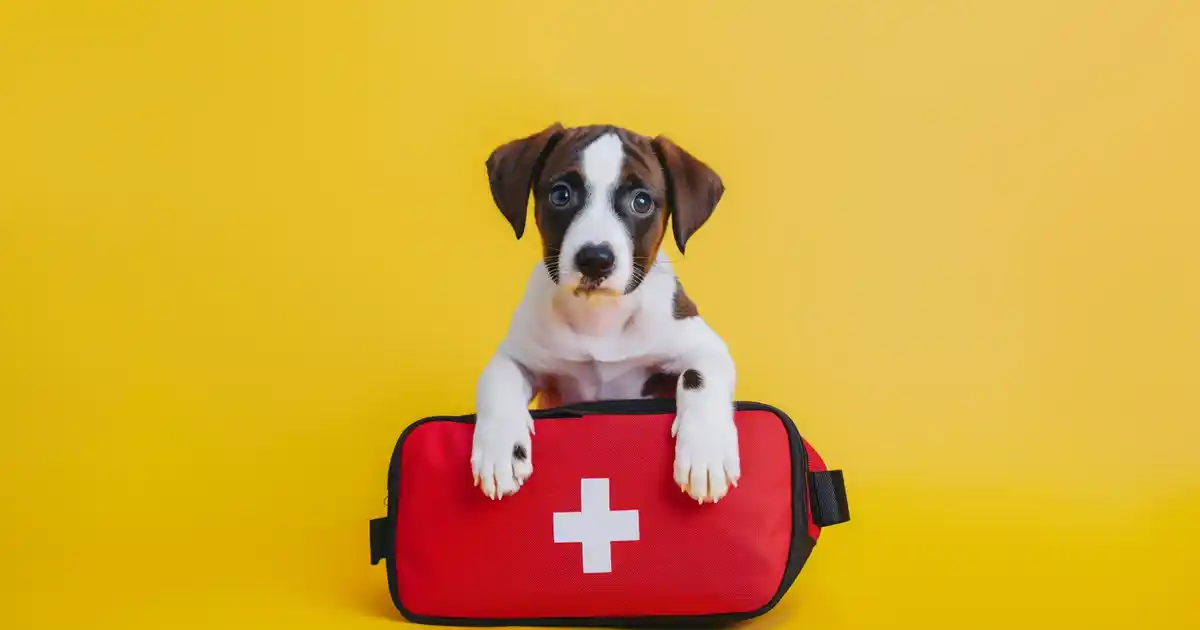
Have you ever wondered why having a puppy first aid kit ready seems like overkill until the moment you actually need one? I used to think the same thing — that my energetic little fur baby would somehow magically avoid every sharp corner, toxic plant, and muddy puddle in sight. Then one rainy Tuesday evening, my golden retriever puppy sliced his paw on a broken piece of ceramic that had fallen behind the couch, and I found myself frantically digging through kitchen drawers looking for gauze. That moment changed everything for me. If you’re a new puppy parent who’s been putting off assembling a first aid kit, trust me — this guide will show you exactly how to be prepared without spending a fortune or feeling overwhelmed. Whether you have a tiny Chihuahua or a growing Great Dane puppy, these essentials could genuinely be life-saving.
Here’s the Thing About Puppy First Aid
Here’s the magic behind being a truly prepared puppy parent: it’s not about becoming a veterinary expert overnight. It’s about having the right supplies within arm’s reach when small emergencies happen — and they will happen. Puppies are curious, clumsy, and completely fearless creatures who treat the entire world like an obstacle course designed specifically to test your nerves. What makes this approach so effective is its simplicity. You don’t need a massive medical cabinet or a nursing degree. You just need a thoughtfully assembled kit and a basic understanding of how to use it. I never knew puppy first aid could feel this approachable until I finally sat down and put mine together in about thirty minutes. It’s honestly more doable than I ever expected, and the peace of mind it gives you is absolutely transformative. According to research on animal emergency preparedness, having supplies ready before an emergency dramatically improves outcomes for pets.
What You Need to Know — Let’s Break It Down
Understanding the core components of a puppy first aid kit is absolutely crucial before you start throwing random supplies into a shoebox. Don’t skip this part — it’s the foundation everything else builds on.
The basics come first. Gauze pads, medical tape, and clean bandages are your absolute must-haves. I finally figured out after months of trial and error that non-stick gauze pads are way superior to regular ones (took me forever to realize this). They won’t stick to wounds and cause even more pain when you remove them. Game-changer, seriously.
Antiseptic solution matters more than you think. Chlorhexidine or povidone-iodine solutions are what most vets recommend for cleaning minor cuts and scrapes. Yes, puppy first aid really does require proper cleaning — here’s why: bacteria can cause infections incredibly fast in warm, moist environments, and puppy mouths are basically bacteria playgrounds.
A digital rectal thermometer is non-negotiable. I always recommend grabbing a pediatric-sized one because everyone sees results faster with something that doesn’t terrify their puppy into submission. A normal puppy temperature ranges between 101 and 102.5°F, so knowing how to read this quickly is essential.
Tweezers and a clean pair of scissors round out your starter kit beautifully. For splinters, thorns, or trimming bandages in a pinch, these small tools make a massive difference.
If you’re just starting out with puppy care basics, check out my beginner’s guide to keeping your new puppy healthy and happy for foundational techniques on puppy wellness essentials.
The Science and Psychology Behind Why This Works
Here’s something fascinating that most new puppy parents completely overlook: the psychology of preparedness. Research consistently shows that having an emergency plan in place reduces panic-driven decision-making during stressful moments. When you’ve already assembled your kit and mentally rehearsed basic steps, your brain switches from “fight or flight” mode into calm, rational action — even at two in the morning when your puppy decides to eat something horrifying.
From a veterinary science perspective, the supplies in a basic first aid kit address the most statistically common puppy injuries: lacerations, minor burns, gastrointestinal distress, choking hazards, and allergic reactions. Studies confirm that the majority of puppy-related emergency vet visits involve injuries that could have been managed at home initially, reducing stress on both the animal and the owner before professional care is sought.
There’s also a deeply emotional component. Knowing you’re prepared creates a sense of confidence that actually makes you a better, calmer puppy parent overall. Experts agree that calm owners produce calmer dogs — the energy you bring into a situation genuinely matters. Research from veterinary behaviorists at the ASPCA reinforces that owner confidence plays a measurable role in how pets respond during emergencies.
Here’s How to Actually Make This Happen
Start by grabbing a sturdy, waterproof container — something like a lunch box or a small plastic storage bin works perfectly. I used to keep everything loose in a drawer, and trust me, that was a disaster when I actually needed something fast. A labeled, organized container is the way to go.
Step one: Assemble your wound care supplies. Lay out your gauze pads, medical tape, bandage wrap (like vet wrap — seriously, grab some), and your antiseptic solution. Here’s where I used to mess up — I’d buy regular human adhesive bandages, which don’t stick properly to fur. Now I always use vet wrap, and it holds beautifully without pulling at your puppy’s coat.
Step two: Add your monitoring tools. Tuck in that digital thermometer, a pair of tweezers, blunt-tipped scissors, and a small flashlight. The flashlight might seem random, but when your puppy opens their mouth at midnight and you need to check for something stuck in their throat, you’ll thank me later. This step takes about five minutes but creates lasting peace of mind.
Step three: Include your medication essentials. Add a small bottle of hydrogen peroxide (only used under vet guidance for inducing vomiting), any prescribed medications your puppy currently takes, and a note with your vet’s emergency contact number. Now for the important part — also include the ASPCA Animal Poison Control number (888-426-4435) written clearly on a card. Results can vary depending on your situation, but having these numbers instantly accessible could genuinely save your puppy’s life.
Step four: Pack comfort and restraint items. A clean towel, a soft e-collar (to prevent licking wounds), and a small notebook for jotting down symptoms and timelines round everything out. My mentor taught me this trick: always keep a pen in the kit too, because when you’re stressed, you won’t remember exactly when something happened.
Step five: Do a monthly check. Set a reminder on your phone. Check expiration dates, replace anything that’s been used, and make sure everything is still dry and clean. Don’t worry if you’re just starting out — once this becomes routine, it takes less than two minutes.
Common Mistakes (And How I Made Them All)
Don’t make my mistake of ignoring the importance of location. I kept my kit in the garage — which meant during my puppy’s first real emergency, I was running outside in the dark trying to find it. Now it lives on a shelf in my hallway, exactly where I can grab it in seconds.
Another huge mistake? Using human medications without checking with your vet first. Ibuprofen and acetaminophen are genuinely toxic to dogs. I learned this the hard way when a well-meaning friend suggested giving my puppy a baby aspirin for a sore leg. Please don’t do this.
I also used to skip the thermometer entirely, assuming I could just “feel” if my puppy had a fever. You can’t. Not reliably. A fever in puppies can escalate dangerously fast, and the only way to know for sure is with an actual temperature reading.
Finally, many new puppy parents forget to update the kit as their puppy grows. What works for a eight-week-old Beagle is different from what a six-month-old needs. Revisit your kit as your puppy develops.
When Things Don’t Go as Planned
Feeling overwhelmed by the idea of assembling all of this? That’s completely normal, and it happens to everyone. Start with just the absolute basics — gauze, tape, and your vet’s number — and build from there. Progress doesn’t have to happen all at once.
What if your puppy keeps licking or chewing the bandage? That’s totally manageable. An e-collar is your best friend here, but if you don’t have one handy, a clean sock secured loosely with medical tape can work as a temporary solution. I’ve learned to handle this by keeping a spare e-collar in the kit itself.
Progress stalled on actually putting the kit together? Try setting a fifteen-minute timer and just grabbing whatever you already have around the house. You’d be surprised how many basic supplies most people already own. When motivation fails, sometimes the smallest possible first step is all you need to build momentum.
What if your puppy has a reaction to the antiseptic? Don’t stress, just switch to a saline solution (one teaspoon of salt in eight ounces of warm water). It’s gentler and works beautifully for sensitive skin. I always prepare for setbacks because life with a puppy is wonderfully unpredictable.
Advanced Strategies for Next-Level Results
Once you’ve mastered the basics, it’s time to think bigger. Advanced puppy first aid preparation includes creating a dedicated emergency binder that travels with you. Inside, keep copies of your puppy’s vaccination records, a recent photo (incredibly helpful if they ever get lost), insurance information, and a written summary of any known allergies or medical conditions.
Consider assembling a second, travel-sized kit for car trips and outdoor adventures. Puppies who spend time hiking, visiting dog parks, or traveling need different supplies on hand — think tick removers, blister care, and extra water purification tablets.
Some experienced puppy parents also take a basic pet first aid course. These are available online and through local humane societies, and they transform your theoretical knowledge into practical, hands-on confidence. Learning CPR techniques for dogs is particularly valuable and genuinely could save a life someday.
For next-level results, I love incorporating a simple “puppy health log” right into the kit. Tracking things like eating habits, bathroom breaks, and energy levels makes it dramatically easier to spot something unusual before it becomes an emergency.
Ways to Make This Your Own
When I want faster results in terms of preparedness, I do what I call the “Accelerated Setup” — I order a pre-assembled pet first aid kit online and then customize it by adding my own extras. This makes it more intensive in terms of cost but definitely worth it for the time saved.
For my “Budget-Conscious Version,” I assembled everything from items I already had around the house plus a few dollar-store purchases. The total cost was under ten dollars, and it covered every essential.
My “Parent-Friendly Approach” keeps the kit in an easily accessible spot and includes a laminated quick-reference card with basic steps for the most common puppy emergencies. When life gets hectic, you don’t have time to remember everything from memory.
For busy professionals, my “Busy Season Kit” includes pre-portioned supplies and everything pre-labeled so assembly during an emergency takes seconds, not minutes.
Each variation works beautifully with different lifestyle needs, and there’s genuinely no wrong way to approach this.
Why This Approach Actually Works
Unlike traditional “just Google it when something happens” mentality, this approach leverages proven principles of emergency preparedness that most new puppy owners completely ignore. The evidence-based strategy here is simple: reduce variables during a stressful moment so you can focus on what actually matters — helping your puppy feel better and making smart decisions about whether professional veterinary care is needed.
What sets this apart from simply buying a random pet first aid kit off a shelf is the intentionality behind it. Every item serves a specific purpose, and understanding why each supply matters means you’ll actually use the kit correctly when it counts. This sustainable approach to puppy care builds confidence over time rather than creating anxiety.
Real Success Stories (And What They Teach Us)
A friend of mine, a first-time puppy parent with a chaotic Labrador, told me her kit saved her an emergency vet visit when her pup swallowed a piece of chocolate. She knew exactly what to do — she called the poison control number from her kit, followed their guidance, and monitored her puppy calmly through the night. Her success aligns with research on behavior change that shows preparation creates consistent, repeatable confidence.
Another person I know used her kit to properly bandage a cut paw during a hiking trip, preventing infection and keeping her Border Collie comfortable until they could get to a vet the following day. The key takeaway from both stories? Having the supplies and knowing the basics made all the difference.
Tools and Resources That Actually Help
Vet Wrap (self-adhesive bandage wrap) is hands-down my favorite tool in the entire kit. It’s stretchy, sticks to itself but not to fur, and costs about two dollars a roll. I always keep at least three rolls on hand.
A digital pet thermometer from any pet supply store runs about ten to fifteen dollars and removes all guesswork from temperature checks.
The ASPCA Animal Poison Control Center is an incredible free resource available around the clock. Bookmark their website and save their number in your phone immediately.
Chlorhexidine antiseptic solution is what most veterinarians recommend over hydrogen peroxide for routine wound cleaning, and it’s available at any pharmacy for a few dollars.
A basic pet first aid book like those published by the American Veterinary Medical Association gives you a solid written reference for when you want to learn more beyond the basics. The best resources come from authoritative veterinary databases and proven methodologies.
Questions People Always Ask Me
How long does it take to put together a puppy first aid kit? Honestly, about thirty minutes if you have most basic supplies already on hand. I put mine together during a single evening and felt so much more confident afterward. Most people need only one focused session to get everything organized.
What if I don’t have time to assemble a full kit right now? Start with just three things: gauze, medical tape, and your vet’s emergency number written somewhere visible. I usually recommend building from there over the next week or two, adding one or two items at a time.
Is a puppy first aid kit suitable for dogs of all ages? Absolutely, just focus on sizing your supplies appropriately. Puppies need smaller gauze pads and gentler antiseptics, while adult dogs might need larger bandages. The core concept works across every life stage.
Can I adapt this method for my specific breed? Definitely. Certain breeds have specific concerns — Bulldogs might need extra attention for breathing issues, while sporting breeds might need tick removal tools prioritized. Absolutely, just focus on what your breed is most prone to.
What’s the most important thing to focus on first? Your vet’s contact information and basic wound care supplies. If you can only do one thing today, write down your vet’s number and the ASPCA Poison Control number and tape them somewhere visible.
How do I stay motivated to actually maintain the kit? I usually recommend tying it to something you already do — like checking it every time you restock your kitchen supplies. When it becomes part of an existing routine, it stops feeling like a chore.
What mistakes should I avoid when building a puppy first aid kit? Don’t include human medications like ibuprofen or Tylenol — they’re toxic to dogs. Don’t store the kit somewhere hard to reach. And don’t assume you’ll remember everything under stress.
Can I combine this with other puppy care routines I’m already doing? Absolutely. Many people keep their first aid kit near their puppy’s regular supplies — food, leash, toys. Proximity makes it second nature to check and restock.
What if I’ve tried preparing for emergencies before and gave up? That’s more common than you’d think. Start smaller this time. One container, five basic items, and one emergency number. Build from there without any pressure.
How much does putting together a puppy first aid kit typically cost? Most people spend between fifteen and forty dollars assembling a solid kit from scratch. If you already have basic supplies at home, it can cost under ten dollars to fill in the gaps.
What’s the difference between a puppy first aid kit and an adult dog first aid kit? The supplies are largely the same — the main differences are sizing and the specific concerns you prioritize. Puppies are more vulnerable to dehydration and temperature changes, so include an electrolyte solution and a small thermal blanket.
How do I know if I’m making real progress with puppy preparedness? If you can locate your kit in under ten seconds, identify every item inside it, and feel calm thinking about a minor emergency, you’re in great shape. Progress here is about confidence, not perfection.
Before You Get Started
I couldn’t resist sharing this because it proves that being a prepared puppy parent isn’t about being perfect — it’s about being ready. The best puppy first aid journeys happen when you start simple, stay consistent, and build your confidence one small step at a time. Your puppy doesn’t need you to be a veterinarian. They just need you to be ready. So grab that container, toss in your basics, and give yourself credit for caring enough to start. Ready to begin? Start with a simple first step and build momentum from there. Your future self — and your puppy — will thank you.




