
Here’s My Story With This Recipe
Have you ever seen a Golden Retriever do actual happy tears over a homemade treat? I never expected my 8-year-old Golden Retriever Amber to react like I’d served him a five-star meal when I first made these duck and vegetable balls—he literally sat perfectly still and savored each bite like fine dining. Here’s the thing—I discovered this combination when my vet suggested Amber needed more variety in his protein sources, and I was tired of the same old chicken treats that barely held his attention. Now Amber does his excited spinning dance every time he sees me forming these balls, and my dog trainer asked what “fancy treats” were making him so focused during sessions. Plus, I love knowing he’s getting lean protein and vegetables in a form that feels like pure indulgence (no fillers or artificial flavors that I can’t identify).
Here’s the Thing About This Dog Recipe
The secret to driving dogs wild is combining rich duck flavor with colorful vegetables that create this satisfying, restaurant-quality experience dogs can’t resist. What makes this irresistible to pups is that gamey duck taste paired with the perfect tender-yet-substantial texture that feels like a real meal rather than just a snack. Here’s the magic—duck is naturally more flavorful than chicken or beef, while the quinoa and vegetables add nutrition and visual appeal that makes these balls look as good as they taste. It’s honestly more exciting than any store-bought treat I’ve tried, and way more nutritious than processed alternatives loaded with preservatives.
The Lineup – Let’s Talk Dog-Safe Ingredients (Safety First!)
Ground duck is absolutely crucial here—I always buy from a reputable butcher who can confirm it’s fresh and properly ground (learned this after my vet explained how important quality poultry sourcing is). Good ground duck should be slightly darker than chicken, smell fresh, and have a rich color without any off odors.
Shredded carrots work as the perfect natural sweetener and beta-carotene source (completely safe for dogs and adds that appealing orange color). I finally found organic carrots that shred beautifully without getting mushy—fresh carrots hold their texture much better than pre-shredded packages.
Chopped spinach provides iron and vitamins while adding vibrant green color (yes, spinach is completely safe for dogs in moderate amounts). Don’t skip the fresh spinach—frozen works too, but make sure it’s thoroughly drained to prevent soggy balls.
Cooked quinoa acts as the binding agent while adding complete protein and essential amino acids (way better than breadcrumb fillers). I always cook quinoa until it’s fluffy but not mushy, then let it cool completely before mixing.
One fresh egg holds everything together perfectly and adds extra protein (completely safe for dogs when cooked). Greek yogurt works as a substitute if your dog has egg sensitivities, but eggs create the best binding action.
I always grab extra duck because these balls disappear faster than I expect, and fresh ground duck doesn’t keep as long as other meats. Plain pumpkin puree can substitute for some of the quinoa if your dog needs extra fiber.
For more information about alternative protein sources for dogs, check out the American Kennel Club’s guide to canine nutrition variety.
Here’s How We Create This Dog-Approved Magic
Preheat your oven to 350°F and line a baking sheet with parchment paper—this prevents sticking and makes cleanup so much easier. Here’s where I used to mess up protein ball making: I thought higher heat would cook them faster, but duck needs gentle, even cooking to maintain its tender texture.
In a large mixing bowl, combine your ground duck, shredded carrots, chopped spinach, cooked quinoa, and egg. Now for the fun part (Amber will start pacing in the kitchen from the amazing duck aroma)—mix everything with clean hands until it’s well combined and holds together nicely.
Here’s my secret for perfect duck balls: the mixture should feel slightly sticky but not wet, and hold together when you squeeze it gently. If it seems too dry, add a tablespoon of water; if too wet, add more quinoa one spoonful at a time.
Using clean hands or a small scoop, roll the mixture into walnut-sized balls and place them on your prepared baking sheet about an inch apart. My dog trainer taught me this trick: make them uniform size for even cooking and consistent portion control during training or treating.
Bake for 20-25 minutes until they’re cooked through and lightly browned on the outside but still tender inside. Don’t worry if you’re new to making protein balls—just check that they’re firm to the touch and no longer pink inside.
Every Golden Retriever has different texture preferences, but Amber loves these when they’re golden brown outside with that perfect tender bite inside. Let them cool completely before serving (I learned this lesson when eager Amber burned his tongue on a hot ball).
Check out my turkey and sweet potato meatballs for another gourmet protein option that’s equally impressive to picky eaters.
If This Happens, Don’t Panic
Balls came out too dry or crumbly? You probably needed more moisture from the egg or a splash of water, and that happens to everyone. I’ve learned to add an extra tablespoon of water to the mixture if it seems too stiff before rolling.
Mixture too wet to hold ball shape? That’s common when vegetables release more moisture than expected during mixing, and it’s totally fixable. Just add more cooked quinoa, one tablespoon at a time, until it reaches the right consistency.
Dog seems hesitant about the duck flavor like some pups do initially? Don’t stress—dogs who are used to chicken sometimes need time to appreciate richer poultry flavors. When this happens (and it will), try mixing these with familiar treats or serving smaller portions to build positive association.
I always double-check that the duck is cooked completely through because poultry safety is crucial, and I use a meat thermometer if I’m unsure about doneness.
When I’m Feeling Creative
When Amber needs extra joint support during his senior years, I’ll add a pinch of turmeric to the mixture (completely safe and anti-inflammatory for dogs). For special training days, I’ll make mini versions that are perfect bite-sized rewards without being too filling.
My digestive support version includes a tablespoon of plain pumpkin puree mixed in for dogs with sensitive stomachs (perfect for pups who need extra fiber). Sometimes I substitute sweet potato for the carrots for dogs who prefer sweeter flavors, though that changes the nutritional profile slightly.
Why This Works So Well for Dogs
This technique delivers restaurant-quality flavor through premium duck protein while sneaking vegetables into a format that feels like pure indulgence rather than healthy food. Unlike processed treats that use poultry by-products and fillers, these duck balls provide genuine variety in protein sources that keeps dogs interested and nutritionally satisfied. What sets this apart from other homemade dog treat recipes is the gourmet protein focus that actually serves as meal supplementation rather than just snacking. I discovered that dogs who get bored with chicken and beef will eagerly consume duck when it’s properly prepared and combined with appealing textures and colors from fresh vegetables.
Things People Ask Me About Dog Treats
Can puppies eat these duck balls?
Absolutely! Just make them smaller (about marble-sized) and introduce gradually since duck is richer than chicken and might be new to young systems. I usually recommend starting with half a ball for puppies under six months.
How long do these protein balls stay fresh?
These keep well in the refrigerator for up to 5 days in an airtight container. Most homemade poultry treats maintain their appeal and safety throughout this timeframe, but always check for any off smells or texture changes.
What if my dog has never had duck before?
Start with smaller portions and watch for any digestive upset, though duck is generally well-tolerated. Some dogs need a day or two to adjust to new proteins, but most love the rich flavor immediately.
Can I freeze these balls for longer storage?
Yes! These freeze beautifully for up to 2 months. Just thaw individual portions as needed, though you might want to warm them slightly since duck can be a bit firm when cold.
How many balls can I give my dog per day?
I follow the 10% rule—treats should never be more than 10% of your dog’s daily calories. For Amber (about 70 pounds), two or three balls per day provides excellent protein variety without replacing his regular meals.
What’s the best way to serve these to maximize appeal?
I usually serve these at room temperature when the duck flavor is most aromatic. Some dogs prefer them slightly warm, which really brings out that gourmet restaurant smell.
Are these balls safe for senior dogs like Amber?
Perfect for older pups! The tender texture is easy on senior teeth, and the variety in protein sources helps maintain interest in eating when appetite might be declining. Plus, the vegetables provide nutrients that support overall aging health.
Before You Head to the Kitchen
I couldn’t resist sharing this because watching Amber treat these duck and vegetable balls like fine dining—chewing slowly, eyes closed in bliss, tail wagging with pure satisfaction—reminded me that our dogs deserve variety and quality in their treats just like we do in our meals. The best dog treat days are when you can provide gourmet-level nutrition and flavor in homemade form, knowing you’re giving your furry family member an experience that’s both delicious and genuinely nourishing.
Print
Duck and Vegetable Balls for Dogs
Description
Gourmet-style protein balls that deliver restaurant-quality flavor while sneaking vegetables into an irresistibly satisfying treat
Prep Time: 10 minutes | Cook Time: 20-25 minutes | Total Time: 35 minutes | Makes: 15-20 balls
Ingredients
- 8 oz ground duck (completely safe for dogs)
- 1/2 cup shredded carrots, fresh preferred
- 1/4 cup fresh spinach, finely chopped
- 1/4 cup cooked quinoa, cooled completely
- 1 large egg
Instructions
- Preheat your oven to 350°F (175°C) and line a baking sheet with parchment paper for easy cleanup.
- In a large mixing bowl, combine ground duck, shredded carrots, chopped spinach, cooked quinoa, and egg using clean hands.
- Mix until everything’s well combined and the mixture holds together when gently squeezed.
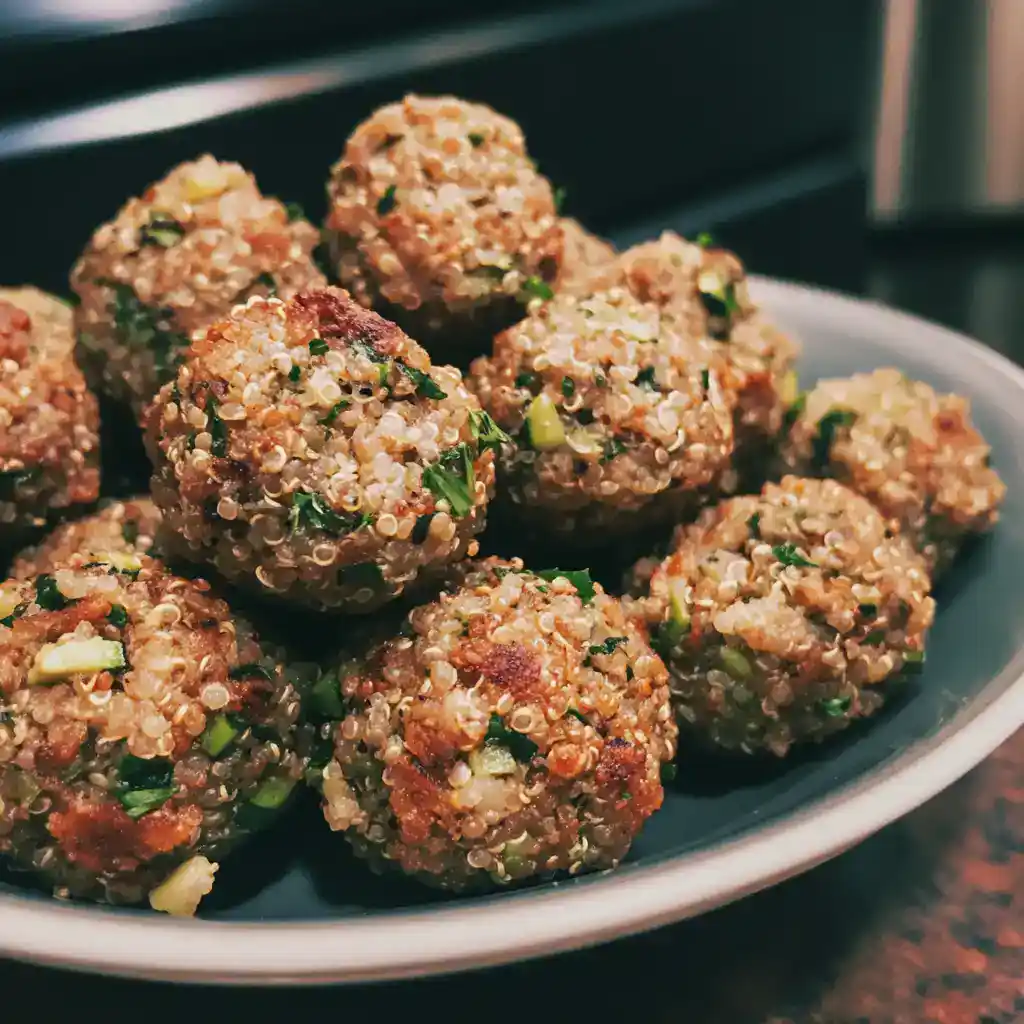
- Roll the mixture into walnut-sized balls and place them on your prepared baking sheet about 1 inch apart.
- Bake for 20-25 minutes until cooked through and lightly browned on the outside but still tender inside.
- Let cool completely before serving (if your pup can wait that long)!
Notes:
- Always cook duck completely through using a meat thermometer if needed for food safety
- Amber prefers these at room temperature when the duck flavor is most aromatic
- Check with your vet before introducing new proteins if your dog has any food sensitivities
- Start with smaller portions for dogs new to duck or richer proteins
Storage Tips:
- Store in refrigerator for up to 5 days in an airtight container
- Separate layers with parchment paper to prevent sticking
- Don’t leave these out—poultry spoils quickly at room temperature
- Freeze individual balls for up to 2 months, thawing as needed for serving
What Makes This Recipe Special:
These duck and vegetable balls deliver premium protein variety through lean duck meat while incorporating nutrient-rich vegetables in a gourmet format that feels like fine dining to dogs. Unlike processed treats filled with poultry by-products, you’re providing restaurant-quality nutrition that maintains interest and delivers complete amino acids along with vitamins and minerals from colorful fresh vegetables.
Mix It Up (Dog-Safe Variations):
Gentle Introduction Version: Use half ground duck and half ground chicken for dogs transitioning to richer proteins while maintaining the gourmet appeal
Senior Support Version: Add 1 tablespoon plain pumpkin puree for extra fiber and digestive support (perfect for 8-year-old pups like Amber who benefit from gentle nutrition)
Training Size Version: Roll into marble-sized mini balls for high-value training rewards that provide gourmet motivation without being too filling during sessions




