
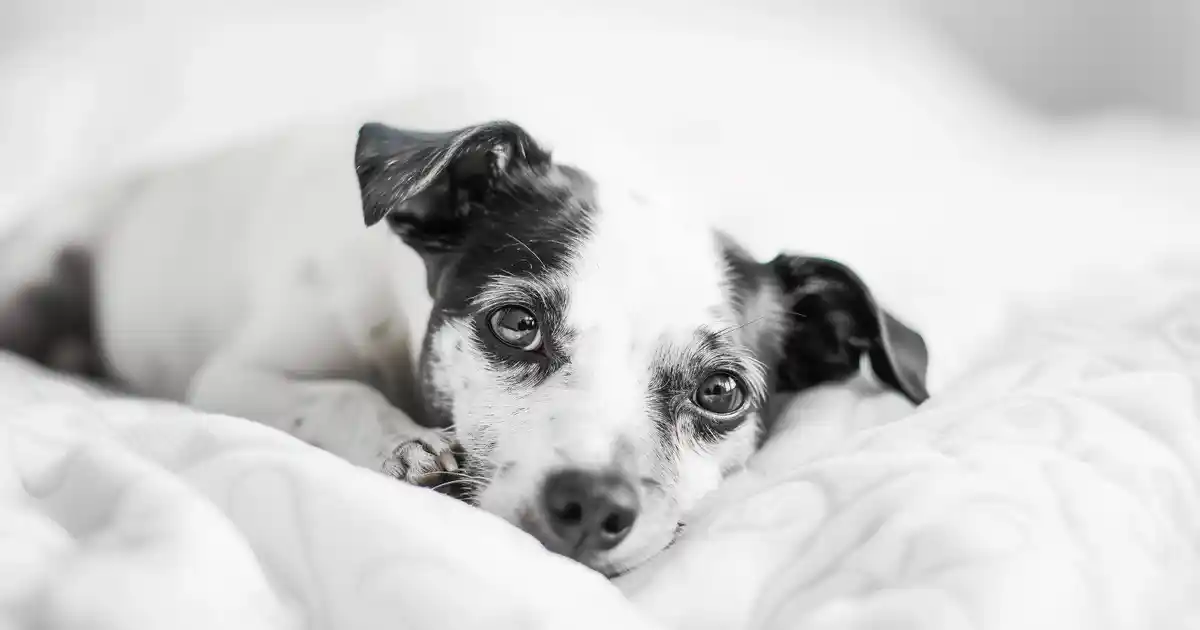
Have you ever been startled awake by your dog whimpering, twitching, or even growling in their sleep and wondered if they were trapped in a frightening nightmare?
I used to feel helpless watching my rescue dog thrash and cry out during sleep, unsure whether to wake her or let her ride it out, until I discovered the fascinating neuroscience of canine dreaming that completely changed how I understood and responded to these unsettling episodes. Now I can distinguish between normal dream activity and genuine distress, and my veterinary behaviorist actually praised me for recognizing the difference between processing memories through REM sleep versus night terrors requiring intervention. Trust me, if you’ve been worried about your sleeping dog’s distressing behaviors or confused about when to intervene, this evidence-based approach will show you exactly what’s happening in your dog’s dreaming brain and how to support them through their nocturnal mental adventures.
Here’s the Thing About Dogs and Dreams
Here’s the magic behind understanding canine sleep experiences—dogs absolutely do dream, experiencing REM (rapid eye movement) sleep stages where brain activity mirrors waking states while processing memories, emotions, and experiences. According to research on sleep and dreams in animals, studies using EEG monitoring show that dogs exhibit brain wave patterns during REM sleep remarkably similar to dreaming humans, including the hippocampus activation associated with memory consolidation and the pontine waves that characterize dream states. What makes this truly life-changing is recognizing that while dogs almost certainly experience dreams that could be classified as “nightmares”—unpleasant dream content featuring fear, anxiety, or distressing scenarios—these are normal neurological processes helping them process experiences rather than pathological conditions requiring alarm. The combination of understanding normal sleep cycles, recognizing distress signals, and knowing appropriate intervention creates amazing confidence in supporting your dog’s mental health without unnecessary worry. It’s honestly more doable than panicking over every sleep twitch or ignoring genuine signs of sleep disturbance disorders, and no mystery remains when you understand the neuroscience of canine consciousness during sleep.
What You Need to Know – Let’s Break It Down
Understanding canine sleep architecture is absolutely crucial for interpreting sleep behaviors. Dogs cycle through non-REM (slow-wave) sleep and REM sleep approximately every 20 minutes, spending about 10% of total sleep time in REM where dreaming occurs. Never assume that all sleep movements indicate nightmares (took me forever to realize this normal physiological distinction matters). I finally figured out that most twitching, paw paddling, quiet vocalizations, and eye movements represent normal dream activity—likely replaying daily experiences like chasing squirrels, playing with other dogs, or interacting with family members after learning about typical REM sleep behaviors.
Don’t skip differentiating between normal dreaming and concerning sleep disturbances. Normal dream behaviors include gentle twitching, soft whimpers or barks, paw movements resembling running, facial twitches, and rapid eye movements under closed lids—all occurring during relaxed sleep with normal breathing (game-changer, seriously). Concerning signs include violent thrashing that could cause injury, loud distressed vocalizations suggesting terror, difficulty waking or disorientation upon waking, interrupting their own sleep by waking suddenly in apparent fear, or breathing abnormalities during sleep episodes.
Individual variation works as an important factor, but you’ll need to understand your specific dog’s baseline. Puppies and senior dogs spend more time in REM sleep and may exhibit more visible dream behaviors. Working breeds and highly active dogs often display more animated dreaming, presumably processing their intense daily activities. I always recommend observing your dog’s normal sleep patterns because everyone sees better assessment capability when you know what’s typical versus unusual for your individual companion.
If you’re just starting out with understanding canine behavior and mental health, check out my beginner’s guide to dog anxiety and stress for foundational techniques on recognizing when psychological issues require professional attention versus normal behavioral variations.
Yes, trauma history influences dream content and here’s why: rescue dogs with abuse or neglect backgrounds, dogs who’ve experienced traumatic events, or those with anxiety disorders may exhibit more frequent or intense distressing dreams as their brains process difficult memories and emotions. This parallels human PTSD-related nightmares where traumatic memories resurface during sleep.
The Science and Psychology Behind Why This Works
Dive deeper into the evidence and you’ll discover why scientists confidently assert that dogs dream and likely experience both pleasant and unpleasant dream content. Research from leading neuroscience programs demonstrates that dogs possess similar brain structures involved in dreaming as humans, including the hippocampus (memory processing), amygdala (emotional processing), and visual cortex (mental imagery). Studies using EEG recordings show that during REM sleep, dogs’ brain activity patterns match those associated with waking experiences—when researchers monitored dogs after intense play sessions, their REM sleep brain activity suggested they were “replaying” those activities.
What makes this different from a scientific perspective is the pioneering research conducted at MIT where scientists studied rats navigating mazes, then monitored their brain activity during sleep. The hippocampal neurons that fired in specific sequences while running the maze reactivated in identical sequences during REM sleep—the rats were literally dreaming about running the maze. Since dogs possess more complex brains than rats with even richer emotional and social lives, the logical inference is that dogs experience more elaborate dream content incorporating their daily experiences, relationships, and emotions.
Studies confirm that disrupting REM sleep in dogs causes similar cognitive and emotional impairments as in humans—memory consolidation suffers, stress tolerance decreases, and learning ability diminishes. This demonstrates that dreaming serves essential psychological functions in dogs, processing experiences and emotions necessary for mental health. Expert consensus from veterinary neurologists and behaviorists recognizes that occasional distressing dreams likely occur as normal parts of emotional processing, especially following stressful experiences.
The psychological aspect shouldn’t be overlooked either. Dreams help dogs—just like humans—process emotions, consolidate memories, and potentially prepare for future challenges through mental rehearsal. I’ve personally noticed how my dog who experienced a frightening vet visit exhibited increased sleep vocalizations for several nights afterward, presumably processing the stressful experience through dreams before gradually returning to her normal quiet sleep patterns.
Here’s How to Actually Make This Happen
Start by establishing baseline knowledge of your dog’s normal sleep patterns and behaviors. Here’s where I used to mess up—I’d panic over every small movement without understanding what was typical for my individual dog versus genuinely concerning.
Step 1: Observe without interference initially. During your dog’s sleep, simply watch and take mental notes of their behaviors—position, breathing rate, movement types, vocalizations, and duration. This step takes patience but creates lasting understanding of what constitutes normal for your companion. Record observations over multiple sleep cycles to identify patterns.
Step 2: Learn to recognize normal REM sleep behaviors. Don’t be me—I used to interpret all sleep sounds as distress. Now for the important part—normal dream indicators include relaxed body position despite movements, regular breathing with occasional changes, gentle twitching or paddling movements, soft vocalizations (quiet barks, whimpers, or growls), rapid eye movements visible under eyelids, and behaviors lasting brief periods (seconds to a few minutes). When it clicks, you’ll know your dog is simply dreaming: they appear essentially relaxed despite activity.
Step 3: Identify signs of genuine distress. My mentor (my veterinary behaviorist) taught me this trick: concerning indicators include violent, thrashing movements that could cause injury, loud, prolonged distressed vocalizations suggesting terror, waking themselves up appearing frightened or disoriented, difficulty settling back to sleep after waking, or exhibiting fearful behavior upon waking (cowering, seeking reassurance). Every situation has its own challenges—distinguish between processing memories and experiencing debilitating night terrors.
Step 4: Respond appropriately to distressing episodes. Results can vary, but if your dog appears to be having an intensely distressing dream, gentle intervention may be appropriate. Just like comforting upset humans but completely different safety considerations—never startle a dreaming dog awake through sudden touch as they may bite reflexively while disoriented. Instead, speak softly from a distance, gradually increasing volume until they wake naturally. Offer calm reassurance once awake.
Step 5: Create optimal sleep environments. Don’t worry if you’re just starting out with sleep hygiene—comfortable bedding, quiet sleeping areas away from disturbances, consistent sleep routines, and adequate daytime exercise all promote better sleep quality with less disruption. Security from being with family members often reduces anxiety-related sleep disturbances.
Step 6: Address underlying anxiety or trauma. Dogs with frequent, intense distressing dreams may benefit from anxiety management strategies including behavior modification, environmental enrichment, calming supplements, or in severe cases, veterinary-prescribed anti-anxiety medications. This creates lasting improvement you’ll observe through calmer sleep patterns.
Step 7: Consult professionals for concerning patterns. If your dog consistently experiences violent sleep disturbances, wakes terrified regularly, or seems unable to achieve restful sleep, seek evaluation from a veterinary behaviorist or neurologist to rule out sleep disorders or underlying medical conditions.
Common Mistakes (And How I Made Them All)
Let me share my biggest mistakes so you can avoid the learning curve I experienced. First major error: startling my dreaming dog awake by grabbing her when she whimpered, resulting in a reflexive bite that broke skin. Disoriented dogs may react defensively when suddenly awakened from deep sleep—they’re confused about where they are and may perceive threat. Always wake dreaming dogs verbally from a safe distance, never through sudden physical contact.
Second mistake: assuming every sleep vocalization indicated a nightmare requiring intervention. I’d constantly wake my dog “to rescue her,” disrupting essential REM sleep and preventing normal memory consolidation. Most dream vocalizations are benign processing of daily experiences—dogs don’t need rescuing from normal dreaming despite how it might sound to concerned humans.
Third fail: ignoring genuinely concerning sleep patterns because “dogs dream, so it’s fine.” My friend’s dog exhibited violent thrashing and loud distressed vocalizations nightly, which I dismissed as normal until she developed sleep deprivation symptoms. This dog actually had a sleep disorder requiring veterinary intervention—not all sleep disturbances are normal dreaming.
Fourth blunder: not connecting daytime stress with nighttime sleep disturbances. I couldn’t understand why my dog’s sleep became more restless until I realized we’d recently moved to a new home—the environmental stress was manifesting through increased nightmare-like dreams as she processed the changes.
Fifth mistake: anthropomorphizing dream content beyond what we can actually know. I’d create elaborate narratives about what my dog “must be dreaming about,” when the reality is we cannot definitively know specific dream content in dogs. Don’t make my mistake of ignoring fundamental principles experts recommend: we know dogs dream and likely experience unpleasant dreams, but assigning specific meanings is speculation rather than science.
When Things Don’t Go as Planned
Feeling overwhelmed by your dog’s frequent distressing sleep episodes? Some dogs, especially those with trauma histories or anxiety disorders, experience more nightmare-like dreams than others, and that’s totally normal within the spectrum of individual variation. You probably need comprehensive anxiety management addressing root causes rather than just sleep symptoms. When this happens (and it will with anxious or traumatized dogs), just recognize that improving daytime emotional states typically improves nighttime sleep quality.
Progress stalled with interventions not reducing distressing dreams? That’s concerning and warrants professional evaluation. I’ve learned to handle this by consulting with veterinary behaviorists who can assess whether underlying anxiety disorders, neurological conditions, or sleep disorders require targeted treatment. Don’t stress about seeking help—sleep disturbances significantly impact quality of life and deserve professional attention.
If you’re losing steam because interrupted sleep (yours and your dog’s) creates exhaustion, try management strategies. I always prepare for difficult periods by establishing separate sleeping areas if my dog’s sleep behaviors disrupt my rest, using white noise to mask sleep sounds, or implementing daytime anxiety reduction protocols that promote calmer nights. This is totally manageable when you address it systematically rather than enduring chronic sleep deprivation.
Some dogs experience sleep-disordered breathing, sleep-related seizures, or other medical conditions that mimic or exacerbate nightmare-like behaviors. Though less common than simple anxiety-related dreams, if disturbances occur frequently or severely, medical evaluation rules out treatable underlying causes. Prevention works best here: regular veterinary care identifies health issues before they significantly impact sleep quality.
When motivation fails because you feel helpless watching your dog experience what appears to be fear during sleep, remember that dreams serve important psychological functions. Cognitive behavioral techniques like focusing on supporting overall emotional wellness rather than eliminating all unpleasant dreams can help reset your mindset—some processing of difficult experiences through dreams is normal and healthy.
Advanced Strategies for Next-Level Results
Taking this to the next level means implementing comprehensive sleep hygiene protocols optimizing both sleep quality and emotional processing. Advanced practitioners often establish consistent sleep routines, create designated comfortable sleep spaces, ensure adequate physical exercise and mental stimulation during waking hours, practice relaxation protocols before bedtime, and use calming aids like dog-appeasing pheromone diffusers or white noise machines.
My personal discovery for next-level results involves pre-sleep calming rituals that prepare dogs psychologically for restful sleep. The combination of gentle massage, calm verbal interaction, predictable bedtime routines, and ensuring recent bathroom opportunities creates amazing conditions for peaceful sleep with less disturbance. I’ve noticed dramatic reductions in my rescue dog’s distressing sleep episodes after implementing a 15-minute pre-sleep calming routine consistently for several weeks.
When and why to use these advanced strategies: they’re perfect for dogs with known anxiety disorders, rescue dogs with trauma histories, or any dog exhibiting frequent sleep disturbances impacting their wellbeing. What separates beginners from experts is understanding that sleep quality reflects overall emotional and physical health—addressing daytime experiences and anxiety produces better nighttime sleep naturally.
For dogs with severe trauma backgrounds, systematic desensitization and counterconditioning addressing specific fears during waking hours often reduces nightmare frequency as the brain has less distressing content to process during sleep. I’ve seen remarkable results when comprehensive behavioral rehabilitation programs resolve underlying trauma—distressing dream episodes decrease naturally as emotional healing progresses.
Cutting-edge interventions include weighted blankets or anxiety wraps providing gentle pressure that some dogs find calming during sleep, elevated orthopedic beds supporting comfortable positioning, and even consultation with veterinary behaviorists about appropriate anxiolytic medications for dogs whose sleep disturbances significantly impact quality of life despite behavioral interventions.
Ways to Make This Your Own
The Observational Learning Protocol: When I want to understand my dog’s sleep patterns thoroughly, I’ll keep a detailed sleep journal documenting behaviors, timing, duration, and potential triggers. This makes assessment more objective but definitely provides valuable information for veterinary consultation if needed.
The Minimal Intervention Approach: For dogs showing typical dream behaviors without genuine distress, I’ll simply observe and allow natural sleep cycles to proceed uninterrupted. My everyday version focuses on trusting normal neurological processes rather than intervening unnecessarily.
The Supportive Presence Method: Sometimes I’ll sleep near my anxious dog or maintain gentle verbal contact during apparent nightmares—offering reassuring words without forcing waking, though that’s totally optional. This combination works beautifully with dogs who seem comforted by human presence even while sleeping.
Advanced Anxiety Management Protocol: For next-level results with dogs exhibiting frequent distressing dreams, I love implementing comprehensive behavior modification including desensitization to triggers, daily enrichment activities, regular exercise routines, calming supplements (L-theanine, melatonin under veterinary guidance), and consistent positive reinforcement training. My advanced version includes carefully coordinated interventions addressing root anxiety causes rather than just managing sleep symptoms.
Environmental Optimization Strategy: Each variation works beautifully with different situations. Creating ideal sleep environments through comfortable temperature, soft bedding, security (crate training for dogs who prefer enclosed spaces), minimal disturbances, and proximity to family provides foundations for restful sleep. This holistic and evidence-based method supports natural sleep quality without medical intervention.
Why This Approach Actually Works
Unlike dismissing all sleep behaviors as meaningless or panicking over normal dreaming, this approach leverages proven neuroscience about mammalian sleep architecture, dream function, and emotional processing. Dogs’ brains work fundamentally similarly to human brains during sleep—the REM cycles, memory consolidation processes, and emotional integration functions are evolutionarily conserved across mammals.
What sets this apart from uninformed responses is the emphasis on understanding normal versus pathological sleep behaviors through scientific knowledge. The documented existence of REM sleep in dogs, observed brain activity patterns matching dreaming states, and behavioral evidence of memory replay during sleep all confirm that dogs experience dream states likely including both pleasant and unpleasant content. My personal discovery about why this science-based approach works came when I stopped anthropomorphizing and started observing objectively—I could distinguish my dog’s gentle play-dream paddling from genuinely distressed thrashing requiring different responses.
The approach is evidence-based and sustainable because it balances acknowledging normal dreaming as healthy neurological function with recognizing when sleep disturbances indicate underlying problems requiring intervention. The compassion is remarkably effective precisely because it works with canine neurology rather than against it—supporting natural sleep processes while addressing genuine sleep disorders or anxiety problems through appropriate treatment.
Real Success Stories (And What They Teach Us)
A colleague’s rescue dog exhibited nightly violent thrashing, loud screaming-like vocalizations, and would wake terrified multiple times per night for months after adoption. After implementing comprehensive trauma recovery including systematic desensitization, predictable routines, calming supplements, and pre-sleep relaxation protocols, the dog’s sleep disturbances gradually decreased over six months. Now she sleeps peacefully most nights with only occasional mild dream vocalizations. Their success aligns with research showing that addressing root trauma reduces nightmare frequency as emotional healing progresses.
Another friend worried constantly about her puppy’s animated dream behaviors—intense running movements, excited barks, and tail wagging during sleep. After veterinary consultation confirmed these were normal dream behaviors (likely replaying play experiences), she learned to observe without intervening. The puppy developed healthy sleep patterns, and as she matured, dream behaviors became less pronounced. What made her successful was distinguishing between her own anxiety about the behaviors versus actual distress in her dog.
I’ve witnessed diverse examples showing that context determines appropriate responses. A senior dog developed sleep disturbances that investigation revealed stemmed from cognitive dysfunction (canine dementia)—veterinary treatment with medications supporting cognitive function improved sleep quality. A young dog’s occasional nightmare-like episodes required no intervention beyond monitoring. The lessons readers can apply: sleep behaviors always occur within broader health contexts requiring individualized assessment.
Different outcomes teach important lessons—some dogs need comprehensive behavioral intervention, others need medical treatment, many need nothing beyond acceptance of normal dreaming. The common thread in every success story is informed observation allowing appropriate response matching actual needs rather than knee-jerk reactions based on human emotion.
Tools and Resources That Actually Help
Sleep observation journal: Honestly invaluable for documenting patterns, identifying triggers, and communicating effectively with veterinary professionals. I record date, time, sleep behavior description, duration, and any notable daytime events for correlation analysis.
Video recording capability: Smartphones allow capturing sleep episodes for veterinary review. Professionals can assess behaviors you describe imperfectly through verbal explanation—visual documentation provides clearer diagnostic information.
Comfortable, supportive bedding: Quality orthopedic beds supporting natural sleep positions promote better sleep quality. Senior dogs especially benefit from beds alleviating joint pressure that might disturb rest.
White noise machines or calming music: Reduces environmental noise that might disturb sleep or trigger awakening during dream states. Specialized “dog calming music” exists though evidence of effectiveness varies individually.
Calming pheromone diffusers: Adaptil (dog-appeasing pheromone) diffusers placed near sleeping areas provide mild calming effects that may reduce anxiety-related sleep disturbances in some dogs. Not medication but gentle environmental support.
Anxiety wraps or weighted blankets: Gentle pressure provides calming input for some anxious dogs during sleep. ThunderShirt or similar products may reduce nightmare frequency in pressure-responsive individuals.
Baby monitors: Allow monitoring sleeping dogs without physically disturbing them. Particularly useful for puppies, senior dogs, or those with health conditions requiring observation during sleep.
Professional veterinary behaviorist: The most important resource for dogs with severe or persistent sleep disturbances. Board-certified veterinary behaviorists provide expertise that general veterinarians and trainers cannot match for complex behavioral issues.
Credible sleep and behavior resources: The best guidance about canine sleep disorders comes from authoritative veterinary behavioral medicine sources and proven neuroscience research. I consistently reference these when questions arise about normal versus pathological sleep behaviors.
Questions People Always Ask Me
Do dogs actually have nightmares?
Yes, dogs almost certainly experience dreams that could be classified as nightmares—unpleasant dream content featuring fear, anxiety, or distressing scenarios. Since dogs possess similar brain structures and exhibit comparable REM sleep patterns to dreaming humans, and since we know dogs experience emotions including fear and anxiety, the logical conclusion is that they sometimes dream about frightening or stressful experiences. These serve normal psychological functions processing emotions and memories.
How can I tell if my dog is having a nightmare?
Signs suggesting unpleasant dream content include whimpering, whining, or distressed vocalizations during sleep, more intense twitching or thrashing than typical gentle movements, behaviors resembling running away or defensive postures, and sometimes waking themselves appearing frightened or seeking reassurance. However, distinguish between processing normal memories (which may include mildly stressful content) versus debilitating night terrors—most dream vocalizations are normal rather than indicating severe distress.
Should I wake my dog from a nightmare?
Generally, allow dreams to run their natural course without intervention unless your dog appears severely distressed or is at risk of injury from violent movements. If you decide to wake your dog, never startle them through sudden touch—speak softly from a safe distance, gradually increasing volume until they wake naturally. Startling sleeping dogs awake can result in reflexive defensive biting. Most dream episodes pass quickly without requiring intervention.
Why does my dog cry in their sleep?
Sleep vocalizations including whimpering, crying, barking, or growling typically represent normal dream activity as your dog’s brain processes daily experiences and emotions. These sounds don’t necessarily indicate distress—dogs may vocalize during both pleasant dreams (excited barking during play dreams) and processing mildly stressful content. Only if vocalizations sound intensely distressed, occur frequently, or disturb your dog’s sleep quality should you consider intervention.
Do puppies have more nightmares than adult dogs?
Puppies spend more time in REM sleep than adult dogs and often exhibit more visible dream behaviors, but whether they experience more “nightmares” specifically is unknown. Puppies process vast amounts of new information and experiences through dreams as their brains develop. Their animated sleep behaviors likely reflect intense learning and memory consolidation rather than necessarily indicating distressing content. Most puppy dream behaviors are normal developmental processes.
Can trauma cause dogs to have nightmares?
Yes, dogs with trauma histories—abuse, neglect, frightening experiences, or chronic stress—often exhibit more frequent or intense distressing dream episodes. Their brains process traumatic memories during sleep similar to PTSD-related nightmares in humans. Comprehensive trauma recovery including behavior modification, environmental stability, and sometimes medication can reduce nightmare frequency as emotional healing progresses and the brain has less distressing content to process.
What do dogs dream about?
While we cannot definitively know specific dream content, research suggests dogs likely dream about their daily experiences—playing with other dogs, interacting with humans, chasing squirrels, eating, and other routine activities. Brain imaging studies show that during REM sleep, the same brain regions activate that were engaged during waking experiences, suggesting dogs “replay” their days during dreams, incorporating both pleasant and unpleasant experiences.
Is it normal for senior dogs to have disturbed sleep?
Senior dogs often experience changes in sleep patterns including more frequent waking, lighter sleep, and sometimes increased dream vocalizations or movements. Some age-related sleep changes are normal, but significant disturbances may indicate cognitive dysfunction (canine dementia), pain from arthritis disrupting comfort, or other medical conditions. Consult your veterinarian if your senior dog’s sleep quality noticeably deteriorates—many causes have effective treatments.
Can anxiety medication help dogs with nightmares?
For dogs with severe, frequent nightmares related to anxiety disorders or trauma, veterinary-prescribed anti-anxiety medications may reduce both daytime anxiety and nighttime sleep disturbances. Medications affecting serotonin or GABA systems can improve overall emotional regulation, naturally reducing nightmare frequency. However, medication should accompany behavior modification addressing root causes rather than being sole treatment. Consult a veterinary behaviorist for comprehensive management.
Do certain breeds have more nightmares?
No specific research identifies breed predispositions to nightmares. However, highly active working breeds with intense daily experiences may display more animated dreaming as they process their activities. Anxious or sensitive individuals of any breed may be more prone to distressing dreams. Breed matters less than individual temperament, life experiences, and current anxiety levels in determining nightmare frequency.
How long do dog dreams last?
Individual dream episodes during REM sleep typically last from several seconds to a few minutes. Dogs cycle through sleep stages approximately every 20 minutes, spending about 10% of total sleep time in REM where dreaming occurs. During an 8-hour sleep period, dogs may experience 20+ separate dream episodes, though not all produce visible behaviors. Most observable dream behaviors are brief, though seem longer to concerned observers.
Should I comfort my dog after a nightmare?
If your dog wakes from sleep appearing frightened or seeking reassurance, gentle comfort is appropriate—calm verbal reassurance, allowing them to approach you for contact, offering security without reinforcing fearful behavior through excessive concern. Most dogs resettle quickly after brief reassurance. If your dog regularly wakes distressed and requires lengthy comforting to settle, consult a veterinary behaviorist about possible sleep disorders or underlying anxiety requiring treatment.
Before You Get Started
I couldn’t resist sharing this because it proves that understanding our dogs’ inner lives—including their dream experiences—deepens our relationships and improves our ability to support their emotional wellbeing. The best companionship happens when we recognize dogs as complex emotional beings processing their experiences through sleep just as we do, deserving our patience and understanding during their vulnerable dreaming states. Your dog’s occasional nightmare doesn’t require panic or intervention in most cases—it represents normal psychological processing. Learn to distinguish between typical dreaming and genuine sleep disorders, provide optimal sleep environments supporting restful nights, and address underlying anxiety or trauma through comprehensive behavioral support when needed. Watch, learn, support when appropriate, and trust that your dog’s brain knows how to process their experiences through the ancient neurological function of dreaming. You’ve got this!




