
Let Me Tell You About My Dog’s Reaction
Here’s the thing about these chicken liver dehydrated treats—I never thought my picky Belgian Malinois would get excited about organ meat until I tried making these at home. I used to spend a fortune on high-value training treats until my dog trainer mentioned that liver treats are the ultimate motivation for most dogs. Now my pup literally sits at attention in the kitchen every time she smells these baking in the oven, and watching her work for these protein-packed morsels during training sessions makes this dog parent feel like I’ve discovered the secret to perfect motivation. Plus, knowing I’m giving her nutrient-dense organ meat (instead of mystery meat meal) feels pretty good about providing real nutrition.
Here’s the Thing About This Dog Recipe
The secret to driving dogs wild is that chicken liver is incredibly rich in iron, protein, and B-vitamins, making it like premium dog candy that’s actually healthy. What makes this irresistible to pups is the concentrated meaty flavor that develops during the slow dehydration process, plus the chewy texture that satisfies their natural urge to gnaw. Here’s the magic—dehydrating preserves all the nutrients while creating treats that last for weeks without refrigeration. It’s honestly safer than store-bought jerky because you control the temperature and know there’s no artificial preservatives or mystery chemicals hiding in the ingredients.
What You’ll Need (And My Dog-Safe Shopping Tips)
Fresh chicken livers are absolutely crucial for these treats, and I always buy them from a butcher or high-quality grocery store where I can see they’re bright red and smell fresh (learned this after my vet explained about organ meat quality). Don’t skip the low-sodium chicken broth—it adds flavor without the salt overload that regular broth contains (way safer than I expected once I started reading sodium levels).
Good olive oil works beautifully to help with the dehydration process and adds healthy fats for coat shine (completely safe for dogs in small amounts). I always grab extra livers when they’re on sale because these treats disappear quickly in our house, and my neighbor’s German Shepherd somehow knows when I’m making them and shows up at my door with hopeful eyes.
The key is starting with the freshest liver possible—if it smells strongly or looks dark, skip it and find better quality. For detailed information about organ meat benefits for dogs, check out the Association of American Feed Control Officials guidelines.
Here’s How We Create This Dog-Approved Magic
Preheat your oven to 200°F and line a baking sheet with parchment paper—trust me on the low temperature because we’re dehydrating, not cooking, and higher temps will make them tough. Here’s where I used to mess up organ meat treats: I’d rush the prep and not clean the livers properly.
Take your time rinsing those chicken livers under cold water and patting them completely dry with paper towels (your dog will start getting excited from the rich, meaty aroma). Remove any connective tissue or fat deposits—this step takes a few minutes but makes for much better treats.
Now for the fun part—toss the cleaned livers with olive oil in a bowl until they’re lightly coated and glistening. The smell is absolutely divine if you appreciate good organ meat, like the world’s most expensive dog treat factory.
Arrange the livers on your prepared baking sheet in a single layer with space between each piece for proper air circulation. Here’s my secret for perfect chicken liver dog treats: don’t overcrowd the pan or they won’t dehydrate evenly.
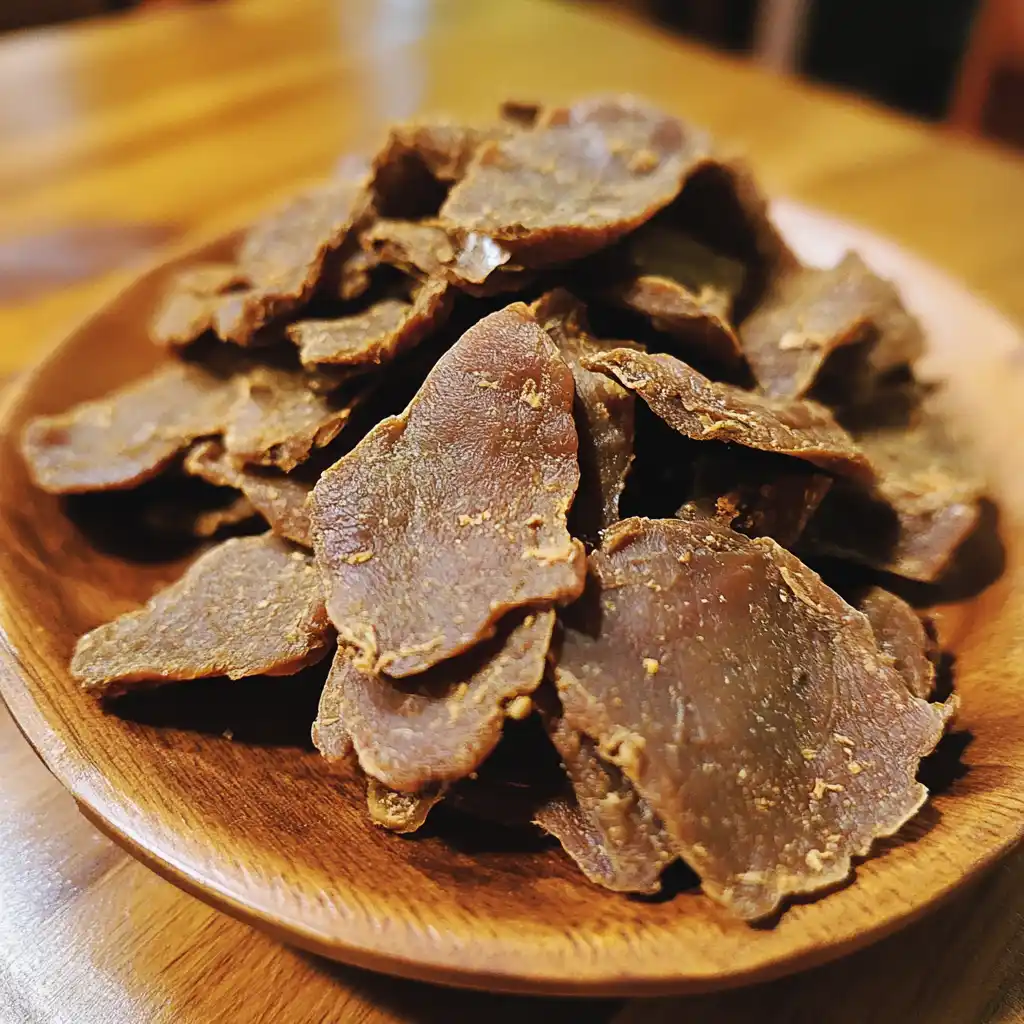
Bake for 2-3 hours until the livers are completely dehydrated and firm throughout—my vet taught me this trick: they should feel like jerky and not give when pressed. Don’t worry if you’re new to making dehydrated treats; the low temperature is very forgiving.
Let them cool completely before cutting into small, bite-sized pieces perfect for training or high-value rewards. Always store in airtight containers to maintain freshness and prevent spoilage.
For more organ meat treats, try our Beef Heart Training Bites.
When Things Go Sideways (And They Will)
Treats came out too tough? You probably dehydrated them too long or at too high a temperature—that’s common with organ meat, and it happens to everyone. I’ve learned to check them every 30 minutes after the first hour to prevent over-drying.
Livers not dehydrating evenly? When this happens (and it will), you either overcrowded the pan or some pieces were thicker than others. Don’t stress, just separate the done pieces and continue dehydrating the rest. This is totally fixable with patience.
If your dog seems uninterested in these treats (rare but possible), try cutting them smaller or storing them with a tiny bit of freeze-dried meat to enhance the aroma. Every dog has different preferences, but most go crazy for liver once they try it.
Ways to Mix It Up
When my high-energy dog needs extra motivation during training, I’ll cut these extra small for rapid-fire rewards (though that makes them more work but perfect for intensive sessions). For special occasions, I make larger pieces that work as longer-lasting chew treats.
Sometimes I substitute chicken hearts for some of the liver, though that changes the texture but adds different nutrients. My travel version includes vacuum-sealing small portions in bags—perfect for camping trips or training classes where freshness matters.
What Makes This Recipe Special
This chicken liver dehydration technique works so well because slow, low-temperature drying preserves maximum nutrients while creating concentrated flavor that dogs find irresistible. What sets this apart from other dog treat recipes is using organ meat instead of muscle meat, providing vitamins A, B12, and iron that support everything from coat health to energy levels.
My personal discovery about dog nutrition is that organ meats like liver are nature’s multivitamins, packed with nutrients that dogs instinctively crave but rarely get in commercial foods. This recipe is honestly better than expensive training treats because you’re getting premium nutrition with the convenience of shelf-stable storage.
Things People Ask Me About Dog Treats
Can puppies eat these chicken liver treats?
Absolutely! Just cut them extra small and introduce gradually since organ meat is rich. I usually start with tiny pieces to make sure their developing digestive systems handle the intensity well.
How long do these dehydrated treats stay fresh?
These will keep at room temperature for up to 3 weeks in airtight containers, or up to 2 months in the refrigerator. The dehydration process naturally preserves them without chemicals.
What if my dog has never had organ meat?
Start with very small pieces mixed with their regular food to let their system adjust. Most dogs love liver immediately, but some need time to develop a taste for organ meat.
Can I use a dehydrator instead of the oven?
Yes! Set your dehydrator to 145°F and follow the same process. It usually takes 4-6 hours depending on thickness and your specific machine.
How many liver treats can I give my dog per day?
Organ meat is rich, so treats should be no more than 5% of daily calories. For most medium dogs, that’s about 4-6 small pieces per day as high-value rewards.
What’s the best way to store homemade dehydrated treats?
Keep them in airtight containers at room temperature for convenience, or refrigerate for maximum freshness. Don’t store in humid areas—they’ll lose their chewy texture.
Are these treats safe for dogs with liver disease?
Check with your vet first since organ meat is rich in nutrients that might need to be limited for dogs with liver conditions. Every dog’s health needs are different.
Why I Had to Share This Dog-Approved Winner
I couldn’t resist sharing this chicken liver dehydrated treat recipe because watching dogs get genuinely excited about nutrition-dense food while thinking they’re getting premium treats is amazing. The best dog treat days are when you can provide the kind of concentrated nutrition their wild ancestors would have prioritized while creating perfect training motivation. Your furry family member deserves treats that work as hard as they do!
Print
Chicken Liver Dehydrated Treats
Description
These nutrient-dense treats combine the irresistible appeal of organ meat with the convenience of shelf-stable storage for the ultimate high-value training rewards.
Prep Time: 15 minutes | Cook Time: 3 hours | Total Time: 3 hours 15 minutes | Makes: 40-60 pieces
Ingredients
- 1 lb fresh chicken livers (nutrient-dense organ meat)
- 1/4 cup low-sodium chicken broth (for extra flavor)
- 1 tbsp olive oil (healthy fats for coat shine)
Instructions
- Preheat your oven to 200°F and line a baking sheet with parchment paper—low temperature is key for proper dehydration.
- Rinse chicken livers under cold water and pat completely dry with paper towels—your dog will start getting excited from the rich aroma.
- Remove any connective tissue or fat deposits for cleaner, better-textured treats that last longer.
- Toss cleaned livers with olive oil in a bowl until lightly coated and glistening—the smell is like premium dog treat heaven.
- Arrange on prepared baking sheet in single layer with space between pieces for proper air circulation.
- Bake for 2-3 hours until completely dehydrated and firm throughout—they should feel like jerky when done.
- Cool completely before cutting into small, bite-sized pieces perfect for training rewards.
- Store in airtight containers to maintain freshness and chewy texture!
Notes:
- Use only fresh, high-quality chicken livers for best results
- Don’t overcrowd the baking sheet—proper spacing ensures even dehydration
- Treats should feel firm like jerky when properly dehydrated
Storage Tips:
- Store at room temperature for up to 3 weeks in airtight containers
- Refrigerate for up to 2 months for maximum freshness
- Keep in dry location to maintain chewy texture
- Vacuum seal small portions for travel or training classes
What Makes This Recipe Special:
Slow dehydration at low temperature preserves maximum nutrients while concentrating the irresistible liver flavor dogs crave. This process creates shelf-stable treats packed with iron, B-vitamins, and protein that support energy levels and coat health naturally.
Mix It Up (Dog-Safe Variations):
Heart and Liver Blend: Substitute some liver with chicken hearts for texture variety and different nutrients
Training Size: Cut extra small for rapid-fire reward sessions and intensive training
Travel Portions: Vacuum seal small amounts for camping trips or training classes




