
Here’s My Story With This Dog-Approved Winner
I used to dread summer days with my three dogs panting and looking miserable until I discovered these frozen chicken treats that keep them cool and entertained for hours. Now my Labrador literally does happy zoomies when she hears me opening ice cube trays, and honestly, these have been a total game-changer during teething season for our newest puppy. Plus, knowing I’m giving them nutritious protein and vegetables in frozen form makes me feel like the most creative dog parent ever.
Here’s the Thing About These Frozen Dog Treats
The magic behind these ice cubes is how they combine high-quality protein with crunchy vegetables in a format that provides mental stimulation and cooling relief. What makes this irresistible to pups is the slow-release flavor as they lick and chew—it’s like a puzzle treat and snack rolled into one. The secret to driving dogs wild is using real chicken pieces they can discover as the ice melts, plus the low-sodium broth creates that savory base dogs absolutely crave. It’s honestly safer than store-bought frozen treats because you control every single ingredient.
The Lineup – Let’s Talk Dog-Safe Ingredients (Safety First!)
Cooked chicken is absolutely crucial—I always use plain, unseasoned chicken breast or thighs that I’ve cooked myself (no rotisserie chicken with all those seasonings). Don’t skip cooking it thoroughly; raw chicken poses salmonella risks that aren’t worth taking.
Fresh carrots and green beans work beautifully when finely chopped—I learned this after my first batch had pieces too big and they just fell out of the melting ice. Low-sodium chicken broth makes all the difference (regular broth has way too much salt for dogs and can cause issues).
Good ice cube trays are essential for this recipe. I finally found silicone ones that make popping out the frozen treats so much easier (learned this after struggling with plastic trays). Yes, all these vegetables are completely safe for dogs and provide fiber plus vitamins. Here’s a helpful guide about safe vegetables for dogs that really opened my eyes to frozen treat possibilities.
Here’s How We Create This Dog-Approved Magic
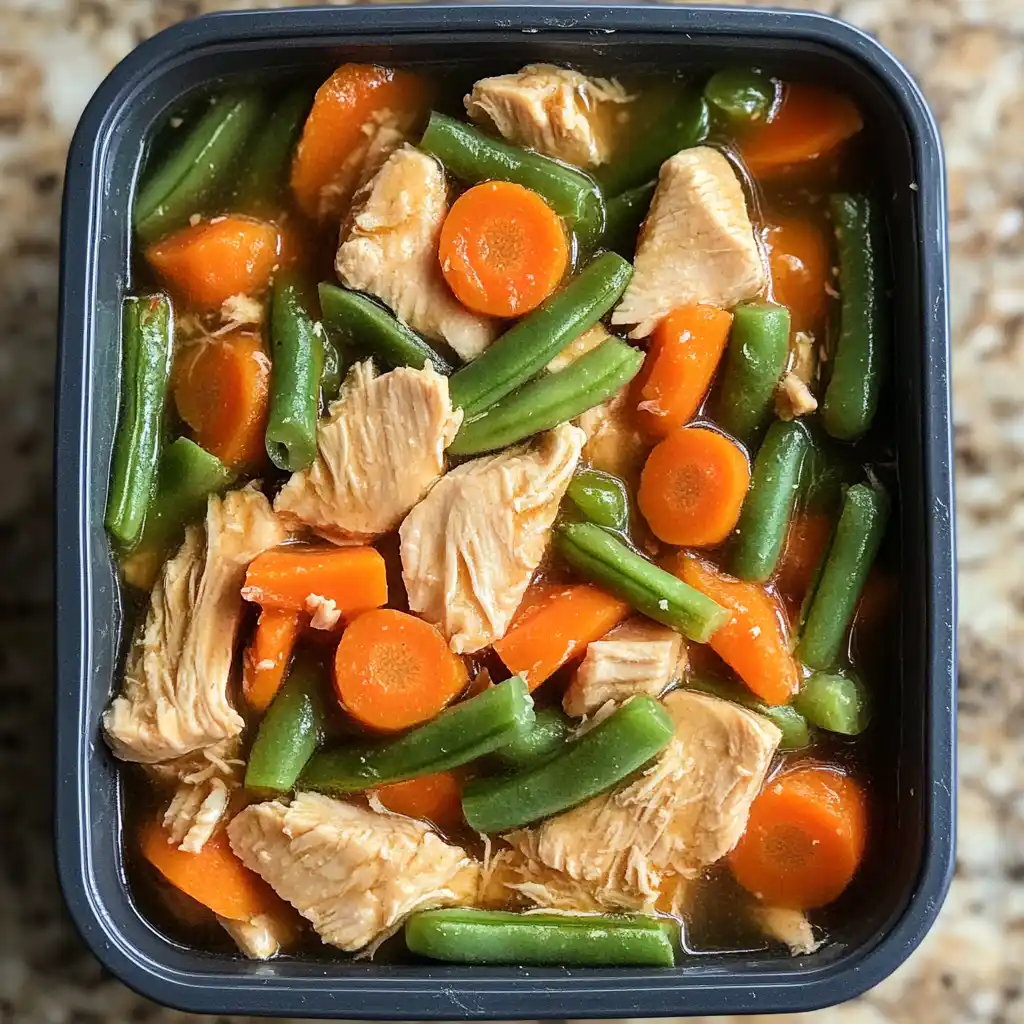
In a bowl, mix your shredded cooked chicken with finely chopped carrots and green beans—here’s where I used to mess up frozen dog treats by not chopping vegetables small enough. The pieces need to be small so they fit nicely in the ice cube compartments and don’t block your dog’s airway.
Now for the fun part—spoon the chicken and vegetable mixture into ice cube trays, filling each compartment about halfway (your dog will probably start circling the kitchen from the chicken smell alone). Don’t worry if you’re new to making frozen dog treats; this step is honestly foolproof and kind of therapeutic.
Pour the low-sodium chicken broth over the mixture in each tray compartment, covering the ingredients completely. Here’s my secret for perfect frozen treats—tap the trays gently on the counter to remove air bubbles and ensure even distribution.
Place the trays in the freezer and let them freeze for at least 4 hours or until completely solid. My vet taught me this trick—frozen treats need to be completely solid to prevent choking hazards, so don’t rush this step.
Once frozen solid, pop out the ice cubes and serve immediately for maximum cooling effect. Keep an eye on your pup while they enjoy these—some dogs try to swallow them whole instead of licking them slowly.
For more summer cooling ideas, check out this frozen peanut butter dog treat recipe that pairs perfectly with these savory cubes.
If This Happens, Don’t Panic
Ice cubes not freezing solid? You probably have too much liquid—that’s common with chicken broth, and it happens to everyone. I’ve learned to use just enough broth to cover the ingredients without overflowing.
Vegetables falling out as the ice melts? Don’t stress, just chop them smaller next time. When this happens (and it will), they’re still perfectly safe, just messier than intended.
Dog trying to swallow whole cubes? This is totally normal—some dogs need training to lick rather than gulp. Take the cube away and let it melt slightly first, or supervise more closely.
I always double-check that chicken pieces aren’t too large because some dogs don’t chew frozen treats properly. If your dog seems frustrated with the hardness, try letting the cube sit for a few minutes to soften slightly.
When I’m Feeling Creative
When my senior dog needs extra hydration, I’ll add a bit more low-sodium broth to make them more liquid-heavy. For special hot summer days, I’ll include tiny pieces of apple (seeds removed, of course) for extra sweetness. My winter version uses warm bone broth that I let cool before freezing, though that’s totally optional.
Sometimes I make different sizes using various ice cube trays—mini cubes for small dogs and large ones for my German Shepherd. For teething puppies, I make them softer by using less chicken and more broth for easier gnawing.
Why This Works So Well for Dogs
This recipe creates the perfect combination of mental stimulation, nutritional value, and temperature regulation that dogs need, especially during hot weather or teething periods. What sets this apart from other frozen dog treats is how the slow-melting ice releases flavors gradually, keeping dogs engaged much longer than regular treats.
The chicken provides high-quality protein for muscle maintenance while the vegetables add fiber and essential vitamins. The frozen format naturally encourages slower consumption, which aids digestion and prevents gulping—perfect for dogs who tend to inhale their food.
Things People Ask Me About Frozen Dog Treats
Can puppies eat these chicken ice cubes?
Absolutely! These are actually perfect for teething puppies since the cold helps numb sore gums. Just supervise closely and consider letting them soften slightly for very young pups.
How long do these frozen dog treats stay fresh?
Most frozen homemade dog treats keep for up to 3 months in the freezer when stored properly in freezer bags. I usually make weekly batches and label them with dates.
What if my dog has chicken allergies?
You can easily substitute turkey, beef, or even fish for the chicken. Just make sure whatever protein you use is fully cooked and unseasoned.
Can I make these ice cubes ahead of time?
Yes! This is actually the perfect make-ahead treat. I usually prep a bunch on Sunday and have cooling treats ready all week long.
How many frozen treats can I give my dog per day?
I usually limit it to 1-2 cubes per day for medium dogs, depending on the size. Remember, treats should only make up 10% of your dog’s daily calories.
What’s the best way to store homemade frozen dog treats?
Store in freezer-safe bags or containers for up to 3 months. Label with dates and contents. Don’t let them thaw and refreeze—bacteria can grow.
Are these treats safe for senior dogs?
Perfect for senior dogs! The soft texture as they melt is easy on older teeth, and the hydration boost is great for seniors who don’t drink enough water.
One Last Thing
I couldn’t resist sharing this because watching dogs figure out frozen treats never gets old—the concentration, the problem-solving, the pure satisfaction when they discover the chicken pieces inside. The best frozen treat days are when you see your dog completely absorbed in their icy puzzle, staying cool and happy for 20 minutes straight. Your furry family member deserves this kind of refreshing, interactive nutrition!
Print
Chicken and Vegetable Ice Cubes
Description
Refreshing frozen treats that combine protein with vegetables—perfect for hot summer days, teething puppies, or any dog who loves interactive snacks!
Prep Time: 10 minutes | Freeze Time: 4 hours | Total Time: 4 hours 10 minutes | Makes: 24 standard ice cubes
Ingredients
- 8 oz (225g) cooked chicken, shredded (no seasoning whatsoever)
- 1/2 cup (60g) carrots, finely chopped (fresh is best)
- 1/2 cup (60g) green beans, finely chopped (completely safe for dogs)
- 4 cups (960ml) low-sodium chicken broth (regular has too much salt)
Instructions
- In a bowl, mix shredded chicken, finely chopped carrots, and green beans thoroughly—make sure vegetables are small enough to fit comfortably in ice cube compartments.
- Spoon the chicken and vegetable mixture into ice cube trays, filling each compartment about halfway (don’t overfill or ingredients won’t freeze properly).
- Pour low-sodium chicken broth over the mixture in each compartment until ingredients are completely covered—the broth should just reach the top.
- Tap trays gently on counter to remove air bubbles and ensure even distribution of ingredients.
- Place trays in freezer for at least 4 hours or until completely solid. Patience is key—they need to be frozen through for safety.
- Pop out ice cubes and serve immediately for maximum cooling effect. Store extras in freezer bags.
Notes:
- Always supervise dogs with frozen treats to prevent choking
- These work great for teething puppies and hot summer days
- Don’t use seasoned or rotisserie chicken—plain cooked chicken only
- Let slightly thaw for very small dogs or senior pups with sensitive teeth
Storage Tips:
- Store in freezer bags for up to 3 months with proper labeling
- Don’t let thaw and refreeze—bacteria can develop
- Make weekly batches for consistent availability
- Keep extras in sealed containers to prevent freezer burn
What Makes This Recipe Special:
The combination of high-quality protein and fiber-rich vegetables in frozen format provides mental stimulation, hydration, and nutrition simultaneously. The slow-melting ice creates an engaging puzzle that keeps dogs occupied while delivering essential nutrients and cooling relief during hot weather.
Mix It Up (Dog-Safe Variations):
- Mini Size: Use small ice cube trays for tiny dogs or quick training rewards
- Senior Dog Version: Add extra broth for softer consistency and easier consumption
- Apple Surprise: Include tiny diced apple pieces (no seeds) for natural sweetness
- Turkey Twist: Substitute cooked turkey for dogs with chicken sensitivities
- Bone Broth Special: Use plain bone broth instead of chicken broth for extra nutrients




