
Here’s My Story With This Recipe
Want to know what made my 8-year-old Golden Retriever Amber forget his manners? I discovered this incredible chicken and sweet potato jerky during a particularly challenging week when store-bought training treats were either too expensive or full of ingredients that upset his sensitive stomach. Here’s the thing about dehydrated treats—I was honestly intimidated by the low-temperature baking until I realized it’s basically just patience and time. Let me tell you, watching Amber’s face when he first got a piece of homemade jerky that actually required chewing (instead of gulping) was priceless. The best part? I know exactly what anti-inflammatory spices and lean protein are going into his high-value rewards, and my vet actually asked for the recipe after seeing how shiny his coat got.
Why Every Pup Goes Crazy for This
Here’s the magic behind this chicken and sweet potato jerky—the slow dehydration process concentrates all those amazing flavors while creating that perfect chewy texture that makes dogs actually work for their reward. The secret to driving dogs wild is that combination of savory chicken with naturally sweet potato chips, all enhanced by warming turmeric and cinnamon. What makes this irresistible to pups is how the coconut oil helps everything crisp up beautifully while adding healthy fats that make coats shine. I never knew low-temperature baking could create such an appealing treat, and it’s honestly more satisfying than any expensive jerky I’ve ever bought for Amber.
Gathering Your Pup-Approved Supplies (Safety First!)
Good boneless, skinless chicken breast is absolutely crucial—I always buy organic when possible and check carefully for any missed pieces of bone or cartilage (learned this after a scary moment with Amber). Don’t skip the sweet potato quality; I choose medium-sized ones that slice evenly and avoid any with soft spots.
For the coconut oil, virgin or extra virgin works best because it has the cleanest flavor and maximum health benefits. The turmeric should be fresh and bright yellow—old spice won’t give you the same anti-inflammatory benefits that make this jerky so special for senior dogs like Amber.
Plain cinnamon is perfect, but make sure it’s not a blend that might contain nutmeg (totally toxic for dogs). I always grab extra chicken because the shrinkage during dehydration is significant, and you’ll want more once you see how excited your dog gets (Amber somehow knows when I’m prepping his special jerky day).
Yes, this turmeric is completely safe and incredibly beneficial for dogs when used in appropriate amounts, providing natural anti-inflammatory compounds that support joint health.
Here’s How We Create This Dog-Approved Magic
Preheat your oven to 200°F and line a baking sheet with parchment paper—here’s where I used to mess up jerky making by going too hot and getting tough, overcooked results instead of perfect chewiness. Slice your chicken into thin strips about 1/4 inch thick, keeping them as uniform as possible for even drying (Amber will start doing his “helpful” kitchen supervision dance when he smells raw chicken).
Now slice those sweet potatoes into thin rounds, also about 1/4 inch thick—consistency is key for everything to finish at the same time. Here’s my secret for perfect jerky: toss those sweet potato slices with coconut oil, turmeric, and cinnamon until every piece is beautifully coated with those golden, aromatic spices.
Arrange chicken strips on one side of your baking sheet and seasoned sweet potato rounds on the other side—this way you can remove whichever finishes first without disturbing the other. Every Golden Retriever has different chewing preferences, but Amber loves when both the chicken and sweet potato have that perfect chewy-but-not-tough texture.
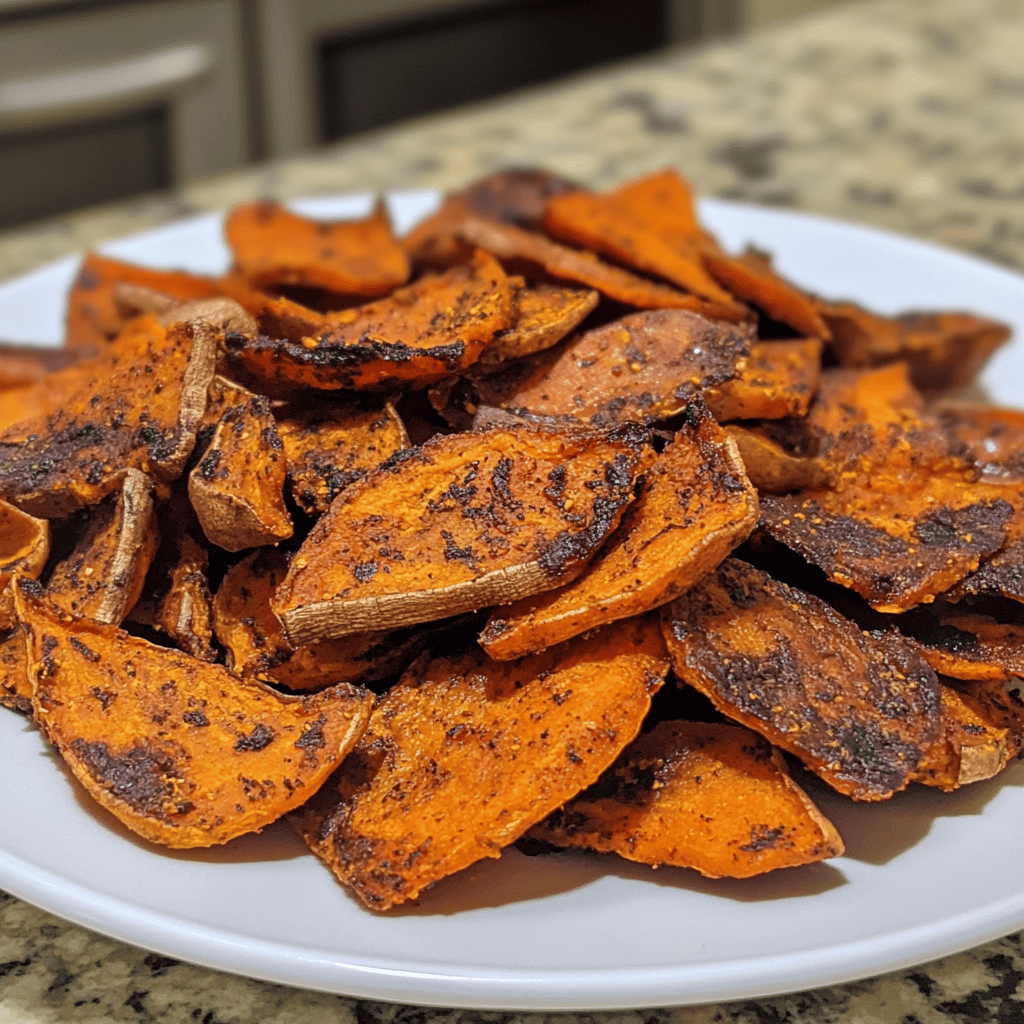
Bake for 2-3 hours, checking every hour and rotating the pan for even drying—jerky making is all about patience, and the smell will be absolutely incredible as everything slowly dehydrates. The chicken is done when it’s completely dried out with no moisture remaining, and sweet potatoes should be crispy like healthy chips. Make sure everything is completely cool before breaking into smaller pieces and serving (this is crucial for safety and lets you check the final texture).
Don’t worry if you’re new to making dehydrated dog treats—the low temperature is very forgiving, and even slightly over-dried jerky is still incredibly nutritious and appealing.
If This Happens, Don’t Panic
Chicken came out too tough? You probably went too hot or too long—that’s common when you’re learning jerky timing, and it happens to everyone. I’ve learned that 200°F is really the magic temperature for perfect chewiness without toughness.
Sweet potatoes seem too soft? When this happens (and it will), just give them another 30 minutes in the oven. Don’t stress, just work with what you’ve got. This is totally fixable, and slightly soft sweet potato chips still taste amazing to dogs.
If your dog seems overwhelmed by the rich flavor like some sensitive dogs can be, try giving smaller pieces initially. I always double-check that my chicken is completely dried because any remaining moisture can spoil, though these spice combinations are all perfectly dog-safe and beneficial.
When I’m Feeling Creative
When Amber needs extra joint support during his more active days, I’ll add a tiny pinch of ginger along with the turmeric for enhanced anti-inflammatory benefits. For special occasions, I make extra-thin chicken strips that get super crispy—this makes them extra special but requires watching the timing more carefully.
My summer version skips the warming spices and just uses coconut oil for lighter, refreshing jerky that’s perfect for hot weather training sessions. Sometimes I add finely chopped fresh parsley to the sweet potatoes for fresher breath benefits, though that’s totally optional. For dogs with sensitive stomachs like Amber occasionally gets, I love making these with just coconut oil and skipping the spices entirely.
The Secret Behind This Dog-Approved Recipe
What sets this chicken and sweet potato jerky apart from commercial versions is the perfect combination of lean protein with antioxidant-rich vegetables, all enhanced by anti-inflammatory spices that actually support health while providing irresistible flavor. The slow dehydration process preserves maximum nutrition while creating that satisfying chewiness that makes treats last longer and feel more rewarding.
This technique removes moisture without destroying heat-sensitive vitamins, while the turmeric and cinnamon provide genuine therapeutic benefits for joint health and digestion. The coconut oil adds medium-chain fatty acids that support skin and coat health—something I discovered when Amber’s coat became noticeably shinier after a month of regular jerky rewards.
Things People Ask Me About Homemade Jerky
Can puppies eat this jerky?
Absolutely! Just break it into smaller pieces appropriate for their size. The lean protein and gentle spices are perfect for growing puppies, though supervise chewing.
How long does homemade jerky stay fresh?
I usually store this in an airtight container for up to two weeks at room temperature, or up to a month in the fridge. Properly dehydrated jerky lasts surprisingly well.
What if my dog gulps treats instead of chewing?
Try cutting the jerky into larger pieces that require more work. The goal is to make them actually chew and savor the flavor instead of inhaling it.
Can I make this jerky ahead of time?
Definitely! I make big batches every few weeks for Amber’s training rewards. The dehydration process actually makes them shelf-stable for longer storage.
Is this jerky good for dogs with sensitive stomachs?
The lean protein and anti-inflammatory spices are usually very gentle. You can make a plain version with just chicken and sweet potato if needed.
How do I know when the jerky is properly done?
Chicken should be completely dry with no moisture when bent, and sweet potatoes should be crispy like chips. Any remaining moisture can lead to spoilage.
Can I use a dehydrator instead of the oven?
Absolutely! Follow your dehydrator’s instructions for meat and vegetables. The timing will be similar but may vary by machine.
Why I Had to Share This Dog-Approved Winner
I couldn’t resist sharing this recipe because watching Amber actually slow down and savor his treats instead of gulping them was such a game-changer for both training and his digestion. The best jerky days are when you realize you’ve created something that’s both incredibly healthy and genuinely satisfying for your dog to work on.
Print
Chicken and Sweet Potato Jerky
Description
Slow-dehydrated protein and veggie chips with anti-inflammatory spices—like healthy fast food your dog will actually chew and savor
Prep Time: 20 minutes | Cook Time: 2-3 hours | Total Time: 3.5 hours | Makes: About 2 cups jerky pieces
Ingredients
- 1 lb (16 oz) boneless, skinless chicken breast (lean protein powerhouse)
- 1 large sweet potato, peeled and thinly sliced (about 1/4 inch thick)
- 1 tablespoon (15ml) virgin coconut oil
- 1 teaspoon (5g) turmeric (anti-inflammatory superfood for dogs)
- 1/2 teaspoon (2g) cinnamon (digestive support and warmth)
Instructions
- Preheat your oven to 200°F and line a baking sheet with parchment paper—low temperature is key for perfect texture.
- Slice chicken into 1/4 inch strips and sweet potatoes into thin rounds for even dehydration.
- Toss sweet potato slices with coconut oil, turmeric, and cinnamon until your dog starts begging from the amazing aroma.
- Arrange chicken strips on one side of baking sheet, seasoned sweet potatoes on the other—separate for different finish times.
- Bake 2-3 hours until chicken is completely dried and sweet potatoes are crispy—if your pup can wait!
- Cool completely before breaking into smaller pieces and serving (crucial for safety and texture check).
Notes:
- Always let cool completely—dehydrated treats can be surprisingly hot inside
- Amber prefers bite-sized pieces that actually require chewing instead of gulping
- Check every hour and rotate pan for even dehydration
Storage Tips:
- Store in airtight container up to 2 weeks at room temperature
- Refrigerate for up to one month for maximum freshness
- Properly dried jerky should have no moisture when bent
What Makes This Recipe Special:
This jerky combines lean protein with antioxidant-rich sweet potatoes and anti-inflammatory spices, creating a treat that supports joint health while providing satisfying chewiness. The slow dehydration preserves maximum nutrition while concentrating flavors that dogs find irresistible.
Mix It Up (Dog-Safe Variations):
Joint Support Plus: Add a tiny pinch of ginger with turmeric for enhanced anti-inflammatory benefits
Plain and Simple: Skip spices entirely for dogs with very sensitive stomachs—just chicken, sweet potato, and coconut oil
Summer Light: Use only coconut oil for refreshing jerky perfect for hot weather training




