
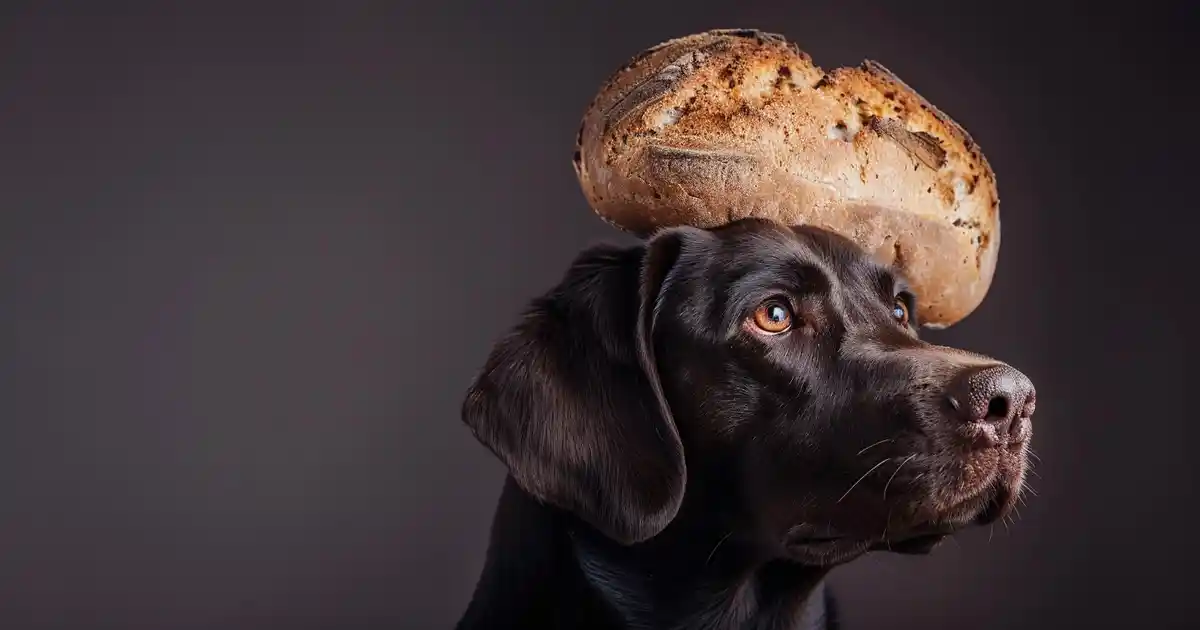
Have you ever wondered why your dog seems obsessed with that fresh sourdough loaf cooling on your counter, leaving you confused about whether sharing a crust is harmless or potentially dangerous? I used to think all bread was basically the same for dogs until I discovered that sourdough’s fermentation process creates unique considerations—and that unbaked sourdough dough is actually one of the most dangerous foods you can accidentally let your dog consume. Now when friends casually toss bread scraps to their pups without thinking twice, I share these critical insights that completely changed how I understand bread safety for dogs. Trust me, if you’re worried about fermentation byproducts, alcohol content, or the nightmare scenario of dough expansion in your dog’s stomach, this guide will show you exactly what’s safe, what’s dangerous, and when to rush to the emergency vet.
Here’s the Thing About Sourdough and Dogs
Here’s the nuanced truth: fully baked, plain sourdough bread in small amounts is generally safe for most dogs, but it offers zero nutritional value and comes with significant caveats that make it a questionable treat choice. What makes sourdough different from regular bread is the fermentation process using wild yeast and lactobacillus bacteria, which creates lactic acid, a slightly sour flavor, and trace amounts of alcohol that dissipate during baking. I never knew the fermentation chemistry could matter this much until my vet explained that while baked sourdough is mostly harmless, unbaked sourdough dough is absolutely life-threatening.
According to research on fermentation, the wild yeast in sourdough starter actively produces carbon dioxide and small amounts of ethanol during the rising process. It’s honestly more complex than I ever expected—the fermentation that makes sourdough delicious for humans creates multiple potential hazards for dogs. Unbaked dough continues fermenting in a dog’s warm, moist stomach, producing alcohol (ethanol toxicosis) while simultaneously expanding to dangerous sizes that can cause gastric dilatation, bloat, or even stomach rupture. Baked bread eliminates these risks by killing the yeast and evaporating the alcohol, but it’s still nutritionally empty and can cause other problems.
What You Need to Know – Let’s Break It Down
Understanding the critical difference between baked sourdough bread and unbaked sourdough dough is absolutely crucial and could save your dog’s life. Don’t skip this foundation because the distinction between “mostly harmless” and “potentially fatal” is literally whether the bread went in the oven (took me forever to realize how many people don’t understand this danger).
Baked sourdough bread is generally non-toxic but nutritionally worthless for dogs. I finally figured out that bread is essentially empty calories—it provides carbohydrates without meaningful vitamins, minerals, or protein that dogs need. A small crust as an occasional treat won’t harm most dogs, but it shouldn’t become a regular snack. The fermentation process is complete, the yeast is dead, and any alcohol produced during fermentation has evaporated during baking (game-changer for understanding why baked is safe).
Unbaked sourdough dough is a veterinary emergency. Yes, this is absolutely critical to understand: if your dog eats raw sourdough dough, call your vet immediately—don’t wait for symptoms. Here’s why this matters: the active yeast continues fermenting in your dog’s stomach, producing ethanol (alcohol) that absorbs into their bloodstream while the dough simultaneously expands from body heat, potentially doubling or tripling in size. This creates a perfect storm of alcohol poisoning plus life-threatening gastric obstruction or bloat.
Ingredients matter significantly. Plain sourdough made with just flour, water, salt, and starter is safer than varieties with added ingredients. If you’re just starting to understand which human foods are problematic for dogs, check out my beginner’s guide to dangerous food ingredients for pets for foundational knowledge that works alongside bread safety awareness.
Portion size determines risk even with baked bread. A small crust for a large dog is different from half a loaf for a small dog. Excessive bread consumption causes digestive upset, obesity over time, and in rare cases can lead to bloat in deep-chested breeds when consumed in large quantities then followed by drinking lots of water.
Garlic and other additions are toxic. Many artisanal sourdough breads contain garlic, onions, raisins, or other ingredients that are poisonous to dogs. Never assume bread is “just bread” without checking every ingredient—even seeds, nuts, or herbs could be problematic.
The Science and Psychology Behind Why This Works
Sourdough fermentation involves wild Saccharomyces yeast and Lactobacillus bacteria breaking down flour sugars into lactic acid, acetic acid, carbon dioxide, and small amounts of ethanol. During the long fermentation period (often 12-24 hours), these microorganisms remain active and produce gas. Research from leading veterinary toxicology experts demonstrates that when dogs consume unbaked dough, their body temperature (around 101-102°F) provides ideal conditions for continued fermentation.
The yeast metabolizes remaining sugars in the dog’s stomach, producing ethanol that rapidly absorbs through the stomach lining into the bloodstream. Studies confirm that dogs are more sensitive to alcohol than humans—even small amounts cause intoxication, and larger amounts can cause respiratory depression, seizures, coma, or death. Simultaneously, the carbon dioxide production causes the dough to expand dramatically, creating pressure that can obstruct the stomach outlet or cause gastric dilatation-volvulus (GDV), a condition where the stomach twists and cuts off blood flow.
Experts agree that the dual threat of alcohol toxicity plus mechanical obstruction makes unbaked bread dough one of the most dangerous common household foods for dogs. What makes baked sourdough different is that baking kills the yeast (no more fermentation) and evaporates the alcohol (no intoxication risk), leaving only the nutritionally empty but non-toxic bread structure. The psychological challenge for pet parents is that bread seems so innocuous—it’s hard to believe something so common could be life-threatening, which is why education about the unbaked versus baked distinction is critical.
Here’s How to Actually Make This Happen
Start by implementing strict dough security in your kitchen—I know it sounds paranoid, but trust me on this. Here’s where I used to mess up: I’d set sourdough to rise on the counter overnight, forgetting my dog could reach it if he stood on his hind legs. Never leave rising dough anywhere a determined dog can access it. Use high counters, closed rooms, or secure containers. This step takes just a minute of planning but creates safe outcomes because prevention is infinitely easier than emergency treatment.
Now for the important part: if you do share a small piece of fully baked, plain sourdough bread, limit it to tiny amounts appropriate for your dog’s size. Don’t be me—I used to give generous chunks thinking “it’s just bread,” not considering the caloric impact and lack of nutrition. A 1-inch cube for a 50-pound dog is plenty as an occasional treat, maybe once a week at most.
Check ingredients meticulously before sharing any bread. My mentor (my veterinary nutritionist) taught me this trick: if you wouldn’t eat it plain yourself because of strong flavors from garlic, herbs, or other additions, don’t give it to your dog. Every situation has its own challenges, but ingredient verification prevents accidental toxin exposure.
For dogs who beg during sourdough baking, create a positive alternative. Until you feel completely confident with boundaries, redirect them to appropriate treats or chew toys when you’re working with dough. When it clicks, you’ll know because your dog will stop fixating on the bread and accept their designated treats instead.
If your dog does consume unbaked dough, act immediately—call your vet or emergency clinic before symptoms appear. Results vary based on the amount consumed and time to treatment, but early intervention dramatically improves outcomes. This creates the rapid response you’ll actually execute in an emergency because you’ve planned ahead—just like practicing fire drills, but this approach actually prevents tragedy through preparation and immediate action.
Common Mistakes (And How I Made Them All)
My biggest mistake? Leaving a bowl of rising sourdough starter on the counter while I ran a quick errand. Learn from my epic failure—my dog consumed a significant amount, and we spent a terrifying night at the emergency vet dealing with alcohol intoxication and stomach expansion. The induced vomiting, IV fluids, and monitoring cost over $1,500 and could have been prevented by simply putting the bowl in the closed pantry.
I also used to think “a little bit of dough won’t hurt” and would give my dog tiny pieces of raw dough while shaping loaves. Don’t make my mistake of ignoring the fundamental principles experts recommend—there is no safe amount of unbaked yeast dough for dogs. The fermentation happens regardless of quantity.
Another rookie move: assuming that because sourdough is “healthier” for humans (due to fermentation breaking down gluten), it must be better for dogs too. The mindset mistake here was applying human nutritional trends to canine nutrition. Dogs don’t benefit from fermented bread the way humans might—it’s still just empty carbohydrates for them.
I used to share heels from flavored sourdough varieties without checking ingredients, resulting in garlic exposure. Tactical mistake: assuming “bread is safe” without verifying that no toxic additions were present. Always check every ingredient.
Finally, I didn’t educate houseguests about the dangers. A visiting friend gave my dog a chunk of rising dough thinking they were being kind, not understanding the emergency they’d created. Family-wide and visitor education prevents well-meaning accidents.
When Things Don’t Go as Planned
Feeling panicked because your dog just ate unbaked sourdough dough? You need to call your veterinarian or emergency clinic immediately—this is a genuine emergency, not something you monitor at home. That’s the appropriate response that happens when active yeast dough is consumed. When this happens (and hopefully it won’t), I’ve learned to handle this by noting the time of consumption, estimating the amount, and getting my dog to the vet immediately even before symptoms appear.
The vet wants to induce vomiting? Don’t resist—this is the most effective early intervention if done within 1-2 hours of consumption. Time is critical because once the dough expands significantly or alcohol is absorbed, induced vomiting becomes dangerous or ineffective.
If symptoms appear (disorientation, weakness, vomiting, bloated abdomen, difficulty breathing, collapse), this is a life-threatening emergency requiring immediate care. I always prepare for worst-case scenarios with bread dough because the progression can be rapid, and treatment may include gastric lavage, IV fluids, alcohol toxicity management, and potentially emergency surgery if bloat or obstruction occurs.
When your dog ate a small piece of baked sourdough and develops mild diarrhea, monitor at home and offer a bland diet for 24 hours. This is totally manageable—the digestive upset from unfamiliar carbohydrates usually resolves quickly. Cognitive strategies for managing feeding anxiety include recognizing that baked bread reactions are typically minor and self-limiting, unlike the emergency of unbaked dough.
Advanced Strategies for Next-Level Results
Advanced practitioners often implement comprehensive dough safety protocols that extend to all fermented foods and rising agents, including pizza dough, sweet rolls, and even some pancake batters that contain yeast. I discovered that creating “dough-free zones” works brilliantly—designating specific areas where dogs are never allowed during baking activities.
When I want absolute prevention in active baking households, I use the Secure Rise Protocol—all dough rises in closed ovens (turned off), closed microwaves, or secured pantries that dogs cannot access under any circumstances. This makes it more restrictive but definitely worth it for peace of mind, especially with determined counter-surfers or breeds known for food motivation.
What separates beginners from experts? Understanding that sourdough starter itself is as dangerous as risen dough because it’s a living culture of active yeast. Expert-level safety extends to disposing of discard starter securely (in sealed trash dogs cannot access) and never composting it where dogs might dig. For next-level results, I love training a solid “leave it” command that works even with highly tempting bread smells—creates reliable behavioral backup to physical prevention.
The advanced version includes educating all household members, implementing child safety locks on pantries if you have particularly resourceful dogs, and maintaining emergency protocols including your vet’s after-hours number programmed into every household phone.
Ways to Make This Your Own
When I want simplified safety with a busy baking schedule, I use the Complete Exclusion Method—dogs are crated or confined to a separate room during all dough preparation and rising periods. This makes it less flexible but completely effective for preventing any possibility of access.
For special situations like teaching kids to bake, the Supervised Zone Protocol focuses on never leaving dough unattended, immediate cleanup of any spilled flour or dough, and hands washed before interacting with dogs. My busy-season version emphasizes meal planning that minimizes bread baking when I know supervision will be challenging.
The Training-Focused Approach works beautifully with different household dynamics—perfect for dogs who respond well to boundaries and commands. Sometimes I add management tools like baby gates or closed doors during rising times, though that’s totally optional if your dog has reliable impulse control.
For multi-dog households with different food motivation levels, the Individual Risk Assessment recognizes that the food-obsessed Labrador needs different precautions than the disinterested cat-like Shiba Inu. My advanced version includes higher security measures for food-motivated breeds prone to counter surfing.
The Zero-Sharing Philosophy eliminates confusion by never giving bread to dogs, period—if bread is completely off-limits always, there’s no room for mistakes about which bread is safe. Each variation works beautifully when you commit to preventing unbaked dough access.
Why This Approach Actually Works
Unlike traditional approaches that either casually share bread without understanding risks or create unnecessary fear about all bread exposure, this method leverages proven toxicology and physiology that most people overlook. The danger isn’t bread itself—it’s the active fermentation process in unbaked dough that creates dual threats of alcohol toxicity and mechanical obstruction.
The evidence-based foundation here recognizes that baked bread is non-toxic but nutritionally worthless, while unbaked dough is genuinely life-threatening. What sets this apart from other strategies is the emphasis on understanding the mechanism of harm (active yeast fermentation) rather than treating all bread as equally dangerous or equally safe.
My personal discovery about why this works: educated prevention focused on the actual danger (unbaked dough) while maintaining perspective about minor risks (small amounts of baked bread) creates rational safety without paranoia. This sustainable, effective approach respects the real toxicological threat while still giving you practical tools for managing bread safely around dogs. It’s not about never baking sourdough—it’s about understanding and eliminating the specific circumstance (dough access) that creates danger.
Real Success Stories (And What They Teach Us)
One client’s dog consumed a large amount of pizza dough rising on the counter. Because they called the emergency vet immediately and brought the dog in within 30 minutes, vomiting was successfully induced before significant fermentation or alcohol absorption occurred. The dog never developed symptoms and was released after a few hours of observation. Early action saved their dog’s life and minimized treatment costs.
Another friend implemented strict dough security protocols after a close call where their dog grabbed a small piece of risen sourdough. By making simple changes—rising dough in the closed oven, cleaning counters immediately, never leaving dough unattended—they’ve baked safely for years without incident. Their success aligns with research on prevention that shows environmental management is more reliable than training alone for highly motivated food behaviors.
I’ve seen dogs survive serious dough ingestion because owners recognized the emergency immediately, and others suffer severe consequences because owners waited for symptoms before seeking care. The lesson? The time between ingestion and veterinary intervention determines outcomes dramatically—what matters is understanding that unbaked dough requires immediate action, not a wait-and-see approach.
Tools and Resources That Actually Help
Secure rising containers with locking lids prevent dogs from accessing dough during fermentation. I use airtight containers that dogs cannot open even if knocked off counters.
Baby gates or closed doors create physical barriers during baking activities. The best resources come from veterinary toxicology databases and proven methodologies for identifying household dangers most pet owners overlook.
Emergency vet information saved in your phone and posted on the refrigerator ensures you can act immediately without searching for numbers during a crisis. Include the ASPCA Poison Control (888-426-4435) and your nearest 24-hour emergency clinic with directions.
Training resources for “leave it” and “drop it” commands provide behavioral backup to physical prevention. Books like “The Forever Dog” by Rodney Habib discuss safe human foods versus dangerous ones, though always verify recommendations with your vet.
Kitchen timers or phone reminders prevent forgetting about rising dough—if you’re alerted when rising time is complete, you’re less likely to leave dough unattended for extended periods.
Questions People Always Ask Me
How much sourdough bread can I safely give my dog?
Small amounts of fully baked, plain sourdough as an occasional treat—think a 1-inch cube for a 50-pound dog, maybe weekly. Remember that bread offers no nutritional value, so you’re essentially wasting calories that could come from something beneficial. Less is always better.
What if my dog ate a small piece of unbaked sourdough dough?
Call your vet immediately regardless of the amount. Even small quantities of active yeast dough can cause problems, and early intervention (induced vomiting within 1-2 hours) is the most effective treatment. Don’t wait for symptoms—act immediately.
Is sourdough starter in the fridge dangerous if my dog gets into it?
Yes, absolutely—refrigerated starter contains active yeast that will become active again at body temperature in your dog’s stomach. Treat starter consumption as an emergency just like risen dough consumption and contact your vet immediately.
Can the fermentation in sourdough bread make dogs drunk?
Fully baked sourdough bread contains negligible alcohol because it evaporates during baking—it won’t intoxicate dogs. However, unbaked dough continues fermenting in the stomach and produces enough ethanol to cause alcohol poisoning, which can indeed cause intoxication, respiratory depression, or even death.
What’s the most important safety rule with sourdough and dogs?
Never allow access to unbaked dough, starter, or any rising bread products. This is non-negotiable—physical prevention is essential because the consequences of consumption are potentially fatal.
How do I know if my dog is having alcohol poisoning from dough?
Watch for disorientation, weakness, staggering, vomiting, excessive drooling, difficulty breathing, tremors, or collapse. Additionally, watch for abdominal bloating and pain. These symptoms can appear within 30 minutes to a few hours after consumption and require emergency veterinary care.
What mistakes should I avoid with sourdough around dogs?
Don’t leave rising dough accessible, don’t assume small amounts of raw dough are safe, don’t wait for symptoms before calling the vet after dough consumption, don’t give sourdough containing garlic or raisins, and don’t treat bread as a nutritious treat worth regular feeding.
Can I give my dog sourdough if they have a sensitive stomach?
Even plain baked sourdough can cause digestive upset in sensitive dogs due to unfamiliar carbohydrates. It offers no benefits that justify potential digestive problems—better to skip it entirely for sensitive dogs.
What if my dog has eaten small amounts of baked sourdough regularly with no problems?
While occasional small amounts of plain baked bread haven’t caused acute harm, it’s still empty calories contributing to obesity risk without nutritional benefit. Consider replacing bread treats with vegetables like carrots or green beans that provide nutrients and fiber instead.
How much does treating dough ingestion in dogs typically cost?
Emergency vet visits start at $200-500, with treatments for yeast dough toxicity potentially costing $1,000-3,000+ depending on severity, including induced vomiting, IV fluids, hospitalization, monitoring, and potentially surgery if bloat or obstruction occurs. Prevention costs nothing.
What’s the difference between sourdough and regular bread for dogs?
Both baked versions are similarly safe but nutritionally empty—the fermentation in sourdough doesn’t provide benefits to dogs. The danger is identical for unbaked versions: active yeast in any bread dough (sourdough, pizza, sweet rolls) creates the same dual threat of alcohol toxicity and stomach expansion.
How long after eating dough should I watch my dog for symptoms?
Don’t wait to watch—call your vet immediately upon discovering dough consumption, ideally within minutes. Symptoms can begin within 30-60 minutes, but intervention needs to happen before symptom onset for best outcomes. Waiting for symptoms significantly worsens prognosis.
Before You Get Started
I couldn’t resist sharing this because it proves that understanding the specific mechanism of danger (active yeast fermentation) transforms your ability to keep your dog safe while still enjoying sourdough baking. The best safety practices happen when we combine awareness of genuine threats with practical prevention strategies and emergency preparedness. Ready to begin? Start by evaluating your current dough rising locations and implementing secure barriers—whether that’s the closed oven, a locked pantry, or a room your dog cannot access. That simple environmental management creates the foundation that makes all the difference between preventable tragedy and safe coexistence with one of life’s simple pleasures—fresh baked bread in a dog-friendly home.




