
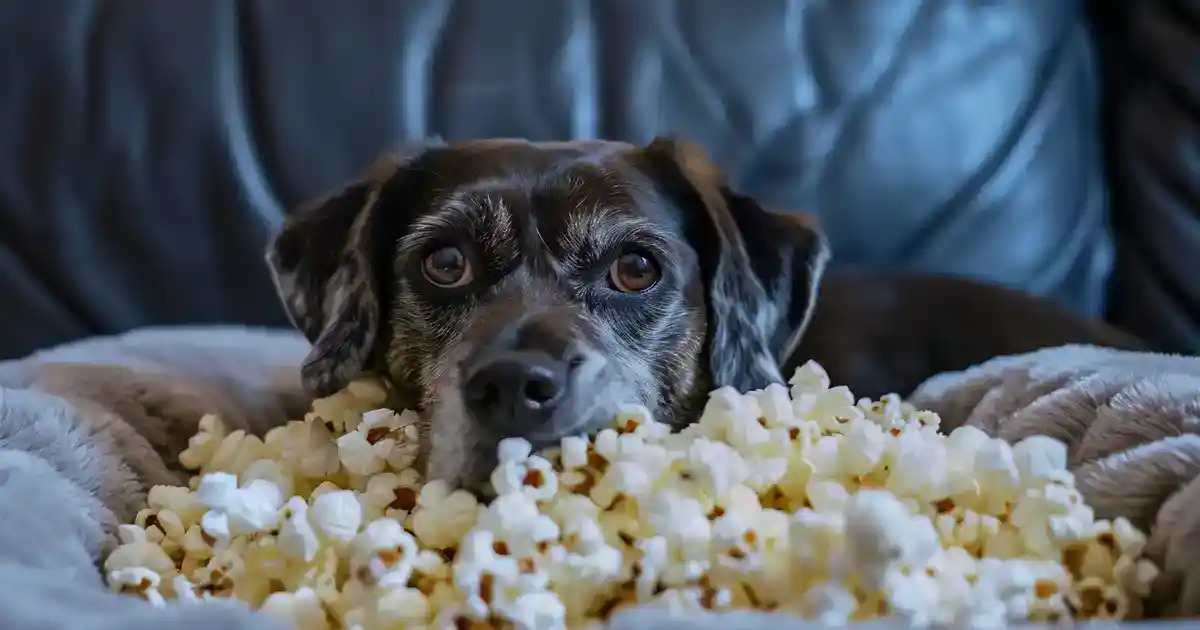
Ever wondered if that bowl of popcorn from your movie night could become a crunchy, low-calorie treat for your entertainment-loving canine companion? Here’s the thing—I used to think all human snack foods were either completely safe or totally forbidden for dogs until my veterinary nutritionist friend explained the surprisingly complex considerations surrounding popcorn during a discussion about my terrier mix Ziggy’s treat options and weight management needs.
What if I told you that dogs can safely enjoy plain, air-popped popcorn in moderation, but this popular snack requires careful understanding of preparation methods, ingredient restrictions, and portion guidelines to avoid serious health complications? After extensive research into popcorn safety for dogs and observing Ziggy’s enthusiastic response to properly prepared kernels, I’ve discovered that popcorn occupies a nuanced position between beneficial and risky depending on specific preparation and serving protocols.
Let me share everything I’ve learned about popcorn safety for dogs, from understanding proper preparation requirements to recognizing dangerous additives, so you can make informed decisions about whether this crunchy snack belongs in your dog’s treat rotation.
Here’s the Thing About Dogs and Popcorn
The complexity behind popcorn safety lies in the dramatic difference between plain, air-popped kernels that can be safe and beneficial versus the seasoned, buttered, or flavored varieties that pose serious health risks to dogs. Unlike foods with universal safety profiles, popcorn requires understanding specific preparation methods and ingredient restrictions that determine whether it becomes a healthy treat or a dangerous snack.
What makes this challenging is that while plain popcorn provides fiber, antioxidants, and low-calorie satisfaction, the seasonings, oils, and flavorings commonly added to human popcorn can cause everything from digestive upset to severe toxicity in dogs. I never knew snack safety could be this preparation-dependent until veterinary nutritionists explained how additives transform safe foods into dangerous ones.
The critical insight is that while properly prepared plain popcorn can offer benefits including dental stimulation and low-calorie satisfaction, the margin for error is narrow and the preparation requirements are specific compared to simpler treat options. It’s honestly more complicated than most people expect, and success depends on understanding multiple safety factors simultaneously. According to snack food safety research from leading institutions, preparation methods and additives dramatically affect the safety profile of common human foods when shared with pets.
The secret to popcorn safety is recognizing that while it can be included in a dog’s treat rotation under very specific conditions, the preparation complexity and risks often make safer alternatives a better choice for most pet owners.
What You Need to Know – Let’s Break It Down
Understanding popcorn safety for dogs requires grasping the fundamental differences between safe plain preparations and dangerous flavored varieties that could cause serious health problems. Don’t skip learning about additive dangers—I finally figured out why veterinarians express caution about popcorn after discovering how salt, butter, and seasonings can cause toxicity while plain kernels remain relatively safe (took me extensive research to understand the ingredient-specific risks).
Plain vs. Flavored Safety works as the primary distinction determining whether popcorn becomes a potential treat or a serious hazard. Air-popped popcorn without any additives can be safe in small amounts, while buttered, salted, or flavored varieties pose risks from sodium toxicity, digestive upset, or specific ingredient dangers like garlic or onion powder.
Preparation Method Requirements (absolutely critical to understand) involve using only air-popping methods without oils, salts, or seasonings that could harm dogs. Movie theater popcorn, microwave varieties, and most commercial preparations contain additives that make them inappropriate for canine consumption.
Choking and Digestive Considerations address something many dog owners overlook: even plain popcorn can pose choking hazards for small dogs or cause digestive upset in sensitive animals due to the hull fragments that don’t digest easily. Yes, dogs safely enjoying popcorn treats really requires individual assessment, and here’s why—size, eating style, and digestive sensitivity all affect safety outcomes.
The science behind food additive toxicity demonstrates that many ingredients safe for humans can cause serious problems in dogs due to differences in metabolism and body size, making ingredient awareness essential for safety.
The Science and Psychology Behind Why This Matters
What research actually shows about popcorn and canine health reveals important information about both potential benefits and significant risks that require careful preparation and portion management. While plain popcorn can provide fiber and antioxidants with minimal calories, the potential for additive toxicity and choking hazards requires extensive safety protocols.
Studies confirm that the high sodium content in most commercial popcorn can cause serious health problems in dogs, including dehydration, kidney stress, and in severe cases, sodium ion poisoning. The oils and artificial flavors commonly used in popcorn preparation can cause digestive upset and contribute to weight gain or pancreatitis.
From a safety standpoint, dogs don’t instinctively avoid potentially problematic seasonings, and their smaller body size means that amounts safe for humans can be dangerous for pets. What makes popcorn particularly concerning from a veterinary perspective is how easily safe plain kernels become dangerous when common additives are included.
Veterinary nutritionists consistently express caution about popcorn feeding due to the preparation complexity required for safety and the serious consequences of improper preparation, especially when numerous safer treat alternatives provide similar benefits without additive risks.
Experts universally agree that the potential risks of popcorn feeding often outweigh the modest benefits, particularly when excellent low-calorie treat alternatives exist that don’t require complex preparation protocols or ingredient monitoring. The research on snack food safety in companion animals consistently recommends caution due to variable preparation methods and unpredictable additive exposure.
Here’s How to Approach Popcorn Safety (If You Choose To)
Start by consulting your veterinarian about whether occasional popcorn treats are appropriate for your individual dog, considering their size, health status, and digestive sensitivity before attempting any popcorn introduction. Here’s where I learned to approach this very carefully: treating popcorn as a high-maintenance consideration rather than a casual snack option.
Step 1: Professional Assessment takes one conversation but creates informed decision-making about whether popcorn feeding makes sense for your specific dog’s size and health profile. Small dogs and those with digestive sensitivities often do better with safer alternatives that don’t require choking risk assessment.
Step 2: Strict Preparation Protocol (here’s the essential safety method) involves using only air-popping methods without any oils, salts, butter, or seasonings whatsoever. Purchase plain kernels and use an air popper or stovetop method that produces completely plain popcorn without any additives.
If your veterinarian approves popcorn trials, prepare kernels using only air-popping methods, then cool completely before offering tiny amounts. Never give movie theater popcorn, microwave varieties, or any popcorn with visible seasonings, butter, or oil.
Step 3: Careful Introduction and Monitoring creates the safest possible approach to any popcorn feeding. Start with 2-3 plain kernels for small dogs or 4-5 for large dogs, observing for 24-48 hours for any signs of digestive upset, choking difficulties, or behavioral changes.
Now for the important reality—most dogs probably don’t need popcorn. My veterinary nutritionist friend taught me that safer low-calorie treats like carrots or green beans provide similar benefits without the preparation complexity and risks associated with popcorn feeding.
Common Mistakes (And How They Can Be Dangerous)
Let me share the most dangerous assumptions people make about popcorn so you can avoid potentially harmful errors that even well-informed dog owners make. The deadliest mistake involves thinking all popcorn preparations are equivalent without understanding how seasonings and preparation methods affect safety dramatically.
The flavored popcorn assumption happens when people think lightly seasoned varieties are safe without realizing that even small amounts of salt, butter, or seasonings can cause problems in dogs. I’ve learned that absolutely plain preparation is essential—any human-style flavoring makes popcorn inappropriate for dogs.
Movie theater sharing catches many dog owners unprepared when they don’t realize that commercial popcorn contains dangerous levels of salt, artificial butter flavoring, and oils that can cause serious digestive upset or toxicity. That’s completely understandable for people wanting to share enjoyable experiences, but commercial preparations are never safe for dogs.
The portion escalation occurs when initial tolerance leads to increasingly larger servings without understanding that even plain popcorn can cause digestive upset or choking if given in excessive amounts to dogs whose systems aren’t adapted for this type of food.
When any negative reactions occur after popcorn consumption, discontinue feeding immediately and contact your veterinarian rather than assuming symptoms will resolve independently or that different preparation methods might be safer.
When Popcorn Feeding Goes Wrong
Feeling uncertain about whether popcorn feeding is worth the risks and preparation complexity for your dog? That’s completely reasonable given the extensive safety requirements and potential for serious problems with improper preparation or portion control.
Already experiencing problems after popcorn exposure? You need immediate veterinary assessment to evaluate potential salt toxicity, digestive blockages, or additive reactions that may require professional treatment. Some popcorn-related problems can escalate quickly and require prompt intervention.
I’ve learned to handle popcorn decisions by defaulting to safer treat alternatives rather than attempting to manage the complex variables that determine safe preparation and appropriate portions. When problems arise (and they can occur even with careful preparation), immediate veterinary consultation usually provides the best outcomes.
If you’re questioning whether any potential benefits justify the documented risks and preparation complexity, trust your instincts and choose clearly safe treat options that provide similar satisfaction without popcorn-related concerns. Dogs safely enjoying popcorn treats works best when you prioritize proven alternatives over experimental snack sharing.
Advanced Safety Strategies
Taking popcorn assessment to the next level involves understanding that complete avoidance often provides better treat outcomes than attempting to manage the complex variables that determine safe preparation and appropriate consumption. I’ve discovered that focusing energy on clearly beneficial treats produces superior results compared to navigating popcorn risks.
Strategic Alternative Selection separates experienced from novice pet owners. Instead of risking popcorn-related problems, I concentrate on carrots, green beans, or air-dried treats with established safety profiles and clearer benefits without any preparation complexity or additive concerns.
Professional Monitoring Protocols unlock advanced safety when you understand that any regular popcorn feeding requires veterinary supervision to monitor for subtle signs of digestive stress or sodium accumulation that might not appear immediately.
For maximum safety and satisfaction, consider eliminating popcorn entirely and choosing alternatives that provide superior benefits with better safety profiles and simpler preparation. Different dogs have different needs, but flexibility often means choosing the safest rather than the most experimental options.
The most sophisticated approach involves working with veterinary nutritionists to design treat protocols that maximize satisfaction while eliminating any unnecessary risks—and for most dogs, this means avoiding popcorn completely.
Ways to Make This Your Own
When I want enhanced low-calorie treating for Ziggy, I use what I call the “Safer Crunch Method”—choosing carrots, celery, or green beans for satisfying texture instead of risking popcorn complications that might cause more problems than benefits.
For special situations, I’ll implement “Veterinary-Approved Protocols” where certain treats might be considered only under professional guidance for dogs with specific needs that could theoretically benefit from low-calorie options. This approach works only with continuous monitoring and most dogs don’t qualify.
Sometimes I incorporate what I call “Risk-Elimination Strategies”—comparing any potential popcorn benefits against the clear advantages of safer alternatives, consistently choosing options with better safety profiles and documented effectiveness.
The “Digestive Health Priority Strategy” works perfectly for maintaining optimal gut function by avoiding foods that commonly cause upset or carry preparation risks, focusing instead on treats that actively support digestive wellness. For maximum benefit, I use the “Evidence-Based Treating Approach” where choices are based on documented safety and clear benefits rather than experimental snack sharing.
Each variation adapts to different priorities—senior dogs needing gentle treats, active dogs requiring reliable rewards, and dogs with health conditions benefiting from predictable treat options regardless of your situation.
What Makes This Different
The science behind popcorn safety lies in understanding that beneficial properties often exist alongside potentially harmful preparation requirements and additive risks that make safety assessment more complex than simple treat evaluation. Unlike treats with clear safety profiles, popcorn requires ongoing assessment of preparation adequacy and ingredient control.
What sets this apart from other treat discussions is the importance of questioning whether modest potential benefits justify extensive preparation requirements and documented risks rather than assuming all crunchy snacks are equally appropriate. Most treat safety conversations focus on basic preparation, while popcorn requires fundamental assessment of whether sharing it makes sense at all.
In my experience, I’ve discovered that dogs thrive more consistently when their treats come from clearly beneficial sources rather than foods that require complex risk management and ongoing preparation monitoring. This evidence-based approach—choosing proven benefits over potential ones—creates more reliable treat outcomes while reducing stress for pet owners.
The veterinary-guided perspective consistently recommends focusing energy on treats with established safety records rather than experimental options that might provide minimal advantages with definite monitoring requirements.
Real Decision Stories (And What They Teach Us)
One of my most educational experiences involved consulting with a veterinary nutritionist about Ziggy’s treat options and learning that the popcorn I thought might provide low-calorie satisfaction could actually stress his digestive system more than help his weight management goals.
Another enlightening example comes from a fellow dog owner whose small dog experienced choking difficulties from plain popcorn kernels, demonstrating how even properly prepared popcorn can pose risks that make safer alternatives more reliable choices.
I’ve witnessed families successfully improve their dogs’ treat satisfaction by focusing on carrots and green beans instead of popcorn, proving that simpler choices often produce better outcomes with fewer risks and less preparation complexity.
What made the difference in each situation was understanding that responsible pet ownership sometimes means saying “no” to foods that seem appealing but carry unnecessary risks when superior alternatives exist. Dogs safely enjoying popcorn treats becomes manageable when owners prioritize proven alternatives rather than attempting to navigate complex preparation variables.
Tools and Resources That Actually Help
My recommended approach starts with professional consultation—having conversations with your veterinarian about appropriate treat options based on your dog’s individual health profile works better than independent decision-making about potentially problematic foods.
For treat selection, focusing on established safe options eliminates the need for complex preparation protocols or additive assessment tools. Simple preparation methods for proven alternatives provide more value than complicated protocols for managing questionable snacks.
Veterinary nutrition resources from certified animal nutritionists work excellently for understanding appropriate treat choices, though choosing proven options eliminates the need for extensive research about marginal foods. I’ve found that energy spent learning about clearly beneficial treats produces better outcomes than researching questionable ones.
For foundational understanding of snack food safety in dogs, reference food additive toxicity information on Wikipedia for comprehensive background on how common ingredients affect animal health. Additional context about canine nutrition and treats on Wikipedia provides authoritative information about safe treating practices and ingredient considerations.
Both free resources like veterinary nutrition websites and paid consultations with certified animal nutritionists offer valuable guidance for creating optimal treat protocols without unnecessary risks.
Questions People Always Ask Me
Can all dogs eat plain popcorn safely?
Most dogs should probably avoid popcorn due to choking risks, preparation complexity, and individual sensitivity variations. I usually recommend choosing clearly safe alternatives since the minimal potential benefits don’t justify the documented preparation requirements and safety concerns.
How much popcorn is safe for dogs?
There’s no established safe amount since preparation methods and individual sensitivity vary dramatically between dogs. Most veterinary professionals recommend complete avoidance rather than attempting to determine safe portions for questionable treats.
What types of popcorn are dangerous for dogs?
Never give buttered, salted, flavored, or movie theater popcorn that contains oils, seasonings, or artificial additives. Even kettle corn or lightly seasoned varieties contain ingredients that can cause problems for dogs.
Are air-popped kernels safer than other types?
While air-popped plain kernels reduce some risks by eliminating oils and seasonings, they still pose choking hazards and digestive concerns that make safer treat alternatives more reliable choices for most dogs.
Can puppies have popcorn?
Puppies should avoid popcorn entirely since their smaller size increases choking risks and their developing digestive systems are more vulnerable to upset from unusual foods. Stick to puppy-appropriate treats designed for their needs.
What if my dog accidentally ate flavored popcorn?
Contact your veterinarian immediately for guidance based on the amount consumed and type of seasonings involved. Monitor for symptoms like vomiting, diarrhea, excessive thirst, or behavioral changes, and seek professional assessment.
Should I use popcorn for training treats?
No, the preparation complexity and safety concerns make popcorn inappropriate for training when numerous safe, convenient alternatives provide better motivation without any risks.
Can I give my dog homemade popcorn?
Only completely plain, air-popped kernels without any oils or seasonings might be considered, but safer alternatives like carrots provide similar satisfaction without preparation complexity or safety concerns.
What mistakes should I avoid with popcorn?
Don’t assume any flavored varieties are safe, avoid giving large amounts even of plain popcorn, and don’t use popcorn as regular treats. Complete beginners should consider avoiding popcorn entirely in favor of safer alternatives.
How does popcorn compare to other low-calorie treats?
Carrots, green beans, and cucumbers provide superior low-calorie satisfaction with better safety profiles and simpler preparation compared to popcorn. The comparison consistently favors alternatives with documented safety and established benefits.
What are better alternatives to popcorn treats?
Carrots, celery, green beans, and air-dried meat treats provide excellent satisfaction without preparation complexity or safety concerns. These alternatives work well for all dogs regardless of size or sensitivity.
How do I know if popcorn is affecting my dog’s health?
Watch for digestive upset, choking difficulties, or behavioral changes, though the safest approach involves avoiding popcorn entirely in favor of treats that don’t require health monitoring.
The Smart Choice for Your Dog’s Safety
Here’s what this all means: while dogs might technically enjoy plain popcorn in very specific circumstances, the preparation complexity, choking risks, and individual sensitivity variables make it an unnecessary risk when excellent safe treat alternatives provide superior satisfaction without any safety concerns. I couldn’t resist sharing this because Ziggy’s story taught me that responsible pet ownership sometimes means choosing “no” to foods that seem appealing but carry documented risks.
The best treat decisions happen when owners prioritize proven safety and clear benefits over experimental options that might provide minimal satisfaction with definite monitoring requirements. Your path forward involves choosing from the many clearly beneficial treat alternatives that provide superior satisfaction without the complications that make popcorn unnecessarily risky for most dogs.




