
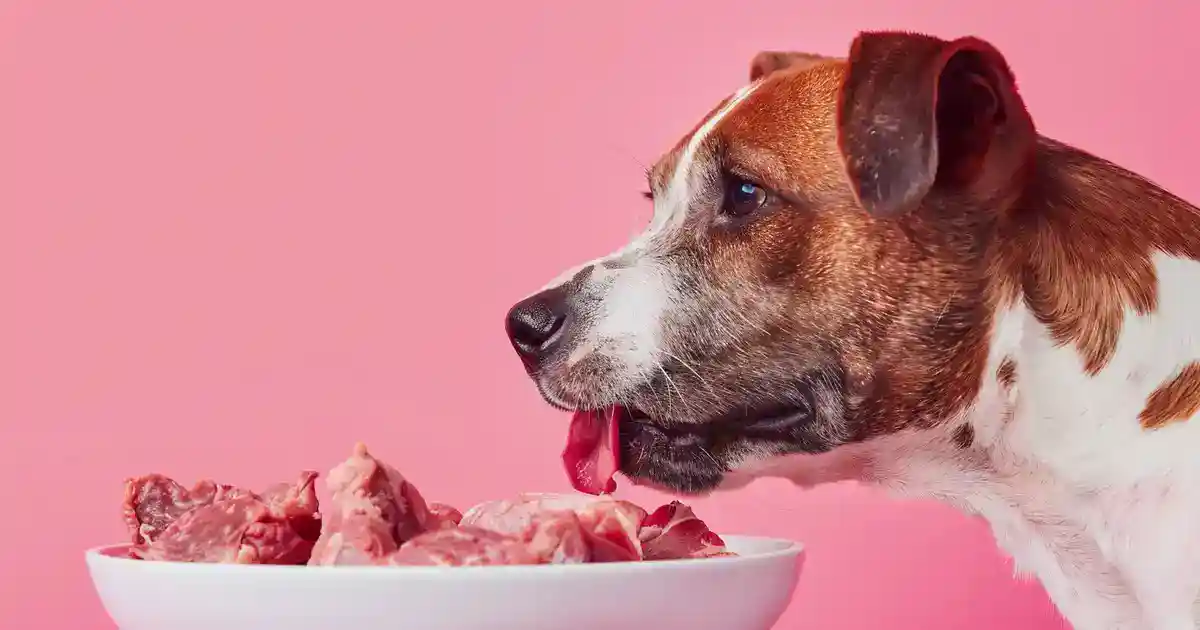
Have you ever set a piece of raw beef on the counter while cooking dinner and turned around to find your dog locked onto it with an intensity that suggested every ancestral instinct firing at once? I have, and my first reaction was to move it out of reach before stopping to actually ask myself whether my instinct to protect it from my dog was even scientifically justified. Raw beef sits at the absolute center of one of the most passionate and genuinely complicated debates in modern dog nutrition, with devoted advocates on one side and concerned veterinarians on the other, and somewhere in the middle is a dog owner just trying to make the right call. Now the question I hear most from fellow pet parents is this: can dogs safely eat raw beef, and is the answer really as complicated as everyone makes it seem? Trust me, if you’ve ever found yourself genuinely confused about whether your dog’s wild enthusiasm for raw meat is instinct pointing you toward something healthy or instinct leading you somewhere risky, this guide will give you the honest, complete, and nuanced answer you’ve been looking for.
Here’s the Thing About Raw Beef and Dogs
Here’s the magic of approaching this topic with real depth: raw beef isn’t a single straightforward ingredient with a clean yes-or-no safety profile — it’s a food with genuine nutritional merits, documented bacterial risks, important sourcing variables, and meaningful differences depending on which part of the animal you’re talking about. What makes this conversation so critical for dog owners is that both the enthusiastic pro-raw community and the cautious anti-raw camp are each telling a partial truth, and neither incomplete picture serves your dog particularly well. I never fully appreciated how much the sourcing, handling, and preparation of raw beef changed the entire risk equation until I spent serious time researching it from multiple veterinary perspectives. The combination of ancestral dietary logic, modern food safety science, and individual dog health variables creates a topic that genuinely rewards careful thinking. According to research on canine digestive physiology, dogs retain many of the gastrointestinal adaptations of their carnivorous ancestors, including higher stomach acidity that provides some natural defense against certain pathogens. It’s honestly one of the most fascinating nutrition topics in pet care, and once you understand all the layers, you’ll be equipped to make a decision that’s right for your specific dog rather than just following the loudest voices in the debate.
What You Need to Know — Let’s Break It Down
Understanding the core components of what raw beef actually introduces into your dog’s diet — both beneficial and potentially problematic — is absolutely crucial before any feeding decision makes sense. Don’t skip this section, because this is where the nuance that most quick-answer articles completely skip over actually lives. Muscle meat is the foundation of any raw beef feeding approach and represents the safest and most straightforward component. High-quality lean muscle meat provides complete protein, essential amino acids, naturally occurring enzymes, and bioavailable nutrients that support muscle development, coat health, and overall vitality. (I was genuinely surprised by how nutrient-dense properly sourced raw muscle meat is compared to heavily processed commercial alternatives — a real eye-opener.) Organ meats like liver and kidney are nutritionally dense additions that raw feeding advocates include in rotation, but they require careful portioning because their nutrient concentration — particularly vitamin A in liver — means that too much creates its own health problems. A little goes a long way, and this is one area where the enthusiasm of raw feeding can actually work against your dog if portion discipline breaks down. Raw beef bones fall into a category all their own. Raw bones are generally considered far safer than cooked bones, which become brittle and splinter dangerously, but they still carry risks including tooth fractures, choking, and digestive obstruction depending on the size and type of bone relative to your dog’s size. I finally figured out after considerable research that bone choice needs to match your dog’s size and chewing style specifically, not just dogs in general. Bacterial contamination is the risk that deserves the most honest attention. Raw beef can carry Salmonella, E. coli, Listeria, and other pathogens that pose risks not only to your dog but to the humans in your household through cross-contamination during handling and preparation. Dogs have stronger stomach acid than humans and some natural resistance, but they are not immune, and immunocompromised dogs face significantly higher risk. Sourcing quality changes everything in the raw beef conversation. Human-grade beef from reputable butchers or high-quality grocery sources carries meaningfully lower pathogen loads than lower-grade meat. If you’re just starting out with understanding raw diets for dogs, check out this beginner’s guide to raw feeding for dogs for a foundational overview of how to approach this dietary style safely and intentionally.
The Science and Psychology Behind Why This Works
What research actually shows us is genuinely more complicated than either the raw feeding community or the skeptics typically acknowledge. Proponents of raw beef diets correctly point to studies showing that minimally processed, biologically appropriate diets can support healthier coat condition, better dental hygiene, improved digestion, and higher energy levels in many dogs. Critics correctly point to peer-reviewed research documenting bacterial contamination rates in commercial raw pet food products and the documented transmission of antibiotic-resistant bacteria from raw-fed dogs to their owners. Both bodies of evidence are real, and a genuinely informed perspective has to hold both simultaneously. The psychological dimension here is also significant — dog owners who invest in raw feeding often develop a deeper engagement with their dog’s nutrition overall, which tends to produce better health outcomes regardless of the specific dietary approach. Research from veterinary nutrition departments at major universities demonstrates that the benefits attributed to raw diets are sometimes more accurately attributed to improved overall ingredient quality and reduced ultra-processing rather than the raw preparation itself, which is a meaningful distinction worth sitting with.
Here’s How to Actually Make This Happen
Start by consulting your veterinarian before introducing raw beef into your dog’s diet, particularly if your dog is a puppy, senior, pregnant, nursing, or has any known health conditions or immune system vulnerabilities. Here’s where I used to go wrong: I treated this as a decision I could make entirely through my own research without a professional who actually knows my individual dog’s health history. Now for the most important practical step: source your raw beef intentionally. Human-grade beef from a trusted butcher or reputable grocery source is meaningfully different from lower-grade options, and this single decision changes the bacterial risk profile more than almost anything else you can control. Here’s my approach for handling raw beef safely: treat it with exactly the same food safety protocols you would apply to raw meat you’re preparing for human consumption. This means dedicated cutting boards, immediate refrigeration, thorough handwashing, and sanitizing all surfaces that come into contact with the raw meat before and after. Introduce raw beef gradually rather than switching your dog’s entire diet overnight. Start with a small amount alongside your dog’s regular food and monitor closely for digestive response over several days. Results can vary significantly depending on your dog’s current diet, digestive health, and individual sensitivity. This step takes five minutes but prevents enormous complications: research and understand the complete nutritional picture before committing to a fully raw diet. Raw muscle meat alone does not constitute a balanced diet — achieving genuine nutritional completeness requires a carefully structured combination of muscle meat, organ meat, raw meaty bones, and sometimes supplementation, ideally designed with veterinary nutritional guidance. Don’t worry if the full raw diet commitment feels overwhelming initially — many dog owners incorporate raw beef as a supplement or topper to an otherwise balanced commercial diet rather than a complete dietary overhaul, and this represents a perfectly valid middle-ground approach. Be honest with yourself about your household context. If you have young children, elderly family members, or immunocompromised individuals at home, the cross-contamination risk of raw beef handling requires an especially rigorous hygiene protocol and may genuinely influence whether this approach is practical for your specific situation.
Common Mistakes (And How I Made Them All)
The biggest mistake I made when first exploring raw beef for my dog was treating it as a binary all-or-nothing commitment rather than a spectrum of options with different risk and benefit profiles. I went from zero to fully raw overnight without a transition period, without veterinary input, and without a nutritionally complete plan, and my dog’s digestive system made its displeasure abundantly clear within 48 hours. The second mistake was assuming that “natural” automatically meant “safe” — raw beef is natural in the sense that it reflects ancestral eating patterns, but naturally occurring bacteria like Salmonella and E. coli are equally natural and equally real. I also underestimated how much sourcing quality mattered and initially purchased the cheapest available option, not yet understanding that quality variation in raw protein is far more consequential than quality variation in many other food categories. Don’t make my mistake of skipping the nutritional completeness research and assuming muscle meat alone covers all your dog’s needs — calcium-phosphorus balance alone is a critical consideration that catches many new raw feeders off guard.
When Things Don’t Go as Planned
Feeling concerned because your dog is showing digestive upset after their first introduction to raw beef? That’s genuinely common during the transition period and doesn’t automatically indicate a problem, but it does require careful monitoring to distinguish normal adjustment from a real issue. Loose stools, mild vomiting, or temporary changes in appetite during the first week of raw introduction are frequently reported by raw feeders and often resolve as the digestive system adjusts. I’ve learned to handle this by slowing the transition dramatically — dropping back to a very small amount of raw beef and extending the introduction timeline over two to three weeks rather than days. When this happens, resist the urge to push through quickly; the digestive transition to raw protein is real and individual dogs navigate it at very different speeds. Signs that warrant an immediate veterinary call rather than watchful waiting include bloody diarrhea, severe lethargy, sustained vomiting, signs of abdominal pain, or any symptoms in a puppy, senior dog, or dog with known health conditions. For humans in the household who experience any gastrointestinal symptoms after handling raw beef for their dog, that’s a reminder to review and tighten your cross-contamination hygiene protocol immediately.
Advanced Strategies for Next-Level Results
For dog owners who have established a solid foundation with raw beef and want to take their approach to a more sophisticated level, working with a board-certified veterinary nutritionist to design a formally balanced raw diet plan is genuinely the gold standard. Advanced raw feeders typically rotate protein sources rather than relying exclusively on beef, incorporating chicken, lamb, turkey, and fish to achieve a broader amino acid and micronutrient profile across the week. Understanding the prey model raw feeding framework — which aims to approximate the complete nutritional profile of whole prey animals through a structured combination of muscle meat, organ, and bone — represents a more comprehensive approach than simply offering muscle meat alone. High-pressure processing technology has produced a category of commercially prepared raw beef products that have been treated to significantly reduce pathogen loads while preserving the raw nutritional profile, and these represent a meaningful middle ground for owners who want the benefits of raw with substantially reduced bacterial risk. Tracking your dog’s health markers over time — coat condition, energy levels, stool quality, dental health, body weight — gives you an evidence-based way to evaluate whether raw beef is genuinely benefiting your individual dog rather than relying solely on anecdote.
Ways to Make This Your Own
When I want to incorporate raw beef in the most straightforward and accessible way possible, my “Simple Beef Topper” approach involves adding a small amount of high-quality raw ground beef to my dog’s regular balanced commercial diet as a meal enhancement rather than a complete dietary replacement. For the budget-conscious pet parent, my economical version focuses on building a relationship with a local butcher who can provide quality trim cuts and organ meats at significantly lower cost than pre-packaged raw pet food products. My parent-friendly version for busy households involves batch-preparing portioned raw beef servings on a single dedicated prep day, freezing them individually, and thawing one portion at a time in the refrigerator to minimize daily handling. For the deeply committed raw feeder, my advanced rotation version incorporates beef as one protein in a weekly rotation alongside at least two other animal proteins to achieve nutritional breadth that single-protein feeding simply cannot match. Sometimes I add raw beef as an occasional high-value training reward using very small pieces, though that’s most practical for owners who are already comfortable with the handling protocols. Each approach works beautifully for different household situations, lifestyles, and comfort levels, and all of them share the same foundation of quality sourcing and careful preparation.
Why This Approach Actually Works
Unlike the polarized debate that dominates most online discussions of raw beef for dogs — where you’re either a devoted raw feeding advocate or a concerned skeptic — this ingredient-aware, sourcing-conscious, and individually tailored approach grounds the conversation in the actual variables that determine outcomes. Most simplistic advice either dismisses raw beef entirely based on bacterial risk or embraces it uncritically based on ancestral logic, and neither position serves your dog’s specific health needs particularly well. By understanding the genuine benefits of high-quality raw beef protein, the real and manageable bacterial risks, the non-negotiable importance of nutritional completeness, and the ways that individual dog health profiles change the equation, you develop a framework for decision-making that works across any new raw food question you encounter. I arrived at this approach after frustration with the all-or-nothing framing that dominated every resource I initially found, and the shift toward nuanced, evidence-based thinking genuinely transformed how I approach my dog’s nutrition as a whole.
Real Success Stories (And What They Teach Us)
One dog owner I know had been struggling for years with her German Shepherd’s chronically poor coat condition and inconsistent digestion despite trying numerous commercial food brands, and a carefully managed transition to a veterinary nutritionist-guided raw beef rotation diet produced visible coat improvement within six weeks and stable digestion within three months. Her story teaches us that raw beef’s benefits are most reliably realized when the dietary transition is managed carefully and the nutritional completeness piece is taken seriously from the start. Another pet parent shared that incorporating raw beef as a topper to his dog’s regular commercial diet — rather than committing to a full raw diet — gave his dog noticeably more enthusiasm at mealtimes and improved stool quality without requiring him to overhaul his entire feeding routine. A third example: a dog trainer who works with high-performance working dogs shared that several handlers in her network credit raw beef protein rotation with meaningfully better muscle recovery and sustained energy in dogs doing demanding physical work. Their success aligns with research on dietary protein quality and bioavailability that consistently shows minimally processed animal proteins support superior muscle synthesis and maintenance compared to heavily processed protein sources across multiple species.
Tools and Resources That Actually Help
A dedicated set of food preparation tools used exclusively for raw pet food — separate cutting board, knife, and storage containers — is the single most important practical investment for anyone incorporating raw beef into their dog’s diet safely. A quality kitchen scale is invaluable for portioning raw beef accurately, particularly during the introduction phase when starting small and building gradually matters most. Vacuum-seal bags or airtight freezer containers make batch-prep storage significantly more practical and help maintain quality during freezing. The ASPCA Animal Poison Control Center at 888-426-4435 remains your best emergency resource if your dog reacts unexpectedly to any dietary change, available at any hour. For navigating the nutritional completeness requirements of a raw diet, the resources provided by board-certified veterinary nutritionists and academic veterinary nutrition departments are substantially more reliable than community forums, however passionate and well-intentioned those communities may be. The best guidance consistently comes from credentialed professionals with access to peer-reviewed research rather than anecdotal community wisdom alone, and establishing a relationship with a veterinarian who has genuine knowledge of raw nutrition will serve you better than any online resource.
Questions People Always Ask Me
Can dogs safely eat raw beef every day? Dogs can eat raw beef regularly as part of a properly balanced diet, but daily feeding requires that the overall diet is nutritionally complete across all meals — not just that the raw beef itself is safe. Rotating proteins and including appropriate organ meat and bone components is essential to avoid nutritional gaps that develop over time with single-ingredient daily feeding.
What is the biggest risk of feeding dogs raw beef? Bacterial contamination — primarily Salmonella, E. coli, and Listeria — represents the most consistently documented risk, affecting both the dog and the humans handling the food. Sourcing quality, proper refrigeration, and rigorous cross-contamination hygiene protocols significantly reduce but do not completely eliminate this risk.
Is raw beef better for dogs than cooked beef? Neither is categorically superior — they offer different profiles. Raw beef retains naturally occurring enzymes and certain heat-sensitive nutrients that cooking destroys, while cooked beef eliminates bacterial pathogens and is generally easier on the digestive system of dogs with sensitive stomachs or compromised immunity.
Can puppies eat raw beef? Puppies can eat raw beef, but they require extra caution because their immune systems are less developed than adult dogs and their nutritional requirements are more precise and critical for healthy development. Any raw feeding approach for puppies should ideally be designed and monitored with veterinary nutritional guidance.
How do I know if my dog is doing well on raw beef? Positive indicators include improved coat shine and texture, consistent well-formed stools, stable energy levels, healthy body weight maintenance, and good dental condition. These markers assessed over weeks and months give you a genuine picture of how raw beef is affecting your individual dog.
Does raw beef help with dogs’ dental health? The chewing action involved in consuming raw beef, particularly with raw meaty bones included appropriately, does provide mechanical cleaning benefit that supports healthier gum tissue and reduced tartar accumulation compared to soft processed foods. It is a complement to dental care rather than a complete replacement for professional dental evaluation.
Can raw beef cause worms or parasites in dogs? Beef can carry certain parasites including Sarcocystis and in rare cases Toxoplasma, though the risk in commercially available beef is considerably lower than in wild game or unregulated meat sources. Freezing beef at sufficiently low temperatures for an adequate period reduces but does not completely eliminate certain parasitic risks.
What cuts of raw beef are safest for dogs? Lean muscle meat cuts like ground beef, chuck, and round represent the most straightforward and broadly safe options. Organ meats like liver are nutritionally valuable but should be portioned carefully. Raw meaty bones should always be sized appropriately for your dog’s size and chewing style.
Is raw ground beef safe for dogs? Raw ground beef is safe for dogs when sourced from a reputable human-grade supplier and handled with proper food safety protocols. Ground beef does have a higher surface area than whole cuts, which means more exposure to potential bacterial contamination, making sourcing quality and fresh handling especially important.
Can I mix raw beef with my dog’s regular kibble? Many dog owners do this successfully as a topper or meal enhancement approach. There is a commonly repeated concern about mixing raw and kibble relating to different digestion rates, but current veterinary consensus does not strongly support this as a significant practical concern for most healthy adult dogs.
How much raw beef should I give my dog? A commonly referenced guideline for raw feeding is approximately 2 to 3 percent of your dog’s ideal body weight per day across all food, but this varies meaningfully based on your dog’s age, activity level, metabolism, and overall health. Your veterinarian or a veterinary nutritionist can provide guidance calibrated to your specific dog.
What should I do if my dog gets sick after eating raw beef? Contact your veterinarian promptly and describe exactly what your dog ate, how much, and what symptoms you’re observing. For severe symptoms including bloody diarrhea, sustained vomiting, extreme lethargy, or signs of pain, treat this as an urgent veterinary situation rather than a wait-and-see one.
Before You Get Started
I couldn’t resist putting together this complete guide because it proves that the question of whether dogs can safely eat raw beef deserves a genuinely honest and complete answer rather than a reflexive yes or no. The best raw feeding journeys happen when decisions are grounded in real knowledge about sourcing, safety, nutrition, and your individual dog’s health needs rather than ideology or internet enthusiasm alone. Start with a conversation with your veterinarian, source the highest quality beef you can access, and let careful and informed intention guide every step of the process from there.




