
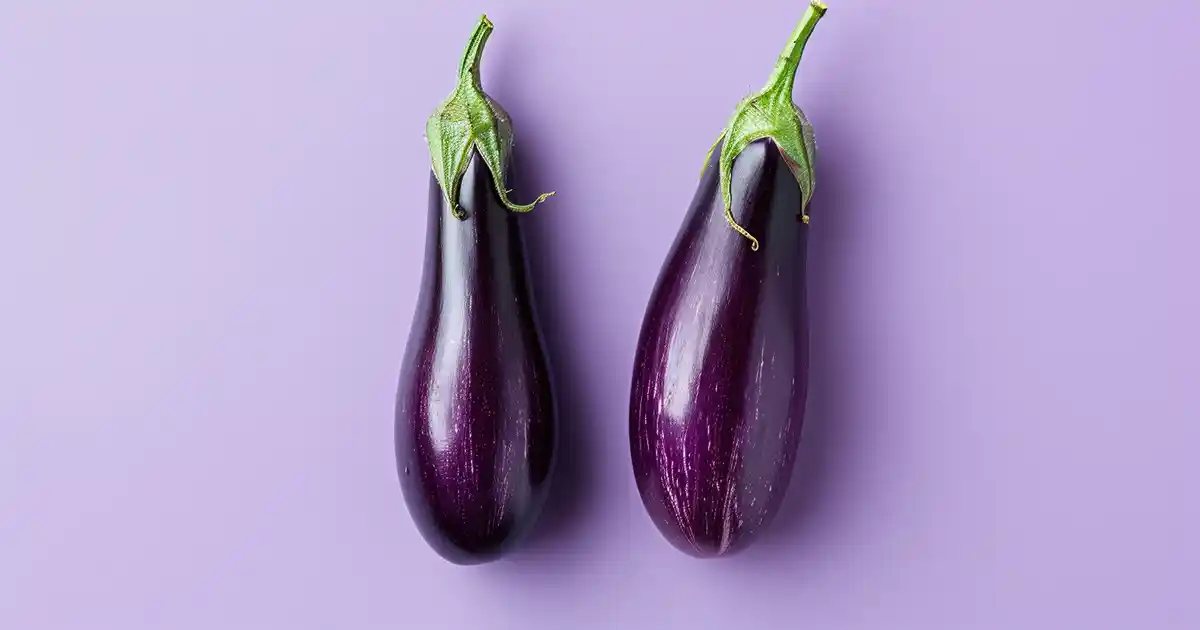
Have you ever wondered why feeding eggplant to your dog seems like such a gray area when other vegetables get a clear yes or no? I used to panic every time my dog showed interest in vegetables from my garden, frantically googling whether each plant was safe or potentially dangerous. Here’s the thing I discovered after consulting with veterinarians and researching nightshade vegetables extensively: eggplant can be safe for most dogs in small amounts when prepared correctly, but it requires more caution than many other vegetables. Now my friends constantly ask how I navigate tricky foods with confidence, and my family (who thought I was being overly cautious) keeps asking for guidance on which garden vegetables are truly dog-safe. Trust me, if you’re concerned about nightshade vegetables or wondering whether that eggplant parmesan is shareable, this approach will show you exactly what you need to know to make informed decisions.
Here’s the Thing About Dogs and Eggplant
Here’s the magic: plain, cooked eggplant in small quantities is generally safe for most healthy dogs, but it’s not a vegetable I recommend as a regular treat. The secret to success is understanding the nightshade family, proper preparation methods, and recognizing which dogs should avoid it entirely. I never knew vegetables could be this nuanced until I learned about solanine and individual sensitivities from my veterinarian. This combination of cautious introduction and careful observation creates the safest approach possible. According to research on Solanaceae family plants, nightshade vegetables contain compounds that can affect some individuals differently than others. It’s honestly more complex than many other vegetables—requiring thoughtful preparation and monitoring. The small amounts of vitamins, fiber, and antioxidants in eggplant can provide minor nutritional benefits, but the potential risks mean this isn’t a vegetable I’d choose first when there are safer alternatives available.
What You Need to Know – Let’s Break It Down
Understanding the nightshade connection is absolutely crucial before you consider giving eggplant to your dog. Eggplant belongs to the Solanaceae family, which includes tomatoes, potatoes, and peppers—plants that contain solanine, a compound that can be toxic in large amounts. Don’t skip learning about your individual dog’s tolerance, though (took me forever to realize how variable this could be). While small amounts of cooked eggplant are generally safe for healthy dogs, some pups may have sensitivities or allergic reactions.
I finally figured out that preparation method matters immensely after researching nightshade safety. Raw eggplant contains higher levels of solanine and should never be fed to dogs. Cooked eggplant—plain, with no oils, seasonings, garlic, or onions—reduces solanine content and improves digestibility. (Game-changer, seriously—cooking is non-negotiable.) The leaves and stems of the eggplant plant are definitely toxic and must be kept away from dogs entirely.
Dogs with arthritis or inflammatory conditions might experience worsening symptoms from nightshade vegetables according to some holistic veterinarians, though scientific evidence remains limited. I always recommend consulting your vet before introducing eggplant, especially for dogs with existing health conditions. If you’re looking for safer vegetable options that don’t require this level of caution, check out my guide to dog-safe vegetables for foundational knowledge on vegetables that present fewer concerns.
The Science and Psychology Behind Why This Works
The relationship between dogs and nightshade vegetables requires understanding the biochemistry of solanine and related glycoalkaloids. Research from veterinary toxicologists shows that solanine can cause gastrointestinal distress, neurological symptoms, and other issues when consumed in significant quantities. Cooking reduces but doesn’t eliminate these compounds entirely, which is why moderation remains critical.
What makes eggplant different from a physiological perspective is that it provides minimal nutritional advantages that couldn’t be obtained more safely from other vegetables. I discovered that while eggplant contains fiber, potassium, and some B vitamins, vegetables like sweet potatoes, carrots, and green beans offer similar or superior nutrition without the nightshade concerns. The nasunin in eggplant—an antioxidant in the purple skin—shows some promise for brain health in studies, but evidence specific to canine benefit is limited.
Experts agree that individual tolerance varies significantly. Some dogs can eat small amounts of cooked eggplant occasionally with no issues, while others may experience immediate adverse reactions. The psychology here is important—as pet parents, we need to distinguish between foods our dogs can technically tolerate versus foods that actively contribute to their wellbeing. Studies confirm that the risk-benefit analysis for eggplant leans toward caution, especially when abundant safer alternatives exist.
Here’s How to Actually Make This Happen
Start by consulting your veterinarian before introducing eggplant, especially if your dog has any health conditions, allergies, or takes medications. Here’s where I used to mess up: I assumed that if a vegetable was safe for humans, a little bit couldn’t hurt dogs. Don’t be me—nightshade vegetables require veterinary approval first.
Now for the important part—proper preparation if your vet gives the green light. Select a fresh, firm eggplant without blemishes or soft spots. Wash it thoroughly, then peel the skin completely—while the skin contains nutrients, it also has the highest concentration of solanine. Here’s my secret: I always peel eggplant for dogs even though I eat it with skin myself, because reducing any potential toxin exposure matters more than the nutritional trade-off.
Cut the eggplant into small pieces and steam, bake, or boil them until completely soft with absolutely no seasonings, oils, butter, garlic, or onions. When it clicks, you’ll know—the eggplant should be very tender and mashable. This step takes about 15-20 minutes but creates the safest preparation possible. Never give fried eggplant, breaded eggplant, or eggplant cooked with any added ingredients.
Allow the cooked eggplant to cool completely. My mentor (a holistic veterinarian) taught me this approach: start with a piece the size of a pea for small dogs, a cherry tomato for medium dogs, or a grape for large dogs. Every dog reacts differently, so start impossibly small and observe your pup closely for the next 24-48 hours. Don’t worry if this seems overly cautious—this creates the safest introduction possible for a somewhat risky vegetable.
Watch for signs of adverse reactions including vomiting, diarrhea, excessive drooling, lethargy, confusion, or changes in behavior. If your dog tolerates the test amount well, you could occasionally offer small amounts as a rare treat, but honestly, I usually recommend sticking with safer vegetable options instead.
Common Mistakes (And How I Made Them All)
My biggest mistake when I first considered giving my dog eggplant? I didn’t remove the skin and stems completely, thinking a little wouldn’t matter. Learn from my near-miss: every part of the plant except the properly prepared flesh should be kept far away from dogs. The concentration of solanine in leaves, stems, and even the skin makes these parts particularly risky.
Another concerning error: I once gave my dog a piece of eggplant parmesan thinking the small amount of eggplant inside wouldn’t be problematic. Wrong! The breading, cheese, oils, and especially the garlic and onions in typical preparations make prepared eggplant dishes absolutely off-limits for dogs. Don’t make my mistake of ignoring the fundamental principle experts recommend: only plain, cooked eggplant flesh in tiny amounts, nothing with any added ingredients.
I also used to think that if a dog ate eggplant once without issues, regular feeding would be fine. That’s not how nightshade sensitivities work—repeated exposure can actually increase sensitivity over time in some dogs, or cumulative effects might develop. Even if your dog tolerates eggplant initially, it shouldn’t become a regular part of their diet.
Here’s another mistake I see constantly: giving eggplant to dogs with arthritis or inflammatory conditions without veterinary guidance. Some holistic practitioners believe nightshades can worsen inflammation, and while evidence is debated, it’s not worth the risk without professional advice.
When Things Don’t Go as Planned
Feeling like your dog had a reaction after eating eggplant? You probably need to contact your veterinarian immediately if symptoms are anything beyond very mild, temporary digestive upset. That’s not something to wait out, because solanine toxicity can escalate. Signs of solanine poisoning include excessive drooling, vomiting, diarrhea, lethargy, confusion, slow heart rate, or difficulty breathing. I’ve learned to handle any concerning symptoms by calling my emergency vet right away rather than adopting a wait-and-see approach.
When you notice your dog acting lethargic, confused, or showing neurological symptoms after eating eggplant (and it can happen even with small amounts in sensitive dogs), seek immediate veterinary care. Don’t stress if your dog accidentally ate a tiny piece of cooked eggplant and shows no symptoms—just monitor them closely for 48 hours. Most healthy dogs can handle small accidental exposures without issues.
This is totally manageable: if your dog shows zero interest in eggplant, that’s actually ideal! Not every dog needs to try every food. I always prepare for the possibility that some vegetables just aren’t worth the risk-benefit calculation. When safer vegetable options exist—like carrots, green beans, cucumbers, or zucchini—there’s honestly no compelling reason to push eggplant introduction if your vet or your instincts suggest caution.
If you’re losing steam trying to figure out which vegetables are safest and which require extensive caution, simplify your approach. Stick with universally recognized safe vegetables and skip the borderline cases entirely. Your dog won’t miss out on anything essential by never eating eggplant.
Advanced Strategies for Next-Level Results
Taking vegetable supplementation to the next level means focusing on the safest, most nutrient-dense options rather than experimenting with borderline choices. I discovered that instead of trying to make eggplant work, creating a rotation of clearly safe vegetables provides better nutrition with zero nightshade concerns. Sweet potatoes, pumpkin, carrots, green beans, broccoli (in moderation), and zucchini all offer superior nutritional profiles without the solanine risk.
Advanced practitioners often implement elimination diets when dogs show signs of food sensitivities or inflammatory conditions. When you’re working to identify triggers, removing all nightshade vegetables—including eggplant, tomatoes, white potatoes, and peppers—makes diagnostic sense. Many holistic veterinarians recommend nightshade-free diets for dogs with arthritis or autoimmune conditions, though more research is needed to confirm the connection.
Here’s an advanced perspective: understanding which vegetables provide the most nutrition with the least risk allows you to make strategic choices. Instead of wondering about eggplant, focus on vegetables with clear safety profiles and proven benefits. Experienced dog owners prioritize dark leafy greens (like spinach in moderation), orange vegetables (carrots, sweet potatoes), and cruciferous options (broccoli, cauliflower in small amounts) that deliver more nutritional value.
For dogs requiring homemade diets due to allergies or health conditions, working with a veterinary nutritionist to select appropriate vegetables makes more sense than experimenting with questionable options on your own. The goal should always be optimal nutrition with minimal risk, not seeing how many different foods you can technically get away with feeding.
Ways to Make This Your Own
When I want to give my dog vegetables safely, I’ll stick with my tried-and-true favorites rather than experimenting with risky options like eggplant. This makes feeding more straightforward and definitely worth avoiding the stress. For special occasions when I’m making elaborate meals, I prepare separate plain vegetables for my dog using ingredients I know are completely safe.
My busy-season version focuses on simplicity: I batch-cook sweet potatoes, carrots, and green beans once a week and store them in portions. Sometimes I add a tiny bit of cooked, plain pumpkin (no spices), which dogs love and is completely safe. For dogs needing vegetable variety, I love the “Rainbow Bowl” approach that includes multiple colorful, dog-safe vegetables without any nightshade family members.
The “Inflammation-Conscious” approach works beautifully for dogs with arthritis—avoiding all nightshades entirely and focusing on anti-inflammatory vegetables like leafy greens and orange vegetables. The “Sensitive Stomach” method uses the gentlest vegetables like plain pumpkin, sweet potato, and well-cooked carrots that rarely cause issues. My advanced version includes the “Nutrient-Dense Mix” combining vegetables specifically chosen for vitamin and mineral content without any borderline ingredients.
Each variation works beautifully with different health needs: the allergy-friendly approach using novel vegetables your dog hasn’t eaten before, the budget-conscious method focusing on affordable staples like carrots and sweet potatoes, and the senior-dog adaptation using very soft, easily digestible vegetables that support aging bodies without inflammatory concerns.
Why This Approach Actually Works
Unlike the permissive attitude that “anything in moderation is fine,” this approach leverages proven risk-management principles that prioritize canine safety over human curiosity. The abundance of clearly safe vegetable alternatives means there’s simply no compelling reason to take chances with nightshade vegetables that offer minimal unique benefits. The evidence-based perspective acknowledges that while small amounts of cooked eggplant might not harm most dogs, the potential for adverse reactions combined with limited nutritional advantages makes it a poor choice compared to safer options.
What sets this apart from casual feeding strategies is the recognition that dogs don’t experience FOMO about foods they’ve never tried. My personal discovery moment about why this cautious approach works came when I stopped trying to share every food I enjoyed and instead focused on what actually benefited my dog’s health. The effective strategy isn’t about maximizing food variety for its own sake—it’s about providing optimal nutrition through ingredients with the best safety profiles and nutritional density.
Research supports the principle that reducing exposure to potentially problematic compounds while maintaining complete nutrition creates the healthiest outcomes. The sustainable aspect matters too—building feeding habits around clearly safe foods eliminates ongoing anxiety about whether each new ingredient might cause problems.
Real Success Stories (And What They Teach Us)
One of my readers shared that after her dog experienced unexplained digestive issues, her holistic vet recommended eliminating nightshade vegetables from the homemade diet she was preparing. Within two weeks of removing tomatoes and the occasional eggplant she’d been including, the dog’s symptoms completely resolved. Their success aligns with observations some veterinarians make about nightshade sensitivities in certain dogs, though individual experiences vary.
Another dog owner told me about accidentally giving their dog eggplant parmesan, not realizing the garlic and onions made it dangerous. Thankfully they contacted poison control immediately, and with quick intervention (including induced vomiting), the dog recovered fully. What made this successful was immediate action—the lesson here is that knowing what to do when mistakes happen can be lifesaving.
A third story involves someone who decided after research that the risk-benefit analysis for eggplant didn’t make sense for their arthritic senior dog. Instead of experimenting with borderline vegetables, they focused on clearly anti-inflammatory options like leafy greens and omega-3 rich supplements. The dog’s mobility improved with an overall anti-inflammatory approach. Each of these examples demonstrates that sometimes the best decision is choosing not to introduce questionable foods, and that’s completely valid.
Tools and Resources That Actually Help
The tools that made the biggest difference for me include a reliable vegetable steamer that cooks vegetables thoroughly without added fats—proper cooking is essential for any vegetables you do choose to give your dog. I personally use a food diary app to track what my dog eats and any reactions, which helps identify patterns if digestive issues develop.
For quick reference, I keep a printed list of clearly safe vegetables on my refrigerator so family members know which garden vegetables can be shared and which should be kept away from the dog. A basic pet first aid book that covers food poisoning symptoms and initial response steps provides peace of mind.
The best resources come from veterinary toxicology databases like the ASPCA Animal Poison Control Center and proven research from veterinary medical associations that provide science-backed information on food safety. I also recommend establishing a relationship with a veterinarian who understands your interest in fresh foods and can guide you toward the safest choices. Having the Pet Poison Helpline number (855-764-7661) saved in your phone ensures immediate access to expert advice if your dog eats something questionable.
Questions People Always Ask Me
How long does it take to see if my dog tolerates eggplant?
Most adverse reactions to eggplant appear within 24-48 hours, though some sensitivities might develop with repeated exposure over time. I usually recommend watching closely for at least 48 hours after the first tiny test amount, looking for any digestive upset, behavior changes, or other symptoms.
What if I don’t want to risk eggplant at all?
Absolutely the right choice! There’s no nutritional requirement for dogs to eat eggplant, and plenty of safer vegetables provide equal or better nutrition without nightshade concerns. Carrots, sweet potatoes, green beans, and cucumbers are all excellent alternatives with clear safety profiles.
Is eggplant suitable for puppies?
I wouldn’t recommend it. Puppies have developing digestive systems and are more vulnerable to potential toxins. Stick with universally safe vegetables for young dogs and save any questionable introductions for adulthood with veterinary approval.
Can I give eggplant to my dog with arthritis?
Consult your veterinarian first. Some holistic practitioners believe nightshade vegetables can worsen inflammatory conditions, though scientific evidence is mixed. Many vets recommend avoiding nightshades for arthritic dogs as a precautionary measure, focusing instead on anti-inflammatory food choices.
What’s the most important thing to remember about eggplant?
If you choose to give it at all, it must be completely cooked, thoroughly peeled, and given in very small amounts with no seasonings whatsoever. Never give the leaves, stems, skin, or raw flesh. Honestly, the most important thing is recognizing that safer alternatives exist.
How do I stay confident in my vegetable choices?
Focus on vegetables with clear safety profiles and proven benefits. Don’t feel pressured to experiment with borderline foods just because they’re technically not toxic in small amounts. Your dog will thrive on clearly safe options without ever missing the questionable ones.
What mistakes should I avoid with nightshade vegetables?
Never give any part of the plant except properly prepared flesh. Avoid all prepared dishes with seasonings. Don’t assume tolerance on first exposure means regular feeding is safe. Most importantly, don’t give nightshades to dogs with inflammatory conditions without veterinary guidance.
Can I combine eggplant with other vegetables I’m feeding?
If your vet has approved eggplant for your specific dog, mixing a tiny amount with other safe vegetables is fine. But honestly, I’d recommend using that space in your dog’s diet for vegetables with better nutrition and safety profiles instead.
What if my dog ate eggplant leaves from my garden?
Contact your veterinarian or pet poison control immediately. The leaves contain much higher solanine concentrations than the fruit and are definitely toxic. Don’t wait to see if symptoms develop—seek professional advice right away for any significant ingestion.
How much would implementing eggplant as a treat cost?
Cost isn’t really the issue here—it’s the risk-benefit analysis. Eggplants are moderately priced, but the real question is whether the minimal benefits justify any level of risk when free or cheaper vegetables like carrots offer better nutrition more safely.
What’s the difference between eggplant and safer vegetables?
Eggplant contains solanine and offers minimal unique nutritional benefits, while vegetables like sweet potatoes, carrots, and green beans provide superior nutrition with essentially zero toxicity concerns. The safer vegetables are also typically easier to digest and more palatable to most dogs.
How do I know if I’m making the right decision about eggplant?
If you’re unsure, that’s your answer—skip it. The right decision prioritizes your dog’s safety and wellbeing over novelty. Your dog will never know they’re missing out on eggplant, and you’ll have peace of mind focusing on clearly beneficial foods.
Before You Get Started
I couldn’t resist sharing this because it proves that being a responsible pet parent sometimes means choosing not to experiment with borderline foods. The best canine nutrition journeys happen when you prioritize safety and proven benefits over trying to share every food you enjoy. Remember, you’re not depriving your dog by skipping eggplant—you’re protecting their health by focusing on vegetables with clear safety profiles and superior nutrition. Ready to make informed decisions? Start by consulting your veterinarian about any questionable foods, building your knowledge of clearly safe options, and trusting your instincts when something doesn’t feel worth the risk. Your dog will thrive on foods chosen with careful consideration rather than casual experimentation!




