
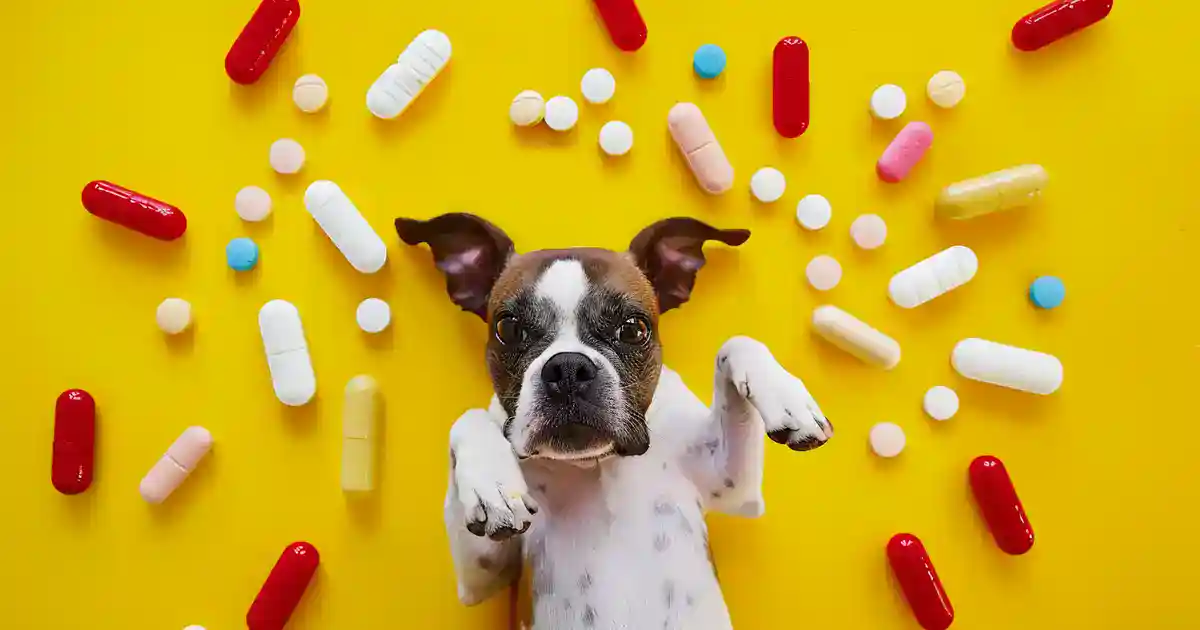
Have you ever watched your dog limping in obvious pain and desperately wondered if you could just give them some Tylenol from your medicine cabinet for quick relief?
Here’s the thing I discovered after a terrifying emergency vet visit when my neighbor accidentally gave her dog Tylenol: this common pain reliever that’s safe for humans is actually highly toxic to dogs and can cause life-threatening organ damage even in small doses—and what shocked me most was learning that many well-meaning pet parents make this potentially fatal mistake every single day. When I first learned about acetaminophen toxicity in dogs, I immediately went through my entire house removing all human medications from anywhere my dog could potentially access them, realizing how close I’d come to making the same dangerous error. Now, after understanding why Tylenol is so dangerous for dogs and learning the safe, veterinarian-approved alternatives that actually work, friends constantly ask me what they can give their dogs for pain and how to recognize poisoning symptoms. Trust me, if you’re worried about your dog’s pain management or concerned you might have already given Tylenol, this comprehensive guide will show you exactly what to do and provide the life-saving information every pet parent absolutely needs to know.
Here’s the Thing About Tylenol and Dogs
The critical truth behind this issue lies in understanding that dogs lack a crucial liver enzyme (glucuronyl transferase) that humans use to safely metabolize acetaminophen (Tylenol’s active ingredient). Without this enzyme, even small amounts of acetaminophen build up to toxic levels in a dog’s system, causing severe liver damage, destroying red blood cells, and potentially leading to death within hours or days. This metabolic difference creates a dangerous situation: what’s safe medicine for humans becomes deadly poison for dogs. It’s honestly more serious than I ever expected before understanding the biochemical incompatibility.
What makes this work (in terms of understanding, not safety—Tylenol never works safely in dogs) is recognizing that acetaminophen toxicity is dose-dependent but the toxic threshold for dogs is extremely low. According to research on acetaminophen toxicity in animals, dogs can experience serious toxicity at doses as low as 75mg per kilogram of body weight, with lethal doses starting around 150mg/kg—meaning just one regular-strength Tylenol (325mg) could seriously harm a 10-pound dog. The approach requires absolute avoidance—never giving Tylenol under any circumstances, securing all human medications, and always consulting veterinarians before administering any pain relief. I never knew medication safety could be this critical once I learned that well-intentioned pain relief attempts send thousands of dogs to emergency veterinary hospitals annually.
What You Need to Know – Let’s Break It Down
Understanding why Tylenol is toxic to dogs is absolutely crucial, and here’s what changed my perspective: dogs metabolize drugs differently than humans. The missing liver enzyme means acetaminophen converts to toxic metabolites that damage liver cells and destroy red blood cells through oxidative damage. Don’t skip learning this biochemistry—it explains why even “small” doses prove dangerous.
Toxic dose ranges took me forever to grasp, but they’re the foundation of understanding urgency. Doses as low as 75-100mg/kg can cause toxicity symptoms. Doses of 150-200mg/kg are often fatal without immediate treatment (I made the conceptual mistake early on of thinking “just a little bit” would be safe). To put this in perspective: a single 325mg regular-strength Tylenol tablet could be toxic to a dog weighing under 15 pounds. A 500mg extra-strength tablet poses serious risk to dogs under 25 pounds. Yes, the margin of safety is this narrow, and here’s why—dogs simply cannot process this medication safely at any dose.
Poisoning symptoms matter more than most pet parents realize. I always emphasize learning these warning signs because everyone needs to recognize an emergency. Initial symptoms (within 4-12 hours) include vomiting, drooling, loss of appetite, lethargy, and abdominal pain. Progressive symptoms (12-24 hours) include dark brown or chocolate-colored gums (methemoglobinemia), difficulty breathing, rapid breathing, weakness, and confusion. Late-stage symptoms (24-72 hours) include jaundice (yellow gums/eyes indicating liver failure), swelling of face/limbs, and collapse.
The immediate action requirements (game-changer, seriously) include calling your veterinarian or pet poison control IMMEDIATELY if exposure occurs, never inducing vomiting without veterinary guidance, transporting to emergency vet within minutes to hours, and bringing the medication bottle to show exact formulation and dose. From experience, every minute counts with acetaminophen poisoning—delayed treatment dramatically reduces survival chances.
If you’re just starting out with understanding medication safety and toxic substance risks for pets, check out my complete guide to household toxins and pet safety for foundational knowledge that applies to protecting your dog from various dangerous substances commonly found in homes.
The Science and Psychology Behind Why This Is Dangerous
Research from veterinary toxicologists demonstrates that acetaminophen toxicity occurs through two primary mechanisms: direct liver cell damage (hepatotoxicity) from toxic metabolites, and red blood cell damage causing methemoglobinemia (blood can’t carry oxygen effectively). Studies published in veterinary emergency medicine journals show that without the glucuronyl transferase enzyme, dogs accumulate the toxic metabolite N-acetyl-p-benzoquinone imine (NAPQI) which binds to liver proteins causing cellular death.
What makes this different from a scientific perspective is understanding that cats are even more sensitive than dogs (lacking additional protective enzymes), but dogs still face severe risk at surprisingly low doses compared to human therapeutic ranges. Traditional assumptions that “a little bit won’t hurt” or “small dogs need smaller doses” fatally misunderstand that there is no safe dose—dogs fundamentally cannot metabolize this drug safely.
The psychological aspect matters too—many pet parents experience overwhelming guilt after accidental poisoning, sometimes delaying veterinary care due to shame or fear of judgment. I’ve learned through veterinary consultations that veterinarians care only about saving your dog’s life, never about assigning blame. Research on pet poisoning incidents and owner behavior indicates that immediate disclosure and rapid treatment produce dramatically better outcomes than delayed care due to embarrassment or denial, with survival rates dropping significantly for each hour of delayed treatment.
Here’s How to Actually Keep Your Dog Safe
Start by securing all medications immediately—here’s where I used to mess up by keeping human medications in easily accessible bathroom cabinets. Store all medications in high cabinets with childproof locks, never leave pills on counters or nightstands, keep purses and bags (which often contain medications) away from curious dogs, and dispose of expired medications properly rather than leaving them in trash where dogs can access them.
Now for the important part: never give human pain medication without veterinary approval. My absolute rule is calling the veterinarian first, always, before administering any medication. This approach takes just minutes but prevents potentially fatal poisoning. Common human pain relievers dangerous to dogs include acetaminophen (Tylenol), ibuprofen (Advil, Motrin), naproxen (Aleve), and aspirin (can be used but requires veterinary dosing).
Recognize pain symptoms in dogs strategically so you know when veterinary care is needed. Dogs in pain show limping or difficulty moving, reluctance to climb stairs or jump, decreased activity or playfulness, changes in appetite, whimpering or vocalizing, excessive licking of a specific area, aggression or irritability when touched, and restlessness or inability to get comfortable. Until you’ve consulted your veterinarian, never attempt self-treatment—pain always requires professional evaluation to identify underlying causes.
Learn safe, veterinarian-approved alternatives that actually work for canine pain relief. Don’t be me—I used to think there were no options if Tylenol wasn’t safe. Veterinarians can prescribe carprofen (Rimadyl), meloxicam (Metacam), firocoxib (Previcox), grapiprant (Galliprant), and other non-steroidal anti-inflammatory drugs (NSAIDs) formulated specifically for dogs. Results vary based on pain type and severity, but these medications are metabolized safely by dogs when used under veterinary supervision.
Implement emergency response protocols based on worst-case scenarios. My mentor taught me this life-saving preparation: program emergency vet numbers into your phone, know the location of your nearest 24-hour emergency clinic, keep Pet Poison Control number readily available (888-426-4435), and maintain a basic emergency fund for unexpected veterinary costs. Every household with dogs needs these preparations—emergencies happen without warning.
Monitor for accidental exposure constantly in multi-pet or child households where medications might be dropped or accessible. When you notice missing pills, pill fragments on floor, suspicious vomiting or behavioral changes, or any possibility of medication access, contact your veterinarian immediately even without confirmed ingestion. Better to call unnecessarily than delay treatment for actual poisoning.
Common Mistakes (And How They Happen)
The most dangerous failure? Assuming “natural” or “gentle” human pain relievers are safe for dogs. Don’t make this potentially fatal mistake of thinking that because Tylenol seems gentle compared to prescription painkillers, it must be safe for dogs. The opposite is true—Tylenol is more dangerous to dogs than many stronger human pain medications. I’ve learned this deadly misconception kills dogs regularly.
Giving “just a tiny piece” of a tablet thinking smaller doses are harmless nearly caused tragedy for my neighbor’s dog. Even fractions of adult tablets can poison small dogs. There is no safe amount—the therapeutic window (range between effective and toxic dose) simply doesn’t exist for acetaminophen in dogs.
Delaying veterinary care after suspected ingestion hoping the dog will “be fine” wastes critical treatment time. Acetaminophen poisoning requires aggressive early intervention—antidotes (N-acetylcysteine) work best when administered within hours of ingestion. Every hour of delay reduces survival probability.
The combination medication oversight was subtle but deadly. Many cold/flu medications contain acetaminophen combined with other ingredients. Products like Tylenol PM, Tylenol Cold & Flu, and similar combination drugs pose even greater danger because they contain multiple toxic ingredients. Always check active ingredients on any human medication before it’s anywhere near your dog.
When Things Go Wrong – Emergency Response
Confirmed or suspected Tylenol ingestion requires immediate action. Call your veterinarian or Pet Poison Control (888-426-4435) IMMEDIATELY—literally within seconds of discovering ingestion. Time is critical. That’s not an overstatement for dramatic effect—with acetaminophen poisoning, minutes truly matter for treatment success.
Transport to emergency veterinary care without delay if instructed. I’ve learned through emergency situations that preparation reduces panic. Have a carrier ready, bring someone to drive while you monitor your dog, bring the medication bottle showing exact product and amount, and stay as calm as possible to avoid increasing your dog’s stress (which worsens symptoms).
Treatment protocols veterinarians implement depend on timing and severity. If caught early (within 1-2 hours), vomiting may be induced to remove unabsorbed medication. Activated charcoal prevents further absorption. N-acetylcysteine (NAC) antidote protects liver and prevents toxic metabolite formation—most effective when given early. S-adenosylmethionine (SAMe) supports liver function. Oxygen therapy and blood transfusions treat methemoglobinemia if needed. IV fluids support kidney function and help eliminate toxins.
Monitoring and follow-up care continues for days or weeks after acute poisoning. When treatment begins (and it absolutely must begin immediately), expect hospitalization for 24-48 hours minimum, repeated blood tests monitoring liver function and red blood cell parameters, continued antidote administration for 48-72 hours, and potential long-term liver support supplements.
Prognosis depends entirely on dose and treatment timing. Dogs treated within 4-8 hours of ingestion have good survival chances with aggressive treatment. Dogs treated after 12-24 hours face much poorer prognosis with potential permanent liver damage or death. This explains why immediate action is non-negotiable—delay equals dramatically worse outcomes.
Safe Pain Relief Alternatives That Actually Work
Veterinary-prescribed NSAIDs represent the gold standard for canine pain management. Carprofen (Rimadyl) is widely prescribed for arthritis and post-surgical pain. Meloxicam (Metacam) provides long-lasting pain relief with once-daily dosing. Deracoxib (Deramaxx) and firocoxib (Previcox) offer alternatives for dogs sensitive to other NSAIDs. These medications are formulated specifically for dogs with proper safety margins.
Prescription pain medications that experienced veterinarians use for moderate to severe pain include tramadol (synthetic opioid), gabapentin (nerve pain), and amantadine (chronic pain). I’ve discovered these work beautifully for post-surgical recovery, injury rehabilitation, and chronic conditions when used under veterinary supervision.
Non-pharmaceutical pain management takes holistic care to comprehensive levels. Physical therapy and rehabilitation exercises improve mobility and reduce pain. Acupuncture provides pain relief for many dogs with chronic conditions. Laser therapy reduces inflammation and promotes healing. Weight management reduces joint stress in overweight dogs. Orthopedic beds and ramps minimize pain-triggering movements.
Supplements supporting joint health separate proactive from reactive approaches. Glucosamine and chondroitin support cartilage health. Omega-3 fatty acids reduce inflammation. Green-lipped mussel provides natural anti-inflammatory compounds. Working with your veterinarian to implement appropriate supplements produces results that prevent pain rather than just treating symptoms.
Ways to Make This Your Own
The Multi-Pet Household Version focuses on strict medication security protocols with locked cabinets for all human and pet medications, immediate cleanup of any dropped pills, separate storage for each pet’s medications labeled with pet’s name and dosing instructions, and family education ensuring everyone understands medication dangers. When I manage multiple pets’ health needs, these systems prevent cross-contamination and accidental poisonings.
The Chronic Pain Management Approach leverages comprehensive veterinary care for dogs with ongoing pain needs. This requires regular veterinary monitoring with scheduled rechecks, combining multiple modalities (medication, physical therapy, weight management, supplements), keeping detailed logs of pain levels and medication effectiveness, and maintaining open communication with your veterinarian about medication adjustments. My long-term protocol treats the whole dog rather than just addressing acute pain episodes.
The Prevention-Focused Method (perfect for proactive pet parents) emphasizes medication safety education for all household members including children, immediate veterinary consultation before administering any medication, maintaining emergency fund for unexpected veterinary costs, and annual veterinary wellness exams catching problems before they become painful. For maximum safety, I implement childproof locks, secure storage, and family education creating multiple safety layers.
The Emergency-Prepared Formula for households with senior dogs or known health issues includes pre-established relationship with emergency veterinary clinic, Pet Poison Control number programmed in all phones, basic emergency fund maintained specifically for pet emergencies, and clear action plan posted where all family members can reference it. My emergency readiness eliminates crisis-mode panic when seconds count.
Each variation works with different household dynamics and risk factors—find what fits your family structure, your dog’s health needs, and your ability to implement various safety protocols.
Why Veterinary Pain Management Works Better
Unlike dangerous human medications that dogs cannot safely metabolize, veterinary-formulated pain medications undergo extensive testing in dogs to establish safe dosing ranges, effective therapeutic levels, and appropriate monitoring protocols. Dogs receiving proper veterinary pain management experience effective relief without the toxicity risks of human medications.
The magic happens through species-specific drug formulation: veterinary NSAIDs are designed for canine liver enzyme systems, available in palatable formulations dogs actually take willingly, dosed appropriately for dog metabolism and body size, and monitored through veterinary oversight catching potential side effects early. Evidence-based veterinary medicine demonstrates that when dogs receive appropriate pain management designed for their species, they achieve better pain control with fewer adverse effects compared to attempts at using human medications.
What sets this apart from dangerous self-medication approaches is respecting that different species require different medications. Dogs aren’t small humans—their liver function, kidney function, digestive systems, and drug metabolism differ fundamentally. The framework of “always consult your veterinarian” isn’t overcautious—it’s scientifically necessary. I discovered through experience and education that this professional approach creates better outcomes because it works with canine physiology rather than dangerously assuming cross-species medication safety.
Real Stories and Critical Lessons
My neighbor’s Border Collie developed a sudden limp one evening. Well-meaning and wanting to help her dog immediately, she gave half a Tylenol tablet (about 162mg) to her 35-pound dog before calling the vet. Within six hours, the dog was vomiting repeatedly and lethargic. Emergency veterinary care including antidote administration, hospitalization, and aggressive treatment saved the dog’s life, but liver values remained elevated for weeks. What made this case instructive was learning that even with immediate veterinary intervention, liver damage can be permanent. The lesson? Never give first, call vet second—always call first.
A client at my veterinary clinic waited 18 hours after her dog ingested two extra-strength Tylenol tablets (1000mg total) before seeking care, hoping the dog would improve on its own. Despite aggressive treatment, the dog died from liver failure within 48 hours. The tragic reality was that if she’d called within the first few hours, survival probability would have been high. Her devastating experience aligns with research showing that delayed treatment dramatically reduces survival in acetaminophen poisoning cases.
Another case involved a dog who regularly received low-dose Tylenol from its owner for months for mild arthritis symptoms. The cumulative toxicity eventually caused liver failure requiring euthanasia. The owner genuinely believed small, regular doses were safe since the dog “seemed fine” for so long. Their heartbreaking story teaches us that acetaminophen toxicity can be acute (single large dose) or chronic (repeated small doses over time), and both are deadly dangerous.
These real examples teach us that there is no safe scenario for giving dogs Tylenol—emergency or routine, large dose or small, single exposure or repeated—all paths lead to potential tragedy. The only safe approach is complete avoidance.
Tools and Resources for Safety
Secure medication storage containers with combination locks or key locks provide physical barriers preventing dog access—I use these for all human medications and consider them essential safety equipment in homes with curious dogs. Locking medicine cabinets cost $30-100 depending on size and security level.
Pet Poison Control hotline (888-426-4435) provides 24/7 emergency consultation with veterinary toxicologists. Service costs approximately $75 per case but provides potentially life-saving guidance when every second counts. Program this number into your phone right now.
Medication tracking apps help manage multiple pets’ medications, set dosing reminders, and prevent double-dosing or missed doses. Apps like PetDesk or 11pets work well and cost little or nothing.
Emergency veterinary clinic contact information should be readily accessible to all household members. Post this on your refrigerator along with Pet Poison Control numbers and your regular veterinarian’s information.
Medical records in portable format allow emergency veterinarians to quickly understand your dog’s health history, current medications, and known conditions. The best resources come from authoritative veterinary toxicology databases and established protocols from board-certified veterinary toxicologists who specialize in poisoning treatment and prevention.
Questions People Always Ask Me
What should I do if I already gave my dog Tylenol?
Call your veterinarian or Pet Poison Control (888-426-4435) IMMEDIATELY—right now, not after finishing this article. Note the time of ingestion, the dose given (mg), your dog’s weight, and any symptoms observed. Transport to emergency veterinary care without delay. Early treatment with antidotes can prevent severe toxicity, but time is absolutely critical. Never wait to “see if symptoms develop”—treatment must begin before severe symptoms appear.
Is there any amount of Tylenol that’s safe for dogs?
No. There is no safe dose of acetaminophen for dogs. While cats are even more sensitive, dogs completely lack the ability to safely metabolize this drug at any dose. What seems like a “tiny amount” can cause serious toxicity in small dogs, and even larger dogs face significant risk. The only safe amount is zero.
Can I give baby or children’s Tylenol since it’s weaker?
Absolutely not! Lower concentration doesn’t make it safe—it’s still acetaminophen, which dogs cannot metabolize. Children’s liquid Tylenol is actually more dangerous in some ways because flavoring makes it palatable, so dogs may ingest larger amounts if they access the bottle. Concentration doesn’t matter—the drug itself is the problem.
What are safe over-the-counter pain options for dogs?
There are NO safe over-the-counter human pain medications you can give dogs without veterinary consultation. Not Tylenol, not ibuprofen, not aspirin, not naproxen. All require veterinary approval with specific dosing based on your individual dog. The only safe approach is calling your veterinarian who can prescribe appropriate canine-formulated pain relief.
How long after ingestion do symptoms appear?
Initial symptoms can appear within 4-12 hours of ingestion. However, severe symptoms like liver failure and methemoglobinemia often don’t appear until 24-72 hours after exposure. This delayed presentation is dangerous because many owners assume their dog is “fine” when damage is actively occurring internally. Never wait for symptoms—if exposure occurred, seek immediate veterinary care.
My dog seems fine after taking Tylenol—do I still need to go to the vet?
YES! Absolutely yes! The absence of immediate symptoms does NOT mean your dog is safe. Serious internal damage can be occurring without obvious external symptoms. Liver failure and blood cell destruction happen progressively. Dogs who “seem fine” can suddenly crash 24-48 hours post-exposure. Immediate veterinary care with antidotes prevents this progression.
What will the emergency vet do for acetaminophen poisoning?
Treatment depends on timing but typically includes inducing vomiting if recent ingestion (within 1-2 hours), administering activated charcoal to prevent absorption, giving N-acetylcysteine antidote to prevent liver damage, providing IV fluids for hydration and toxin elimination, administering SAMe for liver support, oxygen therapy if breathing is affected, and possibly blood transfusions for severe methemoglobinemia. Hospitalization typically lasts 24-72 hours with ongoing monitoring.
How expensive is treatment for Tylenol poisoning?
Emergency treatment typically costs $500-$3000+ depending on severity, location, and required interventions. Hospitalization, antidote administration, blood work, and supportive care add up quickly. However, this cost is necessary to save your dog’s life. Many clinics offer payment plans through CareCredit. The best financial strategy is prevention—never allow access to acetaminophen.
Can dogs develop a tolerance to small amounts of Tylenol over time?
No, absolutely not. Dogs never develop the enzyme needed to safely metabolize acetaminophen regardless of exposure history. Repeated small doses cause cumulative liver damage that eventually results in liver failure. Some dogs may survive initial exposures only to develop fatal toxicity from accumulated damage. There is no scenario where Tylenol becomes safe for dogs.
What pain medications CAN I safely give my dog?
Only medications specifically prescribed by your veterinarian for your individual dog. Common veterinary-approved options include carprofen (Rimadyl), meloxicam (Metacam), firocoxib (Previcox), grapiprant (Galliprant), tramadol, and gabapentin. These require veterinary examination, prescription, and monitoring. Never share medications between pets or use old prescriptions without current veterinary approval.
Is acetaminophen the same as paracetamol?
Yes, acetaminophen and paracetamol are the same drug—just different names used in different countries (acetaminophen in US, paracetamol in UK/other countries). Both are equally toxic to dogs. Check all medication labels for either name and keep all forms away from dogs.
Can the vet give my dog Tylenol safely?
No reputable veterinarian will prescribe or administer acetaminophen to dogs. While historically some veterinarians used it in very specific, carefully calculated doses, modern veterinary medicine has much safer alternatives with better safety profiles. Any veterinarian suggesting Tylenol for your dog is operating outside current standards of care.
Before You Take Action
I couldn’t resist sharing this because understanding acetaminophen toxicity literally saves dogs’ lives every single day—informed pet parents who know never to give Tylenol and who recognize poisoning symptoms prevent countless tragedies. The best medication safety journey starts with absolute clarity about this non-negotiable rule: never give your dog Tylenol under any circumstances, no matter how much pain they seem to be experiencing—instead, take the simple first step of calling your veterinarian who can prescribe safe, effective pain relief specifically formulated for dogs, protecting your beloved companion from this completely preventable yet potentially fatal poisoning. Your dog’s life depends on you knowing this critical information and acting on it without exception.




