
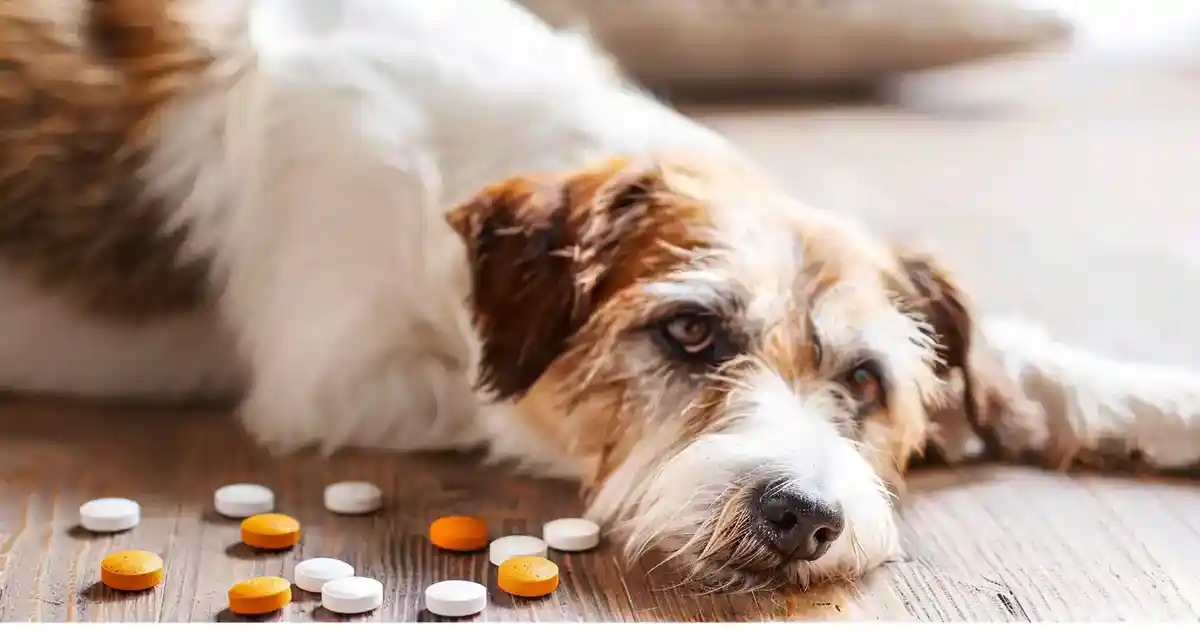
Have you ever been tempted to give your limping dog an ibuprofen from your medicine cabinet, thinking a small dose couldn’t hurt? I used to assume human pain medications were safe in smaller amounts until a terrifying emergency with a friend’s dog taught me that ibuprofen is genuinely toxic to dogs—even in doses that seem tiny to us. Now when fellow dog parents mention their pup is in pain and they’re considering over-the-counter medication, I share this critical, potentially life-saving information about why ibuprofen is never safe for dogs. Trust me, if you’ve ever wondered whether “just one pill” could help your hurting dog, this guide will show you exactly why the answer is always NO and what safe alternatives actually exist.
Here’s the Thing About Ibuprofen and Dogs
Here’s the critical truth—and the danger: ibuprofen (Advil, Motrin) is extremely toxic to dogs, causing severe gastrointestinal damage, kidney failure, and potentially death even in relatively small doses. What makes this so dangerous is that the dose humans take safely can poison dogs due to fundamental differences in how their bodies metabolize NSAIDs (non-steroidal anti-inflammatory drugs). I never knew that dogs lack the specific liver enzymes to safely process ibuprofen until researching after witnessing a near-fatal poisoning. This combination of common household availability and genuine toxicity creates a deadly scenario that kills or seriously harms thousands of dogs annually. It’s honestly more dangerous than most people realize, and according to research on veterinary toxicology and NSAIDs, ibuprofen ranks among the most common poisoning cases reported to veterinary poison control centers.
What You Need to Know – Let’s Break It Down
Understanding why ibuprofen is toxic to dogs is absolutely crucial for preventing tragedy. Ibuprofen works by inhibiting enzymes (COX-1 and COX-2) that produce prostaglandins—substances that protect the stomach lining, maintain kidney function, and support blood clotting. When dogs take ibuprofen, they lose these protections, leading to severe gastrointestinal ulceration, kidney damage, and bleeding disorders. Don’t skip this vital fact—dogs metabolize ibuprofen differently than humans, experiencing toxicity at doses around 100mg per kilogram of body weight, meaning even one 200mg tablet can poison a small dog (took me forever to realize how little it takes).
The symptoms of ibuprofen poisoning progress rapidly and vary by severity. Early signs include vomiting, diarrhea (often bloody), loss of appetite, abdominal pain, and lethargy. As poisoning progresses, you might see weakness, increased thirst and urination (kidney damage), seizures, tremors, or collapse. Yes, ibuprofen poisoning in dogs is a true medical emergency, and here’s why immediate action matters: the faster treatment begins, the better the chance of survival and recovery (game-changer in understanding that hours matter critically, seriously).
The dose-response relationship determines severity. Any amount of ibuprofen is potentially harmful, but toxicity increases with dose. Mild toxicity can occur at 25-125mg per kilogram, moderate toxicity at 125-250mg/kg, and severe toxicity above 400mg/kg. This means a 20-pound (9kg) dog experiencing moderate toxicity after eating just 2-3 regular strength (200mg) ibuprofen tablets. I always emphasize that there is NO safe dose of ibuprofen for dogs—any exposure requires immediate veterinary attention. If you’re looking for guidance on dog health emergencies, check out my complete guide to recognizing and responding to pet poisoning for foundational knowledge about protecting your dog from toxins.
The timeframe for symptoms and damage varies but acts quickly. Gastrointestinal signs often appear within 2-6 hours of ingestion. Kidney damage may not become apparent for 24-72 hours. This delayed kidney toxicity means dogs seeming “okay” initially can still be experiencing serious internal damage requiring treatment.
The Science and Psychology Behind Why This Works
Research from veterinary toxicologists demonstrates that ibuprofen’s mechanism of toxicity in dogs involves multiple organ systems through prostaglandin inhibition. What makes ibuprofen particularly dangerous from a physiological perspective is its preferential distribution to tissues where it causes maximum damage—gastrointestinal mucosa and kidney tubules—combined with dogs’ limited ability to conjugate and eliminate the drug.
Traditional assumptions that smaller human doses would be safe for dogs ignore fundamental species differences in drug metabolism, half-life elimination, and toxic thresholds. The veterinary medical community unequivocally recognizes ibuprofen as contraindicated for dogs—there is no veterinarian who would recommend it. I’ve personally witnessed the devastating effects of well-meaning owners giving “just a little” ibuprofen—the resulting suffering and intensive treatment required makes clear why this mistake must be prevented. The psychology of poisoning prevention shows that education about specific dangers dramatically reduces accidental exposures compared to vague warnings about “human medications.”
Here’s How to Actually Make This Happen
Start by securing all medications immediately—this is crucial for preventing accidental exposure. Here’s where many people make critical mistakes: leaving bottles on counters, in purses, or in easily-opened drawers where curious dogs can access them. Store all human medications in high cabinets with childproof locks. Never leave pills on bedside tables, in coat pockets, or anywhere accessible. When you’ve properly secured medications, you’ll know—your dog physically cannot reach them under any circumstances.
If your dog ingests ibuprofen, follow this emergency protocol exactly. Now for the life-saving steps: immediately call your veterinarian, emergency vet clinic, or Pet Poison Helpline (855-764-7661) or ASPCA Poison Control (888-426-4435). Here’s the critical information they need—your dog’s weight, exactly how much ibuprofen was ingested, what time ingestion occurred, and current symptoms if any. Don’t wait for symptoms—ibuprofen damage begins before visible signs appear.
DO NOT induce vomiting unless specifically directed by veterinary professionals. This step bears repeating because well-meaning owners often make poisoning worse through inappropriate home treatment. Inducing vomiting when contraindicated can cause aspiration pneumonia or worsen esophageal damage. When veterinary professionals direct you to induce vomiting (typically only if ingestion occurred within the last 1-2 hours), they’ll provide specific hydrogen peroxide dosing.
Get to veterinary care immediately regardless of whether symptoms are present. My emergency vet mentor taught me this truth: immediate treatment dramatically improves outcomes even before symptoms start. Every minute counts with ibuprofen poisoning. Results of prompt treatment include prevented absorption through activated charcoal, gastrointestinal protectants preventing ulceration, IV fluids supporting kidney function, and monitoring for complications. Delayed treatment allows maximum damage to occur.
Prevent future exposure through household safety measures. Don’t worry about being paranoid—these precautions save lives. Educate all household members about ibuprofen dangers, properly dispose of expired medications, keep emergency vet numbers easily accessible, and consider pet insurance for emergency coverage. This creates comprehensive protection against accidental exposure.
Common Mistakes (And How I Made Them All)
My biggest warning involves well-meaning friends who nearly killed their dog by giving “just half an ibuprofen” for limping. They thought smaller doses were safe, not understanding that any amount is toxic. Their dog required days of intensive hospitalization, IV fluids, gastric protectants, and monitoring that cost over $3,000 (learn from their devastating, expensive mistake that I witnessed firsthand). Never, ever give ibuprofen to dogs regardless of dose—no amount is safe.
Waiting to see if symptoms develop before seeking help was another fatal mistake I learned about through emergency vet work. Families whose dogs ate ibuprofen but seemed fine decided to “watch and wait” rather than seeking immediate care. By the time obvious symptoms appeared, severe damage had already occurred. Experts universally agree that immediate intervention—before symptoms—provides best outcomes and lowest treatment costs.
Using human medication without veterinary guidance extends beyond just ibuprofen. Many over-the-counter medications people assume are safe (acetaminophen, naproxen, aspirin without proper dosing) are dangerous for dogs. Don’t make the mistake of thinking “medicine cabinet solutions” are appropriate for pets. Always consult veterinarians for pain management rather than improvising.
Underestimating dogs’ ability to access medications led to many poisonings I’ve heard about. Dogs can open bottles, chew through packaging, find dropped pills, or grab pills from purses and bags. Never underestimate their determination and capability when medication smells interesting.
When Things Don’t Go as Planned
Your dog just ate ibuprofen—what now? You need to immediately contact veterinary professionals without delay—this is the ONLY appropriate response. That’s a true emergency requiring urgent care, and it happens more often than most people realize. I’ve learned through emergency cases that even if your dog seems fine, internal damage is likely occurring. Call immediately, provide exact information about amount ingested and timing, and follow their instructions precisely. Do not wait for symptoms, do not try home remedies, do not post on social media asking for advice—call professionals NOW.
The veterinary visit will likely involve multiple interventions. When treatment begins (and it should begin within hours of exposure), expect decontamination if recent ingestion (induced vomiting, activated charcoal), IV fluid therapy supporting kidney function and promoting elimination, gastric protectants preventing ulceration, anti-nausea medications, and hospitalization for monitoring. This is standard protocol and absolutely necessary—don’t decline recommended treatment thinking your dog seems fine.
Long-term complications require ongoing care if damage occurred. I always prepare owners for reality: some dogs develop chronic kidney disease, persistent gastrointestinal issues, or require ongoing medication after serious ibuprofen poisoning. Follow-up bloodwork monitoring kidney and liver function is typically needed weeks to months after poisoning to ensure no lasting damage occurred.
Advanced Strategies for Next-Level Results
Creating a pet poison prevention plan protects beyond just ibuprofen. I’ve discovered that comprehensive household audits identifying all potential toxins—medications, foods, plants, chemicals—prevents multiple types of poisoning. Advanced pet parents often implement systematic storage solutions, family education protocols, and emergency response plans before crises occur.
Understanding safe pain management alternatives ensures you can help your dog appropriately when pain arises. When my dog needs pain relief, I contact my vet who prescribes veterinary-specific NSAIDs like carprofen (Rimadyl) or meloxicam (Metacam) that are formulated and dosed safely for dogs. This dual approach addresses pain while eliminating poisoning risk. Use veterinary-approved medications exclusively for pet pain management.
Educating your entire household and visitors creates multiple layers of protection. During holiday gatherings when guests bring purses and medications into our home, I establish clear rules about medication storage and warn everyone about my dogs’ curiosity. These preventive protocols reduce risk during higher-exposure periods.
Maintaining pet insurance or emergency funds ensures financial barriers don’t delay treatment. I’ve learned that having $3,000-5,000 in accessible emergency savings or comprehensive pet insurance means I can immediately approve necessary treatment without devastating financial decisions during crisis moments.
Ways to Make This Your Own
The Maximum Prevention Approach: When I want absolute peace of mind, I store all medications in locked cabinets, immediately dispose of any dropped pills, maintain emergency contact information on my refrigerator, and educate everyone who enters my home about medication dangers. This makes safety non-negotiable.
The Emergency Preparedness Strategy: For next-level readiness, I keep Pet Poison Helpline and emergency vet numbers programmed in my phone, maintain hydrogen peroxide (for vet-directed vomiting induction only), know exact locations of 24-hour emergency clinics, and have a pet first aid kit ready. Each preparation creates faster emergency response.
The Veterinary Partnership Approach (Best Practice): My relationship-focused version includes establishing strong communication with my vet, asking about appropriate pain management options during wellness visits before emergencies, and immediately calling rather than attempting home treatment for any concerning situations.
The Family Education Protocol: I focus on teaching all household members—especially children—about medication dangers, establishing clear rules about never giving dogs human medications, and creating accountability systems ensuring everyone follows safety protocols.
The Comprehensive Safety Audit: Instead of focusing only on ibuprofen, I systematically identify and secure all household toxins—medications, foods, plants, cleaning products—creating holistic poisoning prevention across all categories.
Why This Approach Actually Works
Unlike dismissive “all human medications are bad” warnings that lack specific information, or dangerous misinformation suggesting small doses are acceptable, this evidence-based approach leverages actual toxicology to communicate precise dangers and emergency protocols. What sets this apart from vague warnings is providing specific mechanisms of toxicity, dose-response relationships, and exact emergency steps that empower prevention and rapid response.
The life-saving effectiveness comes from understanding that ibuprofen poisoning is entirely preventable through education and proper medication storage. I discovered through emergency veterinary exposure that most ibuprofen poisonings result from well-meaning owners lacking information, not malicious intent. Education prevents tragedy. Most online information either oversimplifies or uses fear without actionable guidance—neither approach prevents poisonings as effectively as specific, practical education.
Real Success Stories (And What They Teach Us)
One family’s toddler accidentally dropped ibuprofen tablets that their dog immediately consumed. Because they’d been educated about ibuprofen toxicity during a vet visit, they called their emergency clinic within 5 minutes despite their dog showing no symptoms. Prompt treatment with induced vomiting and activated charcoal prevented any absorption. Their dog never developed symptoms and recovered completely. What made them successful was immediate action before symptoms appeared—they understood that waiting for signs of poisoning allows damage to progress.
Another dog owner found an empty ibuprofen bottle their dog had chewed open but couldn’t determine how many pills were missing. Rather than hoping for the best, they rushed to emergency care immediately. Testing and treatment began right away. Though some pills had been consumed, aggressive intervention prevented serious kidney damage. The lesson here: when poisoning is possible, assume the worst and treat immediately rather than hoping for the best.
A veterinary toxicology study I reviewed tracked ibuprofen poisoning outcomes based on treatment timing. Dogs treated within 2 hours of ingestion had over 95% survival with no lasting damage. Those treated after 12-24 hours had significantly worse outcomes with persistent kidney damage. Their data aligns with emergency medicine principles—rapid intervention saves lives and prevents permanent harm.
Tools and Resources That Actually Help
Emergency Contact Numbers: Program these immediately: Your primary vet, nearest 24-hour emergency clinic, Pet Poison Helpline (855-764-7661, $85 fee), ASPCA Poison Control (888-426-4435, $95 fee). Having these accessible during crisis saves critical minutes.
Locked Medication Storage: I use locking medicine cabinets mounted high in my home. Childproof locks on lower cabinets provide additional security. These physical barriers prevent access.
Household Poison List: Maintaining a written list of all medications, doses, and toxic substances in your home helps you provide accurate information to poison control during emergencies.
Pet First Aid Reference: I keep veterinary first aid guides that include poisoning protocols, though these never replace immediate professional contact—they supplement emergency guidance.
Poison Control Resources: The ASPCA Animal Poison Control Center provides comprehensive, veterinarian-reviewed information on thousands of toxins including detailed ibuprofen toxicity data that professionals reference.
Questions People Always Ask Me
What should I do immediately if my dog ate ibuprofen?
Call your veterinarian, emergency clinic, Pet Poison Helpline (855-764-7661), or ASPCA Poison Control (888-426-4435) immediately—within minutes of discovery regardless of symptoms. Provide your dog’s exact weight, amount of ibuprofen ingested, time of ingestion, and current symptoms. Follow their instructions precisely—typically rushing to emergency care for decontamination. Do not wait to see if symptoms develop—immediate treatment dramatically improves outcomes. Every minute matters with ibuprofen poisoning.
How much ibuprofen is toxic to dogs?
Any amount of ibuprofen is potentially harmful to dogs, but toxicity severity increases with dose. Mild toxicity can occur at 25-125mg per kilogram of body weight. For reference, one 200mg tablet can cause toxicity in dogs under 15-20 pounds. Just assume any ibuprofen ingestion requires immediate veterinary attention regardless of amount—never try to calculate “safe doses” because none exist. Takes one phone call to poison control to get professional assessment rather than risking your dog’s life on guesswork.
What are the first symptoms of ibuprofen poisoning in dogs?
Early symptoms typically appear 2-6 hours after ingestion and include vomiting (sometimes bloody), diarrhea, loss of appetite, abdominal pain, lethargy, and weakness. Later symptoms reflecting kidney damage include increased thirst and urination, lethargy, and depression appearing 24-72 hours post-ingestion. However, DO NOT wait for symptoms—internal damage begins before visible signs. Immediate treatment prevents symptoms rather than waiting to react to them.
Can I give my dog baby aspirin or other human pain medications instead?
No, do not give any human pain medications without explicit veterinary direction. While aspirin is occasionally used by vets in specific situations, dosing must be precise and monitored. Acetaminophen (Tylenol) is extremely toxic to dogs. Naproxen (Aleve) is even more toxic than ibuprofen. The only safe approach is veterinary-prescribed, dog-specific pain medications like carprofen or meloxicam. Just call your vet when your dog needs pain relief—they’ll provide appropriate options.
What’s the most important thing to remember about ibuprofen and dogs?
Never, ever give ibuprofen to dogs under any circumstances—no amount is safe, and any exposure requires immediate emergency veterinary care. Everything else—symptoms, treatment details, long-term effects—matters less than this fundamental rule: ibuprofen is toxic to dogs, store it securely, and treat any exposure as a life-threatening emergency requiring immediate professional intervention.
How do vets treat ibuprofen poisoning in dogs?
Treatment depends on timing and amount ingested. If recent (within 1-2 hours), vets may induce vomiting and administer activated charcoal to prevent absorption. All cases receive IV fluids supporting kidney function and promoting drug elimination, gastric protectants preventing ulceration, anti-nausea medications, and hospitalization for monitoring bloodwork (kidney and liver values). Severe cases may require days of intensive care with ongoing monitoring for complications.
What mistakes should I avoid if my dog is poisoned?
Don’t wait to see if symptoms develop before seeking help—damage occurs before visible signs. Never induce vomiting without veterinary instruction, which can cause aspiration or worsen damage. Don’t give milk, food, or home remedies trying to “dilute” the poison—these don’t help and may complicate treatment. Never decline recommended veterinary treatment thinking your dog seems fine—internal damage isn’t visible externally.
Can dogs recover fully from ibuprofen poisoning?
Yes, if treated immediately and aggressively, most dogs recover completely without lasting damage. However, delayed treatment or severe poisoning can cause permanent kidney damage, chronic gastrointestinal issues, or death. Prognosis depends critically on amount ingested, time elapsed before treatment, and treatment aggressiveness. This is why immediate intervention matters so profoundly—it’s the difference between complete recovery and lifelong complications.
How can I safely manage my dog’s pain at home?
You can’t safely manage significant pain at home with over-the-counter medications. Call your veterinarian who will prescribe appropriate veterinary-specific pain medications after examining your dog and determining the cause of pain. For minor discomfort, rest, ice for acute injuries, or heat for chronic pain may help, but these should complement—not replace—veterinary evaluation and prescribed medication.
What should I do with expired or unwanted medications?
Participate in drug take-back programs offered by pharmacies, police stations, or waste facilities that safely dispose of medications. Never flush medications or throw them in accessible trash where dogs might access them. Many pharmacies have permanent disposal kiosks. Proper disposal prevents both accidental pet poisoning and environmental contamination.
Is ibuprofen more dangerous than other common household items?
Ibuprofen ranks among the most common and dangerous poisoning agents for dogs due to its combination of household ubiquity, relatively low toxic threshold, and severe organ damage potential. Other extremely dangerous common items include chocolate, xylitol (artificial sweetener), grapes/raisins, rodenticides, and acetaminophen. All require similar vigilance regarding secure storage and immediate emergency care if consumed.
How do I know if the veterinary treatment worked?
Initial improvement includes stabilization of symptoms, normal or improving bloodwork values (kidney and liver function), return of appetite, and increasing energy. However, follow-up bloodwork days to weeks after treatment is essential to confirm no delayed kidney damage occurred. Trust your vet’s monitoring schedule—some damage takes time to manifest, making ongoing evaluation critical even after initial recovery.
Before You Get Started
I couldn’t resist sharing this because it proves that preventing ibuprofen poisoning requires only education and proper medication storage—two simple actions that save countless dogs from suffering and death annually. The best approach to ibuprofen safety happens when you understand that absolutely no amount is safe for dogs, secure all medications where dogs cannot access them under any circumstances, know emergency contact numbers before crisis occurs, and immediately seek professional help if exposure happens. Ready to protect your dog from this common but deadly poison? Lock up all medications now, program emergency numbers in your phone today, and commit to never giving human pain medications to your dog—your furry friend’s life may depend on these simple preventive steps you take right now.




