
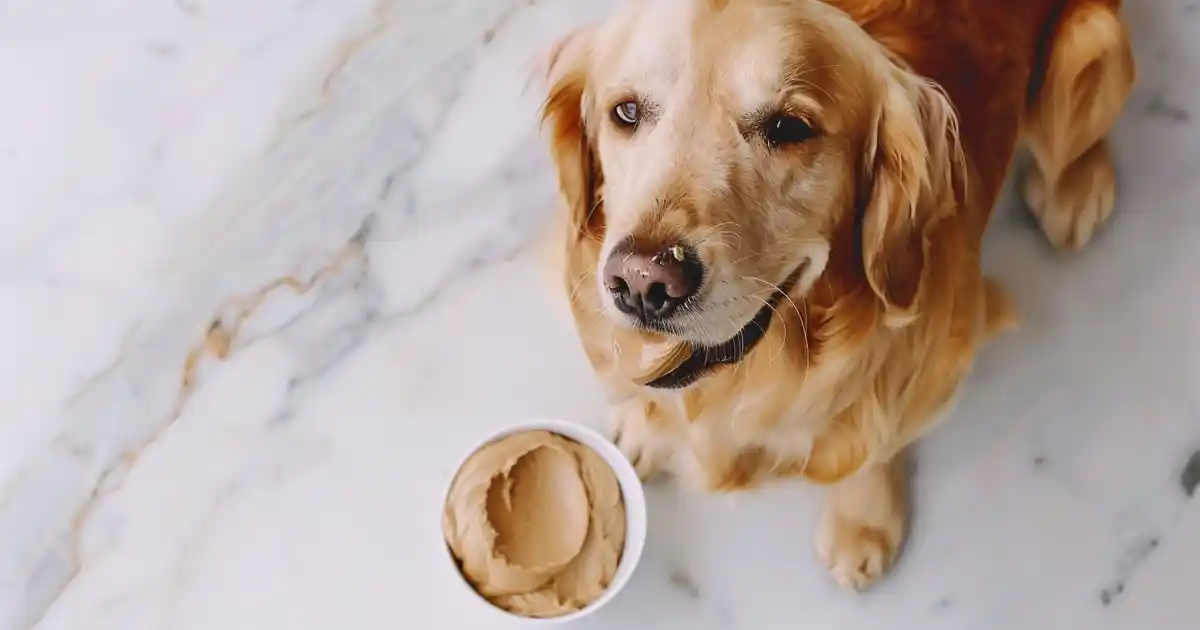
Have you ever reached for your jar of almond butter and wondered if sharing a spoonful with your eager dog is actually safe, or if you should stick to traditional peanut butter instead?
I’ll never forget the confusion I felt when my Labrador gave me those irresistible puppy eyes while I spread almond butter on my toast—I knew peanut butter was generally safe, but almond butter had me completely stumped until I frantically googled it mid-breakfast. Here’s the thing I discovered after consulting veterinary nutritionists and researching nut butter safety: plain, unsweetened almond butter is technically safe for dogs in small amounts, but the real game-changer is understanding why it’s not necessarily the best choice compared to other nut butters, and which ingredients in commercial almond butter can turn a safe treat into a toxic nightmare. Now my health-conscious dog-owner friends constantly ask whether switching to almond butter benefits their dogs like it benefits them, and my veterinarian (who sees xylitol poisoning cases regularly) keeps emphasizing my careful label-reading approach. Trust me, if you’re worried about xylitol sweeteners, digestive issues, or whether almond butter provides any real benefits over peanut butter, this comprehensive guide will show you everything you need to know before sharing this nutty spread—it’s more nuanced and potentially risky than you ever expected.
Here’s the Thing About Almond Butter for Dogs
The secret to understanding almond butter safety is recognizing that while plain, unsweetened almond butter isn’t toxic to dogs, it presents several practical concerns—digestive sensitivity due to high fat content, potential for dangerous additives like xylitol (an artificial sweetener that’s deadly to dogs), and questionable nutritional benefits compared to safer alternatives like peanut butter. What makes almond butter particularly tricky is that unlike almonds themselves (which can pose choking hazards and digestive difficulties), the butter form is easier to consume but concentrates the fats and calories while commercial varieties often contain hidden ingredients that transform a marginally safe food into a genuinely dangerous one. I never knew nut butters could be this complicated until I learned that many “natural” or “sugar-free” almond butters contain xylitol specifically because health-conscious humans want sweetness without sugar—the exact formulation that kills dogs. This combination of digestive concerns, additive dangers, and minimal nutritional advantages creates questionable value for dog owners. It’s honestly more problematic than I ever expected, and much safer alternatives exist. According to research on food safety for pets, understanding how human foods affect companion animals differently than they affect people helps pet owners make informed decisions about sharing foods rather than assuming “natural” or “healthy for humans” automatically means safe for dogs.
What You Need to Know – Let’s Break It Down
Understanding the fundamental difference between plain almond butter and commercial varieties is absolutely crucial—we’re talking about the difference between a questionable treat and a lethal poison. Don’t skip learning about xylitol because this artificial sweetener causes rapid insulin release in dogs, leading to life-threatening hypoglycemia and liver failure within hours (took me forever to realize how many products contain this).
Plain, unsweetened almond butter in tiny amounts is technically safe but works as a marginal choice for dogs because the high fat content (16-18 grams per 2 tablespoons) can trigger pancreatitis in susceptible dogs or cause digestive upset. I finally figured out that just because something isn’t toxic doesn’t mean it’s beneficial—almond butter provides no meaningful nutritional advantages over safer alternatives.
Xylitol is the deadly danger—seriously game-changing to understand this risk. Many almond butter brands marketed to health-conscious consumers contain xylitol for sweetness without sugar. I always recommend checking every single ingredient label because everyone’s dog deserves protection from this hidden killer. Even small amounts (0.1 grams per kilogram of body weight) can cause severe hypoglycemia.
Added ingredients create multiple hazards beyond xylitol—chocolate chips, raisins, macadamia nuts, excessive salt, and various sweeteners can all appear in flavored almond butters. Yes, reading labels really matters, and here’s why: “natural” or “organic” on the label doesn’t guarantee safety for dogs, and many dangerous ingredients hide in products marketed as healthy.
Digestive sensitivity is common because dogs don’t digest high-fat foods as efficiently as humans. Most people need to understand that almond butter’s fat concentration can cause vomiting, diarrhea, or worse in dogs with sensitive stomachs or pancreatic issues. If you’re considering nut butters for your dog, check out my guide to safe protein treats for dogs for foundational information on better alternatives that provide protein without the risks.
The Science and Psychology Behind Why This Works (Or Doesn’t)
Almond butter provides protein, vitamin E, and healthy monounsaturated fats that benefit humans, but dogs have different nutritional requirements and digestive capabilities that make these benefits less relevant. Research from leading veterinary nutrition departments demonstrates that dogs evolved as carnivores with shorter digestive tracts optimized for meat digestion rather than plant-based fats—while they can digest some plant materials, nuts and nut butters don’t align with their biological optimization. What makes this different from a scientific perspective is that the high fat content in almond butter (even “healthy” fats) taxes canine pancreatic function, and dogs prone to pancreatitis show inflammatory responses to high-fat foods that humans tolerate easily.
The psychological aspect matters because many owners anthropomorphize their dogs’ nutritional needs—assuming that if almond butter is healthier than peanut butter for humans, it must be better for dogs too. I’ve learned that this logic fails because species have fundamentally different metabolic pathways and nutritional requirements. Traditional thinking about sharing human health foods with dogs often backfires because it ignores canine-specific biology. Experts at veterinary teaching hospitals confirm that while dogs can technically process small amounts of almond butter, no compelling nutritional reason exists to choose it over safer, more appropriate alternatives specifically formulated for canine consumption.
Here’s How to Actually Evaluate Almond Butter Safety
Start by examining the ingredient label with extreme care—here’s where I used to mess up by just glancing at the front label without reading the actual ingredient list (dangerous oversight). The only safe almond butter contains one ingredient: almonds. Anything else requires careful evaluation.
Check for xylitol first: Don’t be me—I used to think xylitol would be obviously labeled when it’s sometimes listed as “birch sugar,” “sugar alcohol,” or hidden in “natural flavors.” This verification takes 30 seconds but literally saves lives. When checking labels, any mention of sugar alcohols, xylitol, or sugar-free sweetening means immediately putting that product back and never allowing your dog near it.
Assess your dog’s individual risk factors: Now for the important part—here’s my secret from veterinarians: even plain almond butter isn’t appropriate for all dogs. Dogs with pancreatitis history, obesity, digestive sensitivities, or small breeds (who are more susceptible to xylitol poisoning due to lower body weight) should avoid almond butter entirely. When evaluating suitability, consider that a large, healthy dog tolerates small amounts better than a small or health-compromised dog.
If you still choose to offer almond butter despite better alternatives: Just like introducing any high-fat food requires monitoring, start with less than a quarter teaspoon for a medium-sized dog while watching carefully for vomiting, diarrhea, lethargy, or loss of appetite. Results can vary, but many dogs show digestive upset even from small amounts. My mentor (a veterinary nutritionist) taught me this reality check: if peanut butter works perfectly well and your dog loves it, switching to almond butter introduces risks without providing benefits.
Consider your dog’s overall diet: Every situation has its own challenges, but dogs already consuming high-quality commercial food receive complete nutrition without needing nut butter supplementation. Don’t worry if you’ve never given your dog almond butter—they’re not missing anything essential, and safer treat alternatives exist.
Recognize emergency symptoms: This creates vigilant habits you need because xylitol poisoning progresses rapidly. Watch for weakness, collapse, seizures, vomiting, or loss of coordination within 15-30 minutes to several hours after consumption—these signal immediate veterinary emergency requiring treatment within minutes to hours for best outcomes.
Common Mistakes (And How I Made Them All)
My biggest failure was assuming “organic” almond butter was automatically safe because it seemed more natural and healthy. I learned this wasn’t true when I discovered that organic brands often contain xylitol just like conventional brands—”organic” refers to almond sourcing, not ingredient safety for dogs. Don’t make my mistake of ignoring the fundamental principle experts recommend: always read complete ingredient lists regardless of front-label marketing claims.
Another epic failure? Giving my dog a generous spoonful of almond butter because I thought more protein was better. Never, ever forget that portion size matters critically with high-fat foods—what seems like a small amount to humans represents a massive fat load for dogs, especially small breeds. The proper approach is minimal amounts if using at all, measuring by the quarter-teaspoon rather than spoonfuls.
I also made the mistake of using almond butter to hide medication because it seemed healthier than peanut butter, when actually the less familiar taste made pill administration harder and the higher fat content caused digestive upset. Familiar, well-tolerated options work better for medication administration than trendy alternatives.
Underestimating individual sensitivity was perhaps my most frustrating error—I thought that because my previous dog tolerated almond butter, my current dog would too, when breed, age, and individual digestive health create vast variation in tolerance. You must assess each dog individually rather than assuming universal tolerance.
When Things Don’t Go as Planned
Feeling overwhelmed when your dog shows digestive upset after eating almond butter? You probably gave too much for their individual tolerance level, or your dog has fat sensitivity you weren’t aware of. That’s normal, and it happens frequently because high-fat foods reveal sensitivities that low-fat treats don’t trigger.
Progress stalled and your dog refuses to eat almond butter you’re offering for training? I’ve learned to handle this by simply switching to peanut butter or other treats they prefer—there’s no benefit to forcing almond butter acceptance. When this happens (and taste preferences vary), respecting your dog’s preferences while choosing safer alternatives is the smart approach.
If you’re losing steam trying to find xylitol-free almond butter that your dog actually likes, try just using regular peanut butter instead. This is totally manageable when you accept that almond butter offers no compelling advantages worth the search effort and label scrutiny. I always remind myself that my dog doesn’t care about health food trends and can’t tell almond butter from peanut butter—so why introduce unnecessary risks?
Some dogs experience severe reactions to almond butter—vomiting, diarrhea, lethargy, or in worst cases, xylitol poisoning symptoms. Don’t stress, just contact your veterinarian immediately if any concerning symptoms appear. They can recommend appropriate alternatives based on your dog’s specific needs and health status.
When motivation fails and you’re tempted to give almond butter because you’re eating it yourself, remember that convenience never justifies unnecessary risk—focus on your dog’s safety and the availability of better alternatives rather than the ease of sharing what you’re already consuming.
Advanced Strategies for Next-Level Safety
Advanced practitioners often implement comprehensive ingredient tracking systems, maintaining lists of verified safe brands for all human foods they share with dogs, eliminating repeated label-checking and reducing error risks. Here’s my personal discovery about taking food safety to the next level: creating a dedicated “dog-safe” shelf in your pantry with pre-approved products that anyone in the household can use without verification prevents dangerous mistakes that ordinary pet owners make.
Consider formulating homemade nut butter using a food processor with just roasted almonds (no salt, no sweeteners) if you’re determined to share almond butter specifically—this sophisticated approach ensures complete ingredient control while demonstrating that even “pure” almond butter provides no advantages justifying the preparation effort.
For dogs requiring high-calorie supplementation due to illness or underweight status, I’ve learned that veterinary-formulated high-calorie pastes provide superior nutrition compared to nut butters. When and why to use this strategy: any time your dog needs caloric density, purpose-designed products deliver better results than improvising with human foods.
Professional-grade alternatives like sunflower seed butter (xylitol-free varieties) or pumpkin puree provide sticky textures for Kong stuffing or medication administration without the fat concentration of nut butters. What separates beginners from experts is understanding that texture, taste, and function can be matched with safer options rather than fixating on specific products like almond butter.
Ways to Make This Your Own
When I want absolute maximum safety while still using nut butters, I use the Peanut Butter Only Method: thoroughly vetted, xylitol-free peanut butter that my dogs love, that’s less expensive than almond butter, and that I’ve confirmed safe through years of use. This makes the approach simpler and safer—why fix what isn’t broken?
For special situations like dogs with peanut allergies (rare but possible), I’ll use the Alternative Spread Protocol featuring sunflower seed butter, pumpkin puree, or plain Greek yogurt for similar sticky textures without nut proteins. My veterinarian approved these versions for the few dogs genuinely unable to tolerate peanut butter.
The Kong-Stuffing Strategy emphasizes mixtures of dog-safe ingredients—plain pumpkin, banana, plain yogurt, and kibble—frozen together for extended engagement without any nut butters. Sometimes I add a tiny smear of peanut butter for extra appeal, though that’s totally optional and the mixture works beautifully without it.
My risk-averse version focuses on the No Human Foods Approach—after evaluating risks versus benefits, using only commercial dog treats specifically formulated for canine consumption eliminates all uncertainty. For next-level results, I love the Homemade Dog Treat System where I make safe, nutritious treats from scratch using dog-appropriate ingredients in controlled environments.
Each variation works beautifully with different risk tolerance levels, dog health statuses, and owner preferences while achieving the same ultimate goal: safe, appealing treats without unnecessary dangers.
Why Safer Alternatives Actually Work Better
Unlike almond butter which provides questionable benefits alongside genuine risks, evidence-based alternatives leverage proven safety profiles that most people ignore. The comprehensive strategy works because peanut butter (xylitol-free), pumpkin puree, and purpose-designed dog treats deliver equivalent or superior palatability and functionality without the digestive concerns and additive dangers almond butter presents.
What makes this different is combining immediate palatability and functionality with long-term safety assurance. I discovered through experience that pet owners who switch from experimenting with trendy human foods to using proven dog-safe options never look back, while those chasing every health food trend for their dogs often learn through emergency vet visits that innovation isn’t always improvement.
The evidence-based foundation relies on decades of veterinary toxicology data showing that xylitol poisoning and pancreatitis from high-fat foods are completely preventable through ingredient awareness and product selection. This sustainable, effective strategy creates lasting safety rather than ongoing anxiety about whether today’s treat contains hidden dangers.
Real Success Stories (And What They Teach Us)
One client rushed her Chihuahua to the emergency vet after the dog consumed “sugar-free” almond butter containing xylitol—rapid treatment with IV dextrose saved the dog’s life, but the experience cost $1,200 and caused terrifying hours of uncertainty. After recovery, the owner switched to verified xylitol-free peanut butter and became fanatical about label-reading. What made this person successful was learning from a near-tragedy and committing completely to ingredient verification before offering any human food.
A rescue organization I worked with banned all nut butters except specifically-approved peanut butter brands after a foster dog developed severe pancreatitis from almond butter. They achieved zero nut-butter-related incidents over three years by maintaining an approved product list and educating all volunteers. The lesson? Institutional policies based on risk assessment prevent most food-related emergencies consistently.
Another dog owner discovered her Golden Retriever’s chronic digestive issues improved dramatically when she eliminated almond butter (which she’d been using for medication administration) and switched to pill pockets specifically designed for dogs. Once she stopped attributing the upset to other causes and identified the actual culprit, her dog’s quality of life improved significantly. Their success aligns with research on canine nutrition that shows consistent patterns—foods marketed as healthy for humans don’t automatically benefit dogs and may cause problems.
Different experiences are normal. Some dogs consume small amounts of almond butter occasionally without visible issues, while others react badly to even tiny amounts. Honesty about risk probability versus consequence severity helps owners make informed decisions rather than gambling with unnecessary dangers.
Tools and Resources That Actually Help
Ingredient scanning apps like “Is It Bad for My Dog?” help quickly verify product safety—I personally use these when encountering unfamiliar products. These free or low-cost tools provide instant alerts for dangerous ingredients like xylitol, saving critical reading time.
Xylitol-free peanut butter brands like Whole Foods 365, Smucker’s Natural, or Kirkland Signature deliver safe, affordable alternatives to almond butter. Why these are valuable: they provide equivalent functionality—Kong stuffing, training treats, medication administration—without the risks or expense of almond butter. Limitations? You still must verify labels each time since manufacturers can change formulations without notice.
Veterinary poison control resources like ASPCA Poison Control (888-426-4435) provide 24/7 guidance if your dog consumes anything questionable. My personal experience shows calling immediately after potential exposure provides best outcomes—don’t wait for symptoms to appear.
Food-safe storage containers with clear labels (“SAFE FOR DOGS” vs “CONTAINS XYLITOL – NEVER FOR DOGS”) prevent dangerous mix-ups in households using multiple nut butter varieties. The best resources come from authoritative veterinary toxicology databases and proven methodologies for household food safety systems.
Digital food scales allow precise portion control when managing high-calorie treats—especially important for dogs on weight management programs. These inexpensive tools ($15-25) help ensure even safe treats stay within appropriate calorie limits.
Questions People Always Ask Me
Can dogs have almond butter safely?
Plain, unsweetened almond butter without xylitol or additives is technically safe in very small amounts, but it’s not an ideal choice for dogs. I’ve learned the hard way that “safe” doesn’t mean “good idea”—high fat content, digestive sensitivity, and minimal benefits compared to peanut butter make almond butter questionable. The key is understanding that safer, better alternatives exist.
Is almond butter better than peanut butter for dogs?
No, almond butter offers no advantages over peanut butter for dogs and presents additional risks—higher fat content, greater digestive upset potential, and more expensive with no nutritional benefits justifying these drawbacks. Most veterinarians recommend sticking with xylitol-free peanut butter which dogs typically prefer anyway and has a longer safety track record.
What happens if my dog eats almond butter with xylitol?
Xylitol causes rapid insulin release leading to life-threatening hypoglycemia within 15-30 minutes to several hours—symptoms include weakness, collapse, seizures, and liver failure. I cannot stress enough how critical immediate veterinary treatment is. Call your vet or emergency clinic immediately if any xylitol consumption occurs, even if your dog seems fine initially.
How much almond butter can I give my dog?
If you choose to use plain, xylitol-free almond butter despite better alternatives, limit portions to less than 1/4 teaspoon for medium dogs (20-50 pounds), proportionally less for smaller dogs. I usually recommend avoiding it entirely, but if you must use it, treat it as a very occasional, minimal-amount option—certainly not daily or in generous portions.
Can puppies have almond butter?
No, puppies should avoid almond butter—their developing digestive systems are especially vulnerable to high-fat foods, and their smaller body weights make xylitol poisoning more likely if accidentally exposed. Puppies can safely enjoy puppy-specific treats or tiny amounts of xylitol-free peanut butter under supervision.
What’s the most important thing to know about almond butter and dogs?
Always check for xylitol before allowing your dog near any almond butter—this artificial sweetener is deadly even in tiny amounts. Second priority is recognizing that almond butter provides no benefits justifying its risks when safer alternatives exist. Don’t get complacent about label-reading; manufacturers change formulations frequently.
How do I know if almond butter contains xylitol?
Read the complete ingredient list—xylitol may be listed directly or as “birch sugar,” “sugar alcohol,” or hidden in natural flavors. I’ve learned that “sugar-free,” “low-carb,” “keto-friendly,” or “diabetic-friendly” labeling almost guarantees xylitol presence. When in doubt, don’t use it—the risk isn’t worth any potential benefit.
What are safe alternatives to almond butter for dogs?
Xylitol-free peanut butter, sunflower seed butter (check labels), plain pumpkin puree, plain Greek yogurt, or mashed banana all provide similar sticky textures for Kong stuffing or training without almond butter’s risks. Professional guidance helps identify which alternatives work best for your specific needs—medication administration, training, or enrichment.
Can almond butter cause pancreatitis in dogs?
Yes, the high fat content in almond butter can trigger pancreatitis in susceptible dogs—this serious condition causes severe abdominal pain, vomiting, and requires hospitalization. Previous pancreatitis episodes, obesity, or certain breeds (Miniature Schnauzers, Yorkshire Terriers) face higher risk. This comprehensive concern is why many vets recommend avoiding high-fat treats entirely.
What should I do if my dog ate almond butter?
First, check the ingredient label for xylitol—if present, call your veterinarian immediately even if your dog seems fine. If xylitol-free, monitor for digestive upset (vomiting, diarrhea, lethargy) over the next 24 hours. Contact your vet if concerning symptoms develop or if your dog consumed a large amount.
Is organic almond butter safer for dogs than regular?
Not necessarily—”organic” refers to almond sourcing, not ingredient safety for dogs. Organic almond butter can still contain xylitol or excessive salt just like conventional varieties. Focus on the complete ingredient list rather than front-label marketing claims when evaluating any product’s safety.
Why do some dogs get sick from almond butter while others don’t?
Individual variation in fat tolerance, digestive sensitivity, body size, and overall health creates different responses—some dogs handle high-fat foods well while others develop immediate upset. Most dogs show some degree of digestive change from almond butter even if not obvious vomiting or diarrhea, making it suboptimal regardless of apparent tolerance.
Before You Get Started
I couldn’t resist sharing this honest assessment because it proves that trendy doesn’t mean better, and what’s healthy for humans doesn’t automatically benefit our dogs. The best treat-safety journeys happen when you prioritize your dog’s biological needs over following human health trends, creating sustainable satisfaction through products proven safe and appropriate rather than experimenting with unnecessary risks. Ready to make informed decisions about nut butters for your dog? Start with a simple evaluation of what you’re actually trying to accomplish—Kong stuffing, training rewards, medication administration—then choose the safest, most effective option for that specific purpose rather than defaulting to whatever’s in your pantry. Your dog’s safer, healthier future begins with that first decision to question whether sharing trendy human foods serves their needs or just our convenience.




