
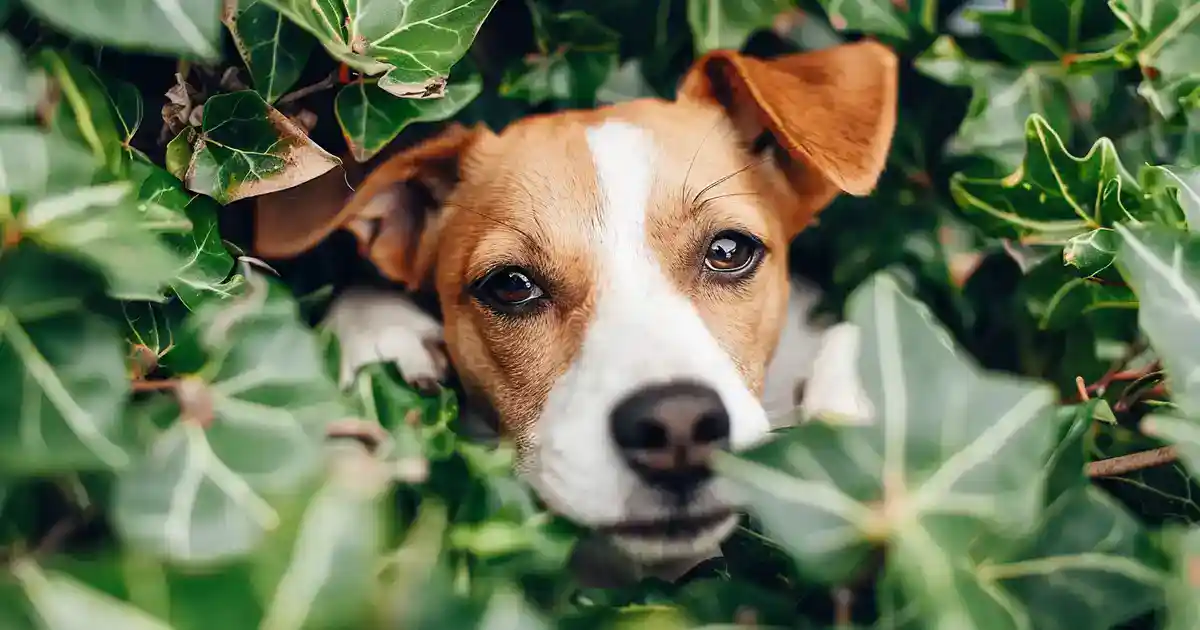
Have you ever watched your dog romping through the woods and suddenly panicked when you spotted poison ivy everywhere, wondering if your furry friend is about to break out in an itchy, blistering rash?
Here’s the thing I discovered after years of hiking with my dogs and consulting with veterinary dermatologists: dogs rarely get poison ivy rashes themselves because their thick fur coats protect their skin from the plant’s oils—but here’s the catch that shocked me—your dog can absolutely transfer those toxic oils to YOU, causing severe reactions when you pet them, and this indirect exposure is actually more dangerous than most pet parents realize. When I first learned my terrible rash came from petting my dog after our woodland hike rather than from direct plant contact, I felt both relieved (my dog was fine) and horrified (I’d been unknowingly exposing my entire family). Now, after understanding how urushiol oil works and implementing proper prevention strategies, friends constantly ask how I confidently hike with my dogs through poison ivy-heavy areas without anyone getting sick. Trust me, if you’re worried about whether poison ivy threatens your dog or how to prevent the oils from wreaking havoc on your household, this comprehensive guide will show you it’s more manageable than you ever expected.
Here’s the Thing About Dogs and Poison Ivy
The magic behind understanding this relationship lies in recognizing that dogs have natural protection humans lack: their fur creates a barrier preventing the plant’s oil (urushiol) from contacting their skin. Most dogs don’t develop allergic reactions even when urushiol reaches their skin because they’re simply not sensitive to this allergen the way 85% of humans are. This biological difference creates an interesting dynamic: your dog acts as an unwitting carrier, collecting toxic oils on their fur and transferring them to everything they touch. It’s honestly more complex than I ever expected once you understand that the real danger isn’t to your dog—it’s to you and your family.
What makes this work is respecting that urushiol is incredibly potent and persistent—it remains active on surfaces for months or even years if not properly cleaned. According to research on toxicodendron (poison ivy) allergic reactions and urushiol, this plant oil causes more allergic contact dermatitis cases than all other allergens combined, and indirect exposure through pets, clothing, and tools accounts for many severe reactions. The approach requires vigilance—identifying poisonous plants, preventing exposure, proper decontamination protocols—but no complicated systems needed. I never knew managing poison ivy risk could be this straightforward once I learned the basic identification and cleaning principles that experienced outdoors enthusiasts and veterinarians recommend.
What You Need to Know – Let’s Break It Down
Understanding what urushiol actually is is absolutely crucial, and here’s what changed my perspective: urushiol is an oily resin found in poison ivy, poison oak, and poison sumac that causes allergic contact dermatitis in sensitive individuals. It’s colorless or pale yellow, invisible on fur, and adheres strongly to anything it touches. Don’t skip learning about this compound—it’s the key to understanding why your dog becomes a toxic vehicle even without showing symptoms themselves.
Plant identification took me forever to realize, but it’s the foundation of prevention. Poison ivy grows as vines or shrubs, has three leaflets per leaf (remember “leaves of three, let it be”), changes color seasonally (green in summer, red/orange in fall), produces white berries, and grows throughout North America (I made the mistake early on of thinking it only grew in certain regions). Poison oak looks similar but has oak-shaped lobed leaves. Poison sumac has 7-13 leaflets arranged in pairs. Yes, learning identification really works, and here’s why—you can’t avoid what you can’t recognize.
How dogs get exposed matters more than most pet parents realize. I always remind people that dogs get urushiol on their fur by brushing against plants during walks or hikes, running through wooded areas with ground cover, exploring yards with invasive poison ivy growth, or rolling in areas with these plants. The oil immediately transfers to fur where it remains until removed through proper washing.
The transfer mechanisms (game-changer, seriously) include petting your dog, dogs rubbing against furniture/carpets/bedding, dogs licking themselves then licking you, handling leashes/collars/harnesses that contacted oils, and even breathing airborne particles if someone burns poison ivy plants (extremely dangerous). From experience, you can develop severe reactions without ever directly touching the plant yourself—your dog becomes the intermediary.
If you’re just starting out with understanding toxic plant hazards and outdoor safety with dogs, check out my complete guide to toxic plants and pet safety for foundational knowledge that applies to protecting both you and your pets from various poisonous plants.
The Science and Psychology Behind Why This Works
Research from dermatologists and allergists demonstrates that urushiol triggers type IV delayed hypersensitivity reactions in sensitive individuals—your immune system recognizes urushiol-modified skin proteins as foreign invaders and launches an inflammatory response causing the characteristic rash, itching, and blisters. Studies published in allergy journals show that sensitivity increases with repeated exposure, meaning you can suddenly develop reactions even if you never had problems before.
What makes this different from a scientific perspective is understanding that dogs lack this allergic sensitivity in most cases. Their immune systems don’t mount the same inflammatory response to urushiol that human immune systems do. Additionally, their fur coat prevents most oil from reaching skin where reactions occur. Traditional assumptions that if your dog is fine then there’s no danger completely miss the indirect exposure mechanism.
The psychological aspect matters too—many pet owners experience significant anxiety about outdoor activities after a severe poison ivy reaction, sometimes restricting their dog’s exercise and enrichment unnecessarily. I’ve learned through experience that understanding actual risk factors and implementing proper protocols eliminates this anxiety while maintaining safe outdoor enjoyment. Research on contact dermatitis and environmental exposure indicates that educated individuals who implement proper prevention and decontamination experience dramatically fewer reactions compared to those who remain unaware of indirect exposure routes.
Here’s How to Actually Protect Your Household
Start by learning to identify toxic plants in your area—here’s where I used to mess up by assuming I could avoid poison ivy without really knowing what it looked like. Take time to study online identification guides, walk your property identifying any toxic plants, learn seasonal appearance changes (it looks different in spring vs. fall), and regularly inspect areas where your dog exercises. Your specific local environment becomes your reference point.
Now for the important part: implementing prevention strategies. My secret is staying on maintained trails during hikes where vegetation is cleared, keeping dogs on shorter leashes in wooded areas to prevent plant exploration, teaching solid recall commands so you can redirect dogs away from suspicious plants, and regularly inspecting and removing poison ivy from your property (while wearing full protective equipment). This observation takes minutes but creates lasting safety habits.
Develop immediate decontamination protocols strategically for after potential exposure. Don’t be me—I used to let my dog into the house after woodland hikes, unknowingly contaminating everything. Now I immediately wipe down my dog’s fur with disposable wipes or wash them with dish soap (which breaks down oils) before they enter the house. Until you feel completely confident your dog wasn’t exposed, assume exposure occurred if you hiked in areas where these plants grow.
Proper dog washing techniques when exposure is confirmed or suspected. Dawn dish soap or specialized urushiol-removing pet shampoos effectively break down and remove oils. Wear waterproof gloves, wash your dog outdoors if possible to prevent household contamination, thoroughly rinse all soap residue, and immediately wash your own clothes and gloves afterward. Results vary, but acting within 2-8 hours of exposure prevents most oil transfer to humans.
Decontaminate equipment and surfaces based on exposure risk. My mentor taught me this trick: wash leashes, collars, and harnesses immediately after potential exposure hikes, wipe down car interiors where dogs sat, launder any blankets or bedding dogs contacted before washing, and clean floors/furniture where dogs rubbed. Every situation has its own contamination risks—be thorough.
Know your emergency response when you develop a reaction. When you notice the characteristic itchy rash with linear streaks or clusters of blisters, wash affected areas immediately with cool water and soap, apply calamine lotion or hydrocortisone cream for mild reactions, take oral antihistamines for itching, and contact your doctor for severe reactions affecting face/eyes/genitals or covering large body areas.
Common Mistakes (And How I Made Them All)
My biggest failure? Assuming my dog was immune and would show symptoms if exposed to poison ivy. Don’t make my mistake of ignoring the carrier mechanism that experts emphasize—dogs transfer oils without showing any reaction themselves. I learned the hard way when my entire family developed severe rashes after a weekend hike, yet our dog appeared completely normal.
Bathing with regular dog shampoo was ineffective for removing urushiol oils. Regular shampoos don’t break down the oily resin effectively. I’ve since learned that dish soap (which cuts grease) or specialized urushiol-removing products work far better for decontamination purposes.
Delaying washing after exposure allowed oils to spread throughout our house. Urushiol remains active for extended periods—waiting even a few hours to wash your dog allows contamination of furniture, bedding, carpets, and family members. Immediate action prevents household-wide exposure.
The burning poison ivy mistake was almost catastrophic. Never burn plants containing urushiol—the oils become airborne in smoke particles and can cause severe respiratory reactions, even life-threatening lung inflammation. This applies to yard waste disposal—bag and dispose of poison ivy through proper channels, never burn it.
When Things Don’t Go as Planned
Feeling overwhelmed by a severe reaction? You probably need medical evaluation for prescription treatments. That’s completely normal for significant exposure. Severe poison ivy reactions sometimes require oral corticosteroids (like prednisone) to reduce inflammation, especially when affecting large body areas, face, or genitals. Don’t stress, just seek appropriate medical care promptly.
Progress stalled with persistent or spreading rash? I’ve learned to handle this by understanding that new rash areas appearing days after initial exposure don’t indicate spreading (you can’t spread the rash by scratching)—they represent delayed reactions in areas with thinner skin or higher oil exposure. When this happens (and it can with significant exposure), the problem usually indicates you need stronger treatment than over-the-counter options. This is manageable with prescription medications.
Budget concerns making professional dog washing seem impossible? I always prepare for setbacks because emergency grooming costs add up. Learning proper home washing techniques with inexpensive dish soap and disposable gloves costs under $10 and proves just as effective as professional grooming when done correctly. If you’re financially stretched, prioritize the washing supplies—they’re essential prevention.
When anxiety about outdoor activities threatens your dog’s quality of life, remember that understanding and preparation eliminate most risks—identifying plants, choosing safer trails, implementing washing protocols, and educating yourself transforms worry into confident, informed recreation that both you and your dog deserve.
Advanced Prevention and Management Strategies
Complete property management represents comprehensive protection. Hire professionals to remove all poison ivy/oak/sumac from your property (never attempt removal yourself without full protective equipment), maintain clear boundaries between mowed areas and wild vegetation, install physical barriers (fencing) preventing dog access to wooded areas with toxic plants, and conduct annual inspections as these plants can reappear from seeds or root fragments.
Protective dog clothing that experienced hikers use involves waterproof or water-resistant dog coats for hikes through potentially contaminated areas, boots protecting paws (which can also carry oils), and immediate removal of these items before entering the house. I’ve discovered that washable, dedicated “hiking outfits” for dogs create barrier protection reducing direct fur contamination.
Strategic route selection takes outdoor recreation to safer levels. Choose maintained parks with regularly cleared trails, select open areas over densely wooded paths when possible, hike during seasons when plant identification is easier (summer when fully leafed), and research specific trails online for poison ivy prevalence reports from other hikers. Advanced outdoors enthusiasts often share detailed trail condition reports including toxic plant warnings.
Emergency washing stations separate prepared from unprepared pet parents. Keep a dedicated washing kit in your car including Dawn dish soap, waterproof gloves, disposable towels, and gallon jugs of water for immediate post-hike decontamination before driving home. Having supplies ready means you’ll actually use them rather than postponing washing until you get home, by which time contamination has already spread.
Ways to Make This Your Own
The Cautious Hiker Version focuses on extensive plant identification education, choosing exclusively maintained urban trails with minimal vegetation, keeping dogs on very short leashes with close supervision, immediately washing after every outdoor adventure regardless of suspected exposure, and maintaining multiple sets of hiking gear that can be decontaminated separately from household items.
The Rural Property Owner Approach leverages professional property management to create safe zones. This makes it more intensive initially (significant cost for professional poison ivy removal) but definitely worth it for long-term peace of mind. My maintenance protocol includes annual inspections and removal of any new growth, clearly marked boundary zones where dogs are restricted, and education for all family members and visitors about plant identification.
The Reactive Management Method (for those who’ve experienced severe reactions) starts with complete avoidance of wooded or wild areas, limiting dogs to maintained lawns and urban sidewalks, wearing gloves for all dog contact after outdoor time until washing is complete, and having prescription treatments readily available for breakthrough reactions. For maximum protection, some people schedule immediate grooming appointments after any potential exposure.
The Balanced Recreation Formula for outdoors-loving families emphasizes education over avoidance, implementing consistent washing protocols after adventures, choosing seasonal timing when identification is easiest, teaching children never to touch the dog until after washing, and maintaining perspective that proper protocols enable safe enjoyment. My approach includes regular family education sessions reviewing plant identification and proper response procedures.
Each variation works with different risk tolerance levels and lifestyles—find what fits your outdoor recreation preferences, your sensitivity level to urushiol, and your willingness to implement various prevention strategies.
Why Understanding This Relationship Actually Works
Unlike approaches that either panic and restrict all outdoor activities or completely ignore toxic plant risks, proper understanding leverages scientific knowledge about indirect exposure mechanisms to maintain safe outdoor enjoyment. Dogs living active outdoor lives inevitably encounter poison ivy in many regions—this isn’t theoretical, it’s an environmental reality requiring practical management.
The magic happens through informed prevention: recognizing that protecting yourself from urushiol doesn’t require keeping your dog locked indoors, it requires proper identification, strategic avoidance when possible, and thorough decontamination protocols when exposure occurs. Evidence-based dermatology demonstrates that when pet owners understand carrier mechanisms, implement washing protocols, and maintain vigilance, they can safely enjoy outdoor activities without frequent or severe reactions.
What sets this apart from other approaches is balancing reasonable outdoor recreation with evidence-based protection. Not every hike requires panic, but all potential exposures warrant proper decontamination. The framework provides structure for decision-making while allowing customization based on your local environment, your dog’s activity level, your personal sensitivity to urushiol, and your household’s exposure tolerance. I discovered through direct experience that this informed approach creates better outcomes because it works with botanical and immunological science rather than relying on avoidance or ignorance.
Real Success Stories (And What They Teach Us)
My neighbor’s family suffered repeated severe poison ivy reactions every summer despite avoiding obvious outdoor contact. After learning their dog was the carrier, they implemented immediate post-walk washing protocols. Reactions decreased by over 90% the following season with no lifestyle restrictions—they still hiked regularly, just added washing as part of their routine. What made them successful was identifying the actual exposure source rather than continuing ineffective avoidance strategies.
A friend who developed increasingly severe reactions (requiring multiple rounds of prednisone) finally hired professionals to completely remove poison ivy from their two-acre property. The significant upfront investment eliminated ongoing medical costs, missed work from severe reactions, and the constant anxiety about letting their dogs outside. The lesson? Sometimes aggressive environmental management proves more cost-effective than ongoing treatment of repeated reactions.
Another success story involves an avid hiker who created a dedicated “contamination zone” in their garage including all necessary washing supplies, waterproof apron and gloves, and a designated area where dogs were washed before entering the house. This systematic approach completely eliminated household contamination despite regular hiking in poison ivy-heavy areas. Their success aligns with research showing that consistent protocols prove more effective than sporadic or incomplete decontamination attempts.
These diverse examples teach us that successful poison ivy management combines education, environmental awareness, consistent protocols, and sometimes environmental modification—with solutions customized to individual circumstances and risk factors.
Tools and Resources That Actually Help
Plant identification apps like PlantSnap or PictureThis ($3-5/month) make accurate identification effortless using smartphone photos—I use these constantly during hikes and consider them essential for confident plant recognition. Some apps specifically focus on toxic plant identification for safety.
Dawn dish soap or Tecnu products specifically formulated to break down urushiol oils effectively remove contamination from skin, fur, and objects. Both cost under $10 and prove far more effective than regular soap for this purpose.
Waterproof dishwashing gloves (disposable or reusable) protect your hands during dog washing and contaminated equipment handling. Multiple pairs cost under $10 and prevent you from developing reactions while protecting your dog.
Dedicated washing station supplies including outdoor hose attachments, gallon jugs for car washing kits, disposable wipes for quick cleanups, and microfiber towels for drying create your decontamination toolkit.
Medical supplies for treating reactions including calamine lotion, hydrocortisone cream, oral antihistamines (Benadryl), and sterile gauze for weeping blisters provide immediate relief while you seek medical care for severe reactions. The best resources come from authoritative dermatology databases and poison control centers and proven protocols from board-certified dermatologists who specialize in contact dermatitis management.
Questions People Always Ask Me
How quickly do I need to wash my dog after poison ivy exposure?
Ideally within 2-8 hours of exposure for maximum effectiveness. Urushiol binds to surfaces over time, becoming harder to remove. I always tell concerned owners that washing within the first few hours prevents most oil transfer to humans. Even if significant time has passed, washing still helps remove remaining oils and prevents ongoing contamination.
Can dogs develop allergic reactions to poison ivy like humans do?
Rarely, but yes, it’s possible. Some dogs do develop skin reactions including redness, itching, hives, or rashes, but this occurs in a very small percentage compared to 85% of humans who are allergic. Most dogs show no symptoms despite significant exposure. Just focus on protecting yourself rather than expecting your dog to show warning signs.
Will regular dog shampoo remove poison ivy oils from fur?
Not effectively. Regular shampoos aren’t formulated to break down oily resins. Dawn dish soap, Tecnu, or other degreasing products work much better because they’re designed to break apart oils. After using these products, you can follow up with regular dog shampoo for conditioning if desired, but the degreasing step is essential.
Can I get poison ivy from my dog days after they were exposed?
Absolutely yes! Urushiol remains active on fur for extended periods—days or even weeks until properly washed away. This explains why people develop reactions without recent outdoor activity. Your dog acts as a long-term reservoir of the toxic oil. Immediate washing after potential exposure prevents this prolonged contamination risk.
What’s the best way to remove poison ivy from my yard safely?
Hire professional landscapers experienced with toxic plant removal. If you must do it yourself: wear full protective clothing including long sleeves, pants, gloves, and closed shoes, pull plants carefully by the roots when soil is moist, bag all plant material in heavy plastic bags, dispose of bags through proper channels (never burn!), and thoroughly wash all clothes and tools immediately after. Consider herbicide application by professionals for large infestations.
How long does urushiol remain active on objects?
Incredibly long—months or even years on dry surfaces in stable conditions. This means old gardening gloves, unwashed equipment, or even dried plants can cause reactions long after initial exposure. Any items potentially contaminated should be thoroughly washed or discarded if washing isn’t possible. Never assume old contamination is safe.
Can poison ivy spread from one person to another?
Not directly. The rash itself isn’t contagious—you can’t catch poison ivy from someone else’s blisters or rash. However, if urushiol oil remains on clothing, bedding, or objects, those items can transfer oil to other people. Once urushiol is washed away, there’s zero transmission risk. The rash spreads on an individual only because different areas react at different speeds based on exposure level and skin thickness.
What should I do if my dog ate poison ivy?
Contact your veterinarian or pet poison control immediately. While rare, ingestion can cause mouth irritation, drooling, vomiting, or digestive upset. Most dogs who ingest small amounts show minimal symptoms, but professional guidance is warranted. Keep the plant available for identification if possible. Monitor for signs of distress including excessive drooling, difficulty swallowing, vomiting, or lethargy.
Are certain dog breeds more likely to carry poison ivy oils?
Dogs with longer, thicker coats (like Golden Retrievers, Collies, German Shepherds) can collect more oil in their fur simply due to greater surface area and density. Short-coated breeds (like Beagles, Boxers, Pit Bulls) collect less but aren’t immune. Wire-haired or curly-coated breeds can trap oils in their textured fur. All dogs require washing after potential exposure regardless of coat type.
Can I use poison ivy barrier creams on my dog?
No, these products are designed for human skin and shouldn’t be applied to dogs. Dogs rarely need protection since they don’t typically develop reactions. Your prevention focus should be on washing away oils after exposure rather than trying to create barriers. If you’re concerned about your dog’s sensitive skin, discuss options with your veterinarian.
How can I tell if a rash on my dog is from poison ivy or something else?
Consult your veterinarian for accurate diagnosis. Most dog skin reactions stem from other causes like allergies, parasites, infections, or contact with other irritants. True poison ivy reactions in dogs are quite rare. Your vet can examine the rash pattern, location, and symptoms to determine the actual cause and appropriate treatment.
Should I keep my dog away from all wooded areas to prevent poison ivy exposure?
Not necessary if you implement proper protocols. Complete avoidance severely restricts your dog’s exercise and enrichment opportunities. Instead, learn plant identification, choose trails strategically, keep dogs on trails, implement post-hike washing routines, and balance outdoor enjoyment with reasonable precautions. Your dog benefits more from regular exercise with proper decontamination than from restricted activity.
Before You Get Started
I couldn’t resist sharing this because it proves that understanding the unique relationship between dogs and poison ivy transforms countless pet parents from anxiously avoiding the outdoors to confidently enjoying nature with proper protection strategies. The best outdoor recreation journeys with dogs happen when you approach toxic plant risk as a manageable challenge rather than an insurmountable barrier—start with a simple first step, whether that’s learning to identify poison ivy in your local area or purchasing Dawn dish soap for your first post-hike washing protocol, and build comprehensive protection from there. Your family’s health and your dog’s quality of life both deserve this level of informed attention and practical prevention.




