
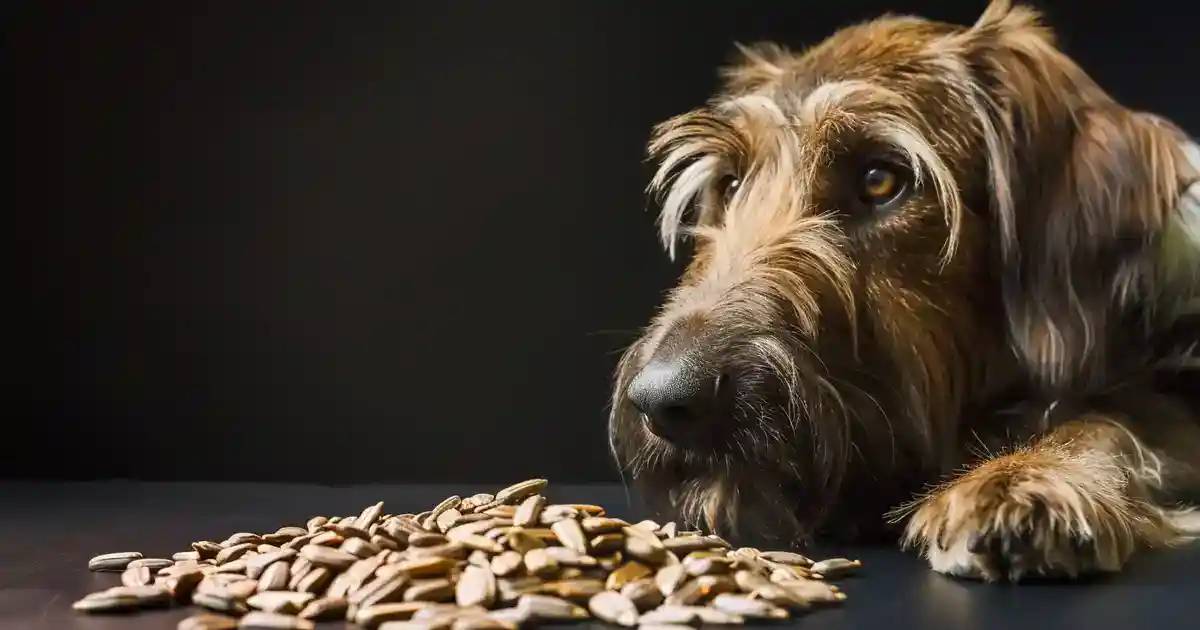
Have you ever wondered why sunflower seeds seem like such a gray area when it comes to dog treats until you discover the real facts? I used to think all seeds were either completely safe or totally forbidden for dogs, until I learned the surprising truth that completely changed how I approach snacks and trail mix around my pup. Now my fellow dog parents constantly ask whether those dropped sunflower seeds are dangerous, and my vet (who’s always reminding me about choking hazards) appreciates that I finally understand the nuances of seed safety. Trust me, if you’re worried about accidentally harming your dog with the wrong snack or wondering whether sunflower seeds could be a healthy treat, this comprehensive guide will show you exactly what you need to know about sunflower seeds and canine safety.
Here’s the Thing About Sunflower Seeds and Dogs
Here’s the magic: sunflower seeds aren’t toxic to dogs, but whether they’re safe depends entirely on preparation, portion size, and your individual dog’s needs. What makes this confusing is that plain, shelled sunflower seeds in moderation can be harmless or even beneficial, while salted, flavored, or unshelled seeds pose serious risks including choking, digestive blockages, and sodium toxicity. I never knew seed safety could be this nuanced until I learned that the shell versus kernel distinction is absolutely crucial for canine consumption. This combination creates a situation where sunflower seeds land in the “proceed with extreme caution” category rather than simple yes or no. It’s honestly more complicated than I ever expected, with multiple factors determining whether seeds are safe for your specific dog.
According to research on seed nutrition, sunflower seeds contain beneficial nutrients including vitamin E, B vitamins, healthy fats, and minerals, but their concentrated nature and potential hazards require careful consideration when sharing with pets who have different digestive systems than humans.
What You Need to Know – Let’s Break It Down
Understanding the specific risks and benefits of sunflower seeds for dogs is absolutely crucial before you decide whether to share them. Don’t skip learning about the critical distinctions—shelled versus unshelled, plain versus flavored, portion sizes, and individual risk factors—because each element determines whether seeds are relatively safe or genuinely dangerous for your pup (took me forever to realize this wasn’t just veterinary overcaution but real safety concerns).
I finally figured out that the PRIMARY danger comes from shells, which can cause choking, mouth injuries, intestinal blockages, or digestive perforations after researching multiple veterinary sources and experiencing a scare when my dog grabbed a handful of unshelled seeds. The hard, fibrous shells don’t digest and can accumulate in the digestive tract, creating serious medical emergencies (game-changer when I understood this risk, seriously).
Salt and seasonings work against your dog’s health even more than you’d think. Most commercially available sunflower seeds contain excessive sodium that can cause salt toxicity, increased thirst, dehydration, or exacerbate conditions like heart disease or kidney problems. Yes, even “lightly salted” varieties contain too much sodium for dogs, and here’s why: dogs need only about 100mg of sodium per day per 10kg of body weight, while a small handful of salted seeds might contain 150-200mg or more.
The kernels themselves (the inner seed without shell) contain nutrients like vitamin E, selenium, healthy fats, and protein, but they’re extremely calorie-dense. A tablespoon of shelled sunflower kernels contains about 50-60 calories—significant for small dogs whose entire daily caloric needs might be only 200-400 calories. If you’re new to understanding which human foods are appropriate for canine consumption, check out my comprehensive guide to safe snack alternatives for dogs for foundational knowledge that’ll make navigating these decisions much easier.
The Science and Psychology Behind Why This Works
Research from veterinary nutritionists demonstrates that while sunflower seeds contain beneficial nutrients, dogs don’t require these seeds for nutritional completeness and the risks often outweigh potential benefits. What makes this different from a scientific perspective is understanding that “contains good nutrients” doesn’t automatically equal “safe or necessary for dogs.”
Studies confirm that dogs’ digestive systems aren’t designed to efficiently process seed hulls or handle concentrated sources of fat and fiber that seeds provide. The indigestible shells can cause mechanical obstruction, while the high fat content can trigger pancreatitis in susceptible dogs—a serious, potentially life-threatening condition where the pancreas becomes inflamed.
Here’s what I discovered about the practical and behavioral aspects: many dogs will enthusiastically eat anything that falls on the floor or smells appealing, regardless of whether it’s good for them. Traditional approaches to treats often fail because well-meaning pet parents assume “natural” and “nutritious for humans” automatically means “safe for dogs.” This evidence-based understanding works consistently across different breeds and sizes when you recognize that your dog’s biology and digestive capabilities fundamentally differ from yours, and they obtain complete nutrition from properly formulated dog food without requiring seed supplementation.
Here’s How to Actually Handle the Sunflower Seed Question
Start by establishing that unshelled sunflower seeds are OFF LIMITS completely—this is where I used to mess up by thinking my dog could figure out how to spit out shells like humans do. You’ll need to dog-proof your home by keeping all sunflower seed products stored securely away from curious paws and noses.
Now for the important part: if you decide to occasionally give your dog sunflower seeds, they must be plain, unsalted, shelled kernels only, in very small amounts. Here’s my secret—I use them as rare, high-value training treats (literally 3-5 kernels maximum) rather than regular snacks. Don’t be me; I used to think a small handful was fine because it seemed insignificant (spoiler: that’s potentially 150+ calories and way too much fat for one sitting).
Step 1: Assess whether sunflower seeds are appropriate for YOUR dog (takes just a few moments but creates clarity). Does your dog have a history of pancreatitis, obesity, digestive sensitivities, or tendency to gulp food without chewing? If yes to any of these, skip sunflower seeds entirely and choose safer alternatives. When you’ve evaluated your specific dog’s health profile, you’ll know whether to proceed.
Step 2: Purchase only plain, unsalted, shelled sunflower kernels if you’ve determined they’re appropriate. Check ingredients carefully—many “raw” or “natural” products still contain salt. This step requires label vigilance but ensures you’re not introducing harmful additives. Don’t worry if you’re just starting out; you’ll quickly learn to identify truly plain products.
Step 3: Offer a tiny test amount (literally 2-3 kernels for a medium-sized dog, 1 kernel for small dogs). Monitor your dog closely for 24 hours for any signs of digestive upset including vomiting, diarrhea, loss of appetite, or lethargy. Results can vary, but most dogs tolerate small amounts without issues if they’re healthy.
Step 4: If tolerated, limit frequency and quantity strictly. My mentor (my veterinarian) taught me this trick: sunflower seeds should never comprise more than 10% of daily calories, and honestly, they’re better used as rare special treats rather than regular additions. For a 50-pound dog needing about 1000 calories daily, that’s maximum 100 calories from treats total—sunflower seeds would be just a small portion of that allowance.
Step 5: Prevent accidents by never eating sunflower seeds around your dog or leaving them accessible. Until you feel completely confident about household safety, assume any dropped seed will be immediately consumed. Every situation has its own challenges—food-motivated breeds, multi-pet households, and homes with children snacking require different prevention strategies.
Common Mistakes (And How I Made Them All)
Don’t make my mistake of assuming unshelled sunflower seeds are fine because they’re “natural” and come that way. My biggest error? Letting my dog have access to my baseball game snack bag of unshelled seeds because I figured the shells were just extra fiber. Wrong! My dog ended up with severe gastrointestinal distress and required veterinary intervention to pass the shell fragments that had accumulated (embarrassing but educational, plus an expensive emergency vet bill).
Another epic failure: thinking “lightly salted” meant safe for dogs. I gave my dog a few kernels from my lightly salted stash, not realizing the sodium content was still far too high for canine consumption. Dogs are much more sensitive to salt than humans, and what tastes “lightly salted” to us can contain dangerous sodium levels for them.
I also used to believe that because sunflower seeds contain healthy fats and vitamin E, they must be beneficial for my dog. The reality? Dogs get complete nutrition from their regular food, and the high fat content in seeds creates more risk than the nutrients provide benefit. These mistakes happen because we naturally want to share healthy snacks with our beloved pets, but dogs have completely different nutritional needs and risk profiles than we do.
When Things Don’t Go as Planned
Feeling panicked because your dog ate a bunch of unshelled sunflower seeds? You probably need to assess the quantity and contact your veterinarian immediately for guidance. I’ve learned to handle this by keeping my vet’s number and Pet Poison Helpline saved for quick access. When this happens (and it might), stay calm so you can clearly communicate how many seeds your dog consumed and whether they were shelled or unshelled.
Digestive symptoms already started with vomiting, constipation, or abdominal discomfort? That’s concerning after sunflower seed consumption, and it happens when shells cause irritation or blockage. This situation requires immediate veterinary evaluation—don’t wait to see if symptoms improve. Don’t stress about being overly cautious; intestinal obstructions from indigestible materials are genuine emergencies that worsen without treatment.
If you’re losing motivation to maintain strict boundaries because your dog begs convincingly when you’re eating trail mix, try redirecting with truly safe treats like small pieces of carrot, apple slices (without seeds), or commercial dog treats. I always prepare for temptation because our dogs’ begging skills are powerful and unpredictable. When willpower fails, remember why strict boundaries matter: preventing expensive emergency vet visits and protecting your dog from unnecessary pain and complications. Cognitive behavioral techniques like visualizing your dog healthy rather than suffering from an obstruction can help reset your mindset.
Advanced Strategies for Next-Level Safety
Once you’ve mastered basic food safety rules around seeds, advanced pet parents often implement specialized techniques for comprehensive household protection. I discovered that training a rock-solid “leave it” command provides powerful protection when your dog encounters dropped sunflower seeds or other questionable foods during walks, at parks, or in friends’ homes. Practice this command regularly with increasingly tempting items.
Another sophisticated approach: creating designated eating zones in your home where seeds, nuts, and other risky snacks are consumed away from curious canines who patrol for dropped food. I exclusively eat sunflower seeds at my kitchen table with my dog gated in another room, eliminating accidental consumption entirely.
When and why to use these strategies depends on your dog’s personality, training level, and your household setup. Food-motivated breeds like Labradors, Beagles, or Golden Retrievers particularly benefit from strict boundaries and advanced obedience training, while less food-driven dogs might require fewer precautions. Different experience levels require different approaches—new dog owners should focus on complete prevention first, while experienced handlers can implement more nuanced training protocols that allow controlled exposure in training contexts only.
What separates beginners from experts? Experts anticipate problems before they happen, understanding their specific dog’s behavior patterns, impulsivity levels, and weaknesses. They also know when certain situations (like children’s sporting events where sunflower seeds are everywhere, or hiking trails where seeds are scattered) require extra vigilance or avoiding the situation entirely with at-risk dogs.
Ways to Make Safety Your Own
When I want foolproof protection, I use my Zero-Tolerance Approach: absolutely no sunflower seeds for my dog, ever, with only veterinarian-approved treats allowed. This makes it more restrictive but definitely worth it for complete peace of mind, especially with dogs prone to pancreatitis, digestive issues, or those who gulp food without chewing.
For special situations with exceptionally well-trained dogs, I’ll create the Controlled Training Protocol where 1-2 plain, shelled kernels serve as ultra-high-value rewards for complex behaviors during training sessions only, never as casual snacks. My risk-assessment version focuses on identifying which dogs in multi-dog households can safely handle occasional kernels versus those who should never have access (sometimes I separate dogs during training, though that’s necessary for safety in mixed-ability households).
Small Dog Adaptation requires recognizing that tiny breeds face exponentially higher risks from the same quantity that might be relatively safe for large dogs—a single sunflower kernel could represent a significant percentage of a 5-pound dog’s daily caloric needs. For next-level protection, I love the Complete Substitution System that identifies perfectly safe, lower-calorie alternatives for every situation where someone might be tempted to share sunflower seeds.
My advanced version, the Comprehensive Seed Safety Protocol, extends beyond sunflower seeds to cover all seeds and nuts, creating consistent household rules that prevent confusion about which seeds are “okay” and which aren’t. Summer baseball games and fall hiking season require heightened awareness around sunflower seed exposure, while winter holidays bring mixed nuts creating similar hazards. Each variation works beautifully with different lifestyle needs, whether you’re a cautious first-time dog owner or an experienced handler managing multiple pets with different dietary restrictions.
Why This Approach Actually Works
Unlike permissive snacking that ignores species-specific digestive differences and risk factors, this approach leverages proven veterinary science about canine nutrition and safety that most casual pet owners don’t fully understand. The secret lies in recognizing that just because a food isn’t acutely toxic doesn’t mean it’s safe, beneficial, or appropriate for dogs—sunflower seeds fall into this nuanced category.
What makes this different is the emphasis on prevention rather than treating problems after they occur. Evidence-based research shows that the risks associated with sunflower seeds (choking, intestinal obstruction, pancreatitis, sodium toxicity, excessive calories) outweigh the minimal nutritional benefits that dogs don’t actually need from this source. I discovered through personal experience (and one scary obstruction scare) that eliminating questionable foods entirely creates better outcomes than trying to portion-control risky items.
This sustainable, effective method works because it’s based on biological reality rather than anthropomorphizing our pets or assuming they need the same dietary variety we enjoy. By establishing clear boundaries around potentially problematic foods like sunflower seeds, you protect your dog’s digestive health, reduce choking and obstruction risks, and avoid triggering serious conditions like pancreatitis—outcomes that veterinary treatment addresses but prevention handles far better and more affordably.
Real Success Stories (And What They Teach Us)
One dog parent I know prevented a potential emergency by immediately removing sunflower seed products from her home after learning about shell obstruction risks. Her food-motivated Boxer had previously grabbed unshelled seeds from a coffee table without immediate symptoms, but she realized the cumulative risk wasn’t worth continuing to keep them accessible. What made her successful? Taking action on new information rather than waiting for a problem to occur.
Another friend’s small Pomeranian required emergency surgery after consuming unshelled sunflower seeds that created an intestinal blockage. The terrifying experience (and $3,500 surgery bill) taught her that size matters tremendously when it comes to obstruction risks. The lesson? Small dogs face exponentially higher dangers from indigestible materials, and prevention is infinitely better than emergency intervention.
I’ve seen diverse outcomes with different scenarios—some large dogs eat a few plain kernels occasionally without any issues, while other dogs develop pancreatitis even from small amounts of high-fat seeds. Their experiences align with veterinary research showing that individual dogs have vastly different tolerances and risk factors based on size, breed predispositions, overall health status, and quantity consumed. What these stories teach us is that the potential consequences aren’t worth the minimal “benefit” of sharing sunflower seeds with your dog, especially when countless safer treat alternatives exist that don’t carry these risks.
Tools and Resources That Actually Help
Pet Poison Helpline (855-764-7661): Available 24/7 for emergency consultations about potentially dangerous exposures including large quantities of sunflower seeds or concerning symptoms. I keep this number in my phone contacts for instant access. Be honest about limitations—they charge a consultation fee, but expert guidance is invaluable in actual emergencies.
ASPCA Animal Poison Control (888-426-4435): Another excellent resource staffed by veterinary toxicologists who can assess your specific situation and recommend appropriate actions based on your dog’s size, health status, and amount consumed.
Airtight storage containers: I swear by secure, dog-proof containers stored in upper cabinets for all seeds, nuts, and trail mix. They prevent accidental access and maintain product freshness. The best resources come from authoritative veterinary databases and proven safety methodologies for understanding canine food hazards.
“Safe and Unsafe Foods for Dogs” reference chart: Print or purchase a comprehensive guide for your refrigerator that family members, pet sitters, and visitors can easily consult. My personal experience shows this dramatically reduces accidental feeding incidents by creating visual reminders.
Veterinary relationship: Establishing care with a trusted vet who knows your dog’s health history provides invaluable guidance for food-related questions and concerns. They’re your best resource for individualized advice based on your specific dog’s needs, breed considerations, and health conditions.
Questions People Always Ask Me
Are sunflower seeds toxic to dogs like chocolate or grapes?
No, sunflower seed kernels themselves aren’t toxic in the way chocolate, grapes, or xylitol are. However, they’re still not recommended for dogs because they pose serious risks including choking hazards from shells, digestive blockages, pancreatitis from high fat content, and sodium toxicity from salted varieties. I usually tell people that “non-toxic” doesn’t mean “safe”—sunflower seeds create enough problems that responsible vets advise against feeding them to dogs.
What if my dog already ate sunflower seeds with shells?
Monitor your dog closely for 24-72 hours for symptoms including vomiting, loss of appetite, lethargy, abdominal pain (hunched posture), constipation, or inability to defecate. Contact your veterinarian immediately if any symptoms appear or if your dog consumed a large quantity. Shell fragments can cause intestinal obstruction or perforation, which are medical emergencies requiring prompt intervention. Most dogs pass small amounts of shell without complications, but vigilance is essential.
Can I give my dog plain, unsalted, shelled sunflower kernels as treats?
Technically yes, but veterinarians generally don’t recommend it. If you do, limit strictly to 3-5 kernels maximum for medium to large dogs, only occasionally, and only if your dog has no history of pancreatitis, obesity, or digestive issues. The high fat and calorie content makes them problematic even in small amounts. Honestly, safer treat alternatives exist that provide benefits without the risks that sunflower seeds carry.
Are sunflower seeds in the shell dangerous for all dog sizes?
Yes, but small dogs face exponentially higher risks. The shells are indigestible for all dogs and can cause obstructions, perforations, or severe constipation regardless of size. However, a small dog consuming even a few shells faces much greater danger than a large dog eating the same amount because their digestive tract is proportionally smaller. I’ve learned never to let any dog have access to unshelled sunflower seeds, period.
What should I do if my dog ate a whole bag of sunflower seeds?
Contact your veterinarian or emergency animal hospital immediately. Don’t wait for symptoms to appear. The quantity consumed, whether seeds were shelled or unshelled, and whether they were salted all determine the urgency and treatment approach. Your vet may recommend inducing vomiting, monitoring, or bringing your dog in for examination and possible intervention. Time matters with potential obstructions and salt toxicity.
Can sunflower seeds cause pancreatitis in dogs?
Yes, absolutely. Sunflower seeds are extremely high in fat (about 50% fat by weight), and high-fat foods are a common trigger for pancreatitis—a serious, potentially life-threatening condition where the pancreas becomes inflamed. Dogs with a history of pancreatitis should never have sunflower seeds. Even dogs without previous issues can develop pancreatitis from sudden high-fat intake, especially smaller dogs or those with breed predispositions.
Are there any health benefits to feeding dogs sunflower seeds?
Sunflower seeds contain vitamin E, selenium, B vitamins, and healthy fats that sound beneficial, but dogs obtain complete nutrition from properly formulated dog food and don’t require seed supplementation. Any potential nutritional benefits are far outweighed by the risks of choking, obstruction, pancreatitis, and excessive calories. I focus on providing nutrients through safer sources rather than gambling with problematic foods.
What are safer alternatives to sunflower seeds for my dog?
Excellent alternatives include small pieces of carrot, apple slices (without seeds or core), blueberries, small pieces of plain cooked chicken, green beans, plain air-popped popcorn (completely unsalted), or commercial dog treats formulated specifically for safe canine consumption. These provide satisfying crunch or flavor without the risks associated with sunflower seeds. I’ve found that most dogs love these safe options just as much as they would inappropriate human snacks.
Can I give my dog sunflower seed butter or spreads?
No, definitely not. Sunflower seed butter retains the high fat content that can trigger pancreatitis and typically contains added salt, sugar, or other ingredients inappropriate for dogs. Some brands might also contain xylitol (a sweetener extremely toxic to dogs that causes liver failure). The concentrated nature makes it even riskier than whole kernels. Stick with dog-safe alternatives like plain, xylitol-free peanut butter in very small amounts.
How many sunflower seeds would it take to harm my dog?
This varies enormously based on your dog’s size, health status, and whether seeds are shelled or unshelled. For unshelled seeds, even a small handful (10-15 seeds) could potentially cause problems in small dogs. For kernels, the fat content is the concern—a tablespoon might contain 50-60 calories and 5+ grams of fat, which is significant for dogs, especially small breeds. There’s no “safe” threshold because individual dogs vary so much in tolerance.
Will sunflower seed shells dissolve or pass through my dog’s system?
No, shells don’t dissolve—they’re indigestible fiber that must pass through mechanically. In some cases they pass without incident, but they can also accumulate, cause irritation, create blockages, or even perforate the intestinal wall in worst-case scenarios. The sharp edges and hard texture make them particularly problematic. Never assume shells will pass safely; prevention is always the better approach than hoping for the best outcome.
Should I induce vomiting if my dog ate sunflower seeds?
Never induce vomiting without veterinary guidance. In some situations with shells, vomiting can cause additional harm by bringing sharp materials back up through the esophagus. Always call your vet or Pet Poison Helpline first to get professional advice specific to your situation. They’ll assess the quantity consumed, your dog’s size, timing, and whether seeds were shelled or unshelled to recommend appropriate action.
Before You Get Started
I couldn’t resist sharing this because it proves that protecting your dog from questionable foods doesn’t require paranoia—just informed awareness about risk-versus-benefit analysis. The best pet parenting journeys happen when you prioritize your dog’s safety over the temptation to share every human snack, especially when those snacks provide zero necessary benefits while carrying genuine risks. Remember, your dog doesn’t know that sunflower seeds are problematic; protecting them from foods they can’t safely eat is your responsibility as their advocate and primary caregiver. Ready to create a safer household? Start by securing those sunflower seeds (and all nuts and seeds) out of paw’s reach, educate your household about the specific dangers, and embrace dog-safe treat alternatives that won’t keep you up at night worrying about obstructions, pancreatitis, or emergency vet visits!




