
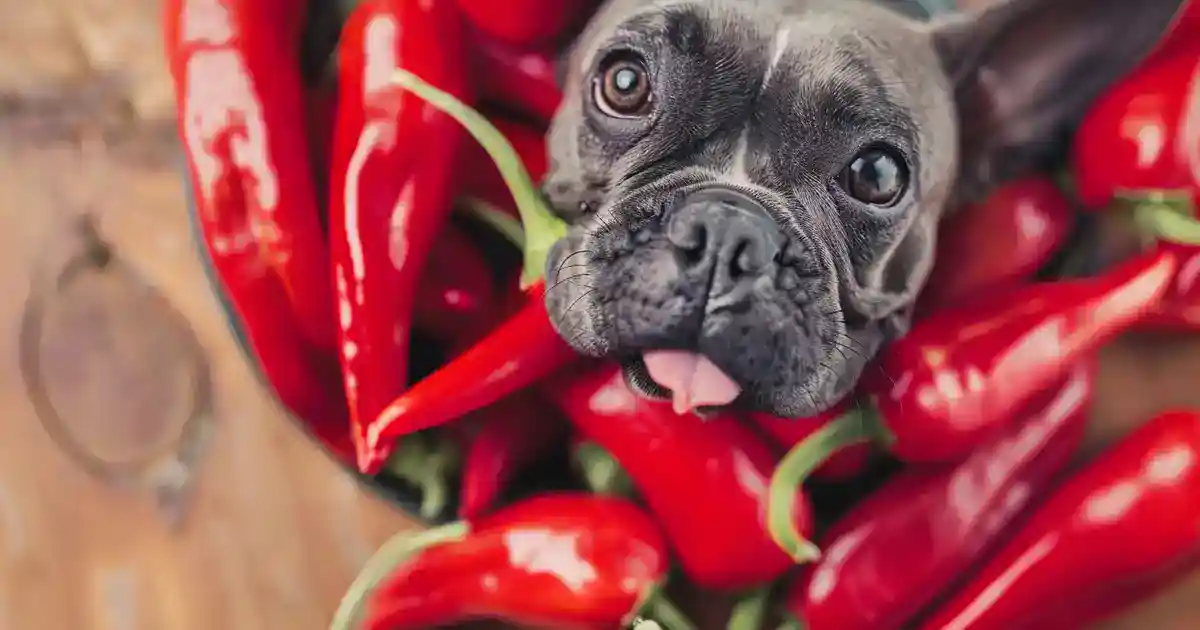
Have you ever watched your dog stare longingly at your colorful veggie platter and wondered if those crunchy red peppers are safe to share?
Here’s the thing I discovered after consulting with veterinary nutritionists and experimenting in my own kitchen: red peppers aren’t just safe for dogs—they’re actually nutritional powerhouses that most pet parents completely overlook. When I first considered adding vegetables to my dog’s diet, I was nervous about which ones were safe and how to prepare them properly. Now, after seeing the excitement in my dog’s eyes when he hears me chopping peppers, friends constantly ask for my favorite recipes and preparation methods. Trust me, if you’re worried about whether red peppers are safe or how to make them appealing to your picky eater, this guide will show you it’s more manageable than you ever expected.
Here’s the Thing About Red Peppers for Dogs
The magic behind red peppers lies in their incredible nutrient density combined with low calories—perfect for dogs who need vitamins without extra weight gain. Their high vitamin C content (more than oranges!), vitamin A for eye health, and antioxidants create amazing results when incorporated properly: shinier coats, stronger immune systems, and better digestive health. It’s honestly more doable than I ever expected once you understand which parts are safe and how to prepare them.
What makes this work is knowing that red peppers are the safest pepper variety for dogs—they’re fully ripened, naturally sweeter, and contain zero capsaicin (the spicy compound in hot peppers). According to research on canine nutrition and vegetables, dogs can digest certain vegetables effectively when prepared properly, though they process plant matter differently than humans. The approach requires proper preparation—removing seeds and stems, cooking for better digestibility—but no complicated systems needed. I never knew feeding vegetables could be this simple once I learned the basic preparation rules that experienced dog nutritionists recommend.
What You Need to Know – Let’s Break It Down
Understanding which peppers are safe is absolutely crucial, and here’s what changed my perspective: only sweet bell peppers (red, yellow, orange) are dog-safe. Never feed hot peppers, jalapeños, or any spicy varieties—these contain capsaicin that irritates dogs’ digestive systems and can cause serious discomfort. Don’t skip this distinction; it’s the difference between a healthy treat and an emergency vet visit.
Preparation methods took me forever to realize, but they’re the foundation of successful veggie feeding. You must remove all seeds, stems, and the core (I made this mistake early on). Dogs can eat peppers raw or cooked, but cooking improves digestibility and nutrient absorption. The simple rule works beautifully: wash thoroughly, remove seeds and core, cut into small bite-sized pieces appropriate for your dog’s size. Yes, this preparation really works, and here’s why—it prevents choking hazards and makes nutrients more bioavailable.
Portion control matters more than most beginners realize. I always recommend starting with tiny amounts (one small piece) because everyone sees better results when introducing new foods gradually. Treats and vegetables should never exceed 10% of your dog’s daily caloric intake—peppers are nutritious but shouldn’t replace balanced dog food.
The nutritional benefits (game-changer, seriously) include vitamin C for immune support, vitamin A for vision and skin health, vitamin E for cellular protection, and fiber for digestive health. Red peppers contain more nutrients than green peppers because they’re fully ripened. From experience, these benefits become visible within weeks of regular incorporation.
If you’re just starting out with adding fresh vegetables to your dog’s meals, check out my beginner’s guide to dog-friendly vegetables for foundational techniques that apply to any fresh feeding approach.
The Science and Psychology Behind Why This Works
Research from veterinary nutritionists demonstrates that certain vegetables provide beneficial phytonutrients that commercial dog food processing often destroys. Studies published in canine nutrition journals show that dogs fed diets supplemented with colorful vegetables often display improved antioxidant levels and better overall health markers.
What makes this different from a scientific perspective is understanding that while dogs are primarily carnivores, they evolved as opportunistic omnivores capable of deriving nutrition from plant sources. Their digestive systems produce enzymes that can break down plant cell walls, especially when vegetables are chopped or lightly cooked. Traditional all-meat approaches often fail to provide the full spectrum of antioxidants and phytonutrients that vegetables offer.
The psychological aspect matters too—many dogs enjoy the satisfying crunch of raw vegetables during training sessions. I’ve learned through observation that using vegetable treats provides mental enrichment through different textures and flavors without the calorie load of traditional treats. Research on canine dietary variety indicates that sensory variety in food contributes to overall satisfaction and can reduce food boredom in dogs.
Here’s How to Actually Make This Happen
Start by selecting quality peppers—here’s where I used to mess up by buying peppers past their prime. Choose firm, brightly colored red bell peppers without soft spots or wrinkles. Organic is ideal but not essential if you wash thoroughly to remove pesticide residues.
Now for the important part: proper preparation. My secret is having a dedicated cutting board for dog food prep to maintain food safety. Wash the pepper under running water, cut off the top, slice it open, and thoroughly remove all seeds and white membrane. These parts aren’t toxic but can cause mild digestive upset.
Choose your cooking method strategically based on your dog’s preferences. Raw peppers provide maximum crunch and are perfect for dogs with healthy teeth. This step takes five minutes but creates lasting appeal—I lightly steam or roast peppers for senior dogs or those with sensitive stomachs. Roasting at 400°F for 15-20 minutes brings out natural sweetness that picky eaters love.
Start with tiny portions to test tolerance. Don’t be me—I used to think I could immediately add a whole pepper to my dog’s meal. Begin with a single small piece (about the size of your thumbnail for small dogs, slightly larger for big dogs) mixed into regular food. Until you feel completely confident, monitor for any digestive changes over 24-48 hours. Results can vary, but most dogs tolerate peppers beautifully.
Incorporate into meals based on what you observe. My mentor taught me this trick: mix finely chopped peppers into regular food for hesitant dogs, while confident veggie-lovers enjoy larger strips as crunchy snacks. Every situation has its own challenges—some dogs devour them immediately while others need flavor encouragement.
Monitor and adjust your approach. When it clicks, you’ll know your dog genuinely enjoys peppers versus just tolerating them. This creates lasting habits you’ll actually stick with because you’re respecting your dog’s individual preferences while providing nutritional benefits.
Common Mistakes (And How I Made Them All)
My biggest failure? Forgetting to remove seeds the first few times because I was in a rush. Don’t make my mistake of ignoring fundamental preparation principles experts recommend—those seeds can cause digestive discomfort even though they’re not toxic. I learned the hard way when my dog had loose stools after eating inadequately prepared peppers.
Feeding too much too quickly nearly ended my vegetable-feeding journey before it began. Introducing large amounts of any new food overwhelms the digestive system. I’ve since learned that gradual introduction over 1-2 weeks prevents gas, diarrhea, and food aversions.
Using spicy peppers was a dangerous rookie mistake I almost made. A friend once asked if their dog could have jalapeño scraps, and I had to strongly discourage this. Hot peppers cause pain, excessive drooling, vomiting, and diarrhea in dogs. Stick exclusively to sweet bell peppers.
The presentation mistakes were subtle but important. Cutting pieces too large creates choking hazards, especially for small breeds or enthusiastic gulpers. I now match piece size to dog size: pea-sized for toy breeds, dime-sized for medium dogs, quarter-sized for large breeds.
When Things Don’t Go as Planned
Feeling overwhelmed by your dog’s rejection? You probably need more creative preparation methods. That’s normal, and it happens to everyone starting out. Try roasting peppers to enhance sweetness, or puree them into other foods your dog loves. Don’t stress, just experiment with different textures and temperatures until you find what works.
Progress stalled or digestive issues appearing? I’ve learned to handle this by immediately reducing portion sizes or temporarily stopping peppers altogether. When this happens (and it will), the problem usually traces back to too much fiber too quickly or individual sensitivity. This is totally manageable by returning to smaller amounts and slower introduction.
Budget concerns making organic peppers seem impossible? I always prepare for setbacks because life is unpredictable, so conventional peppers work perfectly fine with thorough washing. Mixing one pepper across multiple meals stretches your dollar while still providing benefits. If you’re losing steam, try the simple approach: one pepper weekly divided into small daily portions.
When motivation fails, remember why you started—tracking visible improvements (coat shine, energy levels, digestion quality) helps reset your mindset and keeps you committed to providing diverse, nutritious foods.
Advanced Strategies for Next-Level Results
Dehydrated pepper treats represent the pinnacle of homemade dog snacks. Thinly slice prepared peppers, arrange on dehydrator trays, and dry at 135°F for 6-8 hours until crispy. This approach provides portable, shelf-stable treats that concentrate nutrients without refrigeration needs.
Frozen pepper cubes that experienced pet parents create involve pureeing cooked peppers with bone broth, freezing in ice cube trays, and serving as refreshing summer treats. I’ve discovered that these work brilliantly for teething puppies or dogs recovering from dental procedures who need soft, soothing nutrition.
Pepper-enhanced meal toppers take nutrition to competitive levels. Combining finely diced red peppers with other dog-safe vegetables (carrots, green beans, zucchini) and a protein source creates colorful, appetizing meal enhancers. Advanced practitioners often implement rotation strategies using different colored peppers throughout the week for varied phytonutrient profiles.
Custom formulation for specific health goals separates beginners from experts. Dogs needing immune support benefit from raw peppers’ maximum vitamin C, while dogs with sensitive digestion do better with well-cooked, pureed versions. Working with your veterinarian to create targeted vegetable supplementation for specific health conditions produces results standard diets can’t match.
Ways to Make This Your Own
The Busy Professional Version focuses on weekend meal prep—washing, chopping, and portioning peppers into individual containers for grab-and-go additions. When I want faster results without daily prep, I buy pre-washed pepper strips from the grocery store and just remove seeds. Sometimes I roast a whole batch of peppers on Sunday, though that’s totally optional.
The Budget-Conscious Approach leverages buying peppers when they’re on sale and freezing prepared portions in freezer bags. This makes it more intensive upfront (more chopping at once) but definitely worth it financially. My busy-season version focuses on frozen pepper pieces that I can quickly add to any meal.
The Picky Eater Method (perfect for finicky dogs) starts with microscopic amounts mixed into favorite foods, gradually increasing size and visibility. For next-level results, I love pairing peppers with high-value proteins like chicken or beef—gives vegetables positive associations without complicated prep.
The Performance Dog Formula for active or working dogs combines red peppers with other nutrient-dense vegetables and lean proteins for optimal energy and recovery. My advanced version includes peppers in homemade training treats, rotation of red, yellow, and orange peppers for varied nutrients, and strategic timing around exercise for maximum antioxidant benefit.
Each variation works beautifully with different lifestyle needs—find what fits your schedule, budget, and your dog’s preferences.
Why This Approach Actually Works
Unlike processed commercial treats that rely on artificial flavors and synthetic vitamins, fresh red peppers leverage natural, whole-food nutrition that most conventional pet products lack. Dogs evolved consuming diverse foods including occasional plant matter—their digestive systems adapted to extract nutrients from various sources over thousands of years.
The magic happens at the cellular level: the antioxidants in red peppers (beta-carotene, lycopene, vitamin C) neutralize free radicals that contribute to aging and disease. Evidence-based studies on phytonutrients demonstrate that when dogs consume colorful vegetables regularly, oxidative stress decreases, immune function improves, and overall vitality increases.
What sets this apart from other strategies is respecting individual variation—not every dog enjoys the same preparation method or tolerates identical portions. The framework provides structure while allowing customization based on your dog’s unique responses. I discovered through experience that this sustainable approach creates lasting health improvements because it works with natural canine nutrition rather than relying solely on processed alternatives.
Real Success Stories (And What They Teach Us)
My neighbor’s Cocker Spaniel struggled with chronic ear infections and dull coat quality despite premium commercial food. Within three months of adding red peppers and other fresh vegetables to his diet, his coat became noticeably shinier and infections decreased significantly. What made her successful was consistency—small amounts of fresh vegetables daily rather than sporadic large portions.
A friend’s senior Beagle, experiencing declining energy at age 10, showed renewed vitality after six weeks of receiving red pepper strips as crunchy snacks between meals. His timeline proved that even older dogs benefit from nutrient-dense whole foods. The lesson? Fresh vegetables aren’t just for young, healthy dogs—they support wellness at every life stage.
Another success story involves a rescue dog with food anxiety who initially refused all vegetables. Her owner’s patience paid off when she discovered the dog loved frozen roasted pepper cubes during summer months. The increased vegetable consumption improved the dog’s digestion and reduced the constant hunger behaviors. Their success aligns with research showing that dietary variety contributes to satiety and satisfaction.
These diverse examples teach us that while individual results vary, the common thread is patience, proper preparation, and finding the preparation method that resonates with each unique dog.
Tools and Resources That Actually Help
Quality chef’s knife ($20-40) makes precise vegetable preparation effortless—I use mine daily for dog food prep and consider it essential for consistent, appropriate-sized pieces. A sharp knife ensures clean cuts without crushing delicate pepper flesh.
Food dehydrator connects you with endless homemade treat possibilities. Both affordable entry models ($40) and professional versions ($150+) exist, though basic models work perfectly for pepper treats. The Cosori or Nesco brands are my favorites for reliability.
Silicone ice cube trays with various sizes create perfectly portioned frozen treats. They’re dishwasher-safe, affordable ($10-15), and ideal for pepper puree cubes that pop out easily without breaking.
Kitchen scale (if you’re tracking nutrition precisely) ensures accurate measurements for dogs on specific caloric plans, but honestly, many successful vegetable feeders eyeball portions effectively once experienced.
Air-tight storage containers keep prepared pepper pieces fresh in the refrigerator for up to 5 days, preventing waste and simplifying daily feeding routines. The best resources come from authoritative veterinary nutrition databases and proven methodologies from certified canine nutritionists who understand optimal vegetable integration.
Questions People Always Ask Me
How long does it take to see benefits from feeding red peppers?
Most people need about 3-4 weeks of consistent feeding to notice improvements like shinier coat or better digestion. The really dramatic changes—improved immune response, better skin health—usually become obvious around 8-12 weeks. I always tell new vegetable feeders that digestive tolerance develops quickly, but systemic improvements require patience and regular incorporation.
What if my dog refuses to eat red peppers?
Absolutely valid concern! Start by hiding microscopic pieces in favorite foods, try different preparation methods (raw versus cooked), or mix with high-value proteins. Some dogs prefer the crunch of raw peppers while others enjoy roasted sweetness. Just focus on gradual exposure without forcing, preferences often develop with repeated positive experiences.
Are red peppers suitable for puppies?
Yes, with proper preparation and veterinary guidance. I usually recommend starting around 3-4 months old with very small, finely chopped pieces. Once puppies tolerate peppers well, they’re learning early that vegetables are normal, delicious parts of meals, making lifelong healthy eating habits easier to maintain.
Can I feed peppers to my dog daily?
Red peppers can be fed daily in appropriate amounts—small portions as part of the 10% treat/supplement allowance. Limited budget? Focus on a few times weekly rather than daily. Multiple dogs? Batch prep simplifies feeding different sizes. The framework stays consistent while frequency flexes around your life and budget.
What’s the most important thing to focus on first?
Honestly? Mastering proper seed removal and appropriate portion sizing. Everything else builds from that foundation. Don’t get overwhelmed by fancy preparations or dehydrating initially—nail the basics first, sophisticated recipes come naturally with experience.
How do I know if my dog is having an adverse reaction?
Watch for signs like vomiting, diarrhea, excessive gas, lethargy, or loss of appetite within 24 hours of feeding peppers. When these symptoms appear, immediately discontinue peppers and contact your veterinarian. Also, connecting with your vet before introducing new foods provides accountability and professional guidance.
What’s the difference between raw and cooked red peppers for dogs?
Raw peppers provide maximum crunch, hydration, and vitamin C (heat-sensitive) but can be harder to digest. Cooked peppers offer enhanced digestibility, sweeter flavor, and better nutrient absorption for vitamins A and E (fat-soluble) but slightly reduced vitamin C. Both work beautifully—choose based on your dog’s digestive sensitivity and preferences.
Can I combine red peppers with other vegetables?
Yes! Many successful fresh feeders create vegetable medleys—peppers with carrots, green beans, zucchini, or sweet potato. Variety provides broader nutrient profiles and prevents boredom. Just introduce one new vegetable at a time to identify any individual sensitivities before creating mixed combinations.
What if my dog has diabetes or other health conditions?
Consult your veterinarian first. Red peppers are low-glycemic and generally safe for diabetic dogs in small amounts, but individual health conditions require professional guidance. Previous concerns usually trace to feeding inappropriate portions or ignoring pre-existing conditions that need dietary modifications.
How should I store prepared red peppers for my dog?
Chopped raw peppers last 3-5 days refrigerated in airtight containers. Cooked peppers stay fresh 5-7 days refrigerated. For longer storage, freeze prepared portions in freezer bags or containers for up to 3 months. Dehydrated pepper treats store at room temperature for 2-3 weeks in sealed containers.
Are organic red peppers necessary for dogs?
Organic peppers reduce pesticide exposure but aren’t essential if budget-limited. Conventional peppers work perfectly fine with thorough washing under running water. Both provide identical nutritional benefits—organic primarily addresses chemical exposure concerns rather than nutrient differences.
How do red peppers compare to commercial dog treats nutritionally?
Red peppers contain natural vitamins, minerals, and antioxidants without artificial additives, preservatives, or excessive calories found in many commercial treats. They’re significantly lower in calories (about 5 calories per ounce versus 30-100+ for typical treats) while providing superior nutrient density. Watch for these signs of successful integration: enthusiastic eating, normal stools, increased vitality, and shinier coat.
Before You Get Started
I couldn’t resist sharing this because it proves that adding fresh vegetables like red peppers transforms countless dogs’ diets when done thoughtfully. The best vegetable-feeding journeys happen when you approach it as a learning process rather than demanding perfection immediately—start with a simple first step, whether that’s buying one beautiful red pepper or preparing your first tiny test portion, and build momentum from there. Your dog’s nutritional journey deserves this level of care and attention.




