
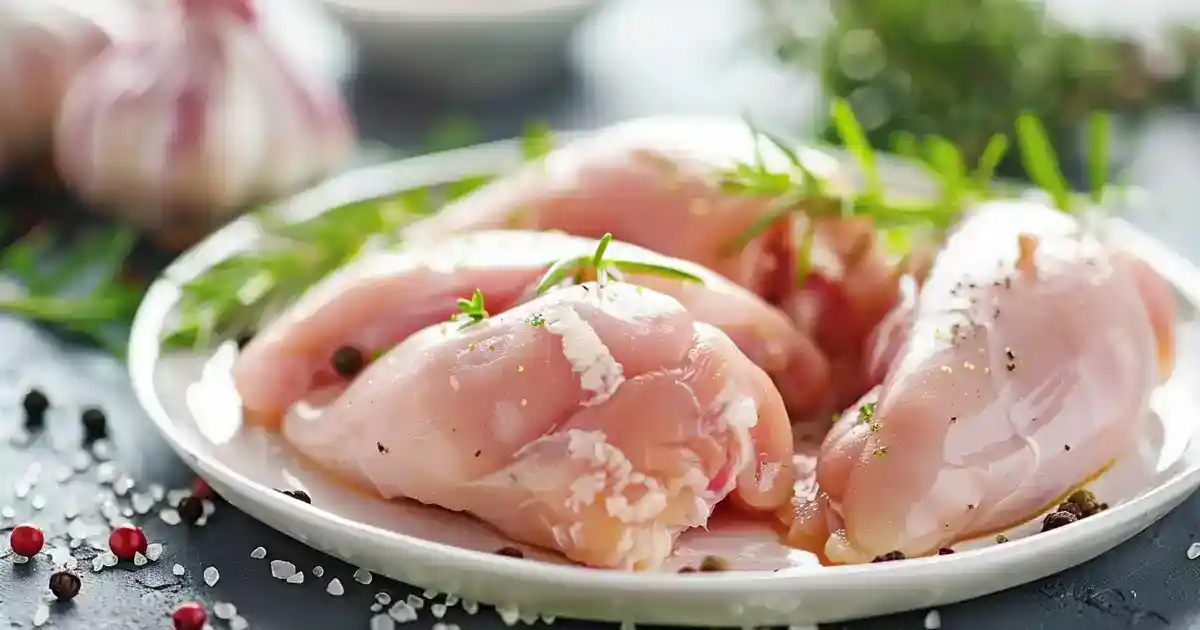
Have you ever wondered if that raw chicken you’re preparing for dinner could be a natural, protein-rich meal for your dog, or whether the growing raw feeding movement means it’s safe to skip cooking when sharing poultry with your furry friend? I used to think dogs’ digestive systems could handle raw meat better than humans until I discovered the alarming truth about bacterial contamination, bone hazards, and nutritional imbalances that make raw chicken one of the riskiest foods you could offer your beloved companion. Now when my German Shorthaired Pointer Rex watches me prepare chicken, I understand exactly why this popular protein must always be thoroughly cooked before sharing, and I know the critical safety protocols that protect him from salmonella, campylobacter, and potentially life-threatening complications. Trust me, if you’ve been tempted by raw feeding claims or assumed that “natural” automatically means safe, this essential guide will reveal the hidden dangers that make raw chicken a serious health threat and show you how to provide the nutritional benefits of chicken safely through proper preparation methods.
Here’s the Thing About Raw Chicken and Dog Safety
Here’s the critical truth that could save your dog’s life: raw chicken poses serious health risks including bacterial contamination with salmonella and campylobacter, bone splintering hazards, parasitic infections, and nutritional imbalances that can cause immediate illness and long-term health problems even in healthy dogs. What makes this situation so dangerous is that while dogs may seem to tolerate raw chicken initially, bacterial pathogens can cause severe gastroenteritis, dehydration, and systemic infections, while raw chicken bones can splinter and cause choking, dental damage, or internal punctures requiring emergency surgery. I never knew that foodborne pathogen risks could be so severe for dogs until I researched veterinary emergency cases and discovered how raw chicken consistently ranks among the most dangerous foods causing hospitalization, systemic infections, and sometimes death in dogs who consume it regularly or accidentally. The combination of multiple serious health threats and the false perception of safety creates a perfect storm where well-meaning pet parents can unknowingly put their dogs at risk of medical emergencies. It’s honestly more dangerous than most people realize—a common household protein that requires complete cooking to eliminate risks and provide safe nutritional benefits.
What You Need to Know – The Critical Safety Facts
Understanding the multiple dangers of raw chicken is absolutely crucial for protecting your dog from potentially life-threatening consequences that can develop rapidly after consumption. I finally figured out that bacterial contamination with salmonella, campylobacter, and other pathogens is virtually guaranteed in raw chicken, and these bacteria can cause severe gastroenteritis, dehydration, and sepsis in dogs just as readily as in humans (took me forever to understand that dogs aren’t naturally immune to foodborne pathogens). Raw chicken bones pose additional serious risks including choking hazards, tooth fractures, and intestinal punctures that can be fatal without immediate surgical intervention.
Don’t skip understanding the zoonotic risks—dogs consuming raw chicken can spread dangerous bacteria to humans through contact, contaminated surfaces, and fecal matter, creating household health emergencies that affect entire families. I always emphasize that cooking chicken to an internal temperature of 165°F eliminates bacterial risks while making the protein easily digestible and nutritionally optimal for dogs. The parasitic risks in raw chicken, including various worms and protozoa, add another layer of danger that proper cooking completely prevents.
The emergency potential is absolutely critical to understand—bacterial food poisoning in dogs can progress from normal behavior to life-threatening dehydration and systemic infection within hours, while bone obstructions or punctures require immediate surgical intervention. Emergency protocols for food poisoning in dogs provide essential step-by-step guidance for responding to raw chicken exposure incidents. No, raw chicken is never safe for dogs under any circumstances, and here’s why this matters: the combination of multiple serious health risks makes every raw chicken exposure a potential medical emergency requiring immediate professional intervention.
The Science and Psychology Behind These Serious Risks
Research from veterinary pathologists demonstrates that raw chicken consistently contains dangerous bacterial loads including salmonella species, campylobacter, and clostridium that can cause severe gastroenteritis, systemic infections, and antibiotic-resistant complications in dogs. Studies confirm that raw chicken bones become brittle when uncooked and can splinter into sharp fragments that cause choking, dental fractures, esophageal tears, and intestinal punctures requiring emergency surgery. What research actually shows is that dogs consuming raw chicken show significantly higher rates of bacterial infections, emergency veterinary visits, and serious complications compared to those eating properly cooked chicken.
The psychology of raw chicken dangers makes them especially insidious because the immediate consumption may seem fine, giving owners false confidence while bacteria multiply and bones potentially cause internal damage that isn’t immediately apparent. Unlike obviously dangerous foods that cause immediate visible distress, raw chicken’s risks often develop gradually or suddenly hours after consumption when emergency intervention becomes more complex and expensive. Expert veterinary emergency research confirms that raw chicken consumption represents one of the most preventable yet serious dietary emergencies affecting dogs, with complications ranging from severe dehydration to surgical emergencies and sometimes death.
Here’s What You Must Do for Complete Safety
Start by implementing a zero-tolerance policy for raw chicken around dogs—this means never allowing access to raw chicken during preparation, ensuring secure disposal of raw chicken scraps, and thoroughly cleaning all surfaces and utensils that contact raw chicken to prevent bacterial contamination. Here’s where many people make critical safety errors: they think brief exposure or small amounts are harmless, but any raw chicken consumption represents a serious health risk requiring immediate professional evaluation.
Now for the most crucial safety protocol—if your dog consumes any raw chicken, contact your veterinarian or emergency animal hospital immediately for guidance about monitoring, potential treatment, and signs that require immediate intervention. Never assume your dog will be fine because they seem normal initially—bacterial food poisoning and internal injuries from bones can develop rapidly and become life-threatening without warning.
Here’s my emergency protocol that every dog owner must know: any raw chicken consumption requires immediate veterinary consultation regardless of the amount consumed, your dog’s size, or their apparent condition. My veterinary emergency contacts stressed this critical point—raw chicken exposure is always a medical concern that requires professional evaluation and monitoring protocols.
Don’t ever attempt to induce vomiting or provide home remedies unless specifically instructed by veterinary professionals, as improper emergency response can potentially worsen bacterial infections or cause additional complications if bone fragments are involved. The response timeline is absolutely critical—bacterial infections can progress rapidly, while bone obstructions may require immediate surgical intervention.
Never assume your dog’s strong stomach or previous tolerance means continued exposure is safe—bacterial resistance can develop, immune systems can become compromised, and cumulative damage from repeated exposures can create serious long-term health problems. Every raw chicken exposure demands immediate professional consultation to determine appropriate monitoring and intervention strategies.
Common Mistakes (And How They Can Be Deadly)
Don’t make the potentially fatal mistake I’ve witnessed where owners think dogs can handle raw chicken because they’re “natural carnivores”—this dangerous assumption ignores modern bacterial contamination levels and the fact that domestic dogs have different digestive capabilities than wild animals. The biggest error I see dog parents make is believing raw feeding myths that ignore scientific evidence about bacterial risks, bone dangers, and nutritional imbalances that can cause serious health problems.
I’ve seen people think that because their dog ate raw chicken once without obvious problems, continued exposure must be safe. Absolutely wrong and potentially deadly! Bacterial resistance can develop over time, immune systems can become compromised, and cumulative damage from repeated exposures can create serious health complications that don’t appear until significant damage has occurred. Another critical mistake is not understanding that raw chicken bones are fundamentally different from cooked bones in their splintering patterns and danger levels.
The mindset mistake that causes the most dangerous situations is treating raw chicken exposure as “natural” or “probably not serious” instead of recognizing it as a genuine medical emergency requiring immediate professional intervention. Some dogs may show subtle early symptoms of bacterial poisoning that owners dismiss as minor digestive upset, while bone complications can develop suddenly and require emergency surgery. I’ve learned that any suspected raw chicken consumption requires emergency veterinary consultation regardless of the circumstances or the dog’s apparent condition.
When Raw Chicken Exposure Occurs (Emergency Response)
Feeling panicked because your dog ate raw chicken? Take immediate emergency action—this is a serious medical situation that demands prompt professional intervention regardless of the amount consumed, your dog’s size, or their current appearance. If any raw chicken consumption occurs, contact your veterinarian or emergency animal hospital immediately for specific protocols based on your dog’s weight, the amount consumed, whether bones were involved, and time since ingestion.
You need professional emergency guidance for any raw chicken exposure—I’ve learned that even experienced veterinary professionals require detailed information about the specific circumstances to provide appropriate treatment recommendations and monitoring protocols. When raw chicken poisoning occurs (and rapid response is absolutely critical), don’t waste precious time attempting home remedies, researching online, or waiting to see if symptoms develop.
This situation can be manageable with immediate, appropriate professional intervention, but becomes increasingly serious and potentially fatal with any delay in treatment or monitoring. I always emphasize making that emergency call immediately because veterinary professionals can provide specific life-saving protocols for bacterial infection prevention, bone obstruction assessment, and supportive care that dramatically improve outcomes when implemented without delay. Never attempt to treat suspected raw chicken exposure at home—this requires immediate professional medical evaluation and potentially intensive emergency care including IV fluids, antibiotics, and surgical intervention.
Safe Alternatives That Actually Work
Dog owners seeking to provide chicken nutrition should implement safe cooking methods including baking, boiling, or grilling chicken to an internal temperature of 165°F without seasonings, oils, or additives that could be harmful to dogs. I discovered that properly cooked chicken provides all the protein benefits without any of the bacterial, bone, or parasitic risks associated with raw preparation.
When I want to provide Rex with high-quality protein, I use what veterinarians call “safe cooking protocols” where chicken is thoroughly cooked, cooled, and served in appropriate portions as part of balanced nutrition rather than raw feeding approaches that create unnecessary health risks. For dogs requiring high-quality protein or special dietary support, I work with my veterinarian to identify safe preparation methods that provide nutritional benefits without compromising health and safety.
The expert-level approach involves understanding that cooked chicken provides superior nutrition compared to raw chicken because cooking eliminates pathogens while making proteins more digestible and bioavailable. Safe chicken preparation focuses on thorough cooking, proper cooling, and appropriate portion control that supports rather than threatens canine health and safety.
Why Understanding This Could Save Your Dog’s Life
Unlike many pet safety topics that involve minor risks or management strategies, raw chicken exposure represents multiple immediate, serious threats that can cause permanent health damage or death, making complete avoidance and emergency preparedness literally life-saving knowledge. The critical importance lies in understanding that raw chicken poisoning can progress from normal behavior to life-threatening crisis within hours, making prevention and rapid response essential for survival.
What makes this knowledge absolutely crucial for every dog owner is how commonly raw chicken appears in households and how easily accidental exposure can occur when people don’t understand the severity of the risks. I’ve learned that dogs who survive raw chicken poisoning may experience lasting health effects including chronic digestive problems, immune system compromise, and increased susceptibility to future infections that affect their quality of life permanently.
This understanding creates life-saving awareness because it’s based on preventing genuine medical emergencies that can progress rapidly from seemingly minor incidents to critical situations requiring intensive emergency intervention or resulting in death.
Real Emergency Cases (And What They Teach Us)
One of the most sobering cases I know involved a healthy Labrador named Duke whose family gave him raw chicken as part of a “natural diet” and within 12 hours he developed severe dehydration and systemic salmonella infection requiring a week-long hospitalization with IV antibiotics and supportive care. His story demonstrates how quickly raw chicken emergencies can become life-threatening and how healthy dogs aren’t immune to serious bacterial infections.
Another devastating example involved a small Terrier who got into raw chicken scraps and developed a complete intestinal obstruction from bone fragments, requiring emergency surgery that left permanent digestive complications. Their experience illustrates how raw chicken bones create surgical emergencies that can result in long-term health problems even when dogs survive the initial crisis.
A particularly tragic case involved a family whose Golden Retriever died from complications of raw chicken consumption despite emergency treatment, because the owners didn’t realize the severity of bacterial food poisoning and delayed seeking veterinary care for several hours. These stories teach us that raw chicken exposure always represents a medical emergency requiring immediate intervention, and that prevention through education and safe cooking practices is the only acceptable approach to protecting our dogs.
Emergency Resources Every Owner Must Have
My essential emergency preparedness includes having the ASPCA Animal Poison Control Center number (888-426-4435) and my veterinarian’s emergency contact information programmed into every phone and posted in easily accessible locations throughout the home for immediate consultation during food poisoning emergencies. I keep the nearest 24-hour veterinary emergency clinic details readily available for after-hours situations when every minute counts.
For immediate reference, I maintain current emergency protocols printed and posted in the kitchen where anyone preparing food can quickly access life-saving information about raw chicken exposure and response procedures. A comprehensive pet first aid manual becomes invaluable for understanding emergency situations, though raw chicken exposure always requires professional intervention rather than home treatment attempts.
The Pet Poison Helpline’s food safety database provides detailed information about raw meat risks that helps dog owners understand the serious nature of these emergencies and appropriate response protocols. I always recommend establishing emergency veterinary relationships before crises occur, ensuring immediate access to professional guidance when rapid response can save your dog’s life.
Questions People Always Ask Me
Is any amount of raw chicken safe for dogs? No, there is no safe amount of raw chicken for dogs. Any consumption poses serious risks of bacterial infection, bone injuries, and parasitic transmission.
What should I do immediately if my dog ate raw chicken? Contact your veterinarian or emergency animal hospital immediately, regardless of the amount consumed. This is always a medical emergency requiring professional evaluation.
Are dogs naturally able to digest raw chicken safely? No, domestic dogs are not immune to bacterial food poisoning and face the same risks as humans from contaminated raw poultry, plus additional bone-related dangers.
How quickly do symptoms appear after raw chicken consumption? Bacterial food poisoning symptoms can appear within 2-12 hours, while bone complications may be immediate or develop over days. Never wait for symptoms to seek help.
What are the signs of raw chicken poisoning in dogs? Symptoms include vomiting, diarrhea, loss of appetite, lethargy, dehydration, fever, and abdominal pain. Severe cases can progress to collapse and systemic infection.
Can cooking chicken eliminate all the risks? Yes, cooking chicken to 165°F internal temperature eliminates bacterial risks and makes bones safe by removing them entirely before serving cooked meat.
Are raw chicken bones different from cooked chicken bones? Both raw and cooked chicken bones are dangerous for dogs—raw bones can splinter and cause internal injuries, while cooked bones become brittle and fragment dangerously.
Should I induce vomiting if my dog ate raw chicken? Never induce vomiting unless specifically instructed by veterinary professionals. Contact your veterinarian or poison control for proper emergency guidance first.
How is raw chicken poisoning treated in dogs? Treatment may include IV fluids, antibiotics, anti-nausea medications, supportive care, and in severe cases, surgery for bone obstructions or punctures.
Can dogs build immunity to raw chicken bacteria? No, repeated exposure increases rather than decreases health risks, potentially leading to antibiotic-resistant infections and cumulative organ damage.
What’s the safest way to give my dog chicken? Cook chicken thoroughly to 165°F, remove all bones and skin, serve plain without seasonings, and offer appropriate portions as part of balanced nutrition.
Can raw chicken exposure affect humans in the household? Yes, dogs consuming raw chicken can spread dangerous bacteria to humans through contact, contaminated surfaces, and fecal transmission, creating household health risks.
Before You Take Any Risks
I couldn’t resist sharing this critical information because raw chicken exposure represents one of the most serious and preventable dietary emergencies affecting dogs, yet many owners remain unaware of the life-threatening risks until tragedy strikes. The best protection happens when you recognize that no nutritional benefit justifies risking your dog’s life with raw chicken exposure, and that proper cooking provides all the protein benefits without any of the deadly dangers.
Ready to protect your dog’s life? Start with this life-saving step: commit to cooking all chicken thoroughly before any sharing, program emergency numbers into your phone right now, and treat any accidental raw chicken exposure as the serious medical emergency it truly represents. This knowledge creates an essential safety barrier that could save your beloved companion’s life when prevention and rapid response matter most.




