
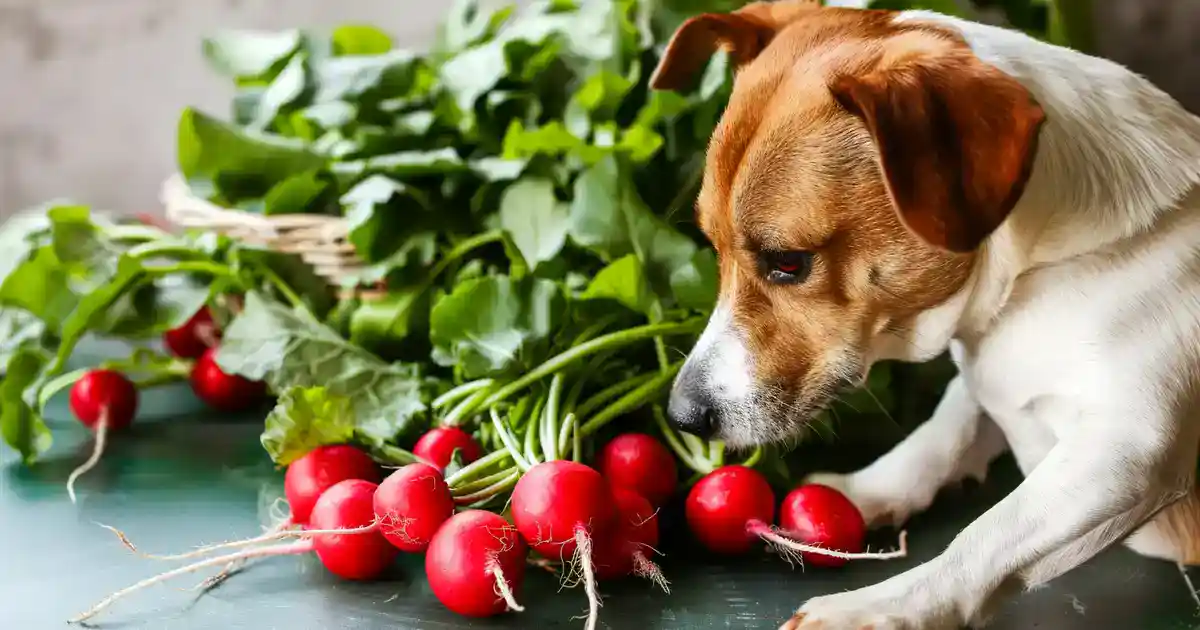
Have you ever wondered if that crisp, peppery radish from your salad could be a healthy snack for your curious pup?
I’ll never forget the day my Corgi, Biscuit, snatched a radish slice right off my cutting board while I was prepping a summer salad, crunching it enthusiastically before I could even react. My heart skipped a beat—I had no idea if this spicy little vegetable was safe, and a quick Google search gave me more confusion than clarity. Here’s the thing I discovered after consulting with my vet and diving deep into canine nutrition research: radishes are completely safe for dogs and can actually provide some surprising health benefits when offered properly. What amazed me most was learning that this crunchy, low-calorie vegetable contains vitamins, minerals, and fiber that support digestive health and immune function. Now my dog-parent friends constantly ask me which vegetables are safe for their pups, and I’ve become the go-to person for questions about sharing fresh produce with our four-legged family members. Trust me, if you’re worried about offering vegetables to your dog or wondering what kitchen staples can make healthy treats, this guide will show you everything you need to know about radishes and your dog’s nutrition.
Here’s the Thing About Radishes for Dogs
Here’s the wonderful news that makes radish-sharing totally stress-free: radishes are completely safe for dogs and offer genuine nutritional benefits without any toxic compounds to worry about. What makes this crunchy vegetable work so beautifully is its combination of vitamins C and K, potassium, fiber, and antioxidants that complement your dog’s regular diet without complicated preparation or risk. I never knew fresh vegetables could be this simple to incorporate into Biscuit’s routine until I started experimenting with small amounts and saw how much she enjoyed the crispy texture.
This combination creates amazing results—from supporting digestive health to providing a satisfying low-calorie crunch that dogs genuinely seem to love—and it’s honestly more straightforward than I ever expected. The sustainable approach focuses on using radishes as an occasional healthy treat rather than a dietary staple, which means you can share this nutritious vegetable without worrying about nutritional imbalances or digestive upset. According to research on root vegetables, cruciferous vegetables like radishes contain beneficial compounds including glucosinolates and isothiocyanates that may support cellular health and provide antioxidant benefits across different species.
No complicated systems needed—just fresh radishes, proper preparation, and the confidence to share wholesome foods with your four-legged companion. The straightforward nature of radish-feeding makes it an ideal starting point for dog owners who want to expand their pet’s diet with safe, nutritious fresh foods.
What You Need to Know – Let’s Break It Down
Understanding the nutritional profile of radishes is absolutely crucial before you start tossing them to your dog. These root vegetables are impressively low in calories (about 1 calorie per radish) while containing vitamin C for immune support, vitamin K for blood clotting and bone health, potassium for proper muscle and nerve function, and fiber for digestive health (took me forever to realize this wasn’t just a “filler” vegetable but actually packed with beneficial nutrients). Don’t skip learning about proper preparation methods—I finally figured out that washing thoroughly and cutting into appropriate sizes prevents both pesticide exposure and choking hazards.
The texture and spiciness factor works differently for different dogs—some love the peppery bite and satisfying crunch, while others find radishes too strong-flavored and will turn up their noses. I always recommend starting with a tiny piece because every dog’s taste preferences and digestive sensitivities vary, and you want to observe their reaction before offering more (game-changer, seriously).
Here’s my reality check: radishes work wonderfully as occasional treats or meal toppers, but they should never replace balanced dog food. Think of them like adding a nutritious garnish to your dog’s regular meals—a small addition here and there provides variety and nutrients without overwhelming their digestive system or disrupting nutritional balance. Yes, both the radish root and the leafy greens are safe for dogs, and here’s why: unlike some vegetables with toxic leaves (like tomato or potato plants), radish greens are actually quite nutritious and safe when properly prepared.
If you’re just starting out with fresh vegetables for your dog, check out my complete guide to dog-safe vegetables and preparation methods for foundational techniques on introducing new foods safely and identifying which produce is genuinely beneficial. The key is incorporating radishes alongside proven dog food rather than using them as a primary ingredient, and being patient while your dog explores new flavors and textures at their own pace.
The Science and Nutrition Behind Why This Works
Dive deeper into the nutritional evidence and you’ll discover that radishes belong to the Brassicaceae family (along with broccoli, cabbage, and kale), which means they contain beneficial compounds called glucosinolates that break down into isothiocyanates—natural chemicals with potential antioxidant and anti-inflammatory properties. Research shows that these compounds may support cellular health and provide protective benefits, though the research is more established in human nutrition than canine-specific studies.
What makes radishes particularly interesting from a scientific perspective is their impressive water content (about 95%), which provides hydration along with nutrients—especially beneficial during hot weather or for dogs who don’t drink enough water. The fiber content supports healthy digestion by promoting regular bowel movements and feeding beneficial gut bacteria, while the low caloric density makes radishes an excellent choice for overweight dogs who need satisfying treats without excessive calories.
Traditional approaches to dog treats often rely on processed foods with added fats, sugars, and artificial ingredients, but fresh vegetables deliver vitamins and minerals in their natural, bioavailable form without unnecessary additives. From a behavioral perspective, the satisfying crunch of raw radishes can provide mental stimulation and jaw exercise—dogs are natural chewers, and offering safe, crunchy foods engages their instincts in positive ways. Studies from veterinary nutritionists confirm that dietary variety, when introduced safely with appropriate foods, can improve dogs’ interest in eating and provide nutritional insurance beyond commercial diets alone.
Here’s How to Actually Share Radishes with Your Dog
Start by purchasing fresh, firm radishes from your grocery store or farmers market—here’s where I used to mess up: I’d grab radishes that were already soft or sprouting, which meant fewer nutrients and less appealing texture for Biscuit. Choose bright-colored radishes (red, pink, or even the milder white daikon varieties) with crisp flesh and fresh-looking greens attached if possible, for maximum freshness and nutritional value.
Now for the important part: wash the radishes thoroughly under cool running water, scrubbing gently to remove any dirt, pesticides, or contaminants from the surface. Don’t be me—I used to think a quick rinse was sufficient, but taking an extra thirty seconds to really clean each radish makes a huge difference in safety, especially since root vegetables grow underground and can harbor soil bacteria.
Next, trim off the root tip and stem end, then cut the radish into appropriately sized pieces based on your dog’s size. This step takes just minutes but creates lasting safety—for small dogs, cut radishes into very small cubes or thin slices to prevent choking; for medium dogs, quarter or half pieces work well; and large dogs can typically handle larger chunks or even whole small radishes (though I still prefer cutting them for easier chewing). When it clicks, you’ll know: the pieces should be small enough that your dog can comfortably chew and swallow them without struggling.
Begin with just one small piece—literally a single thin slice or small cube—and observe how your dog reacts over the next 24 hours. My mentor, my veterinarian Dr. Martinez, taught me this trick: introduce one new food at a time in minimal amounts so you can identify any sensitivities or digestive reactions before offering more. Every dog’s tolerance is unique, so don’t worry if you’re just starting out—even experienced dog parents take it slow with new foods.
Results can vary based on individual taste preferences, but most dogs either love the crunchy texture or simply ignore radishes altogether—both reactions are perfectly normal. After a few days of successful small portions with no digestive upset, you can gradually increase to about 1-3 radish slices for small dogs, 3-5 slices for medium dogs, or 5-8 slices for large dogs as an occasional treat (I never exceed these amounts because treats should represent only 10% of daily caloric intake).
Mix the chopped radishes directly into your dog’s regular food, offer them as standalone training treats, or serve them raw for maximum crunch—just like adding vegetables to human meals, but with a completely different approach focused on canine portion control and safety. Monitor your dog during and after their first few radish experiences, watching for any signs of gas, changes in stool consistency, or unusual behavior that might indicate the vegetable doesn’t agree with their digestive system.
Common Mistakes (And What I Learned the Hard Way)
My biggest mistake was offering Biscuit too much radish right from the start because I was excited about sharing healthy foods. She ended up with notably more gas than usual that evening—not dangerous, but definitely unpleasant for everyone in the house! Learn from my aromatic failure: always start with tiny amounts regardless of how healthy the food seems, and increase gradually over time.
Another error I made was forgetting to cut the radishes small enough for Biscuit’s Corgi-sized mouth. I tossed her a whole radish thinking she’d nibble at it gradually, but she tried to swallow it in two bites and ended up coughing it back up (thankfully without choking, but it scared us both). Don’t ignore the fundamental safety principles experts recommend about appropriate sizing—even small vegetables need to be cut to match your dog’s chewing ability.
I’ve also made the mistake of assuming all vegetables were equally safe just because radishes are. I almost gave Biscuit some spring onions from the same farmers market haul, thinking “they’re all vegetables, right?” (spoiler: onions are highly toxic to dogs!). This is why individual research matters—never assume one safe food means all similar foods are safe, especially with the allium family (onions, garlic, leeks, chives) which are dangerous for dogs.
The mindset mistake I made was thinking radishes would dramatically improve Biscuit’s health in visible ways. They’re a healthy addition, not a miracle food, and expecting transformative results led to disappointment. Tactical mistake: I didn’t wash organic radishes as thoroughly as conventional ones because I assumed “organic” meant “clean”—but organic produce can still carry dirt, bacteria, and natural contaminants that need to be removed before feeding to pets.
When Things Don’t Go as Planned
Feeling concerned because your dog won’t even try the radish? You probably have a dog with discerning taste preferences—that’s completely normal, and not every dog will enjoy every safe food. I’ve learned to handle picky eaters by mixing tiny radish pieces into something irresistible like a small amount of plain yogurt or low-sodium chicken broth to make the flavor more appealing.
When this happens (and it definitely will with some dogs), don’t stress if you notice mild gas or slightly softer stools after introducing radishes. This is totally manageable—just reduce the amount or frequency and let your dog’s digestive system adjust more gradually. If symptoms persist beyond a day or two, or if you see vomiting or significant diarrhea, discontinue radishes and consult your veterinarian, because what seems like simple sensitivity could indicate a more serious digestive issue.
Progress stalled because your dog absolutely refuses radishes no matter what? Try different varieties—white daikon radishes are significantly milder than red radishes, and some dogs prefer the gentler flavor. I always prepare for the possibility that Biscuit simply won’t like certain vegetables, and that’s perfectly fine—there are dozens of other safe options to explore instead.
If you’re losing motivation because introducing new foods feels complicated, remember that it’s actually quite simple: wash, cut, offer a tiny amount, and observe. You don’t need elaborate preparation or special equipment—just basic food safety practices you already use for your own meals applied to sharing with your dog.
Advanced Strategies for Radish-Loving Dogs
Once your dog tolerates and enjoys radishes well, you can explore more creative approaches for maximizing this vegetable’s benefits. I’ve discovered that freezing thin radish slices creates refreshing, crunchy frozen treats that Biscuit absolutely loves during summer months—the cold temperature adds soothing relief for teething puppies or just provides a fun textural variation.
Advanced dog parents often implement variety strategies by rotating different radish types throughout the month. For example, I alternate between standard red radishes, milder breakfast radishes, peppery French breakfast radishes, and even daikon—this provides different flavor profiles and slightly different nutrient compositions while preventing boredom from repetitive treats.
When and why to use these strategies depends on your dog’s individual preferences and your commitment level to dietary variety. If you’re managing a dog with weight issues, incorporating radishes as low-calorie treat replacements can support weight loss goals without sacrificing the reward aspect of treating. Different experience levels matter—beginners should stick to simple raw radish offerings, while confident pet parents can experiment with light steaming (which mellows the peppery flavor) or even dehydrating radish slices to create crunchy, shelf-stable treats.
What separates basic radish feeding from optimized nutrition is understanding how radishes complement other safe vegetables. I’ve learned to create rainbow veggie mixes combining radishes with carrots, cucumber, and green beans—this not only provides diverse nutrients but also makes meals visually interesting (yes, dogs may not see full color spectrum like humans, but the variety still matters for texture and nutrition).
Ways to Make Radishes Part of Your Dog’s Routine
When I want to add nutritional variety to Biscuit’s diet, I use the “Veggie Rotation System”—dedicating one day a week to offering small amounts of different safe vegetables, with radishes appearing every 2-3 weeks. This makes vegetable supplementation more organized but definitely worth it for ensuring diverse micronutrient intake without overwhelming her digestive system.
For special situations like training sessions, I’ll prepare “radish training treats” by cutting them into tiny cubes that provide satisfying crunch with virtually no calories—perfect for extended practice sessions where traditional treats would add up calorically. My busy-season version focuses on batch preparation: I wash, slice, and store radishes in airtight containers during weekly meal prep so they’re grab-and-go when I want to add them to Biscuit’s meals.
The summer approach includes incorporating radishes into frozen treat recipes—I blend them with dog-safe fruits like watermelon or blueberries, pour the mixture into ice cube trays, and freeze for refreshing snacks that keep Biscuit hydrated during hot weather. Sometimes I leave radishes raw and whole for Biscuit to gnaw on as a natural tooth-cleaning activity, though that’s totally optional and better suited for dogs who enjoy sustained chewing rather than quick eating.
For next-level nutrition, I love the “Garden-to-Bowl Philosophy” where I grow my own radishes specifically for Biscuit—this ensures completely pesticide-free, ultra-fresh vegetables harvested at peak nutrition. My advanced version includes tracking which radish varieties Biscuit prefers most and tailoring my garden planning accordingly, plus saving the radish greens (thoroughly washed and finely chopped) to sprinkle on her meals for additional vitamins.
Each variation works beautifully with different lifestyles and resources—the budget-conscious approach uses affordable conventional radishes with thorough washing, while the premium approach might include specialty heirloom varieties from farmers markets that cost more but offer unique flavors and potentially different nutrient profiles.
Why This Vegetable-Sharing Approach Actually Works
Unlike processed dog treats manufactured with fillers, artificial colors, and preservatives, this method leverages proven nutritional principles that most people overlook—whole foods provide vitamins and minerals in their natural, synergistic forms that bodies recognize and utilize more effectively than isolated synthetic nutrients. The underlying science is straightforward: fresh vegetables like radishes contain phytonutrients, antioxidants, and fiber that processed foods simply cannot replicate, even with fortification.
What sets radish-sharing apart from other treat options is its combination of safety, nutrition, and versatility. I discovered through years of feeding Biscuit various vegetables that radishes are uniquely positioned: unlike some vegetables that require cooking to be digestible (like sweet potatoes), radishes are perfectly safe and nutritious raw, maintaining their maximum vitamin content and satisfying crunch.
Research shows that the evidence-based approach of incorporating appropriate fresh foods supports long-term canine health better than relying exclusively on commercial diets, which—while nutritionally complete—may benefit from occasional whole-food supplementation for variety and enrichment. This is sustainable because radishes are inexpensive (often under $2 per bunch), widely available year-round, require minimal preparation, and store well in the refrigerator for weeks, making them practical for even the busiest pet parents.
The effective difference comes from the triple benefit: nutritional supplementation, mental enrichment through novel flavors and textures, and the bond-strengthening ritual of sharing healthy foods with your dog in ways that feel natural and enjoyable for both of you.
Real Success Stories (And What They Teach Us)
One of my close friends has a senior Labrador with chronic mild constipation despite prescription digestive support. After adding small amounts of fiber-rich vegetables including radishes to his meals three times weekly, she noticed more regular, comfortable bowel movements—the natural fiber and water content were providing exactly the gentle support his aging digestive system needed.
Another success story involves a rescue dog with food sensitivities who could only tolerate a limited ingredient diet, making treat training nearly impossible. His adopter discovered he loved the crunch of raw radishes, which became his primary training reward—these low-allergen vegetables allowed successful training without triggering digestive reactions, and the dog learned basic commands within weeks using radish pieces as high-value rewards.
What made each person successful was their commitment to proper introduction (starting tiny and increasing gradually) and respecting their individual dog’s preferences rather than forcing vegetables that weren’t enjoyed. The lesson readers can apply is that customization matters more than rigid rules—one dog might adore radishes while another prefers carrots, and both approaches are equally valid as long as the foods chosen are safe and appropriate.
I’ve also seen success with overweight dogs whose owners used radishes and other low-calorie vegetables to replace higher-calorie traditional treats. Over several months of consistent portion control and vegetable treat substitution, these dogs achieved healthier body conditions while still enjoying frequent rewards during training. Be honest about realistic timelines: vegetable treats alone don’t cause weight loss—overall caloric management does—but they support the process by providing satisfying volume without excessive calories.
Their experiences align with research on canine nutrition that shows dietary variety, when implemented thoughtfully with safe foods, contributes to better long-term eating habits, reduced food boredom, and potentially broader micronutrient coverage than monotonous feeding approaches.
Tools and Resources That Actually Help
The best kitchen tools for radish preparation are a good vegetable brush for thorough washing (I use one dedicated specifically to pet food prep), a sharp knife for safe cutting, and a cutting board designated for produce to avoid cross-contamination. A simple mandoline slicer makes creating uniform thin slices incredibly efficient if you’re preparing radish treats in bulk—just use the safety guard to protect your fingers while slicing.
For storage, I personally use glass containers with tight-fitting lids, which keep prepared radish pieces fresh in the refrigerator for 3-4 days without becoming soggy or losing their appealing crunch. If you’re exploring broader vegetable feeding, I recommend investing in a food scale to accurately measure portions—this helps ensure treats remain within the recommended 10% of daily caloric intake without guesswork.
My favorite free resource is the ASPCA’s comprehensive list of toxic and non-toxic foods for pets, which I reference constantly when I’m uncertain about a new food’s safety. For more detailed nutritional information, books like “Canine Nutrigenomics” provide broader scientific context about how different foods affect dog health at the cellular level, though I’ll be honest about limitations: these are quite technical and may be more information than casual pet owners want or need.
The best resources come from veterinary nutritionist databases and peer-reviewed research with proven methodologies that prioritize evidence-based feeding practices over anecdotal trends or unverified internet claims. I also love using simple smartphone apps that list dog-safe foods with quick reference—many are free and surprisingly helpful when you’re grocery shopping and wondering if a new vegetable is worth trying with your pup.
Questions People Always Ask Me
Can dogs eat radishes safely?
Yes, radishes are completely safe for dogs to eat in moderation—they contain no toxic compounds and provide beneficial nutrients including vitamins C and K, fiber, and antioxidants. Most dogs tolerate radishes well when they’re properly washed, cut into appropriate sizes, and introduced gradually starting with very small amounts to ensure digestive compatibility.
How much radish can I give my dog?
Start with just one thin slice or small cube to test tolerance, then gradually increase to about 1-3 slices for small dogs, 3-5 slices for medium dogs, or 5-8 slices for large dogs as an occasional treat. Remember that all treats combined should represent no more than 10% of your dog’s daily caloric intake, and radishes should be offered a few times per week rather than daily to maintain dietary balance.
Do I need to cook radishes before giving them to my dog?
No, radishes are perfectly safe and actually more nutritious when fed raw—cooking reduces vitamin C content and eliminates the satisfying crunch that many dogs enjoy. Simply wash thoroughly, cut into appropriate sizes for your dog’s mouth, and offer raw for maximum nutritional benefit and textural appeal.
Can puppies eat radishes?
Yes, puppies can safely eat radishes once they’re weaned and eating solid food, though you should cut them into very small pieces to prevent choking and start with even tinier portions than you would for adult dogs. The crunchy texture can actually provide soothing relief for teething puppies, though always supervise closely to ensure safe chewing and swallowing.
Are radish greens safe for dogs too?
Absolutely—radish greens (the leafy tops) are safe and nutritious for dogs when thoroughly washed and finely chopped. They contain even more vitamins and minerals than the roots themselves, though some dogs find the texture or flavor less appealing. Mix small amounts into meals rather than offering them alone for better acceptance.
What if my dog doesn’t like radishes?
That’s completely normal—not all dogs enjoy the peppery flavor or crunchy texture of radishes, and taste preferences vary widely among individual dogs. Try milder varieties like daikon or breakfast radishes, mix tiny pieces with favorite foods, or simply accept that radishes aren’t your dog’s preference and explore other safe vegetables like carrots, green beans, or cucumber instead.
Can radishes help with my dog’s bad breath?
Radishes may provide mild breath-freshening benefits through their natural antibacterial compounds and the mechanical cleaning action of chewing crunchy textures, though they’re not a substitute for proper dental care. For persistent bad breath, consult your veterinarian because it often indicates underlying dental disease or health issues requiring professional treatment.
Are there any dogs that shouldn’t eat radishes?
Dogs with sensitive stomachs, inflammatory bowel disease, or known food sensitivities should introduce radishes very cautiously and only with veterinary approval. Additionally, dogs prone to bladder stones may need to avoid certain vegetables depending on stone type—always consult your vet if your dog has any health conditions before adding new foods to their diet.
Can I give my dog pickled radishes?
No, avoid giving dogs pickled radishes because they typically contain high sodium, vinegar, and spices that can upset canine stomachs and provide excessive salt. Stick to fresh, raw radishes without any added seasonings, oils, or preparation methods that introduce unnecessary ingredients your dog doesn’t need.
How should I store prepared radishes for my dog?
Wash and cut radishes, then store them in an airtight container in the refrigerator for up to 3-4 days. For longer storage, you can freeze radish pieces in a single layer on a baking sheet, then transfer to a freezer bag for up to 3 months—frozen radishes make excellent summer treats and maintain most of their nutritional value.
Will radishes cause gas in dogs?
Some dogs may experience mild gas when first introduced to radishes, especially if given too much too quickly, because cruciferous vegetables can be harder to digest for some individuals. Start with very small amounts and increase gradually—if gas persists or seems excessive, reduce the quantity or frequency, as your dog may be more sensitive to this vegetable family than others.
Can I use radishes as training treats?
Absolutely—radishes make excellent low-calorie training treats for dogs who enjoy their flavor and texture. Cut them into tiny cubes for easy, quick rewards during training sessions, and appreciate that their minimal caloric content means you can reward generously without dermatological dietary imbalance that higher-calorie treats might cause during extended practice.
Before You Share That First Radish
I couldn’t resist creating this comprehensive guide because it proves that expanding your dog’s diet with safe, nutritious whole foods doesn’t require expensive specialty products or complicated preparation—sometimes the best nutritional additions are sitting right there in your produce drawer. The best vegetable-sharing journeys happen when you approach them with patience, proper preparation, and attention to your individual dog’s preferences and digestive responses rather than following rigid rules that don’t account for canine uniqueness.
Ready to begin? Start with a simple first step: grab a fresh radish from your refrigerator or next grocery trip, give it a thorough wash under cool water, cut one small slice sized appropriately for your dog’s mouth, and offer it as a novel treat while observing their reaction. Watch whether they enjoy the flavor, celebrate the small victory of trying something new together, and know that you’re providing natural, wholesome nutrition that supports their health while strengthening the bond you share through the simple, joyful ritual of sharing good food!




