
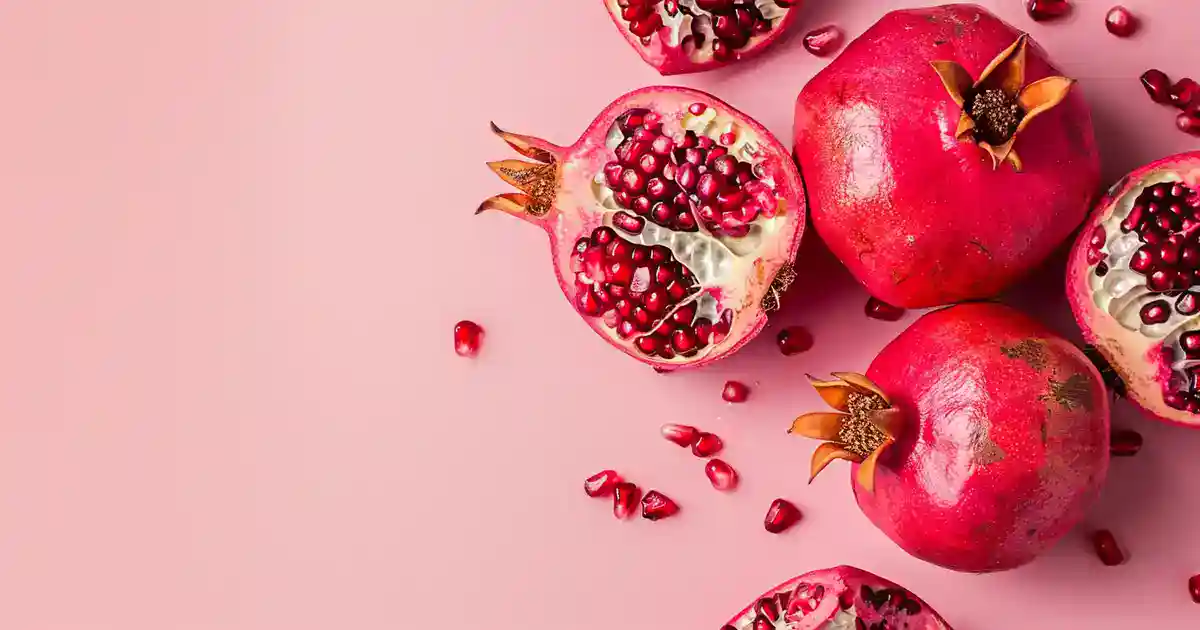
Have You Ever Wondered If This Jewel-Like Fruit Is Safe?
Have you ever wondered why pomegranate seems like a healthy superfood for humans but the safety for dogs remains so unclear? I used to think all antioxidant-rich fruits were automatically beneficial for dogs, until I discovered the complicated truth about pomegranate that completely changed my approach to exotic fruit treats. Now my fellow dog parents constantly ask whether those ruby-red seeds are worth the risk, and my vet (who fields these questions regularly) gave me the honest assessment about what makes pomegranate problematic. Trust me, if you’re tempted to share this trendy superfruit with your pup, this guide will show you why simpler alternatives make more sense than you ever expected.
Here’s the Thing About Dogs and Pomegranate
Here’s the reality: pomegranate is technically not toxic to dogs, but it’s not recommended due to multiple practical concerns that outweigh any potential benefits. The secret to understanding this nuance is recognizing that “not toxic” doesn’t mean “good choice”—pomegranate presents digestive challenges, choking hazards, and preparation difficulties that make it a poor treat option for dogs. What makes this complicated is the disconnect between pomegranate’s superfood status for humans and its impracticality for canines. I never knew fruit safety could involve this many variables until I learned why veterinarians generally advise against pomegranate. It’s honestly more problematic than I ever expected—the seeds, peel, and high tannin content create issues that simple removal cannot fully address.
According to research on tannins and digestive health, pomegranate contains high levels of tannins—compounds that can cause stomach upset in dogs. This combination of digestive irritants, physical hazards from seeds, and minimal practical benefits creates a risk-reward ratio that doesn’t favor dogs.
What You Need to Know – Let’s Break It Down
Understanding what makes pomegranate problematic is absolutely crucial before you consider sharing even a tiny amount. The arils (seed sacs) contain seeds that dogs often swallow whole, creating potential choking hazards or intestinal blockages in small dogs. Don’t skip understanding this physical danger—even though the seeds aren’t toxic, they’re hard and can accumulate in the digestive tract (game-changer for perspective, seriously).
The tannin content is the main concern. I finally figured out that pomegranate’s high tannin concentration causes stomach upset in many dogs, leading to vomiting, diarrhea, and abdominal discomfort. While humans tolerate these compounds easily, dogs’ digestive systems are more sensitive. The astringent properties that make pomegranate juice seem “healthy” for humans can irritate canine stomachs.
The peel and membrane are definitely off-limits (took me forever to realize how toxic these parts actually are). The outer rind and white pithy membrane contain higher concentrations of tannins and can cause significant digestive distress. These parts taste extremely bitter, but curious dogs might still consume them if given access to whole pomegranates. Never allow your dog to chew on pomegranate rinds or consume the membrane.
Even the “safe” arils present challenges. Pomegranate arils are tiny, making them difficult to monitor—dogs can easily consume dozens without you realizing the quantity. The seeds within the arils can pose choking risks, especially for small breeds. I always recommend avoiding pomegranate entirely because safer alternatives provide similar or better nutritional benefits without these complications.
If you’re looking for antioxidant-rich treats that are genuinely safe and practical for dogs, check out my complete guide to dog-safe superfoods for dozens of better options that won’t make you worry about seeds or tannins.
The Science and Nutrition Behind Why This Matters
Dive deeper into the chemistry, and you’ll find concerning compounds beyond just tannins. Pomegranate contains ellagitannins and punicalagins—powerful antioxidants for humans that dogs cannot efficiently metabolize. While these compounds provide health benefits in human digestive systems, they can cause gastrointestinal upset in dogs whose digestive enzymes differ significantly.
Research from veterinary nutritionists demonstrates that dogs process plant compounds differently than humans or even other omnivorous animals. What works as a beneficial antioxidant in human metabolism might act as an irritant in canine digestion. The high fiber content in pomegranate seeds, combined with tannins, creates a double challenge for dogs’ shorter digestive tracts.
What makes this different from truly dog-friendly fruits is the bioavailability of nutrients versus the irritation potential. While pomegranate contains vitamins C and K, folate, and potassium, dogs can obtain these nutrients from more digestible sources that don’t come with tannin-related stomach upset. Your dog’s body struggles to extract benefits before experiencing negative effects.
Here’s what research actually shows: no studies demonstrate significant health benefits from feeding pomegranate to dogs, while anecdotal reports and veterinary clinical experience consistently show digestive upset in dogs who consume pomegranate. According to veterinary toxicology databases, while pomegranate isn’t classified as toxic, it ranks among the fruits most likely to cause gastrointestinal distress in dogs.
Here’s How to Keep Your Dog Safe Around Pomegranate
Start by storing pomegranates securely where dogs cannot access them. Here’s where I used to mess up—I’d leave pomegranates in an open fruit bowl, not realizing my curious dog would investigate. Store whole pomegranates in the refrigerator or cabinets your dog cannot reach. Dispose of peels and membranes immediately in dog-proof trash containers.
Now for the important part: educating your household about the risks. Kids often think “fruit equals healthy” and might share pomegranate arils with dogs without understanding the digestive consequences. Guests who are enthusiastic about superfoods might offer pomegranate thinking they’re giving a nutritious treat. Make sure everyone knows pomegranate is not appropriate for dogs. This step takes just minutes but creates lasting safety awareness.
If your dog does eat a small amount of pomegranate arils, monitor closely for digestive upset over the next 12-24 hours. Watch for vomiting, diarrhea, loss of appetite, abdominal discomfort (hunching, reluctance to move), or excessive drooling. Results vary based on the amount consumed and your dog’s individual sensitivity, but most dogs will experience at least mild stomach upset.
Here’s my secret for emergency preparedness: know when to contact your vet before problems escalate. Don’t be me—I used to wait too long to seek guidance, hoping symptoms would resolve on their own. If your dog consumed a large amount of pomegranate (especially peel or membrane), vomited multiple times, shows signs of obstruction (repeated unproductive vomiting, severe lethargy), or the symptoms persist beyond 24 hours, contact your veterinarian promptly. When you recognize these warning signs immediately, you’ll know to act rather than hesitate.
Choose genuinely safe fruit alternatives that provide antioxidants without risks. Blueberries offer superior antioxidant content with zero digestive concerns. Strawberries, blackberries, and raspberries all provide similar benefits to pomegranate without tannins or problematic seeds. This creates a positive approach—your dog still gets nutritious treats, just safer ones.
Avoid pomegranate-containing products until you feel completely confident reading labels. Some dog treats or supplements contain pomegranate extract. While processed extracts might have reduced tannin content compared to fresh fruit, they’re unnecessary additions that could still cause sensitivity in some dogs. Stick with treats containing proven dog-safe ingredients.
Don’t worry if you’re just starting out with understanding which fruits are truly appropriate for dogs. Begin by memorizing the obviously problematic ones (grapes, pomegranate, stone fruits with pits), then gradually expand your knowledge. A good rule of thumb: when exotic or trendy superfoods are concerned, research thoroughly or simply choose conventional dog-safe fruits instead—berries, apples, and melons rarely cause problems.
Common Mistakes (And How I Made Them All)
Don’t make my mistake of thinking “just a few seeds won’t hurt” because pomegranate is trending as a human superfood. Those first few times I offered pomegranate arils, my dog seemed fine, which made me casual about portions. But accumulated tannin exposure contributes to chronic digestive sensitivity, and larger amounts almost always cause acute upset. Even small quantities can trigger vomiting in sensitive dogs.
Underestimating the seed accumulation risk is epidemic among well-intentioned dog owners. I’ve been there—you think “it’s just a few seeds” not realizing your dog has consumed 20-30 arils. Those hard seeds can accumulate in the stomach or intestines, particularly problematic for small dogs whose narrow digestive tracts cannot pass large quantities of undigested seeds as easily as large breeds.
Another mistake I made: not recognizing that pomegranate juice is equally problematic. The concentrated tannins in pomegranate juice can cause even worse stomach upset than whole arils because the liquid delivers irritants directly to the stomach lining without any buffering from food. I finally learned that juice concentrates problems rather than solving the seed concern.
Comparing pomegranate to safe berries was my fourth epic failure. “If dogs can eat blueberries, surely pomegranate is similar” seems logical until you understand the fundamental difference: blueberries have soft, digestible seeds and low tannin content, whereas pomegranate has hard seeds and high tannins. Not all berries or berry-like fruits are created equal.
Finally, using pomegranate as a “healthy” treat without consulting my vet. I used to think doing independent research about superfoods made me an informed pet owner. But veterinary nutritionists consistently advise that dogs don’t need exotic superfoods—conventional fruits provide adequate nutrition without novel ingredients that might cause unexpected reactions.
When Things Don’t Go as Planned
Your dog ate pomegranate and is showing digestive upset? You need to withhold food for 12 hours (water still available) to allow the stomach to settle, then reintroduce bland foods gradually. That’s the standard approach for dietary indiscretion, and most dogs recover within 24 hours. I’ve learned to handle this by preparing bland diet ingredients (boiled chicken and plain rice) in advance so I’m ready when stomach upset occurs.
Symptoms seem severe or are getting worse? When this happens (and it does when dogs consume large amounts, especially peel), contact your veterinarian immediately. Multiple episodes of vomiting, diarrhea with blood, extreme lethargy, or signs of pain warrant professional evaluation. This is totally manageable with prompt veterinary care—don’t let fear of overreacting prevent you from seeking guidance.
Your dog ate pomegranate including peel or membrane? Don’t relax just because initial symptoms haven’t appeared. The higher tannin concentration in these parts often causes delayed or more severe reactions. I always prepare for monitoring at least 24-48 hours after consumption of problematic parts, watching carefully for escalating symptoms.
Multiple pomegranates disappeared and you’re not sure how much your dog ate? If you’re losing steam trying to determine exact consumption, focus on symptom monitoring rather than quantity estimation. Watch for any signs of digestive distress or obstruction. Consider calling your vet for guidance on whether to bring your dog in for examination or monitor at home.
When motivation fails to maintain strict food safety after one incident resolves without serious consequences, remember that repeated tannin exposure can worsen with each incident—some dogs develop increasing sensitivity. Techniques for maintaining vigilance about pet safety can help reset your mindset when you feel casual after close calls.
Advanced Understanding of Fruit Safety
Taking fruit safety knowledge to the next level means understanding why some fruits are problematic despite not being technically toxic. Advanced practitioners recognize that:
- Digestive irritants vs. toxins: Some compounds irritate without poisoning—tannins cause discomfort but don’t damage organs like true toxins
- Bioavailability factors: Nutrients dogs cannot effectively absorb provide no benefit regardless of concentration
- Individual variation: Some dogs tolerate small amounts of problematic foods while others react severely to traces
- Cumulative effects: Repeated exposure to irritating compounds can worsen reactions over time
Advanced risk assessment techniques I’ve discovered include keeping a food diary tracking any novel foods and your dog’s response over 48 hours. This creates data revealing your specific dog’s tolerances and sensitivities. Dogs with sensitive stomachs, inflammatory bowel disease, or pancreatitis history require stricter avoidance of any potentially irritating foods.
Nutritional equivalence understanding separates informed owners from those caught up in superfood marketing. Pomegranate’s antioxidants (ellagic acid, punicalagins) sound impressive, but blueberries provide comparable ORAC (oxygen radical absorbance capacity) values with superior digestibility for dogs. When choosing treats, prioritize safety and bioavailability over trendy compounds.
What separates excellent decision-making from following fads is critical evaluation of risk versus benefit. Ask yourself: Does this food provide unique benefits my dog cannot get from safer alternatives? Can my dog effectively digest and absorb these nutrients? What are the potential downsides? For pomegranate, honest answers lead to choosing alternatives.
Understanding marketing versus science helps you filter pet food trends. Products claiming “superfruit antioxidants” or “pomegranate extract” might be safe in processed form but don’t necessarily provide meaningful benefits. Dog food companies include trendy ingredients for marketing appeal more than nutritional necessity.
Better Superfruit Alternatives Your Dog Will Actually Benefit From
Blueberry Brilliance: Blueberries provide more bioavailable antioxidants than pomegranate with zero digestive concerns. Frozen blueberries make excellent training treats—my go-to for high-value rewards that support health rather than just providing empty calories.
Strawberry Simplicity: Strawberries offer vitamin C, manganese, and fiber in a form dogs easily digest. Sometimes I mash strawberries and freeze them in ice cube trays (totally optional approach). For next-level results, I love blending strawberries with plain Greek yogurt for probiotic-rich treats.
Cranberry Benefits: Unsweetened fresh or frozen cranberries (not dried, which contain added sugar) support urinary tract health in dogs prone to UTIs. My advanced version includes mixing small amounts of cranberry into food preventatively for dogs with recurring bladder issues.
Apple Advantages: Apple slices (without core or seeds) provide fiber and vitamins with satisfying crunch most dogs enjoy. For busy professionals who don’t have time for elaborate prep, buying pre-sliced apples works perfectly—just verify no seeds remain.
Watermelon Wonder: Seedless watermelon provides hydration, vitamins A and C, and lycopene without any safety concerns. Budget-conscious variation: buy whole watermelons when on sale, cube all the flesh, and freeze portions for extended use.
Each alternative works beautifully with different preferences and needs. The key is finding fruits you’ll confidently offer knowing they’re both safe and beneficial—that peace of mind matters more than chasing exotic superfood trends.
Why Veterinarians Recommend Against Pomegranate
Unlike dismissive advice that says “anything natural is fine,” veterinary guidance on pomegranate leverages clinical experience showing consistent digestive upset. The difference lies in recognizing that dogs evolved eating different foods than humans and lack the digestive adaptations for handling high-tannin fruits.
The underlying principle is simple: dogs thrive on species-appropriate foods. While dogs are omnivores capable of digesting various foods, they do best with options their digestive systems efficiently process. What sets veterinary advice apart from internet opinions is the foundation in comparative physiology and clinical outcome data.
My personal discovery about why vets advise against pomegranate came from discussing cases with my veterinarian who sees pomegranate-related stomach upset regularly, especially during winter when pomegranates are in season. It’s not theoretical concern—it’s real clinical patterns of preventable digestive distress.
Evidence-based approaches to canine nutrition increasingly recognize that novelty doesn’t equal improvement. What makes pomegranate restriction specifically justified is the combination of limited benefits for dogs, well-documented irritant properties, and abundance of superior alternatives that provide similar nutrition without complications.
Real Success Stories (Avoidance Prevents Problems!)
One health-conscious dog owner prevented digestive issues by switching from pomegranate to blueberries after learning about tannin sensitivity. Her dog received the same antioxidant benefits she wanted to provide, but without the stomach upset that had occurred when she’d previously offered pomegranate. What made her successful was prioritizing her dog’s digestive comfort over trendy superfood marketing.
A family with a pomegranate tree in their yard implemented strict yard management, picking up fallen fruit daily before their dogs could access it. Years of living with the tree, zero incidents—all because of proactive prevention. The lesson here: environmental management prevents problems more reliably than hoping dogs will ignore tempting fallen fruit.
A veterinary technician shared how her training helped her recognize early signs of tannin-related stomach upset in her own dog after accidental pomegranate consumption. She immediately offered bland diet support, preventing escalation to severe gastritis. This teaches us that educated observation and prompt response minimize the impact of dietary indiscretions.
Their collective success aligns with research on preventive care showing that avoiding problematic foods entirely (primary prevention) works better than treating resulting digestive upset (secondary intervention). Different households require adapted approaches, but the fundamental principle of “just skip pomegranate” remains universally applicable.
Tools and Resources That Actually Help
Safe fruit reference guides make decision-making easier. The ASPCA Animal Poison Control website provides free, authoritative information about food safety. I personally keep their toxic plant and food database bookmarked for quick reference when encountering unfamiliar foods.
Identification skills help you recognize pomegranate in various forms—whole fruit, juice, dried arils in trail mixes, and extracts in supplements or treats. Learn to spot pomegranate so you can avoid it in all forms. Some dog treats or supplements unnecessarily include pomegranate extract—read ingredient lists carefully.
Alternative treat preparation tools include fruit slicers for apples, berry storage containers, and silicone ice cube trays ($10-15) for freezing fruit purees into perfect treat portions. These simple tools make safe fruits as convenient as risky ones.
Educational resources I constantly recommend include “Feed Your Best Friend Better” by Rick Woodford (The Dog Food Dude) for practical, science-based guidance on what foods benefit dogs, and your veterinarian’s specific advice for your individual dog’s needs.
Veterinary partnerships matter most for personalized guidance. If you’re uncertain about any food, ask your vet rather than crowdsourcing advice from internet forums where everyone claims expertise without credentials. Establish a relationship where you feel comfortable asking food safety questions.
The best nutritional information comes from board-certified veterinary nutritionists, clinical experience databases, and peer-reviewed research, not wellness influencers applying human nutrition concepts to dogs. When questions arise, consult professionals with relevant credentials.
Questions People Always Ask Me
Can dogs eat pomegranate seeds or just the arils?
Dogs shouldn’t eat either, but if they do consume pomegranate, the arils (the juicy seed sacs) are less problematic than eating seeds alone. However, the arils still contain seeds that present choking hazards and the juice contains stomach-irritating tannins. The seeds themselves are hard and indigestible, potentially accumulating in the digestive tract. No part of pomegranate is recommended for dogs—the risk-benefit analysis doesn’t favor including it in their diet.
What should I do immediately if my dog eats pomegranate?
Assess how much and which parts were consumed. If your dog ate just a few arils, monitor closely for digestive upset over the next 24 hours. Watch for vomiting, diarrhea, loss of appetite, or abdominal discomfort. Ensure fresh water is available. If your dog consumed large amounts, especially peel or membrane, or shows severe symptoms (multiple episodes of vomiting, bloody diarrhea, extreme lethargy), contact your veterinarian immediately for guidance.
Is pomegranate juice safer than whole pomegranate for dogs?
No, pomegranate juice is actually worse because it delivers concentrated tannins directly to the stomach lining without any buffering. The astringent compounds in juice cause faster and potentially more severe stomach upset than whole arils. Additionally, commercial pomegranate juice often contains added sugars harmful to dogs. Never give your dog pomegranate juice in any form.
Are some dogs more sensitive to pomegranate than others?
Yes, definitely. Dogs with sensitive stomachs, inflammatory bowel disease, pancreatitis history, or food sensitivities often react more severely to tannin-containing foods. Small breeds face greater choking and obstruction risks from the seeds. Senior dogs and puppies may be more susceptible to digestive upset. However, even healthy, robust dogs commonly experience stomach upset from pomegranate, so individual sensitivity doesn’t determine whether to avoid it—all dogs should avoid pomegranate.
Can my dog eat pomegranate-flavored treats or foods?
Commercial dog treats labeled “pomegranate-flavored” are generally safe if specifically formulated for dogs by reputable pet food companies. These products typically contain pomegranate extract in amounts that won’t cause digestive issues, or sometimes just artificial flavoring. However, human foods containing pomegranate should be avoided. Always read ingredient lists—if pomegranate is among the first few ingredients, choose an alternative treat.
What are the actual health benefits of pomegranate for dogs?
Honestly, there are no proven health benefits of pomegranate for dogs that outweigh the digestive risks. While pomegranate contains antioxidants, vitamins, and minerals beneficial to humans, dogs cannot efficiently metabolize these compounds before experiencing tannin-related stomach upset. Every nutrient in pomegranate is available from safer, more digestible sources like blueberries, apples, or commercial dog foods formulated with bioavailable ingredients.
How long after eating pomegranate would symptoms appear in dogs?
Digestive symptoms typically appear within 2-12 hours of consuming pomegranate, though timing varies based on amount consumed and individual sensitivity. Vomiting often occurs first (2-6 hours), followed by diarrhea (6-12 hours). Some dogs show immediate discomfort or nausea. Symptoms usually resolve within 24-48 hours with supportive care, but persistent or severe symptoms warrant veterinary evaluation.
Can large dogs safely eat pomegranate while small dogs cannot?
Size doesn’t make pomegranate safe—it only influences the degree of risk. Large dogs have lower choking and obstruction risks from seeds compared to small dogs, but they’re equally susceptible to tannin-related stomach upset. In fact, large dogs might consume more arils before you realize it, potentially increasing tannin exposure. No dog size should be eating pomegranate as a regular treat.
What if my dog has eaten pomegranate before without problems?
Previous tolerance doesn’t guarantee future safety. Some dogs experience cumulative tannin sensitivity—repeated exposure worsens reactions over time. Others might tolerate tiny amounts but react severely to larger quantities. Additionally, luck plays a role in whether seeds cause obstruction. Don’t let past safe outcomes create false confidence about ongoing risk—choose safer alternatives going forward.
How much does treating pomegranate-related digestive upset typically cost?
For mild cases manageable at home with bland diet, costs are minimal—perhaps $10-20 for boiled chicken and rice. If veterinary examination is needed, expect $100-200 for consultation and potential medications. If your dog develops severe gastritis requiring hospitalization with IV fluids and anti-nausea medication, costs range from $500-1,500+. If seeds cause intestinal obstruction requiring surgery, costs typically run $2,000-5,000+. Prevention through avoidance costs nothing.
What other fruits have similar risks I should know about?
Fruits with high tannin content include persimmons and unripe bananas. Grapes and raisins are far more dangerous—they’re actually toxic and can cause kidney failure. Stone fruits (plums, cherries, peaches) have pits containing cyanide. Citrus fruits aren’t toxic but commonly cause stomach upset. Avocados contain persin which is mildly toxic. When in doubt about any fruit, research thoroughly or choose proven safe options like blueberries, strawberries, apples, or watermelon.
Is there any safe way to give my dog pomegranate benefits without the risks?
The nutrients and antioxidants you’re seeking from pomegranate are better obtained from blueberries, which provide similar or superior antioxidant capacity with excellent digestibility and zero safety concerns. If you specifically want the phytochemicals in pomegranate, discuss with your vet whether processed pomegranate extract supplements designed for dogs might be appropriate—though these are unnecessary for most dogs receiving balanced nutrition from quality dog food.
Before You Get Started (With Safer Choices!)
I couldn’t resist sharing this thorough information because it proves that supporting your dog’s health doesn’t require chasing every trendy superfood. The best nutritional journeys happen when we prioritize safety and digestibility over marketing hype, choosing foods that dogs can actually utilize rather than foods that merely sound impressive.
Ready to make smart, informed choices about fruits for your dog? Start by removing pomegranate from your dog’s potential treat options today, stock up on genuinely safe alternatives like blueberries or strawberries, and educate everyone in your household about which fruits are truly appropriate for dogs. Build your healthy treat repertoire from there, letting your dog’s digestive comfort and enthusiasm guide your selections. Here’s to happy, healthy dogs enjoying delicious, safe fruits—without any of the stomach upset that comes from trendy but problematic choices!




