
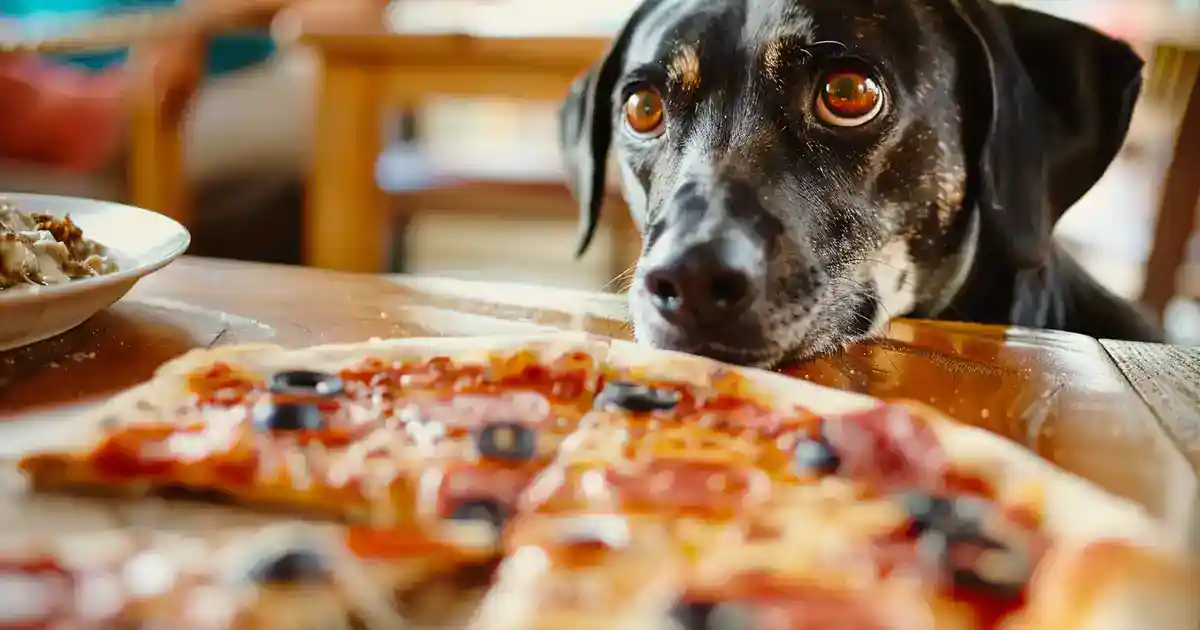
Have you ever been enjoying a slice of pizza and felt those irresistible puppy eyes begging for just one bite, leaving you wondering if sharing this popular food could actually harm your furry friend?
I totally get that tempting moment—pizza smells amazing, your dog looks so hopeful, and it seems harmless to share just a small piece since it’s “just bread, cheese, and toppings.” Here’s the thing I’ve learned after countless consultations with veterinary nutritionists and emergency vets treating pizza-related incidents: no, dogs should not eat pizza, and while a tiny bite of plain crust might not cause an immediate emergency, pizza combines multiple dangerous ingredients including excessive fat (triggering pancreatitis), toxic garlic and onion in sauces and toppings, problematic sodium levels, potential lactose from cheese, and frequent deadly additions like xylitol in some crusts or chocolate on dessert pizzas that create serious health risks ranging from digestive upset to life-threatening toxicity. The alarming reality? What seems like an innocent treat actually delivers a concentrated package of ingredients that veterinarians consistently warn against—the high-fat cheese and meat toppings can cause acute pancreatitis requiring hospitalization, garlic and onion compounds damage red blood cells leading to anemia, and the excessive sodium stresses cardiovascular and kidney systems especially in dogs with pre-existing conditions.
Now my clients constantly ask whether certain pizza types are safer than others, if removing toppings makes it acceptable, and whether the “just this once” approach is really that risky. Trust me, if you’re worried about whether that pizza slice will trigger an emergency vet visit or you’ve been occasionally sharing pizza thinking the small amounts can’t hurt, this comprehensive approach will show you exactly what’s at risk with every pizza component, why even “plain” pizza isn’t safe, what to do if your dog ate pizza, and which genuinely safe alternatives satisfy your dog’s desire to participate in family meals without the dangerous consequences.
Here’s the Thing About Pizza and Dogs
Here’s what makes pizza particularly hazardous for dogs—it’s essentially a multi-layered danger delivery system combining excessive fats from cheese and greasy meats (pepperoni, sausage, bacon) that overwhelm the canine pancreas and frequently trigger acute pancreatitis, toxic ingredients like garlic and onion present in virtually all pizza sauces and many toppings that cause oxidative damage to red blood cells, extreme sodium levels from cured meats and cheese that can lead to salt toxicity, potential lactose intolerance issues from dairy cheese, and frequent dangerous additions that owners don’t always recognize including seasoned crusts with garlic butter, dessert pizzas with chocolate or xylitol-containing ingredients, and even “veggie” pizzas with onions or garlic-seasoned vegetables. The tragedy lies in how this beloved food combines problems that would each individually warrant caution into a single irresistible package that dogs enthusiastically consume without understanding the health consequences awaiting them.
What I’ve discovered through working with emergency veterinarians is that it’s honestly more dangerous than most pet owners realize—pizza represents one of the most common foods involved in pancreatitis cases requiring emergency hospitalization, the garlic and onion content creates cumulative red blood cell damage even from amounts that seem tiny, and the combination of high fat, high sodium, and potential toxins means even dogs who’ve “had pizza before and been fine” are gambling with serious health complications every single time. According to research on veterinary emergency medicine and dietary indiscretion, fatty foods like pizza rank among the top triggers for acute pancreatitis in companion animals, and this condition can progress from mild discomfort to life-threatening organ failure within hours.
It’s a game-changing piece of information that every dog owner needs to understand: pizza isn’t just “not ideal” or “unhealthy”—it’s actively dangerous with multiple mechanisms of harm that can cause everything from uncomfortable digestive upset to fatal toxicities depending on the specific ingredients and amounts consumed. This combination of excessive fat, toxic seasonings, problematic sodium, empty calories, and potential hidden dangers creates what veterinarians consider a perfect storm of dietary hazards. No room for the “just a little won’t hurt” rationalization—the veterinary consensus is absolutely clear that pizza should never be intentionally fed to dogs, and accidental ingestion requires careful assessment based on amount consumed, specific toppings present, and individual dog vulnerability factors.
What You Need to Know – Let’s Break It Down
Understanding why pizza is hazardous requires examining each problematic component and how they affect canine health individually and in combination. First, let’s talk about fat content—a single slice of pepperoni pizza contains approximately 10-15 grams of fat, and dogs should consume only about 1 gram of fat per 10 pounds of body weight daily as part of balanced nutrition. Don’t skip this crucial calculation (took me forever to realize this): just one slice can deliver an entire day’s fat allowance (or more) for a medium-sized dog in minutes, and the concentration of saturated fats from cheese and processed meats is exactly the type that triggers pancreatic inflammation.
The mechanism of pancreatitis involves the pancreas becoming overwhelmed by high-fat intake, causing digestive enzymes to activate prematurely inside the pancreas itself rather than in the intestines where they belong. I finally figured out this frightening reality after reviewing emergency case studies—when these enzymes start digesting pancreatic tissue, severe inflammation develops, causing excruciating abdominal pain, vomiting, diarrhea, and potentially progressing to systemic complications including shock, organ failure, and death in severe cases. (Game-changer for understanding why “just fatty food” can be genuinely life-threatening, seriously.)
Here’s what really creates the toxic danger: garlic and onion compounds. Virtually all pizza sauces contain garlic and often onion as base flavoring ingredients, and many toppings (Italian sausage, meatballs, seasoned chicken, vegetable toppings) include additional garlic or onion powder. These ingredients contain thiosulfates and organosulfur compounds that cause oxidative damage to canine red blood cells, leading to hemolytic anemia where red blood cells rupture faster than the body can replace them. I always recommend understanding that there’s no established safe amount of garlic or onion for dogs—while tiny exposures might not cause immediate visible symptoms, the damage accumulates over time, and individual sensitivity varies unpredictably between dogs.
The sodium problem compounds everything. Pizza is loaded with salt from cheese (particularly processed varieties), cured meats (pepperoni, ham, bacon, salami), seasoned sauces, and even the crust preparation. A single slice can contain 400-800mg of sodium—that’s 2-4 times the entire daily sodium requirement for an average dog. It’s honestly a metabolic assault that causes excessive thirst, increased urination, dehydration, elevated blood pressure, and in severe cases (especially if dogs consume multiple slices or entire pizzas), sodium ion poisoning with neurological symptoms including tremors, seizures, and potentially death.
The lactose consideration affects many dogs. While cheese contains less lactose than fresh milk due to the fermentation process, it still poses problems for lactose-intolerant dogs (which represents approximately 50-60% of adult dogs to some degree). Symptoms include gas, bloating, diarrhea, and abdominal discomfort that, while not typically life-threatening, certainly aren’t pleasant and add to the overall digestive stress pizza creates.
The topping-specific dangers require individual attention. Pepperoni and processed meats deliver concentrated fat, sodium, and often garlic/onion seasonings in every slice. Mushroom toppings might be safe (cultivated mushrooms) or dangerous (if any toxic wild mushrooms somehow contaminated the supply). Vegetable toppings seem healthy but often include onions, garlic-seasoned items, or jalapeños and spicy peppers that irritate canine digestive tracts. Dessert pizzas with chocolate toppings add theobromine and caffeine toxicity to the mix. Some specialty crusts use xylitol-containing dough or garlic butter that add additional toxicity layers.
If you’re just starting to understand which common human foods pose serious risks to dogs, check out my comprehensive guide to dangerous foods dogs must never eat for foundational knowledge on protecting your dog from dietary hazards present in typical household foods and restaurant meals.
The Science and Medical Risks Behind Pizza Consumption
The pathophysiology of pizza-induced health problems involves multiple organ systems and toxicological mechanisms that explain why this food is uniquely problematic. Acute pancreatitis develops when the pancreas encounters excessive dietary fat, triggering inflammatory cascades that cause the organ to essentially begin digesting itself through premature enzyme activation. Research from veterinary gastroenterology studies demonstrates that this auto-digestion process creates severe inflammation, tissue necrosis, and release of inflammatory mediators that can trigger systemic inflammatory response syndrome (SIRS), leading to multi-organ dysfunction including kidney failure, respiratory distress, disseminated intravascular coagulation (DIC), and shock that can be fatal even with aggressive treatment.
The mechanism of garlic and onion toxicity operates through organosulfur compounds (particularly N-propyl disulfide and allyl sulfides) that oxidize hemoglobin inside red blood cells, forming Heinz bodies—clumps of denatured hemoglobin that weaken cell membranes and cause premature cell rupture. What makes this particularly insidious is the delayed onset—symptoms of hemolytic anemia typically don’t appear until 1-5 days after ingestion as red blood cell destruction accumulates, and by the time clinical signs are obvious (weakness, pale gums, dark urine, elevated heart rate), significant anemia has already developed. The body attempts to compensate by producing new red blood cells, but if destruction outpaces production or if bone marrow is simultaneously damaged by the oxidative stress, severe life-threatening anemia develops requiring blood transfusions.
Sodium toxicity operates through osmotic imbalances affecting cellular hydration throughout the body. When blood sodium levels spike after consuming high-sodium foods like pizza, water is drawn out of cells into the bloodstream to dilute the elevated sodium concentration. Brain cells are particularly vulnerable because they’re confined within the rigid skull, and cellular dehydration causes the brain to physically shrink away from the skull, potentially tearing blood vessels and causing hemorrhage. The cardiovascular system responds to sodium overload with fluid retention and increased blood pressure, stressing the heart and forcing kidneys to work overtime filtering excess sodium—particularly problematic for dogs with pre-existing heart or kidney disease.
From a metabolic perspective, the refined carbohydrates in pizza crust cause rapid blood glucose spikes followed by insulin surges and subsequent crashes, creating glycemic instability especially problematic for diabetic dogs whose glucose regulation is already compromised. The combination of high fat and high carbohydrate creates particularly obesogenic meal composition, meaning regular pizza consumption (or even occasional indulgences) contributes significantly to obesity, which is the most common nutritional disorder in companion animals and a gateway condition for diabetes, arthritis, heart disease, and shortened lifespan.
The behavioral psychology aspect matters for training and household management. Feeding pizza teaches dogs that human food is appropriate for them, reinforces begging behaviors, creates expectations that meal times include scraps, and makes boundary-setting inconsistent and confusing. Understanding why food boundaries matter—dogs can’t comprehend that some human foods are okay while others are dangerous; they just learn that begging sometimes produces rewards—helps owners recognize that “just this once” actually has behavioral training consequences beyond the immediate health impact.
Here’s What to Do If Your Dog Ate Pizza
Finding out your dog ate pizza triggers immediate concern about potential pancreatitis, garlic/onion toxicity, or salt poisoning—that worried feeling hits everyone when their dog gets into something potentially harmful. You probably need to assess the situation systematically: how much pizza did your dog consume (one small piece, multiple slices, or an entire pizza), what toppings were present (plain cheese is less immediately dangerous than pepperoni with extra garlic), how much does your dog weigh (toxicity risk is dose-dependent relative to body size), does your dog have pre-existing health conditions (previous pancreatitis, kidney disease, or heart conditions dramatically increase risk), and how long ago did ingestion occur?
That’s completely normal to feel anxious, and this situation requires appropriate response based on these critical factors. Don’t stress if your large healthy dog ate one small piece of plain cheese pizza crust—while not ideal, this amount is unlikely to cause serious immediate problems in most robust medium or large dogs without pre-existing vulnerabilities. This is totally manageable by monitoring closely for the next 24-72 hours (pancreatitis symptoms can develop 12-48 hours post-ingestion, garlic/onion effects appear 1-5 days later) and ensuring your dog has access to plenty of fresh water.
I’ve learned to handle pizza ingestion by staying calm while taking systematic action. When this happens (and it does when dogs are opportunistic scavengers or when pizza is left accessible), first remove any remaining pizza from your dog’s access to prevent additional consumption, don’t attempt to induce vomiting unless explicitly instructed by a veterinarian (the high fat content and potential obstructive toppings make vomiting risks sometimes outweigh benefits), calculate approximate fat, garlic/onion, and sodium consumed based on pizza size and toppings, and call your veterinarian or Pet Poison Helpline (855-764-7661) to report the specific exposure and get professional guidance.
Monitor your dog intensely for these symptoms that warrant immediate veterinary attention: vomiting (especially if severe, persistent, or projectile), diarrhea (particularly if bloody, black, or containing large amounts of fat), abdominal pain shown through hunched posture, reluctance to move, whining when touched, or “praying position” (front down, rear elevated), lethargy or extreme weakness, loss of appetite, excessive drooling or signs of nausea, pale or yellow-tinged gums (suggesting anemia from garlic/onion toxicity or shock), rapid breathing or panting, tremors or seizures (indicating potential severe sodium toxicity), and dark-colored urine (suggesting hemolysis from garlic/onion damage). If you’re noticing any of these concerning symptoms, try to get veterinary care immediately rather than waiting to see if they worsen—pancreatitis and toxicities both progress rapidly once symptoms appear, and early intervention dramatically improves outcomes.
For cases where dogs consumed significant amounts or problematic toppings, the veterinary approach involves immediate assessment through physical examination and potentially bloodwork to establish baseline organ function, pancreatic enzyme levels (checking for pancreatitis), complete blood count (checking for anemia from garlic/onion), kidney function and electrolytes (assessing sodium toxicity risk), then determining whether the dog can be monitored at home with supportive care or requires hospitalization for IV fluids, anti-nausea medications, pain management, and continuous monitoring as complications develop.
The timing of symptoms provides clues about which complication is developing: digestive upset (vomiting, diarrhea) typically appears within 2-12 hours if it’s going to occur, pancreatitis symptoms usually develop 12-48 hours after high-fat ingestion, garlic/onion-induced anemia symptoms appear 1-5 days later as red blood cell destruction accumulates, and neurological signs of severe salt toxicity can develop within hours or gradually over 12-24 hours depending on sodium load. Continue vigilant monitoring for at least 5 days after pizza ingestion to catch delayed complications, not just immediate reactions.
Common Mistakes (And Why People Feed Pizza Anyway)
The biggest mistake I encounter constantly is people thinking “just the crust” or “just a little cheese” makes pizza safe by removing problematic toppings. I used to justify sharing plain crust thinking I’d eliminated all the dangerous parts, not realizing that pizza dough itself often contains garlic, onion powder, or excessive salt, plus it delivers concentrated refined carbohydrates and potentially yeast that can cause gastric distension if consumed in large amounts. Don’t make this assumption—even plain pizza components contain problematic ingredients or nutritional profiles that make them inappropriate for dogs.
Another epic failure I’ve witnessed is the “they’ve had it before and been fine” rationalization where people assume past tolerance predicts future safety. Wrong. Pancreatitis can develop after a single exposure or after years of occasional exposures—the disease doesn’t always require repeated insults; sometimes one fatty meal in a susceptible dog triggers the cascade. I’ve learned through pancreatitis consultations that dogs who’ve “tolerated” pizza previously may have been lucky, may have had subclinical inflammation that didn’t produce obvious symptoms, or simply hadn’t yet reached the tipping point where their pancreas could no longer compensate. Each exposure is a new gamble, and previous “success” doesn’t protect against future complications.
The “removing toppings makes it safe” mindset causes dangerous complacency. People pick off pepperoni or sausage thinking they’ve eliminated the problem, not understanding that the fat and seasonings have already permeated the cheese and sauce, garlic and onion compounds have soaked into the crust, and the underlying cheese and sauce still deliver excessive fat and sodium. Think about it like removing cigarettes from a smoky room but expecting the smoke to disappear—the problematic components have already contaminated everything they touched.
Underestimating small dog vulnerability is a tactical error with potentially fatal consequences. The same small pizza slice that might cause only mild upset in a 70-pound Labrador could trigger severe pancreatitis, salt toxicity, or garlic poisoning in a 10-pound Chihuahua because toxicity and organ stress relate to dose per kilogram of body weight. I now compulsively calculate risk relative to dog size rather than assuming “just a bite” is universally safe across all dogs regardless of weight.
The “special occasion” justification gets people in trouble repeatedly. Offering pizza as birthday treats, party sharing, or celebration indulgences seems harmless for “just one day,” but you’re potentially triggering pancreatitis or toxicity that could hospitalize your dog during what should be an enjoyable time and create medical expenses far exceeding any celebration budget. When I honestly asked myself whether that momentary taste experience was worth even a small chance of my dog spending days in intensive care, I stopped justifying special-occasion dangerous foods entirely and found actually safe celebration alternatives instead.
When Pizza Causes Serious Health Problems
Taking emergency situations seriously means understanding that pizza-related complications can escalate from uncomfortable to life-threatening depending on individual dog susceptibility and specific ingredients consumed. Advanced emergency protocols for acute pancreatitis often involve 3-7 days of hospitalization with nothing by mouth (NPO) for 24-72 hours to rest the inflamed pancreas, IV fluid therapy to maintain hydration and perfusion, antiemetic medications (maropitant/Cerenia, ondansetron), opioid pain management (pancreatitis is excruciatingly painful), plasma transfusions in severe cases, antibiotics if bacterial translocation from damaged intestines is suspected, and continuous monitoring of vital signs, electrolytes, kidney function, and pancreatic enzymes.
I discovered through emergency veterinary colleagues that treatment approaches vary dramatically based on severity grading. Mild pancreatitis might be manageable with outpatient care including subcutaneous fluids, antiemetics, pain medication, and gradual dietary reintroduction. Moderate to severe cases require intensive hospitalization as described above. Complicated cases with multi-organ involvement may need ICU-level care with mechanical ventilation, dialysis if kidney failure develops, or surgical intervention if pancreatic necrosis or abscess formation occurs. This is more intensive and definitely expensive—pancreatitis hospitalization commonly costs $2,000-7,000 for uncomplicated cases, with severe cases reaching $10,000-15,000 or more when complications develop.
For garlic/onion-induced hemolytic anemia, treatment focuses on supportive care while the body recovers its red blood cell population. Severe cases require blood transfusions to replace destroyed cells, oxygen supplementation if anemia is causing respiratory distress, IV fluids to support kidney function (hemoglobin breakdown products can damage kidneys), antioxidant therapy, and monitoring that continues for weeks as new red blood cells are produced. Some dogs develop chronic hemolytic anemia requiring ongoing management if bone marrow is permanently damaged.
For salt toxicity with neurological symptoms, emergency treatment involves very carefully controlled IV fluid therapy (too-rapid sodium correction causes cerebral edema that’s as dangerous as the original toxicity), seizure management with anticonvulsant medications, continuous monitoring of electrolytes and neurological status, and supportive care for complications. The recovery process requires precise medical management because both under-correction and over-correction of sodium imbalances cause serious complications.
Some situations result in chronic health consequences even after successful initial treatment—dogs who develop pancreatitis once face dramatically increased risk for recurrent episodes throughout their lives, requiring permanent dietary changes (ultra-low-fat prescription diets), extreme vigilance about fat intake, and understanding that each recurrence causes additional pancreatic damage. Chronic pancreatitis can progress to exocrine pancreatic insufficiency (inability to produce digestive enzymes, requiring lifelong enzyme supplementation) or diabetes mellitus (if insulin-producing pancreatic cells are damaged), both requiring expensive lifelong management.
Cost considerations become devastating realities for many families—emergency vet visits start at $200-500 for examination and basic diagnostics, treatment for moderate to severe pancreatitis runs $2,000-10,000+, blood transfusions for severe anemia cost $500-1,500 per transfusion (multiple may be needed), and managing chronic conditions resulting from pizza-induced damage (recurrent pancreatitis, diabetes, EPI) costs thousands annually for the remainder of the dog’s life. Pet insurance suddenly seems invaluable when facing these expenses for a completely preventable condition caused by sharing pizza. When I frame the true cost of “just sharing a slice,” the math becomes crystal clear about why prevention matters infinitely more than dealing with consequences.
Safe Alternatives Your Dog Will Actually Love
When you want to include your dog in family pizza night without endangering their health, I use the Dog-Safe Dinner Protocol: prepare a small portion of plain cooked lean protein (unseasoned chicken breast, turkey, or lean ground beef) and plain cooked vegetables (carrots, green beans, sweet potato) that you serve simultaneously when the family eats pizza, creating inclusion without risk. This makes your dog feel part of the meal while providing genuinely nutritious food rather than dangerous human fare.
For dogs who crave the pizza experience, I love the Homemade Dog Pizza Method: use a dog-safe base (plain cooked sweet potato rounds or commercially available dog-safe pizza crust), top with small amounts of plain cooked protein and dog-safe vegetables, skip all cheese/sauce/seasonings, and serve as a special treat that mimics pizza without any dangerous ingredients. My busy-version approach focuses on simplicity—I keep pre-cooked plain proteins and vegetables readily available so I can quickly assemble a “dog pizza” when the family orders delivery.
The Budget-Conscious Inclusion Method works beautifully with everyday options: stuff a Kong toy with plain cooked chicken and sweet potato then freeze it (provides long-lasting entertainment while family eats), offer plain cooked vegetables as crunchy treats during meal time, use small pieces of dog’s regular kibaki as “special treats” during family meals (making their normal food seem exciting through context), or simply provide extra attention and interaction during pizza night instead of food rewards. Sometimes I play fetch or do brief training sessions while the family eats, satisfying my dog’s desire for inclusion through engagement rather than food sharing.
For dogs whose owners struggle with guilt about not sharing, the Boundary-Setting Psychology Approach includes: establishing consistent house rules that dogs never receive human food during meals (eliminating begging motivation), creating designated dog meal times that don’t coincide with human meals (reducing proximity temptation), teaching strong “place” or “settle” commands so dogs relax away from the dining table, and reframing “not sharing” as protecting rather than depriving (which is the truth). This works for different family dynamics—in homes with children who want to share, explicit rules and supervision prevent well-meaning dangerous food sharing.
Why Pizza Is Uniquely Dangerous Compared to Other Foods
Unlike single-ingredient foods that might be safe or unsafe, this approach leverages proven veterinary toxicology principles that most pet owners completely overlook. The foundation is evidence-based: pizza combines multiple independent risk factors (high fat, toxic seasonings, excessive sodium, potential lactose, refined carbohydrates) that each individually warrant caution, and when combined create synergistic dangers where the total risk exceeds the sum of individual risks.
What sets pizza apart from other inappropriate but less immediately dangerous foods is the concentration and combination of problems—the extreme fat content that predictably triggers pancreatitis in susceptible dogs, the universal presence of garlic/onion that makes even “safe-seeming” plain cheese pizza toxic, and the processed meat toppings that deliver concentrated fat, sodium, and additional seasonings in every bite. I discovered through comparing food-related emergency cases that pizza ranks near the top for triggering acute pancreatitis, and the garlic/onion content means even dogs who somehow avoid pancreatitis face cumulative red blood cell damage from virtually any pizza variety.
The processing and formulation principle matters too: pizza is engineered for maximum human palatability through fat, salt, and umami flavoring (often from garlic and onion), not for nutritional value or species-appropriateness. This sustainable, science-based understanding means the question isn’t “which type of pizza is safe?” but rather “why would we feed dogs a food specifically formulated to maximize flavors through ingredients that harm them?” Those are fundamentally different perspectives with very different outcomes for canine health.
The long-term health consideration resonates with responsible pet owners—even dogs who somehow tolerate occasional pizza without acute complications face cumulative damage from repeated exposures. Chronic low-grade pancreatic inflammation from periodic fatty foods contributes to obesity, diabetes risk, and eventual pancreatic insufficiency. Regular garlic/onion exposure causes progressive red blood cell damage even without obvious anemia symptoms. Sodium overload stresses cardiovascular and renal systems, accelerating heart and kidney disease progression. When you frame treat selection as impacting your dog’s healthspan and quality of life over years rather than just immediate reactions, choosing vegetables or plain proteins over pizza becomes an obvious expression of genuine love and protection.
Real Emergency Stories from Pizza Incidents
One client rushed her Miniature Schnauzer (a breed genetically predisposed to pancreatitis) to emergency care after the dog consumed three slices of pepperoni pizza left on the coffee table during a Super Bowl party. Within 12 hours, the dog developed severe vomiting and abdominal pain, and emergency diagnostics revealed acute necrotizing pancreatitis with lipase levels over 10,000 (normal is under 200). What made this case particularly instructive was the rapid progression—the family initially thought the dog just had a “little stomach upset” and waited several hours before seeking care, but by the time they arrived at the emergency hospital, the dog was in shock with early multi-organ dysfunction. After five days of intensive hospitalization including plasma transfusions, the dog survived but now requires lifelong ultra-low-fat diet management and has developed chronic pancreatitis with recurrent flare-ups. The lesson? Fatty foods can trigger catastrophic illness within hours, and early intervention when symptoms first appear dramatically improves outcomes versus waiting to see if they resolve.
Another pet parent shared their experience with a mixed-breed dog who consumed half a pizza with extra garlic and onions. The owner didn’t think much of it initially because the dog seemed fine after eating it, but four days later, the dog collapsed during a walk with pale gums, rapid heartbeat, and dark brown urine. Emergency bloodwork revealed severe hemolytic anemia with a packed cell volume of 15% (normal is 35-55%), requiring immediate blood transfusion. Their devastating realization aligns with research on delayed garlic/onion toxicity that shows symptoms don’t appear until significant red blood cell damage has accumulated. The lesson here reinforces the insidious nature of garlic/onion poisoning—the lack of immediate symptoms creates false security, but serious damage is occurring invisibly until clinical signs suddenly appear days later when anemia becomes life-threatening.
I’ve also encountered cases where owners thought removing toppings made pizza safe. A Beagle ate what owners described as “just cheese and sauce” after they’d removed all the meat toppings, but the dog still developed pancreatitis requiring hospitalization because the cheese alone delivered enough fat to trigger the cascade, and the sauce contained garlic that contributed to mild anemia on bloodwork. This case reinforced that removing visible toppings doesn’t eliminate the fundamental problems making pizza inappropriate—the remaining components still deliver excessive fat and hidden toxins.
Different breed and size patterns teach us important vulnerability lessons—small dogs experience more severe symptoms from smaller absolute amounts because toxicity scales with body weight, brachycephalic breeds (Bulldogs, Pugs) may have increased gastric sensitivity, breeds predisposed to pancreatitis (Miniature Schnauzers, Cocker Spaniels, Yorkshire Terriers, Miniature Poodles) face dramatically higher risks from fatty foods, and dogs with pre-existing conditions (diabetes, heart disease, kidney disease) experience worse complications. Being honest about your specific dog’s vulnerability factors helps you maintain appropriate vigilance and recognize when your dog faces higher risks than general population statistics suggest.
Veterinary Consensus and Authoritative Resources
My personal experience working with board-certified veterinary internists, emergency specialists, and nutritionists has revealed absolute consensus—no veterinary professional recommends feeding dogs pizza under any circumstances, and pizza ranks consistently among the top foods veterinarians wish owners would never share with their pets. The veterinary literature overwhelmingly documents pizza as a common trigger for preventable emergencies including pancreatitis, garlic/onion toxicity, and salt-related complications.
For immediate poisoning emergencies, I always keep the ASPCA Animal Poison Control number (888-426-4435) and the Pet Poison Helpline (855-764-7661) programmed in my phone for any ingestion emergency involving toxic foods, medications, or substances. Yes, these services charge consultation fees ($75-95), but they provide immediate expert guidance from veterinary toxicologists who can assess risk level based on specific details (exact pizza type, toppings consumed, amount relative to dog’s weight), provide home monitoring instructions, or confirm when immediate veterinary care is essential. Free alternatives include calling your regular veterinarian’s after-hours emergency line, though availability and expertise levels vary.
I’m particularly impressed with the Pet Poison Helpline’s extensive database tracking thousands of pet poisoning cases annually, documenting that pizza-related calls consistently rank among the most common food-related exposures, with garlic/onion content and pancreatitis risk being the primary concerns. These resources offer the best information for pet owners seeking authoritative guidance about whether specific exposures require emergency care or can be monitored at home with veterinary consultation.
The American Veterinary Medical Association and American Animal Hospital Association both publish pet owner resources about dangerous foods and safe feeding practices that explicitly list pizza among foods to avoid, citing the multiple risk factors (fat, garlic, onion, sodium) that make this food particularly problematic. For detailed toxicology information, the Merck Veterinary Manual provides free online access to professional-level content about pancreatitis, garlic/onion toxicity, and salt poisoning that help owners understand what veterinarians consider during treatment decisions and why prevention is so heavily emphasized.
Your Most Important Questions Answered
What should I do immediately if my dog ate pizza?
Assess how much pizza your dog consumed, what toppings were present, and your dog’s size/weight, then contact your veterinarian or Pet Poison Helpline for guidance. For small amounts in large healthy dogs, close monitoring at home may suffice. For significant amounts, small dogs, or pizzas with heavy garlic/onion/processed meat toppings, professional evaluation is warranted. Remove any remaining pizza from access, don’t induce vomiting without veterinary instruction, and monitor closely for symptoms including vomiting, diarrhea, abdominal pain, or lethargy over the next 24-72 hours (pancreatitis) and up to 5 days (garlic/onion effects).
Can dogs eat plain cheese pizza without toppings?
No—even plain cheese pizza contains problematic ingredients including high-fat cheese (pancreatitis risk), pizza sauce with garlic and often onion (toxic to dogs), excessive sodium, and refined carbohydrates with no nutritional value. The crust itself often contains garlic powder, onion powder, or excessive salt. Removing visible toppings doesn’t eliminate the fundamental problems making pizza inappropriate for dogs. “Plain” pizza is still dangerous pizza from a veterinary perspective.
Is pizza crust safe for dogs?
Pizza crust is marginally less immediately dangerous than fully topped pizza but still problematic—it often contains garlic powder, onion powder, or excessive salt in the dough, delivers empty calories from refined flour, and potentially contains yeast that can cause gastric bloating if large amounts of raw dough are consumed. While a tiny piece of baked plain crust is unlikely to cause acute toxicity in most healthy dogs, it offers zero nutritional benefits and establishes problematic begging behaviors that make boundary-setting inconsistent.
How much pizza is toxic to dogs?
Toxicity depends on your dog’s size, the specific pizza ingredients, and individual susceptibility. Even small amounts (one slice) can trigger pancreatitis in susceptible dogs or small breeds. Garlic and onion are toxic in any amount with effects accumulating over time. A general guideline: if your dog consumed more than a few small bites, or any amount with heavy garlic/onion content, professional consultation is warranted. Small dogs (under 20 pounds) face higher risks from smaller absolute amounts due to dose-per-body-weight calculations.
What are signs my dog has pancreatitis from eating pizza?
Watch for vomiting (especially severe or projectile), diarrhea (may be fatty or greasy), severe abdominal pain shown through hunched posture, reluctance to move, “praying position” (front down, rear up), or crying when touched near the abdomen, loss of appetite, lethargy or depression, fever, and dehydration. These symptoms typically develop 12-48 hours after eating high-fat foods. Pancreatitis can progress rapidly to life-threatening complications, so any combination of these symptoms after pizza consumption warrants immediate veterinary evaluation.
Can dogs eat veggie pizza since it has no meat?
No—veggie pizza still contains high-fat cheese, garlic and onion in the sauce, excessive sodium, and many vegetable toppings are themselves problematic (onions are extremely toxic, mushrooms vary in safety, bell peppers and jalapeños can cause GI irritation). The absence of meat toppings doesn’t eliminate the multiple other dangerous components making pizza inappropriate. “Veggie” doesn’t mean “healthy for dogs”—it means different toppings with their own potential hazards on the same problematic pizza base.
Are there any types of pizza that are safe for dogs?
No commercial or restaurant pizza is truly safe for dogs due to fundamental ingredients present in virtually all pizzas (garlic/onion in sauce, high-fat cheese, excessive sodium). Even “plain” cheese pizza from any pizzeria contains problematic components. The only potentially “safe” pizza would be one specifically made for dogs using dog-safe ingredients (no sauce or dog-safe tomato paste, no cheese or minimal low-lactose option, no seasonings, using lean proteins and dog-safe vegetables)—but at that point, you’re not really making pizza, you’re making a dog-safe substitute that bears little resemblance to actual pizza.
What happens if my dog ate pizza with pepperoni?
Pepperoni pizza combines multiple serious hazards—the pepperoni itself delivers concentrated fat (increasing pancreatitis risk dramatically), excessive sodium (often 400-500mg per ounce), and usually contains garlic and onion powder as seasonings (toxic to dogs causing red blood cell damage). Your dog faces risks of acute pancreatitis (symptoms appearing 12-48 hours post-ingestion), garlic/onion-induced hemolytic anemia (symptoms appearing 1-5 days later), salt toxicity if large amounts were consumed, and digestive upset. Contact your veterinarian immediately to report the exposure and get guidance on whether your dog needs evaluation or just careful home monitoring.
Can puppies eat pizza?
Absolutely not—puppies should never eat pizza. Puppies have immature digestive systems that are even more vulnerable to pancreatitis from fatty foods, their developing bodies are more susceptible to toxins including garlic and onion, they dehydrate more quickly if digestive upset develops, and establishing feeding boundaries during puppyhood prevents lifelong begging behaviors. Any puppy who consumes pizza should be evaluated by a veterinarian regardless of amount because young dogs deteriorate more rapidly than adults when complications develop.
How long after eating pizza will symptoms appear in dogs?
Timing varies by complication type: immediate to 2-6 hours for simple digestive upset (vomiting, diarrhea), 12-48 hours for pancreatitis symptoms (abdominal pain, severe vomiting, lethargy), 1-5 days for garlic/onion-induced anemia symptoms (weakness, pale gums, rapid heart rate, dark urine), and hours to 24 hours for severe salt toxicity neurological symptoms (tremors, seizures, disorientation). This variable timing means you cannot assume your dog is safe just because they seem fine immediately after eating pizza—vigilant monitoring must continue for at least 5 days to catch all potential delayed complications.
Is homemade pizza safer than delivery pizza for dogs?
Not unless you specifically make it without any problematic ingredients (no garlic, onion, excessive cheese, salt, or fatty meats)—but then it’s not really pizza anymore. Most homemade pizza recipes include the same dangerous components as commercial pizza: garlic and/or onion in sauce, high-fat cheese, salty cured meats, and seasoned crusts. The preparation location doesn’t change the fundamental ingredient problems. Some homemade versions might actually be worse if they include extra garlic or rich cheeses that owners consider “quality ingredients.”
What should I feed my dog instead of pizza on family pizza night?
Safe alternatives include: small pieces of plain cooked chicken, turkey, or lean beef (no seasonings), plain cooked vegetables like carrots, green beans, or sweet potato, your dog’s regular high-quality kibble served in a puzzle toy or Kong to make it last longer and provide entertainment, or a “dog pizza” made with dog-safe ingredients (sweet potato rounds topped with plain cooked protein and vegetables, no cheese or sauce). The goal is including your dog in family meal time through safe foods or engaging activities rather than sharing dangerous human foods.
Will my dog definitely get sick if they ate pizza?
Not every dog shows obvious symptoms after eating pizza—individual susceptibility varies based on the dog’s size, health status, amount consumed, and specific ingredients present. However, absence of visible symptoms doesn’t mean no harm occurred. Some dogs develop subclinical pancreatitis (inflammation without obvious symptoms), accumulate garlic/onion damage over time without immediate anemia, or experience organ stress that contributes to chronic disease development years later. The unpredictability of individual response is exactly why pizza should never be fed intentionally—you’re gambling every single time.
Protecting Your Dog From Pizza Dangers
I couldn’t resist sharing this because it proves that the most loving choice is establishing firm boundaries around foods that genuinely endanger our dogs—you don’t have to share every meal to show affection, and saying “no” to pizza demonstrates genuine care for your dog’s long-term health and wellbeing rather than deprivation or exclusion. The best pet safety practices happen when owners recognize that including dogs in family life doesn’t require feeding them the same foods humans eat, and that species-appropriate nutrition matters infinitely more than momentary taste pleasure or our emotional desire to share everything with our companions.
Ready to eliminate this preventable danger from your dog’s life? Start by establishing absolute household rules that pizza is never shared with dogs under any circumstances (no exceptions for “just crust” or “just a bite”), educate every family member especially children about why pizza is dangerous using age-appropriate explanations, store pizza securely where dogs cannot access it even if left unattended (use closed boxes on high counters, never leave pizza on coffee tables), prepare safe alternatives when ordering pizza so your dog has their own special treat during family pizza night, and have your veterinarian’s emergency contact information readily available in case accidental ingestion occurs despite precautions.
Your first critical step is shifting your mindset from “denying” your dog something they want to “protecting” your dog from something that could cause excruciating pain, life-threatening emergencies, permanent organ damage, and potentially death—because that reframing makes maintaining boundaries feel like the act of love, responsibility, and genuine protection it truly is. When you understand that every bite of pizza your dog doesn’t eat is a potential emergency avoided, a veterinary crisis prevented, and years of healthy life preserved, saying “no” becomes not just easy, but the only choice that makes sense for someone who truly loves their dog!




