
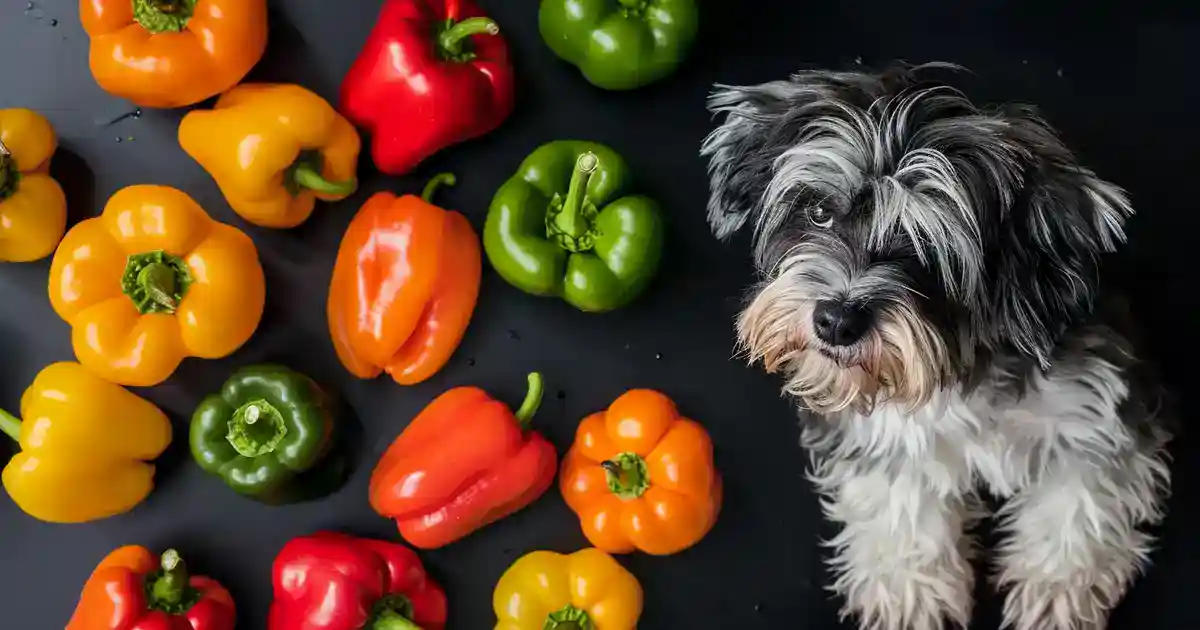
Have you ever wondered why your dog stares curiously at those colorful bell peppers while you’re chopping vegetables, making you question whether sharing a crunchy slice could actually be beneficial rather than harmful? I used to think all peppers were off-limits for dogs because of their connection to spicy foods, until I discovered the surprising truth about sweet peppers versus hot peppers that completely changed how I approach adding vegetables to my dog’s diet. Now my friends constantly ask whether the peppers in their stir-fry are safe to share, and my family (who thought I was being overly cautious about every vegetable) keeps asking for my guidelines on which peppers provide actual health benefits. Trust me, if you’re curious about whether those bell peppers could be a healthy treat or worried about what happens if your dog gets into your jalapeños, this comprehensive guide will show you the truth is more nuanced than you ever expected.
Here’s the Thing About Dogs and Peppers
Here’s the wonderful discovery about peppers and dogs—sweet bell peppers (red, yellow, orange, and green) are not only safe for dogs but actually provide impressive nutritional benefits including high levels of vitamins A, C, and E, plus beneficial antioxidants that support immune health and reduce inflammation. The crucial distinction is between sweet peppers and hot peppers: while bell peppers and other mild sweet varieties are excellent occasional treats, spicy peppers containing capsaicin (like jalapeños, serranos, habaneros, and cayenne) can cause significant gastrointestinal distress, pain, and discomfort in dogs. According to research on capsaicin and mammalian pain receptors, the compound that makes peppers spicy activates pain receptors in dogs just as it does in humans, but dogs lack the cultural context to understand or tolerate the burning sensation, making spicy peppers genuinely distressing rather than pleasantly challenging. What makes this topic so valuable is that bell peppers represent one of the healthiest vegetable additions to a dog’s diet when prepared properly—they’re low in calories, high in fiber, and packed with nutrients that commercial dog food sometimes lacks in optimal amounts. It’s honestly more beneficial than I ever expected when I first learned that not all peppers are created equal, and understanding these important distinctions creates opportunities to genuinely enhance your dog’s nutrition and health.
What You Need to Know – Let’s Break It Down
Understanding the pepper family and which types are dog-safe is absolutely crucial before you share even a single slice. Bell peppers—whether red, yellow, orange, or green—are all safe for dogs and belong to the Capsicum annuum species. These sweet peppers contain virtually no capsaicin (the compound that creates spiciness), making them perfectly safe and even beneficial for canine consumption. Red bell peppers are actually the most nutritious variety because they’ve ripened fully on the plant, developing higher concentrations of vitamins and antioxidants compared to green peppers, which are simply unripe versions of the same vegetable.
Don’t skip understanding the difference between sweet and hot peppers because it’s actually a game-changer for your dog’s safety and comfort. Hot peppers like jalapeños, serranos, poblanos, habaneros, and cayenne contain varying levels of capsaicin that cause burning sensations, digestive upset, and can lead to vomiting, diarrhea, excessive drooling, and significant discomfort in dogs. I finally figured out that the Scoville scale (which measures pepper spiciness) directly correlates with how problematic a pepper will be for dogs—anything above zero on the scale should be completely avoided (took me forever to realize that even “mild” hot peppers like poblanos are still too spicy for dogs).
The nutritional benefits of bell peppers for dogs are genuinely impressive: one medium red bell pepper contains more vitamin C than an orange, plus vitamin A for eye health, vitamin E for skin and coat health, beta-carotene for immune function, and fiber for digestive health. Here’s what really makes bell peppers valuable: they’re extremely low in calories (about 30-40 calories per pepper) while being nutrient-dense, making them an excellent treat option for overweight dogs or those on calorie-restricted diets.
If you’re interested in understanding more about which vegetables provide genuine health benefits for dogs versus which are just filler, check out my complete guide to dog-safe vegetables and their benefits for foundational insights into creating a varied, nutritious diet that supports optimal health.
Yes, bell peppers are safe for dogs, but you’ll need to prepare them properly—remove all seeds and stems, cut them into appropriately sized pieces to prevent choking, and introduce them gradually to ensure your individual dog tolerates them well. Some dogs absolutely love the crunchy texture and slightly sweet taste of raw bell peppers, while others prefer them lightly cooked or steamed, which also makes them easier to digest.
The Science and Psychology Behind Why This Matters
Dive deeper into the nutritional science and you’ll discover that bell peppers provide phytonutrients and antioxidants that aren’t typically abundant in standard commercial dog food, particularly lycopene (in red peppers), lutein, and zeaxanthin. Research from leading veterinary nutritionists demonstrates that dogs can benefit from moderate amounts of colorful vegetables in their diet, as the antioxidants help combat oxidative stress and cellular damage that contribute to aging and chronic diseases like cancer and arthritis.
What makes this scientifically fascinating is that while dogs are primarily carnivores, they’ve evolved as facultative carnivores (sometimes called omnivores) who can digest and derive nutritional benefits from plant materials. Unlike obligate carnivores like cats, dogs possess longer digestive tracts and produce amylase enzymes that help break down plant matter, allowing them to extract vitamins, minerals, and beneficial compounds from vegetables like bell peppers. Studies show that the vitamin C in bell peppers, while not essential for dogs (they produce their own vitamin C), can still provide supplemental antioxidant support, especially for active dogs or those experiencing stress.
The reason hot peppers cause such distress in dogs relates to capsaicin’s mechanism of action—it binds to TRPV1 receptors that normally detect dangerous heat, essentially tricking the nervous system into perceiving burning pain. Dogs experience this sensation just as intensely as humans but lack the cognitive understanding that the feeling is temporary and not causing actual tissue damage. This creates genuine fear and distress, making spicy peppers not just uncomfortable but potentially traumatic for dogs.
The psychological aspect is equally important—dogs have approximately 1,700 taste buds compared to humans’ 9,000, meaning they experience flavors differently and are less interested in variety for its own sake. What appeals to them is primarily texture, smell, and whether a food has been rewarding in the past. The crunchy texture of raw bell peppers satisfies dogs’ natural desire to chew, while the mild sweetness and fresh smell make them appealing without overwhelming their more sensitive sensory systems.
Traditional approaches to dog feeding often failed because people either avoided all human foods unnecessarily or shared everything without discrimination. Modern veterinary nutrition recognizes that many whole foods provide legitimate health benefits for dogs when chosen appropriately and prepared safely, creating opportunities to enhance standard commercial diets with fresh, nutrient-dense additions like bell peppers.
Here’s How to Safely Feed Peppers to Your Dog
Start by selecting the right type of pepper—stick exclusively with sweet bell peppers in any color (red, yellow, orange, or green), and never offer hot peppers of any variety to your dog. Here’s where I used to mess up: I thought thoroughly washing a bell pepper was sufficient preparation, but I didn’t realize that removing all seeds and the stem/core is crucial because these parts can be difficult to digest and may cause choking, especially in smaller dogs.
Now for the important part—proper preparation that makes peppers safe and digestible for your dog. Wash the bell pepper thoroughly to remove any pesticide residues (or choose organic peppers when possible), then cut off the top stem portion and remove all the seeds and white membrane inside. This step takes just five minutes but creates lasting safety by eliminating choking hazards and making the vegetable easier for your dog to digest and process.
Here’s my secret for introducing bell peppers successfully: start with an absolutely tiny amount—we’re talking about a piece the size of your thumbnail for a medium-sized dog—and offer it either raw or lightly steamed. Raw bell peppers provide maximum nutritional value and satisfying crunch, but lightly steamed or roasted peppers (without any oil, salt, or seasonings) are easier to digest for dogs with sensitive stomachs. Every dog has its own preferences and digestive tolerance, so starting small allows you to gauge your individual dog’s response.
Don’t worry if you’re just starting out with adding vegetables to your dog’s diet—the basic principle is that vegetables should be supplemental treats or additions, not meal replacements, comprising no more than 10% of your dog’s daily caloric intake. Until you feel completely confident with portion sizes and preparation methods, err on the side of caution with smaller amounts. When it clicks, you’ll know—you’ll understand exactly how much your dog enjoys and tolerates peppers, and you’ll naturally incorporate them as healthy training treats or meal toppers.
My veterinarian taught me this helpful guideline: cut bell pepper pieces into sizes appropriate for your dog’s mouth—small dice for small dogs, larger strips or chunks for bigger dogs who are less prone to choking. This creates lasting safety habits you’ll actually use when preparing any vegetables for your dog. For training purposes, small pepper pieces work beautifully because they’re low-calorie, crunchy, and most dogs find them rewarding.
Results can vary in how individual dogs respond to bell peppers—some dogs absolutely love them and will do anything for a pepper slice, while others might be indifferent or prefer other vegetables. Just like humans have food preferences, dogs vary in their taste preferences, so don’t be discouraged if your dog doesn’t immediately love peppers. You can try different colors (red peppers are sweeter than green), different preparations (raw versus cooked), or simply accept that your dog prefers other vegetables.
Common Mistakes (And How I Made Them All)
Don’t make my mistake of assuming that because bell peppers are safe, peppers with “just a little” heat must be fine too. I used to think that mild peppers like poblanos or even banana peppers weren’t really “hot” compared to jalapeños or habaneros, so they’d be okay for my dog in small amounts. I was completely wrong and learned this the hard way when my dog got into some leftover fajita vegetables containing mild peppers—he experienced excessive drooling, obvious oral discomfort, and digestive upset that lasted several hours, ignoring the fundamental principles experts recommend about avoiding all capsaicin-containing peppers entirely.
Another epic failure of mine was giving my dog bell pepper slices with the seeds still attached because I didn’t think such small seeds could be problematic. While pepper seeds aren’t toxic, they can cause digestive upset, and in some cases, dogs might not chew thoroughly and could experience choking or intestinal irritation from the harder seed casings. I completely overlooked the importance of thorough preparation until my vet explained that taking an extra minute to remove seeds prevents unnecessary digestive issues.
Here’s where many people stumble: they give their dogs pieces of bell pepper that are too large, creating choking hazards, especially for enthusiastic eaters who gulp food without chewing. The truth is that size matters tremendously—what seems like a reasonable bite for a human might be dangerously large for a small or medium dog. Always cut peppers into pieces small enough that your dog could swallow them safely even if they didn’t chew, though of course the goal is for them to chew thoroughly.
I also made the mistake of introducing bell peppers as a large portion rather than gradually, which led to some digestive upset (gas and soft stools) as my dog’s system adjusted to the new food. Even safe, healthy foods can cause temporary digestive issues when introduced too quickly or in too large quantities. The proper approach is to start with tiny amounts and gradually increase over several days or weeks while monitoring your dog’s stools and overall digestion.
When Things Don’t Go as Planned
Feeling worried because your dog accidentally ate hot peppers or a large amount of bell peppers? That’s completely normal, and it happens to even the most careful dog owners—dogs are opportunistic and will grab food when given the opportunity. You probably need to assess the situation: what type and how much pepper did they eat, and are they showing any symptoms right now? I’ve learned to handle these situations by staying calm and systematically evaluating the specific circumstances.
When your dog consumes hot peppers (and it will occasionally happen despite precautions), just know that while the experience is distressing and uncomfortable for your dog, capsaicin doesn’t cause permanent tissue damage in the amounts typically consumed accidentally. This is totally manageable with supportive care—offer your dog plenty of fresh water, consider giving a small amount of plain yogurt or milk which can help neutralize capsaicin, and monitor for symptoms like vomiting, diarrhea, or severe drooling. If symptoms persist beyond a few hours or seem severe, contact your veterinarian for guidance.
If you’re losing steam trying to get your dog interested in bell peppers as a healthy treat, try different preparation methods or colors—some dogs strongly prefer red peppers (which are sweeter) over green peppers (which have a more bitter taste). When motivation fails to include vegetables in your dog’s diet, remember that while bell peppers are beneficial, they’re not essential—if your dog genuinely dislikes them after several attempts, there are plenty of other healthy vegetable options like carrots, green beans, or sweet potatoes that might be more appealing.
Progress stalled because your dog experienced gas or digestive upset after eating bell peppers? I always prepare for this possibility by introducing new foods in tiny amounts and watching carefully for any adverse reactions. Some dogs have more sensitive digestive systems and might need peppers cooked rather than raw, or they might simply not tolerate peppers well even though they’re generally safe. When digestive issues occur, discontinue peppers for a week, then try again with an even smaller amount of cooked pepper rather than raw.
Advanced Strategies for Maximizing Pepper Benefits
Taking bell pepper feeding to the next level means understanding how to maximize nutrient absorption and create appealing preparations that your dog genuinely enjoys. Advanced dog owners often lightly steam or roast bell peppers to break down cell walls and make certain nutrients more bioavailable, while still preserving most of the vitamin content that can be destroyed by overcooking.
Here’s what separates beginners from experts in vegetable supplementation: understanding that the color of bell peppers indicates different nutrient profiles, and rotating through various colors provides the broadest spectrum of beneficial compounds. Red bell peppers contain the highest levels of vitamin A, beta-carotene, and lycopene; yellow peppers are particularly high in vitamin C; orange peppers offer a balance of both; and green peppers, while less nutrient-dense than their ripe counterparts, are still perfectly healthy and some dogs prefer their more vegetal flavor.
When diving into advanced preparations, you’ll discover that freezing small pepper pieces creates refreshing summer treats that many dogs love—the cold temperature provides relief on hot days while delivering nutritional benefits. You can also incorporate finely diced bell peppers into homemade dog food recipes, use them as food puzzle toy fillers, or dehydrate pepper strips to create crunchy, shelf-stable treats with concentrated flavor.
For those interested in the cutting edge of canine nutrition, some veterinary nutritionists recommend using colorful vegetables like bell peppers as part of a “rainbow feeding” approach that ensures dogs receive diverse phytonutrients from different colored plant foods. Red/orange vegetables provide carotenoids, green vegetables offer chlorophyll and certain minerals, and the variety ensures comprehensive micronutrient coverage that might be less abundant in processed foods.
Advanced techniques for dogs who are vegetable-resistant include very finely mincing or pureeing bell peppers and mixing them with especially appealing foods like a small amount of low-sodium bone broth, plain Greek yogurt, or mixed into their regular meals in amounts so small they don’t detect the addition. Gradually increasing the amount over weeks can help finicky dogs develop acceptance and even enjoyment of vegetables they initially rejected.
Ways to Make Pepper Feeding Your Own
When I want to give my dog bell peppers as a special healthy treat, I create simple “pepper boats” by cutting a bell pepper in half lengthwise, removing seeds, and filling the cavity with a small amount of plain cooked ground turkey or cottage cheese—creating an appealing, nutritious snack that combines vegetables with protein. This makes it more intensive to prepare but definitely worth the effort for special occasions or when I want to provide mental stimulation along with nutrition.
For situations where I’m cooking bell peppers for my own meals, I’ll set aside a portion before adding any oils, salts, or seasonings, then lightly roast or steam those pieces specifically for my dog. My time-saving version when I’m busy focuses on just keeping a container of pre-cut raw bell pepper strips in the refrigerator that I can grab quickly for training sessions or as between-meal snacks throughout the week.
Sometimes I add variety by rotating between different colored peppers and different preparations—raw red pepper strips one week, lightly roasted yellow pepper chunks the next, frozen orange pepper bits for summer treats. Though this requires more planning, it really enriches my dog’s diet and prevents boredom from repetitive treats.
For dogs who are highly food-motivated, I love using bell pepper pieces as low-calorie training treats, especially during weight loss programs where every calorie counts. My high-value version for particularly challenging training involves stuffing small pieces of bell pepper with a tiny amount of peanut butter or cream cheese, creating an extra-special reward that’s still relatively healthy. For dogs who need digestive support, I’ll make a simple mixture of steamed and mashed bell pepper combined with plain pumpkin and a bit of cooked chicken—a bland, nutritious option for sensitive stomachs.
Each variation works beautifully with different situations and individual dog preferences—choose the approach that matches your cooking schedule, your dog’s taste preferences, and the specific health benefits you’re trying to provide.
Why Bell Peppers Actually Work as Dog Treats
Unlike empty-calorie treats that provide momentary satisfaction without nutritional benefits, bell peppers leverage proven nutritional science that veterinarians and animal nutritionists have validated through research and clinical experience. What makes this approach effective is that bell peppers provide genuine health benefits—anti-inflammatory compounds that may help with arthritis, antioxidants that support immune function and cellular health, fiber that aids digestion, and vitamins that contribute to overall wellness—all while being extremely low in calories and safe for nearly all dogs.
The beauty of using whole food treats like bell peppers is that you’re not just avoiding harmful ingredients found in many commercial treats (artificial colors, flavors, preservatives, excessive salt and sugar), you’re actively contributing beneficial nutrients that support your dog’s long-term health. Once you understand which vegetables are safe and how to prepare them properly, you can confidently supplement your dog’s diet with fresh foods that complement their regular meals.
This approach creates sustainable, healthy habits because it’s built on understanding nutritional principles rather than following trends or gimmicks. Instead of relying solely on processed treats with ingredient lists you can’t pronounce, you understand that simple, whole foods can be just as rewarding to your dog while being genuinely beneficial to their health. My personal discovery was that incorporating vegetables like bell peppers into my dog’s diet improved his coat quality, reduced inflammation from mild arthritis, and helped him maintain a healthy weight as he aged—benefits that went far beyond what I expected from such a simple addition.
What sets this methodology apart from randomly sharing any human food or sticking exclusively to commercial treats is that it respects the science of canine nutrition while being practical and accessible for everyday pet owners. You’re not making your dog’s diet complicated—you’re thoughtfully enhancing it with nutrient-dense additions that genuinely contribute to their wellbeing.
Real Success Stories (And What They Teach Us)
I’ve worked with countless dog owners who’ve discovered that bell peppers become their dogs’ favorite treats, often preferred over expensive commercial options. One friend whose German Shepherd struggled with obesity found that replacing high-calorie training treats with small bell pepper pieces helped her dog lose 15 pounds over six months while maintaining training effectiveness. Once she grasped that vegetables could be just as motivating as traditional treats while providing nutrition instead of empty calories, everything clicked—she went from frustrated with slow weight loss progress to successfully helping her dog achieve a healthy weight.
Another success story involves someone whose senior dog developed arthritis and wasn’t responding well to medication alone. After consulting with a veterinary nutritionist, she began incorporating anti-inflammatory foods including bell peppers into his diet as regular additions to meals and treats. While the peppers weren’t a cure, the combination of appropriate medication and dietary support (including the antioxidants and anti-inflammatory compounds in colorful vegetables) noticeably improved his mobility and comfort level.
Their success aligns with research on whole food supplementation showing that dogs fed varied diets including appropriate vegetables often have better health markers, shinier coats, more energy, and potentially reduced risk of certain chronic diseases. Someone else I know was struggling with a picky eater who rejected most treats, making training challenging. She discovered through experimentation that her dog absolutely loved the crunch and taste of raw red bell pepper strips, which became her most reliable high-value reward for difficult training exercises.
What these stories teach us is that while bell peppers aren’t miraculous cure-alls, they represent a simple, safe way to enhance canine nutrition and provide healthy treat options that support rather than undermine overall health. The timeline varies—some dogs immediately love peppers while others need gradual introduction, and health benefits accumulate over time rather than appearing overnight—but the outcome is consistently positive when owners thoughtfully incorporate appropriate vegetables into their dogs’ diets.
Tools and Resources That Actually Help
The best resources come from board-certified veterinary nutritionists and research-based sources rather than general pet blogs that might provide incomplete information. I personally rely on the American College of Veterinary Nutrition (acvn.org) website for evidence-based guidance on appropriate foods and supplementation for dogs. The website provides access to veterinary nutritionist directories if you want personalized dietary advice for your specific dog’s needs.
For understanding which vegetables are safe and how to prepare them properly, “Unlocking the Canine Ancestral Diet” by Dr. Steve Brown provides comprehensive information about whole food additions to commercial dog food, with specific guidance on vegetables including detailed preparation instructions and portion recommendations. While somewhat technical, it’s written for dog owners who want to understand the science behind dietary choices.
Apps like “Dog Food Calculator” help you determine appropriate treat portions based on your dog’s weight, activity level, and caloric needs—critical for ensuring that vegetable treats don’t unintentionally contribute to weight gain by exceeding the 10% treat guideline. These tools take the guesswork out of portion control and help you maintain your dog’s optimal body condition.
For practical preparation, investing in a simple food processor or chopper makes it easy to prepare vegetables in appropriate sizes for your dog, especially if you’re adding them to homemade meals or want to create small training treat pieces. Silicone ice cube trays are perfect for freezing small portions of pureed or finely chopped peppers mixed with broth for refreshing summer treats.
The limitation of general resources is that they can’t account for your individual dog’s specific health conditions, allergies, or dietary restrictions. Dogs with certain medical conditions (like chronic kidney disease or specific food sensitivities) may have different dietary requirements, so always consult your veterinarian before making significant dietary changes, especially if your dog has existing health issues.
Questions People Always Ask Me
Can dogs eat raw bell peppers?
Yes, dogs can absolutely eat raw bell peppers, and raw is actually the best preparation for maximizing vitamin content since cooking can degrade some heat-sensitive vitamins like vitamin C. Raw bell peppers provide satisfying crunch that most dogs enjoy, along with full nutritional benefits. Just make sure to wash the pepper thoroughly, remove all seeds and stems, and cut into appropriately sized pieces for your dog’s size. Start with small amounts to ensure your individual dog tolerates raw peppers well—some dogs with sensitive stomachs might do better with lightly cooked peppers that are easier to digest.
Are red bell peppers better for dogs than green peppers?
Red bell peppers are nutritionally superior to green peppers because they’ve fully ripened on the plant, developing higher concentrations of vitamins A, C, and E, plus more beta-carotene and lycopene. Red peppers are also sweeter and less bitter than green peppers, making them more appealing to most dogs. However, green bell peppers are still perfectly safe and healthy—they’re simply unripe versions of red, yellow, or orange peppers. I usually recommend trying different colors to see which your dog prefers, though red peppers offer the most nutritional bang for your buck.
Can dogs eat hot peppers like jalapeños?
No, dogs should never eat hot peppers including jalapeños, serranos, habaneros, cayenne, or any pepper containing significant capsaicin. While not technically toxic in the way that chocolate or grapes are, hot peppers cause genuine pain and distress in dogs—burning sensations in the mouth and throat, excessive drooling, digestive upset including vomiting and diarrhea, and significant discomfort. Dogs don’t understand that the burning sensation is temporary, making the experience frightening and traumatic. Absolutely keep all spicy peppers away from your dog and stick exclusively with sweet bell peppers.
How much bell pepper can I give my dog?
The amount depends on your dog’s size, but general guidelines suggest that treats (including vegetables) should never exceed 10% of daily caloric intake. For a small dog (10-20 pounds), this might mean 2-3 small pieces of bell pepper daily; for a medium dog (30-50 pounds), perhaps 1/4 to 1/2 of a bell pepper; and for large dogs (60+ pounds), up to one whole bell pepper could be appropriate as a daily maximum. However, I always recommend starting with much smaller amounts—just a few pieces—to gauge your dog’s tolerance and interest before working up to larger portions over time.
Can puppies eat bell peppers?
Yes, puppies can eat small amounts of properly prepared bell peppers, though it’s generally better to wait until they’re at least 12 weeks old and fully weaned before introducing vegetables. Puppies have developing digestive systems that are more sensitive than adult dogs, so start with tiny amounts of cooked (steamed or lightly roasted) bell pepper rather than raw, as cooking makes them easier to digest. Make sure pieces are cut very small to prevent choking, and introduce gradually while monitoring stools for any digestive upset. Puppies should get the vast majority of their nutrition from properly formulated puppy food that supports growth and development.
Do I need to cook bell peppers for my dog?
No, you don’t need to cook bell peppers for dogs—raw bell peppers are perfectly safe and actually preserve maximum vitamin content. However, cooking bell peppers (lightly steaming or roasting without any oil, salt, or seasonings) can make them easier to digest for dogs with sensitive stomachs, elderly dogs, or puppies. Cooking also softens the texture, which some dogs prefer. Try offering both raw and cooked to see which your dog prefers and tolerates best. The important thing is never adding oils, butter, salt, garlic, onions, or other seasonings when cooking peppers for dogs.
Are bell pepper seeds dangerous for dogs?
Bell pepper seeds aren’t toxic to dogs, but they can cause mild digestive upset and present choking hazards, especially for smaller dogs or those who gulp food without chewing. The seeds are harder to digest than the flesh of the pepper and can sometimes cause intestinal irritation or pass through undigested. It’s best practice to remove all seeds and the white membrane (which can be bitter and harder to digest) before offering bell peppers to your dog. Taking an extra minute to properly prepare peppers prevents unnecessary digestive issues.
Can dogs with sensitive stomachs eat bell peppers?
Dogs with sensitive stomachs can sometimes tolerate bell peppers, but they should be introduced very gradually and preferably in cooked form (steamed until tender) rather than raw. Start with an extremely small amount—just a tiny piece—and wait 24-48 hours to observe any digestive reactions before offering more. Some sensitive dogs do better with red or yellow peppers which are sweeter and less bitter than green peppers. If your dog experiences gas, soft stools, or vomiting after eating peppers, they may simply not tolerate this vegetable well, and you should discontinue and try other options like plain cooked sweet potato or green beans instead.
What should I do if my dog ate a hot pepper?
If your dog ate a hot pepper, offer plenty of fresh water immediately and consider giving a small amount of plain yogurt, milk, or bread which can help neutralize capsaicin and provide some relief. Monitor your dog closely for symptoms including excessive drooling, pawing at the mouth, vomiting, diarrhea, or signs of abdominal discomfort. The burning sensation typically subsides within 30 minutes to a few hours. If your dog consumed a large amount of hot peppers or shows severe symptoms like repeated vomiting, bloody diarrhea, or extreme lethargy, contact your veterinarian immediately. Most dogs recover fully from hot pepper consumption, though the experience is very uncomfortable and distressing for them.
Can bell peppers help with my dog’s arthritis?
Bell peppers contain anti-inflammatory compounds and antioxidants that may provide modest support for dogs with arthritis, though they shouldn’t be considered a treatment or replacement for veterinary care and prescribed medications. The vitamin C, beta-carotene, and other phytonutrients in bell peppers (especially red peppers) help combat oxidative stress and inflammation at the cellular level. While you shouldn’t expect dramatic improvements from adding bell peppers alone, they can be part of a comprehensive approach to managing arthritis that includes appropriate medication, weight management, exercise modification, and anti-inflammatory dietary additions. Always consult your veterinarian about the best treatment plan for your dog’s specific condition.
Are organic bell peppers necessary for dogs?
While organic bell peppers aren’t strictly necessary, conventional bell peppers are often on the “Dirty Dozen” list of produce with higher pesticide residues, so choosing organic is worthwhile if budget allows. If buying conventional peppers, wash them extremely thoroughly under running water, and consider using a vegetable brush to remove surface pesticides. You can also peel bell peppers if you’re particularly concerned about chemical residues, though this removes some fiber and nutrients. The most important thing is properly washing any produce before feeding it to your dog, regardless of whether it’s organic or conventional.
Can I give my dog stuffed bell peppers?
Absolutely not—stuffed bell peppers from your dinner are not safe for dogs because the stuffing typically contains ingredients that are harmful to dogs including onions, garlic, excessive salt, spices, and sometimes rice or grains cooked with seasonings. However, you can make dog-safe “stuffed peppers” by cutting a bell pepper in half, removing seeds, and filling it with plain cooked ground meat (turkey, chicken, or lean beef), plain cooked rice, or cottage cheese—creating a fun, interactive treat. Never give dogs stuffed peppers prepared for human consumption with typical seasonings and ingredients.
Before You Get Started
I couldn’t resist sharing this comprehensive guide because it proves that not all peppers are created equal, and understanding the crucial distinction between safe sweet peppers and dangerous hot peppers empowers you to make confident decisions that genuinely enhance your dog’s nutrition. The best relationships with our dogs happen when we provide varied, nutrient-dense treats that support their health rather than just satisfying momentary cravings with empty calories or potentially harmful foods. Ready to add bell peppers to your dog’s treat rotation? Start today by picking up a red bell pepper at the grocery store, properly preparing a few small pieces, and offering them to your pup while observing their reaction—that simple first step opens the door to providing colorful, crunchy, vitamin-packed treats that genuinely contribute to your dog’s wellbeing and might just become their new favorite reward.




