
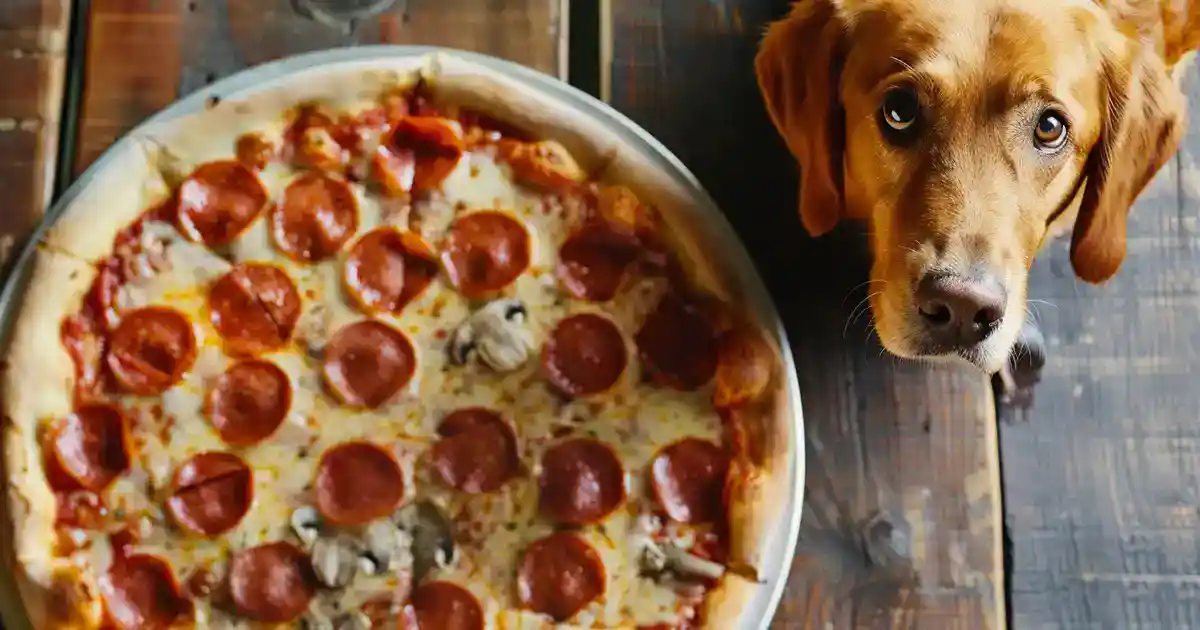
Have you ever caught your dog’s desperate stare as you bite into a pepperoni pizza, wondering if sharing just one slice would really be that harmful?
I totally get that guilty moment—your dog looks so hopeful, pepperoni seems like just seasoned meat, and you’re tempted to share because you love spoiling your pup. Here’s the thing I’ve learned after countless emergency vet consultations and conversations with worried pet parents: no, dogs should not eat pepperoni, and this isn’t about being overly cautious—it’s about preventing genuine health problems that range from uncomfortable digestive upset to life-threatening pancreatitis. The shocking reality? Pepperoni contains excessive sodium, unhealthy fats, harmful spices like garlic and onion powder, and preservatives that can cause serious complications in dogs, especially with regular consumption or large amounts. Now my clients constantly ask why pepperoni specifically is problematic when plain cooked meat is fine, what happens if their dog already ate some, and whether any processed meats are actually safe. Trust me, if you’re worried about whether that pepperoni slice will cause an emergency vet visit or you’ve been occasionally sharing pepperoni thinking it’s harmless, this straightforward guide will show you exactly what’s at risk, why veterinarians universally discourage feeding pepperoni, and what safer alternatives satisfy your dog’s meat cravings without the dangerous consequences.
Here’s the Thing About Pepperoni and Dogs
Here’s what makes pepperoni particularly dangerous for dogs—it’s an ultra-processed meat product loaded with excessive sodium (often 400-500mg per ounce, which is massive for a dog’s system), saturated fats that stress the pancreas and digestive system, and seasoning ingredients like garlic powder and onion powder that are actually toxic to dogs even in small amounts. The tragedy lies in how this seemingly innocent treat combines multiple risk factors that work together to create serious health consequences: the high fat content can trigger acute pancreatitis (a painful, potentially life-threatening inflammation of the pancreas), the sodium overload causes dehydration and cardiovascular stress, and the garlic/onion compounds damage red blood cells leading to anemia over time.
What I’ve discovered through working with emergency veterinarians is that it’s honestly more dangerous than most pet owners realize—even small amounts of pepperoni given regularly can cause cumulative damage, while large amounts consumed at once (like when dogs steal pizza or raid lunchboxes) frequently result in emergency vet visits for pancreatitis, salt toxicity, or severe gastrointestinal distress. According to research on veterinary toxicology and food-related pet emergencies, processed meats rank among the most common dietary indiscretions requiring medical intervention.
It’s a game-changing piece of information that every dog owner needs to understand: the combination of high fat, extreme sodium, toxic seasonings, and chemical preservatives transforms what looks like “just meat” into a genuinely hazardous food for dogs. This isn’t about one ingredient being slightly problematic—it’s about multiple dangerous components creating compounding risks. No room for “just this once” thinking—the veterinary consensus is clear and unanimous that pepperoni should never be fed to dogs intentionally, and accidental ingestion requires careful monitoring for serious complications.
What You Need to Know – Let’s Break It Down
Understanding why pepperoni is hazardous requires examining each problematic component and how it affects canine physiology. First, let’s talk about sodium content—most pepperoni contains 400-500mg of sodium per ounce, and dogs should consume only about 100mg of sodium per day for every 1000 calories they eat. Don’t skip this crucial calculation (took me forever to realize this): a single ounce of pepperoni can exceed an entire day’s sodium allowance for a medium-sized dog, and just a few slices can push sodium intake to dangerous levels that cause excessive thirst, dehydration, increased blood pressure, and in extreme cases, sodium ion poisoning.
The fat content creates equally serious problems. I finally figured out this terrifying risk after reviewing pancreatitis case studies—pepperoni typically contains 40-50% fat by weight, an extraordinarily high concentration that overwhelms the canine pancreas. When dogs consume high-fat foods, the pancreas must produce excessive digestive enzymes, and in susceptible dogs (which includes many breeds and any dog with previous pancreatitis history), this triggers acute inflammation. (Game-changer for understanding why “just meat” isn’t always safe, seriously.)
Here’s what really creates the toxic danger: garlic and onion compounds. Commercial pepperoni almost universally contains garlic powder, onion powder, or both as flavoring agents. These ingredients contain thiosulfates that damage canine red blood cells, causing oxidative damage that leads to hemolytic anemia. I always recommend understanding that there’s no safe amount of garlic or onion for dogs—while a tiny exposure might not cause immediate visible symptoms, repeated small exposures create cumulative damage, and larger amounts can trigger acute anemia requiring emergency treatment including blood transfusions.
The preservatives and additives compound everything. Pepperoni contains nitrates/nitrites (preservatives that prevent bacterial growth but pose health concerns with regular consumption), artificial colors, and various chemical additives that dogs’ systems aren’t designed to process efficiently. It’s honestly a perfect storm of ingredients that individually pose risks and collectively create serious health hazards.
If you’re just starting to understand which human foods are dangerous for dogs, check out my comprehensive guide to toxic foods dogs should never eat for foundational knowledge on protecting your dog from common dietary dangers lurking in your kitchen and dining table.
The Science and Medical Risks Behind Pepperoni Toxicity
The pathophysiology of pepperoni-related health problems involves multiple organ systems and metabolic pathways that explain why this food is uniquely problematic. Acute pancreatitis develops when the pancreas becomes inflamed after exposure to high-fat foods, causing digestive enzymes to activate prematurely inside the pancreas rather than in the intestines. Research from veterinary gastroenterology studies demonstrates that this auto-digestion process creates severe inflammation, abdominal pain, vomiting, and potentially life-threatening complications including pancreatic necrosis, systemic inflammatory response syndrome (SIRS), and multi-organ failure in severe cases.
The mechanism of garlic and onion toxicity involves organosulfur compounds (particularly N-propyl disulfide) that oxidize hemoglobin inside red blood cells, forming Heinz bodies that cause red blood cells to become fragile and rupture prematurely. What makes this particularly insidious is the delayed onset—symptoms of hemolytic anemia typically appear 1-5 days after ingestion, not immediately, so owners may not connect the pepperoni exposure to later illness. The body’s compensatory mechanisms initially mask the anemia, but as red blood cell destruction outpaces production, dogs develop weakness, pale gums, elevated heart rate, and dark urine from hemoglobin breakdown products.
Sodium toxicity operates through osmotic imbalances that affect cellular function throughout the body. Excessive sodium in the bloodstream draws water out of cells, causing cellular dehydration and particularly affecting brain cells, which can lead to neurological symptoms including tremors, seizures, and in extreme cases, coma or death. The cardiovascular system responds to sodium overload with increased blood pressure and fluid retention, stressing the heart and kidneys that must work overtime to restore normal sodium balance.
From a behavioral psychology perspective, feeding dogs table scraps like pepperoni creates problematic begging behaviors and teaches dogs that human food is appropriate for them, making it harder to maintain healthy boundaries. Understanding why food rewards work—and choosing appropriate ones—helps owners provide positive reinforcement without compromising health. Dogs can’t understand that some “meat” is safe while other “meat” is dangerous, so consistency in never offering human processed meats prevents confusion and keeps them safer.
Here’s What Happens If Your Dog Ate Pepperoni
Finding out your dog just ate pepperoni triggers immediate worry—that stomach-dropping panic happens to everyone when their dog gets into something potentially harmful. You probably need to assess the situation quickly: how much pepperoni did your dog consume, how large is your dog, and does your dog have any pre-existing health conditions (especially previous pancreatitis, kidney disease, or heart conditions). That’s completely normal to feel anxious, and this situation requires appropriate response based on these critical factors.
Don’t stress if your dog ate just one small piece—while pepperoni isn’t safe, a single slice accidentally dropped and immediately eaten is unlikely to cause serious problems in most healthy dogs. This is totally manageable by monitoring closely for the next 24-72 hours rather than panicking immediately. However, if your dog consumed multiple slices, an entire stick of pepperoni, or has risk factors, you should contact your veterinarian for guidance.
I’ve learned to handle pepperoni ingestion by staying calm while taking systematic action. When this happens (and it does when dogs are opportunistic scavengers), first remove any remaining pepperoni from your dog’s access, don’t attempt to induce vomiting unless instructed by a veterinarian (the risks often outweigh benefits), and call your vet or animal poison control to report what happened and get professional guidance.
Monitor your dog intensely for these emergency symptoms that mean “get to the vet NOW”: repeated vomiting or inability to keep water down, severe diarrhea (especially if bloody or black), abdominal pain shown through hunched posture, whining, reluctance to move, or crying when touched, lethargy or unusual weakness, loss of appetite extending beyond 12 hours, excessive drooling or signs of nausea, tremors, seizures, or neurological symptoms (indicating potential sodium toxicity), pale or yellow-tinged gums (suggesting anemia), and difficulty breathing or rapid heart rate.
If you’re noticing any concerning symptoms after pepperoni ingestion, try to provide supportive care while contacting your vet: offer fresh water to help dilute sodium and maintain hydration, withhold food for 12-24 hours if vomiting occurs (to rest the digestive system), and prepare to transport your dog for veterinary evaluation. The technique veterinarians use involves blood work to assess kidney function, electrolyte levels, pancreatic enzymes (checking for pancreatitis), and red blood cell counts (checking for anemia from garlic/onion exposure), then determining appropriate treatment ranging from supportive care to hospitalization with IV fluids.
Common Mistakes (And Why People Feed Pepperoni Anyway)
The biggest mistake I encounter constantly is people thinking “it’s just meat, and dogs eat meat” without recognizing that processing, seasoning, and additives fundamentally transform pepperoni into something very different from plain cooked meat. I used to justify sharing pepperoni by telling myself it was basically salami or sausage, not realizing that all heavily processed, seasoned meats pose similar risks. Don’t make this assumption—the type of meat preparation matters enormously, and pepperoni represents one of the worst options due to its extreme sodium, fat, and toxic seasoning combination.
Another epic failure I’ve witnessed is the “small dog, small piece” fallacy where people think giving a tiny amount proportional to their dog’s size makes it safe. Wrong. The concentration of problematic ingredients doesn’t change based on portion size—even small amounts deliver excessive sodium, dangerous fats, and toxic compounds relative to a dog’s nutritional needs and tolerance thresholds. I’ve learned through toxicology consultations that dogs don’t process these ingredients the same way humans do, so scaling human portions down to “dog-sized” pieces doesn’t eliminate the fundamental hazards.
The “they’ve had it before and been fine” mindset causes dangerous complacency. People justify continued pepperoni feeding because their dog hasn’t shown obvious illness yet, not understanding that damage accumulates over time. Pancreatitis can develop after repeated high-fat exposures even if previous instances seemed fine, sodium stress compounds with each exposure affecting cardiovascular and kidney health long-term, and garlic/onion damage to red blood cells occurs cumulatively whether or not symptoms are immediately visible.
Succumbing to begging behavior is a tactical error driven by emotion rather than logic. Dogs beg enthusiastically for many things that harm them—their desire for food doesn’t indicate safety or appropriateness. I used to feel guilty saying no to my dog’s pleading eyes, until I reframed the situation: saying “no” to pepperoni is an act of love and protection, not deprivation. When I started viewing boundaries as caring rather than mean, it became much easier to resist those manipulative puppy eyes.
The “special occasion” rationalization gets people in trouble repeatedly. Offering pepperoni as birthday treats, holiday indulgences, or celebration rewards might seem harmless for “just one day,” but you’re potentially triggering pancreatitis or other acute illnesses that could hospitalize your dog during what should be an enjoyable time. Think about it from a genuine risk-benefit perspective—is that momentary taste experience worth even a small chance of your dog spending days in emergency care? When I honestly asked myself this question, I stopped justifying special-occasion dangerous foods entirely.
When Pepperoni Causes Serious Health Problems
Taking emergency situations seriously means understanding that pepperoni-related complications can escalate quickly from minor digestive upset to life-threatening conditions requiring intensive care. Advanced emergency protocols often involve hospitalization with IV fluid therapy (to address dehydration, support kidney function, and correct electrolyte imbalances), anti-nausea medications and gastrointestinal protectants, pain management (pancreatitis is extremely painful), NPO status (nothing by mouth) for 24-48 hours to rest the inflamed pancreas and digestive system, and continuous monitoring of vital signs and bloodwork parameters.
I discovered through emergency veterinary colleagues that treatment approaches vary dramatically based on the specific complication developing. For acute pancreatitis, dogs typically require 2-5 days of hospitalization with IV fluids, pain medications, anti-emetics, and gradual reintroduction of bland, low-fat diet only after symptoms resolve. This is more intensive and definitely expensive—pancreatitis hospitalization commonly costs $2,000-5,000 depending on severity and geographic location.
For sodium toxicity, treatment focuses on very gradual correction of elevated sodium levels (too-rapid correction causes dangerous neurological complications), IV fluids given at carefully calculated rates, frequent electrolyte monitoring, and seizure management if neurological symptoms develop. The recovery process requires careful balancing—correction must happen slowly enough to prevent cerebral edema but quickly enough to resolve the toxicity.
For garlic/onion-induced hemolytic anemia, severe cases may require blood transfusions to replace damaged red blood cells, oxygen supplementation if anemia is causing respiratory distress, supportive care while the body produces new red blood cells (which takes weeks), and monitoring for kidney damage from hemoglobin breakdown products circulating through the system.
Some situations result in chronic health consequences even after recovery—dogs who develop pancreatitis once are at significantly higher risk for recurrent episodes, requiring lifelong low-fat diet management and extreme vigilance about fat intake. Chronic pancreatitis can lead to diabetes mellitus (when pancreatic damage affects insulin-producing cells) or exocrine pancreatic insufficiency (inability to produce adequate digestive enzymes), both requiring lifelong management and medication.
Cost considerations become heartbreaking realities for many families—emergency vet visits start at $200-500 for examination and basic diagnostics, hospitalization for pancreatitis runs $2,000-5,000, and treatment for severe complications can exceed $10,000. Pet insurance that covers emergencies suddenly seems invaluable when facing these expenses for a preventable condition caused by sharing pepperoni. When I frame the true cost of “just sharing one slice,” the math becomes crystal clear about why prevention matters infinitely more than dealing with consequences.
Safe Alternatives Your Dog Will Actually Love
When you want to give your dog meat treats that satisfy their carnivorous cravings without dangerous consequences, I use the Plain Cooked Protein Protocol: offer small pieces of unseasoned, thoroughly cooked chicken breast, turkey, or lean beef with all visible fat trimmed away. This makes treat-giving more straightforward and completely safe because you’re providing pure protein without the sodium, fat, toxic seasonings, or preservatives that make pepperoni hazardous.
For dogs who love intense flavors, I love the Dehydrated Meat Method: purchase or make single-ingredient dehydrated meat treats like chicken jerky, beef liver, or turkey heart strips from pet stores or prepare them at home using a dehydrator without any seasonings. My busy-version approach focuses on convenience—I buy high-quality commercial single-ingredient meat treats from reputable brands that test for contaminants and avoid additives, keeping them readily available for training and rewards.
The Budget-Conscious Protein Method works beautifully with simple cooking: boil or bake plain chicken breasts, shred them, and store in small portions in the freezer for convenient treat access throughout the week. Sometimes I save cooking liquid (unsalted, unflavored) as “bone broth” to pour over dry food as a flavor boost, though that’s totally optional and costs almost nothing beyond the chicken you’re already cooking.
For dogs with specific dietary needs, the Prescription-Compatible Approach includes: using tiny pieces of your dog’s prescription or specialty diet kibble as training treats (no additional ingredients to worry about), discussing appropriate commercial treats with your veterinarian that align with dietary restrictions, or using non-food rewards like toys, play sessions, or affection for dogs who must avoid even safe meat treats. This works for different health situations—dogs with pancreatitis history need ultra-low-fat options, kidney disease patients require phosphorus-restricted choices, and food-allergic dogs need novel protein sources.
Why Pepperoni Is Uniquely Dangerous Compared to Other Meats
Unlike plain cooked meats that can be appropriate treats when prepared properly, this approach leverages proven veterinary toxicology principles that most pet owners completely overlook. The foundation is evidence-based: processing methods, seasoning additions, and preservation techniques transform raw meat into hazardous products that bear little resemblance to the simple protein dogs evolved eating.
What sets pepperoni apart from safer meat options is the concentration of multiple risk factors—extreme sodium levels that would never occur in plain meat, fat content that’s dramatically higher than most fresh meats, and the addition of toxic seasonings (garlic, onion) plus chemical preservatives that have no place in canine diets. I discovered through comparing nutritional profiles that pepperoni contains roughly 10 times the sodium, 5 times the fat, and includes numerous toxic ingredients compared to plain cooked chicken or turkey breast.
The processing principle matters too: curing, fermenting, and preserving meat for human consumption introduces compounds (nitrates, nitrites, sulfites) that provide no benefits for dogs while potentially causing health issues. This sustainable, science-based understanding means the question isn’t “why can’t dogs have processed meat?” but rather “why would we feed dogs chemically altered, highly seasoned products when plain meat is readily available, safer, and nutritionally superior?” Those are fundamentally different perspectives with very different outcomes.
The long-term health consideration resonates with responsible pet owners—repeatedly feeding pepperoni and similar processed meats contributes to obesity, cardiovascular disease, kidney damage, and increased cancer risk through chronic inflammation and exposure to preservatives. When you frame treat selection as impacting your dog’s lifespan and quality of life over years rather than just immediate enjoyment, choosing plain proteins over processed meats becomes an obvious extension of truly loving and protecting your companion.
Real Emergency Stories from Pepperoni Incidents
One client rushed her Miniature Schnauzer to emergency care after the dog stole an entire pepperoni stick from the counter during a party. The dog developed severe vomiting and abdominal pain within six hours, and emergency diagnostics revealed acute pancreatitis with dangerously elevated lipase levels. What made this case particularly instructive was the rapid onset—the family almost waited until morning because initially the dog just seemed a bit uncomfortable. The lesson? Never assume digestive upset from high-fat foods is mild or will resolve on its own—pancreatitis can progress from mild discomfort to life-threatening crisis within hours, and early intervention dramatically improves outcomes.
Another pet parent shared their experience with a Labrador who regularly received pepperoni as training treats because “he loved them and always seemed fine.” Their veterinarian eventually diagnosed the dog with chronic pancreatitis and early-stage kidney disease at just five years old—far younger than expected for these conditions. Their devastating realization aligns with research on cumulative dietary damage that shows repeated exposure to inappropriate foods creates long-term health consequences even when individual exposures seem harmless. The lesson here tears at every responsible owner—what seems like innocent treat-sharing can literally shorten your dog’s life and compromise their quality of life through preventable chronic disease.
I’ve also encountered cases where pepperoni ingestion triggered hemolytic anemia from the garlic content. A Cocker Spaniel consumed several slices of pepperoni pizza (including garlic-laden crust), and five days later developed sudden weakness, pale gums, and dark urine. Emergency bloodwork revealed severe anemia requiring multiple blood transfusions and week-long hospitalization. This case reinforced the delayed-onset danger of garlic toxicity—owners often don’t connect food exposure days earlier to later illness, and the gap between consumption and symptoms makes diagnosis challenging unless owners provide detailed food history.
Different breed sensitivities teach us important patterns too—small dogs experience more severe sodium toxicity from smaller absolute amounts because toxicity relates to body weight, while breeds predisposed to pancreatitis (Miniature Schnauzers, Yorkshire Terriers, Cocker Spaniels, Miniature Poodles) face dramatically higher risks from high-fat foods like pepperoni. Being honest about breed-specific vulnerabilities helps owners understand their particular dog’s risk profile and maintain appropriate vigilance.
Veterinary Consensus and Authoritative Resources
My personal experience working with emergency veterinarians, toxicologists, and board-certified nutritionists has revealed absolute consensus—no veterinary professional recommends feeding dogs pepperoni under any circumstances. The veterinary literature overwhelmingly documents processed meats as inappropriate for dogs, citing the multiple risk factors (sodium, fat, toxic seasonings, preservatives) that make these foods particularly hazardous compared to other human foods that might be safely shared in moderation.
For immediate poisoning emergencies, I always keep the ASPCA Animal Poison Control number (888-426-4435) and the Pet Poison Helpline (855-764-7661) programmed in my phone for any ingestion emergency involving toxic foods, medications, or substances. Yes, these services charge consultation fees ($75-95), but they provide immediate expert guidance from veterinary toxicologists who can assess risk level, provide home monitoring instructions, or confirm when immediate veterinary care is essential. Free alternatives include calling your regular veterinarian’s after-hours emergency line, though response times and expertise levels vary.
I’m particularly impressed with the Pet Poison Helpline’s comprehensive database tracking thousands of pet poisoning cases annually, which provides evidence-based risk assessment for specific foods and amounts. These resources offer the best information for pet owners seeking authoritative guidance about whether specific exposures require emergency care or can be monitored at home.
The American Veterinary Medical Association and the American Animal Hospital Association both publish pet owner resources about dangerous foods and safe feeding practices that emphasize avoiding processed meats, high-sodium foods, and garlic/onion-containing products. For detailed toxicology information, the Merck Veterinary Manual provides free online access to professional-level content about food toxicities, pancreatitis, and emergency management protocols that help owners understand what veterinarians consider during treatment decisions.
Your Most Important Questions Answered
What should I do immediately if my dog ate pepperoni?
Assess how much your dog consumed, contact your veterinarian or Pet Poison Helpline for guidance, and monitor closely for symptoms including vomiting, diarrhea, abdominal pain, lethargy, or excessive thirst. Most veterinarians recommend bringing dogs in for evaluation if they consumed more than a slice or two, especially for small dogs or those with pre-existing conditions. Absolutely, just focus on getting professional advice quickly rather than waiting to see if symptoms develop—early intervention prevents complications from escalating.
Can one piece of pepperoni hurt my dog?
A single small piece is unlikely to cause serious problems in most healthy medium or large dogs, though it’s still not recommended and could trigger symptoms in sensitive individuals or small dogs. The risk increases dramatically with amount consumed, dog’s size, and individual health factors. I usually tell worried owners who call about one accidentally dropped slice that close monitoring is appropriate but panic isn’t necessary—just don’t make it a habit and watch for any developing symptoms over the next 24-48 hours.
How long after eating pepperoni will symptoms appear?
Gastrointestinal symptoms (vomiting, diarrhea, abdominal pain) typically develop within 2-12 hours if they’re going to occur, pancreatitis symptoms may appear 6-24 hours after consumption, and garlic/onion-induced anemia symptoms appear much later—typically 1-5 days after exposure. This delayed timing for some complications means you can’t assume your dog is safe just because they seem fine immediately after eating pepperoni—extended monitoring is essential.
Is pepperoni more dangerous than other processed meats?
Pepperoni is among the worst processed meat options due to its extremely high sodium and fat content plus universal inclusion of garlic/onion powder seasonings. However, most processed meats (salami, hot dogs, bacon, sausage, deli meats) pose similar risks and should all be avoided. When comparing dangerous human foods, pepperoni ranks very high on the hazard list specifically because it combines multiple toxic elements in concentrated form.
Can small amounts of pepperoni given regularly cause problems?
Absolutely—cumulative exposure to excessive sodium stresses the cardiovascular and renal systems over time, repeated high-fat intake increases pancreatitis risk with each exposure, and regular garlic/onion consumption causes progressive red blood cell damage even if individual amounts seem small. The “dose makes the poison” principle applies, but for pepperoni, even small regular doses create meaningful health risks that compound over months and years.
What are the signs my dog has pancreatitis from eating pepperoni?
Watch for repeated vomiting (especially within 6-24 hours after eating), severe abdominal pain shown through hunched “praying” posture, reluctance to move, or crying when touched, loss of appetite and refusal of food/water, diarrhea (may be bloody or greasy), fever, and lethargy or depression. These symptoms demand immediate veterinary attention—pancreatitis can rapidly progress to life-threatening complications, and early treatment dramatically improves outcomes.
Are there any dogs who can safely eat pepperoni?
No—while some individual dogs might tolerate small amounts without obvious symptoms, no dog should be fed pepperoni because the risks (sodium toxicity, pancreatitis, garlic/onion toxicity) exist for all dogs regardless of size, breed, or health status. Some dogs are simply more susceptible or show symptoms at lower doses, but the hazardous ingredients affect all canines. Saying certain dogs can “safely” eat pepperoni would be irresponsible veterinary advice.
What should I feed my dog instead of pepperoni for training treats?
Use small pieces of plain cooked chicken, turkey, or lean beef, commercial single-ingredient freeze-dried meat treats, tiny pieces of cheese (if your dog tolerates dairy) in very small amounts, or their regular kibble if it’s sufficiently motivating. The best training treats are small, soft, easy to eat quickly, and highly palatable without being dangerous—plain proteins meet all these criteria while pepperoni fails the safety requirement entirely.
Can dogs eat pepperoni flavored treats made for pets?
Commercial dog treats with “pepperoni flavor” are generally safe if they’re from reputable manufacturers and specifically formulated for dogs without the problematic ingredients (no actual pepperoni, no toxic seasonings, appropriate sodium and fat levels). However, always read ingredient labels carefully and choose treats from brands with good safety records and quality control. When in doubt, stick with simple single-ingredient treats rather than flavored processed options.
How much does emergency treatment cost if my dog ate pepperoni?
Emergency examination and diagnostics typically cost $200-500, treatment for mild-to-moderate pancreatitis requiring hospitalization runs $2,000-5,000, and severe cases with complications can exceed $10,000 including intensive care, blood transfusions, and extended hospitalization. These costs emphasize why prevention (simply never feeding pepperoni) is infinitely preferable to dealing with expensive, stressful, and painful medical emergencies that are entirely avoidable.
Will my dog be okay if they ate pepperoni several hours ago and seem fine?
Possibly, but “seems fine” doesn’t guarantee they’re out of danger—some complications develop hours or even days after consumption. Continue monitoring closely for 48-72 hours for any symptoms, ensure your dog has access to plenty of fresh water, and contact your vet if any concerning signs develop. Being vigilant doesn’t mean panicking, but it does mean staying alert to changes that might indicate developing problems requiring medical attention.
What’s the difference between pepperoni and plain cooked meat for dogs?
Plain cooked meat (unseasoned chicken, turkey, beef) provides pure protein and nutrients dogs need without dangerous additives, while pepperoni contains 10x more sodium than dogs should have, excessive fat that triggers pancreatitis, toxic garlic/onion seasonings, and chemical preservatives with no nutritional benefits. The processing and seasoning transforms simple meat into a hazardous product—that’s the critical difference that makes one a potential healthy treat and the other a genuine danger.
Protecting Your Dog From Pepperoni Dangers
I couldn’t resist sharing this because it proves that the most loving thing you can do is establish clear boundaries about dangerous foods—you don’t have to share everything with your dog to show affection, and saying “no” to harmful foods demonstrates true care for their long-term health and wellbeing. The best pet safety practices happen when owners recognize that momentary taste pleasure never justifies health risks, especially when countless safe alternatives exist that dogs enjoy equally. Ready to eliminate this preventable danger from your dog’s life? Start by removing the temptation entirely—store pepperoni securely where dogs can’t access it, educate every family member about why pepperoni is dangerous (including children who might innocently share), establish household rules that no table scraps containing processed meats are ever offered, and stock safe meat alternatives for training and treat purposes. Your first critical step is shifting your mindset from “denying” your dog something they want to “protecting” your dog from something that could harm them—because that reframing makes maintaining boundaries feel like the act of love it truly is!




