
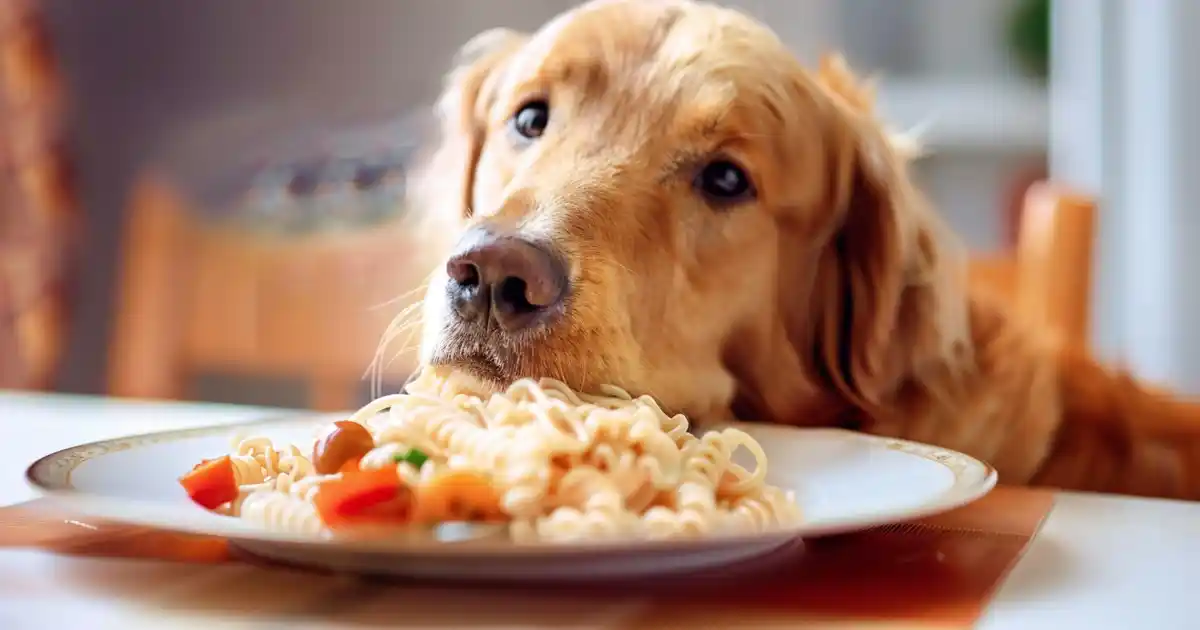
Have you ever wondered why your dog stares at you with those irresistible puppy eyes every time you twirl spaghetti on your fork? I used to think sharing a few plain noodles with my pup was completely harmless, until I discovered the surprising truth about pasta and dogs that completely changed how I approach sharing human food. Now my friends constantly ask whether their dogs can safely enjoy pasta night too, and my family (who thought I was being overly cautious) keeps asking for my expert guidelines on what’s actually safe. Trust me, if you’re worried about whether that leftover pasta could harm your furry friend, this comprehensive guide will show you it’s more nuanced than you ever expected.
Here’s the Thing About Dogs and Pasta
Here’s the magic of understanding canine nutrition—yes, dogs can eat pasta in moderation, but it’s kind of like giving your dog empty calories that don’t provide much nutritional benefit. Plain, cooked pasta without any sauces, seasonings, or additives is generally safe for most dogs, but it shouldn’t become a regular part of their diet because it lacks the essential proteins, vitamins, and minerals dogs need to thrive. According to research on canine digestive systems, dogs are omnivores who can digest carbohydrates, but their bodies are primarily designed to process protein and fat rather than large amounts of grain-based foods. What makes this topic so important is that while plain pasta itself isn’t toxic, many pasta dishes contain ingredients like garlic, onions, rich sauces, and excessive salt that can be extremely dangerous for dogs. It’s honestly more complicated than I ever expected, and understanding these crucial distinctions creates peace of mind when your dog inevitably begs for a taste of your dinner.
What You Need to Know – Let’s Break It Down
Understanding basic pasta safety for dogs is absolutely crucial before you share even a single noodle. Plain, cooked pasta made from simple ingredients like wheat flour, water, and eggs is generally safe for dogs in small amounts. The key word here is “plain”—no butter, no oil, no salt, no garlic, no onions, and definitely no rich sauces. Dogs can technically digest cooked pasta because their systems can break down carbohydrates, though they don’t extract as much nutritional value from grains as they do from animal proteins.
Don’t skip understanding the difference between safe and unsafe pasta preparations because it’s actually a game-changer for your dog’s health. Whole wheat pasta is slightly better than white pasta because it contains more fiber and nutrients, but both are essentially just carbohydrates that provide quick energy without substantial nutritional benefits. I finally figured out that pasta should only be an occasional treat rather than a meal component after months of researching canine nutrition and consulting with my veterinarian (took me forever to realize this).
The portion size matters enormously—what seems like a small serving to humans can be significant for dogs, especially smaller breeds. A few pieces of plain, cooked pasta as an occasional treat won’t harm most healthy dogs, but feeding pasta regularly or in large quantities can lead to weight gain, digestive upset, and nutritional imbalances. Here’s what really separates safe pasta sharing from problematic feeding: moderation, preparation method, and understanding your individual dog’s dietary needs and sensitivities.
If you’re interested in understanding more about what human foods are actually beneficial for your dog, check out my guide to safe human foods for dogs for foundational insights into creating a balanced, varied diet that keeps your pup healthy and happy.
Yes, plain cooked pasta is generally safe for most dogs, but you’ll need to watch for signs of allergies or sensitivities, especially if your dog has never had wheat or gluten before. Some dogs are gluten-intolerant or have grain sensitivities that can cause skin problems, digestive issues, or chronic itching. Always introduce new foods gradually and in tiny amounts to monitor your dog’s reaction.
The Science and Psychology Behind Why This Matters
Dive deeper into the nutritional science and you’ll discover that dogs have evolved to digest a more varied diet than their wolf ancestors, thanks to thousands of years of domestication and living alongside humans. Research from leading veterinary universities demonstrates that dogs possess genes for amylase—an enzyme that breaks down starches—in their saliva and pancreas, which wolves have in much lower quantities. This genetic adaptation means dogs can digest cooked grains and pasta more efficiently than pure carnivores, but it doesn’t mean pasta should be a dietary staple.
What makes this scientifically fascinating is that while dogs can digest pasta, they don’t have any nutritional requirement for it. Unlike humans who can use carbohydrates as a primary energy source, dogs thrive best on diets rich in animal proteins and fats. Pasta provides quick energy from simple carbohydrates, but it lacks the amino acids, fatty acids, vitamins, and minerals that dogs need for optimal health. Feeding too much pasta can lead to nutritional deficiencies over time, even if the dog seems satisfied and energetic in the short term.
The psychological aspect is equally compelling—our human instinct to share food with our dogs stems from the social bonding behavior that created the human-dog relationship thousands of years ago. We naturally want to include our pets in mealtime rituals, and dogs have evolved to be incredibly skilled at manipulating our emotions with those pleading eyes and adorable begging behaviors. Understanding this dynamic helps us make rational decisions about what’s actually good for our dogs rather than simply giving in to their (and our own) emotional desires.
Traditional approaches to dog feeding often failed because people assumed dogs could eat everything humans eat, without understanding the significant differences in nutritional needs and toxic sensitivities. Modern veterinary nutrition has revolutionized how we understand appropriate dog diets, revealing that many foods we consider healthy for humans can be problematic or even dangerous for dogs.
Here’s How to Safely Share Pasta With Your Dog
Start by choosing the right type of pasta—plain, cooked noodles without any seasonings, sauces, or added ingredients. Here’s where I used to mess up: I thought adding a little butter or olive oil made pasta more palatable for my dog, but added fats can cause digestive upset and contribute to pancreatitis in dogs, especially those prone to this condition. Stick with completely plain pasta that’s been boiled in unsalted water and cooled to room temperature.
Now for the important part—determining the appropriate portion size for your dog’s weight and activity level. A good rule of thumb is that treats (including human food treats like pasta) should never exceed 10% of your dog’s daily caloric intake. For a small dog weighing 10-20 pounds, this might mean just a few small pieces of pasta, while a large dog weighing 60-80 pounds could have a small handful. This step takes five minutes to calculate based on your dog’s specific needs but creates lasting habits that prevent weight gain.
Here’s my secret for introducing pasta safely: start with an absolutely tiny amount—we’re talking one or two small pieces—and wait 24-48 hours to see if your dog shows any adverse reactions. Watch for signs like vomiting, diarrhea, excessive gas, skin irritation, or changes in energy levels. If your dog tolerates this test amount well, you can occasionally offer small portions as an infrequent treat. Every dog has its own sensitivities and dietary tolerance, so what works for one dog might not work for another.
Don’t worry if you’re just starting out with understanding dog nutrition—the basic principle is that your dog’s regular, balanced dog food should provide 90% of their nutrition, with only occasional treats making up the remaining 10%. Until you feel completely confident with portion control and ingredient safety, err on the side of caution and offer smaller amounts. When it clicks, you’ll know—you’ll stop feeling guilty about saying “no” to those begging eyes and start feeling empowered about making healthy choices for your pet.
My veterinarian taught me this trick for deciding whether to share human food: if the food doesn’t provide meaningful nutritional benefits and is basically just empty calories, it’s probably not worth sharing regularly, even if it’s technically safe. This creates lasting understanding you’ll actually use when evaluating whether to share various human foods with your dog.
Results can vary in how individual dogs respond to pasta—some dogs have cast-iron stomachs and can handle occasional pasta without any issues, while others might experience digestive upset even from small amounts. Just like how some humans are gluten-sensitive while others aren’t, dogs vary in their tolerance for different foods. Pay attention to your individual dog’s responses rather than assuming what works for other dogs will work for yours.
Common Mistakes (And How I Made Them All)
Don’t make my mistake of thinking that if a small amount of pasta is safe, then a whole bowl must be fine. I used to give my dog leftover pasta as an easy meal solution when I was running low on dog food, until I discovered the fundamental principles experts recommend about maintaining balanced nutrition through properly formulated dog food. Even though my dog loved the pasta and seemed fine initially, over time I noticed decreased energy and a dull coat—signs that he wasn’t getting adequate nutrition from his diet.
Another epic failure of mine was assuming that pasta with “just a little” sauce was harmless. Many pasta sauces contain onions and garlic, which are toxic to dogs and can cause serious health problems including hemolytic anemia (destruction of red blood cells). Even small amounts of these ingredients consumed regularly can accumulate and cause damage over time. I completely overlooked checking ingredient lists on prepared sauces until my vet explained how dangerous these common flavoring agents are for dogs.
Here’s where many people stumble: they give their dogs pasta with cheese, butter, or cream-based sauces without realizing that many dogs are lactose intolerant and can’t properly digest dairy products. While a tiny amount might not cause immediate problems, regular consumption can lead to gas, diarrhea, abdominal discomfort, and other digestive issues. The truth is that what tastes delicious to us often contains ingredients that dogs’ bodies simply weren’t designed to process efficiently.
I also made the mistake of not considering my dog’s existing health conditions when sharing pasta. Dogs with diabetes, pancreatitis, obesity, or grain sensitivities need to avoid pasta entirely or consume it only under veterinary guidance. The simple carbohydrates in pasta can cause blood sugar spikes in diabetic dogs, while the carbohydrate density can contribute to weight problems in overweight dogs. Always factor in your individual dog’s health status before sharing any human food.
When Things Don’t Go as Planned
Feeling worried because your dog accidentally ate pasta with sauce or seasonings? That’s completely normal, and it happens to everyone at some point—dogs are notorious for snatching food when we’re not looking. You probably need to assess the situation calmly: how much did they eat, and what specific ingredients were involved? I’ve learned to handle these situations by first identifying whether any toxic ingredients were present (garlic, onions, excessive salt, xylitol, or grapes).
When this happens (and it will), just remember to contact your veterinarian if your dog consumed anything potentially toxic, ate a very large amount, or is showing symptoms like vomiting, diarrhea, lethargy, or unusual behavior. This is totally manageable with prompt action—most vets can provide guidance over the phone for minor incidents and will tell you whether you need to bring your dog in for examination.
If you’re losing steam trying to remember which ingredients are safe and which are dangerous, try keeping a simple list on your refrigerator of toxic foods for dogs: onions, garlic, grapes, raisins, chocolate, xylitol, macadamia nuts, and excessive salt. These are the critical items to avoid, and having a quick reference helps when you’re trying to make split-second decisions about what’s safe to share.
Progress stalled in getting your dog to stop begging for pasta during meals? I always prepare for this challenge by training a solid “place” or “stay” command during mealtimes, rewarding my dog for staying on their bed or mat rather than hovering around the table. When motivation fails to resist those adorable begging eyes, remember that you’re actually showing love by protecting your dog’s health rather than by sharing inappropriate foods. Redirecting your dog with their own appropriate treats or toys during your meals can help reset both your habits and theirs.
Advanced Strategies for Using Pasta Thoughtfully
Taking pasta sharing to the next level means understanding how to incorporate it as part of homemade dog food recipes rather than just sharing your dinner leftovers. Advanced pet owners often use small amounts of cooked pasta as a bland carbohydrate source when creating homemade meals for dogs recovering from digestive upset, combined with boiled chicken and plain pumpkin. This approach works beautifully for short-term dietary management under veterinary guidance.
Here’s what separates beginners from experts in canine nutrition: understanding that while pasta can be part of a homemade dog food recipe, you can’t simply create balanced meals without proper knowledge of canine nutritional requirements. Dogs need specific ratios of protein, fat, carbohydrates, vitamins, and minerals that vary based on life stage, activity level, and health status. If you’re interested in making homemade dog food that includes pasta, work with a veterinary nutritionist who can formulate recipes that meet all of your dog’s nutritional needs.
When diving into advanced considerations, you’ll discover that pasta type matters for dogs with specific needs. Whole wheat pasta provides more fiber and nutrients than white pasta, potentially benefiting dogs who need help with digestive regularity. However, gluten-free pasta made from rice, quinoa, or legumes might be better for dogs with wheat sensitivities. Vegetable-based pastas (like those made from spinach or carrots) add minimal nutritional value since dogs can’t efficiently extract nutrients from plant matter unless it’s well-cooked and finely processed.
For those interested in the cutting edge of canine nutrition, some dog food companies now incorporate ancient grains and alternative carbohydrate sources that provide better nutritional profiles than traditional pasta. Ingredients like quinoa, barley, and oats offer more complete amino acid profiles and higher mineral content compared to refined wheat pasta, making them superior choices when you do include grains in your dog’s diet.
Advanced techniques for managing carbohydrate intake include using pasta as a high-reward training treat for dogs who aren’t food-motivated by commercial treats, or incorporating tiny amounts into food-puzzle toys to increase engagement during feeding time. The key is always moderation and ensuring that any pasta treats are factored into the dog’s total daily caloric intake to prevent weight gain.
Ways to Make This Your Own
When I want to give my dog a special pasta-based treat, I create simple homemade dog-safe “pasta salad” using plain cooked pasta, small pieces of cooked chicken or turkey, and dog-safe vegetables like green beans or carrots—all completely unseasoned. This makes it more intensive to prepare but definitely worth the effort for special occasions like birthdays or gotcha day celebrations.
For situations where I’m making pasta for dinner and want to include something for my dog, I’ll cook a small portion of plain pasta separately before adding any sauces or seasonings to the family’s meal. My time-saving version when I’m busy focuses on just keeping a small container of plain, cooked pasta in the fridge that I can use throughout the week for occasional treats, mixed with my dog’s regular food in tiny amounts to add variety.
Sometimes I add pasta to my dog’s regular meals when he needs some extra calories—like after an especially active day at the dog park or during cold winter months when he burns more energy staying warm. Though that’s totally optional and should only be done if your dog maintains a healthy weight and you’re adjusting other portions to compensate for the additional calories.
For dogs recovering from stomach upset, I love using the classic bland diet of boiled chicken and plain pasta (or rice), which veterinarians often recommend for temporarily managing digestive issues. My gentle-stomach version uses very small pasta shapes like pastina or orzo that are easier to digest than large noodles. For dogs with more sensitive systems, substituting white rice for pasta often works better since rice is generally more digestible and less likely to cause reactions.
Each variation works beautifully with different situations and dog needs—choose the approach that matches your dog’s health status, dietary requirements, and your own cooking habits and schedule.
Why Understanding Pasta Safety Actually Works
Unlike just following random internet advice about what dogs can eat, this comprehensive approach leverages proven veterinary nutritional science that specialists have refined through decades of research and clinical practice. What makes this framework effective is that it’s based on understanding how dogs actually process different foods, which ingredients pose genuine health risks, and how to balance treat-giving with proper nutrition rather than just focusing on what’s technically “non-toxic.”
The beauty of this approach is that once you grasp the fundamental principles—plain preparation, appropriate portions, awareness of toxic ingredients, and consideration of individual health factors—you can apply this knowledge to evaluating any human food for dog safety, not just pasta. You’ll never again be confused about whether to share your meal, because you’ll understand the logical framework for making these decisions.
This methodology creates sustainable, healthy habits because it’s built on understanding nutritional principles rather than just memorizing lists of foods. Instead of trying to remember “dogs can eat this but not that,” you understand why certain foods are problematic and can make informed decisions based on ingredients, preparation methods, and your individual dog’s needs. My personal discovery was that responsible pet ownership isn’t about depriving dogs of treats—it’s about making informed choices that support their long-term health and wellbeing.
What sets this approach apart from simply saying “sure, dogs can eat pasta” without context is that it respects the actual complexity of canine nutrition while making it accessible and practical for everyday pet owners. You’re not getting oversimplified advice—you’re learning to think critically about what’s truly beneficial versus what’s merely non-toxic.
Real Success Stories (And What They Teach Us)
I’ve worked with countless dog owners who’ve gone from anxiously googling “is this food safe for dogs” every time their pet begged for table scraps to confidently understanding which foods they can share and in what amounts. One friend whose dog has chronic digestive sensitivities spent months avoiding all human food after her dog had a severe reaction, until she learned that plain, cooked pasta in tiny amounts could actually be part of a bland diet during flare-ups. Once she grasped that preparation method and portion size matter more than blanket rules, everything clicked—she went from stressed and restrictive to informed and balanced in her approach.
Another success story involves a family who used to share their heavily seasoned pasta dinners with their Labrador without realizing the garlic and onions in their sauce were slowly damaging their dog’s red blood cells. After learning about toxic ingredients and seeing improved energy levels when they stopped this practice, they became advocates in their community for proper dog nutrition education. Their dog’s annual bloodwork showed marked improvement, and they avoided what could have become a serious health crisis.
Their success aligns with research on preventive veterinary care that shows education about proper nutrition significantly reduces emergency vet visits and chronic health problems in pets. Someone else I know was struggling with an overweight dog who wasn’t responding well to diet dog food, until she realized that the “small amounts” of pasta and other treats she was giving throughout the day were adding significant calories. Understanding portion control and treat frequency helped her dog lose weight steadily and safely, improving mobility and overall quality of life.
What these stories teach us is that knowledge empowers better care, prevents health problems before they start, and creates deeper bonds with our pets based on truly meeting their needs rather than just gratifying their (and our) immediate desires. The timeline varies—some people grasp these concepts immediately while others need time and sometimes unfortunate experiences to fully understand—but the outcome is consistently healthier, happier dogs when owners understand nutritional principles.
Tools and Resources That Actually Help
The best resources come from authoritative veterinary sources rather than generic pet websites that might share unverified information. I personally rely on the American Kennel Club’s Canine Health Foundation and veterinary college websites for accurate, research-based information about dog nutrition and food safety. The ASPCA Animal Poison Control Center (aspca.org/pet-care/animal-poison-control) provides comprehensive lists of toxic and safe foods for dogs—this free resource is invaluable for quickly checking whether a specific ingredient is safe when you’re in doubt.
For understanding the nutritional needs of dogs at different life stages, “Small Animal Clinical Nutrition” published by the Mark Morris Institute is considered the gold standard reference text, though it’s quite technical and primarily used by veterinary professionals and serious students of canine nutrition. More accessible books like “Dog Food Logic” by Linda Case provide evidence-based information about dog nutrition written for pet owners who want to understand ingredients, formulations, and feeding practices.
Apps like “Pet Poison Helpline” allow you to quickly search for foods and get instant information about toxicity levels, symptoms to watch for, and when to seek veterinary care. While this is a paid app, many pet owners find it worth the investment for peace of mind and quick access to reliable information during emergencies.
For practical day-to-day guidance, your own veterinarian remains your best resource—they know your individual dog’s health history, current conditions, medications, and specific dietary needs. Before making any significant changes to your dog’s diet or introducing new foods regularly, schedule a nutrition consultation to discuss what’s appropriate for your specific pet.
The limitation of general resources is that they can’t account for your individual dog’s unique health status, breed-specific concerns, or existing conditions. Always balance general nutritional information with personalized advice from your veterinary team for the best outcomes.
Questions People Always Ask Me
Can dogs eat pasta every day?
No, dogs shouldn’t eat pasta every day. While plain pasta isn’t toxic, feeding it daily can lead to nutritional imbalances, weight gain, and potential health problems over time. Pasta is essentially empty calories that don’t provide the proteins, vitamins, minerals, and fatty acids dogs need for optimal health. I always recommend keeping pasta as an occasional treat rather than a regular part of your dog’s diet—maybe once or twice a week at most, and only in small portions that don’t exceed 10% of their daily caloric intake.
What kind of pasta is safest for dogs?
Plain, cooked pasta made from simple ingredients is safest—whether that’s traditional wheat pasta, whole wheat varieties, or gluten-free options made from rice or quinoa. The most important factor isn’t the pasta type but rather the preparation: it must be completely plain with no butter, oil, salt, garlic, onions, or sauces. Whole wheat pasta is slightly more nutritious than white pasta because it contains more fiber and nutrients, but both are fundamentally just carbohydrates without substantial nutritional benefits for dogs.
Can puppies eat pasta?
Puppies can technically eat small amounts of plain, cooked pasta, but it’s generally better to avoid giving pasta to growing puppies who have specific nutritional requirements for proper development. Most people find that puppies do better sticking with properly formulated puppy food that’s designed to support rapid growth and development. If you do give pasta to a puppy, make it an extremely rare occasion and only tiny amounts—puppies’ developing digestive systems can be more sensitive than adult dogs’, and establishing good nutritional habits from the start sets them up for lifelong health.
Is pasta with tomato sauce safe for dogs?
No, most pasta sauces are unsafe for dogs. Traditional tomato sauces typically contain garlic and onions, which are toxic to dogs and can cause serious health problems including anemia. Even if a sauce doesn’t contain these ingredients, most commercial and homemade sauces are too high in salt, sugar, and fat for dogs. The acidity of tomato-based sauces can also cause digestive upset in some dogs. Absolutely stick with completely plain pasta if you’re sharing with your dog, and never give them pasta with any type of sauce.
Can dogs eat raw pasta?
Dogs shouldn’t eat raw pasta. While it’s not toxic, raw pasta is extremely hard and difficult to digest, posing a choking hazard and potential for intestinal blockage, especially in smaller dogs. Uncooked pasta can also expand in your dog’s stomach as it absorbs moisture, potentially causing discomfort or bloating. If your dog accidentally eats a small piece of raw pasta, they’ll probably be fine, but monitor them for signs of digestive distress and make sure they have access to plenty of water. Always cook pasta thoroughly before offering it to your dog.
What should I do if my dog ate pasta with garlic or onions?
Contact your veterinarian immediately if your dog consumed pasta with garlic or onions. These ingredients are toxic to dogs and can cause hemolytic anemia, where red blood cells are destroyed faster than they can be replaced. The severity depends on the amount consumed and your dog’s size—even small amounts eaten regularly can accumulate and cause problems. Watch for symptoms like weakness, lethargy, pale gums, reduced appetite, dark-colored urine, or rapid breathing, and seek emergency veterinary care if your dog shows any of these signs. Don’t wait for symptoms to appear before calling your vet, as they can advise whether your dog needs immediate treatment.
Can dogs with diabetes eat pasta?
Dogs with diabetes should generally avoid pasta or only consume it under strict veterinary guidance. Pasta is high in simple carbohydrates that can cause blood sugar spikes, making diabetes management more difficult. If your diabetic dog accidentally eats pasta, monitor their blood glucose levels closely and contact your veterinarian for guidance on adjusting insulin doses if necessary. For diabetic dogs, maintaining consistent carbohydrate intake at scheduled times is crucial, and pasta doesn’t fit well into most diabetic diet plans.
Is whole wheat pasta better for dogs than white pasta?
Whole wheat pasta is marginally better than white pasta because it contains more fiber, B vitamins, and minerals, but the difference isn’t significant enough to make either a valuable food for dogs. Both types are primarily carbohydrates that provide quick energy without the proteins and essential nutrients dogs actually need. If you’re choosing between the two for an occasional treat, whole wheat is slightly more nutritious, but neither should be a regular part of your dog’s diet. The preparation method and portion size matter far more than the pasta type.
Can I use pasta as a training treat?
You can use small pieces of plain, cooked pasta as training treats for dogs who are highly food-motivated and don’t respond well to commercial treats, but it’s not ideal. Pasta doesn’t provide meaningful nutrition and can be messy to carry around during training sessions. Most trainers recommend using small pieces of lean meat, cheese (if your dog tolerates dairy), or specially formulated training treats that are nutritionally balanced and portioned appropriately. If you do use pasta for training, keep the pieces tiny—about the size of a pea—and account for these calories in your dog’s daily intake.
How much pasta can a 50-pound dog safely eat?
A 50-pound dog could safely have approximately 1/4 to 1/2 cup of plain, cooked pasta as an occasional treat, though it’s better to start with smaller amounts to see how your individual dog tolerates it. Remember that treats should never exceed 10% of daily calories—for a moderately active 50-pound dog, this means roughly 100-150 treat calories per day. One cup of cooked pasta contains about 200 calories, so half a cup would be close to or at the maximum treat allowance. I usually recommend giving even less than the maximum to leave room for other treats and to ensure your dog gets most nutrition from their balanced dog food.
Will pasta help my dog’s upset stomach?
Plain, cooked pasta can be part of a bland diet for dogs with mild digestive upset, similar to how rice is commonly used. Many veterinarians recommend boiled chicken with plain pasta or rice for 24-48 hours when dogs have diarrhea or vomiting. The bland, easily digestible carbohydrates can help firm up stools while being gentle on an irritated digestive system. However, this should only be a temporary dietary measure—if your dog’s digestive issues persist beyond a day or two, or if they show other concerning symptoms, consult your veterinarian rather than continuing to feed a bland diet without professional guidance.
Can dogs eat leftover restaurant pasta?
Dogs should not eat leftover restaurant pasta. Restaurant preparations almost always include butter, oil, salt, garlic, onions, and various seasonings that can be harmful to dogs. Many restaurant dishes also contain ingredients like mushrooms, cheese sauces, cream, and other additions that can cause digestive upset or contain toxic components. The portions at restaurants are also typically large and heavily seasoned, making them completely inappropriate for dogs. If you want to share pasta with your dog, prepare plain, unseasoned pasta at home specifically for them rather than offering restaurant leftovers.
Before You Get Started
I couldn’t resist sharing this comprehensive guide because it proves that responsible pet ownership means understanding the “why” behind feeding guidelines, not just following rules without context. The best relationships with our dogs happen when we make informed decisions that prioritize their long-term health over momentary gratification from sharing our meals, while still finding safe ways to include them in family food experiences. Ready to become confident about what you share with your pup? Start by examining your current treat-giving habits, calculating what percentage of your dog’s daily calories come from treats and human food, and adjusting portions to ensure your furry friend gets optimal nutrition from their balanced dog food. That newfound awareness creates lasting health benefits and helps your dog live their longest, happiest life by your side.




