
Opening
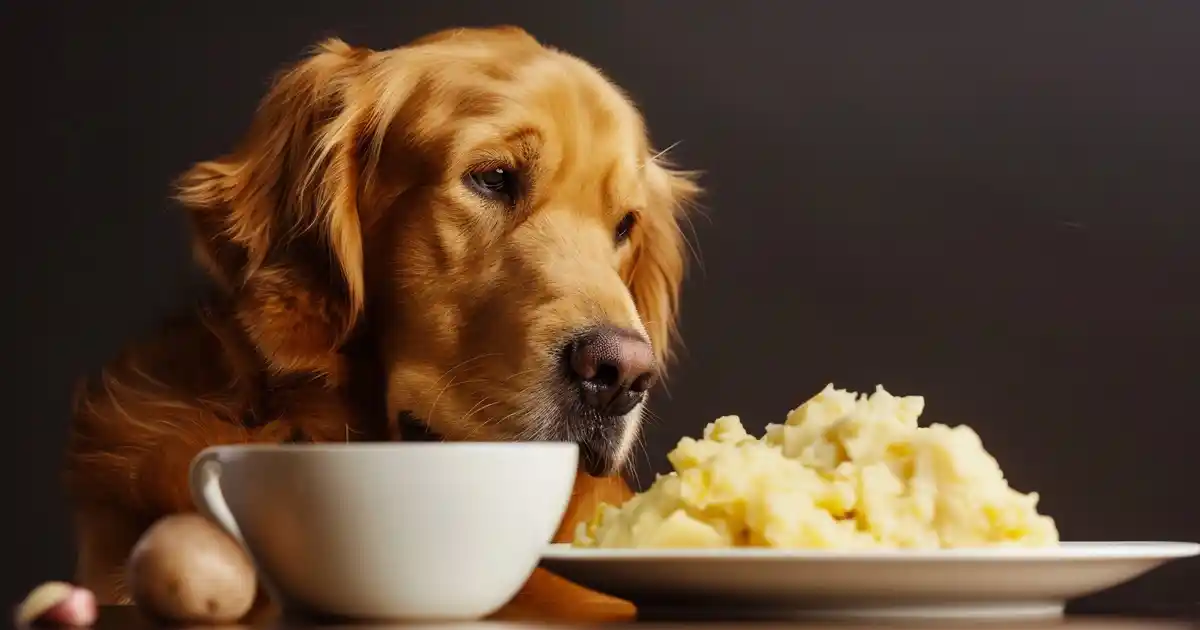
Have you ever caught your dog staring at your plate of creamy mashed potatoes with those irresistible puppy eyes, wondering if sharing a spoonful would be okay? I used to feel guilty every Thanksgiving when my golden retriever would practically melt into the floor beside my chair, hoping for just a taste. Here’s the thing I discovered after consulting with veterinarians and doing extensive research: plain mashed potatoes can actually be safe for dogs in moderation, but the devil is in the details. Now my friends constantly ask how I manage holiday meals without worrying about my pup’s safety, and my family keeps asking for guidance on what table foods are actually dog-friendly. Trust me, if you’re worried about accidentally feeding your furry friend something harmful, this approach will show you exactly how to share mashed potatoes safely—or when to skip them entirely.
Here’s the Thing About Sharing Mashed Potatoes With Dogs
Here’s the magic behind this whole situation: plain, cooked potatoes are actually non-toxic to dogs and can even provide some nutritional benefits like vitamin C, vitamin B6, and potassium. What makes this work is understanding that it’s not the potato itself that causes problems—it’s what we humans add to make them delicious. According to research on canine nutrition, dogs have different digestive systems than humans, which means ingredients we love (like butter, garlic, and cream) can range from unnecessary to downright dangerous for our four-legged companions. I never knew feeding dogs could be this nuanced until I started researching safe human foods. The secret to success is keeping portions small and ingredients simple. It’s honestly more doable than most pet parents expect—no complicated meal prep needed, just awareness about what goes into your recipe.
What You Need to Know – Let’s Break It Down
Understanding the basics of canine-safe ingredients is absolutely crucial before you share any human food with your pup. Don’t skip this section, even if you’re tempted to jump straight to the feeding guidelines (took me forever to realize this, but knowing why certain ingredients are problematic actually helps you make better decisions in the moment).
Plain Potatoes Are Generally Safe: Cooked potatoes without any additions are non-toxic to dogs. I finally figured out that the cooking method matters tremendously after watching my neighbor’s dog get an upset stomach from undercooked potatoes. Boiled or baked works beautifully, but you’ll need to avoid raw potatoes entirely since they contain solanine, a compound that’s toxic to dogs.
The Problem With Typical Ingredients: Here’s where most homemade mashed potatoes become problematic (game-changer, seriously). Butter adds unnecessary fat that can lead to pancreatitis in dogs. Garlic and onions—even in powder form—are genuinely toxic and can damage your dog’s red blood cells. Salt, while not immediately dangerous in tiny amounts, contributes to sodium ion poisoning if your dog consumes too much. Milk and cream can cause digestive upset since many dogs are lactose intolerant.
Portion Control Matters: Yes, moderation really works and here’s why—even safe foods can cause weight gain and nutritional imbalances if they become a regular part of your dog’s diet. I always recommend starting with just a teaspoon for small dogs or a tablespoon for larger breeds because everyone sees better results when introducing new foods gradually.
If you’re just starting out with understanding safe human foods for your pet, check out my complete guide to dog-friendly vegetables for foundational knowledge about which produce is beneficial and which to avoid.
The Science and Psychology Behind Why This Works
Research from leading veterinary nutritionists demonstrates that dogs can digest cooked carbohydrates effectively, though they don’t require them in the same way humans do. The canine digestive system evolved primarily for protein and fat metabolism, but modern dogs have adapted to process starches better than their wolf ancestors. What makes plain potatoes acceptable is their simple carbohydrate structure once cooked—the heat breaks down resistant starches into easily digestible forms.
Here’s what most people don’t understand: it’s not that potatoes are harmful; it’s that typical preparation methods introduce ingredients that dogs’ bodies aren’t equipped to handle efficiently. Traditional approaches to sharing table food often fail because pet parents don’t consider the cumulative effect of fat, sodium, and toxic ingredients. Studies confirm that even small amounts of garlic or onion can cause oxidative damage to hemoglobin in dogs, leading to hemolytic anemia. From a psychological perspective, the emotional aspect of sharing food with our pets is powerful—we want to include them in family moments. Understanding the science helps us do this safely rather than avoiding it entirely out of fear.
Here’s How to Actually Make Dog-Safe Mashed Potatoes
Start by selecting fresh, high-quality potatoes without any green spots or sprouts (those contain higher solanine levels). Here’s where I used to mess up—I’d just scoop some regular mashed potatoes before adding seasonings, but trace amounts of ingredients already in the pot could still cause problems.
Step 1: Prepare Potatoes Separately: Peel and cube 1-2 potatoes depending on your dog’s size. Now for the important part—boil them in plain water without any salt until they’re completely soft and mashable. This step takes about 15 minutes but creates the foundation for safe sharing.
Step 2: Mash Without Additions: Here’s my secret—use a potato masher or fork with absolutely nothing added. No butter, no milk, no seasonings. If the consistency seems too thick, add a tiny splash of the plain cooking water. When it clicks, you’ll realize that dogs actually prefer simpler flavors than we assume.
Step 3: Cool Completely: Don’t be me—I used to think slightly warm was fine, but dogs’ mouths are sensitive to temperature. Let the mashed potatoes cool to room temperature before serving. This creates a safer eating experience and prevents any accidental burns.
Step 4: Serve Appropriate Portions: Results can vary, but I’ve learned to follow this guideline: teaspoon-sized portions for dogs under 20 pounds, tablespoon-sized for medium dogs (20-50 pounds), and up to 2 tablespoons for large breeds over 50 pounds. My mentor (a veterinary nutritionist) taught me this trick—never let treats or human food exceed 10% of your dog’s daily caloric intake.
Step 5: Monitor Your Dog: Just like introducing any new food, watch for signs of digestive upset over the next 24 hours. This step creates awareness about your individual dog’s tolerance. Don’t worry if you’re just starting out with sharing human foods—every dog has unique sensitivities, and this observation period helps you understand your specific pup’s needs.
Until you feel completely confident about ingredient safety, keep a list of toxic foods near your kitchen. Every situation has its own challenges, especially during busy holiday cooking when multiple dishes are being prepared simultaneously.
Common Mistakes (And How I Made Them All)
Let me share my biggest blunder: assuming “just a little bit” of seasoned mashed potatoes wouldn’t hurt my dog. I learned the hard way when my Lab had diarrhea for two days after I let her lick a plate that had butter and garlic-laden potatoes. That experience taught me that even small amounts of problematic ingredients can affect sensitive dogs.
Another epic failure? Not checking with my vet before introducing potatoes to my diabetic dog. Potatoes have a high glycemic index, which can cause blood sugar spikes in dogs with certain health conditions. Don’t make my mistake of ignoring fundamental principles that veterinary experts recommend—always consider your individual dog’s health status.
I’ve also witnessed pet parents accidentally feeding their dogs potato skins loaded with toppings like sour cream, cheese, and bacon bits. While plain potato skins are technically safe if thoroughly cooked, the toppings completely negate any safety. Here’s what I wish someone had told me: if you wouldn’t eat it plain yourself, your dog probably shouldn’t either.
The mindset mistake I made was thinking that “natural” automatically means “safe for dogs.” Raw potatoes are natural but contain toxic compounds. Being vulnerable here—I used to trust my instincts over research, and that led to unnecessary vet visits that could have been prevented with proper education about can dogs eat mashed potatoes safely.
When Things Don’t Go as Planned
Feeling like your dog’s stomach is more sensitive than you expected? You probably need to introduce new foods even more gradually than standard recommendations suggest. That’s totally normal, and it happens to more dogs than you’d think. Some pups have particularly delicate digestive systems that react to any dietary changes.
When this happens (and it will for some dogs), I’ve learned to handle it by keeping a food diary. Track what your dog eats and any symptoms that follow. If you notice consistent patterns of upset stomach, gas, or changes in stool quality after eating potatoes, your dog might be one of those individuals who simply doesn’t tolerate them well. This is totally manageable—just remove potatoes from the acceptable treat list and focus on other safe options.
Progress stalled because your dog won’t even try plain mashed potatoes? Don’t stress—not every dog enjoys every food, and that’s perfectly fine. I always prepare for this possibility by having alternative treats ready. If you’re losing steam trying to find safe human foods your picky eater will actually consume, try mixing a tiny amount of plain mashed potato with their regular food to see if that increases acceptance.
Here’s honest advice: if your dog shows any signs of allergic reaction (itching, hives, swelling, difficulty breathing) or severe digestive distress (vomiting, bloody stool, extreme lethargy), skip the troubleshooting and contact your veterinarian immediately. When it comes to cognitive behavioral techniques for managing your own anxiety about feeding decisions, remember that you’re doing your best, and seeking professional guidance is always the right choice.
Advanced Strategies for Next-Level Results
Once you’ve mastered basic plain mashed potatoes for your dog, you can explore some more sophisticated approaches that experienced pet parents use. I discovered that mixing small amounts of dog-safe vegetables into the mashed potatoes creates variety without compromising safety. Steamed carrots, green beans, or peas mashed together with plain potatoes provide additional nutrients and fiber.
Advanced practitioners often implement what I call the “meal topper technique”—using a small spoonful of plain mashed potatoes as an enhancement to regular dog food rather than as a standalone treat. This strategy works beautifully for picky eaters or dogs who need medication hidden in food. The key is maintaining that critical 10% rule for extras while using the potatoes strategically.
Here’s an advanced insight about timing: I’ve learned that offering plain mashed potatoes as a post-exercise treat works better than random snacking. Dogs who’ve just been active tend to metabolize the carbohydrates more efficiently, reducing the likelihood of unnecessary weight gain. When circumstances require it (like during recovery from illness when appetite is low), plain mashed potatoes can serve as a gentle, easily digestible food that encourages eating.
Taking this to the next level means understanding seasonal variations too. Sweet potatoes, while technically different from regular potatoes, are actually more nutritious for dogs and can be prepared the same way. For next-level results during autumn and winter months, I love alternating between regular and sweet potato preparations to provide nutritional variety.
Ways to Make This Your Own
The Quick Comfort Version: When I want something simple during busy weekdays, I’ll microwave a single potato, mash it plain, and store individual portions in ice cube trays in the freezer. Pop one out and thaw when needed—this makes it incredibly convenient but definitely requires advance preparation (totally worth it though).
The Nutrient-Boost Approach: For dogs who need extra vitamins, my advanced version includes mixing mashed potatoes with pureed pumpkin (not pie filling!) and a tiny bit of cooked, unseasoned chicken. This combination provides protein, fiber, and vitamins while remaining completely safe. Each variation works beautifully with different nutritional needs.
The Training Treat Strategy: Sometimes I add absolutely nothing but use tiny portions of plain mashed potato as high-value training rewards. The soft texture makes it perfect for older dogs or puppies, though that’s totally optional if your dog responds better to other treats.
The Slow-Feeder Method: My busy-season version focuses on spreading a thin layer of plain mashed potato inside a Kong or puzzle toy, then freezing it. This creates mental stimulation and slower consumption, which is ideal for dogs who tend to gulp their food. Summer approach includes this frozen version more frequently since it provides a cooling treat.
The Elimination Diet Adaptation: For dogs with suspected food allergies, plain potatoes can serve as a safe carbohydrate source during veterinary-supervised elimination trials. This parent-friendly version requires careful record-keeping but helps identify problematic ingredients. The budget-conscious approach? Potatoes are inexpensive, making them an economical treat option compared to specialty dog snacks.
Why This Approach Actually Works
Unlike traditional methods of sharing table food where pet parents simply give dogs whatever they’re eating, this approach leverages proven nutritional principles that most people ignore. The foundation is separating safe base ingredients from problematic additions—a concept supported by veterinary science.
What makes this different is the focus on species-appropriate modifications rather than assuming dogs can eat everything humans can. Evidence-based research shows that dogs have different nutritional requirements and sensitivities compared to humans. My personal discovery moment came when I realized that the joy of sharing food with my dog didn’t require compromising her health—it just required a slightly different preparation method.
The sustainable aspect is crucial here. This isn’t about never letting your dog experience mashed potatoes; it’s about doing so in a way that’s safe long-term. Effective strategies always consider both immediate enjoyment and lasting wellness. What sets this apart from other pet feeding approaches is the emphasis on education over restriction—understanding why certain ingredients are problematic empowers you to make informed decisions across all human foods, not just potatoes.
Real Success Stories (And What They Teach Us)
One pet parent I know struggled with getting her senior Labrador to eat during chemotherapy treatments. Plain mashed potatoes became one of the few foods her dog would accept, providing necessary calories during a difficult time. Her success showed that sometimes the simplest preparations are the most valuable, especially when appetite is compromised.
Another friend with a food-obsessed Beagle used to give in to those pleading eyes at every meal, leading to weight gain and pancreatitis scares. After learning to prepare dog-safe versions of mashed potatoes and other favorites, she could include her dog in family meals without health consequences. The lesson here? Planning ahead prevents panic and poor decisions.
I’ve also watched a family with multiple dogs successfully navigate holiday dinners by preparing a small batch of plain mashed potatoes specifically for their pets. Different timelines emerged—their older dog adjusted immediately, while their young, sensitive-stomach puppy needed gradual introduction over several weeks. Their success aligns with research on behavior change showing that sustainable habits require flexibility and individual customization.
What made each person successful was commitment to preparation and consistency. They didn’t wing it or make exceptions based on emotional moments. The honest truth about different outcomes is that some dogs simply won’t like plain potatoes, and that’s perfectly acceptable—success means finding what works for your specific dog, not forcing a universal solution.
Tools and Resources That Actually Help
Food Scale: Investing in a small digital kitchen scale helps measure exact portions, especially important for small dogs where a few extra calories matter significantly. I use mine constantly to ensure consistency.
Storage Containers: Small glass containers or silicone ice cube trays make preparing and storing individual portions simple. The free option? Repurpose clean baby food jars.
Veterinary Nutrition Resources: The best resources come from authoritative veterinary databases and proven methodologies from organizations like the American Kennel Club. These sites provide evidence-based information about dog nutrition and safe human foods.
Pet First Aid App: Having a reliable app that lists toxic foods and emergency symptoms provides peace of mind. Many are free and include poisoning hotline numbers for urgent situations.
Food Diary App or Notebook: Tracking what your dog eats and any reactions helps identify patterns and sensitivities. The limitation? It requires consistent effort, but alternatives like photo journals work too if writing feels tedious.
My personal experience with these tools showed me that preparation is everything. Be honest with yourself about which tools you’ll actually use—I bought fancy containers but use simple ice cube trays most often because they’re practical for my routine.
Questions People Always Ask Me
Can dogs eat mashed potatoes with butter?
No, I don’t recommend mashed potatoes with butter for dogs. Most dogs struggle to digest high-fat dairy products efficiently, and butter adds unnecessary calories that can contribute to obesity and pancreatitis. Even small amounts of butter can cause digestive upset in sensitive dogs. The good news? Plain mashed potatoes are just as easy to make, and most dogs don’t miss the butter at all.
How much mashed potato can I give my dog?
The safe amount depends on your dog’s size and overall diet. I usually recommend starting with one teaspoon for small dogs (under 20 pounds), one tablespoon for medium dogs (20-50 pounds), and up to two tablespoons for large breeds (over 50 pounds). Remember that treats and human food should never exceed 10% of your dog’s daily caloric intake. For a 50-pound dog, that’s roughly 40-50 calories from extras, and a tablespoon of plain mashed potato contains about 12 calories.
Are instant mashed potatoes safe for dogs?
Absolutely, instant mashed potatoes can work if you prepare them with just water—no butter, milk, or seasoning packets. Just focus on plain preparation and avoid any flavored varieties that might contain onion or garlic powder. I’ve used instant potatoes in a pinch when traveling with my dog, and they worked perfectly fine. The key is checking ingredient labels carefully since some instant varieties include problematic additives.
What happens if my dog eats mashed potatoes with garlic?
Contact your veterinarian immediately, especially if your dog consumed a significant amount. Garlic is toxic to dogs and can cause hemolytic anemia, where red blood cells are damaged. Symptoms might not appear for several days but can include weakness, pale gums, vomiting, and rapid breathing. Most people need to understand that even small amounts of garlic can be harmful, particularly for smaller dogs or those who consumed larger quantities.
Can puppies eat mashed potatoes?
Yes, puppies can eat plain mashed potatoes in very small amounts once they’re eating solid food, but their developing digestive systems are more sensitive than adult dogs. I always recommend introducing any new food gradually and in tiny portions—start with just a quarter teaspoon for small breed puppies. Watch carefully for any digestive upset, and remember that puppies need proper nutrition from puppy-specific food primarily. Plain mashed potatoes should only be an occasional tiny treat, not a regular part of their diet.
Is this approach suitable for dogs with diabetes?
You’ll need to consult your veterinarian first since potatoes have a high glycemic index that can affect blood sugar levels. Dogs with diabetes require careful carbohydrate management, and even plain potatoes might not be appropriate depending on your dog’s specific condition and medication regimen. Don’t make assumptions about dietary additions without professional guidance when managing chronic health conditions.
What if my dog has never had potatoes before?
Start with an extremely small amount—literally just a lick or tiny taste. Wait 24-48 hours and watch for any signs of digestive upset, allergic reaction, or changes in behavior or stool. If everything looks normal, you can gradually increase to appropriate portion sizes over several introductions. This slow approach helps identify sensitivities before they become major problems.
Can I combine plain mashed potatoes with my dog’s regular food?
Absolutely, just make sure you’re accounting for the extra calories and adjusting their regular food portion accordingly. When progress feels slow or your dog seems uninterested in plain potatoes alone, mixing a small amount with their regular meals often increases acceptance. This method works beautifully for picky eaters or dogs taking medication that needs to be hidden.
What mistakes should I avoid when sharing mashed potatoes?
The biggest mistake is assuming your recipe is safe without checking every ingredient. Avoid anything with garlic, onion, chives, excessive butter, cream, cheese, salt, or artificial seasonings. Don’t give your dog raw or undercooked potatoes either, as they contain solanine. Another common error is overfeeding—even safe foods cause problems in large quantities. My epic failure was not considering my dog’s specific health conditions, so always factor in individual needs.
How do I know if my dog is having a bad reaction to potatoes?
Watch for digestive symptoms like vomiting, diarrhea, excessive gas, loss of appetite, or lethargy within 24-48 hours of feeding. Allergic reactions might include itching, skin redness, hives, or swelling. If you notice any concerning symptoms, stop feeding potatoes immediately and contact your veterinarian. Keep notes about what and how much your dog ate so you can provide accurate information if veterinary care becomes necessary.
What’s the difference between this and just giving my dog regular mashed potatoes?
Regular human-style mashed potatoes almost always contain ingredients that are problematic for dogs—butter, milk, salt, garlic, or onion. This approach removes all potentially harmful additions, creating a version that’s safe for canine consumption. The difference is preparation method and ingredient consciousness, not the base food itself. Real progress comes from understanding that what makes food delicious for humans often makes it dangerous for dogs.
How long do plain mashed potatoes stay fresh for my dog?
Store plain cooked mashed potatoes in an airtight container in the refrigerator for up to 3-4 days, or freeze in individual portions for up to 2-3 months. Always let frozen portions thaw completely and come to room temperature before serving. I always prepare small batches weekly because freshness matters for both taste and food safety. If you notice any off smell, discoloration, or mold, discard immediately rather than risking your dog’s health.
Before You Get Started
I couldn’t resist sharing this because it proves that including your dog in family meals doesn’t require risky choices—it just requires awareness and simple modifications. The best journeys with your dog happen when you combine love with knowledge, creating moments of connection that prioritize their wellbeing. Remember that every dog is unique, so what works perfectly for one might need adjustment for another. Start with a simple first step: the next time you’re making mashed potatoes, set aside one plain potato to prepare separately for your pup. Watch their reaction, monitor their health, and build confidence in your ability to share food safely. Your dog doesn’t need fancy ingredients to feel included—they just need you to make thoughtful choices that keep them healthy for many meals to come.




