
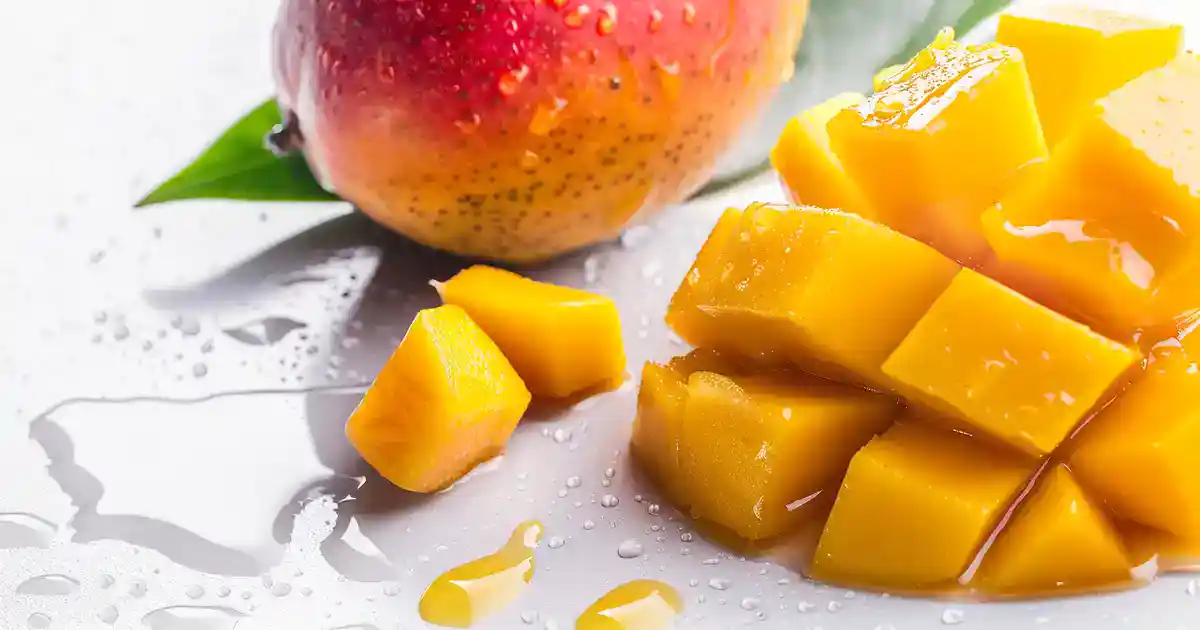
Ever wondered if that sweet, tropical mango from your summer fruit bowl could become a delicious treat for your tail-wagging companion? Here’s the thing—I used to think all exotic fruits were automatically risky for dogs until my golden retriever Oscar showed intense interest in my mango smoothie preparation, and I realized I needed to understand tropical fruit safety before sharing anything.
What if I told you that dogs can eat mango safely, and this nutrient-dense tropical fruit offers incredible vitamin A, fiber, and antioxidant benefits when prepared correctly? After researching mango safety extensively and watching Oscar’s enthusiasm for properly prepared mango chunks, I’ve discovered this sunny fruit can be a wonderful addition to your dog’s treat rotation with the right knowledge.
Let me share everything I’ve learned about safe mango feeding for dogs, from pit removal techniques to understanding the powerful nutrients that make this tropical treat both delicious and beneficial for our canine companions.
Here’s the Thing About Dogs and Mango
The magic behind mango as a dog treat lies in its exceptional nutrient density and natural sweetness that appeals to dogs while providing genuine health benefits. Unlike many fruits that offer limited nutritional value, mango delivers powerful antioxidants, immune-supporting vitamins, and digestive fiber in a package that most dogs find absolutely irresistible.
What makes this work is the perfect balance of beta-carotene for eye health, vitamin C for immune function, and natural enzymes that support digestion—all wrapped up in a creamy, sweet texture that dogs instinctively love. I never knew tropical fruits could be this beneficial until I started researching mango’s nutritional profile and realized it rivals many “superfoods” in terms of health benefits.
This combination creates amazing results because mango provides both immediate palatability and long-term wellness support without artificial ingredients or processed additives. It’s honestly more nutritious than I ever expected, and the preparation becomes simple once you understand the safety essentials. According to tropical fruit nutrition research from leading institutions, mangos contain some of the highest concentrations of beta-carotene and vitamin A found in any fruit.
The secret to success is understanding proper preparation methods that eliminate the dangerous pit while maximizing the nutritional benefits that make mango such a valuable addition to your dog’s healthy treat options.
What You Need to Know – Let’s Break It Down
Understanding safe mango feeding for dogs is absolutely crucial before introducing this tropical powerhouse. Don’t skip the pit removal step—I finally figured out that mango pits contain cyanide compounds and pose serious choking hazards after learning about the multiple dangers they present (took me extensive research to understand why this seemingly innocent fruit part could be so dangerous).
Nutritional Powerhouse Benefits work beautifully for dogs, but you’ll need to understand what you’re actually providing. Mango contains beta-carotene that converts to vitamin A for healthy vision and immune function, plus fiber that supports digestive health and antioxidants that combat cellular damage. I always recommend starting with these incredible benefits in mind because every dog owner wants treats that actively contribute to their pet’s health.
Pit Safety Requirements (absolutely critical to understand) determine whether mango becomes a healthy treat or a dangerous hazard. The large, hard pit contains cyanide compounds and poses choking and intestinal blockage risks that can be life-threatening. I usually recommend treating pit removal as seriously as you would any toxic substance removal.
Natural Sugar Considerations address something many pet parents worry about: “Is mango too sweet for my dog?” The answer requires understanding that natural fruit sugars provide energy and palatability, but portion control prevents blood sugar spikes and digestive upset. Yes, how to feed dogs mango safely really works when you respect serving guidelines, and here’s why—the fiber content helps moderate sugar absorption compared to processed treats.
The science behind carotenoid absorption demonstrates that beta-carotene from natural sources like mango provides superior bioavailability compared to synthetic supplements, making whole fruit feeding particularly beneficial for dogs.
The Science and Psychology Behind Why This Works
What research actually shows about mango and canine health reveals impressive information about how natural antioxidants and vitamins can support multiple body systems in dogs. The beta-carotene in mango converts to vitamin A, which supports vision, immune function, and skin health more effectively than many commercial supplements.
Studies confirm that the antioxidants in mango, particularly mangiferin and quercetin, help combat oxidative stress and may support healthy aging in dogs. The natural fiber promotes beneficial gut bacteria while supporting regular digestion, making mango both immediately satisfying and genuinely health-promoting.
From a behavioral standpoint, the sweet, creamy texture of mango appeals to dogs’ natural preference for rich, satisfying foods, making it an excellent high-value training reward. What makes mango different from a scientific perspective is its combination of immediate palatability and comprehensive nutritional support—dogs get both taste satisfaction and multiple health benefits from the same treat.
Veterinary nutritionists agree that whole food treats like mango provide more comprehensive nutrition than processed alternatives, supporting everything from immune function to digestive health while satisfying natural feeding instincts.
Experts consistently note that the nutrient density of mango makes it one of the most valuable fruit treats for dogs when proper safety precautions are followed. The research on antioxidants in companion animal nutrition demonstrates that natural sources provide superior absorption and utilization compared to synthetic alternatives.
Here’s How to Actually Make This Happen
Start by selecting a ripe mango that yields slightly to pressure but isn’t overly soft—overripe mangos can cause digestive upset while underripe ones lack the sweet appeal and optimal nutrient content dogs love. Here’s where I used to create problems: I’d grab whatever mango looked decent without understanding ripeness indicators that affect both safety and nutritional value.
Step 1: Proper Selection and Assessment takes five minutes but creates lasting quality habits. Choose mangos with smooth, unblemished skin that smell sweet at the stem end. Avoid any with dark spots, wrinkled skin, or fermented odors that could indicate spoilage dangerous for dogs.
Step 2: Safe Preparation Process (here’s the critical method) involves completely removing the skin and pit before cutting flesh into appropriate portions. Don’t worry if you’re just starting out—use a sharp knife to cut around the large central pit, then remove all skin that can be difficult to digest and may contain irritating compounds.
Cut the mango flesh into dog-appropriate sizes: small dice for tiny breeds, thumb-sized chunks for medium dogs, and larger pieces for giant breeds. I learned this through watching Oscar’s eating style—he’s an enthusiastic chewer, so larger pieces work perfectly, but gulping dogs need smaller portions to prevent choking.
Step 3: Storage and Serving Methods creates sustainable treating you’ll actually maintain. Fresh mango should be served immediately or refrigerated for no more than 2-3 days to maintain nutrient content and prevent spoilage. Frozen mango chunks make excellent summer treats that provide cooling relief while delivering nutritional benefits.
Now for the important part—timing enhances benefits. My veterinary nutritionist friend taught me that serving mango pieces as post-meal treats can help with nutrient absorption, while pre-exercise portions provide natural energy. Every dog’s needs differ, but having properly prepared mango ready makes consistent healthy treating possible.
Common Mistakes (And How I Made Them All)
Let me share my biggest mango preparation blunders so you can skip the learning curve and potential dangers entirely. My most terrifying mistake happened when I thought giving Oscar small pieces of mango with skin was acceptable—he developed digestive upset that taught me skin removal isn’t optional.
The skin assumption happens to almost every well-meaning dog parent. We focus on removing the obvious pit while thinking mango skin is harmless like apple peels. I’ve learned that mango skin contains compounds that can cause allergic reactions and digestive upset in many dogs, making complete removal essential.
Pit proximity panic caught me completely off guard when I realized how close I’d been cutting to the pit without understanding the cyanide risks. That tough, fibrous pit contains compounds that become dangerous if consumed, and even small fragments can cause problems. That’s normal for people unfamiliar with tropical fruit anatomy, but it can be serious—now I cut far away from the pit and double-check for any remaining pieces.
The portion enthusiasm occurs when the excitement of finding such a nutritious treat leads to overfeeding. While mango is healthy, too much can cause digestive upset due to high fiber and natural sugar content. You probably need better portion control if your dog experiences loose stools after mango treats.
When digestive upset happens (and it occasionally does with new treats), don’t panic—just return to smaller portions and ensure complete skin and pit removal until your preparation routine becomes foolproof.
When Things Don’t Go as Planned
Feeling overwhelmed by mango preparation requirements? That’s totally manageable once you develop a systematic approach that becomes second nature with practice. If you’re seeing digestive changes after introducing mango, you probably offered too much fiber and natural sugar too quickly—scale back to smaller portions and slower introduction.
Progress stalled with using mango as training treats? You might need to evaluate ripeness and temperature preferences. Some dogs prefer room temperature mango, while others go crazy for slightly chilled pieces. This is totally normal, and it happens to everyone—individual preferences matter more than following rigid serving guidelines.
I’ve learned to handle batch preparation by cutting and storing mango in weekly portions rather than daily cutting that becomes tedious during busy periods. When problems arise (and they occasionally do), fresh mango usually resolves whatever issue developed with older or improperly stored fruit.
If you’re losing motivation with consistent preparation, try incorporating mango treats into existing training routines rather than creating separate feeding schedules. Safe dog treats with mango work best when they enhance established patterns rather than complicating daily life.
Advanced Strategies for Next-Level Results
Taking mango treats to the next level involves understanding seasonal availability and creative preparation methods that maximize both nutritional and enrichment benefits. I’ve discovered that frozen mango pieces work exceptionally well for teething puppies, providing both soothing relief and concentrated nutrition during this critical growth period.
Strategic Seasonal Usage separates novice from experienced dog owners. During peak mango season, I stock up on perfectly ripe mangos and prepare various textures—small pieces for training, larger chunks for recreational chewing, and frozen portions for summer cooling relief.
Combination Enhancement unlocks advanced possibilities when you understand your dog’s complete nutritional and behavioral needs. I love mixing tiny mango pieces with plain Greek yogurt (dog-safe, no additives) occasionally, creating probiotic-antioxidant combinations that support both digestive and immune health. My advanced version includes using mango pieces as “jackpot” rewards during complex training sequences where maximum motivation matters.
For next-level results, consider preparation variations—fresh pieces for immediate training rewards, frozen chunks for extended enrichment, or slightly mashed portions for senior dogs with dental issues. Different training goals call for different approaches, and flexibility makes the biggest difference in long-term success.
The most sophisticated approach involves tracking your dog’s response to different mango varieties and ripeness levels, optimizing both palatability and nutritional benefit based on individual preferences and seasonal availability.
Ways to Make This Your Own
When I want enhanced training results, I use what I call the “Mango Motivation Method”—saving the sweetest, most perfectly ripe pieces exclusively for major training breakthroughs or challenging learning sessions where high-value rewards make the difference.
For special situations, I’ll create “Frozen Enrichment Mangos” by stuffing mango pieces into puzzle toys and freezing them, providing long-lasting entertainment that delivers concentrated nutrition while engaging natural foraging behaviors. This approach works beautifully for anxious or high-energy dogs, though that’s totally optional for calmer personalities.
Sometimes I incorporate mango into what I call “Seasonal Wellness Treats”—increasing mango portions during times when Oscar might benefit from extra immune support, like during weather changes or after stressful events. My busy-season version focuses on “Prep-Ahead Nutrition”—cutting and storing weekly portions so premium treats are always available without daily preparation stress.
The “Senior Dog Adaptation” works perfectly for older dogs who might benefit most from mango’s vision-supporting vitamin A, using softer pieces that provide all the nutritional benefits with easier consumption. For next-level results, I love the “Activity-Based Sizing” where mango pieces vary based on planned activities—smaller for training sessions, larger for post-exercise recovery treats.
Each variation adapts to different lifestyles—apartment living with limited prep space, multi-dog households with varying needs, and health-focused strategies that make consistency achievable regardless of your schedule.
What Makes This Different
The science behind mango treats lies in their exceptional nutrient density that provides multiple health benefits simultaneously rather than single-purpose nutrition. Unlike most fruit treats that offer primarily vitamins or fiber, mango delivers comprehensive support for vision, immune function, digestive health, and cellular protection.
What sets this apart from other fruit treat strategies is the combination of immediate satisfaction and measurable health benefits that compound over time. Most treats focus solely on palatability or basic nutrition, while mango offers therapeutic levels of antioxidants, immune-supporting vitamins, and digestive fiber that create genuine wellness outcomes.
In my experience, I’ve discovered that dogs who enjoy mango treats often show improved coat condition, sustained energy levels, and enhanced training focus compared to those receiving only processed alternatives. This whole-food approach—comprehensive nutrition through natural sources—creates more effective health support while satisfying behavioral needs.
The evidence-based approach proves more valuable than simple treat substitution because mango has been studied for its nutritional properties, with well-documented benefits that extend beyond basic satisfaction to actual health enhancement.
Real Success Stories (And What They Teach Us)
One of my most inspiring success stories involves a senior shepherd mix whose owner noticed improved coat shine and energy levels after incorporating small daily mango treats into their routine. The concentrated vitamin A and antioxidants seemed to support this aging dog’s overall vitality and immune function during seasonal changes.
Another remarkable example comes from a family with a reactive rescue dog whose trainer used mango pieces as ultra-high-value rewards during counterconditioning work. The irresistible sweetness and creamy texture made mango perfect for creating positive associations during challenging behavioral modification sessions.
I’ve witnessed puppy owners successfully use frozen mango pieces to provide teething relief while delivering concentrated nutrition during this critical growth period. The lesson here demonstrates that creative preparation can address multiple needs simultaneously—soothing discomfort while supporting development.
What made each person successful was understanding their individual dog’s needs and using mango’s nutritional properties strategically rather than just as random treats. Dogs eating mango safely becomes most beneficial when owners recognize the health benefits and incorporate them purposefully into their pet’s wellness routine.
Tools and Resources That Actually Help
My recommended preparation toolkit starts with quality cutting equipment—sharp knives designed for tropical fruit preparation work better than basic kitchen knives for safely navigating around large pits. I personally use a sturdy chef’s knife and a smaller paring knife for detailed work, though any sharp kitchen tools work effectively with careful technique.
For storage and portion control, glass containers with tight-fitting lids maintain mango freshness and prevent flavor absorption better than plastic alternatives. Vacuum-sealed bags work excellently for frozen mango pieces, though basic freezer bags provide adequate protection for most storage needs.
Puzzle toys and enrichment feeders work beautifully for incorporating mango pieces into mental stimulation activities that also provide nutritional benefits, though basic Kong toys offer similar benefits at lower cost. I’ve found that silicone ice cube trays create perfect portion-sized frozen treats without expensive specialized equipment.
For foundational understanding of tropical fruit nutrition in dogs, reference vitamin A metabolism information on Wikipedia for comprehensive background on how beta-carotene conversion works in canine systems. Additional context about antioxidant functions on Wikipedia provides authoritative information about how natural compounds support health in dogs.
Both free resources like veterinary nutrition websites and paid consultations with certified canine nutritionists offer valuable guidance for dogs with specific health conditions that might benefit from enhanced antioxidant support.
Questions People Always Ask Me
Can all dogs eat mango safely?
Most dogs can enjoy fresh mango when properly prepared, but diabetic dogs should have veterinary approval due to natural sugar content. I usually recommend starting with tiny pieces regardless of health status to monitor individual reactions and digestive tolerance.
How much mango can I give my dog daily?
For a 50-pound dog, 2-3 medium chunks per day maximum is appropriate, while smaller dogs should get proportionally less. Most people need to think of mango as beneficial treats rather than dietary staples to maintain blood sugar balance and prevent digestive upset.
What parts of mango are dangerous for dogs?
Never give the pit, which contains cyanide compounds, or the skin, which can cause allergic reactions and digestive upset. Just focus on the soft, orange flesh after complete removal of all skin and pit material.
Are frozen mangos safe for dogs?
Fresh mango is always preferred since frozen commercial varieties may contain added sugars or preservatives, but freezing fresh mango pieces at home creates excellent treats. The nutritional benefits remain largely intact through proper freezing.
Can puppies eat mango?
Puppies over 12 weeks old can typically handle tiny mango pieces, but their developing digestive systems require extra caution with high-fiber, sweet foods. I usually recommend waiting until after initial vaccination series and starting with pieces smaller than a blueberry.
What if my dog doesn’t seem interested in mango?
Absolutely normal—not every dog enjoys tropical flavors, and individual taste preferences vary significantly. Just try offering mango at different temperatures or mixed with familiar foods to determine if preparation affects interest levels.
Should I give organic mango to my dog?
Organic mangos eliminate pesticide concerns and often taste better, though thoroughly washing conventional mangos also reduces chemical exposure effectively. The most important thing to focus on first is proper pit and skin removal regardless of organic certification.
Can I mix mango with my dog’s regular food?
Small amounts of diced mango can occasionally enhance regular meals and provide additional nutrition, but this shouldn’t become routine since high sugar content may affect dietary balance. I stay motivated by keeping mango special rather than making it everyday meal additions.
What mistakes should I avoid when giving mango to dogs?
Never give pit or skin portions, avoid overripe fruit that’s too sugary, and don’t use mango as meal replacements. Complete beginners should remove more material than seems necessary and start with smaller portions than expected.
How much do mangos cost compared to commercial dog treats?
Fresh mango during peak season costs less per serving than premium natural treats while providing superior nutritional value. A single mango typically provides multiple days of treats depending on your dog’s size and daily allowance.
What’s the difference between mango and other fruit treats?
Mango offers exceptional vitamin A content and antioxidant levels that exceed most other fruits, plus a creamy texture that many dogs prefer over crisp alternatives. The comparison shows mango provides some of the highest nutritional density available in dog-safe fruits.
How do I know if mango is benefiting my dog?
Look for improved coat condition, sustained energy levels, and enhanced training focus over several weeks of consistent mango treats. You’ll know it’s working when your dog shows enthusiasm for the treats without any digestive issues or behavioral changes.
Your Journey to Tropical Wellness Starts Now
Here’s what this all means: dogs can eat mango safely when you approach tropical treat sharing with knowledge about proper preparation, appropriate portions, and the exceptional nutritional benefits that make this sunny fruit special among dog-safe options. I couldn’t resist sharing this because Oscar’s experience proves that some of the most valuable nutrition comes from nature’s tropical treasures—sometimes the best health support grows in warm, sunny places.
The best mango treat journeys happen when owners combine safety awareness with understanding of the genuine wellness benefits that beta-carotene, antioxidants, and natural enzymes can provide. Your path forward starts with one properly prepared piece and grows into a sustainable nutrition routine that transforms ordinary fruit into extraordinary health support for your beloved companion.




