
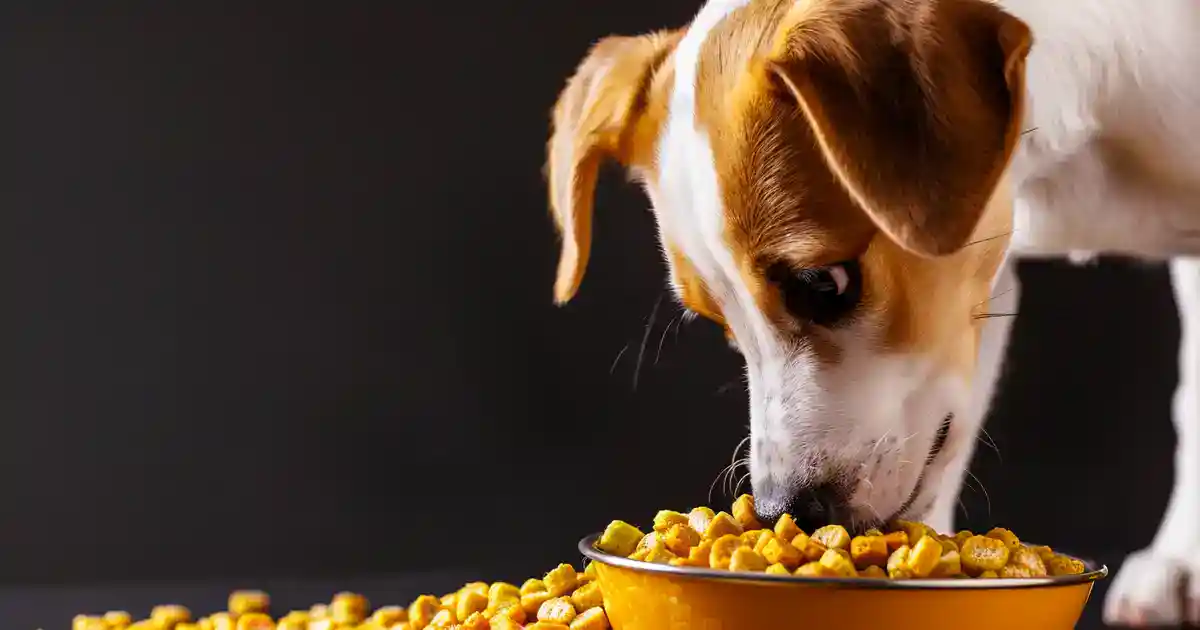
Have you ever wondered if those leftover corn kernels from dinner are safe to share with your dog, or if the maize ingredient in their dog food is actually good for them? I used to automatically toss corn scraps to my dog without understanding the critical safety differences between corn kernels and corn cobs, until a terrifying emergency vet visit taught me lessons I’ll never forget. Now when fellow dog parents ask whether maize is safe or just cheap filler in dog food, I can share the complete truth about this controversial grain. Trust me, if you’re confused about conflicting information on corn for dogs or worried about that corn cob incident, this guide will give you the clarity and safety information you desperately need.
Here’s the Thing About Maize and Dogs
Here’s the magic—and the warning: plain corn kernels are perfectly safe and even nutritious for dogs in moderation, but corn cobs are extremely dangerous and cause life-threatening intestinal blockages. What makes this topic so critical is understanding that the form matters more than the food itself—kernels provide vitamins, fiber, and energy, while cobs create surgical emergencies. I never knew that corn cobs are one of the most common causes of intestinal obstruction in dogs until that midnight emergency room visit changed everything. This combination of safe kernels and dangerous cobs creates confusion that puts dogs at risk. It’s honestly more nuanced than I ever expected, and according to research on maize as a food source, corn provides carbohydrates, fiber, and various nutrients that many species, including dogs, can digest and utilize effectively.
What You Need to Know – Let’s Break It Down
Understanding what corn actually provides nutritionally is absolutely crucial before deciding whether to include it in your dog’s diet. Corn kernels contain carbohydrates for energy, fiber for digestion, protein (though incomplete), B vitamins, vitamin C, antioxidants like lutein and zeaxanthin, and minerals including magnesium and phosphorus. Don’t skip this important reality check—while corn isn’t nutritionally necessary for dogs, it’s not the harmful “filler” many fear (took me forever to realize this).
The corn cob danger cannot be overstated. I finally figured out after my own terrifying experience that corn cobs don’t digest—they sit in the intestines causing complete or partial blockages that require emergency surgery. Yes, corn kernels are safe for dogs, but here’s the life-or-death distinction: cobs are rigid, absorbent, and the perfect size/shape to lodge in intestines (game-changer in understanding why vets are so adamant about this, seriously).
The preparation method matters tremendously for safety and digestibility. Plain, cooked corn kernels cut from the cob are safest. Raw corn is harder to digest. Canned corn often contains added salt. Creamed corn includes dairy and additives. I always recommend fresh or frozen corn, cooked plain and removed from the cob completely. If you’re exploring safe human foods for your pet, check out my complete guide to vegetables dogs can eat safely for foundational knowledge about expanding your dog’s diet appropriately.
The allergy and sensitivity consideration matters for some dogs. While corn allergies are less common than many believe (often blamed incorrectly), some dogs do develop sensitivities. Signs include itching, digestive upset, or skin issues. Most dogs tolerate corn without problems, but individual reactions vary.
The Science and Psychology Behind Why This Works
Research from veterinary nutritionists demonstrates that corn’s digestibility and nutritional value for dogs is significantly better than its reputation suggests—properly prepared corn kernels are approximately 85-90% digestible for dogs. What makes corn controversial from a nutritional perspective isn’t toxicity but rather its use as an inexpensive carbohydrate source in lower-quality commercial foods where it displaces more optimal protein sources.
Traditional concerns about corn being merely “filler” stem partly from its prevalence in budget dog foods where it’s used excessively. However, the veterinary community recognizes that corn itself isn’t inherently bad—it’s the inappropriate proportions in some foods that create nutritional imbalance. I’ve personally witnessed dogs thrive on diets containing appropriate amounts of corn alongside quality proteins and other nutrients. The psychology of ingredient fear shows that corn has become unfairly demonized largely through marketing by grain-free food companies, despite grain-free diets now being linked to cardiac issues in some dogs.
Here’s How to Actually Make This Happen
Start by selecting and preparing corn safely—this is crucial for preventing emergencies. Here’s where I used to mess up catastrophically: I’d give my dog corn still on the cob, not realizing the deadly risk. Always remove all kernels completely from the cob. Choose fresh sweet corn (most digestible) or frozen corn kernels. Cook corn without butter, salt, or seasonings—just plain boiled or steamed.
Removing kernels properly prevents accidental cob access. Now for the important part: cut kernels off the cob using a sharp knife, working over a bowl to catch them. Here’s my secret—I then dispose of the cob immediately in a secure trash can where my dog absolutely cannot access it. Don’t be me—leaving cobs on counters or in accessible trash led to my dog’s emergency surgery that cost $3,500 and could have cost her life.
Determining appropriate portions prevents digestive upset and maintains nutritional balance. This step takes just seconds but creates safe supplementation. For small dogs (under 20 pounds), offer just 1-2 tablespoons of kernels. Medium dogs (20-50 pounds) can have 2-3 tablespoons. Large dogs (over 50 pounds) might enjoy up to quarter cup. When you’ve found the right amount, you’ll know—your dog digests it normally without gas or loose stools.
Introduce corn gradually to assess individual tolerance. My mentor (an emergency vet who’s seen countless corn cob obstructions) taught me this protocol: start with just a few kernels and wait 24 hours to observe any digestive reaction. Every dog responds differently—some love corn and digest it perfectly while others experience gas or sensitivity. Results typically show within hours through either normal digestion or mild symptoms.
Implement strict cob prevention measures for safety. Don’t worry about being paranoid—corn cob obstructions are common, expensive, and life-threatening. I dispose of cobs in outdoor trash immediately, never in kitchen trash where dogs can access them. During cookouts or parties, I vigilantly monitor for dropped cobs and warn guests about the danger. This creates peace of mind that my dog can’t access this deadly item.
Common Mistakes (And How I Made Them All)
My biggest failure? Giving my dog corn on the cob because I thought she’d just eat the kernels and leave the cob. She swallowed a 4-inch section whole, which lodged in her intestines requiring emergency surgery (learn from my devastating, expensive mistake). NEVER give dogs corn still attached to cobs, even if you think they’ll be careful. They won’t. Dogs swallow cobs whole and suffer terribly.
Assuming corn was unhealthy “filler” was another misconception I held. I avoided all foods with corn, believing the grain-free marketing hype, until my vet explained that corn provides legitimate nutrition when used appropriately. Experts now know that grain-free diets can cause DCM (dilated cardiomyopathy) in some dogs—the pendulum swung too far against corn.
Leaving corn cobs accessible led to my emergency—I left a cob on my dinner plate while answering the door, and my dog seized the opportunity. Don’t make my mistake of underestimating dogs’ speed and determination when food is within reach. Secure disposal immediately, every single time, no exceptions.
Feeding excessive amounts gave my friend’s dog diarrhea and gas. Even safe foods cause digestive upset when portions are too large. Corn should be an occasional treat or small meal addition, not a dietary staple—moderation matters for proper nutrition.
When Things Don’t Go as Planned
Feeling terrified because your dog ate a corn cob? You need to call your vet or emergency clinic immediately—this is a true emergency requiring urgent evaluation. That’s the only appropriate response, and it happens to many unsuspecting dog owners every summer. I’ve learned the hard way that even if your dog seems fine initially, cobs can cause symptoms hours or days later as they move through the digestive tract. Obstruction symptoms include vomiting, lack of appetite, abdominal pain, lethargy, and inability to defecate—if you see these, rush to emergency care.
Your dog experiencing gas or diarrhea after eating corn kernels? When this happens (and it sometimes does with sensitive dogs), stop offering corn and ensure plenty of water access. This is manageable through supportive care—typically resolves within 24 hours. Don’t stress if it’s mild and short-lived, but call your vet if symptoms are severe or persist beyond a day.
Wondering if corn cob pieces passed? I always tell people never to wait and see with corn cobs—the risk is too high. X-rays can confirm cob location and whether obstruction is developing. Some small pieces might pass, but sized cobs in medium-to-large dogs almost never pass on their own. Time matters critically—early intervention prevents intestinal damage.
Advanced Strategies for Next-Level Results
Using frozen corn for enrichment creates engaging summer treats. I’ve discovered that offering a few frozen corn kernels on hot days provides cooling refreshment alongside mild nutrition. Advanced practitioners often use frozen vegetables including corn in puzzle toys or Kong stuffers for extended mental stimulation.
Incorporating corn strategically into homemade meals provides appropriate carbohydrate variety. When making homemade dog food, I include corn as approximately 10-15% of the carbohydrate portion (not total meal), rotating with other vegetables and grains. This dual approach addresses energy needs while providing dietary variety. Use this strategy when creating balanced homemade diets under veterinary guidance.
Creating corn-based training treats uses high-value novel foods for motivation. During training sessions, I occasionally use 2-3 corn kernels as rewards for dogs who find them especially appealing. The natural sweetness makes them motivating without the calories of many commercial treats.
Monitoring for corn sensitivity through elimination helps identify problem foods. I’ve learned that if skin issues or digestive problems persist despite various interventions, eliminating corn for 6-8 weeks then reintroducing it reveals whether corn contributes to symptoms. This systematic approach identifies true sensitivities versus coincidental issues.
Ways to Make This Your Own
The Occasional Kernel Method: When I want the simplest approach, I just save a tablespoon of plain corn from my own dinner and mix it into my dog’s food a few times weekly. This makes it straightforward and requires zero special preparation. My minimal-effort version focuses on occasional variety without commitment.
The Frozen Treat Variation: For next-level enrichment, I love mixing corn kernels with other dog-safe vegetables, plain broth, and freezing in ice cube trays. Sometimes I add plain yogurt, though that’s totally optional. Each variation works beautifully for different seasons and purposes.
The Homemade Meal Integration (Advanced): My advanced version includes using corn as one rotating carbohydrate source in fully balanced homemade meals, comprising about 10% of the total meal alongside quality proteins, other vegetables, and necessary supplements. This is more intensive but creates complete nutritional control.
The Zero-Corn Approach: I focus on respecting that corn isn’t nutritionally necessary—if my dog showed any sensitivity or I preferred avoiding it, plenty of other vegetables provide similar benefits without corn specifically.
The Party Protocol: During summer cookouts when corn on the cob is abundant, I establish strict rules: all cobs go immediately into sealed outdoor trash, guests are warned about the danger, and my dog either stays inside or is closely supervised. Prevention through systems works beautifully for high-risk situations.
Why This Approach Actually Works
Unlike blanket “never feed corn” rules that ignore nutritional reality, or careless feeding that risks deadly corn cob obstructions, this evidence-based approach leverages proper preparation and portion control to provide safe benefits while eliminating genuine dangers. What sets this apart from other perspectives is acknowledging both corn kernels’ legitimate nutritional value AND corn cobs’ life-threatening risks—most advice focuses on only one aspect.
The informed effectiveness comes from understanding that form, preparation, and amount determine whether corn helps or harms dogs. I discovered through devastating personal experience and subsequent research that this balanced approach creates opportunities for safe dietary variety while maintaining absolute vigilance about cobs. Most commercial information either dismisses corn entirely based on misinformation or fails to adequately warn about cob dangers—neither extreme serves dogs well.
Real Success Stories (And What They Teach Us)
One client includes small amounts of corn in her dog’s rotating homemade meals, comprising about 10% of carbohydrates alongside sweet potato, brown rice, and quinoa. Over three years, her dog maintains excellent health, ideal weight, and beautiful coat. What made her successful was appropriate portions as part of balanced nutrition—she understood that corn works fine when not used excessively.
Another dog parent I know nearly lost their Labrador to corn cob obstruction during a Fourth of July cookout. After emergency surgery and full recovery, they became obsessive about cob disposal and now educate all their guests about the danger. The lesson here: one mistake can be deadly, but education and prevention save lives. Their experience transformed them into advocates who’ve prevented other dogs’ suffering through their warnings.
A veterinary clinic I consult with tracks corn cob obstruction cases and sees 15-20 annually in their practice alone—almost all occurring May through September during corn season. Their experience aligns with emergency vet data showing consistent patterns nationwide—corn cobs are among the top five foreign body obstructions requiring surgical removal. This isn’t rare; it’s common and preventable.
Tools and Resources That Actually Help
Sharp Kitchen Knife: A good chef’s knife makes removing kernels from cobs safe and efficient. Proper tools prevent accidentally leaving kernels attached where temptation might lead dogs to grab entire cobs.
Secure Trash Cans: I use trash cans with locking lids both indoors and outdoors. For corn season especially, dog-proof disposal is non-negotiable.
Frozen Corn Kernels: Keeping a bag of frozen corn means safe, convenient access without dangerous cobs present. I prefer organic when possible to minimize pesticide exposure.
Emergency Vet Information: Having your emergency vet’s number and address readily available saves precious time during corn cob obstruction emergencies. I keep it programmed in my phone.
Veterinary Foreign Body Resources: The American Kennel Club’s health guidance provides comprehensive information on corn safety and foreign body obstruction dangers that veterinarians reference.
Questions People Always Ask Me
How much corn can I safely give my dog?
Most dogs can safely enjoy 1-4 tablespoons of plain corn kernels depending on their size, offered occasionally rather than daily. I usually recommend one tablespoon for small dogs, 2-3 tablespoons for medium dogs, and up to quarter cup for large dogs per serving. Start conservatively—individual tolerance varies significantly. Be patient and increase only if your dog digests initial amounts without any gas or loose stools.
What if my dog ate a corn cob—how long until symptoms appear?
Symptoms can appear within hours or sometimes not for several days as the cob moves through the digestive tract. Just call your vet or emergency clinic immediately regardless of whether symptoms are present—don’t wait to see what happens. I learned this the hard way: my dog seemed fine for 18 hours before sudden severe vomiting and lethargy signaled complete obstruction. Takes literally one phone call to potentially save your dog’s life and thousands in emergency costs.
Is corn in commercial dog food bad for my dog?
Corn in dog food isn’t inherently bad—quality matters more than corn’s presence. Well-formulated foods use corn appropriately alongside quality proteins. Problems arise when corn is the primary ingredient displacing necessary protein. There’s no simple answer—evaluate the entire ingredient list and guaranteed analysis, not just corn’s presence. Many dogs thrive on foods containing corn.
Can dogs eat raw corn kernels?
Dogs can eat raw corn, though it’s harder to digest than cooked corn and may pass through partially undigested. Cooking breaks down cell walls, improving digestibility and nutrient availability. Just remove kernels from cob first regardless of whether serving raw or cooked. I personally prefer cooked corn for better digestion, but raw isn’t dangerous—just less optimal.
What’s the most important safety rule about corn and dogs?
Never, ever give dogs corn still on the cob—this is the only truly dangerous aspect of corn for dogs. Everything else—portion size, frequency, preparation method—matters far less than absolute prevention of cob access. Don’t think your dog will just eat kernels; don’t leave cobs where dogs can reach them; don’t assume small cob pieces are safe. Zero cob access, zero exceptions.
How do I know if corn is causing an allergic reaction in my dog?
Watch for itching (especially paws, ears, belly), skin redness or hotspots, chronic ear infections, digestive upset, or excessive licking. Taking mental notes over several weeks after introducing corn helps identify connections. However, true corn allergies are relatively uncommon—many dogs blamed for corn allergies actually react to other ingredients. Elimination diets under veterinary guidance provide definitive answers.
What mistakes should I avoid when feeding corn to dogs?
Don’t ever provide corn on the cob—remove all kernels first. Avoid seasoned corn with butter, salt, or other additives. Never feed excessive amounts that could cause digestive upset. Don’t leave cobs in accessible trash or anywhere dogs might reach them. Don’t assume your dog will be careful—they won’t.
Can puppies eat corn safely?
Yes, puppies can have small amounts of plain, cooked corn kernels once they’re on solid foods (around 8 weeks old). The same principles apply with modifications—smaller portions appropriate for their size and always removed from cobs. However, puppy nutrition should focus primarily on complete puppy food; corn remains an optional, occasional addition rather than dietary staple.
What if I can’t afford emergency surgery if my dog ate a corn cob?
Prevention is the only affordable strategy—emergency obstruction surgery costs $1,500-5,000+ depending on complications. Discuss payment plans or financial assistance with your vet if emergency happens, but your only real option is preventing cob access completely. That’s why vigilance about disposal matters so critically—financial constraints make prevention even more essential.
How long does it take for dogs to digest corn kernels?
Properly chewed corn kernels typically move through the digestive tract in 8-10 hours, similar to other foods. You’ll often see corn kernels in stools looking relatively intact—this is normal since the outer hull is indigestible cellulose. As long as stool is normal otherwise and your dog shows no discomfort, seeing whole kernels in poop doesn’t indicate problems.
What’s the difference between sweet corn and field corn for dogs?
Sweet corn (what humans eat) is safer and more digestible for dogs due to higher sugar content and softer kernels. Field corn (used for animal feed and processing) is harder and less digestible. Both are non-toxic, but sweet corn is preferable if offering corn to dogs. Most corn-containing dog foods use processed field corn, which is fine in that formulated context.
How do I know if the corn I’m feeding is causing digestive issues?
Watch for gas, bloating, loose stools, or whole kernels appearing in poop in excessive amounts indicating poor digestion. Trust your observations—if these symptoms appear consistently after corn, your dog may not tolerate it well. Discontinue corn and see if symptoms resolve, confirming the connection. Most dogs digest corn fine, but individual variation exists.
Before You Get Started
I couldn’t resist sharing this because it proves that the real danger with corn isn’t the kernels themselves but rather the deadly corn cobs that cause preventable emergencies. The best approach to corn and dogs happens when you prepare kernels safely by removing them completely from cobs, dispose of cobs immediately in secure locations, offer appropriate portions, and maintain absolute vigilance during corn season when cobs are everywhere. Ready to safely incorporate corn into your dog’s diet while avoiding tragedy? Remove those kernels completely, trash cobs in dog-proof containers immediately, and offer small amounts of plain corn—your furry friend’s safe enjoyment of this nutritious food starts with this informed, cautious approach.




