
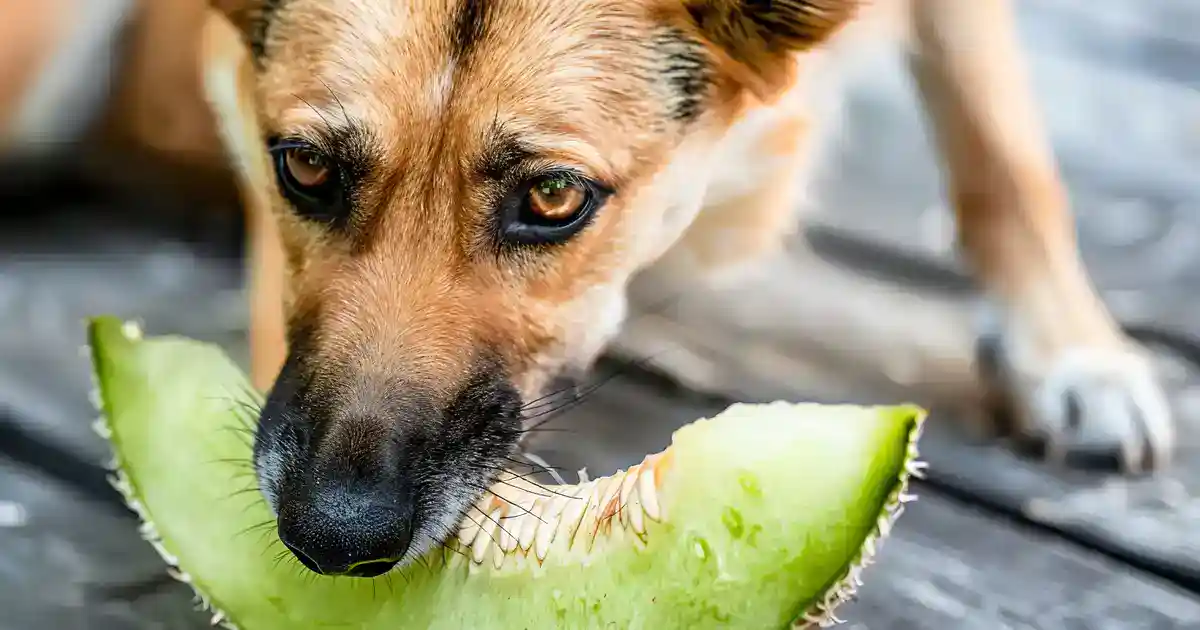
Have you ever been slicing into a refreshing honeydew melon on a hot summer day when your dog gave you those pleading eyes, and you wondered if this sweet, juicy fruit would be a safe and healthy treat to share?
Here’s the thing I discovered after researching extensively and consulting with veterinary nutritionists: honeydew melon is not only safe for dogs but actually provides wonderful health benefits including hydration, vitamins, fiber, and antioxidants—and what delighted me most was learning that the pale green flesh makes an excellent low-calorie treat perfect for overweight dogs, while the high water content (about 90%) helps keep dogs hydrated during hot weather when they need it most. When I first considered giving my dog honeydew, I worried it might cause digestive upset or contain something toxic like grapes do, but after learning it’s completely safe when properly prepared (removing rind and seeds), I discovered my dog absolutely loves frozen honeydew cubes as summer treats. Now, after understanding exactly how to prepare honeydew safely, appropriate portion sizes, and creative ways to serve it, friends constantly ask me whether honeydew is really okay for dogs and how to make it more exciting than just plain cubes. Trust me, if you’re wondering whether honeydew is safe for your dog or looking for healthy, hydrating treat ideas, this comprehensive guide will show you it’s simpler than you ever expected—honeydew is one of the best fruits you can share with your canine companion.
Here’s the Thing About Honeydew for Dogs
The magic behind honeydew as a dog treat lies in its exceptional nutritional profile combined with safety and palatability—the pale green flesh contains vitamin C supporting immune function, vitamin B6 aiding metabolism, potassium for heart and muscle health, fiber promoting digestive health, and beneficial antioxidants, all wrapped in 90% water content making it incredibly hydrating. Unlike grapes (toxic) or cherries (pits are dangerous), honeydew poses no toxicity risks when the flesh is properly prepared. This nutritional combination creates an ideal treat scenario: substantial health benefits, natural sweetness dogs enjoy, soft digestible texture, and hydration support especially valuable during summer months. It’s honestly more beneficial than I ever expected before understanding melon nutrition and how perfectly it fits dogs’ dietary needs.
What makes this work is knowing that honeydew belongs to the Cucurbitaceae family (along with cucumbers, watermelon, and cantaloupe)—all generally safe for dogs when prepared correctly. According to research on melons and their nutritional composition, honeydew provides beneficial nutrients with naturally low calories and fat, making it suitable even for dogs requiring weight management. The approach requires simple preparation—removing rind and seeds, cutting flesh into appropriate portions, introducing gradually—but no complicated systems needed. I never knew fruit selection could be this straightforward once I learned the basic safety rules that experienced veterinarians emphasize: flesh is excellent, rind and seeds should be removed.
What You Need to Know – Let’s Break It Down
Understanding why honeydew is beneficial is absolutely crucial, and here’s what changed my perspective: the 90% water content provides excellent hydration supplementing regular water intake, especially valuable during hot weather or for dogs who don’t drink enough. Vitamin C offers antioxidant protection supporting immune function. Vitamin B6 aids protein metabolism and brain function. Potassium supports cardiovascular and muscle health. Fiber promotes healthy digestion and can help with both constipation and diarrhea. Low calorie density (only 36 calories per 100g) makes it perfect for dogs needing weight management. Don’t skip learning these benefits—honeydew provides genuine nutritional value, not just empty treats.
Proper preparation methods took me forever to master, but they’re the foundation of safe feeding. You must wash the exterior thoroughly before cutting (prevents bacteria transfer from rind to flesh), cut melon in half and scoop out all seeds (seeds can cause mild digestive upset and pose minor choking risks), remove all rind completely including the firm white layer under the green skin (rind is tough, indigestible, and can cause digestive obstruction), and cut flesh into bite-sized cubes appropriate for your dog’s size (I made the mistake early on of giving pieces too large, creating choking concerns). Yes, thorough preparation really matters, and here’s why—proper preparation prevents all potential hazards, making honeydew completely safe.
Appropriate portion sizes matter more than most dog owners realize. I always recommend starting small because everyone sees better tolerance with gradual introduction. For small dogs (under 20 lbs): 1-3 small cubes. For medium dogs (20-50 lbs): 3-5 cubes. For large dogs (over 50 lbs): 5-8 cubes. Treats should comprise no more than 10% of daily calories—while honeydew is low-calorie, portions still matter. Natural fruit sugars add up, and excessive amounts can cause digestive upset or diarrhea.
The introduction and monitoring process (game-changer, seriously) includes starting with just one small cube to test tolerance, waiting 24 hours monitoring for any digestive changes (loose stools, gas, vomiting), gradually increasing to recommended portions if tolerated well, and observing individual preferences (some dogs love honeydew, others are indifferent). From experience, most dogs tolerate honeydew beautifully, but individual sensitivities occasionally occur requiring discontinuation.
If you’re just starting out with adding safe fruits to your dog’s diet, check out my complete guide to dog-safe melons and fruits for foundational knowledge that applies to selecting and preparing various fruits that provide nutritional benefits without risks.
The Science and Psychology Behind Why This Works
Research from veterinary nutritionists demonstrates that honeydew’s high water content and electrolytes (including potassium) make it particularly valuable for hydration support, especially in hot weather when dogs are at increased risk for dehydration and heat stress. Studies on antioxidants in fruits show that the various compounds in honeydew help neutralize free radicals that contribute to aging and cellular damage.
What makes this different from a scientific perspective is understanding that dogs evolved as opportunistic omnivores capable of digesting and deriving nutrition from fruits when available. While their digestive systems are optimized for meat, they produce enzymes capable of breaking down fruit sugars and fiber, especially when fruits are offered in appropriate portions. Traditional assumptions that dogs are strict carnivores overlook this evolutionary adaptability to varied food sources.
The psychological aspect matters too—many dogs genuinely enjoy the sweet taste and refreshing texture of honeydew, making it an excellent high-value treat for training or special occasions. I’ve learned through observation that the cool temperature of chilled or frozen honeydew provides sensory satisfaction beyond just taste. Research on canine taste preferences and palatability indicates that dogs have taste receptors for sweetness and show preferences for naturally sweet foods, explaining why most dogs readily accept honeydew when offered.
Here’s How to Actually Prepare and Serve Honeydew
Start by selecting ripe, quality honeydew—here’s where proper preparation begins. Choose honeydew that feels heavy for its size, has a slightly waxy (not fuzzy) pale yellow skin indicating ripeness, yields slightly to pressure at the blossom end, and smells sweet and fragrant. Avoid melons with soft spots, bruising, or strong fermented odor indicating overripeness.
Now for the important part: safe preparation step-by-step. My foolproof method: wash the entire melon exterior thoroughly under running water (scrub with produce brush if available), cut melon in half lengthwise exposing the seed cavity, scoop out all seeds and stringy material from the center, use a sharp knife to remove all green outer rind and firm white layer beneath, cut the remaining pale green flesh into cubes sized appropriately for your dog, and double-check that no rind or seeds remain. This preparation takes 5-10 minutes but creates completely safe treats.
Choose your serving method strategically based on your dog’s preferences and the weather. Room temperature cubes work perfectly for mild weather or dogs who prefer softer texture. Chilled cubes from refrigerator provide refreshing cool treats. Frozen solid cubes create long-lasting entertainment and maximum cooling effect (perfect for hot summer days). Pureed honeydew frozen in molds or ice cube trays makes elegant frozen treats. Until you know your dog’s preference, try different temperatures and textures.
Start with proper introduction to assess tolerance. Don’t be me—I enthusiastically gave my dog multiple cubes the first time, not realizing some dogs have sensitive stomachs. Begin with one small cube, monitor for 24 hours for any digestive changes, gradually increase over several days to recommended portions if no issues appear, and watch for any signs of discomfort or digestive upset. Results vary by individual dog, but most tolerate honeydew without any problems.
Incorporate creatively based on what you observe. My mentor taught me serving ideas: freeze cubes for cooling summer treats, puree with plain yogurt and freeze for “melonsicles,” mix small amounts into regular food for moisture and flavor, use as high-value training rewards during warm weather, or stuff into puzzle toys and freeze for enrichment activities. When you find serving methods your dog loves, you’ll create lasting summer traditions.
Store properly to maintain freshness and safety. Cut honeydew cubes last 3-4 days refrigerated in airtight containers. Frozen cubes keep 2-3 months in freezer bags or containers. Always discard honeydew showing signs of spoilage (mold, off odor, slimy texture)—never feed questionable fruit to dogs.
Common Mistakes (And How I Made Them All)
My biggest failure? Not removing all the rind and white layer the first time I prepared honeydew for my dog. Don’t make my mistake of leaving some of the firm white portion thinking “it’s just fruit”—that tough layer is difficult to digest and can cause stomach upset or, in large pieces, potential intestinal obstruction. I learned that complete rind removal is non-negotiable.
Feeding too much too quickly nearly gave my dog diarrhea when I generously shared a large bowl of honeydew cubes. Even healthy treats can overwhelm digestive systems in excessive amounts. I’ve since learned that portion control matters regardless of how nutritious a food is—the fiber and natural sugars in large amounts can cause loose stools.
Not removing seeds seemed like an unnecessary step until I learned they can cause mild digestive irritation and pose theoretical choking risks for small dogs. While honeydew seeds aren’t toxic like apple seeds, removing them prevents even minor issues. Complete seed removal is simple and eliminates unnecessary risk.
The room temperature storage mistake allowed cut honeydew to sit out for hours during a summer party, and I later gave pieces to my dog not realizing bacteria had multiplied on the warm fruit. Cut fruit left at room temperature becomes unsafe quickly—refrigerate within 2 hours, or 1 hour if temperature exceeds 90°F.
When Things Don’t Go as Planned
Dog experiencing digestive upset after eating honeydew? You probably gave too much too quickly or your dog has individual sensitivity. That’s manageable in most cases. Withhold food for 8-12 hours (water only), reintroduce bland diet gradually (boiled chicken and rice), avoid honeydew for at least a week, and reintroduce much smaller amounts if attempting again. If symptoms persist beyond 24 hours, worsen, or include severe vomiting/diarrhea, consult your veterinarian.
Dog ate honeydew rind accidentally? I’ve learned to monitor closely and potentially contact your veterinarian. Small amounts of rind typically pass without issues, though they may cause temporary stomach upset. Watch for vomiting, loss of appetite, lethargy, straining to defecate, or signs of abdominal pain. When large pieces of rind are consumed (especially by small dogs), intestinal obstruction becomes a risk requiring veterinary evaluation.
Dog showing allergic reaction symptoms? While rare, food allergies can develop to any food. Discontinue honeydew immediately if you notice itching or hives, facial swelling, difficulty breathing, or severe vomiting/diarrhea. These symptoms require immediate veterinary attention. Most dogs tolerate honeydew without allergic issues, but individual sensitivities occasionally occur.
Diabetic dog interested in honeydew? Consult your veterinarian before introducing any fruit. Even though honeydew is relatively low on the glycemic index, it contains natural sugars affecting blood glucose levels. Your vet can advise whether tiny amounts fit into your dog’s diabetic management plan or whether honeydew should be avoided.
When you accidentally give your dog overripe or spoiled honeydew, monitor closely for signs of food poisoning (vomiting, diarrhea, lethargy) and contact your veterinarian if symptoms develop. Overripe melon contains higher bacterial counts and fermentation by-products potentially causing illness.
Creative and Delicious Honeydew Treat Ideas
Basic frozen honeydew cubes represent the simplest refreshing treat. Cut honeydew into cubes, arrange on parchment-lined tray, freeze until solid, transfer to freezer bags for storage, and serve 1-3 cubes as cooling treats on hot days. This approach provides hydration and entertainment as dogs lick the frozen treats, often taking 10-15 minutes to finish.
Honeydew and yogurt parfait popsicles that experienced pet parents create involve layering pureed honeydew with plain unsweetened yogurt (ensure no xylitol) in small cups or silicone molds, inserting a small treat stick if desired, freezing until solid, and serving as special occasion treats. I’ve discovered these become favorite summer rewards combining probiotics, protein, and fruit nutrition.
Melon medley smoothie cubes take variety to creative levels. Blend honeydew with small amounts of other dog-safe fruits (watermelon, blueberries, strawberries), pour into ice cube trays, freeze, and serve as colorful frozen treats. This combination provides diverse nutrients and flavors while maintaining safety.
Honeydew-stuffed enrichment toys separate clever from conventional treat delivery. Puree honeydew, stuff into Kong toys or similar puzzle feeders, freeze solid, and give to dogs for extended entertainment. Working to extract the frozen puree provides mental stimulation beyond simple treat consumption, especially valuable on hot days when outdoor exercise is limited.
Ways to Make This Your Own
The Hot Weather Hydration Version focuses on maximizing cooling and hydration benefits during summer months with frozen honeydew cubes offered multiple times daily during heat waves, honeydew puree mixed into water bowls encouraging drinking, large frozen honeydew chunks for extended licking entertainment, and strategic serving times before and after outdoor activities. When temperatures soar, honeydew provides crucial supplemental hydration.
The Weight Management Approach leverages honeydew’s low calorie density for dogs needing weight control. This requires carefully measuring portions and accounting within total daily calories, using honeydew to replace higher-calorie treats rather than adding extra, combining with low-fat plain yogurt for volume and satisfaction, and tracking weight weekly to ensure weight loss goals are met. My protocol for overweight dogs treats honeydew as a meal component within calorie budgets.
The Picky Eater Method (perfect for finicky dogs) uses honeydew’s natural sweetness to enhance meal palatability by mixing tiny amounts of pureed honeydew into regular food, freezing honeydew with bone broth for irresistible flavor, pairing honeydew with other favorite treats creating positive associations, and gradually using honeydew to encourage consumption of less-preferred foods. For selective eaters, I strategically use honeydew’s appeal.
The Senior Dog Formula for aging companions with dental issues emphasizes the soft texture requiring minimal chewing, easy digestibility for sensitive older stomachs, hydration support for seniors who often drink inadequately, and serving as puree if needed for dogs with missing teeth or gum disease. My approach for senior dogs maximizes honeydew’s soft, moist texture advantages.
Each variation works with different health needs and preferences—find what fits your dog’s health status, your local climate and season, and your creative treat-making enthusiasm.
Why Honeydew Makes an Excellent Dog Treat
Unlike processed commercial treats loaded with artificial ingredients, preservatives, and excessive calories, honeydew provides natural whole-food nutrition without additives. Dogs consuming appropriate amounts of fresh fruits as part of varied diets receive beneficial vitamins, minerals, antioxidants, and hydration supporting overall health.
The magic happens through nature’s design: the high water content hydrates without calories, natural sugars provide quick energy in moderate amounts, vitamins and minerals support various body functions, and the refreshing taste and texture provide satisfaction beyond nutritional value. Evidence-based nutrition studies demonstrate that incorporating dog-safe fruits into diets provides phytonutrients and antioxidants that commercial diets may lack.
What sets honeydew apart from many other treats is the unique combination of benefits—hydration, nutrition, low calories, palatability, and complete safety when properly prepared. The framework of “prepare correctly, portion appropriately” creates structure ensuring benefits without risks. I discovered through experience that this simple natural approach produces better outcomes because it provides treats your dog’s body actually benefits from rather than just tolerating.
Real Success Stories (And Helpful Lessons)
My own dog’s enthusiasm for frozen honeydew cubes transformed our hot summer days. Living in a warm climate, I needed cooling treat options beyond just ice cubes. Frozen honeydew became his absolute favorite—he gets genuinely excited when he hears me opening the freezer. The hydration boost during heat waves helps him stay energized and healthy. What makes this successful is consistency—always having honeydew prepared and frozen means healthy treats are as convenient as unhealthy alternatives.
A friend’s overweight Labrador needed significant weight loss but constantly begged for treats. Her veterinarian recommended replacing high-calorie treats with fresh fruits and vegetables. Honeydew became a staple—its natural sweetness satisfied her dog’s treat expectations while contributing minimal calories. Combined with portion-controlled meals and increased exercise, her dog lost 15 pounds over six months reaching a healthy weight. The lesson? Low-calorie natural treats support weight management without deprivation.
Another success story involves a senior dog with dental disease who struggled with hard treats. His owner discovered pureed frozen honeydew provided treat enjoyment without chewing requirements. The soft texture and refreshing taste brought back his enthusiasm for treats he’d lost when teeth became painful. Their experience aligns with research showing that texture-modified treats allow senior dogs to maintain quality of life when dental issues limit food choices.
These diverse examples teach us that honeydew’s versatility—frozen or fresh, cubes or puree, plain or combined—makes it adaptable to different dogs’ needs while consistently providing nutritional benefits and enjoyment.
Tools and Resources That Actually Help
Sharp chef’s knife ($15-30) makes clean honeydew cutting effortless—I use mine for safely removing rind and cutting uniform cubes. Sharp knives are safer than dull ones, requiring less force and providing better control.
Melon baller ($8-12) creates perfectly round honeydew balls ideal for portion control and attractive presentation. The uniform size ensures consistent portions and prevents overfeeding.
Ice cube trays or silicone molds ($8-20) in various sizes portion honeydew puree perfectly for freezing individual servings. Silicone molds release frozen treats easily and clean quickly.
Blender or food processor ($30-100) purees honeydew smoothly for frozen treats or mixing into meals. Basic models work perfectly well—expensive professional equipment isn’t necessary.
Airtight storage containers keep prepared honeydew fresh refrigerated for 3-4 days or frozen for 2-3 months. Glass or BPA-free plastic containers both work well for safe storage. The best resources come from authoritative veterinary nutrition databases and proven feeding guidelines from board-certified veterinary nutritionists who understand safe fruit supplementation in canine diets.
Questions People Always Ask Me
Can dogs eat honeydew rind or skin?
No, dogs should not eat honeydew rind or skin. The tough, fibrous exterior is difficult to digest and can cause gastrointestinal upset or, in large pieces, intestinal blockage. Always completely remove all rind including the firm white layer between rind and flesh before offering honeydew to dogs. Only the soft, pale green flesh is safe and digestible.
Are honeydew seeds safe for dogs?
While not toxic like apple seeds, honeydew seeds should be removed. They can cause mild digestive irritation, pose minor choking risks especially for small dogs, and offer no nutritional benefit. Removing seeds takes just seconds during preparation and eliminates any potential issues completely.
How much honeydew can I give my dog daily?
For most dogs, honeydew should be an occasional treat rather than daily food. If offering daily during hot weather, limit to 3-5 small cubes for medium dogs, adjusting up or down based on size. Ensure honeydew plus all other treats don’t exceed 10% of total daily calories. Excessive fruit can cause digestive upset and weight gain from natural sugars.
Is honeydew better for dogs than watermelon or cantaloupe?
All three melons are safe and healthy for dogs when properly prepared (flesh only, no rind or seeds). Honeydew has slightly fewer calories than cantaloupe but similar water content to watermelon. The “best” choice depends on your dog’s preference—some dogs prefer honeydew’s mild sweetness, others love watermelon’s stronger flavor. Variety between melons provides diverse nutrients.
Can puppies eat honeydew?
Yes, puppies can eat small amounts of properly prepared honeydew starting around 8-12 weeks old. Start with tiny pieces (smaller than for adult dogs) and watch for digestive sensitivity. Puppies have developing digestive systems, so introduce new foods gradually and in conservative portions. Honeydew’s soft texture makes it suitable for young dogs.
Will honeydew help keep my dog hydrated?
Yes! Honeydew’s 90% water content provides supplemental hydration, especially valuable during hot weather or for dogs who don’t drink adequate water. However, honeydew should supplement, not replace, fresh drinking water which must always be freely available. Think of honeydew as a hydrating snack, not a water substitute.
Can diabetic dogs eat honeydew?
Only with veterinary approval. Honeydew contains natural fruit sugars that affect blood glucose levels. While it has a relatively low glycemic index, diabetic dogs require carefully managed carbohydrate intake. Your veterinarian can advise whether tiny amounts of honeydew fit into your dog’s diabetic management plan based on their specific condition and medication.
What if my dog doesn’t like honeydew?
Some dogs simply don’t enjoy certain foods, and that’s completely fine. Don’t force honeydew on uninterested dogs—plenty of other healthy treat options exist. Try other dog-safe fruits (watermelon, blueberries, apples, bananas) to find what your individual dog enjoys. Food preferences are individual, just like humans.
Can I give my dog honeydew every day during summer?
Small amounts daily during hot summer months can provide hydration and cooling benefits, but ensure total treats (including honeydew) stay within 10% of daily calories. Monitor your dog’s weight—daily fruit even in small amounts can contribute to weight gain if not properly portioned within overall diet. Variety in treats is generally beneficial rather than the same food daily.
Does honeydew provide enough nutrition to replace part of my dog’s food?
No. Honeydew is a supplemental treat, not a meal replacement. It lacks protein, essential fats, and many nutrients dogs need. Always maintain complete and balanced commercial dog food as the foundation of your dog’s diet, with honeydew and other treats comprising only 10% or less of total nutrition.
How do I know if my dog is allergic to honeydew?
Food allergies in dogs typically manifest as itching, skin reactions, ear infections, or gastrointestinal upset. If your dog develops any unusual symptoms after eating honeydew—itching, hives, facial swelling, vomiting, diarrhea—discontinue immediately and consult your veterinarian. True food allergies to honeydew are rare, but individual sensitivities can occur.
Can I give my dog honeydew from a fruit salad?
Only if the honeydew pieces are plain—no added sugar, no dressing, no other ingredients. Many fruit salads contain grapes (toxic to dogs) or are dressed with sweeteners potentially including xylitol (deadly toxic). Safest approach is preparing plain honeydew specifically for your dog rather than sharing from mixed fruit dishes.
Before You Get Started
I couldn’t resist sharing this because understanding honeydew’s safety and benefits transforms countless pet parents from hesitant fruit-sharers to confident providers of healthy, hydrating treats their dogs genuinely enjoy. The best fruit-sharing journey starts with knowledge that eliminates unnecessary worry—take the simple first step of properly preparing a few honeydew cubes with all rind and seeds removed, offer one small piece to test your dog’s interest and tolerance, and discover whether your dog joins the many who absolutely love this refreshing, nutritious treat that benefits their body while delighting their taste buds. Your dog’s health, hydration, and happiness all deserve this level of thoughtful treat selection that provides genuine nutrition rather than empty calories or potentially harmful ingredients.




