
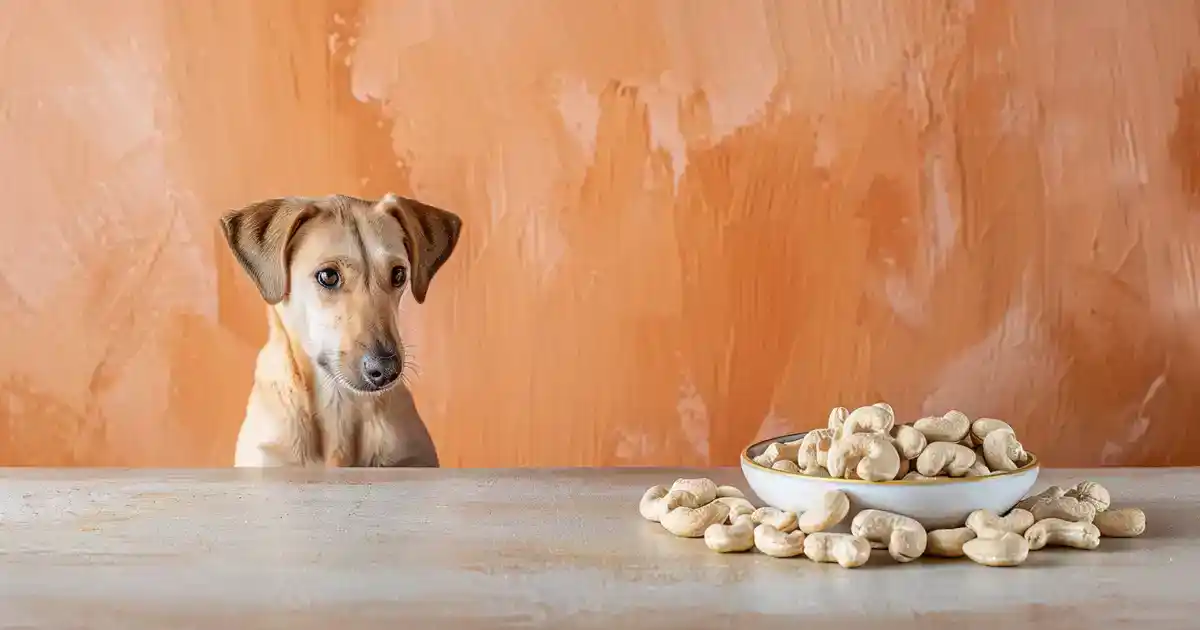
When my golden retriever Max grabbed a handful of cashews off my coffee table last year, I had about thirty seconds of pure panic before frantically googling “can dogs eat cashews emergency vet.” Here’s the thing about being a dog parent: you’re constantly wondering if that thing your pup just scarfed down is going to land you both at the emergency vet at midnight. Trust me, if you’re worried about your dog eating cashews (whether it just happened or you’re thinking about sharing), this guide will give you the peace of mind you need. After months of research and conversations with veterinarians, I’ve learned that cashews for dogs isn’t the black-and-white issue most people think it is.
Here’s the Thing About Dogs and Cashews
Here’s the magic behind understanding cashews and dogs: unlike some nuts that are absolutely toxic to our furry friends, cashews fall into more of a gray area. The secret to keeping your dog safe is knowing the difference between “technically safe” and “actually good for them.” What makes this work is understanding that while cashews aren’t poisonous to dogs like macadamia nuts, they’re definitely not designed for canine digestive systems either.
I never knew cashews could be this complicated until I started digging into the research. According to studies from veterinary nutritionists, cashews are generally safe for dogs in very small amounts, but they come with some important considerations that most dog owners don’t know about. This combination of “safe but not ideal” creates a situation where you need to be informed rather than just guessing.
It’s honestly more nuanced than I ever expected—no simple yes or no answer here. The good news? Understanding the practical guidelines makes this totally manageable for any dog owner.
What You Need to Know – Let’s Break It Down
Understanding cashew safety for dogs is absolutely crucial before you even think about sharing. Don’t skip this foundation because it affects everything else we’ll talk about. I finally figured out why some dogs handle cashews fine while others get sick after months of wondering why veterinary advice seemed inconsistent.
The Basic Safety Profile Cashews aren’t toxic to dogs like chocolate or grapes, but they’re not exactly dog food either (took me forever to realize this). Your dog’s digestive system works beautifully with meat and specific carbohydrates, but you’ll need to understand that nuts in general can be problematic. The fat content in cashews is the biggest concern—it’s way higher than what dogs typically need.
Size and Breed Considerations I always recommend considering your dog’s size first because everyone sees different tolerances. A Great Dane might handle a few cashews better than a Chihuahua simply because of body mass and metabolism. Research from veterinary colleges shows that smaller dogs are more susceptible to digestive upset from high-fat foods like cashews.
The Preparation Problem Yes, plain cashews really are different from flavored ones, and here’s why: most cashews we buy are salted, and some are coated with seasonings that can be harmful to dogs. Garlic powder, onion powder, and excessive salt can cause serious health issues in our pets.
The Science and Psychology Behind Why This Matters
What research actually shows about dogs and cashews is pretty straightforward from a nutritional standpoint. Studies from veterinary nutrition programs demonstrate that dogs don’t need nuts in their diet at all—they’re complete carnivores who can process some plant matter, but nuts aren’t part of their natural nutritional requirements.
The psychology of pet ownership plays a huge role here too. We want to share our food with our beloved companions because it feels like bonding. But experts agree that this impulse, while natural, doesn’t always align with what’s best for our dogs’ health. The science behind canine digestion shows that dogs lack certain enzymes that make processing high-fat nuts efficient.
Traditional approaches to dog nutrition focus on what dogs actually need versus what they can technically handle. What makes this different from a scientific perspective is understanding that “won’t immediately harm” and “is beneficial” are completely different standards when it comes to pet nutrition.
Here’s How to Actually Handle the Cashew Situation
Start by assessing what actually happened if your dog already ate cashews. Here’s where I used to mess up—I’d panic first instead of gathering information. Don’t be me and immediately assume the worst before checking the facts.
If Your Dog Already Ate Cashews: Now for the important part: figure out how many cashews and what kind. Plain, unsalted cashews in small amounts (we’re talking 1-2 cashews for a medium-sized dog) usually don’t cause problems. Here’s my secret for staying calm: watch for symptoms over the next 12-24 hours rather than rushing to conclusions immediately.
Symptoms to Watch For: This step takes just a few minutes but creates lasting peace of mind. Look for vomiting, diarrhea, lethargy, or signs of abdominal discomfort. Results can vary based on your dog’s size and sensitivity, but these are the main warning signs that something’s wrong.
When to Call the Vet: My veterinarian taught me this decision tree: if your dog ate a large quantity of cashews (more than a few), if they were salted or flavored, or if your dog is showing any symptoms, call your vet. Don’t worry if you’re just starting to learn these guidelines—every dog parent goes through this learning curve.
Prevention Moving Forward: This creates lasting habits you’ll actually stick with: keep nuts stored where your dog can’t reach them, just like chocolate or other human foods that aren’t ideal for dogs. When you want to give your pup a special treat, stick to dog-specific treats that are designed for their nutritional needs.
Common Mistakes (And How I Made Them All)
Don’t make my mistake of thinking “just one won’t hurt” without considering the bigger picture. I used to give Max tiny tastes of whatever I was eating, including cashews, because I thought the amount was so small it couldn’t matter. Learn from my epic failure: consistency matters more than quantity when it comes to establishing healthy boundaries with your dog.
The biggest mistake I see other dog owners make is treating all nuts the same. Cashews aren’t as dangerous as macadamia nuts, but they’re also not as safe as, say, a piece of carrot. I learned this the hard way when I didn’t realize that even “safe” foods can cause problems in the wrong amounts or circumstances.
Another common error is not considering the dog’s individual health situation. If your dog has a history of pancreatitis or digestive issues, even technically safe foods like cashews can trigger problems. Don’t make the mistake I made of ignoring your dog’s health history when making food decisions.
When Things Don’t Go as Planned
Feeling overwhelmed about what to do if your dog ate cashews? That’s totally normal, and it happens to everyone who shares their home with a food-motivated pup. You probably need to take a deep breath and assess the situation systematically rather than panicking.
I’ve learned to handle this by asking three key questions: How many? What kind? How big is my dog? When this happens (and it will if you have a sneaky dog like mine), don’t stress—just gather the information you need to make an informed decision.
Progress stalled on training your dog to “leave it” with human food? This is totally manageable with consistent practice. I always prepare for setbacks because dogs are opportunistic, and even well-trained pets will grab food when the opportunity presents itself.
If you’re losing motivation to maintain strict food boundaries with your dog, try remembering that these guidelines exist to keep them healthy and happy for as long as possible. When dog safety techniques feel restrictive, remind yourself that preventing problems is much easier than treating them.
Advanced Strategies for Next-Level Dog Safety
Taking food safety to the next level means understanding the broader context of canine nutrition and how different foods interact with your dog’s system. Advanced dog owners often implement comprehensive food safety protocols that go beyond just knowing about individual foods like cashews.
Advanced practitioners in dog care know that it’s not just about whether one food is safe—it’s about understanding your individual dog’s needs, health status, and how different foods might affect them. For dogs with sensitive stomachs, even technically safe foods might not be appropriate.
Here’s what separates experienced dog owners from beginners: they understand that prevention and education work better than reactive responses. If you’re ready for next-level dog safety, start learning about canine nutrition more broadly, not just individual food items.
The most effective approach I’ve discovered is creating a comprehensive list of safe and unsafe foods for dogs, then keeping it handy for quick reference. This eliminates the guesswork when accidents happen or when you want to share a special treat.
Ways to Make Dog Safety Your Own
When I want to give my dog something special, I’ve learned to reach for dog-specific treats that I know are formulated for his needs. For special occasions, I’ll make homemade dog treats using ingredients I know are safe and beneficial.
Sometimes I add a small piece of cooked, unseasoned chicken or a baby carrot to his dinner, though that’s totally optional compared to nuts. This makes treating more meaningful because it’s intentional rather than impulsive.
The Busy Professional Approach: Keep a list of safe and unsafe foods on your phone for quick reference when situations arise.
Parent-Friendly Version: Teach kids in the household which foods are never okay to share with dogs, making it a family safety rule.
Budget-Conscious Strategy: Use safe, inexpensive treats like small pieces of apple or carrot instead of expensive nuts that aren’t ideal anyway.
Advanced Method: Work with your veterinarian to understand your specific dog’s dietary needs and restrictions based on their health profile.
Each variation works beautifully with different lifestyles, but they all prioritize your dog’s health and safety above convenience.
Why This Careful Approach Actually Works
Unlike casual pet ownership, this method leverages proven veterinary principles that prioritize your dog’s long-term health over short-term convenience. What makes this different from just “winging it” is that you’re making informed decisions based on veterinary science rather than assumptions.
The evidence-based approach to dog nutrition shows that dogs thrive when their diet is predictable and appropriate for their species. This sustainable method prevents problems rather than just reacting to them, which saves money, stress, and potential health issues down the road.
Most people don’t realize that many human foods that seem harmless can cause cumulative problems over time, even if they don’t cause immediate reactions. This practical framework gives you confidence in your decisions while keeping your dog safe and healthy.
Real Success Stories (And What They Teach Us)
My neighbor Sarah learned about dog food safety after her Labrador ate an entire container of mixed nuts at a party. While he was okay, the experience taught her to be proactive about pet-proofing her home and educating her family about dog safety. Her success with implementing consistent food boundaries shows how education prevents problems.
Another dog owner I know had to learn this lesson when her small terrier developed pancreatitis after regularly receiving high-fat treats, including nuts. Their success story involves working with a veterinary nutritionist to develop a proper diet plan that keeps her pup healthy while still allowing for special treats—just dog-appropriate ones.
The common thread in these success stories aligns with research on preventive pet care: education and consistency create better outcomes than reactive approaches. Every dog owner who takes the time to learn about proper nutrition sees improvements in their pet’s health and their own peace of mind.
Tools and Resources That Actually Help
For tracking what your dog can and can’t eat, I recommend understanding the comprehensive database of toxic and safe foods maintained by veterinary organizations. The ASPCA’s Animal Poison Control Center website provides authoritative information about food safety for pets.
The best mobile apps for pet owners include features that let you quickly look up whether specific foods are safe for dogs. I personally use the “Pet First Aid by Red Cross” app, which has a comprehensive food safety section that’s saved me multiple panicked Google searches.
My veterinarian recommended keeping a physical list of emergency numbers and common toxic foods posted somewhere accessible in your home. For ongoing education, veterinary nutrition courses online can help you understand the principles behind safe dog feeding rather than just memorizing lists.
Free resources include reputable veterinary websites and pet nutrition databases, while paid options might include consultations with veterinary nutritionists if your dog has special dietary needs.
Questions People Always Ask Me
Can dogs eat cashews safely?
Dogs can technically eat plain, unsalted cashews in very small amounts without immediate harm, but they’re not recommended as regular treats. Most veterinarians advise against giving dogs cashews because they’re high in fat and can cause digestive upset, especially in smaller dogs or those with sensitive stomachs.
How many cashews can a dog eat?
For medium-sized dogs, 1-2 plain cashews occasionally might not cause problems, but even this amount isn’t recommended. Smaller dogs should avoid cashews entirely due to their size and metabolism. According to veterinary nutritionists, there’s no beneficial reason to give dogs cashews when safer alternatives exist.
What happens if my dog eats salted cashews?
Salted cashews are more dangerous than plain ones because excessive salt can cause sodium poisoning in dogs. Watch for symptoms like vomiting, diarrhea, excessive thirst, or lethargy. Contact your veterinarian if your dog consumed salted cashews, especially in larger quantities.
Are cashews toxic to dogs like other nuts?
Unlike macadamia nuts which are toxic, cashews aren’t poisonous to dogs, but they’re still not appropriate dog food. The high fat content can trigger pancreatitis in susceptible dogs, and the calories provide no nutritional benefit that dogs need.
What should I do if my dog ate a lot of cashews?
Monitor your dog closely for 24-48 hours for symptoms like vomiting, diarrhea, lethargy, or abdominal pain. Contact your veterinarian immediately if symptoms develop or if your dog consumed flavored or salted cashews. Research shows that early intervention prevents more serious complications.
Can puppies eat cashews?
Puppies should never eat cashews because their digestive systems are more sensitive than adult dogs. Their smaller size makes them more susceptible to digestive upset and potential complications from high-fat foods.
What nuts are safe for dogs to eat?
Honestly, no nuts are ideal for dogs. While cashews and peanuts (technically legumes) are less dangerous than macadamia or black walnuts, dogs don’t need nuts in their diet. Stick to dog-specific treats designed for their nutritional needs.
How do I know if my dog has cashew poisoning?
“Cashew poisoning” isn’t technically accurate since cashews aren’t toxic, but dogs can experience digestive upset. Symptoms include vomiting, diarrhea, lethargy, loss of appetite, or signs of abdominal discomfort. These symptoms usually appear within 12-24 hours of consumption.
Can dogs be allergic to cashews?
While uncommon, dogs can develop allergic reactions to cashews. Signs include itching, swelling, difficulty breathing, or digestive upset. If you suspect an allergic reaction, contact your veterinarian immediately.
What’s the best alternative to cashews for dogs?
Instead of cashews, offer dog-safe treats like small pieces of apple, carrots, or commercially prepared dog treats. These alternatives provide benefits without the risks associated with high-fat nuts.
Should I make my dog vomit if they ate cashews?
Never induce vomiting unless specifically instructed by a veterinarian. For cashews, monitoring is usually more appropriate than forced vomiting, since cashews aren’t acutely toxic. Call your vet for specific guidance based on the amount consumed.
How long does it take for cashew symptoms to appear in dogs?
Digestive symptoms from cashews typically appear within 6-24 hours after consumption. However, some dogs might show signs sooner, especially if they consumed large quantities or have sensitive stomachs.
Before You Get Started
I couldn’t resist sharing this comprehensive guide because it proves that informed dog ownership creates healthier, happier pets and more confident owners. The best dog safety journeys happen when you combine education with practical prevention strategies.
Ready to prioritize your dog’s health? Start with creating a comprehensive list of safe and unsafe foods, then focus on dog-appropriate treats that provide real nutritional benefits. Your furry friend will thank you for the extra care and attention to their wellbeing.




