
Can We Talk About This Dog-Approved Winner?
Ever wonder how to get your dog excited about vegetables without hiding them in everything else? I discovered this butternut squash medallion recipe during last fall when I was trying to find creative ways to use up all that seasonal squash while giving my 8-year-old Golden Retriever Amber something special for those warmer autumn days. The first time I handed him one of these golden, frozen discs, he literally tilted his head in confusion for about two seconds before crunching into it with pure delight—I’ve never seen him get that excited about anything orange that wasn’t a tennis ball. Here’s the thing about butternut squash frozen medallions: they taste like sweet, creamy popsicles to dogs, but they’re actually packed with beta-carotene, fiber, and essential vitamins that support everything from eye health to immune function. Plus, I know exactly what’s going into his system during those in-between-seasons days (no artificial orange coloring or preservatives that might upset his digestive balance).
Here’s the Thing About This Dog Recipe
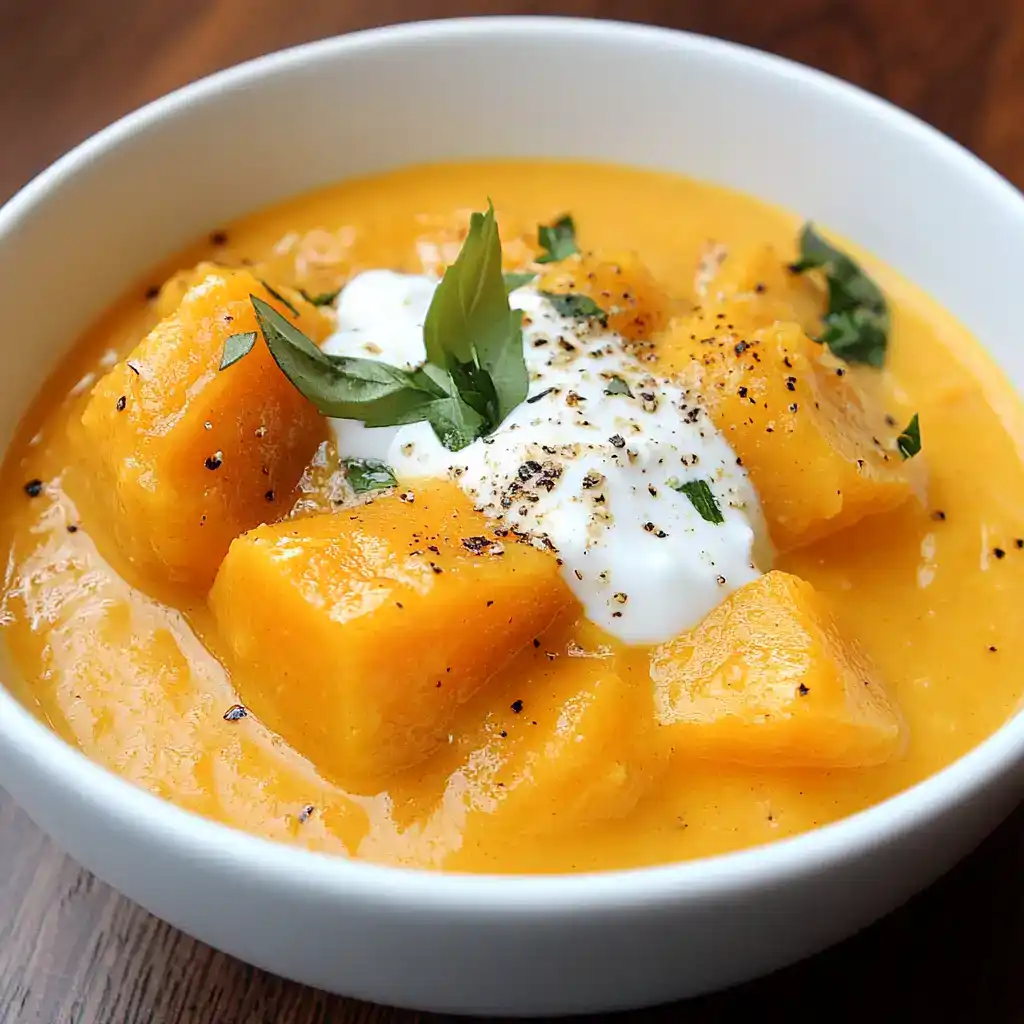
The magic behind these frozen treats is how butternut squash’s natural sweetness intensifies when pureed and frozen, creating this irresistible combination of creamy texture and candy-like flavor. What makes this irresistible to pups is how the natural sugars concentrate while freezing, giving them that satisfying sweet taste dogs instinctively crave without any added sugar. I never knew butternut squash could make Amber this enthusiastic about eating his vegetables, but the creamy texture when frozen hits that perfect sweet spot between treat and nutrition. It’s honestly safer and more nutritious than any store-bought frozen treats, and the natural orange color makes them look like fancy gourmet dog treats.
Gathering Your Pup-Approved Supplies (Safety First!)
Fresh butternut squash (2 pounds) is absolutely crucial for this recipe—don’t try to use pre-cut packaged squash that might have additives (learned this after my vet explained how much sodium some pre-cut vegetables contain). Good butternut squash should feel heavy for its size and have a matte, tan skin without soft spots. I always pick the ones with the longest neck portion because that’s where you get the most usable flesh, and Amber somehow knows when I’m wrestling with squash prep and starts hovering for scraps.
Plain Greek yogurt (1/2 cup) adds probiotics and creates that perfect creamy texture when frozen—skip the flavored versions completely (way too much sugar and artificial ingredients for our furry friends). The yogurt should be thick and creamy with live cultures listed on the label. This ingredient prevents the medallions from freezing rock-hard while adding beneficial bacteria for digestive health.
Honey (1 tablespoon) enhances the natural sweetness and helps achieve the right freezing consistency—use raw, local honey if possible for potential allergy benefits (completely safe for dogs in small amounts). This ingredient is what makes these treats stay scoopable instead of turning into solid ice blocks.
Water (1/4 cup) helps with blending and adds hydration—I use filtered water because if it’s good enough for my morning tea, it’s good enough for Amber’s treats. This ingredient ensures the mixture reaches the perfect consistency for forming medallions.
Ground cinnamon (1/4 teaspoon, optional) adds anti-inflammatory benefits and enhances the fall flavor—make sure it’s regular cinnamon, not cassia (completely safe for dogs in small amounts). A little goes a long way, and most dogs love that warm, slightly sweet spice flavor.
Check out Whole Dog Journal’s guide to safe vegetables for dogs to learn more about the nutritional benefits of squash and other orange vegetables for canine health.
The Step-by-Step (Your Dog Will Thank You!)
Preheat your oven to 400°F and cut butternut squash in half lengthwise. Here’s where I used to mess up squash prep—I’d try to peel it raw and end up frustrated with tough skin. Roasting first makes everything so much easier and actually concentrates the natural sweetness.
Scoop out seeds and roast cut-side down for 45-60 minutes until tender. Now for the patience part (Amber will start getting interested at that sweet, roasted smell)—the squash is done when you can easily pierce the flesh with a fork. Don’t worry if you’re new to roasting squash; it’s pretty forgiving and hard to overcook.
Let cool, then scoop flesh into your blender with yogurt, honey, water, and cinnamon. Here’s my secret for perfect frozen medallions—make sure the squash is completely cool before blending to prevent the yogurt from curdling. Every Golden Retriever has different texture preferences, but Amber goes absolutely crazy when he hears that blender running with squash inside.
Blend until completely smooth and creamy. This usually takes about 60-90 seconds, and you want it looking like thick, orange smoothie with no lumps. The mixture should pour easily but still be thick enough to hold its shape when frozen.
Pour mixture into silicone medallion molds or ice cube trays. This step takes about ten minutes, and using medallion-shaped molds makes them feel extra special, though regular ice cube trays work perfectly fine. I aim for about 2-inch diameter medallions for easy handling.
Freeze for at least 4 hours or until completely solid. These take longer than regular ice cubes because of the creamy squash content, but it’s worth the wait. I’ve learned to make these overnight because anticipation is harder on me than on Amber.
Let them sit at room temperature for 2-3 minutes before serving to prevent tongue-sticking and allow the sweet flavors to brighten. My vet taught me this lesson about proper thawing for frozen vegetable treats.
For more fall-themed frozen treats, check out our Pumpkin Spice Ice Cubes recipe for another seasonal option.
If This Happens, Don’t Panic
Medallions came out too icy instead of creamy? You probably needed more yogurt or the squash wasn’t roasted long enough to concentrate the natural sugars. That’s common with vegetable-based frozen treats, and it happens to everyone. I’ve learned to roast squash until it’s really soft and sweet—it should mash easily with a fork.
Mixture seems too thick to pour before freezing? When this happens (and it will), just add a tablespoon more water or blend longer to achieve the right consistency. Don’t stress, just thin it out gradually until it flows smoothly. This is totally fixable, and your dog won’t judge your blending skills.
Dog seems uninterested like Amber did with my first batch? I always double-check that I roasted the squash long enough because under-roasted squash can be bland and starchy. If your pup still seems hesitant, try letting the medallion thaw more—sometimes the natural sweetness needs time to come through when it’s super frozen.
Fun Dog-Safe Twists to Try
When Amber needs extra fiber (great for senior dogs with digestive issues), I’ll add a tablespoon of pure pumpkin puree to the mix. This makes them extra creamy but adds beneficial fiber for gut health. For special fall occasions, I’ll create spiced versions with a tiny pinch of ginger for digestive benefits, though that changes the flavor profile significantly.
My winter comfort version includes a tiny bit of coconut oil for extra healthy fats during dry months. Sometimes I add a few dog-safe sweet potato pieces before blending for extra beta-carotene, though that’s totally optional. The summer version gets served slightly more thawed for easier eating in hot weather.
Why This Works So Well for Dogs
These frozen medallions work beautifully because butternut squash provides concentrated beta-carotene that supports eye health and immune function, while natural sugars offer energy without artificial additives. The roasting process breaks down tough fibers and concentrates nutrients, making them easier to digest and more appealing to dogs. What makes this special compared to store-bought frozen treats is how the Greek yogurt adds probiotics for digestive health while preventing that rock-hard texture that can hurt teeth. It’s honestly better than commercial options because you’re combining vision-supporting nutrients with digestive benefits in a form that dogs think is pure sweet indulgence.
Let’s Clear Up Some Dog-Safe Confusion
Can puppies eat these butternut squash medallions?
Absolutely! These are perfect for puppies over 12 weeks old, and the beta-carotene supports healthy eye development during critical growth periods. I usually give puppies smaller portions and let them thaw more to prevent brain freeze. The natural sugars provide good energy for growing pups.
How long do these vegetable frozen treats stay fresh?
These keep perfectly in the freezer for up to 2 months when stored in airtight containers. I usually portion them into freezer bags after they’re completely frozen, and they maintain that creamy texture beautifully even after weeks in storage.
What if my dog has food allergies?
Butternut squash is usually well-tolerated by dogs with food sensitivities, but check with your vet about any specific vegetable allergies. If dairy is a problem, you can substitute the yogurt with coconut yogurt (unsweetened only) or just use extra water.
Can I make these treats ahead of time?
Perfect for seasonal batch prep! I make a huge batch when butternut squash is in season and store them in labeled containers. They actually taste better after sitting in the freezer overnight—the flavors really develop and the sweetness becomes more pronounced.
How many medallions can I give my dog per day?
I stick to 1 medallion for small dogs, 2 for medium dogs like Amber, and 3 for large breeds. These are naturally lower in calories than most treats because squash is mostly water and fiber, but they’re satisfying due to the natural sweetness.
What’s the best way to store homemade vegetable treats?
Airtight containers are essential! I use freezer-safe containers with tight lids to prevent freezer burn and maintain that smooth texture. Never leave them exposed in the freezer—they’ll develop ice crystals and lose their creamy consistency.
Are these treats safe for senior dogs?
Perfect for senior dogs like Amber! The soft, creamy texture when slightly thawed is gentle on older teeth, and the beta-carotene supports eye health that can decline with age. Plus, the fiber aids digestion, which is especially important for less active senior dogs.
Before You Head to the Kitchen
I couldn’t resist sharing this because watching Amber crunch happily on these golden medallions while getting serious nutrition disguised as sweet treats makes those transitional fall days so much more enjoyable. The best dog treat days are when you can use seasonal produce to create something that feels like dessert but actually supports their health—and these butternut squash medallions deliver that perfect balance every single time.
Print
Butternut Squash Frozen Medallions
Description
Transform seasonal squash into irresistible frozen treats that taste like sweet popsicles but deliver serious nutrition for your pup!
Prep Time: 15 minutes | Cook Time: 60 minutes | Freezing Time: 4 hours | Total Time: 5 hours 15 minutes | Makes: 12-16 medallions
Ingredients
- 2 pounds fresh butternut squash (choose heavy, firm squash without soft spots)
- 1/2 cup plain Greek yogurt (thick variety with live cultures)
- 1 tablespoon honey (raw, local honey preferred for potential benefits)
- 1/4 cup water (filtered preferred for best taste)
- 1/4 teaspoon ground cinnamon, optional (anti-inflammatory benefits)
Instructions
- Preheat oven to 400°F and cut butternut squash in half lengthwise. Scoop out all seeds and stringy pulp from the center cavity.
- Place cut-side down on baking sheet and roast for 45-60 minutes until flesh is completely tender and easily pierced with a fork.
- Let cool completely, then scoop flesh into blender along with Greek yogurt, honey, water, and cinnamon if using.
- Blend until completely smooth and creamy, about 60-90 seconds. The mixture should be thick but pourable with no lumps remaining.
- Pour into medallion-shaped silicone molds or ice cube trays. Fill each mold completely for uniform freezing and easy removal.
- Freeze for at least 4 hours until completely solid. These take longer than regular ice due to the creamy squash content.
- Let sit at room temperature for 2-3 minutes before serving to prevent tongue-sticking and allow flavors to brighten.
Notes:
- Roast squash until very tender for the sweetest, creamiest results
- Amber prefers these slightly thawed for easier eating and enhanced flavor
- Start with smaller portions for dogs new to squash or frozen vegetable treats
Storage Tips:
- Store in airtight containers in freezer for up to 2 months
- Transfer to freezer bags after completely frozen for space efficiency
- Don’t leave exposed—vegetable treats absorb freezer odors easily
- Label containers with contents and date for freshness tracking
What Makes This Recipe Special: These medallions combine the natural sweetness and beta-carotene of butternut squash with probiotic-rich Greek yogurt and anti-inflammatory cinnamon. The roasting process concentrates nutrients and natural sugars while creating a creamy base that freezes perfectly for hot weather relief.
Mix It Up (Dog-Safe Variations):
Pumpkin Blend: Substitute 1/4 of the squash with pure pumpkin puree for extra fiber and different flavor notes
Sweet Potato Twist: Add 1/4 cup roasted sweet potato for additional beta-carotene and natural sweetness
Spice Boost: Include a tiny pinch of ginger for digestive benefits and warming flavor (great for senior dogs like Amber)
Serving Guidelines: 1 medallion for small dogs, 2 for medium dogs, 3 for large breeds




