
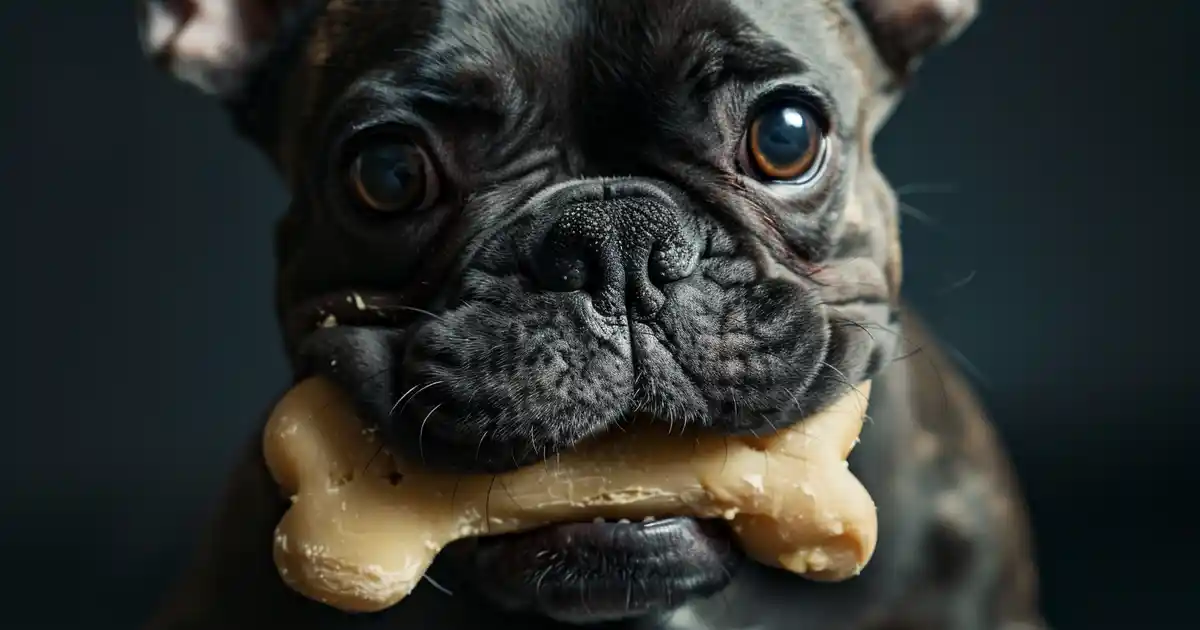
Have you ever watched your dog stare longingly at the leftover bones on your dinner plate and wondered whether handing one over would be a perfectly natural, ancestrally appropriate gift or a genuinely dangerous decision that could land you both in an emergency veterinary clinic before the night is over? I’ve been frozen in exactly that moment of uncertainty — T-bone steak bones from Sunday dinner, Bruno watching with the kind of focused intensity that makes you feel genuinely cruel for hesitating — and I made the wrong decision twice before a candid conversation with my veterinarian completely overhauled everything I thought I knew about dogs eating bones. Here’s the thing I discovered after that conversation and the deep research spiral it launched: the truth about dogs and bones is simultaneously more nuanced, more dangerous in specific circumstances, and more manageable with the right knowledge than either the “bones are completely natural for dogs” camp or the “never give your dog any bone ever” camp honestly communicates. If you’ve been operating on instinct, cultural assumption, or the half-remembered advice of someone who swore their dog ate bones their whole life without problems, this complete guide is going to give you the evidence-based picture that actually protects your dog while honoring their genuine biological relationship with bones.
Here’s the Thing About Dogs Eating Bones
Here’s the magic of truly understanding the dogs and bones relationship — once you see how the ancestral biology that makes dogs genuinely drawn to bones intersects with the modern realities of how bones are processed, cooked, and available in contemporary households, the apparent contradiction between “dogs evolved with bones” and “bones can kill dogs” resolves into a coherent and genuinely actionable picture. What makes this critically important is that the bone-related veterinary emergencies that fill emergency clinics every weekend — intestinal perforations, esophageal obstructions, broken teeth, gastric foreign bodies — are almost entirely preventable with specific knowledge, yet they continue happening at a consistent and heartbreaking rate precisely because the general cultural narrative around dogs and bones doesn’t accurately reflect what veterinary medicine actually sees when things go wrong. I never truly understood the distinction between the bones that are dangerous and the bones that carry lower risk until my vet walked me through the specific mechanics of how a cooked bone splinters differently from a raw one, and how a bone that is exactly the wrong size for a specific dog creates a completely different risk profile than one appropriately sized — and that understanding changed every decision I’ve made about Bruno and bones since. It’s honestly more mechanically complex than the simple “natural versus unnatural” framing suggests, and the details are what make the difference between a dog who enjoys bones safely and one who ends up in surgery. According to research on the digestive anatomy and feeding behavior of domestic dogs, canine dentition, jaw musculature, and gastrointestinal architecture retain adaptations from ancestral bone consumption that explain both the biological attraction to bones and the specific vulnerabilities that make certain bone types genuinely dangerous in the modern context.
What You Need to Know — Let’s Break It Down
Understanding the fundamental distinction between raw and cooked bones is absolutely crucial before anything else about bone safety makes complete sense — this single distinction explains the majority of bone-related veterinary emergencies and is the most important piece of information any dog owner can have on this topic. Raw bones retain a fibrous, pliable internal structure — the collagen matrix that gives living bone its combination of strength and flexibility — that allows them to compress and fragment in ways that produce relatively blunt, irregular pieces as a dog chews. Cooked bones, by contrast, undergo a fundamental structural transformation during the cooking process — the collagen matrix that provides pliability breaks down, leaving a brittlized crystalline mineral structure that shatters under chewing pressure into sharp, knife-edged splinters rather than compressing into manageable fragments (took me a genuinely alarming veterinary anatomy lesson to understand how different these fracture patterns are and why the distinction matters so profoundly). I finally understood after extensive research that the risk profile of any bone for any specific dog is also determined by several interacting factors beyond raw versus cooked — the species and bone type relative to the dog’s size, the dog’s chewing style and intensity, the dog’s dental health, the dog’s gastrointestinal health history, and the supervision conditions under which bone access occurs all interact to produce the actual risk level in any specific situation. If you’re building comprehensive knowledge of what’s genuinely safe and what’s genuinely dangerous for your dog to consume, check out our complete guide to safe and dangerous foods for dogs for the full framework that contextualizes bone safety within the broader picture of canine dietary safety. Dogs eating bones carries a risk spectrum rather than a single fixed danger level, and where any particular bone-and-dog combination falls on that spectrum is determined by specific factors you can identify and evaluate.
The Science and Psychology Behind Why This Works
What research actually shows is that the canine attraction to bones is not simply a conditioned preference or a behavioral artifact of domestication — it reflects genuine nutritional and biological value that bones provided to canid ancestors and continue to provide in appropriate forms to domestic dogs today. Bones provide calcium and phosphorus in ratios that support skeletal health, marrow provides energy-dense fat and stem-cell-rich tissue that was among the most calorically valuable components of ancestral prey, and the mechanical act of chewing bones provides dental abrasion that reduces tartar accumulation and the jaw exercise that contributes to dental and jaw musculature health. Studies in veterinary dentistry confirm that appropriate chewing activity on suitably hard but not excessive materials provides genuine dental health benefits that help explain why the ancestral bone-chewing behavior persisted through domestication and why dogs continue to seek it out. The reason the simple ancestral biology argument fails as a complete guide to modern bone safety is that it doesn’t account for the specific processing variables — cooking, smoking, size reduction, species context — that alter the risk profile of bones available in modern households compared to the whole prey carcasses that canid ancestors consumed. Research from veterinary emergency medicine consistently identifies specific bone types — cooked poultry bones, small cooked rib bones, and any bone of inappropriate size for the consuming dog — as the most common causes of bone-related emergency presentations, confirming that the risk is not uniformly distributed across all bones but concentrated in specific categories that specific knowledge allows dog owners to avoid.
The Complete Dogs and Bones Safety Guide — Everything You Need to Know
The Cooked Bone Problem — Why Kitchen Bones Are the Most Dangerous Start here because cooked bones represent the most common source of bone-related veterinary emergencies and the category where the gap between common cultural assumption and veterinary reality is widest. Every bone that has been subjected to cooking heat — roasted, boiled, smoked, baked, or grilled — undergoes the structural transformation that makes it dangerous regardless of species, size, or how solid and substantial it appears before your dog begins chewing. Here’s where I made my most consequential mistake with Bruno: I handed him the thick leg bone from a roasted chicken thinking that something so substantial and solid couldn’t possibly splinter dangerously — but within fifteen minutes he had fractured it into multiple sharp shards, one of which required endoscopic removal from his esophagus the following morning when he began retching unsuccessfully. Don’t be fooled by the apparent solidity of a cooked bone before your dog begins working on it, because the fracture behavior of cooked bone under chewing pressure bears no relationship to how solid it feels in your hand. The specific emergencies that cooked bones cause — esophageal perforation, gastric perforation, intestinal laceration, rectal perforation during defecation of bone shards — are surgical emergencies with significant morbidity and mortality risk that occur with tragic regularity and are entirely preventable by simply never offering cooked bones of any kind. Cooked Poultry Bones — The Most Dangerous Category Within the already dangerous category of cooked bones, cooked poultry bones deserve specific emphasis as the single most common cause of bone-related emergency veterinary presentations. Chicken bones, turkey bones, duck bones, and the bones of any other poultry species become extremely brittle after cooking and splinter into sharp, needle-like shards that cause lacerations throughout the gastrointestinal tract — from esophagus through stomach through small intestine through colon. Here’s the practical danger profile that makes cooked poultry bones so specifically threatening: they are abundant in most households because poultry is a dietary staple for most families, they are frequently available at exactly the right height and accessibility for dogs to reach in garbage cans, on countertops, and in compost containers, and their small size means they can be swallowed whole or in large fragments that then cause obstruction rather than only laceration. My veterinarian told me she considers cooked chicken bone injuries among the most preventable surgical emergencies she performs regularly — preventable not because they’re rare opportunities but because they result from access that owners can completely control with appropriate storage and disposal practices. Raw Bones — The Lower-Risk Category With Important Caveats Raw bones occupy a fundamentally different risk category than cooked bones — their retained collagen matrix means they compress and fragment differently under chewing pressure, producing less acutely dangerous fracture patterns in most circumstances. Here’s the nuanced reality that the raw feeding community sometimes understates and the anti-bone veterinary position sometimes overstates: raw bones do carry real risks including bacterial contamination, dental fractures from bones that are too hard, and gastrointestinal obstruction from bones that are too large or that are swallowed in large fragments — but these risks are substantially different in nature and generally lower in severity than the acute perforation risks associated with cooked bones. The raw bones most commonly recommended by veterinarians and raw feeding practitioners for dogs include raw chicken wings, necks, and backs for small to medium dogs, raw beef rib bones and knuckle bones for medium to large dogs, and raw lamb ribs and necks across a range of sizes. The specific contraindications for raw bones include weight-bearing leg bones of large animals — femurs and tibias from cattle specifically — which are dense enough to fracture teeth rather than being chewed through, and any raw bone small enough to be swallowed whole by the consuming dog. Size Matching — The Variable That Most Owners Overlook Here’s where I see dog owners make consistently well-intentioned but genuinely dangerous decisions — assuming that a large, substantial bone is automatically appropriate for a large dog or that a small bone is fine for a small dog without considering the specific relationship between bone size, bone type, and individual dog chewing behavior. The critical principle is that a bone should be large enough that the dog cannot swallow it whole or in half, but not so hard that the dog cannot make any progress chewing it — this puts a different bone in the appropriate range for every different size and chewing style of dog. My vet gave me this practical guideline that I’ve found genuinely useful: the bone should be visibly larger than the dog’s muzzle when held up for comparison, because any bone small enough to fit in the dog’s mouth can potentially be swallowed whole or broken into swallowable pieces during aggressive chewing, which shifts the risk from surface dental work to internal obstruction. Supervision — The Non-Negotiable Safety Condition Every discussion of bone safety that doesn’t center supervision as the most important single variable in determining actual risk is incomplete in a way that creates false confidence. Dogs eating bones should never be left unattended — not for the two minutes it takes to answer a phone call, not for the fifteen minutes you’re in the shower, and certainly not for hours at a time regardless of how experienced your dog is with bones or how appropriate the bone type. Here’s why supervision is non-negotiable from a practical risk management perspective: the risk events that end in emergency veterinary visits — swallowing a large fragment, fracturing a tooth, choking on a piece, getting a bone fragment lodged across the hard palate — happen rapidly and often require immediate intervention that only a present, observant owner can provide. The single most effective thing you can do to reduce bone-related risk for your dog beyond choosing appropriate bone types is to be physically present and attentive for the entire duration of bone access. Dental Fractures — The Underappreciated Risk Broken teeth from inappropriate bone chewing represent a significant and frequently underappreciated dimension of bone safety that causes genuine suffering and significant veterinary expense even without the acute life-threatening danger of intestinal perforation. The bones most commonly associated with dental fractures — weight-bearing leg bones from large animals, antlers, hooves, and very hard commercially processed bones — are often positioned as the safest options because they don’t splinter dangerously, when in reality their density makes them harder than the enamel of a dog’s teeth and therefore capable of causing slab fractures of the carnassial teeth that are painful, prone to infection, and expensive to treat. My vet uses the thumbnail test as a practical field guide — if you press your thumbnail firmly against a bone or chew and your nail doesn’t leave any impression, the item is too hard for safe chewing and carries significant dental fracture risk. Raw Meaty Bones — The Gold Standard for Appropriate Bone Chewing Raw meaty bones — bones with substantial meat, cartilage, and connective tissue still attached — represent the category that most closely approximates the ancestral bone consumption context and carries the most favorable risk-to-benefit profile for most dogs when appropriately size-matched and supervised. The meat and connective tissue that characterize raw meaty bones serve multiple purposes beyond simply making the bone more appealing — they cushion the chewing action, slow the rate of bone consumption, provide nutritional value beyond the bone mineral content, and create the chewing experience that provides the dental and psychological benefits dogs seek from bones. Raw chicken frames, raw turkey necks, raw lamb ribs, and raw beef rib racks represent the most commonly accessible and generally appropriate raw meaty bone options for dogs of various sizes. Commercial Bone Products — What You Need to Know The commercial bone product market — including smoked bones, baked bones, dried bones, and processed bone-based chews — deserves specific attention because these products occupy a confusing middle ground between the clearly dangerous category of table scraps and the relatively lower-risk category of raw meaty bones. Here’s the critical reality about most commercial bone products: they have been processed in ways that alter their structural properties from raw bone, often creating a combination of the brittleness associated with cooked bones and the density associated with weight-bearing bones that makes them more dangerous than either category alone in specific circumstances. The FDA has issued specific warnings about bone treats including smoked bones, ham bones, rib bones, knuckle bones, and shin bones based on reported cases of illness and death — a regulatory action that deserves to be taken seriously by dog owners considering these products.
Common Mistakes (And How I Made Them All)
Don’t make my mistake of equating “natural” with “safe” in the bone context — the bones available to domestic dogs through human food preparation are not the same as the whole prey carcasses that canid ancestors consumed, and the specific processing variables that distinguish them are precisely what create the danger profile that makes veterinary bone injury such a consistent and preventable emergency. Veterinary surgeons consistently identify cooked poultry bones disposed of in accessible trash cans as the single most preventable source of the bone perforation surgeries they perform — a finding that points directly to the importance of covered, dog-inaccessible waste disposal as a specific preventive measure rather than a general tidiness concern. Another significant mistake I made was interpreting Bruno’s apparent enthusiasm for cooked bones as evidence that they were safe for him — dogs show the same intensity of interest in cooked bones as raw ones, which means behavioral enthusiasm provides absolutely no information about safety and should never be used as a safety indicator. A third critical mistake many owners make is assuming that a dog who has eaten bones without apparent problems throughout their life is immune to bone-related injury — intestinal perforation and esophageal obstruction don’t send warning events before they occur, and the dog who has been fine with cooked bones for years can develop a life-threatening obstruction from the next cooked bone they eat.
When Things Don’t Go as Planned
Feeling that rising alarm because your dog just swallowed a cooked bone fragment, is retching unsuccessfully, showing signs of abdominal pain, or you’ve discovered they got into the garbage and ate an unknown quantity of chicken bones? Here is the exact sequence of actions in the right order: do not try to induce vomiting at home — this is one of the situations where induced vomiting can cause a bone fragment to lacerate the esophagus on the way back up rather than only on the way down, making the situation worse rather than better. Call your veterinarian or the nearest emergency veterinary clinic immediately with a description of what was consumed, the approximate quantity, and your dog’s current symptoms — they will advise whether to come in immediately or monitor for specific symptoms, a decision that should always be made by a professional with knowledge of the specific situation. I’ve learned from both Bruno’s experience and extensive subsequent research that the symptoms warranting immediate emergency veterinary presentation — unsuccessful retching, drooling, pawing at the mouth, distended abdomen, signs of pain, lethargy, bloody stool, or difficulty defecating — should be treated as genuine emergencies rather than as situations to monitor at home, because the difference between a bone fragment that passes and one that causes perforation is often not visible from outside the dog.
Advanced Strategies for Next-Level Bone Safety
Advanced dog owners who truly understand the dogs and bones safety picture implement what I think of as a complete bone environment audit — identifying and controlling every source of bone access in their household and their dog’s environment rather than only managing the bones they intentionally offer. I discovered after Bruno’s emergency that my household had multiple unmanaged bone access points I’d never considered as safety concerns — the kitchen garbage that contained cooked chicken bones from dinner preparation, the compost bin that received cooked bones along with vegetable scraps, and the neighbor’s yard that was accessible through a gap in the fence and where outdoor entertaining regularly produced discarded bones. What separates genuinely prepared dog owners from those who experience preventable bone emergencies is the recognition that dogs will seek out and access bones with remarkable determination and olfactory precision, making the management of unintentional access just as important as the management of intentional bone giving. For dogs who are raw fed and receive raw meaty bones as a regular component of their diet, working with a veterinary nutritionist to ensure the bone component is appropriately sized, appropriately frequent, and nutritionally balanced with the rest of the diet produces both better safety outcomes and better nutritional outcomes than self-directed raw feeding protocols assembled from online sources of variable quality.
Ways to Make This Your Own
When I want to give Bruno the bone chewing experience that he genuinely enjoys and that provides legitimate dental and psychological benefits without the risks associated with cooked or inappropriate bones, I use appropriately sized raw beef rib sections supervised in a designated space with easy-clean flooring — I call this his “Bone Zone” session and it’s become a weekly ritual that he anticipates with visible excitement that makes the careful management effort genuinely worthwhile. For busy professionals who want to provide appropriate chewing enrichment without the active supervision that raw bones require, veterinary-approved chew alternatives including bully sticks, tendons, and specifically formulated dental chews that meet the Veterinary Oral Health Council standards provide meaningful chewing engagement with substantially lower risk profiles than bones of any kind. My approach for households with multiple dogs is what I think of as the “Separate and Supervise” protocol — dogs who receive any bone or bone-like chew are always separated from each other for the duration of the session, because resource guarding around high-value items like bones produces the combination of rushed eating and competitive consumption that dramatically elevates the risk of swallowing large fragments. For families where children are present, establishing a clear “bones only in the designated zone” rule and explaining why bones require the same management respect as other safety concerns helps build the household culture that makes consistent bone safety practices sustainable rather than dependent on any single person’s vigilance. Each of these variations works for different dogs, different households, and different levels of commitment to bone-based enrichment.
Why This Approach Actually Works
Unlike the binary positions that dominate the dogs and bones conversation — either uncritical acceptance of bones as universally natural and safe or blanket prohibition that ignores legitimate benefits and creates the knowledge vacuum that leads owners to make uninformed decisions — understanding the specific risk determinants of bone safety creates a framework for making genuinely informed decisions that are calibrated to your specific dog, your specific household, and your specific capacity for appropriate supervision and management. What makes this approach genuinely different from standard bone safety advice is that it respects the real complexity of the topic and the real diversity of dog and bone combinations rather than offering one-size-fits-all guidance that either overstates or understates risk in ways that don’t serve individual dog owners well. Evidence-based understanding of raw versus cooked bone risk profiles, size matching principles, supervision requirements, and dental fracture risks combined with practical household management strategies covers every realistic dogs and bones scenario rather than leaving critical gaps between general principles and specific actionable guidance. The difference between dog owners who provide bone-based enrichment safely over the course of a dog’s entire life and those who experience devastating preventable emergencies almost always comes down to whether they understood these specific risk determinants before making bone access decisions rather than relying on cultural assumption and anecdote.
Real Success Stories (And What They Teach Us)
A colleague of mine has been raw feeding her two Australian Shepherds for six years with raw meaty bones as a twice-weekly component of their diet — she developed her protocol in consultation with a veterinary nutritionist, has never experienced a bone-related emergency, and attributes her dogs’ exceptional dental health at their annual veterinary examinations in part to the tartar-reducing mechanical action of appropriate raw bone chewing. Her approach — appropriately sized raw chicken frames for her medium-sized dogs, strict individual supervision, a dedicated easy-clean surface for bone sessions, and immediate removal of any bone that reaches a size small enough to swallow — represents exactly the kind of informed, consistently managed bone access that produces years of safe enrichment without incident. Another dog owner I know learned the cooked bone lesson in the hardest possible way when her three-year-old Beagle Max required emergency surgery to remove a cooked rib bone fragment that had perforated his small intestine — Max survived after a difficult surgical recovery, but her veterinary surgeon told her that the specific bone that caused the perforation was a rib bone from a barbecued rack that had been disposed of in a kitchen garbage can with a loose lid that Max had learned to open. Both stories align with veterinary emergency medicine data showing that the same specific knowledge applied consistently — appropriate bone type selection, appropriate size matching, supervised access, and secured disposal of cooked bone scraps — produces dramatically different outcomes than uninformed or inconsistently applied bone access decisions.
Tools and Resources That Actually Help
A heavy-duty, dog-proof garbage can with a secured lid represents one of the highest-impact single purchases you can make for bone safety in a household where cooked bones are generated through normal food preparation — eliminating the most common uncontrolled cooked bone access point with a single environmental modification that requires no ongoing behavioral management. A designated bone session surface — a washable mat, a crate, or a specific outdoor area — creates the physical and psychological cues that make supervision habits consistent and makes the cleanup associated with raw bone sessions manageable enough that the practice remains sustainable over time rather than being abandoned for convenience. The Veterinary Oral Health Council website maintains a current list of dental health products that have met their efficacy standards — using this as a reference for selecting bone alternatives ensures that the products you choose provide the dental health benefits associated with appropriate chewing without the risks associated with inappropriate bones. Your veterinarian is your most important resource for individualized bone safety guidance that accounts for your specific dog’s size, chewing style, dental health, and gastrointestinal history — a brief conversation during a wellness visit about your dog’s bone access and chewing habits takes minutes and produces personalized guidance that no general resource can replicate.
Questions People Always Ask Me
Are raw bones actually safe for dogs or is that just what raw feeding advocates claim? Raw bones carry a substantially different and generally lower risk profile than cooked bones due to their retained collagen matrix that prevents the acute splintering associated with cooked bone fracture patterns — this is supported by veterinary anatomy and is not simply a raw feeding community position. Raw bones do carry real risks including bacterial contamination, dental fracture from overly hard bones, and obstruction from inappropriately sized bones, meaning they require appropriate selection, sizing, and supervision rather than being unconditionally safe.
Why are cooked bones so much more dangerous than raw bones? Cooking breaks down the collagen matrix that gives raw bone its pliability and compression behavior under chewing pressure, transforming the bone’s fracture pattern from compressive and irregular to brittle and sharp-edged — cooked bones shatter into knife-like splinters under chewing pressure while raw bones of appropriate type tend to compress and fray, producing a fundamentally different and much less acutely dangerous fracture pattern.
Can dogs eat chicken bones at all? Cooked chicken bones represent one of the most dangerous bone types for dogs and should never be intentionally offered or unintentionally accessible. Raw chicken bones — wings, necks, and backs specifically — are frequently recommended as appropriate raw meaty bone options for small to medium dogs when size-matched appropriately and supervised, representing a completely different risk profile from their cooked counterparts.
What should I do if my dog swallows a chicken bone? Do not induce vomiting — call your veterinarian or emergency clinic immediately with information about whether the bone was cooked or raw, the approximate size and quantity, and your dog’s current symptoms. Your vet will advise whether to present immediately or monitor for specific symptoms, and that guidance should be followed rather than home management attempted.
How do I know if a bone is the right size for my dog? The bone should be visibly larger than your dog’s muzzle — large enough that it cannot be swallowed whole or easily broken in half and swallowed in two pieces, but not so dense and hard that your dog cannot make any chewing progress on it. When in doubt, err toward larger rather than smaller.
Are commercial smoked bones from pet stores safe? The FDA has issued specific warnings about processed bone treats including smoked bones based on reported cases of injury and death — these products occupy a particularly concerning risk category because they combine the brittleness of cooked bone with the density of weight-bearing bones in ways that have produced documented serious injuries, and veterinary guidance generally recommends avoiding them.
Is it true that some dogs can eat bones their whole lives without problems? Yes — and this is precisely what makes bone safety knowledge so important, because survivor bias from dogs who experienced no incidents creates a misleading cultural narrative that obscures the dogs who experienced serious or fatal bone injuries. The dogs who have problems aren’t the ones generating the “my dog ate bones his whole life” stories.
What are the best alternatives to bones for dogs who love to chew? Bully sticks, tendons, raw hide alternatives made from digestible materials, and specifically formulated dental chews that meet Veterinary Oral Health Council standards provide meaningful chewing engagement with substantially lower risk profiles than bones — the VOHC seal specifically indicates that a product has been demonstrated to provide dental health benefits, which is the primary legitimate health justification for bone access.
Can large dogs handle bones that would be dangerous for small dogs? Size matters significantly — a bone that represents a safe chewing experience for a large dog may be swallowable whole by a small dog, and the appropriate bone for any dog is determined by the relationship between bone size and dog size rather than by any absolute bone size standard. The muzzle comparison guideline applies across all dog sizes.
Do bones actually clean dogs’ teeth as commonly claimed? Appropriate raw meaty bones do provide mechanical tartar reduction through abrasive chewing action that is supported by veterinary dentistry research — this benefit is real and contributes to the legitimate rationale for bone access in dogs who can safely access appropriate bone types. The dental health benefit does not justify access to inappropriate bone types that carry significant injury risks.
What’s the safest way to dispose of cooked bones in a household with dogs? A heavy-duty, dog-proof garbage container with a secured lid stored in a location inaccessible to dogs — whether behind a closed door, in a cabinet with a childproof latch, or in a sealed outdoor bin — represents the most reliable disposal safety practice. Bones should never be left on plates, countertops, or in open containers accessible to a dog whose olfactory capability makes finding concealed food trivially easy.
Should I tell my vet that I give my dog bones? Absolutely yes — this is clinically relevant information for your veterinarian both for dental health assessment and for gastrointestinal history context, and many veterinarians now routinely ask about chewing habits during wellness visits precisely because the information influences both preventive guidance and diagnostic interpretation when gastrointestinal symptoms arise.
Before You Get Started
I couldn’t resist sharing this guide because it proves that the dogs eating bones question — one of the oldest and most culturally embedded topics in dog ownership — deserves a genuinely informed answer that goes beyond both the ancestral naturalism argument and the blanket prohibition position to provide the specific, mechanistic knowledge that actually allows dog owners to make decisions that serve their dog’s genuine interests. The best bone safety outcomes happen when owners understand the specific risk determinants — raw versus cooked, appropriate size matching, supervised access, secured disposal — before any bone access decision is made rather than learning the hard way through an emergency that was entirely preventable with the right knowledge. Review every bone and bone-like product your dog currently has access to against the framework in this guide, ensure your household garbage is genuinely dog-inaccessible, and have a brief conversation with your veterinarian about your dog’s specific chewing needs and appropriate options — those three actions taken today represent the most meaningful immediate investment you can make in keeping your dog safe from one of the most preventable categories of veterinary emergency.




