
Here’s My Story With This Recipe
Ever wonder if your dog judges your training treat game? I used to spend a fortune on expensive freeze-dried training treats until I discovered these beef heart and vegetable training treats that make my 8-year-old Golden Retriever Amber work harder than ever for rewards. Now Amber literally starts his victory dance when he sees me pulling out the beef heart, and my dog trainer was amazed at how much his focus improved during training sessions with these high-value, nutrient-dense treats. Here’s the thing—these tiny powerhouse treats combine organ meat nutrition with wholesome vegetables in the perfect bite-sized format for rapid-fire training sessions. Plus, I love knowing exactly what’s going into his belly (real organ meat that’s packed with vitamins, not mystery meat meals or artificial flavor enhancers).
Here’s the Thing About This Dog Recipe
The secret to driving dogs wild is that intense beef heart flavor concentrated into perfect little training-sized bites that deliver maximum protein impact in every piece. What makes this irresistible to pups is honestly how organ meat triggers their deepest instincts—it’s like offering them the most prized part of the hunt in convenient training format. Here’s the magic—beef heart is one of the most nutrient-dense proteins available, packed with CoQ10, B vitamins, and amino acids that support heart health and muscle function. It’s honestly safer and more nutritious than any commercial training treat I’ve ever found, with no weird preservatives or artificial flavors that sometimes cause hyperactivity during training.
Gathering Your Pup-Approved Supplies (Safety First!)
Beef heart, cooked and diced (8 oz) is absolutely crucial—I finally found the best source after learning that grass-fed beef heart has higher nutrient levels than conventional. Don’t skip the proper cooking step because raw organ meat can carry bacteria, though cooked beef heart is completely safe and incredibly nutritious for dogs (learned this after my vet explained how organ meat was the original superfood for canines).
Mashed sweet potato (4 oz) works beautifully when it’s properly cooked and cooled—I prefer roasting whole sweet potatoes and mashing them myself because it creates better binding texture than canned versions. Sweet potato is completely safe for dogs and adds natural sweetness that balances the rich organ meat flavor (way more appealing than I expected for creating training treats dogs actually want).
Fresh green beans, finely chopped (2 oz) add gorgeous color and satisfying crunch while providing antioxidants and vitamins that support immune health. I always use fresh green beans chopped really fine because they distribute better through the mixture and cook more evenly than frozen ones (completely safe and actually recommended by canine nutritionists).
One whole egg binds all these powerful ingredients together while adding extra protein that working dogs like Amber need for sustained energy during training sessions. I always use room temperature eggs since they blend more easily with the beef heart mixture and create better consistency throughout.
Oat flour (1/4 cup) helps absorb moisture and creates the perfect training treat texture that’s firm enough to handle but soft enough to chew quickly during rapid rewards. Oat flour is naturally gluten-free and gentler on sensitive stomachs than wheat flour (I always grab extra because Amber somehow knows when I’m making his premium training treats). Check out this comprehensive guide to organ meat nutrition for dogs for more high-value treat ideas.
Here’s How We Create This Dog-Approved Magic
Preheat your oven to 350°F and line a baking sheet with parchment paper—here’s where I used to mess up dog treat making by forgetting the parchment and having beef heart treats permanently bonded to my pan. Trust me on this step, organ meat mixtures can stick surprisingly well, and cleanup is so much easier with proper preparation.
In a large mixing bowl, combine that perfectly cooked and diced beef heart with the mashed sweet potato, stirring until they’re evenly distributed and the mixture looks like the most nutritious orange-brown base your dog has ever smelled. Now for the fun part (Amber will start doing his excited tippy-taps from the incredible organ meat aroma)—fold in the finely chopped green beans, egg, and oat flour.
Here’s my secret for perfect training treats—mix everything thoroughly but gently, making sure the green beans get evenly distributed so every treat has balanced nutrition and visual appeal. The mixture should hold together firmly when squeezed but not be completely smooth since some texture variety makes training more interesting for dogs.
Roll the mixture into small balls about 1/2 inch in diameter or shape into tiny squares—for training treats, smaller is definitely better since you’ll be giving lots of rewards in short succession. Don’t be me—I used to make them too big and Amber would focus more on chewing than on learning because the treats took too long to consume.
Place the shaped treats on your prepared baking sheet and flatten them slightly with a fork—this creates more surface area for faster drying and ensures they cook evenly throughout. The fork marks also make them easier to break into even smaller pieces if needed for intensive training sessions.
Bake for 15-20 minutes until they feel firm to the touch and look slightly golden around the edges—training treats need to be more thoroughly cooked than regular treats since they need to hold up to lots of handling. My dog trainer taught me this trick: they should feel solid when pressed and have no soft spots that might crumble during training.
Here’s where patience pays off for training success—let these cool completely before using them in training sessions since dogs learn better when they can consume rewards quickly without burning their mouths. Amber has learned that cooling time means training time is coming, and he actually starts practicing his sits and stays in anticipation. Every Golden Retriever deserves perfectly prepared training tools that set them up for success. Check out our chicken liver training bites for another organ meat option your pup will work hard for.
Common Dog Treat Oops Moments (And How to Fix Them)
Treats came out too soft or crumbly for training use? You probably needed more oat flour or longer baking time, and that’s totally common with organ meat since different cuts have varying fat content. When this happens (and it will), just add a bit more binding flour to your next batch or bake them a few minutes longer until they’re properly firm.
Mixture seems too wet to shape properly? I’ve learned to add oat flour one tablespoon at a time until it reaches the right consistency, since different sweet potatoes can have varying moisture levels even when properly mashed. Don’t stress if your first batch isn’t perfect—organ meat treats are more forgiving than you think once you get the moisture balance right.
If your dog seems uninterested like Amber did with my very first attempt, make sure the beef heart is properly cooked but not overcooked to the point of being tough. I always double-check that the organ meat smells appealing (rich and meaty, not gamey) because dogs can definitely tell the difference between fresh, quality organ meat and meat that’s past its prime.
Fun Dog-Safe Twists to Try
When Amber needs extra energy for agility training days, I’ll add a tiny bit of coconut oil to the mixture for quick-burning fats that provide immediate energy. For beginner training sessions, I’ll make them slightly larger so new dogs have more time to process the reward before moving to the next command.
My senior dog version includes finely minced carrots instead of green beans for easier digestion and extra beta-carotene that supports aging eyes, though that’s totally optional since not all older dogs need texture modifications. Sometimes I substitute chicken heart for variety when I want to change up the protein source, but only when he’s been extra good during his training sessions.
Why This Works So Well for Dogs
The technique behind these beef heart and vegetable training treats is all about maximizing nutritional impact while creating the perfect training tool—beef heart provides concentrated protein with essential amino acids and CoQ10 for heart health, while the vegetables add fiber, vitamins, and natural sweetness that makes the organ meat more palatable. What sets this apart from commercial training treats is the use of whole organ meat instead of meat meals, which means higher biological value protein and better nutrient absorption.
This approach works so much better than store-bought training treats because there are no artificial colors, flavors, or preservatives that sometimes cause hyperactivity or digestive upset during training sessions. My dog trainer loves that these treats actually contribute to Amber’s daily nutrition goals while being irresistibly motivating, and the small size allows for rapid-fire rewards without overfeeding during intensive training sessions.
Let’s Clear Up Some Dog-Safe Confusion
Can puppies eat these beef heart treats?
Absolutely, just make them extra small since puppies have more delicate digestive systems than my 8-year-old Amber—the concentrated nutrition is actually fantastic for growing dogs who need high-quality protein for development.
How long do these training treats stay fresh?
Most homemade organ meat treats last about 5-7 days in the refrigerator in an airtight container, or up to 1 month in the freezer, though Amber’s training batch never lasts more than a few days because we use them constantly.
What if my dog has never had organ meat before?
Start with smaller amounts mixed with familiar proteins and gradually increase the organ meat ratio—some dogs need time to adjust to the rich flavor, but most go crazy for it once they try it.
Can I make these treats ahead of time for training classes?
These are perfect make-ahead treats since they actually get firmer and more flavorful after sitting overnight in the fridge. I usually make a big batch before training intensives so we have premium rewards ready to go.
How many treats can I give during a training session?
For training, I break these into tiny pieces and can easily give 20-30 micro-rewards during a 15-minute session—the key is keeping individual pieces small so treats don’t interfere with learning.
What’s the best way to store these for training use?
Store in small containers or bags that you can easily access during training sessions. I keep them in the fridge and take out small portions as needed to maintain freshness.
Are these treats safe for senior dogs?
These beef heart training treats are actually perfect for senior dogs like Amber since the concentrated nutrition supports aging hearts and muscles, while the soft texture is easier on older teeth than hard biscuits.
Why I Had to Share This Dog-Approved Winner
I couldn’t resist sharing this beef heart and vegetable training treat recipe because watching Amber’s laser focus during training sessions when he knows these are the rewards reminds me that the best training days are when nutrition and motivation come together perfectly. These treats prove that high-value doesn’t have to mean expensive—just ask any dog who’s discovered the magic of organ meat rewards!
Print
Beef Heart and Vegetable Training Treats
Description
High-value, nutrient-dense training treats that combine organ meat nutrition with wholesome vegetables—your pup will think you discovered the secret to premium dog currency!
Prep Time: 20 minutes | Cook Time: 15-20 minutes | Total Time: 40 minutes | Makes: 40-50 tiny treats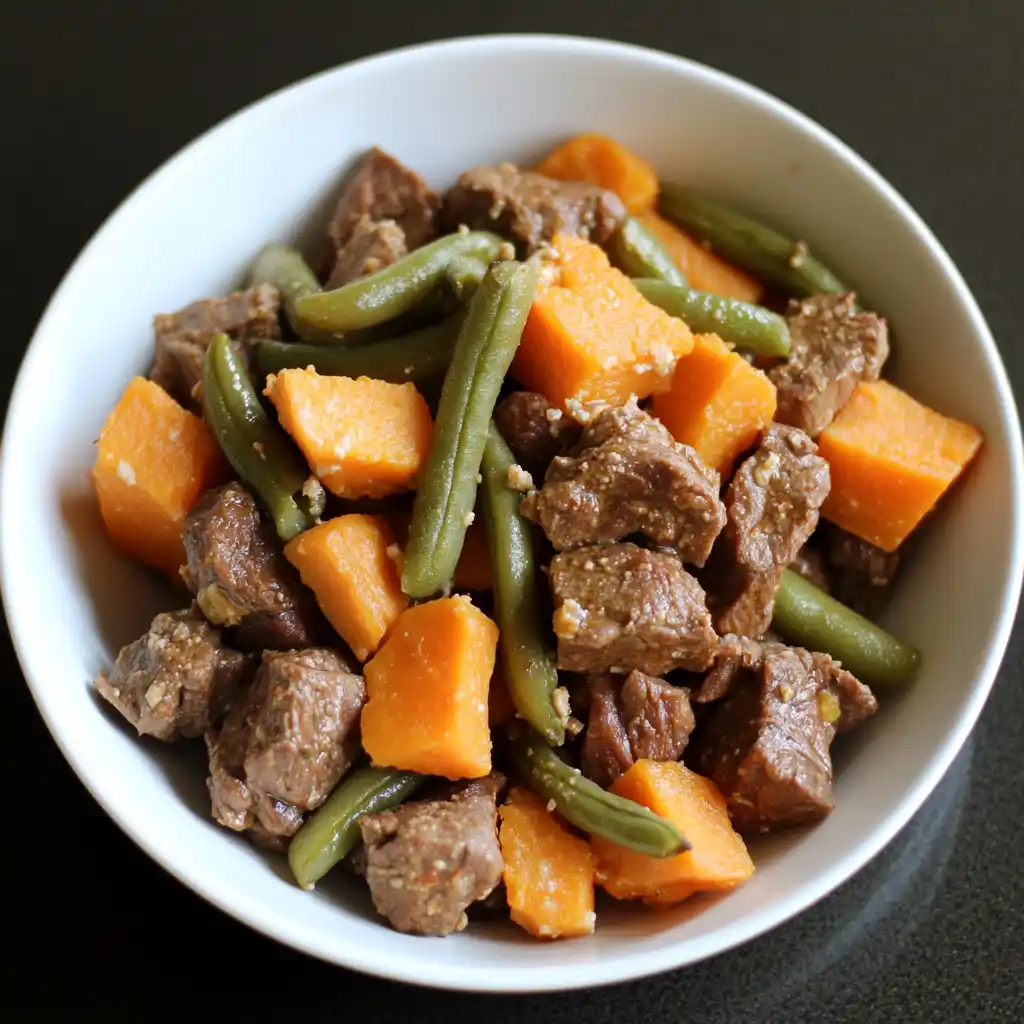
Ingredients
- 8 oz beef heart, cooked and diced (grass-fed is best for nutrition)
- 4 oz sweet potato, mashed and cooled (roasted and mashed works best)
- 2 oz green beans, finely chopped fresh (better texture than frozen)
- 1 large egg, room temperature (helps with even binding)
- 1/4 cup oat flour (naturally gluten-free and gentle on stomachs)
Instructions
- Prep for training success: Preheat your oven to 350°F and line a baking sheet with parchment paper—this prevents sticking and makes cleanup so much easier with organ meat mixtures.
- Combine the powerhouse base: In a large bowl, mix the cooked beef heart with mashed sweet potato until evenly distributed and creating an incredibly aromatic foundation (your dog will start gathering hopefully from the amazing smell).
- Add the supporting cast: Fold in finely chopped green beans, egg, and oat flour, mixing gently but thoroughly until every ingredient is distributed and the mixture holds together when pressed.
- Shape for training: Roll into small balls about 1/2 inch diameter or shape into tiny squares—remember, smaller is better for training since you’ll be giving rapid-fire rewards.
- Flatten for even cooking: Place shaped treats on your prepared baking sheet and flatten slightly with a fork—this creates more surface area for faster cooking and easier handling.
- Bake to training perfection: Bake for 15-20 minutes until firm to the touch and slightly golden—training treats need to be more thoroughly cooked than regular treats to hold up to handling.
- Cool for optimal training: Let these cool completely before using in training sessions since dogs learn better when they can consume rewards quickly without mouth discomfort!
Notes:
- Make them smaller than you think—training treats should be consumed in 1-2 seconds maximum
- Cook until properly firm since these need to hold up to lots of handling during training sessions
- Can be broken into even smaller pieces for intensive training or puppies
Storage Tips:
- Store in airtight container in refrigerator for up to 1 week for maximum freshness
- Freeze in small training portions for up to 1 month for convenience
- Keep small amounts in easily accessible containers during training sessions
What Makes This Recipe Special: These beef heart training treats provide concentrated organ meat nutrition with CoQ10 for heart health, complete amino acids for muscle function, and natural vitamins that support overall wellness. The small size and firm texture make them perfect for rapid-fire training rewards while the intense flavor creates maximum motivation—it’s like giving your dog premium currency that actually supports their health with every training success.
Mix It Up (Dog-Safe Variations):
Chicken Heart Alternative: Substitute chicken heart for beef heart when you want a milder organ meat flavor for sensitive dogs
Carrot Crunch Version: Replace green beans with finely diced carrots for extra beta-carotene and natural sweetness
Senior Dog Softer Version: Add an extra tablespoon of mashed sweet potato and reduce baking time for softer texture perfect for older pups like my 8-year-old Amber




