
Here’s My Story With This Recipe
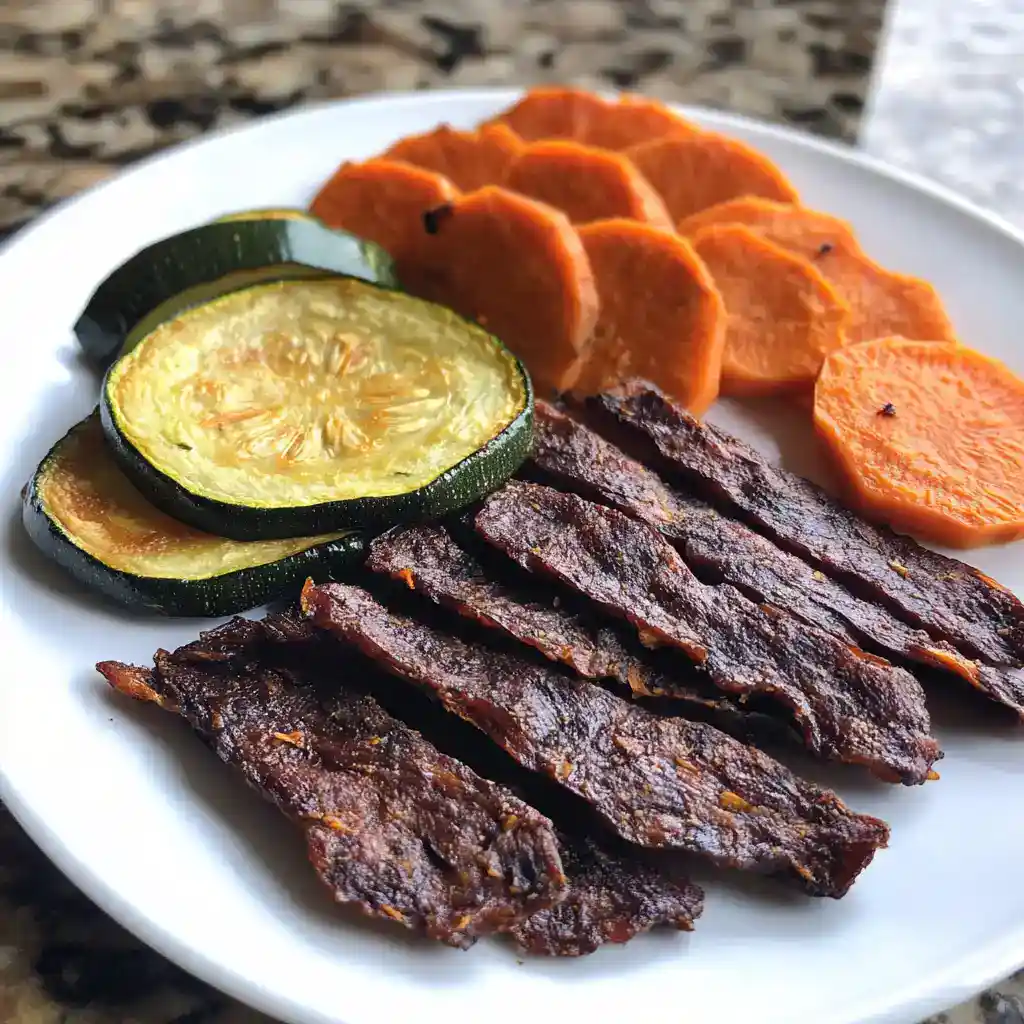
Want to know what made my 8-year-old Golden Retriever Amber forget his manners? I discovered this incredible beef and vegetable jerky during a particularly expensive month when store-bought jerky treats were breaking my budget but Amber still needed his high-value protein rewards for training and adventures. Here’s the thing about premium jerky—I was honestly shocked by how much those tiny packages cost until I realized I could make restaurant-quality jerky at home for a fraction of the price with way better ingredients. Let me tell you, watching Amber’s reaction when he first tasted homemade beef jerky with colorful vegetable chips was like witnessing a dog discover his ultimate treasure. Plus, I know exactly what lean protein and nutritious vegetables are going into his premium treats (no questionable preservatives or mystery meat that might upset his sensitive stomach).
Here’s the Thing About This Dog Recipe
The secret to driving dogs wild is that rich, concentrated beef flavor combined with naturally sweet vegetables, all intensified through slow dehydration that creates the most satisfying chewy texture ever. What makes this irresistible to pups is how the lean beef provides that high-value protein appeal while colorful vegetables add nutrients and interesting flavors that keep dogs engaged longer. Here’s the magic—olive oil helps everything dehydrate evenly while adding healthy fats that support skin and coat health. I never knew homemade jerky could rival expensive commercial versions, and it’s honestly more satisfying than any premium treat I’ve ever bought.
Gathering Your Pup-Approved Supplies (Safety First!)
Good lean beef is absolutely crucial—I always choose cuts like eye of round or bottom round because they’re naturally low in fat and perfect for jerky making (learned this after trying fattier cuts that didn’t dehydrate properly). Don’t skip the vegetable prep; I slice everything uniformly so it dehydrates at the same rate as the beef for consistent results.
For the sweet potato, I choose firm, medium-sized ones that slice evenly and have vibrant orange color for maximum beta-carotene. The zucchini should be young and not overly seedy because mature ones can get bitter during the long cooking process. Those carrots should be fresh and firm, and I peel them completely before slicing.
The olive oil should be extra virgin for maximum health benefits and the cleanest flavor that won’t compete with the natural beef and vegetable tastes. I always grab extra beef when it’s on sale because homemade jerky stores beautifully, and Amber gets so excited every time he sees me setting up for “jerky day.”
Yes, this lean beef is completely safe for dogs when properly prepared and dehydrated, providing high-quality protein and essential amino acids.
Here’s How We Create This Dog-Approved Magic
Preheat your oven to 200°F and line two baking sheets with parchment paper—here’s where I used to mess up jerky making by trying to crowd everything onto one sheet instead of giving proper space for even dehydration. Slice your beef into thin strips about 1/4 inch thick, cutting against the grain for maximum tenderness (Amber will start doing his “helpful” kitchen supervision dance when he smells raw beef being prepped).
Now prepare all your vegetables—slice sweet potato, zucchini, and carrots into uniform thin pieces about 1/4 inch thick. Here’s my secret for perfect mixed jerky: consistency in thickness across all ingredients is absolutely crucial for everything to finish at the same time. Don’t be me from last year; I used to guess at thickness, but my jerky-making friend taught me this trick about measuring the first few pieces to establish consistency.
Arrange beef slices on one baking sheet, leaving space between each strip for proper air circulation. In a bowl, toss all the vegetable slices with olive oil until evenly coated—this helps with both flavor and even browning. Every Golden Retriever has different chewing preferences, but Amber loves when both the protein and vegetables have that perfect chewy-but-not-tough texture.
Place vegetable slices on the second baking sheet in a single layer. Bake both trays for 2-3 hours until the jerky is dried and slightly chewy—jerky can go from perfect to overdone quickly, so check every hour after the first two hours. The smell will be absolutely incredible, like a gourmet pet food factory designed by master chefs!
Make sure everything is completely cool before storing or serving (this is crucial for proper texture development and safety).
Don’t worry if you’re new to making premium homemade jerky—the low temperature is very forgiving, and even slightly over-dried jerky is still incredibly nutritious and appealing.
If This Happens, Don’t Panic
Beef came out too tough? You probably went too hot or didn’t slice against the grain—that’s common when learning jerky techniques, and it happens to everyone. I’ve learned that proper grain direction makes all the difference in final texture.
Vegetables finished before the beef? When this happens (and it will), just remove what’s done and continue cooking what needs more time. Don’t stress, just work with what you’ve got. This is totally normal since different ingredients have different moisture content and dehydration rates.
If your dog seems overwhelmed by the rich, concentrated flavors like some sensitive dogs initially are, try offering smaller pieces first to let them adjust to the intensity. I always double-check that everything is completely dried because any remaining moisture can cause spoilage during storage.
When I’m Feeling Creative
When Amber needs extra joint support during his more active periods, I’ll add thin slices of apple for natural anti-inflammatory compounds and extra sweetness. For special adventures, I make extra-thin strips that get super crispy—this makes them extra special but requires watching timing more carefully.
My digestive support version includes butternut squash slices for extra fiber and vitamins (perfect for senior dogs like Amber who need gentle nutrition). Sometimes I make single-protein batches with just beef for dogs with vegetable sensitivities, though that’s totally optional. For dogs with grain allergies like some of Amber’s friends, this recipe is naturally grain-free and perfect for sensitive systems.
Why This Works So Well for Dogs
What sets this beef and vegetable jerky apart from commercial versions is the combination of premium lean protein with nutrient-dense vegetables, all preserved through gentle dehydration that concentrates flavors without destroying heat-sensitive vitamins. The slow cooking process removes moisture while maintaining nutritional integrity and creating that perfect chewy satisfaction dogs crave.
This approach creates treats that are both shelf-stable for storage and incredibly nutritious, providing sustained satisfaction that keeps dogs engaged for extended periods. The variety of proteins and vegetables prevents boredom while the dehydration process makes nutrients more bioavailable—something I discovered when Amber’s coat became shinier and his energy improved after regularly enjoying these premium homemade jerky combinations.
Let’s Clear Up Some Premium Jerky Confusion
Can puppies eat this beef jerky?
Absolutely! Just cut into smaller pieces appropriate for their size and supervise chewing. The high-quality protein is excellent for growing puppies’ development needs.
How long does homemade jerky stay fresh?
I usually store this in airtight containers for up to one month at room temperature. Properly dehydrated jerky is shelf-stable and perfect for long-term storage.
What if my dog gulps jerky instead of chewing?
Try cutting into larger strips that require more work, or supervise more closely to encourage proper chewing and jaw exercise.
Can I make this jerky ahead of special occasions?
Definitely! I make big batches before holidays and special events. The dehydration makes them perfect for gifting to other dog parents too.
Is this jerky good for senior dogs?
Perfect for senior dogs like my 8-year-old Amber! The protein supports muscle maintenance while the vegetables provide antioxidants for aging bodies.
How much jerky can I give my dog per day?
Since this is high in protein, follow treat guidelines—usually no more than 10% of daily calories. Start with 2-3 pieces and adjust based on your dog’s size.
Can I use other cuts of beef?
Stick to lean cuts like eye of round, bottom round, or top round. Fattier cuts don’t dehydrate properly and can spoil more easily.
Why I Had to Share This Dog-Approved Winner
I couldn’t resist sharing this recipe because watching Amber’s excitement when he sees me setting up the dehydrator trays has honestly become one of our most anticipated weekly rituals. The best premium jerky days are when you realize you’ve created restaurant-quality nutrition at home while saving money and knowing exactly what goes into your dog’s high-value rewards.
Print
Beef and Vegetable Jerky
Description
Premium homemade jerky with lean protein and colorful vegetables—like operating your own gourmet pet treat company from your kitchen
Prep Time: 25 minutes | Cook Time: 2-3 hours | Total Time: 3.5 hours | Makes: About 4 cups mixed jerky
Ingredients
- 1 lb (16 oz) lean beef, thinly sliced against the grain (eye of round or bottom round work perfectly)
- 1 large sweet potato, peeled and thinly sliced (natural sweetness and beta-carotene)
- 1 medium zucchini, thinly sliced (hydrating minerals and vitamins)
- 2 carrots, peeled and thinly sliced (antioxidants and satisfying crunch)
- 2 tablespoons (30ml) extra virgin olive oil (for even dehydration and healthy fats)
Instructions
- Preheat your oven to 200°F and line two baking sheets with parchment paper—low temperature ensures perfect jerky texture.
- Slice beef into 1/4 inch strips against the grain, and vegetables into uniform thin slices for even dehydration.
- Arrange beef on one baking sheet with space between pieces for proper air circulation.
- Toss vegetables with olive oil until your dog starts drooling from the amazing preparation aromas.
- Place vegetables on second baking sheet in single layer, then bake both trays 2-3 hours until dried and slightly chewy.
- Cool completely before storing or serving to ensure proper texture and prevent burned tongues.
Notes:
- Always slice beef against the grain for maximum tenderness
- Amber prefers these stored in airtight containers for maintained freshness
- Check both trays every hour after first 2 hours to prevent over-drying
Storage Tips:
- Store in airtight containers up to one month at room temperature
- Separate beef and vegetable jerky if storing long-term for optimal freshness
- Perfect for special occasions, training rewards, and adventure snacks
What Makes This Recipe Special:
This jerky combines premium lean protein with nutrient-dense vegetables through gentle dehydration that preserves maximum nutrition while creating satisfying textures. The slow cooking concentrates flavors naturally while creating shelf-stable treats that rival expensive commercial versions, all while providing complete control over ingredients and quality.
Mix It Up (Dog-Safe Variations):
Apple Adventure: Add thin apple slices for natural anti-inflammatory compounds and extra sweetness
Digestive Support: Include butternut squash slices for extra fiber perfect for senior digestive health
Single Protein: Make beef-only batches for dogs with vegetable sensitivities but who still love premium jerky




