
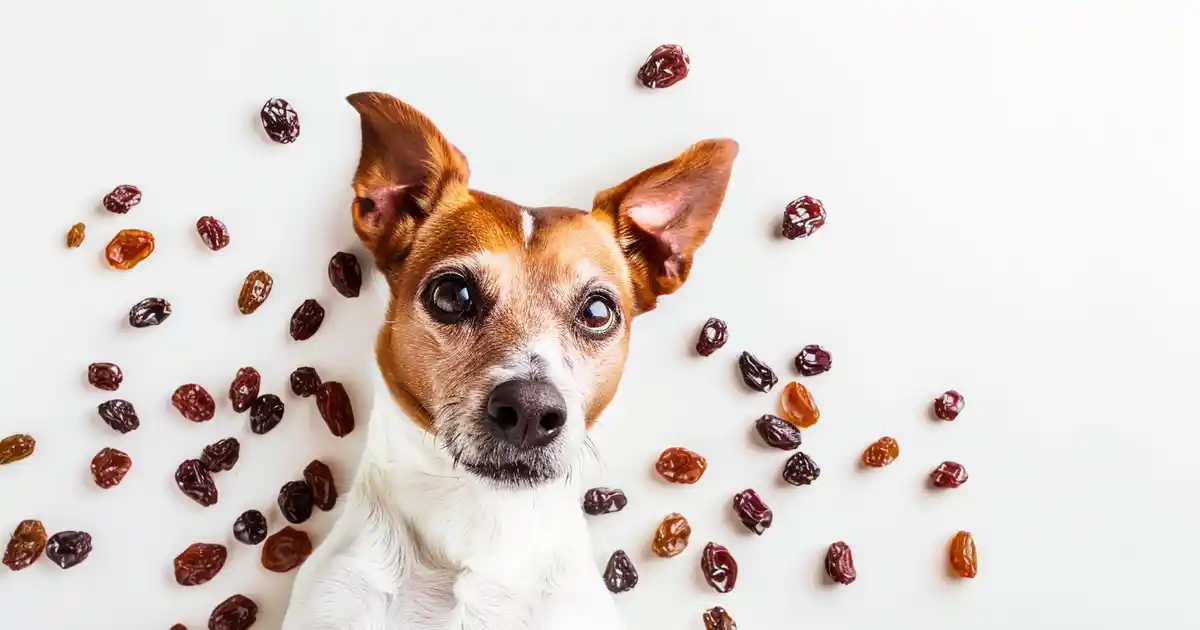
You’re enjoying a healthy snack of trail mix when a few raisins tumble to the floor. Before you can pick them up, your dog eagerly gobbles them down. Should you be concerned? The answer is an unequivocal yes. Unlike many human foods that are merely unhealthy for dogs, raisins are genuinely dangerous and can cause life-threatening kidney failure.
Despite their small size and seemingly harmless nature, raisins (and their fresh counterparts, grapes) are among the most toxic foods you can give to a dog. Even a handful can prove fatal, and the mysterious nature of this toxicity means that no amount can be considered safe. In this comprehensive guide, we’ll explore why raisins are so dangerous for dogs, what symptoms to watch for, and what immediate actions you should take if your dog consumes them.
Are Raisins Bad for Dogs? The Critical Answer
Yes, raisins are extremely bad for dogs and should never be given to them under any circumstances. Raisins are highly toxic to dogs and can cause acute kidney failure, even in small amounts. There is no known safe quantity of raisins for dogs—what might seem harmless to one dog could be fatal to another.
The toxicity of raisins affects dogs of all breeds, sizes, and ages. Whether your dog accidentally consumes a single raisin or ingests a larger quantity, the situation requires immediate veterinary attention. This isn’t a case of mild digestive upset or temporary discomfort; raisin toxicity is a medical emergency that can result in permanent kidney damage or death if not treated promptly.
Why Are Raisins Toxic to Dogs?
Despite extensive research, the exact mechanism behind raisin toxicity in dogs remains a medical mystery. Scientists and veterinarians have yet to identify the specific compound or combination of factors that causes kidney failure in dogs who consume raisins or grapes.
What We Know
Research has eliminated several suspected causes. The toxicity is not due to pesticides, heavy metals, fungus, or mycotoxins applied to the fruit. The toxic agent appears to be intrinsic to the grape itself and becomes concentrated in raisins due to the dehydration process. This means organic, homegrown grapes and raisins are just as dangerous as commercially produced varieties.
Recent Theories
Some recent research has suggested that tartaric acid, found naturally in grapes, may play a role in the toxicity. Dogs appear to metabolize this compound differently than other species, potentially leading to kidney damage. However, this theory is still being investigated and hasn’t been definitively proven.
The Concentration Factor
Raisins are essentially dehydrated grapes, which means the toxic substance—whatever it may be—becomes concentrated in the drying process. This makes raisins potentially more dangerous gram-for-gram than fresh grapes, though both should be avoided entirely.
How Much is Too Much? Understanding Toxic Doses
One of the most frightening aspects of raisin toxicity is the unpredictability of toxic doses. There’s no established safe threshold, and individual dogs show vastly different sensitivities.
Documented Cases Show Extreme Variation
Veterinary literature has recorded cases where dogs died after consuming as few as 4-5 raisins, while other dogs have consumed much larger quantities and survived with prompt treatment. This unpredictability means you cannot calculate a “safe” amount based on your dog’s weight or size.
Factors That May Influence Toxicity
Several variables may affect how severely a dog reacts to raisin ingestion, including individual sensitivity (some dogs appear more susceptible than others), the dog’s overall health and kidney function, whether the dog has eaten recently (food in the stomach may slow absorption), and how quickly treatment is administered. However, none of these factors make raisin consumption safe—they simply influence outcomes in poisoning cases.
Every Raisin is a Risk
Because we cannot predict which dogs will experience severe reactions or at what quantity, the only safe approach is zero tolerance. A single raisin poses a potential threat, and pet owners should treat any raisin ingestion as a serious emergency.
Symptoms of Raisin Toxicity in Dogs
Recognizing the signs of raisin poisoning can save your dog’s life. Symptoms typically develop within 12-24 hours of ingestion, though some may appear sooner.
Immediate Symptoms (Within Hours)
The earliest signs of raisin toxicity often include vomiting (sometimes with partially digested raisins visible), loss of appetite and refusal to eat, lethargy and unusual quietness, diarrhea, and abdominal pain (your dog may appear hunched or reluctant to move). These initial symptoms occur as your dog’s body begins reacting to the toxic substance.
Progressive Symptoms (12-24 Hours)
As the toxicity progresses and kidney function begins to decline, additional symptoms emerge, including increased thirst and urination (as kidneys initially try to compensate), weakness and difficulty standing, tremors or shaking, dehydration (check gums—they may appear dry and tacky), and decreased or absent urination (a critical sign of kidney failure). The transition from increased urination to decreased or no urination indicates severe kidney damage and requires immediate intensive care.
Advanced Symptoms (24-72 Hours)
If left untreated or if treatment is unsuccessful, dogs may develop complete kidney failure with symptoms such as complete loss of appetite, severe lethargy or inability to stand, vomiting and nausea, foul breath with a chemical odor, oral ulcers, seizures, coma, and ultimately death.
The progression of symptoms underscores why immediate veterinary care is essential—the window for successful treatment narrows rapidly after ingestion.
What to Do If Your Dog Eats Raisins
Time is absolutely critical in raisin toxicity cases. Your quick response can mean the difference between recovery and tragedy.
Step 1: Don’t Wait for Symptoms
Do not adopt a “wait and see” approach. By the time symptoms appear, kidney damage may already be occurring. Even if your dog seems fine after eating raisins, toxicity can be developing internally.
Step 2: Contact Your Veterinarian Immediately
Call your veterinarian or emergency animal hospital right away. Provide them with the following information: approximately how many raisins your dog consumed, when the ingestion occurred, your dog’s weight and breed, whether your dog is showing any symptoms, and any relevant medical history.
Step 3: Follow Professional Guidance
Your veterinarian may instruct you to bring your dog in immediately or, in some cases if ingestion was very recent, may guide you through inducing vomiting at home. Never induce vomiting without veterinary approval, as this can be dangerous in certain situations, such as if your dog is unconscious, having seizures, having difficulty breathing, or if more than two hours have passed since ingestion.
Step 4: Bring Evidence
If possible, bring the raisin packaging with you to the veterinary clinic. This helps the veterinary team determine approximately how many raisins your dog may have consumed. Also bring any vomit or stool samples if your dog has already shown symptoms.
Step 5: Prepare for Hospitalization
Raisin toxicity often requires hospitalization for 48-72 hours or longer. Your dog will likely need aggressive treatment, so be prepared emotionally and financially for intensive care.
Veterinary Treatment for Raisin Poisoning
Professional treatment focuses on preventing absorption of the toxin and supporting kidney function.
Decontamination
If you reach the veterinarian quickly (ideally within two hours of ingestion), the first step is preventing further absorption of the toxic substance. This typically involves inducing vomiting to remove raisins from the stomach, followed by administering activated charcoal to bind any remaining toxins in the digestive system and prevent absorption.
Aggressive Fluid Therapy
The cornerstone of raisin toxicity treatment is intravenous fluid therapy. Dogs receive large volumes of IV fluids for 48-72 hours to support kidney function, help flush toxins from the system, maintain hydration, and encourage urination. This aggressive fluid therapy has significantly improved survival rates when administered promptly.
Monitoring Kidney Function
Throughout treatment, veterinarians closely monitor kidney function through blood tests measuring kidney values (BUN, creatinine, phosphorus), urinalysis to assess kidney output and function, electrolyte panels to check for imbalances, and blood pressure monitoring. These tests help determine treatment effectiveness and prognosis.
Additional Supportive Care
Depending on your dog’s condition, additional treatments may include anti-nausea medications to control vomiting, medications to protect the stomach lining, drugs to support blood pressure, potassium supplementation if levels drop, and pain management if your dog is uncomfortable.
Prognosis and Recovery
The prognosis depends heavily on how quickly treatment begins and how severely the kidneys are affected. Dogs treated within hours of ingestion have the best chance of full recovery. If kidney failure has already developed, the prognosis becomes more guarded, and some dogs may develop chronic kidney disease even if they survive the acute toxicity.
Hidden Sources of Raisins: Where They Lurk
Raisins appear in many foods where you might not expect them, making vigilance essential.
Common Foods Containing Raisins
Be aware that raisins may be present in trail mix and snack mixes, cereals and granola, baked goods like cookies, muffins, and bread, fruit cakes and holiday desserts, certain salads (especially Waldorf salad), energy bars and granola bars, stuffing and rice dishes, curry and Middle Eastern dishes, and chocolate-covered raisins (which combine two toxic substances).
Holiday Hazards
Certain times of year pose increased risks. During Christmas and Thanksgiving, fruit cakes, stollen, and festive baking often contain raisins. At Easter, hot cross buns are a common raisin-containing treat. Throughout fall, harvest-themed baked goods frequently include raisins. Keep all such items well out of your dog’s reach and educate guests about the dangers of feeding these foods to your pet.
Kid-Friendly Snacks
Many healthy snacks marketed for children contain raisins, including lunch box raisin packets, “ants on a log” (celery with peanut butter and raisins), yogurt-covered raisins, and homemade trail mix. If you have children in your home, teach them never to share these snacks with the family dog.
Grapes Are Equally Dangerous
It’s crucial to understand that fresh grapes pose the same risk as raisins. All grape products should be avoided, including red, green, and purple grapes, all varieties regardless of whether they’re seeded or seedless, organic and conventionally grown grapes, grape juice and grape-flavored products, wine and grape-based alcohols (which add alcohol toxicity to the mix), and cream of tartar (a byproduct of wine-making that contains concentrated tartaric acid).
The toxicity applies to the entire grape family, meaning currants (which are actually a type of small grape) are also toxic to dogs and should be avoided with the same vigilance as raisins.
Breeds and Individual Variation
While all dogs are susceptible to raisin toxicity, some patterns have been observed, though no breed is immune or guaranteed to be resistant.
No “Safe” Breeds
Research has not identified any dog breed that can safely consume raisins. Cases of raisin toxicity have been reported across virtually every breed, from tiny Chihuahuas to giant Great Danes, from mixed breeds to purebreds, and from young puppies to senior dogs.
Size Doesn’t Determine Safety
While it’s logical to assume that larger dogs might tolerate more raisins than smaller dogs, the reality is more complex. Small dogs have died from just a few raisins, but there are also cases of large dogs experiencing severe toxicity from relatively small amounts. The unpredictable nature of individual sensitivity makes size a poor predictor of risk.
Previous Exposure Doesn’t Indicate Immunity
Some dog owners report that their dog previously ate grapes or raisins without incident. This does not mean your dog is immune or that future exposures are safe. Dogs may develop sensitivity over time, or previous exposures may have caused subclinical damage that wasn’t apparent. Never assume past tolerance indicates future safety.
Long-Term Effects and Chronic Kidney Disease
Even dogs who survive acute raisin toxicity may face long-term health consequences.
Chronic Kidney Disease
Some dogs who recover from raisin poisoning develop chronic kidney disease (CKD) as a result of the damage sustained during the acute episode. CKD is a progressive, irreversible condition that requires lifelong management through special prescription diets low in protein and phosphorus, medications to manage symptoms and slow progression, regular veterinary monitoring, and potentially fluid therapy during flare-ups.
Reduced Kidney Reserve
Even if full kidney failure doesn’t develop, dogs may lose some of their kidney reserve—the extra capacity that healthy kidneys possess. This makes them more vulnerable to future kidney problems from other causes like infections, medications, or age-related decline.
Importance of Follow-Up Care
Dogs who have experienced raisin toxicity should have regular kidney function testing for the rest of their lives, even if they appear to have fully recovered. This allows early detection of any developing problems.
Prevention: Keeping Your Dog Safe
The best treatment for raisin toxicity is prevention. Implementing safety measures in your home can eliminate this risk entirely.
Storage and Accessibility
Store all raisin-containing foods in secure cabinets or containers that your dog cannot access. Keep raisins off countertops where dogs might reach them. Immediately clean up any spills or dropped raisins. Secure trash cans with locking lids, as dogs may raid garbage for discarded food. Use child-proof latches on low cabinets if your dog is particularly resourceful.
Education and Communication
Ensure all family members understand the danger of raisins and grapes. Teach children never to feed raisins to the dog, even as treats. Inform house guests and pet sitters about foods that are off-limits. If your dog spends time at doggy daycare or with a dog walker, make sure they’re aware of your dog’s dietary restrictions.
Safe Alternatives for Treats
Instead of raisins, offer your dog safe, healthy treats like small pieces of carrot, apple slices (without seeds), blueberries, watermelon (seedless, no rind), plain cooked chicken or turkey, commercial dog treats from reputable brands, and frozen green beans.
These alternatives provide nutritional benefits without the serious risks associated with raisins.
Debunking Common Myths
Let’s address some dangerous misconceptions about dogs and raisins.
Myth #1: A Few Raisins Won’t Hurt
This is categorically false and dangerously misleading. There is no known safe amount of raisins for dogs. Even a single raisin carries potential risk, and “just a few” has proven fatal in documented cases.
Myth #2: My Dog Ate Raisins Before and Was Fine
Previous exposure without apparent harm does not indicate safety. Your dog may have been lucky, the damage may have been subclinical, or sensitivity may develop over time. Each exposure is a gamble with your dog’s life.
Myth #3: Organic or Homegrown Grapes Are Safer
The toxic substance is inherent to grapes themselves, not added chemicals or pesticides. Organic, homegrown, or “natural” grapes and raisins are just as dangerous as conventional ones.
Myth #4: Cooking or Baking Destroys the Toxin
Heat does not neutralize the toxic component in raisins. Baked goods containing raisins are just as dangerous as raw raisins.
Myth #5: Only Certain Types of Grapes Are Toxic
All varieties of grapes—red, green, purple, seeded, seedless, domestic, or imported—are toxic to dogs. The type makes no difference to toxicity.
What If Treatment Isn’t Possible?
In some unfortunate situations, immediate veterinary care may not be accessible due to financial constraints, geographic location, or timing.
Financial Considerations
Raisin toxicity treatment is expensive, often costing thousands of dollars for hospitalization and intensive care. If finances are a barrier, discuss payment plan options with your veterinarian or consider veterinary financing services like CareCredit or Scratchpay. Some veterinary schools offer reduced-cost care, and local animal welfare organizations may provide emergency assistance.
Geographic Limitations
If you live in a remote area far from veterinary care, call your veterinarian for guidance even if you cannot immediately bring your dog in. They may be able to provide telephone triage and instructions for initial home treatment while you arrange transport.
After-Hours Emergencies
If your regular veterinarian is closed, search for the nearest 24-hour emergency animal hospital. Keep contact information for emergency clinics readily available before emergencies occur. The ASPCA Animal Poison Control Center (888-426-4435) can provide guidance, though a consultation fee applies.
Regardless of obstacles, seek professional help as quickly as possible. Delaying treatment significantly worsens prognosis and may result in irreversible kidney damage.
The Bottom Line: Zero Tolerance for Raisins
Are raisins bad for dogs? They’re not just bad—they’re potentially deadly. Raisin toxicity is a serious, well-documented danger that every dog owner must take seriously.
Key Takeaways:
- Never give your dog raisins, grapes, or any grape products under any circumstances
- No amount can be considered safe due to unpredictable individual sensitivity
- Treat any raisin ingestion as a medical emergency requiring immediate veterinary care
- Early treatment dramatically improves survival rates and outcomes
- Prevention through secure storage and education is the best protection
- All breeds and sizes of dogs are at risk
The mysterious nature of raisin toxicity means we cannot predict which dogs will be affected or at what dose. Until science provides definitive answers about the mechanism and establishes safe thresholds—if such thresholds exist—the only responsible approach is complete avoidance.
Your dog depends on you to make safe choices about their diet. By understanding the serious dangers of raisins and grapes, implementing preventive measures in your home, and knowing how to respond in emergencies, you can protect your beloved companion from this preventable but potentially fatal toxicity. When it comes to raisins and dogs, the only acceptable amount is zero.




