
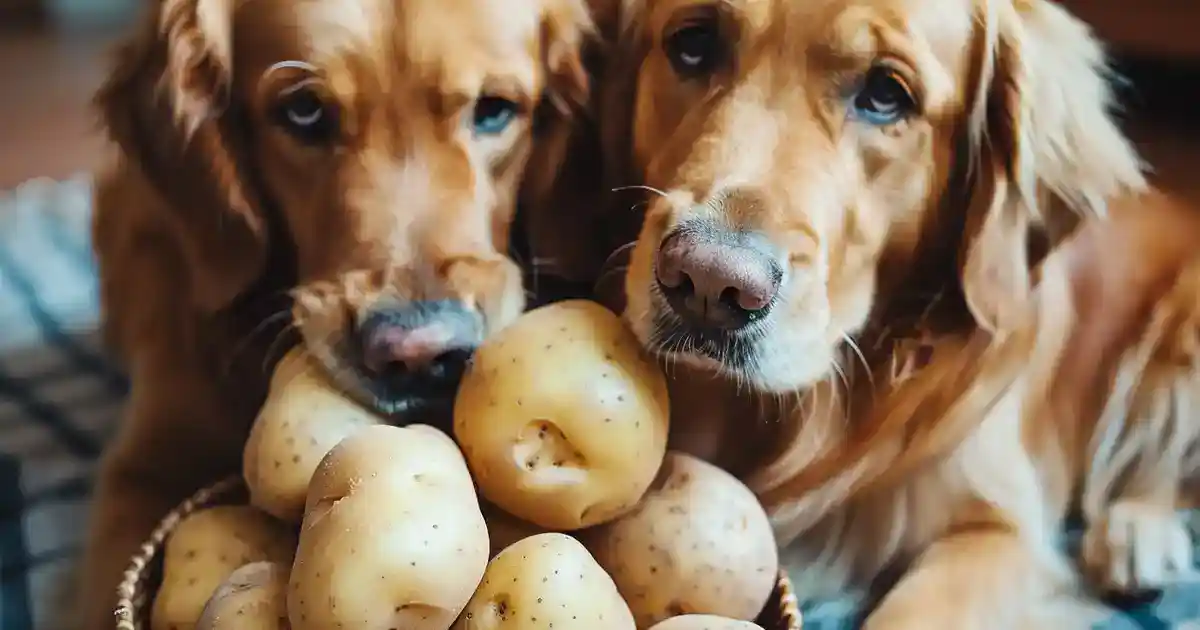
Have you ever wondered whether the potatoes you’re peeling for dinner are safe to share with your dog staring hopefully at your feet? I used to think all vegetables were automatically healthy for dogs until I discovered the surprising truth about potatoes that completely changed how I approach sharing human foods with my pets. Now when friends casually toss their dogs leftover baked potatoes, I gently share what I’ve learned about proper preparation and potential risks that most dog owners never consider. Trust me, if you’ve been giving your dog potatoes without understanding the complete picture—or avoiding them entirely because you heard they’re dangerous—this guide will give you the confidence to make truly informed decisions about whether potatoes belong in your dog’s bowl.
Here’s the Thing About Potatoes and Dogs
Here’s the magic that makes the potato question so nuanced: cooked potatoes in moderation can be safe and even beneficial for many dogs, but preparation method, quantity, and individual health factors matter tremendously. The secret to safely including potatoes is understanding that raw potatoes contain solanine—a toxic compound—while properly cooked plain potatoes become a digestible carbohydrate source that some dogs tolerate beautifully. I never knew the cooking process could be this critical until I researched why some dogs thrive with potatoes in their diet while others experience problems.
What makes this knowledge so powerful is how it reveals that “safe” versus “dangerous” isn’t black and white with potatoes—context determines outcomes. According to research on canine digestive systems, dogs can digest cooked starches efficiently, but their nutritional needs differ significantly from humans, making potatoes more of a supplemental ingredient than a dietary staple. It’s honestly more complicated than I ever expected, though no veterinary nutrition degree is needed to understand the key principles.
The combination of carbohydrates, vitamins, and minerals in potatoes creates potential benefits for energy and nutrition, but the high glycemic index and starch content also present concerns for certain dogs (took me forever to realize this). What makes potatoes particularly challenging is their prominence in grain-free commercial dog foods, leading many owners to assume they’re universally beneficial when reality is far more individual. Dogs can absolutely benefit from properly prepared potatoes in appropriate amounts, but understanding the “how” and “when” separates safe supplementation from potential health problems.
What You Need to Know – Let’s Break It Down
Understanding potato varieties and their properties is absolutely crucial for making safe decisions about including them in your dog’s diet. Don’t skip learning about the differences between potato types, because these distinctions directly impact safety and nutritional value. Regular white potatoes belong to the nightshade family (Solanaceae) and contain solanine, a glycoalkaloid compound concentrated in green areas, sprouts, and skins that can be toxic to dogs (game-changer, seriously).
Sweet potatoes, despite their name, aren’t actually true potatoes—they’re from a completely different plant family (Convolvulaceae) and don’t contain solanine. I finally figured out why veterinarians generally prefer sweet potatoes after learning they offer superior nutritional density with vitamin A, fiber, and antioxidants, plus a lower glycemic index that causes less dramatic blood sugar spikes. This makes sweet potatoes the safer, more nutritious choice for most dogs.
The cooking process matters tremendously. Raw potatoes contain resistant starch that dogs digest poorly, plus higher solanine concentrations that can cause gastrointestinal upset, lethargy, or more serious toxicity in large amounts. Proper cooking (boiling, baking, or steaming) breaks down resistant starches into digestible forms and reduces—though doesn’t completely eliminate—solanine levels. Green potatoes or those with sprouts should never be given to dogs regardless of cooking, as solanine concentrations can reach dangerous levels.
Nutritional content varies by preparation. Plain cooked white potatoes provide carbohydrates for energy, vitamin C, vitamin B6, potassium, and small amounts of fiber and protein. However, they lack the comprehensive nutrition dogs need, containing minimal protein and virtually no fat—both essential for canine health. Potatoes work best as occasional supplements to complete and balanced dog food rather than meal replacements.
If you’re just starting to explore starchy vegetables for your dog, check out my beginner’s guide to carbohydrates in dog diets for foundational knowledge about how dogs process different energy sources and which options provide the best nutritional value.
Yes, potatoes can provide benefits in specific situations, and here’s why: they offer easily digestible carbohydrates for active dogs needing energy, serve as bland diet options during digestive upset recovery, and work as alternative carbohydrate sources for dogs with grain allergies. I always recommend discussing potato inclusion with your veterinarian first, especially for dogs with diabetes, obesity, or other health conditions where carbohydrate type and quantity significantly impact management.
The Science and Psychology Behind Why This Works
The reason potatoes generate such debate in canine nutrition circles comes down to evolutionary biology versus modern dietary trends. Research from leading veterinary nutritionists demonstrates that dogs have evolved to digest starches more efficiently than their wolf ancestors, developing additional copies of the amylase gene that produces starch-digesting enzymes. This adaptation means dogs can utilize cooked starches like potatoes for energy, unlike obligate carnivores such as cats.
What makes this different from a scientific perspective is that just because dogs can digest starches doesn’t mean they should consume them in large quantities or that all starches are equally beneficial. Traditional canine diets would have included minimal plant material, primarily from prey stomach contents, making high-starch modern diets a relatively recent dietary shift. The long-term health implications of grain-free, potato-heavy commercial foods remain under investigation, with some research suggesting potential links to dilated cardiomyopathy (DCM) in certain cases.
The glycemic index concept becomes particularly relevant for dogs. White potatoes have a high glycemic index, causing rapid blood sugar increases followed by crashes—problematic for diabetic dogs and potentially contributing to obesity and insulin resistance over time. Sweet potatoes offer a lower glycemic response due to higher fiber content, making them metabolically preferable for most dogs. Understanding these differences helps explain why some dogs thrive with potato inclusion while others develop weight or blood sugar issues.
The solanine toxicity mechanism is biochemically interesting. This compound protects potato plants from pests and diseases, but in mammals, it disrupts cellular function and can affect the nervous system. Cooking reduces but doesn’t eliminate solanine, and individual dogs may have varying sensitivity levels. This explains why small amounts of properly prepared potatoes rarely cause obvious problems, but raw potatoes, green potatoes, or excessive consumption can lead to serious toxicity.
The psychological aspect matters for owners who believe “natural” or “grain-free” automatically means healthier. Marketing has successfully positioned potatoes as wholesome alternatives to grains in dog food, but experts agree that grains aren’t inherently problematic for most dogs—grain-free diets aren’t automatically superior and may introduce new risks. Understanding the science behind these trends prevents falling for marketing over evidence-based nutrition.
Here’s How to Actually Make This Happen Safely
Start by selecting the right potatoes and checking them carefully for safety—here’s where I used to mess up by not inspecting for green coloring or sprouts. Don’t be me—I initially assumed any potato in my pantry was fine, not realizing that green areas contain dangerous solanine concentrations. Choose fresh, firm potatoes without any green coloring, soft spots, or visible sprouts. Sweet potatoes generally present fewer concerns and offer better nutrition, making them the safer choice for most dogs.
First, prepare potatoes properly to maximize safety and digestibility. This step takes minimal time but creates lasting safety for your pet. Wash potatoes thoroughly, then peel them completely—the skin contains higher solanine concentrations and can be difficult for dogs to digest. Cut into small, even pieces appropriate for your dog’s size to ensure thorough cooking and prevent choking. When done correctly, you’ll know because the potatoes will be soft enough to easily mash with a fork.
Now for the important part—cooking methods that preserve nutrition while ensuring safety. Here’s my secret: boiling or steaming without any added ingredients creates the safest potato preparation for dogs. Baking works too, but avoid adding butter, oil, salt, garlic, onion, or any seasonings—these additions can harm dogs or add unnecessary calories and fat. My veterinarian taught me this trick: cook potatoes until completely soft throughout, with no hard centers remaining, as undercooked potatoes are harder to digest and retain more resistant starch.
Cool potatoes completely before serving. Don’t worry if you’re just starting out—hot foods can burn sensitive mouths, so allowing potatoes to reach room temperature ensures safety. Start with tiny portions (one tablespoon for small dogs, two tablespoons for medium dogs, three tablespoons for large dogs) to assess individual tolerance before offering more. Results can vary, but monitoring for 24-48 hours after first introduction reveals whether your dog digests potatoes well or experiences gas, bloating, or diarrhea.
Follow the 10% rule religiously: treats and food additions should never exceed 10% of your dog’s daily caloric intake. A medium baked potato contains roughly 160 calories—for a 50-pound dog eating 1,000 calories daily, that means no more than half a medium potato should be offered, and only if replacing other treats or food. Every dog has unique caloric needs based on size, age, and activity level, so calculate portions specifically for your pet.
Consider frequency and context. I’ve learned that offering potatoes occasionally (once or twice weekly maximum) as part of varied treats prevents overconsumption while maintaining dietary balance. Just like building any healthy dietary habit, moderation and proper preparation create safe outcomes for long-term health. Never use potatoes as primary meal components—they supplement complete and balanced dog food rather than replacing it.
Common Mistakes (And How I Made Them All)
Learn from my epic failures—I used to give my dogs leftover mashed potatoes loaded with butter, milk, and garlic, completely ignoring fundamental principles that veterinarians recommend about avoiding toxic ingredients and excess fat. Don’t make my mistake of assuming seasoned human food is fine for dogs—those additions transform safe potatoes into potentially harmful treats. Garlic and onions are toxic to dogs, while high-fat dairy products can trigger pancreatitis in susceptible animals.
Another embarrassing error I made was feeding raw potato pieces to my dogs because I thought “natural” meant safe, not understanding that raw potatoes contain higher solanine levels and resistant starches that cause digestive upset. The cooking process isn’t optional—it’s essential for safety and digestibility. I also used to give potato skins, believing the fiber was beneficial, but skins concentrate solanine and present choking hazards for some dogs.
The biggest mistake people make is replacing significant portions of commercial dog food with potatoes for weight loss, creating serious nutritional deficiencies despite reduced calories. Be vulnerable and honest—I tried this approach briefly, thinking high-fiber potatoes would help my overweight dog, but she developed dull coat, low energy, and muscle loss from inadequate protein. Potatoes lack the complete nutrition dogs need, including essential amino acids, fatty acids, and many micronutrients.
I’ve also made the mistake of giving potatoes to my diabetic friend’s dog without considering how the high glycemic load would spike blood sugar levels. Just because potatoes are safe for healthy dogs doesn’t mean they’re appropriate for dogs with specific medical conditions. The lesson here is that individual health status dramatically affects whether potatoes are suitable, making veterinary consultation essential before dietary additions.
Another common error is assuming grain-free dog foods heavy in potatoes are automatically healthier than grain-inclusive options. Recent research suggests some grain-free diets may contribute to heart issues, reminding us that marketing claims don’t always align with optimal nutrition.
When Things Don’t Go as Planned
Feeling overwhelmed because your dog developed diarrhea after eating potatoes? You probably need to discontinue potatoes immediately and return to their regular diet. That’s normal, and it happens with dogs who have sensitive stomachs or individual intolerances to certain foods. I’ve learned to handle this by keeping bland chicken and rice available for digestive recovery—when this happens (and it might), having a backup plan makes everything manageable.
When your dog shows signs of possible solanine toxicity—excessive drooling, vomiting, diarrhea, lethargy, confusion, or dilated pupils—don’t stress but do act quickly by contacting your veterinarian or pet poison control immediately. This is serious and requires professional medical assessment. I always prepare for the possibility of adverse reactions to any new food because every dog metabolizes foods differently, and what’s safe for one may cause problems for another.
If you’re losing motivation to find appropriate treats because potatoes didn’t work out, try focusing on safer vegetable alternatives like carrots, green beans, or cucumber that present fewer concerns. Progress may feel slow, but discovering what works specifically for your dog creates long-term dietary success. When you accidentally give seasoned potatoes and worry about garlic or onion exposure, monitor closely for symptoms and contact your veterinarian if you notice pale gums, lethargy, or reduced appetite—these can indicate the beginnings of toxic reactions requiring intervention.
For dogs who love potatoes but struggle with weight management, remember that potatoes are calorie-dense despite being vegetables—they can contribute to obesity if not properly portioned. Consider replacing potatoes with lower-calorie vegetables like green beans that provide volume and satisfaction with fewer calories.
Advanced Strategies for Next-Level Results
Taking potato safety to the next level means understanding varieties and their specific nutritional profiles. Advanced pet owners often implement specialized potato selection—choosing Yukon Gold or red potatoes for slightly better nutrient density than russets, or prioritizing purple potatoes for higher antioxidant content. Understanding how different varieties affect glycemic response and nutrient delivery gives you expert-level control over dietary impacts.
For those wanting deeper nutritional optimization, learn about resistant starch and its effects on gut health. Cooked and cooled potatoes develop increased resistant starch that can feed beneficial gut bacteria, potentially supporting digestive health—though research in dogs remains limited. What separates beginners from experts is understanding the glycemic index of various preparations and how cooling cooked potatoes affects blood sugar response differently than serving them hot.
Advanced techniques include creating homemade dog treats using potato as a binding agent alongside more nutritious ingredients like lean proteins and nutrient-dense vegetables. When you can formulate balanced homemade meals that include potatoes in appropriate ratios with quality proteins, healthy fats, and essential supplements under veterinary guidance, you’ve reached nutritional management mastery.
Consider the role of potatoes in elimination diets for dogs with suspected food allergies. Novel protein diets sometimes include potatoes as the carbohydrate source since many dogs haven’t been previously exposed, making them useful for identifying specific food sensitivities. This diagnostic approach requires strict adherence and veterinary oversight but can reveal important information about your dog’s dietary needs.
Advanced practitioners also understand breed-specific considerations—some breeds metabolize carbohydrates differently, with certain working breeds potentially benefiting more from potato-based energy sources than sedentary breeds prone to obesity. Calculate your dog’s specific metabolic needs based on breed, age, activity level, and health status to determine whether potatoes offer genuine benefits or simply add unnecessary calories.
Ways to Make This Your Own
When I want to include potatoes safely for my dogs, I prepare plain boiled sweet potatoes in advance and freeze them in single-serving portions. For special situations like training sessions, I’ll cut cooked sweet potato into small cubes—this makes intensive reward-based training possible without excessive calories from traditional treats.
My busy-season version focuses on baking multiple sweet potatoes at once, then refrigerating them for quick serving throughout the week. Sometimes I mash cooked potato with a tiny amount of plain pumpkin or low-sodium chicken broth for enhanced palatability, though that’s totally optional for most dogs who enjoy plain potato. For next-level results, I love using dehydrated sweet potato slices as chewy training treats—they’re shelf-stable, portable, and dogs find them highly motivating.
The Weight Management Method includes using small amounts of cooked potato as a low-protein treat option for dogs requiring protein restriction due to kidney disease (under veterinary guidance). The Gentle Introduction Approach starts with just one teaspoon of mashed sweet potato mixed thoroughly into regular food, gradually increasing over two weeks for sensitive stomachs. The Advanced Strategy involves calculating precise carbohydrate ratios in homemade diets, using potatoes as the controlled starch source alongside fresh meats, vegetables, and veterinary-approved supplements.
Each variation works beautifully with different health situations, dietary needs, and lifestyle requirements. Budget-conscious approaches include buying sweet potatoes in bulk when on sale and batch-cooking for cost-effective treat preparation. Parent-friendly versions involve having children help wash and prepare potatoes (with adult supervision for cooking), teaching them about safe food preparation for pets.
Active-dog versions might include slightly larger potato portions for working or highly athletic dogs needing readily available carbohydrate energy, while sedentary-dog approaches minimize potatoes to prevent unnecessary caloric intake that contributes to weight gain.
Why This Approach Actually Works
Unlike simplistic “yes or no” answers about potatoes, this approach leverages proven veterinary principles about individual variation, proper preparation, and contextual appropriateness. The science behind this method recognizes that food safety for dogs isn’t absolute—it depends on preparation, portion, frequency, and the individual dog’s health status, making personalized assessment more valuable than universal rules.
What makes this different is that we’re addressing both the nutritional chemistry (solanine toxicity, glycemic response, nutrient density) and the practical implementation (cooking methods, portion control, frequency guidelines) simultaneously. Most resources ignore the nuance, either declaring potatoes completely safe or entirely dangerous without acknowledging the complexity.
Evidence-based veterinary research shows that cooked potatoes in moderate amounts rarely cause problems for healthy dogs, while raw potatoes, excessive portions, or potatoes given to dogs with specific health conditions can create serious issues. This proven approach creates informed decision-making rather than fear-based avoidance or careless inclusion, making it far more effective than following overly simplistic guidelines. When you understand that preparation and context determine safety, you can strategically use potatoes when appropriate while avoiding them when they present risks—a principle that applies to many human foods shared with dogs.
The individual variation aspect is equally important. Some dogs thrive with moderate potato inclusion, experiencing no digestive issues and benefiting from the additional carbohydrate energy. Others develop gas, bloating, or weight gain from the same portions, requiring different approaches. This biological reality means observation and adjustment matter more than rigid adherence to generalized rules.
Real Success Stories (And What They Teach Us)
I’ve watched countless dog owners successfully incorporate potatoes into their dogs’ diets using balanced, informed approaches. One friend with a Labrador suffering from grain allergies discovered that sweet potato-based commercial food combined with occasional plain baked sweet potato treats eliminated her dog’s chronic skin inflammation and digestive upset. What made her successful was working closely with a veterinary nutritionist to ensure complete nutrition despite grain elimination.
Another success story involves a border collie competing in agility whose owner strategically includes small portions of white potato before competitions for quick-energy carbohydrates. The timing and portion control—just two tablespoons of plain boiled potato 90 minutes before activity—provides glycogen stores without digestive upset. His success came from understanding athletic nutritional needs and testing various approaches to find what optimized performance.
Their success aligns with research on canine carbohydrate metabolism that shows dogs can effectively utilize cooked starches for energy when included appropriately within balanced diets. Different dogs respond differently—some handle white potatoes perfectly while others only tolerate sweet potatoes, and some dogs simply do better without potatoes entirely. The lesson here is that careful observation, gradual introduction, and willingness to adjust based on individual response creates better outcomes than assuming any single approach works universally.
I’ve also seen dogs with sensitive stomachs benefit from plain boiled potato during recovery from gastrointestinal upset—the bland, easily digestible carbohydrates provided energy during healing without irritating inflamed digestive systems. This temporary therapeutic use demonstrates how context determines appropriateness.
Tools and Resources That Actually Help
The best resources come from board-certified veterinary nutritionists and evidence-based canine dietary research. I personally use the Pet Poison Helpline (1-855-764-7661) as my immediate resource for any suspected toxicity, including solanine poisoning from green or raw potatoes. It’s available 24/7 and provides expert guidance for emergencies.
For nutritional calculations, the Ohio State University Veterinary Medical Center’s calorie calculator helps determine your dog’s specific daily caloric needs based on weight, age, and activity level, allowing accurate portion control for treat additions like potatoes. These tools work beautifully because they provide personalized calculations rather than generalized guidelines that may not suit your dog.
The American Kennel Club’s website offers comprehensive articles about canine nutrition and food safety written by veterinary professionals, providing authoritative guidance on hundreds of dietary questions. The Clinical Nutrition Service at Tufts University Cummings School of Veterinary Medicine publishes research-based pet nutrition information, including updated guidance on grain-free diets and potato-based foods.
Books like “Unlocking the Canine Ancestral Diet” by Steve Brown provide detailed exploration of how dogs metabolize various foods, helping you understand the science behind dietary recommendations. Be honest about limitations—nutritional science evolves constantly, so information from older sources may not reflect current understanding. Your veterinarian or a board-certified veterinary nutritionist remains your most valuable resource for dietary questions specific to your dog’s health status.
Kitchen tools matter too. Food thermometers ensure potatoes reach safe internal temperatures during cooking. Measuring cups and scales provide accurate portion control essential for preventing overfeeding. Airtight storage containers keep prepared potatoes fresh in the refrigerator for up to three days, making batch preparation practical.
Questions People Always Ask Me
Can dogs eat raw potatoes?
No, dogs should never eat raw potatoes. Raw potatoes contain higher concentrations of solanine, a toxic glycoalkaloid compound that can cause serious gastrointestinal upset, neurological symptoms, and potentially life-threatening toxicity in sufficient quantities. Raw potatoes also contain resistant starch that dogs digest poorly, leading to gas, bloating, and discomfort. The cooking process significantly reduces solanine levels and breaks down resistant starches into digestible forms, making properly cooked potatoes much safer. If your dog accidentally eats raw potato, monitor for symptoms like vomiting, diarrhea, lethargy, or weakness, and contact your veterinarian if any appear.
Are sweet potatoes better than white potatoes for dogs?
Yes, sweet potatoes are generally considered better for dogs than white potatoes for several reasons. Sweet potatoes aren’t actually related to white potatoes and don’t contain solanine, eliminating that toxicity concern entirely. They offer superior nutritional density with significantly more vitamin A, fiber, and antioxidants than white potatoes. Sweet potatoes have a lower glycemic index, causing less dramatic blood sugar spikes that can contribute to obesity and diabetes over time. Most veterinarians prefer sweet potatoes as the safer, more nutritious choice, though both can be included occasionally in moderation when properly prepared. I always recommend sweet potatoes as the first choice for dogs unless specific circumstances suggest otherwise.
Can dogs eat potato skins?
It’s best to avoid giving dogs potato skins. Potato skins contain the highest concentrations of solanine, making them the riskiest part of the potato even after cooking. The skin can also be tough and difficult for dogs to digest, potentially causing intestinal blockage in extreme cases or simply passing through undigested. While small amounts of well-cooked skin probably won’t harm most dogs, the minimal nutritional benefit doesn’t justify the increased solanine exposure and digestive concerns. I always peel potatoes completely before cooking them for my dogs, eliminating this unnecessary risk entirely. If your dog accidentally eats potato skins, monitor for digestive upset but don’t panic unless green skins or large quantities were consumed.
How much potato can I safely give my dog?
Safe portions depend on your dog’s size, caloric needs, and overall health status. Following the 10% rule, treats shouldn’t exceed 10% of daily calories. For a 25-pound dog eating roughly 600 calories daily, that’s 60 calories available for extras—about two tablespoons of plain cooked potato. For a 50-pound dog eating 1,000 calories daily, approximately 1/4 to 1/3 cup of cooked potato fits within the 10% guideline. Always start smaller when introducing potatoes initially—one tablespoon for any size dog to assess tolerance. Frequency matters as much as portion—occasional servings (once or twice weekly maximum) prevent overconsumption of this starchy, high-glycemic food. Diabetic or overweight dogs need even stricter limitations or complete avoidance.
Can dogs eat mashed potatoes?
Dogs can eat plain mashed potatoes if they’re prepared without any added ingredients, but most mashed potatoes contain butter, milk, cream, salt, garlic, or onion—all problematic or toxic for dogs. Garlic and onions are particularly dangerous, causing hemolytic anemia that destroys red blood cells. Butter and cream add excessive fat and calories, potentially triggering pancreatitis in susceptible dogs. If you want to give your dog mashed potatoes, prepare a separate portion using only plain boiled potatoes mashed with nothing added, or perhaps a tiny amount of low-sodium chicken broth for palatability. Never give your dog mashed potatoes from your plate without verifying every ingredient is dog-safe—it’s rarely worth the risk.
Are potatoes toxic to dogs like grapes or chocolate?
No, properly cooked plain potatoes aren’t inherently toxic like grapes, chocolate, or xylitol. However, raw potatoes, green potatoes, potato plants, and potatoes with sprouts contain solanine that is genuinely toxic to dogs. The toxicity level depends on solanine concentration and amount consumed—small quantities of properly cooked potato won’t poison your dog, but raw or green potatoes can cause serious health problems. Think of it as context-dependent rather than absolutely toxic or absolutely safe. This is why preparation and potato quality matter so much—you’re managing risk through proper handling rather than dealing with an inherently poisonous food. Most potato-related problems come from improper preparation or seasoning additions rather than the cooked potato itself.
Can diabetic dogs eat potatoes?
Diabetic dogs should generally avoid potatoes or consume them only in extremely small amounts under strict veterinary supervision. White potatoes have a high glycemic index, causing rapid blood sugar spikes that complicate diabetes management significantly. Even sweet potatoes, with their lower glycemic index, contain substantial carbohydrates that affect blood glucose levels. Diabetic dogs require carefully controlled, consistent carbohydrate intake to maintain stable blood sugar, making high-glycemic treats problematic. If you have a diabetic dog, discuss any dietary additions with your veterinarian before introducing them. Better treat options for diabetic dogs include green beans, carrots, or other low-glycemic vegetables that don’t significantly impact blood sugar. Never experiment with your diabetic dog’s diet without professional guidance.
What should I do if my dog ate a raw potato?
Monitor your dog closely for signs of solanine toxicity over the next 24-48 hours. Symptoms include excessive drooling, vomiting, diarrhea, lethargy, weakness, confusion, dilated pupils, or difficulty breathing. The severity depends on how much raw potato was consumed and your dog’s size—a large dog eating one small piece likely won’t show serious symptoms, while a small dog consuming significant amounts faces greater risk. Contact your veterinarian immediately if symptoms appear or if your dog ate green potato, potato with sprouts, or large quantities of raw potato. The Pet Poison Helpline (1-855-764-7661) provides 24/7 expert guidance for suspected poisonings. Don’t induce vomiting unless specifically instructed by a veterinarian, as this can sometimes cause additional complications.
Are potatoes in commercial dog food safe?
Potatoes in commercial dog food are generally safe when the food is produced by reputable manufacturers following proper processing and safety standards. The cooking process during food manufacturing reduces solanine to safe levels and makes starches digestible. However, recent research has raised concerns about grain-free diets heavy in potatoes and legumes potentially contributing to dilated cardiomyopathy (DCM) in some dogs. The FDA continues investigating these potential links, though definitive causation hasn’t been established. I recommend choosing dog foods from companies with strong safety records, complete nutritional formulations, and ideally foods that have undergone feeding trials. Discuss your dog’s specific food with your veterinarian, especially if feeding grain-free diets long-term.
Can puppies eat potatoes?
Puppies can eat small amounts of properly cooked, plain potato once they’re fully weaned and eating solid food (typically 8-10 weeks old), but it’s rarely necessary or beneficial. Puppies need nutrient-dense, calorie-rich food formulated for growth, and potatoes provide primarily empty calories without the protein, fat, and micronutrients crucial for development. I recommend focusing on high-quality puppy food that meets AAFCO standards for growth rather than adding supplemental foods like potatoes. If you want to give your puppy occasional vegetable treats, small amounts of cooked sweet potato offer better nutrition than white potatoes. Always introduce any new food gradually and in tiny portions to avoid digestive upset in developing systems.
Why are potatoes in so many grain-free dog foods?
Potatoes became prominent in grain-free dog foods as a carbohydrate replacement for grains like wheat, corn, and rice. When grain-free diets gained popularity (often due to marketing rather than medical necessity), manufacturers needed alternative starch sources for kibble structure and energy content—potatoes and legumes filled this role. Starches are necessary in dry dog food production for creating kibble shape and texture through the extrusion process. However, the heavy reliance on potatoes in some grain-free formulas has raised nutritional and health concerns, including potential links to heart disease. Most dogs don’t require grain-free diets unless they have diagnosed grain allergies (which are rare), making traditional grain-inclusive foods appropriate and often nutritionally superior choices.
Can dogs with pancreatitis eat potatoes?
Dogs with pancreatitis require low-fat diets, and while potatoes themselves contain virtually no fat, the concern is what they’re prepared with and whether they’re replacing more nutritionally complete foods. Plain cooked potatoes technically fit low-fat requirements, but they lack the quality protein essential for dogs recovering from pancreatitis. More concerning, potatoes are often prepared with butter, oil, or other fats that can trigger pancreatitis attacks. If your dog has pancreatitis, discuss any dietary additions with your veterinarian who may recommend therapeutic low-fat foods instead. Some veterinarians might approve small amounts of plain boiled potato during recovery, but this decision should always be made professionally based on your dog’s specific condition and needs.
Before You Get Started
I couldn’t resist sharing this because it proves how critical proper preparation and individual assessment are for safely including human foods in your dog’s diet. The best canine nutrition journeys happen when you balance evidence-based knowledge with careful observation of your specific dog’s responses—that’s when food sharing becomes health-supporting rather than potentially harmful. Ready to make truly informed decisions about potatoes for your dog? Start by consulting your veterinarian about whether potatoes suit your dog’s individual health status, then if approved, introduce the smallest possible portion of plain cooked sweet potato, monitor carefully for 48 hours, and adjust based on what you observe. Every thoughtful choice you make contributes to your dog’s long-term wellbeing, and knowing the complete truth about potatoes means you can navigate this common question with confidence instead of confusion or unnecessary worry.Retry




