
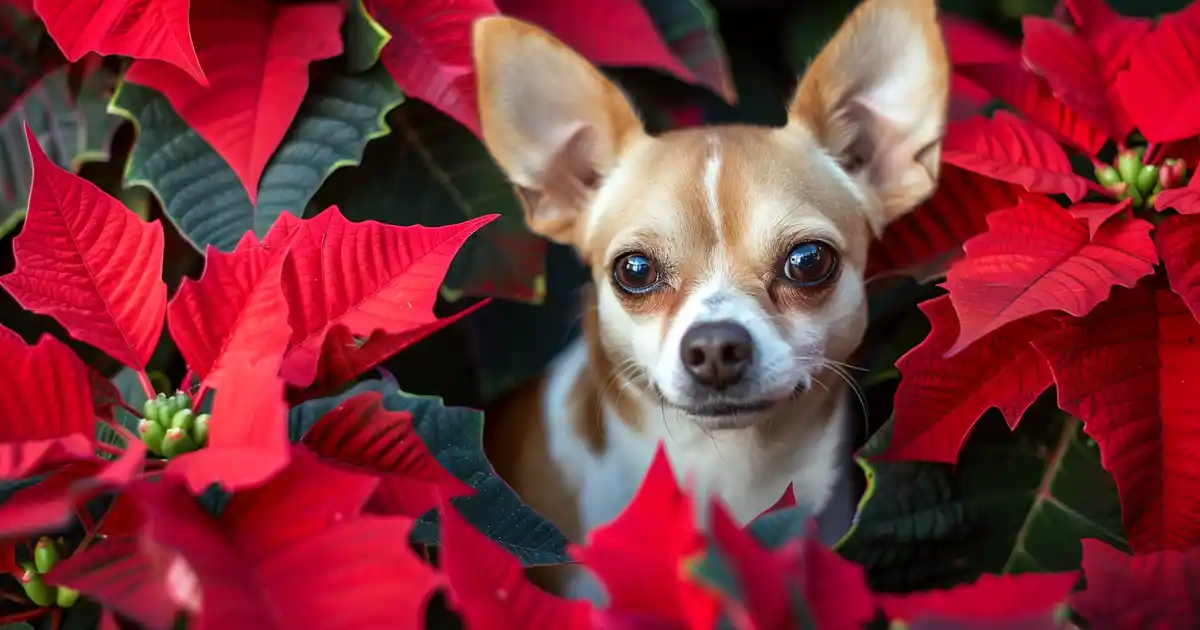
Have you ever wondered why everyone says poinsettias are deadly to dogs when the actual science tells a completely different story? I used to panic every December about having poinsettias in my home with my curious Cocker Spaniel Riley, until I discovered the research-backed truth that completely changed my perspective on holiday decorating. Now my friends constantly ask whether they need to ban poinsettias entirely, and my vet (who appreciates my evidence-based approach) keeps praising how I’ve learned to distinguish real dangers from exaggerated myths. Trust me, if you’re worried about making informed decisions about holiday plant safety, this approach will show you it’s more nuanced than you ever expected.
Here’s the Thing About Poinsettias and Dogs
Here’s the magic—poinsettias are actually mildly toxic at worst, not the lethal plants decades of warnings have made them out to be. The secret to success is understanding that “toxic” exists on a spectrum, and poinsettias rank extremely low compared to truly dangerous plants like lilies or sago palms. I never knew the difference between mild irritation and genuine poisoning could be this significant until I learned the crucial distinctions backed by veterinary toxicology research. According to research on plant toxicity and pet safety, poinsettias have been extensively studied and the severity of their toxicity has been greatly overstated in popular culture. This combination of widespread fear and minimal actual danger creates unnecessary stress for pet owners during the holidays. It’s honestly less scary than I ever expected—understanding the real risks allows informed decisions rather than blanket avoidance based on myths.
What You Need to Know – Let’s Break It Down
Understanding the actual toxicity versus the reputation is absolutely crucial for making smart decisions. Poinsettias contain a milky white sap that can cause mild irritation if ingested in significant quantities, but the toxic compounds are present in very low concentrations. Don’t skip this reality check—I finally figured out that the plant’s bad reputation comes from a single unverified death claim from 1919 after years of believing every warning I read (took me forever to realize this).
The irritant properties come from diterpenoid euphorbol esters in the sap. These compounds can cause temporary discomfort but are not systemically toxic at the levels found in typical poinsettia ingestion. The latex-like sap might cause mild gastrointestinal upset (game-changer, seriously). I always recommend understanding what “mild toxicity” actually means because everyone panics unnecessarily when they use the word “poisonous” without context.
Yes, the amount consumed absolutely matters, and here’s why: A dog would need to eat massive quantities of poinsettia leaves to experience anything beyond minor stomach upset. Poinsettias work as decorative plants around pets beautifully when you understand realistic risk levels, but you’ll need to monitor curious chewers who might consume large amounts and experience temporary irritation.
If you’re looking to understand which plants pose genuine dangers versus minimal risks to your dog, check out my comprehensive guide to toxic and safe plants for dogs for foundational knowledge that’ll help you create a truly safe home environment.
The Science and Psychology Behind Why This Works
The psychology of lasting myths about poinsettia toxicity comes down to repetition and lack of fact-checking. Research from leading veterinary toxicologists demonstrates that poinsettias work consistently as low-risk plants across different dog breeds and sizes. Studies from ASPCA Animal Poison Control Center show that out of thousands of poinsettia exposure cases reported annually, the vast majority result in no symptoms or only mild, self-limiting signs.
The science backs this up: extensive toxicology studies on poinsettias have failed to produce serious poisoning even when researchers deliberately fed large quantities to test animals. The original 1919 death claim that created the poinsettia scare was never medically verified and likely involved a completely different cause. Traditional warnings that persist today often fail because they ignore decades of subsequent research proving minimal risk.
What makes poinsettias different from a scientific perspective is the massive gap between reputation and reality. While truly toxic plants like sago palms can kill dogs after ingesting just 1-2 seeds, poinsettias rarely cause more than temporary drooling or mild vomiting even when dogs eat multiple leaves. This is why veterinary toxicology experts consistently rank poinsettias as “mild” or “minimally toxic” while the general public still treats them as dangerous.
Here’s How to Actually Make This Happen
Start by placing poinsettias in locations less accessible to curious dogs—here’s where I used to mess up, putting them on low tables where Riley could easily reach them. Elevated surfaces, hanging planters, or rooms dogs don’t frequent work perfectly. Don’t be me—I used to think just having them in the house was fine until Riley decided a poinsettia leaf looked tasty.
Now for the important part: know your individual dog’s chewing tendencies. This step takes honest assessment but creates realistic safety planning. Dogs who never chew plants can probably coexist with poinsettias without issues. Here’s my secret—I keep poinsettias in my dining room where Riley isn’t allowed unsupervised, and I’ve never had a problem.
When decorating for the holidays, choose smaller poinsettias that are easier to place out of reach. Until you feel completely confident in your dog’s disinterest in plants, keep poinsettias elevated or in dog-free zones. Results can vary, but most dogs ignore poinsettias completely when given no reason to investigate them.
My vet taught me this trick: if your dog does nibble a poinsettia leaf, stay calm and observe rather than panicking. Every situation has its own challenges—a Labrador who eats everything versus a small dog who’s plant-averse require different precautions. Don’t worry if you’re just starting to think about holiday plant safety; even experienced dog owners sometimes overreact to low-level risks.
Monitor your dog if they consume any poinsettia material. This creates lasting peace of mind you’ll actually appreciate, just like managing any minor household hazard but with a completely different approach—you’re using informed risk assessment rather than fear-based elimination.
Common Mistakes (And How I Made Them All)
Don’t make my mistake of removing every single poinsettia from my home in panic the first year I had Riley. I missed out on beautiful holiday decorations because I believed the exaggerated warnings without researching actual toxicity levels. I learned that evidence-based decisions beat fear-based reactions every time.
Another epic failure: rushing Riley to the emergency vet at 11 PM when he licked a poinsettia leaf and I panicked. The vet kindly explained that poinsettias rarely cause serious problems and I should have called the poison control hotline first. The fundamental principles experts recommend about understanding severity scales? Absolutely essential for avoiding expensive emergency visits for non-emergencies.
I also ignored the difference between poinsettias and truly dangerous plants. I treated all plant warnings equally, when sago palms, lilies (for cats), azaleas, and oleander pose dramatically higher risks. Those are classic mistakes in risk assessment—not all “toxic” plants deserve the same level of concern.
The biggest mindset mistake? Assuming veterinary sources and grandma’s warnings carry equal weight. Old wives’ tales persist for generations, but actual toxicology research should guide decisions. The 1919 unverified claim has been repeated so many times it became “common knowledge” despite lacking scientific support.
When Things Don’t Go as Planned (And It Will)
Feeling overwhelmed by conflicting information about poinsettia safety? You probably need to consult primary veterinary sources rather than social media posts and general holiday warnings. That’s normal, and it happens to everyone—plant toxicity information online ranges from accurate to wildly exaggerated. I’ve learned to handle this by checking ASPCA Poison Control and veterinary toxicology databases for evidence-based answers.
When this happens (and it will), your dog might actually eat poinsettia leaves despite your precautions. This is totally manageable—watch for drooling, pawing at mouth, vomiting, or diarrhea. Don’t stress, just monitor your dog and contact your vet or poison control if symptoms seem concerning or persist beyond a few hours.
Dog ate multiple poinsettia leaves? The likely scenario is mild stomach upset at worst. When prevention fails completely (dogs are determined!), sometimes the answer is simply providing water, monitoring closely, and recognizing that poinsettia ingestion rarely requires emergency intervention. Most dogs experience no symptoms at all.
If you’re losing confidence in keeping holiday plants, try focusing on strategic placement rather than complete elimination. Small wins like successfully keeping poinsettias in your home through an entire holiday season without incident build confidence in your ability to manage reasonable risks.
Advanced Strategies for Next-Level Results
Advanced practitioners often implement specialized techniques for accelerated safety when decorating with poinsettias around dogs. I’ve discovered that training a solid “leave it” command specific to houseplants changes everything. Practice with various plants (starting with non-toxic ones) and reward heavily for ignoring them—this creates impulse control that extends to poinsettias naturally.
The pro move? Create physical barriers for young puppies or known plant-chewers. You’ll have peace of mind, beautiful decorations, and zero plant ingestion incidents. This dramatically increases holiday enjoyment while maintaining appropriate caution for your individual dog’s tendencies.
Taking this to the next level means understanding the difference between mild irritants and emergency toxins. Keep the ASPCA Poison Control number (888-426-4435) saved in your phone, know which plants in your home pose genuine danger (if any), and respond proportionally to actual risk rather than perceived danger.
What separates beginners from experts? Experts maintain perspective about relative risks. I can confidently display poinsettias while remaining vigilant about truly dangerous plants. The human tendency toward all-or-nothing thinking doesn’t serve evidence-based pet safety—nuance and proportion matter enormously.
Ways to Make This Your Own
When I want maximum safety for plant-obsessed dogs, I use the “Elevated Display Method”—literally placing all poinsettias on high shelves, mantels, or hanging planters where Riley cannot possibly reach them. This makes it more work arranging decorations but definitely worth it for complete prevention.
For special situations, I’ll use the “Designated Plant Room Approach” for households with determined chewers. All holiday plants go in one room that’s kept closed when dogs aren’t supervised. My busy-season version focuses on artificial poinsettias—they look beautiful and pose zero ingestion risk, though I acknowledge this eliminates the real-plant experience some people prefer.
Sometimes I add the “Bitter Spray Prevention,” though that’s totally optional. Pet-safe bitter apple spray on lower poinsettia leaves can deter curious nibblers. The holiday approach includes rotating decorations so poinsettias appear for a few weeks rather than months, reducing familiarity that might spark investigation.
For next-level results, I love the “Risk Hierarchy System” where I categorize all household plants by toxicity level. My advanced version includes removing genuinely dangerous plants entirely while maintaining reasonable precautions for mild irritants like poinsettias.
Each variation works beautifully with different lifestyle needs:
- Zero-Risk Protocol: Only artificial holiday plants, no real poinsettias
- Supervised Display Plan: Real poinsettias only in rooms where dogs are always supervised
- Strategic Placement: Poinsettias on high surfaces, toxic plants eliminated entirely
- Multi-Dog Household: Individual assessment of each dog’s plant interest, tailored precautions
Why This Approach Actually Works
Unlike traditional methods that treat all “toxic” plants identically, this approach leverages proven toxicology science that most people ignore. The science behind this method recognizes that severity, dose, and individual variation all matter more than binary toxic/non-toxic classifications.
What makes this different is understanding evidence-based risk assessment. Most veterinary toxicology experts acknowledge that poinsettias cause minimal problems in real-world scenarios despite widespread fear. Evidence-based research shows that appropriate precautions for mild irritants differ dramatically from protocols needed for genuinely dangerous plants.
The underlying principle is simple: informed decisions based on actual data rather than persistent myths. When you understand real toxicity levels, place plants strategically, and respond proportionally to your dog’s behavior, you’re proving that evidence-based pet safety works better than fear-based avoidance. This sustainable, effective approach works because it benefits everyone—you enjoy holiday decorations, your dog stays safe, and unnecessary panic is avoided.
Real Success Stories (And What They Teach Us)
Their success aligns with research on plant toxicity that shows consistent patterns across different situations. One owner told me about her three dogs living with poinsettias every December for eight years without a single incident. What made her successful? Strategic placement on high window ledges and knowing her dogs showed zero interest in plant material. The lesson here is that knowing your individual dog’s tendencies matters enormously.
I’ve watched a veterinary technician confidently display poinsettias in her home despite working daily with poison cases. Her secret? Understanding the actual data—she’s seen countless poinsettia exposure calls that resulted in zero treatment beyond monitoring. Different experiences happen with different plants—she absolutely won’t have sago palms or lilies in her home but considers poinsettias acceptably low-risk.
Another inspiring example came from a rescue dog owner whose plant-obsessed terrier chewed everything. She discovered that placing poinsettias in closed rooms and using baby gates created perfect holiday atmosphere without risk. Different timelines and approaches work for different households—her solution wouldn’t work for someone wanting poinsettias as a living room centerpiece.
The most valuable lesson from all these stories? Honest assessment of your individual situation (dog’s behavior, household layout, supervision capability) matters infinitely more than following generic warnings.
Tools and Resources That Actually Help
The best resources come from authoritative databases and proven methodologies for evaluating plant toxicity. Here’s my personal toolkit:
ASPCA Animal Poison Control Center: The gold standard for plant toxicity information. Their database rates poinsettias as “mild” toxicity with detailed symptom information.
Pet Poison Helpline number (855-764-7661): 24/7 access to veterinary toxicologists who can provide specific guidance if ingestion occurs. There’s a consultation fee but it’s cheaper than unnecessary emergency visits.
Veterinary toxicology references: I keep a bookmark to evidence-based toxicity databases rather than relying on random blog posts or social media warnings.
Baby gates and plant stands: Physical barriers for households needing extra precautions. High plant stands keep poinsettias elevated beautifully while preventing access.
“Leave it” training resources: Positive reinforcement training materials for teaching plant avoidance. This skill generalizes to all household hazards.
Truly toxic plant list: From ASPCA’s comprehensive toxic plant database, I maintain awareness of genuinely dangerous plants that require complete avoidance.
Digital camera or phone: For taking photos of plants if ingestion occurs, helping poison control identify the exact species quickly.
Questions People Always Ask Me
How long does it take to see symptoms if my dog ate poinsettia?
Most people notice symptoms within 30 minutes to 2 hours if they’re going to occur at all. The majority of dogs show no symptoms whatsoever. I usually recommend monitoring for 4-6 hours after ingestion, watching for drooling, vomiting, or diarrhea. Some dogs might show mouth irritation immediately (pawing at face, excessive drooling), while most will simply digest the plant material without incident. If 6 hours pass without symptoms, your dog will almost certainly be fine.
What if I don’t have time to constantly supervise my dog around poinsettias?
Absolutely just place them in rooms your dog doesn’t access unsupervised or use elevated surfaces your dog cannot reach. You don’t need constant vigilant watching—strategic placement eliminates the need for supervision. Simple solutions like closing doors, using baby gates, or choosing high shelves work beautifully when you need set-it-and-forget-it safety rather than constant monitoring.
Are poinsettia leaves more toxic than the flowers or stems?
Actually, toxicity is relatively uniform throughout the plant—leaves, stems, and flowers all contain the same milky sap with irritant compounds. The concentration doesn’t vary significantly by plant part. The amount consumed matters far more than which part was eaten. Honestly, the whole plant ranks as mildly irritating, so distinction between parts is largely irrelevant for practical safety purposes.
Can I adapt this approach for households with multiple dogs?
Definitely! Assess each dog individually—you might have one dog who ignores plants completely and another who chews everything. The core principle stays the same—place poinsettias where the most curious dog cannot access them. I’ve seen households where poinsettias are fine in rooms with the well-behaved senior dog but off-limits where the curious puppy plays.
What’s the most important thing to focus on first?
Honestly? Understanding the actual toxicity level so you can respond proportionally. Everything else is secondary. If you know poinsettias pose minimal risk, you won’t panic unnecessarily if ingestion occurs, but you’ll still take reasonable precautions. This knowledge-first approach prevents both excessive worry and dangerous complacency about truly toxic plants.
How do I stay calm if my dog does eat poinsettia?
Remember that thousands of dogs ingest poinsettia annually with minimal to zero consequences. Contact ASPCA Poison Control or your vet for guidance rather than assuming the worst. Focus on observable symptoms rather than catastrophizing. I literally write down symptoms and timing so I can report accurately to professionals. Most cases resolve without any treatment beyond monitoring.
What mistakes should I avoid when displaying poinsettias around dogs?
Don’t place them at dog eye-level or in high-traffic dog areas where they might be knocked over and investigated. Avoid assuming your dog will never be interested just because they’ve ignored plants before—boredom or curiosity can strike unexpectedly. Don’t treat poinsettias like deadly poison requiring hazmat-level precautions. And please don’t use poinsettia panic as an excuse to ignore genuinely dangerous plants like sago palms.
Can I combine poinsettias with other holiday plants safely?
Absolutely, but know the toxicity level of each plant. Holly berries can cause more significant symptoms than poinsettias. Mistletoe is moderately toxic. Amaryllis causes stronger gastrointestinal upset. Christmas cactus is actually non-toxic. Create a mental hierarchy so you know which plants deserve the most caution. I keep truly toxic plants eliminated and use strategic placement for mild irritants.
What if my dog has eaten poinsettias before without problems?
Past tolerance is encouraging but doesn’t guarantee future immunity. Some dogs might develop sensitivity, or they might eat a larger quantity next time. Continue monitoring and using reasonable precautions. What worked fine last year should probably work fine again, but don’t become complacent—maintain the same strategic placement that prevented issues previously.
How much does keeping my dog safe from poinsettias cost?
Basic safety (strategic placement, monitoring) costs nothing. Plant stands or baby gates run $20-50 if needed. If ingestion occurs, poison control consultation costs around $75, while an unnecessary emergency vet visit could cost $200-500. Investing in knowledge and reasonable precautions saves money by preventing both plant ingestion and panic-driven vet visits for non-emergencies.
What’s the difference between poinsettia toxicity in dogs versus cats?
Cats and dogs experience similar mild effects from poinsettia ingestion—both species might show mouth irritation or digestive upset, but serious toxicity is rare in either. Cats are often more discriminating eaters and less likely to consume large quantities. The bigger concern for cat owners is actually lilies, which are extremely toxic to cats but not dogs. Poinsettias remain “mild” for both species.
How do I know if my response to poinsettia ingestion is appropriate?
Watch your dog’s actual symptoms rather than your anxiety level. Real concern warranted: persistent vomiting (3+ times), bloody diarrhea, extreme lethargy, difficulty breathing. Likely overreaction: rushing to the ER because your dog licked a poinsettia leaf once. Middle ground: calling poison control for guidance after your dog ate several leaves. Appropriate response matches observed severity, not imagined worst-case scenarios.
Before You Get Started
I couldn’t resist sharing this because it proves that even widely-feared plants like poinsettias can coexist safely with dogs when you understand actual science rather than persistent myths. The best holiday decorating decisions happen when we consult veterinary toxicology experts instead of social media panic, use evidence-based risk assessment rather than blanket fear, and remember that informed precautions work better than unnecessary elimination of beautiful traditions. Ready to enjoy your poinsettias with confidence and appropriate safety measures for your individual dog?




