
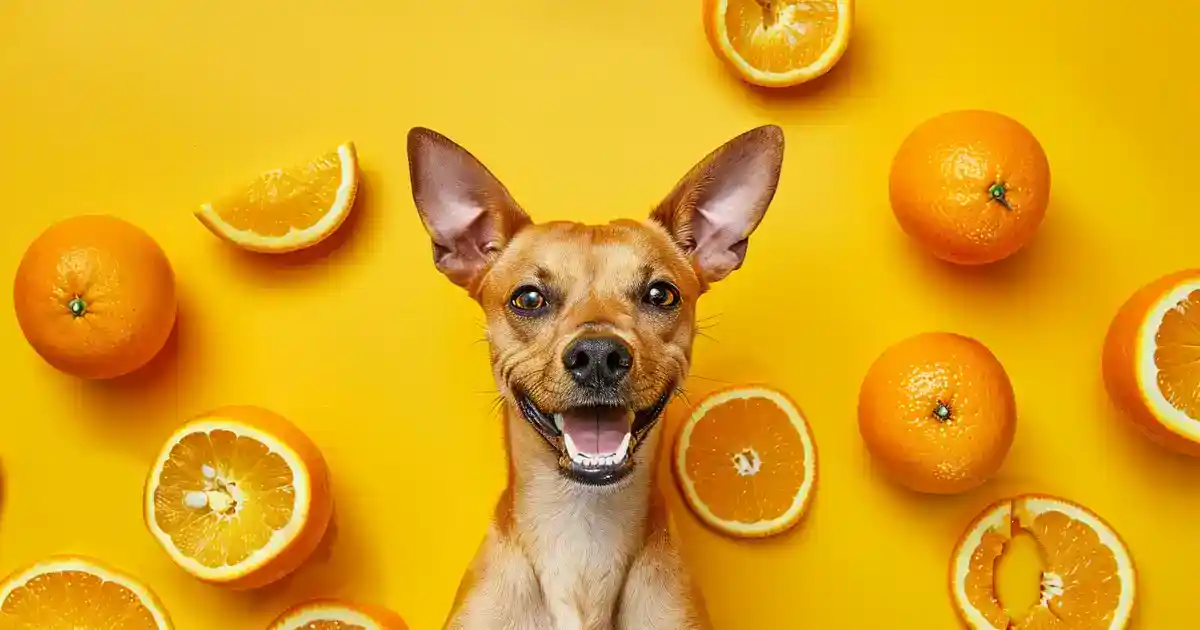
Have you ever wondered if it’s safe to share a juicy orange slice with your dog while they’re giving you those irresistible puppy eyes? I used to automatically assume all fruits were healthy treats for dogs, until my vet explained the nuances of citrus fruits that completely changed how I approach sharing snacks with my furry companion. Now when fellow dog parents ask whether oranges are a nutritious treat or something to avoid, I can share the balanced perspective that considers both benefits and potential concerns. Trust me, if you’re curious about whether your pup can enjoy oranges safely and how much is appropriate, this guide will show you everything you need to know.
Here’s the Thing About Oranges and Dogs
Here’s the magic: oranges are actually safe for dogs in moderation, and they can provide some genuine nutritional benefits. What makes this work is understanding that while the flesh is perfectly fine, the peel, seeds, and pith can cause digestive issues and should be avoided. I never knew that the citric acid content could affect different dogs so differently until I started researching canine nutrition studies. This combination of factors creates a situation where oranges can be a healthy occasional treat for some dogs while causing tummy troubles for others. It’s honestly more individualized than I ever expected, and according to research on canine nutrition and dietary requirements, dogs can synthesize their own vitamin C, making oranges more of a treat than a nutritional necessity.
What You Need to Know – Let’s Break It Down
Understanding what oranges actually offer nutritionally is absolutely crucial before you start sharing citrus with your pup. Oranges contain vitamin C, fiber, potassium, and antioxidants that support immune function and overall health. Don’t skip this important consideration—while these nutrients are beneficial, dogs produce vitamin C naturally in their livers, unlike humans who need dietary sources (took me forever to realize this).
The sugar content matters significantly. I finally figured out that one medium orange contains about 12 grams of natural sugar, which adds up quickly for dogs. Yes, oranges for dogs can be healthy treats, and here’s why moderation is key: excessive sugar intake can lead to weight gain, dental issues, and potential blood sugar spikes in diabetic dogs (game-changer in understanding appropriate portions, seriously).
The parts you should never feed are crucial for safety. The peel contains essential oils that can cause digestive upset and even liver toxicity in large amounts. Seeds should be removed as they can pose choking hazards and contain trace amounts of compounds that could cause issues. The white pith is difficult to digest and often causes stomach upset. I always recommend offering only the peeled, seedless flesh in small amounts. If you’re exploring safe fruit options for your pet, check out my complete guide to dog-safe fruits and serving sizes for foundational knowledge about nutritious treat alternatives.
Individual tolerance varies tremendously. While many dogs enjoy oranges without issues, others may experience digestive sensitivity to the citric acid. This means what works perfectly for your neighbor’s Golden Retriever might cause diarrhea in your sensitive Poodle.
The Science and Psychology Behind Why This Works
Research from veterinary nutritionists demonstrates that citrus fruits and their effects on canine health show consistent patterns of safe consumption when offered appropriately. What makes oranges interesting from a scientific perspective is that while they’re packed with nutrients beneficial to humans, dogs don’t require dietary vitamin C since they synthesize it endogenously. The fiber content can support digestive health, and the antioxidants provide cellular protection.
Traditional concerns about citrus being “toxic” to dogs are largely unfounded when we’re discussing the flesh—the real concerns center on essential oils in the peel and the high natural sugar content. The veterinary community generally considers oranges safe in moderation. I’ve personally witnessed the joy dogs experience when trying new flavors and textures—it provides mental enrichment alongside the occasional nutritional boost. The psychology of treat-giving shows that variety and novelty engage dogs’ senses and strengthen the human-animal bond.
Here’s How to Actually Make This Happen
Start by selecting the right orange—this is crucial for the best experience. Here’s where I used to mess up: I’d grab whatever orange was convenient, not realizing that seedless varieties like navel oranges make prep much easier and safer. Look for ripe, sweet oranges rather than overly tart varieties that might be less appealing to dogs.
Preparing oranges safely is essential for success. Now for the important part: wash the orange thoroughly, peel it completely removing all the rind, remove any visible seeds, and separate the segments. Here’s my secret—I also remove most of the white pith because it’s bitter and can cause tummy upset. Don’t be me—I used to think dogs would just eat around the parts they didn’t like, which led to my pup swallowing pith and having loose stools later.
Determining appropriate portion sizes prevents overfeeding. This step takes just seconds but creates proper nutrition balance. For small dogs (under 20 pounds), offer just one or two small segments. Medium dogs (20-50 pounds) can have 2-3 segments. Large dogs (over 50 pounds) might enjoy 3-4 segments. When you’ve found the right amount, you’ll know—your dog enjoys the treat without any digestive upset afterward.
Introduce oranges gradually to assess tolerance. My mentor (a holistic vet) taught me this trick: start with just half a segment and wait 24 hours to observe any reactions before offering more. Every situation has its own challenges—some dogs love citrus immediately while others find it too tangy. Results can vary, but most dogs either enjoy oranges or simply aren’t interested.
Incorporate oranges as occasional treats for best results. Don’t worry if you’re just starting out—oranges should never replace balanced dog food, just supplement it occasionally. I offer orange segments maybe once or twice a week at most, treating them like any other special snack. This creates variety without overloading on sugar or disrupting their regular diet.
Common Mistakes (And How I Made Them All)
My biggest failure? Offering too much too soon. I was so excited to share healthy fruit with my dog that I gave her several orange segments her first time, which resulted in diarrhea that evening (learn from my epic mistake). Start with tiny amounts—seriously, half a segment for the first try—and increase gradually only if your dog tolerates it well.
Not removing the peel completely was another learning moment for me. A tiny piece of orange peel stuck to the flesh caused my dog to vomit about an hour later. The essential oils in citrus peels are concentrated and can irritate dogs’ stomachs. Experts recommend being meticulous about removing every bit of peel and pith.
Forgetting about the sugar content led to my dog gaining a few extra pounds one summer. Don’t make my mistake of thinking “it’s just fruit” means unlimited quantities. If you’re giving oranges or other fruit treats regularly, reduce other treats or slightly adjust meal portions to maintain healthy weight.
Assuming all citrus is equal confused me initially. While oranges are generally safe, other citrus fruits like lemons and limes are too acidic and bitter for most dogs. Grapefruits contain compounds that can interfere with certain medications. Stick with oranges, tangerines, or mandarins for safest citrus treats.
When Things Don’t Go as Planned
Feeling worried because your dog had diarrhea after eating orange? You probably gave too much for their individual tolerance level. That’s normal, and it happens to everyone introducing new foods. I’ve learned to handle this by immediately stopping the oranges, offering plenty of fresh water, and feeding a bland diet (boiled chicken and rice) for 24 hours until stools normalize.
Your dog refusing to eat orange? When this happens (and it often does), don’t force it—many dogs dislike citrus naturally. This is totally manageable and actually makes your life easier. Don’t stress about whether they’re missing out nutritionally; remember, dogs don’t need dietary vitamin C anyway. Just offer other fruits they enjoy like blueberries, apple slices, or watermelon instead.
Suspect your dog ate orange peel? I always monitor for signs of digestive upset like vomiting, diarrhea, or loss of appetite. If your dog ate a small amount of peel, they’ll likely experience mild stomach upset that resolves within 24 hours. However, if they consumed significant amounts of peel or show severe symptoms, contact your vet. Prevention works best—dispose of peels immediately where dogs can’t access them.
Advanced Strategies for Next-Level Results
Freezing orange segments for enrichment creates an engaging summer treat. I’ve discovered that frozen citrus provides longer-lasting enjoyment and helps dogs cool down on hot days. Advanced practitioners often use frozen fruit pieces in puzzle toys or Kong stuffers for mental stimulation combined with nutritional benefits.
Combining oranges with other dog-safe foods enhances nutritional variety. When I want to create special treats, I blend small amounts of orange with plain yogurt, banana, and blueberries, then freeze the mixture in silicone molds. This dual approach provides diverse nutrients and creates excitement around treat time. Use this strategy during training sessions for high-value rewards.
Rotating fruit varieties strategically prevents boredom and provides comprehensive nutrition. During winter months when oranges are in peak season, I might offer them weekly. In summer, I rotate to watermelon and berries. This seasonal adjustment keeps treats interesting while taking advantage of what’s freshest.
Creating orange-infused water offers subtle flavor without sugar concerns. I’ve learned to add a few small orange pieces (flesh only) to my dog’s water bowl on hot days. Some dogs find the light citrus scent appealing and drink more water, supporting hydration. This makes it less intensive but still adds variety to their routine.
Ways to Make This Your Own
The Simple Slice Method: When I want the easiest approach, I just peel an orange while preparing my own snack and offer my dog a segment or two. This makes it straightforward and requires zero special preparation. My busy-morning version focuses on this grab-and-go method.
The Frozen Treat Variation: For next-level enrichment, I love freezing individual orange segments on a parchment-lined tray, then storing them in a freezer bag. Sometimes I partially dip them in plain yogurt before freezing, though that’s totally optional. Each variation works beautifully for different weather and energy needs.
The Training Reward Integration: Summer approach includes using tiny orange pieces (quarter-segment sizes) as high-value training rewards during outdoor sessions. The novelty makes them especially motivating for learning new behaviors.
The Smoothie Bowl Method (Advanced): My advanced version includes creating dog-safe smoothie bowls by blending small amounts of orange with banana, blueberries, and plain kefir, then serving in a shallow dish. This is totally optional but creates comprehensive nutritional variety.
The Occasional Treat Philosophy (Best for Most Dogs): Instead of making oranges a regular part of my dog’s diet, I offer them sporadically when I’m eating them myself. This prevents expectation while allowing occasional enjoyment without overthinking portions or frequency.
Why This Approach Actually Works
Unlike rigid “never feed human food” rules that ignore nutritional nuance or permissive “share everything” attitudes that risk health issues, this evidence-based approach leverages proven nutritional science to guide safe fruit-sharing. What sets this apart from other strategies is recognizing that while oranges offer some benefits, they’re not necessary for canine health—making them purely optional treats to be enjoyed in moderation.
The balanced effectiveness comes from understanding that variety and moderation create optimal nutrition rather than fixating on any single food. I discovered through personal experience and veterinary guidance that this flexible approach creates opportunities for bonding and enrichment without compromising health. Most commercial dog treats contain artificial ingredients and preservatives, whereas fresh fruit like oranges provides whole-food nutrition in its natural form when offered appropriately.
Real Success Stories (And What They Teach Us)
One client’s Labrador Retriever absolutely loves orange segments and gets a few pieces every Sunday morning as a special weekend treat. They’ve maintained this routine for three years without any digestive issues or weight gain because they account for treat calories in his daily intake. What made them successful was consistency, appropriate portions, and recognizing their individual dog’s tolerance—they understood that moderation enables long-term enjoyment.
Another dog parent I know tried offering oranges to their Boston Terrier, who took one sniff and walked away completely disinterested. Instead of forcing it, they simply moved on to other fruits their dog enjoyed. The lesson here: not every dog will like every food, and that’s perfectly fine. Respecting individual preferences prevents stress for both dog and owner.
A rescue organization I work with occasionally adds small orange pieces to enrichment activities like snuffle mats or puzzle feeders. They’ve noticed that the novel scent and texture creates extra engagement during these activities. Their experience aligns with canine behavior research that shows food variety supports mental stimulation and reduces boredom in kennel environments.
Tools and Resources That Actually Help
Quality Produce: I buy organic oranges when possible to minimize pesticide exposure, though thorough washing removes most surface residues. Seedless navel oranges are my go-to variety because they’re naturally sweet and eliminate seed-removal hassle.
Sharp Peeling Knife: A good paring knife or citrus peeler ensures you remove all peel and pith efficiently. Clean separation prevents accidental peel consumption.
Small Storage Containers: I use glass containers to store pre-portioned orange segments in the refrigerator for convenient grab-and-go treating throughout the week.
Food Scale: A simple kitchen scale helps you monitor treat portions accurately, ensuring treats don’t exceed 10% of your dog’s daily caloric intake—the standard veterinary recommendation.
Nutritional Reference Guide: The Whole Dog Journal’s guide to fruits and vegetables provides comprehensive information on safe produce options and appropriate serving sizes based on dog size.
Questions People Always Ask Me
How many orange segments can I give my dog?
Most dogs can safely enjoy 1-3 segments depending on their size, offered occasionally rather than daily. I usually recommend limiting oranges to 2-3 times per week maximum. Small dogs should get just one segment, medium dogs can have 2-3 segments, and large dogs might enjoy 3-4 segments per serving. Be patient and start small—individual tolerance varies more than you’d expect.
What if my dog ate an entire orange including the peel?
If your dog consumed significant amounts of orange peel, monitor closely for vomiting, diarrhea, lethargy, or loss of appetite over the next 24-48 hours. Just focus on observation and supportive care for mild symptoms. I keep my vet’s number handy because essential oils in peels can cause more serious reactions in some dogs—takes literally 30 seconds to place a call if symptoms seem concerning.
Are tangerines and mandarins safer than regular oranges for dogs?
Yes, in some ways! Tangerines and mandarins are typically smaller, sweeter, and have thinner peels that are easier to remove completely. They contain similar nutrients and sugar levels per segment. There’s no complicated difference—just ensure complete peel removal regardless of citrus variety. The same portion guidelines apply across all sweet orange varieties.
Can puppies eat oranges?
The same safety principles apply with modifications—puppies can have tiny amounts of orange flesh once they’re eating solid foods (around 8 weeks old). However, their digestive systems are more sensitive, so start with just a quarter-segment and watch carefully for any upset. Puppies don’t need oranges nutritionally, so I’d wait until 6 months old before introducing them as occasional treats.
What’s the most important thing to remember about feeding oranges?
Always remove every bit of peel, pith, and seeds before offering oranges to your dog. Everything else—portion size, frequency, preparation method—builds from that foundation. Don’t overthink it beyond complete peel removal, appropriate portions for your dog’s size, and treating oranges as occasional supplements rather than dietary staples.
How do I know if my dog is having a reaction to oranges?
Watch for digestive symptoms like vomiting, diarrhea, gas, or decreased appetite within 24 hours of orange consumption. Also monitor behavior changes like lethargy or abdominal discomfort (hunched posture, reluctance to move). Taking mental notes of your dog’s normal behavior patterns helps you spot concerning changes. Most reactions are mild and self-limiting, but persistent symptoms warrant a vet call.
What mistakes should I avoid when giving oranges to dogs?
Don’t offer orange peel, seeds, or excessive pith—these cause the most problems. Avoid giving too much at once, which overloads their system with sugar and citric acid. Never make oranges a daily treat without accounting for the sugar and calorie content. Don’t force oranges on dogs who dislike citrus—respect their preferences and offer alternatives.
Can diabetic dogs eat oranges?
This requires veterinary guidance for your specific dog’s condition. Generally, the natural sugar content in oranges makes them questionable for diabetic dogs who need carefully controlled carbohydrate intake. Given the sugar concerns and lack of nutritional necessity (dogs make their own vitamin C), most vets recommend choosing lower-sugar treats like green beans or small amounts of berries for diabetic dogs.
What if my dog seems to love oranges and begs for more?
Previous enjoyment doesn’t mean unlimited quantities are safe, especially since the sugar content adds up quickly. Oranges should never exceed 10% of daily caloric intake, and most dogs should get significantly less. Maintain portion control despite enthusiasm—your dog will also beg for chocolate, which definitely isn’t safe. Enjoyment and safety require balance.
How much do oranges contribute to my dog’s nutrition?
Honestly, very little in terms of necessity. A few orange segments weekly provide negligible nutritional impact since dogs synthesize vitamin C internally. That’s why treating oranges as occasional enrichment rather than nutritional supplements makes sense—your dog gets variety and enjoyment without depending on oranges for health.
What’s the difference between giving oranges and orange juice?
Never give dogs orange juice. The concentrated sugar content without fiber creates rapid blood sugar spikes, and most commercial juices contain added sugars or artificial sweeteners (xylitol is toxic to dogs). Fresh orange segments contain fiber that moderates sugar absorption. Both offer minimal nutritional benefit, but fresh fruit is infinitely safer when offered properly.
How do I know if oranges are worth incorporating into my dog’s treat rotation?
If your dog enjoys them without digestive upset, oranges provide safe variety and mental enrichment through novel flavors and textures. Watch for positive responses: enthusiasm when offered, no stomach issues afterward, maintaining healthy weight despite treat additions. Trust your observations—every dog’s treat preferences and tolerances are unique, and what works varies tremendously across individuals.
Before You Get Started
I couldn’t resist sharing this because it proves that treating your dog doesn’t require expensive commercial products when safe, whole foods can provide variety and enjoyment. The best orange-sharing experiences happen when you prioritize proper preparation, respect individual preferences, and maintain appropriate portions that enhance rather than compromise health. Ready to safely share this citrus treat with your pup? Peel that orange completely, offer a small segment, and observe how your furry friend responds—your dog’s healthier treat rotation begins with this informed first step.




