
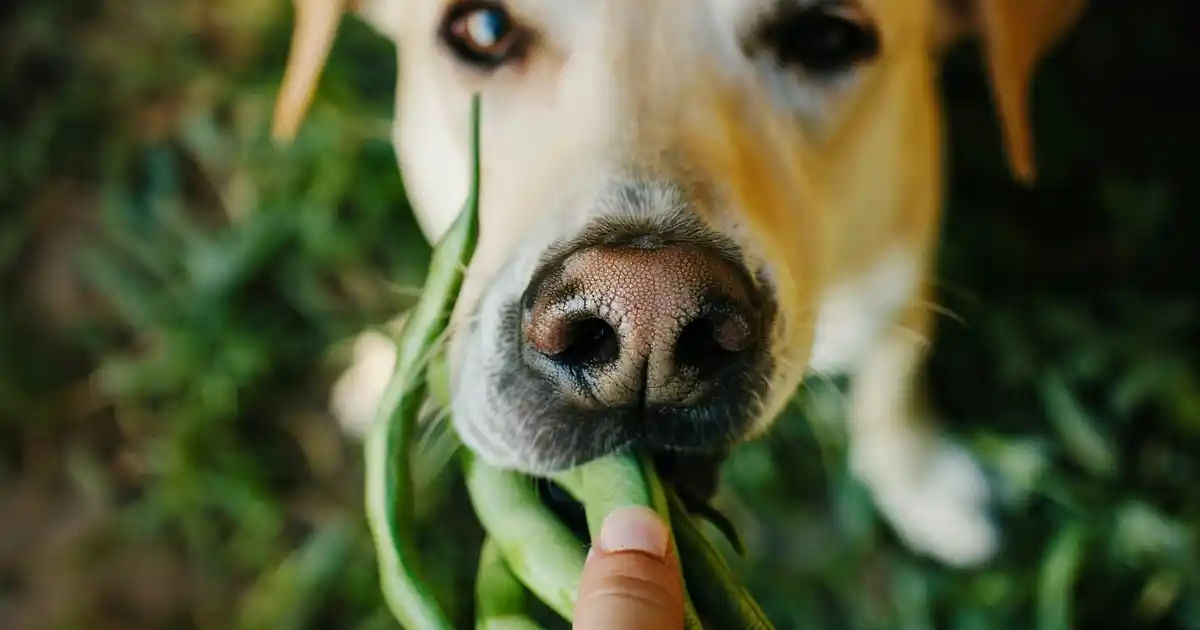
Have you ever wondered why veterinarians consistently recommend green beans as one of the absolute best treats for dogs? I used to think vegetables were boring add-ons until I discovered how green beans completely transformed my overweight Labrador’s health and energy levels. Now when friends ask me for the secret to helping their dogs lose weight without constant hunger, I immediately point them to this simple, affordable superfood that’s probably already in their kitchen. Trust me, if you’ve been searching for a guilt-free treat that actually benefits your dog’s health instead of just their taste buds, green beans are about to become your new best friend.
Here’s the Thing About Green Beans
Here’s the magic that makes green beans such a powerhouse for dogs: they’re incredibly low in calories while being packed with essential nutrients, fiber, and satisfying volume. The secret to their effectiveness is that dogs can eat substantial portions without consuming many calories, making them perfect for weight management, treat substitution, and nutritional supplementation. I never knew a simple vegetable could be this beneficial until I started researching alternatives to high-calorie commercial treats that were contributing to my dog’s weight gain.
What makes this knowledge so powerful is how it solves multiple problems simultaneously—weight control, nutritional gaps, dental health, and digestive regularity—all with one affordable, readily available food. According to research on canine nutrition, vegetables like green beans provide vitamins, minerals, and phytonutrients that complement commercial dog foods without adding excessive calories. It’s honestly more effective than I ever expected, and no complicated preparation is needed for most dogs to enjoy and benefit from them.
The combination of soluble and insoluble fiber in green beans creates amazing digestive benefits while helping dogs feel fuller longer (took me forever to realize this). What makes green beans particularly perfect is that they’re naturally dog-safe with no toxic compounds—unlike grapes, onions, or garlic—so you can confidently offer them without worry. Dogs absolutely love the satisfying crunch of fresh green beans, making them an enthusiastic substitute for processed treats that pack on pounds.
What You Need to Know – Let’s Break It Down
Understanding the nutritional profile of green beans is absolutely crucial for maximizing their benefits for your dog. Don’t skip learning about what makes these vegetables so special compared to other options. Green beans are approximately 90% water and contain only about 31 calories per cup, making them one of the lowest-calorie foods you can offer (game-changer, seriously).
The vitamin content is impressive for such a simple vegetable. I finally figured out why veterinarians love green beans after learning they contain vitamin A (supports vision and immune function), vitamin C (antioxidant properties), vitamin K (essential for blood clotting and bone health), and several B vitamins. These nutrients work together to support various body systems, from immune defense to cellular metabolism.
Mineral content includes calcium, iron, magnesium, and potassium—all essential for maintaining healthy bones, muscles, and organ function. The fiber content deserves special attention because it provides dual benefits: soluble fiber helps regulate blood sugar and cholesterol, while insoluble fiber promotes healthy digestion and regular bowel movements. Green beans work beautifully for dogs struggling with constipation or those needing to feel satisfied with fewer calories.
The protein content, while modest at about 2 grams per cup, still contributes to your dog’s overall protein intake. Green beans contain virtually no fat, making them ideal for dogs with pancreatitis or those requiring low-fat diets. If you’re just starting to explore healthy additions to your dog’s diet, check out my beginner’s guide to dog-safe vegetables for foundational knowledge about expanding your dog’s nutritional options.
Yes, green beans really work for weight loss, and here’s why: the “green bean diet” recommended by many veterinarians involves replacing up to 10% of your dog’s regular food with green beans, allowing them to feel full while consuming significantly fewer calories. I always recommend starting with smaller amounts and gradually increasing to avoid digestive upset—this approach creates sustainable weight loss that dogs actually stick with because they’re not constantly hungry.
The Science and Psychology Behind Why This Works
The reason green beans work so effectively for dogs comes down to volume-to-calorie ratio and satiety signals. Research from leading veterinary nutritionists demonstrates that dogs, like humans, experience fullness partly based on stomach volume rather than just calorie content. Green beans provide substantial volume with minimal calories, triggering satiety signals that reduce begging and food-seeking behavior.
What makes this different from a scientific perspective is that most weight loss strategies for dogs involve simply reducing portions of regular food, leaving dogs feeling hungry and dissatisfied. This approach fails because constant hunger creates stress, increases begging behavior, and makes long-term compliance nearly impossible. Traditional methods ignore the psychological component of eating satisfaction, leading to poor results and frustrated owners.
The fiber content plays a crucial role beyond just digestive health. Soluble fiber slows digestion and helps stabilize blood sugar levels, preventing the energy spikes and crashes that can trigger hunger. For diabetic dogs, this blood sugar stabilization provides additional therapeutic benefits. Insoluble fiber adds bulk to stool and promotes regular elimination, which becomes increasingly important as dogs age or when dietary changes occur.
The psychological aspect is equally compelling for both dogs and owners. Dogs learn quickly that green beans are a food reward, and because they can have larger portions than typical treats, they feel like they’re getting something substantial. For owners, offering green beans eliminates the guilt associated with frequent treating—you can reward your dog multiple times daily without sabotaging their health. Experts agree that this win-win situation makes dietary compliance dramatically easier for families committed to their dog’s wellbeing.
Here’s How to Actually Make This Happen Safely
Start by choosing the right type of green beans for your dog—here’s where I used to mess up by not considering preparation methods carefully. Don’t be me—I initially gave my dogs canned green beans with added salt, wondering why they seemed less healthy despite eating vegetables. Fresh or frozen green beans with no added ingredients are always the best choices for canine consumption.
First, decide on preparation method based on your dog’s preferences and dental health. This step takes just minutes but creates lasting benefits for your dog’s nutrition. Fresh raw green beans work beautifully for most dogs with healthy teeth—they provide maximum crunch and retain all nutrients. Simply wash thoroughly, trim the ends, and cut into bite-sized pieces appropriate for your dog’s size. Small dogs need smaller pieces to prevent choking, while large dogs can handle whole or halved beans.
Now for the important part—cooking methods when your dog prefers softer textures. Here’s my secret: steaming preserves more nutrients than boiling, which leaches vitamins into the water. Steam for 5-7 minutes until tender but not mushy, then cool completely before serving. When it clicks, you’ll know you’ve found the perfect texture your dog enjoys—some dogs love the crunch of raw beans, while senior dogs or those with dental issues prefer steamed versions.
Frozen green beans offer incredible convenience with nutrition comparable to fresh. My veterinarian taught me this trick: you can serve them straight from the freezer as a refreshing summer treat, or thaw them first for regular serving. Every dog has unique preferences, so experiment to find what your dog loves most.
Start with small portions to assess tolerance—introduce green beans gradually over several days to avoid digestive upset. Don’t worry if you’re just starting out—begin with just 2-3 beans daily, then increase to appropriate amounts based on your dog’s size and regular food intake. Results can vary, but most dogs adapt to green beans within a week without any digestive issues.
Calculate appropriate portions using the 10% rule: treats and additions should never exceed 10% of your dog’s daily caloric intake. For a 50-pound dog eating about 1,000 calories daily, that’s roughly 100 calories available for extras. Since green beans contain only 31 calories per cup, you could offer up to 3 cups spread throughout the day—though most dogs do well with 1/4 to 1 cup daily depending on size. Just like building any healthy dietary habit, consistency and gradual introduction create the best long-term results.
Common Mistakes (And How I Made Them All)
Learn from my epic failures—I used to give my dogs canned green beans loaded with sodium, completely ignoring fundamental principles that veterinarians recommend about avoiding excess salt in canine diets. Don’t make my mistake of assuming all green beans are created equal—the preparation and added ingredients matter tremendously. I thought convenience meant grabbing any can off the shelf, but high sodium content can contribute to heart problems and hypertension in dogs over time.
Another embarrassing error I made was replacing too much of my dog’s regular food with green beans too quickly, causing temporary digestive upset and gas that cleared a room (seriously). The gradual transition is absolutely essential—jumping from zero vegetables to cups of green beans overnight overwhelms their digestive system. I also used to leave green beans seasoned with garlic or onion powder in my salad, forgetting these seasonings are toxic to dogs. Even small amounts of these ingredients can cause problems.
The biggest mistake people make is thinking green beans alone constitute a complete diet for weight loss. Be vulnerable and honest—I initially reduced my overweight dog’s food too drastically while adding green beans, creating nutrient deficiencies despite the weight loss. Green beans supplement a balanced diet; they don’t replace it. Your dog still needs appropriate amounts of quality protein, healthy fats, and complete nutrition from their regular dog food.
I’ve also made the mistake of giving my dog’s green bean portions to a friend’s dog without asking about allergies or dietary restrictions first. While green bean allergies are extremely rare, some dogs have sensitive stomachs or specific medical conditions requiring dietary limitations. The lesson here is that even healthy foods should be introduced thoughtfully and individually.
When Things Don’t Go as Planned
Feeling overwhelmed because your dog won’t eat green beans no matter how you prepare them? You probably need to make them more appealing through creative presentation or mixing strategies. That’s normal, and it happens with picky eaters who are suspicious of new foods. I’ve learned to handle this by mixing tiny amounts of green beans with their regular food initially, gradually increasing the proportion—when this happens (and it might with stubborn dogs), patience and persistence make everything manageable.
When your dog develops gas or loose stools after introducing green beans, don’t stress—just reduce the amount dramatically and increase more slowly. This is totally manageable when you remember that fiber takes time for digestive systems to adjust to, especially in dogs who’ve never eaten vegetables. I always prepare for temporary digestive changes because even healthy foods can cause short-term adjustment periods.
If you’re losing motivation because you don’t see immediate weight loss results, try focusing on consistency rather than rapid changes. Progress may feel slow, but sustainable weight loss (1-2% of body weight per week) is healthier and more maintainable than crash dieting. When your dog seems hungrier than usual despite adding green beans, evaluate whether you’ve reduced their regular food too much—they still need adequate nutrition to maintain muscle mass and energy levels.
For dogs who consistently refuse green beans, consider whether the texture or temperature is the issue. Some dogs prefer frozen beans for the cold crunch, while others only accept steamed beans mixed with wet food. If digestive issues persist beyond a week, consult your veterinarian—while rare, some dogs have conditions that make high-fiber foods problematic.
Advanced Strategies for Next-Level Results
Taking green bean benefits to the next level means incorporating them strategically throughout your dog’s daily routine. Advanced pet owners often implement specialized serving schedules—offering green beans before meals to create early satiety, using them as training treats for guilt-free reward sessions, or freezing them in puzzle toys for extended mental stimulation. Understanding how timing affects satiety and behavior gives you expert-level control over weight management outcomes.
For those wanting deeper nutritional optimization, learn about combining green beans with other dog-safe vegetables like carrots, sweet potatoes, or pumpkin to create varied nutrient profiles. This rotation prevents boredom while ensuring diverse micronutrient intake. What separates beginners from experts is understanding how different fiber types work synergistically—combining the fiber in green beans with the beta-carotene in carrots or the digestive enzymes in pumpkin creates comprehensive health benefits.
Advanced techniques include making frozen green bean “pupsicles” by blending steamed green beans with low-sodium chicken broth and freezing in ice cube trays—perfect for hot weather or post-exercise refreshment. When you can calculate your dog’s precise caloric needs, determine the optimal green bean portion for their specific weight loss goals, and track results systematically, you’ve reached nutritional management mastery.
Consider using green beans as part of a comprehensive weight management program that includes measured portions of quality dog food, calculated treat allowances, regular exercise, and progress tracking. This holistic approach addresses all factors affecting weight, with green beans serving as a key tool rather than the only intervention. Advanced practitioners also understand breed-specific metabolic rates and adjust green bean portions accordingly—a sedentary bulldog needs different calculations than an active border collie.
Ways to Make This Your Own
When I want maximum variety for my dogs, I rotate between raw, steamed, and frozen green beans throughout the week. For special situations like training sessions, I’ll cut raw green beans into small training-treat-sized pieces—this makes rewards more intensive in frequency but definitely worth it for maintaining low calorie intake during extensive training.
My busy-season version focuses on buying pre-washed, pre-trimmed frozen green beans that require zero preparation beyond measuring portions. Sometimes I add a tiny amount of low-sodium chicken broth to steamed green beans for extra flavor, though that’s totally optional for most dogs who enjoy plain vegetables. For next-level results, I love stuffing green beans into puzzle feeders or freezing them in ice blocks—they slow down fast eaters while providing mental enrichment.
The Accelerated Weight Loss Method includes replacing up to 25% of regular food with green beans under veterinary supervision, creating faster results for significantly overweight dogs. The Gentle Approach starts with just 2-3 beans daily mixed into regular food, slowly increasing over several weeks for sensitive stomachs. The Advanced Strategy involves creating complete homemade meal plans that incorporate green beans alongside other vegetables, quality proteins, and appropriate supplements under veterinary nutritionist guidance.
Each variation works beautifully with different dog personalities, dietary needs, and owner schedules. Budget-conscious approaches include buying frozen green beans in bulk, which cost significantly less than commercial low-calorie treats while providing superior nutrition. Parent-friendly versions involve having kids measure and serve green beans, teaching them about pet health and nutrition while creating helpful routines.
Why This Approach Actually Works
Unlike traditional weight loss methods that rely solely on portion restriction, this approach leverages proven nutritional science about satiety, volume eating, and nutrient density. The science behind green beans for dogs recognizes that successful long-term weight management requires dogs to feel satisfied while consuming fewer calories—deprivation-based diets consistently fail because hunger drives food-seeking behavior that eventually undermines compliance.
What makes this different is that we’re addressing both the physical nutrition (vitamins, minerals, fiber, hydration) and the behavioral psychology (portion satisfaction, chewing activity, treat replacement) simultaneously. Most veterinarians ignore the emotional component of eating for dogs, focusing only on calorie mathematics while wondering why owners struggle with implementation.
Evidence-based veterinary research shows that high-fiber, high-water-content foods improve satiety scores in dogs, reducing begging behavior and food motivation between meals. This proven approach creates sustainable dietary changes rather than temporary deprivation, making it far more effective than simply cutting portions and hoping dogs adapt. When you understand that volume matters as much as calories for satisfaction, you can strategically use green beans to maximize fullness while minimizing caloric intake—a principle that works for both canine and human weight management.
The nutritional completeness aspect is equally important. Green beans don’t just provide empty volume—they deliver genuine nutritional value through vitamins, minerals, and beneficial plant compounds that support immune function, cellular health, and disease prevention. This transforms treat time from pure indulgence into functional nutrition.
Real Success Stories (And What They Teach Us)
I’ve watched countless dogs successfully lose weight and improve their health using green beans as a dietary cornerstone. One friend’s Golden Retriever lost 15 pounds over six months by replacing one cup of his regular food with green beans at each meal—his energy increased, joint pain decreased, and his veterinarian was thrilled with the sustainable progress. What made this successful was consistent implementation and realistic expectations rather than crash dieting.
Another success story involves a diabetic Beagle whose blood sugar stabilization improved significantly after incorporating green beans into her diet. The fiber content helped prevent glucose spikes, while the low calorie content allowed her to maintain a healthy weight without constant hunger. Her owner’s willingness to prepare fresh vegetables daily demonstrated the commitment required for managing chronic conditions through diet.
Their success aligns with research on canine obesity management that shows gradual weight loss (about 1-2% of body weight weekly) through increased satiety and reduced caloric density creates better outcomes than rapid restriction. Different timelines matter too—some dogs respond quickly to dietary changes, losing weight steadily from the start, while others need several weeks for metabolism to adjust before seeing scale changes. The lesson here is that consistency matters more than perfection, and small daily choices accumulate into major health improvements over time.
I’ve also seen senior dogs with mobility issues regain quality of life after losing excess weight through the green bean approach. The reduced stress on arthritic joints translated directly into increased activity, creating a positive cycle where weight loss enabled more movement, which accelerated further weight loss.
Tools and Resources That Actually Help
The best resources come from veterinary nutritionists and proven canine dietary research. I personally use my veterinarian’s body condition scoring system to objectively assess my dog’s weight and track progress—this free tool helps determine whether your dog is truly overweight or at an ideal weight. Understanding where your dog falls on the 9-point scale guides how aggressively you should pursue weight loss.
For portion calculation, kitchen scales are invaluable for accurately measuring both regular food and green bean additions. These help because eyeballing portions leads to calorie creep that undermines weight loss efforts. Measuring cups work for green beans specifically since they’re so low in calories that small measurement errors matter less than with calorie-dense foods.
The Association for Pet Obesity Prevention’s website provides comprehensive resources about canine weight management, including calorie calculators, feeding guidelines, and research-based recommendations. Your own veterinarian remains the best resource for your specific dog’s needs, especially if your pet has existing health conditions like diabetes, kidney disease, or food allergies that affect dietary recommendations.
Apps like “Pet Diet Diary” let you track your dog’s food intake, weight changes, and treat consumption over time, revealing patterns that might not be obvious day-to-day. Some scales designed for pets provide more accurate readings for small weight changes than human scales. Storage containers with measurement marks make preparing consistent green bean portions effortless for busy schedules.
Books like “The Science of Nutrition and Feeding for Dogs” provide evidence-based guidance on canine dietary needs, though be sure to check publication dates since nutritional science evolves. Online veterinary resources from institutions like Cornell University’s College of Veterinary Medicine offer free, authoritative information about dog nutrition and weight management backed by current research.
Questions People Always Ask Me
Can dogs eat raw green beans safely?
Yes, most dogs can safely eat raw green beans, and many dogs actually prefer the satisfying crunch of raw beans over cooked versions. Raw green beans retain maximum nutritional content since cooking can reduce some vitamin levels. I always recommend washing them thoroughly to remove any pesticide residue, then trimming the ends and cutting into appropriate sizes for your dog. Start with small amounts to ensure your dog can digest them properly—some dogs with sensitive stomachs handle steamed beans better than raw. The only concern with raw beans is choking risk for dogs who gulp food quickly, so supervise initially and adjust size as needed.
How many green beans can I give my dog daily?
The safe amount depends on your dog’s size and overall caloric needs, following the 10% rule where treats shouldn’t exceed 10% of daily calories. For small dogs (under 20 pounds), start with 5-10 green beans daily. Medium dogs (20-50 pounds) can typically have 1/4 to 1/2 cup daily, while large dogs (over 50 pounds) often do well with 1/2 to 1 cup spread throughout the day. If you’re using green beans for weight loss under veterinary guidance, you might replace up to 10-25% of regular food with green beans, which could mean larger quantities. Always introduce gradually and monitor your dog’s response.
Are canned green beans safe for dogs?
Canned green beans can be safe for dogs, but you must choose carefully. Only select cans labeled “no salt added” or “low sodium”—regular canned green beans contain excessive sodium that can harm dogs, especially those with heart or kidney conditions. Rinse canned beans thoroughly under water even if they’re low-sodium to remove any residual salt. Fresh or frozen green beans are generally better choices since they contain no additives and retain more nutrients. If convenience drives you toward canned options, read labels meticulously and avoid any with added seasonings, garlic, onion, or preservatives beyond ascorbic acid.
Can green beans help my overweight dog lose weight?
Absolutely, and this is one of green beans’ most valuable benefits for dogs. The “green bean diet” recommended by veterinarians involves gradually replacing 10-25% of your dog’s regular food with green beans, allowing them to eat satisfying portions while consuming significantly fewer calories. Green beans provide volume and fiber that promote fullness without adding substantial calories—one cup contains only 31 calories versus several hundred calories in the same volume of kibble. Combine green beans with measured portions of quality dog food, increased exercise, and regular weigh-ins for best results. Always work with your veterinarian to create a safe weight loss plan tailored to your dog’s specific needs.
What’s the best way to prepare green beans for dogs?
The best preparation depends on your individual dog’s preferences and needs. For dogs with healthy teeth who love crunchy textures, raw green beans washed and cut into appropriate sizes work perfectly. For senior dogs, those with dental issues, or picky eaters, steaming for 5-7 minutes until tender-crisp makes beans easier to chew while preserving most nutrients. Frozen green beans offer convenience—serve them frozen as a cooling treat or thaw first for normal texture. Never use canned beans with added salt, and avoid any seasonings, oils, or additives. Simple preparation keeps green beans dog-safe and nutritionally optimal.
Can puppies eat green beans?
Yes, puppies can eat green beans once they’re fully weaned and eating solid food, typically around 8 weeks old. Start with very small amounts (1-2 beans) to assess tolerance since puppy digestive systems are still developing. I recommend steaming green beans for puppies to make them easier to chew and digest compared to raw beans. Keep portions tiny—puppies need calorie-dense food for growth, so green beans should be occasional treats rather than meal replacements. Never use green beans as a weight management tool for puppies who should be naturally lean and growing. Focus on age-appropriate puppy food for their primary nutrition.
Do green beans provide complete nutrition for dogs?
No, green beans should supplement a complete and balanced dog food, never replace it. While green beans offer valuable vitamins, minerals, and fiber, they lack sufficient protein, essential fatty acids, and many nutrients dogs need for optimal health. Dogs are omnivores requiring quality animal proteins, appropriate fats, and diverse nutrients that vegetables alone cannot provide. Think of green beans as a beneficial addition that enhances your dog’s diet—similar to humans eating vegetables alongside proteins and grains. Always maintain a foundation of quality commercial dog food or veterinarian-approved homemade diet, using green beans to add nutrition, volume, and variety.
Can diabetic dogs eat green beans?
Yes, green beans are actually excellent for diabetic dogs because their high fiber content and low glycemic load help stabilize blood sugar levels. The fiber slows glucose absorption, preventing the spikes and crashes that complicate diabetes management. Many veterinarians specifically recommend green beans for diabetic dogs as low-calorie treats that don’t disrupt blood sugar control. However, always consult your veterinarian before dietary changes since each diabetic dog has individual needs. Monitor blood glucose levels when introducing any new food to ensure it doesn’t affect your dog’s specific diabetes management. Green beans work beautifully within diabetic dietary protocols when used appropriately.
What if my dog won’t eat green beans?
Some dogs need encouragement to try new foods, especially vegetables. Try different preparations—some dogs prefer frozen beans for the cold crunch, while others only accept steamed beans mixed thoroughly with regular food. Start by mixing tiny amounts into their favorite meals, gradually increasing the proportion over time. Add flavor through low-sodium chicken or beef broth (avoiding onion or garlic). Hand-feed a few beans as special treats to build positive associations. Some dogs respond to seeing you eat green beans first, activating their natural curiosity about human food. If your dog consistently refuses despite varied approaches, try other dog-safe vegetables like carrots or sweet potato instead.
Can green beans cause any side effects in dogs?
Green beans are generally very safe with minimal side effects when introduced properly. The most common issue is temporary gas or loose stools if you introduce too many beans too quickly—the sudden fiber increase overwhelms their digestive system. Start with small amounts and increase gradually over 7-10 days to prevent this. Excessive quantities might cause bloating or discomfort from the volume. In extremely rare cases, dogs might have individual sensitivities causing allergic reactions, though green bean allergies are uncommon. If your dog shows vomiting, severe diarrhea, or allergic symptoms after eating green beans, discontinue them and consult your veterinarian.
Are frozen green beans as nutritious as fresh?
Yes, frozen green beans are nutritionally comparable to fresh beans and sometimes even superior. Vegetables are typically frozen at peak ripeness, locking in nutrients immediately. Fresh beans may lose some nutritional value during transport and storage before you purchase them. Frozen beans offer year-round availability, convenience, and longer storage without spoilage. The freezing process doesn’t significantly affect the vitamins, minerals, or fiber content that make green beans beneficial for dogs. Choose plain frozen green beans without sauces, seasonings, or added ingredients. Both fresh and frozen are excellent choices—select based on your convenience and budget.
Should I give green beans before or after my dog’s regular meals?
Offering green beans before meals can enhance satiety, helping your dog feel fuller with less food—particularly beneficial for weight loss. The fiber and volume from green beans begin filling the stomach, so your dog feels satisfied with a smaller portion of regular food. Alternatively, mixing green beans directly into meals ensures consumption while spreading fiber throughout the digestive process. Some owners use green beans between meals as satisfying snacks that prevent begging. Experiment to find what works best for your dog’s schedule and weight goals—timing matters less than consistency and appropriate total portions across the day.
Before You Get Started
I couldn’t resist sharing this because it proves how simple, affordable ingredients can create profound health improvements when used thoughtfully and consistently. The best canine nutrition journeys happen when you combine evidence-based strategies with genuine understanding of your individual dog’s needs and preferences—that’s when vegetables transform from afterthoughts into powerful tools for health and longevity. Ready to give your dog a nutritional advantage that most pet owners overlook? Start by introducing just a few green beans tomorrow, observe your dog’s response carefully, and gradually build this simple addition into a health-supporting habit that could add years to your dog’s life. Every small choice you make contributes to their wellbeing, and knowing the truth about green beans means you can enhance their diet while strengthening your bond through healthy, guilt-free treating.




