
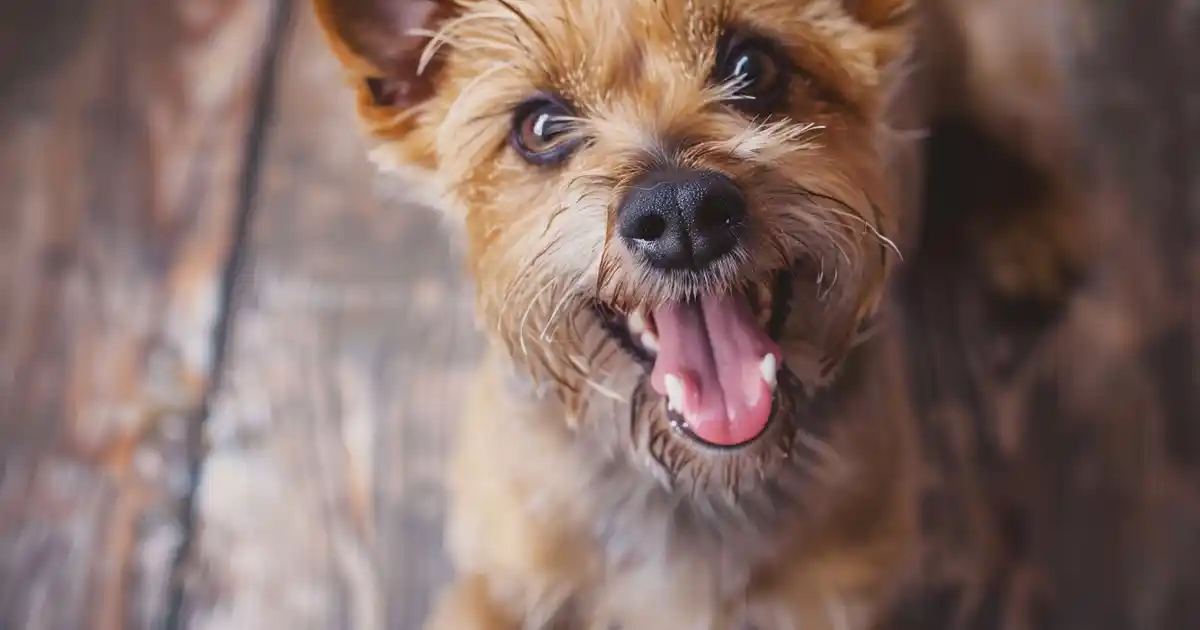
I used to think my 8-year-old Golden Retriever Amber was just being goofy until I discovered the science behind those wiggly reactions, and now I understand exactly which scratches he genuinely loves versus which ones might be making him uncomfortable. Here’s the thing I discovered—understanding whether dogs are ticklish isn’t just about cute reactions. It’s actually helped me figure out the difference between happy wiggles and reflex responses, which completely changed how I interact with Amber during our bonding time. My vet even complimented me on how well I read his body language now. Plus, knowing this stuff helps me explain to my nieces why Amber kicks his leg when they scratch behind his ears (and why they shouldn’t overdo it).
Here’s the Thing About Canine Sensitivity
Here’s the magic behind those adorable reactions—dogs do experience something similar to ticklishness, but it’s way more complicated than what we humans feel. What makes this fascinating is that dogs have two different types of sensitivity responses happening at once. I never knew the scratch reflex could be this complex until my vet explained why Amber’s back leg goes wild when I hit that perfect spot on his belly. This combination creates those hilarious moments we all love, but it’s honestly more about nerve responses than actual ticklish sensations. No complicated veterinary degree needed to understand it—just a willingness to learn your dog’s body language. According to research on animal behavior, dogs have evolved incredibly sophisticated sensory systems that help them communicate and respond to touch in ways we’re only beginning to understand.
What You Need to Know – Let’s Break It Down
Understanding the scratch reflex is absolutely crucial to figuring out if your dog is actually enjoying those belly rubs. Don’t skip learning about this—it’s the foundation of everything. I finally figured out the difference between pleasure and reflex after months of watching Amber’s reactions closely (took me forever to realize this). The scratch reflex is an involuntary response where your dog’s leg kicks automatically when you stimulate certain nerve clusters, usually on the belly, sides, or back. It’s kind of like when the doctor taps your knee and your leg kicks—your dog can’t control it.
Here’s where it gets interesting—dogs also have sensitive spots that genuinely feel good when scratched. These are different from reflex spots (game-changer, seriously). Amber loves when I scratch behind his ears and under his chin, and I can tell because he leans into it and his whole body relaxes. That’s pleasure, not reflex. Learning to read the difference works beautifully, but you’ll need to pay attention to your dog’s body language and not just the leg kicking.
Yes, dogs can be ticklish in certain spots, and here’s why—they have heightened sensitivity in areas where they can’t easily scratch themselves. I always recommend starting with gentle touches because every dog reacts differently to stimulation. If you’re curious about keeping your dog healthy and happy overall, check out my guide to understanding your dog’s nutritional needs for more ways to care for your furry friend.
The Science and Psychology Behind Why This Works
Research shows that the scratch reflex in dogs is actually a protective mechanism designed to help them remove irritants from their skin. Studies confirm this involuntary response is controlled by the spinal cord, which means it happens before the signal even reaches your dog’s brain. Experts agree that this reflex served an important evolutionary purpose—helping dogs quickly respond to bugs, parasites, or anything crawling on their skin.
But here’s what makes dogs different from us—they experience what scientists call “knismesis” (light, ticklish sensations) rather than “gargalesis” (the harder tickling that makes humans laugh). When you lightly stroke Amber’s belly, he might feel that gentle, almost itchy sensation that triggers the scratch reflex. The mental and emotional aspect is fascinating too—dogs can’t laugh like we do, so they show their enjoyment through different body language cues like tail wagging, relaxed posture, and that adorable head tilt.
What really changed my perspective was learning that the scratch reflex doesn’t mean your dog is enjoying the sensation. Sometimes Amber’s leg kicks, but his ears go back and he looks uncomfortable. That’s when I know to stop, even though the reflex makes it look like he wants more (learned that one the hard way).
Here’s How to Actually Identify If Your Dog Is Ticklish
Start by observing your dog’s body language when you touch different areas—this is where I used to mess up big time. Don’t be me—I used to think any leg kick meant Amber was having the time of his life. Now for the important part: look for the sweet spots where your dog genuinely enjoys being touched.
Begin with gentle touches on common sensitive areas like the belly, under the chin, behind the ears, the base of the tail, and between the toes. Here’s my secret: watch your dog’s face and overall body posture, not just the leg movement. When it clicks, you’ll know—your dog will either lean into your touch (pleasure) or try to move away (discomfort).
This step takes five minutes but creates a lasting understanding of your dog’s preferences. Amber loves belly rubs, but only on the left side of his belly. The right side triggers his scratch reflex, and he tolerates it but doesn’t love it. Results can vary depending on your dog’s personality and past experiences, but every dog has preferences.
My vet taught me this trick:
if your dog’s body is relaxed, tail is wagging softly, and they’re leaning into your touch, that’s genuine enjoyment. If their body stiffens, ears go back, or they try to move away—even if the leg is kicking—they’re not loving it. Every situation has its own challenges, like when Amber is tired versus playful, his ticklish responses change completely.
Don’t worry if you’re just starting out reading dog body language. Look for these positive signs: relaxed facial expression, soft eyes, loose body posture, gentle tail wag, leaning into your touch, or even falling asleep. These signals tell you whether your dog is ticklish in a good way or just experiencing the scratch reflex. Just like training your dog requires patience, but this approach helps you build deeper connection, understanding canine ticklishness creates lasting bonds you’ll actually enjoy.
Common Mistakes (And How I Made Them All)
Let me tell you about my biggest mistake—assuming that because Amber’s leg was kicking, he must be loving every second of it. I’d scratch that spot on his belly for minutes, thinking I was giving him the best massage ever. Turns out, I was just triggering his scratch reflex over and over, and he was probably wondering when I’d stop (embarrassing, honestly).
Another huge error? Ignoring the signs that Amber wanted me to stop. Dogs can’t say “hey, that’s enough,” so they use body language. I missed all the signals—his ears going flat, his body tensing up, even him trying to gently move away. Don’t make my mistake of thinking you know whether your dog is ticklish without actually watching their reactions.
Here’s why these mistakes happen—we want our dogs to enjoy our affection so badly that we project our own feelings onto them. I used to think “I love being tickled, so my dog must too!” Wrong. Dogs experience touch completely differently than we do. The fix? I’ve learned to touch Amber gently, watch his response, and immediately stop if he shows any discomfort.
The mindset mistake is even bigger: treating all dogs like they’re the same. Some dogs genuinely enjoy that scratch-reflex stimulation. Others find it annoying or even stressful. Amber taught me that every dog is an individual with unique preferences about being touched.
When Things Don’t Go as Planned
Dog seems uncomfortable when you touch certain areas? You probably need to respect those boundaries and focus on the spots they actually enjoy. That’s normal, and it happens to everyone who has a dog. I’ve learned to handle this by creating a mental map of Amber’s favorite spots versus his “please don’t” zones.
When this happens (and it will), don’t force the interaction. If your dog moves away when you touch their belly, try under their chin or behind their ears instead. This is totally manageable once you accept that your dog’s preferences matter more than your desire to scratch that particular spot.
Feeling like you can’t tell the difference between pleasure and reflex? Don’t stress, just start paying closer attention to the whole picture—not just the leg kick, but the ears, tail, body posture, and facial expression. I always prepare for different responses because Amber’s mood affects his sensitivity levels.
If you’re losing steam trying to figure out if your dog is ticklish, try this simple test: stop mid-scratch. Also if your dog nudges your hand to continue or moves closer, they’re enjoying it. and if they walk away or seem relieved, it was probably just reflex. Understanding whether dogs are ticklish takes practice, but these troubleshooting strategies help you read your dog better.
Advanced Strategies for Next-Level Results
Once you’ve mastered reading basic ticklish responses, taking this to the next level means understanding how different types of touch create different reactions. Advanced dog owners often implement pressure variation techniques—light touches trigger more reflex responses, while slightly firmer (but still gentle) pressure often feels better to dogs.
Here’s my advanced discovery: the direction of your touch matters. Amber responds completely differently to scratches that go with his fur versus against it. Going with the grain feels more pleasurable; going against it triggers the scratch reflex more intensely.
Timing is another sophisticated strategy. When Amber is relaxed and sleepy, he’s more receptive to belly rubs and shows clearer signs of enjoying them. When he’s excited or playful, the same touch might trigger playful responses instead. Knowing when to test for ticklish spots makes a huge difference.
Advanced practitioners often combine touch with observation of their dog’s stress signals. If your dog yawns, licks their lips, or turns their head away—even while their leg is kicking—that’s a subtle stress indicator. What separates beginners from experts is recognizing these micro-expressions that reveal true comfort levels.
For dogs who seem particularly sensitive or ticklish, gradual desensitization works beautifully. Start with very brief, gentle touches and slowly increase duration as your dog becomes more comfortable. This advanced technique for understanding canine ticklish responses helps build trust between you and your dog.
Ways to Make This Your Own
When Amber needs calming during vet visits, I focus on his non-ticklish comfort zones—gentle ear scratches and shoulder rubs that don’t trigger reflexes. For special bonding sessions, I’ll spend extra time finding new spots he might enjoy, though that’s totally optional and depends on your dog’s patience level.
The playful approach includes incorporating ticklish spots into games. Sometimes I lightly touch Amber’s paws (which are super sensitive) and he pulls them away playfully. This makes it more fun but definitely takes more energy and attention. My evening routine version focuses on the calming, pressure-based touches he loves before bed—under his chin, behind his ears, and along his back.
For senior dogs like my 8-year-old Amber, I’ve adjusted to gentler pressure and shorter sessions. Older dogs can be more sensitive or have joint pain that affects how they respond to touch. For next-level bonding, I love combining understanding his ticklish spots with massage techniques my vet showed me. My advanced version includes observing how his ticklish responses change with the seasons—he’s more sensitive in summer when bugs are around.
Each variation works beautifully depending on your dog’s age, personality, and energy level. The busy pet parent approach means quick check-ins with their favorite spots, while the thorough approach involves longer sessions mapping out all their sensitivity zones.
Why This Approach Actually Works
Unlike generic advice about petting dogs, this approach to understanding canine ticklishness leverages proven neurological principles that most dog owners ignore. The scratch reflex is controlled by the spinal cord’s sensory-motor circuits, which means it’s an automatic response your dog can’t control. Recognizing this helps you separate involuntary reactions from genuine pleasure.
What sets this method apart is the focus on individual differences. Traditional advice treats all dogs the same, but research shows that breed, age, past experiences, and personality all affect how dogs respond to touch. Amber’s reactions are completely different from my neighbor’s Beagle, and that’s perfectly normal.
The personal discovery moment that changed everything for me? Realizing that respecting Amber’s boundaries about touch actually strengthened our bond. When I stopped forcing interactions he didn’t enjoy, he became more affectionate and trusting overall. This evidence-based approach works because it’s rooted in observation and respect rather than assumptions.
The underlying principle is simple but powerful: dogs communicate through body language, and we need to listen. This sustainable, effective method for understanding if dogs are ticklish puts their comfort first, which creates a more positive relationship long-term.
What Other Dog Owners Are Discovering
One dog owner I know spent months wondering why her Labrador seemed stressed during grooming sessions. Once she learned to identify the difference between ticklish reflex spots and genuinely sensitive areas, grooming became so much easier. Her success shows that understanding canine ticklishness isn’t just about fun—it’s practical for daily care.
Another friend with a rescue dog struggled with trust issues. His German Shepherd would flinch at any touch near his belly or paws. By slowly working around the ticklish areas and focusing on comfort zones first, he gradually helped his dog relax. What made him successful was patience and respecting his dog’s boundaries—never forcing touch in sensitive areas.
A puppy owner shared that learning about the scratch reflex early helped her teach her kids how to properly pet their new Golden Retriever. The lessons readers can apply here are huge: teaching children about dog ticklishness and body language prevents uncomfortable situations and builds safer interactions.
Their success aligns with research on human-animal bonding that shows consistent patterns: dogs who have their touch preferences respected show more affectionate behavior overall. Results varied in timeline—some dogs relaxed within days, others took months—but every owner who learned to read ticklish responses properly reported better relationships with their dogs.
Tools and Resources That Actually Help
The best resource I’ve found for understanding dog body language is “On Talking Terms With Dogs: Calming Signals” by Turid Rugaas. This book completely changed how I read Amber’s comfort levels during any interaction. It explains subtle signals that dogs use to communicate stress or pleasure, which directly applies to understanding ticklish responses.
For visual learners, YouTube channels from certified dog trainers often have excellent videos on reading canine body language. I personally watch Zak George and Kikopup—both offer free content that helped me recognize the difference between happy wiggles and uncomfortable reflexes.
The ASPCA website provides comprehensive guides on dog behavior that include information about how dogs experience touch and sensation. Their resources come from veterinary behaviorists and are completely free to access. Be honest about limitations though—online resources can’t replace hands-on observation of your specific dog.
My vet’s office offers behavior consultations where they observe your dog’s responses to different types of touch. This paid option (usually $75-150) gives you professional guidance tailored to your dog’s specific needs. For those on a budget, simply spending 10-15 minutes daily observing your dog’s reactions to different touches works beautifully as a free alternative.
Questions People Always Ask Me
Are all dogs ticklish?
Not exactly. All dogs have the scratch reflex, but whether they enjoy being “tickled” varies by individual. Amber loves certain ticklish sensations but hates others. Some dogs are more sensitive than others, and factors like breed, age, and past experiences all play a role. The scratch reflex itself is universal in dogs, but genuine ticklishness—where they enjoy the sensation—depends on the individual dog.
How can you tell if your dog likes being tickled?
Watch their whole body, not just the leg kick. If your dog leans into your touch, has a relaxed face, soft eyes, gently wagging tail, and seems content, they’re enjoying it. If they tense up, move away, pin their ears back, or show whale eye (showing the whites of their eyes), stop immediately. I learned this by comparing Amber’s body language during ear scratches (which he loves) versus belly scratches (which just trigger his reflex).
What’s the difference between the scratch reflex and actually being ticklish?
The scratch reflex is involuntary—your dog’s leg kicks automatically when you stimulate certain nerves, whether they like it or not. Being ticklish means experiencing a sensation that’s mildly irritating or pleasurable. Dogs can have the scratch reflex without enjoying the feeling. Think of it like this: the reflex is like blinking when something comes near your eye (automatic), while ticklishness is the sensation you feel (which might be pleasant or annoying).
Where are dogs most ticklish?
Common ticklish spots include the belly, base of the tail, between the toes, under the chin, behind the ears, and along the sides. But every dog is different. Amber’s most sensitive spot is his right-side belly, while my friend’s dog can’t stand having his paws touched. Start gently in these areas and watch your dog’s reaction to find their specific sensitive zones.
Can tickling be harmful to dogs?
Overstimulating the scratch reflex can be annoying or even stressful for dogs. If you keep triggering it despite your dog showing discomfort, you’re potentially creating a negative association with touch. I usually recommend keeping ticklish interactions short and always stopping if your dog seems uncomfortable. Some dogs also have skin conditions or injuries that make touch painful, so always be gentle and observant.
Do puppies react differently to tickling than adult dogs?
Yes, puppies are often more sensitive and still learning about touch. They might have more dramatic reflex responses or be more squirmy. As they grow, they develop preferences about where they like being touched. Amber was ticklish everywhere as a puppy, but now at 8 years old, he has very specific zones he enjoys and others he avoids. Start gentle with puppies and help them build positive associations with appropriate touch.
Why does my dog’s leg kick when I scratch their belly?
That’s the scratch reflex in action. Nerve endings in your dog’s belly are connected to their spinal cord, which automatically sends a signal to their leg to kick. It’s designed to help them scratch away irritants they can’t reach. The kick doesn’t necessarily mean they’re enjoying the sensation—it’s just their nervous system responding automatically, similar to your knee-jerk reflex at the doctor’s office.
Should I avoid my dog’s ticklish spots?
Not necessarily. If your dog genuinely enjoys being touched in those areas (showing relaxed, happy body language), go ahead. But if they only show the scratch reflex without signs of enjoyment, or worse, seem uncomfortable, then yes—stick to areas they actually like. Amber tolerates some ticklish spots but doesn’t love them, so I focus on the areas where he leans in and sighs contentedly.
Can understanding ticklish spots help with grooming?
Absolutely. Knowing where your dog is most sensitive helps you approach grooming more carefully. If I need to trim Amber’s paw fur, I know his toes are super ticklish, so I work slowly and give him breaks. This makes grooming less stressful for both of us. Many professional groomers are trained to recognize and work around dogs’ sensitive areas too.
Do certain dog breeds tend to be more ticklish?
There’s no definitive research on breed-specific ticklishness, but in my experience and from talking to other dog owners, some patterns emerge. Dogs with thinner coats might be more sensitive to touch. Herding breeds sometimes have heightened sensitivity because they’re bred to be responsive and alert. But honestly, individual personality matters more than breed. Every Golden Retriever I’ve met has different ticklish zones and preferences.
How often should I check my dog’s ticklish spots?
I wouldn’t call it “checking” so much as naturally incorporating respectful touch into your daily interactions. When you pet your dog, pay attention to their responses. Over time, you’ll naturally learn their preferences. With Amber, I notice his sensitivity changes—sometimes he loves belly rubs, other times he’s not in the mood. Reading his body language in the moment matters more than following a schedule.
What if my dog seems uncomfortable with all touch?
This could indicate fear, past trauma, pain, or simply a less touchy-feely personality. Start with very brief, gentle touches in less sensitive areas like the shoulder or side of the neck. If your dog consistently avoids touch, consult with a vet to rule out pain issues, then consider working with a certified dog behaviorist. Some dogs just aren’t cuddly, and that’s okay—respect their boundaries and find other ways to bond, like through play or training.
Before You Head Out to Test Your Dog’s Ticklish Spots
I couldn’t resist sharing this because it proves how much deeper our relationship with our dogs becomes when we truly understand their communication. The best journeys in dog ownership happen when we stop assuming we know what our dogs want and start listening to what they’re actually telling us through their body language.
Understanding whether your dog is ticklish isn’t just about finding cute spots that make their leg kick—it’s about building trust, respecting boundaries, and creating positive interactions that strengthen your bond. Every time you pay attention to Amber’s preferences and honor them, you’re telling him that his comfort matters. That’s what being a great dog parent is all about.




