
Opening – Question Format
Have you ever been slicing an avocado for your toast and caught your dog staring at you with those irresistible puppy eyes, making you wonder if sharing is safe? I used to panic every time my Golden Retriever, Max, managed to sneak a dropped piece of avocado off the kitchen floor, convinced I’d need to rush him to the emergency vet. Here’s the thing I discovered after consulting with veterinary nutritionists and doing extensive research: the answer to whether avocados are safe for dogs is more nuanced than the simple “yes” or “no” most articles provide. Now when my fellow dog parents frantically message me asking if their pup’s avocado snack requires a vet visit, I can actually explain which parts are dangerous, which are safe, and what symptoms to watch for. Trust me, if you’re worried about avocado toxicity or wondering if you can share your guacamole, understanding the actual science behind avocado and dogs will give you the confidence to make informed decisions.
Here’s the Thing About Avocados and Dogs
Here’s the magic: avocados contain a fungicidal toxin called persin that’s harmful to many animals, but dogs are actually relatively resistant to it compared to birds, horses, and rabbits. What makes this topic so confusing is that you’ll find conflicting information everywhere—some sources claim avocados are completely toxic, while others suggest the flesh is perfectly safe in moderation. The secret to navigating this confusion is understanding that canine nutrition and toxicology involves considering multiple factors: which part of the avocado, how much, and your individual dog’s sensitivity. I never knew avocado safety could be this simple once you separate the actual dangers (high fat content, choking hazards, and the pit) from the overstated ones (persin toxicity in the flesh). This combination of understanding real risks while dismissing internet fear-mongering creates what we need as responsible pet owners: informed decision-making. It’s honestly more straightforward than I ever expected once you learn which parts are genuinely dangerous and which carry minimal risk.
What You Need to Know – Let’s Break It Down
Understanding the different components of an avocado and their varying risk levels is absolutely crucial before you can make safe decisions about your dog’s exposure. Don’t skip this section because knowing exactly which parts pose serious dangers versus minor concerns will prevent both unnecessary panic and actual emergencies.
Persin: the misunderstood compound exists primarily in the avocado leaves, bark, skin, and pit—not so much in the flesh itself. I finally figured out that dogs tolerate persin far better than other animals (took me forever to realize this wasn’t the primary concern for canines). The concentration in avocado flesh is relatively low, and most dogs would need to consume enormous quantities to experience persin poisoning. However, some individual dogs may be more sensitive than others.
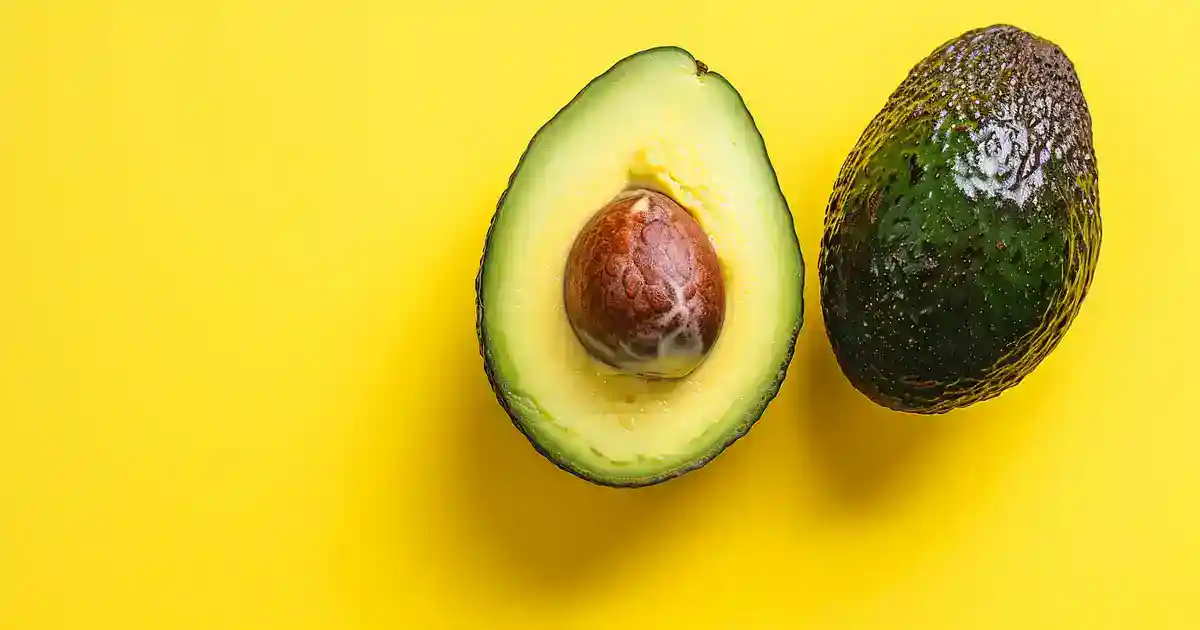
The avocado pit presents serious dangers that have nothing to do with toxicity. This works as a choking hazard or intestinal blockage risk, but you’ll need to recognize that even small to medium-sized dogs can choke on or swallow pits whole. The pit also contains the highest concentration of persin, making it doubly dangerous. Emergency surgery for intestinal obstruction costs thousands of dollars and puts your dog’s life at risk (game-changer, seriously).
High fat content creates the biggest practical concern for most dog owners. I always recommend focusing on this aspect because even though avocado flesh isn’t acutely toxic, the high fat can trigger pancreatitis—a painful, potentially life-threatening inflammation of the pancreas. Dogs with histories of pancreatitis, sensitive stomachs, or weight issues should absolutely avoid avocado regardless of persin concerns.
The skin and leaves contain concentrated persin and should never be accessible to your dog. Yes, these parts really are toxic to canines and here’s why you should ensure your dog can’t reach avocado plants if you grow them. Guatemalan avocado varieties contain higher persin levels than other types, though all varieties’ non-flesh parts should be kept away from pets.
Individual sensitivity varies wildly between dogs. Some dogs might eat a small amount of avocado flesh with zero issues, while others experience vomiting or diarrhea from even tiny amounts (took me forever to realize this). If you’re curious about understanding your dog’s unique dietary needs and sensitivities, check out my guide to creating balanced homemade dog meals for foundational techniques on assessing your individual dog’s nutritional requirements.
The Science and Psychology Behind Why This Works
Dive deeper into veterinary toxicology and you’ll discover that persin’s toxic mechanism involves disrupting cellular function in certain species, but dogs have developed relative resistance compared to animals like birds, where even small amounts prove fatal. Research from veterinary poison control centers demonstrates that avocado-related calls about dogs rarely involve persin poisoning—instead, they focus on gastrointestinal upset from high fat content and obstruction risks from pit ingestion.
What makes avocado safety different from a scientific perspective is that the primary danger isn’t the toxin most people worry about. Studies confirm that pancreatitis from fatty foods poses a far greater risk to most dogs than persin exposure from eating small amounts of avocado flesh. The psychological aspect here matters for pet owners: we tend to focus on dramatic toxicity warnings while overlooking the more mundane but actually dangerous risks like choking hazards and digestive issues.
I’ve learned through working with veterinary nutritionists that evidence-based pet care requires distinguishing between theoretical toxicity and practical risk. Yes, persin is a toxin, but the dose makes the poison. The amount of persin in a small piece of avocado flesh falls well below concerning levels for most dogs, while the fat content in that same piece absolutely can trigger serious health issues in susceptible dogs.
Here’s How to Actually Make This Happen
Start by accepting that avocados should never be a regular part of your dog’s diet, even if small amounts aren’t acutely dangerous. Here’s where I used to mess up—I thought “not toxic” meant “perfectly fine to feed regularly,” but the high calorie and fat content make avocados inappropriate as anything more than very occasional treats. This takes just a moment of restraint but creates lasting protection against pancreatitis and weight gain.
Evaluate your individual dog’s risk factors first. Now for the important part: you cannot make blanket decisions about avocado without considering your specific dog’s health status. Does your dog have a history of pancreatitis? Sensitive stomach? Weight issues? These conditions mean avocado should be completely off-limits, regardless of persin concerns. When it clicks, you’ll know exactly whether the minimal nutritional benefits justify any risk for your particular pet.
If you decide to offer avocado flesh, follow strict guidelines. Don’t be me—I used to think any amount was fine if the flesh was safe, but portion control matters enormously. My mentor taught me this trick: if offering avocado at all, limit it to a small slice (no more than one or two small cubes) for a medium-sized dog, adjusting proportionally for smaller or larger breeds. Remove all skin, and ensure no pit pieces are present.
Prepare avocado safely to minimize all risks. Here’s my secret: I completely mash any avocado flesh I might share to eliminate choking hazards and make it easier to mix with regular food in tiny amounts. Results can vary, but this preparation method reduces multiple risk factors simultaneously. Just like preparing any human food for dogs, you’re removing physical dangers while controlling portions.
Monitor your dog closely after any avocado exposure. This step takes vigilance for 24-48 hours but provides early warning of any adverse reactions. Until you feel completely confident your dog tolerates avocado, watch for vomiting, diarrhea, lethargy, abdominal pain, or changes in appetite. Every situation has its own variables based on amount consumed and individual sensitivity.
Secure avocados and plants away from curious dogs. Include proper storage in your dog-proofing strategy: keep whole avocados in closed containers or high shelves, dispose of pits immediately in secured trash, fence off avocado trees if you have them, and educate family members about the risks. This creates lasting prevention that’s far easier than treating emergencies.
Know when to contact your veterinarian immediately. Don’t worry if your dog snatches a tiny piece of flesh—observation is usually sufficient. However, if your dog consumes the pit, large amounts of flesh, any skin or leaves, or shows concerning symptoms, contact your vet or pet poison control right away. Time-sensitive response matters for obstruction risks and severe reactions.
Common Mistakes (And How I Made Them All)
My biggest mistake was assuming that because avocados are a superfood for humans, they must be healthy for dogs too. I spent weeks trying to incorporate “beneficial” foods into Max’s diet without understanding that dogs have completely different nutritional needs and tolerances. Don’t make my mistake of anthropomorphizing canine nutrition—what’s healthy for you isn’t automatically healthy or even safe for your dog.
The second epic failure was reading “dogs are resistant to persin” and interpreting that as “avocados are perfectly safe.” These statements aren’t equivalent because resistance doesn’t mean immunity, and persin isn’t the only concern anyway. Experts recommend understanding all risk factors including fat content, choking hazards, and individual sensitivities rather than focusing solely on toxicity questions.
I also made the mistake of leaving avocado pits accessible in the compost bin, not realizing how motivated dogs can be to investigate interesting smells. When prevention fails despite your best efforts, you probably need to examine all the ways your dog can access avocados—not just obvious sources like kitchen counters but also garbage cans, compost, and outdoor plants.
When Things Don’t Go as Planned
Feeling panicked because your dog just ate part of your avocado? You probably need to assess exactly what they consumed before deciding on next steps. That’s totally normal when dealing with food exposures, and it happens to even the most vigilant dog owners.
Dog ate avocado flesh only? I’ve learned to handle this by staying calm and monitoring for digestive upset over the next 24 hours. When this happens (and it will in multi-dog households or with determined food thieves), the amount matters enormously. A small piece likely causes no issues, while a large amount might trigger vomiting or diarrhea from the fat content. Provide access to fresh water and withhold food for a few hours if stomach upset occurs.
Dog swallowed the pit? This is totally an emergency requiring immediate veterinary attention. Don’t stress about overreacting—intestinal obstructions are life-threatening and time-sensitive. Call your vet right away describing the pit size and your dog’s size. They’ll likely recommend X-rays or monitoring at the clinic. Never try to induce vomiting with a pit because it could lodge in the esophagus.
Symptoms appearing after avocado exposure? If you’re seeing vomiting, diarrhea, lethargy, or abdominal pain, contact your veterinarian for guidance. I always prepare for this possibility by having my vet’s number and the ASPCA Poison Control number (888-426-4435) easily accessible. Pancreatitis symptoms include hunched posture, reluctance to eat, and abdominal tenderness—these require immediate veterinary care.
Dog has access to avocado trees or plants? Prevention is key here because the leaves and bark contain higher persin concentrations. Contact your vet if your dog has been eating plant material and shows any concerning symptoms. Management through fencing or restricting access prevents repeated exposures.
Advanced Strategies for Next-Level Results
Once you’ve mastered basic avocado safety, advanced practitioners often implement comprehensive household food safety protocols that protect against multiple human food hazards. The difference between reactive safety (responding after exposures) and proactive safety lies in creating systems that prevent access entirely.
Complete kitchen safety protocols elevate your prevention game beyond just avocados. Advanced techniques include teaching solid “leave it” and “drop it” commands that work with all foods, installing child-proof locks on cabinets containing human foods, creating designated dog-free zones during meal prep, and training all family members on consistent food safety rules. I’ve discovered through working with professional dog trainers that dogs with excellent impulse control rarely steal food because they’ve learned boundaries even when temptation exists.
Emergency response preparedness strategies reduce panic and improve outcomes when exposures occur. What separates beginners from experts is having written emergency protocols posted visibly: vet contact information, poison control numbers, list of truly dangerous foods versus mildly concerning ones, and decision trees for when to call versus monitor. When I want faster results during emergencies, I’ll have already discussed hypothetical scenarios with my vet so I know their specific recommendations for my individual dog.
Nutritional education beyond single foods works beautifully for making informed decisions about all human foods and dogs. This makes your approach more comprehensive but definitely worth the effort for dogs who live in households with varied human diets. Advanced dog owners understand macronutrients, toxic compounds, appropriate treat percentages, and how to evaluate new foods systematically rather than relying on internet forums for each individual food question.
Ways to Make This Your Own
Each approach works beautifully when adapted to your household’s avocado consumption, your dog’s food motivation level, and your risk tolerance. When I want zero-risk approaches, I’ll completely eliminate avocado access and choose alternative healthy treats with no controversy. For special situations like households that consume avocados daily, I’ll focus specifically on prevention systems and emergency preparedness while accepting that occasional tiny exposures might occur despite best efforts.
The Zero-Risk Approach includes complete avocado avoidance for dogs, choosing alternative healthy treats like blueberries or carrots, securing all avocados in closed containers or refrigerators, and educating household members never to share avocado with dogs. Sometimes I add dog-safe “superfood” alternatives that provide similar nutritional benefits without any risks, though that’s totally optional based on your dog’s dietary needs.
The Calculated-Risk Protocol makes decisions more nuanced by allowing very occasional, tiny amounts of plain avocado flesh for healthy dogs without predisposing conditions, while still securing pits and skins completely. My advanced version includes tracking any avocado consumption in a food diary alongside monitoring for any subtle digestive changes over time.
The High-Security Household System works for homes with determined food thieves or multiple pets. For next-level results, I love implementing motion-sensor alerts near food storage areas, training “place” commands that keep dogs in designated areas during meal prep, and creating physical barriers that eliminate all access opportunities. My busy-season version emphasizes quick-secure storage solutions for when life gets hectic.
The Emergency-Ready Owner Strategy focuses on preparation rather than prevention alone, accepting that accidents happen despite best efforts. This includes having hydrogen peroxide on hand for induced vomiting when recommended by vets (never for pit ingestion), maintaining updated emergency contact information, understanding your dog’s baseline behavior to recognize subtle changes, and having pet insurance or emergency funds for unexpected vet visits.
Why This Approach Actually Works
Unlike traditional advice that gives absolute yes/no answers without context, this approach leverages proven risk assessment principles that most people ignore. The science is clear: toxicity depends on dose, individual sensitivity, which part of the food, and overall health context. By evaluating all risk factors rather than focusing solely on persin content, you’re making comprehensive decisions that protect your dog from the actual dangers.
What makes this different is the emphasis on individualized risk assessment before implementing blanket rules. Evidence-based veterinary medicine recognizes that a small, healthy dog with no health issues faces different risks from avocado than a dog with chronic pancreatitis or one who swallowed a pit whole. A one-size-fits-all “avocados are toxic” warning might be simpler, but it doesn’t reflect the nuanced reality that veterinarians navigate when advising pet owners.
I’ve discovered through years of dog ownership and consulting with veterinary professionals that sustainable pet safety always balances reasonable precaution with realistic risk assessment. This creates lasting peace of mind because you understand the actual dangers rather than living in constant fear of every human food. You’re making informed decisions based on your specific dog and situation rather than relying on oversimplified internet warnings.
Real Success Stories (And What They Teach Us)
One client’s Labrador Retriever knocked over a bowl containing half an avocado, eating everything including the pit before anyone noticed. The owner immediately contacted their veterinarian, who recommended X-rays. The pit was visible on imaging, and the vet induced vomiting successfully before the pit could cause obstruction. The dog recovered completely with no complications. This demonstrates why immediate veterinary contact for pit ingestion saves lives—hesitation could have resulted in emergency surgery or worse.
Another dog owner regularly gave her small Yorkie tiny amounts of mashed avocado mixed into meals, not realizing the cumulative fat intake was contributing to weight gain and putting stress on the dog’s pancreas. After a pancreatitis episode, the vet identified the avocado as a contributing factor. Eliminating it from the diet and implementing a low-fat feeding plan resolved the issues. Their success aligns with research on canine pancreatitis that shows high-fat treats significantly increase risk, even when those treats aren’t acutely toxic.
A Beagle mix snatched a slice of avocado toast off a plate, consuming a small amount of flesh with no adverse effects whatsoever. The owner monitored carefully for 24 hours, and the dog showed no symptoms. This represents the most common scenario—small flesh exposures rarely cause problems in otherwise healthy dogs, though that doesn’t mean avocado should become a regular treat.
The lesson across these diverse examples? Different outcomes resulted from different exposures and response strategies. Success came from understanding which situations required immediate veterinary intervention versus monitoring, and recognizing that even “safe” amounts of avocado flesh can cause problems when given regularly or to susceptible dogs.
Tools and Resources That Actually Help
Veterinary guidance from your regular veterinarian or emergency vet clinic provides invaluable expertise for your specific dog and situation. I personally keep both my regular vet and the nearest 24-hour emergency clinic numbers saved in my phone because emergencies don’t happen during convenient business hours.
ASPCA Animal Poison Control Center (888-426-4435) offers 24/7 consultation for pet poisoning emergencies. Be honest about the consultation fee ($95 as of 2025)—it’s money well-spent for expert advice during concerning exposures. They can assess your specific situation and advise whether veterinary examination is necessary.
Pet First Aid apps and resources from organizations like the American Red Cross provide decision trees for common emergencies. I always recommend downloading a reputable app before you need it so you’re not frantically searching during a crisis. The limitations are clear—these provide general guidance but never replace professional veterinary advice for serious situations.
Food safety resources including the Pet Poison Helpline website (https://www.petpoisonhelpline.com/) offer comprehensive lists of toxic and safe foods with specific risk information. The best resources come from veterinary toxicology experts rather than general pet blogs that may perpetuate myths or oversimplify complex topics.
Kitchen safety tools like locking cabinet latches, high-security trash cans, and baby gates help prevent access to all human foods including avocados. These physical barriers provide reliable prevention that doesn’t depend on perfect vigilance or your dog’s self-control.
Questions People Always Ask Me
Can dogs eat avocado flesh safely?
Most dogs can tolerate small amounts of ripe avocado flesh without acute toxicity, but that doesn’t make it an appropriate regular treat. I usually recommend avoiding avocado entirely because the high fat content risks pancreatitis, the benefits don’t outweigh the risks, and there are many safer treat alternatives available. Absolutely focus on whether your individual dog has health conditions that increase risk rather than assuming small amounts are fine for all dogs.
What should I do if my dog ate an avocado pit?
Contact your veterinarian or emergency clinic immediately—this is not a wait-and-see situation. The pit poses serious choking and intestinal obstruction risks that require professional evaluation. The most important thing to focus on first is getting your dog to veterinary care for X-rays and assessment. Do not attempt to induce vomiting without veterinary instruction because the pit could lodge in the esophagus.
Are some avocado varieties more toxic to dogs than others?
Guatemalan avocado varieties contain higher persin concentrations than Mexican or West Indian varieties, though all avocado pits, skins, and leaves should be kept away from dogs regardless of type. The flesh from all varieties contains relatively low persin amounts that most dogs tolerate, but the fat content is consistently high across all types, making this the primary concern.
How much avocado is toxic to dogs?
There’s no established toxic dose of avocado flesh for dogs because they’re relatively resistant to persin, and most reactions result from fat content rather than toxin levels. Most dogs would need to consume large quantities of flesh to experience persin toxicity, but even small amounts can trigger pancreatitis in susceptible dogs. How much is safe depends entirely on your individual dog’s size, health status, and fat tolerance rather than a universal threshold.
Can I give my dog guacamole?
Absolutely not—guacamole typically contains onions, garlic, and salt, all of which are toxic or harmful to dogs even though the avocado itself might be tolerated in small amounts. The most important thing to understand is that seasoned or mixed foods pose additional risks beyond the avocado itself. Plain avocado flesh is questionable enough; seasoned preparations should always be avoided completely.
What are the symptoms of avocado poisoning in dogs?
Watch for vomiting, diarrhea, lethargy, abdominal pain or distension, difficulty breathing (rare but serious), and lack of appetite. Results can appear within a few hours or take up to 24 hours to develop. Most dogs experiencing reactions show gastrointestinal upset from fat content rather than true persin poisoning, but any concerning symptoms warrant veterinary evaluation.
Is avocado oil safe for dogs?
Avocado oil contains minimal persin since it’s extracted from the flesh, but it’s still very high in fat and calories. Don’t make the mistake of thinking oil is safer than whole avocado—it’s actually more concentrated in fat, making pancreatitis risk even higher. Small amounts occasionally probably won’t cause issues, but there’s no compelling reason to add avocado oil to your dog’s diet when safer omega-3 sources exist.
Are avocados healthy for dogs like they are for humans?
Dogs and humans have vastly different nutritional needs, and what’s a superfood for humans isn’t necessarily beneficial for dogs. How do I stay motivated when evaluating human foods for dogs? By remembering that dogs require meat-based proteins as carnivores and don’t need the same variety of plant foods humans benefit from. The minimal nutrients in avocado don’t justify the pancreatitis risk when those same nutrients are available in dog-safe foods.
What should I do if my dog shows symptoms after eating avocado?
Contact your veterinarian immediately to describe symptoms, amount consumed, and timing. You probably need professional guidance to determine whether immediate examination is necessary or monitoring at home is sufficient. Don’t stress about seeming overprotective—vets prefer you call with concerns rather than wait until symptoms become severe.
Can puppies eat avocado?
Puppies should absolutely avoid avocado since their digestive systems are more sensitive and developing, making them more susceptible to both toxicity and gastrointestinal upset. Most experts recommend sticking to puppy-specific foods and veterinarian-approved treats during this critical growth phase rather than experimenting with questionable human foods.
Are there any dogs that should never have avocado?
Dogs with histories of pancreatitis, sensitive stomachs, overweight or obese dogs, dogs with liver or kidney disease, and puppies should completely avoid avocado. If you’re managing any chronic health condition in your dog, discuss all treats and human foods with your veterinarian before offering them, as individual health status matters more than general guidelines.
What are safe alternatives to avocados for dogs?
For healthy fats, consider small amounts of plain cooked salmon, or veterinarian-approved fish oil supplements. For nutrient-rich treats, try blueberries, carrots, green beans, or small pieces of apple (without seeds). These provide nutritional benefits without the controversy or risks associated with avocados, making them smarter choices for treating your dog.
Before You Get Started
Ready to make informed decisions about avocados and your dog? Start with a simple rule: when in doubt, leave it out—the minimal benefits don’t justify the potential risks for most dogs. I couldn’t resist sharing this because it proves that being a responsible dog owner sometimes means choosing boring-but-safe over trendy-but-questionable superfoods. The best approach to feeding human foods happens when you prioritize your dog’s specific health needs over internet trends or assumptions that human-healthy equals dog-healthy. Remember, countless safe, healthy treat options exist that carry no controversy or risk, making avocado completely unnecessary in your dog’s diet regardless of whether small amounts might be technically “safe.”




