
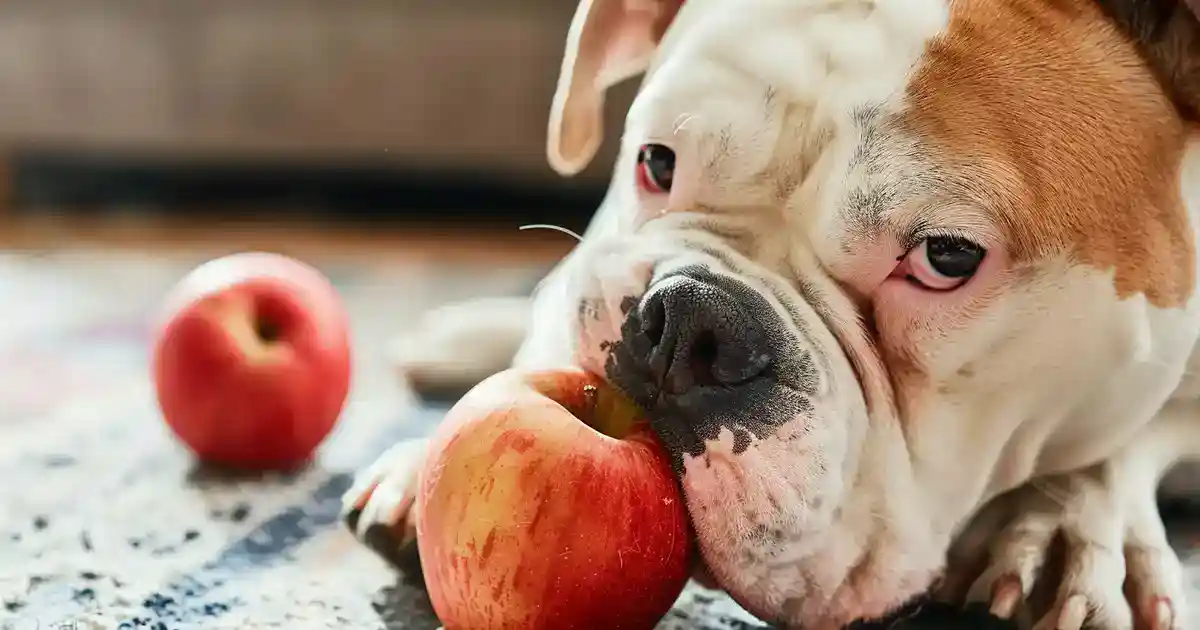
Have you ever reached for an apple as an afternoon snack, looked down at your dog watching every single bite with that particular expression of devoted hopefulness, and genuinely wondered whether sharing a slice was a kind gesture or a mistake you’d regret? I used to hesitate every single time, caught between the instinct that fruit seemed like a healthy, natural thing to share and the nagging uncertainty about whether apples specifically fell into the safe category or the surprisingly dangerous one that grapes and raisins occupy. It wasn’t until I actually sat down and researched the complete picture — the benefits, the risks, the parts that matter, and the parts that don’t — that I stopped hesitating and started making confident, informed decisions about apples and my dog. The answer to whether apples are bad for dogs turns out to be one of the most genuinely satisfying in all of canine nutrition — a story of real benefits, manageable caveats, and the particular pleasure of discovering that something you already have in your kitchen is actually good for your dog when handled correctly. If you’ve been uncertain, over-cautious, or simply curious about apples and dogs, this guide is going to give you everything you need to know with complete clarity and zero remaining ambiguity.
Here’s the Thing About Apples and Dogs
Here’s the thing that makes apples one of the most recommended fruits in canine nutrition — they sit firmly in the beneficial category rather than the neutral or harmful one, delivering a meaningful package of vitamins, fiber, and antioxidant compounds at a caloric cost so low that they work equally well as a health supplement and a weight-conscious treat. The secret to understanding apples correctly as a dog food is recognizing that the fruit itself and the core and seeds are genuinely different things with genuinely different safety profiles, and that the question “are apples bad for dogs” really requires two separate answers depending on which part of the apple you’re asking about. What makes this work as a practical feeding recommendation is the simplicity of the safety protocol once you understand it — remove the core and seeds, offer the flesh in appropriate portions, and you have one of the most straightforwardly beneficial fruits available for dogs. I never knew that apples contained a combination of malic acid, quercetin, and pectin that together deliver dental, immune, and digestive benefits specifically relevant to canine health until I read the nutritional literature, and those specific compounds transformed my understanding of apple slices from “probably fine treat” to “genuinely functional food.” It’s honestly more nutritionally interesting than the casual fruit snack reputation of apples suggests. According to research on apple phytochemistry, the fruit contains over a thousand identified phytochemical compounds including polyphenols, flavonoids, and organic acids that interact with biological systems in ways that support immune function, digestive health, and cellular protection across a range of species.
What You Need to Know — Let’s Break It Down
Understanding the complete safety and nutrition picture of apples for dogs requires separating the apple into its distinct components and understanding each one independently, because the answer is genuinely different for the flesh, the skin, the core, and the seeds — and conflating them is the source of most of the confusion and inconsistent advice that circulates about apples and dogs. Don’t skip this breakdown — the distinction between the safe parts and the genuinely concerning parts is the entire practical foundation of feeding apples to dogs correctly. The framework breaks down into four distinct components that every dog owner should understand clearly. The first component is the apple flesh, which is the straightforwardly safe and beneficial part — low in calories, high in fiber, containing meaningful amounts of vitamins A and C, and delivering the polyphenol and flavonoid compounds that provide the most significant health benefits. I finally figured out after reading through the nutritional literature that the flesh is where essentially all the benefit lives and where essentially none of the risk lives, making it the component to maximize in any apple-feeding protocol (game-changer for simplifying the whole decision, seriously). The second component is the apple skin, which is similarly safe for most dogs and actually contains higher concentrations of the beneficial quercetin and other polyphenol compounds than the flesh — though dogs with sensitive stomachs may find the skin harder to digest and benefit from peeled apple slices. The third component is the apple core, which represents a mechanical rather than chemical hazard — the tough, dense fibrous core is difficult for dogs to chew properly and poses a genuine choking and digestive obstruction risk, particularly for small and medium breeds, making it a component to always remove before offering apple to your dog. The fourth component is the seeds, which contain amygdalin, a cyanogenic glycoside compound that releases hydrogen cyanide when metabolized — the genuinely concerning part of the apple safety story that every dog owner needs to understand clearly. If you’re building a broader approach to incorporating safe fruits into your dog’s diet alongside apples, check out my complete guide to safe fruits for dogs for a comprehensive framework that puts apples in context alongside the full range of dog-friendly produce. Working in knowledge about are apples bad for dogs alongside a broader understanding of canine fruit safety creates the informed, confident approach to sharing produce with your dog that eliminates guesswork entirely.
The Science and Psychology Behind Why This Works
The nutritional case for apples as a dog treat is built on several specific bioactive compounds that interact with canine biological systems in ways that have been documented in veterinary and nutritional research. Quercetin, a flavonoid present in high concentrations in apple skin and flesh, has demonstrated anti-inflammatory and antihistamine properties in research contexts that make it particularly relevant for dogs managing allergies or inflammatory conditions — it has been called “nature’s Benadryl” in some holistic veterinary literature, though this characterization requires some qualification since the bioavailability and dosing dynamics are more complex than that comparison implies. Pectin, the soluble fiber abundant in apple flesh, functions as a prebiotic that feeds beneficial gut bacteria populations in ways that support immune function and digestive regularity through mechanisms similar to those documented in human microbiome research. Malic acid, the organic acid that gives apples their characteristic tartness, has been associated with dental health benefits through its action on the tooth surface, which aligns with the folk wisdom that apple slices function as a natural breath freshener for dogs. The cyanide concern from apple seeds deserves scientific precision rather than either dismissal or alarm — amygdalin in apple seeds does release hydrogen cyanide when metabolized, but a dog would need to consume a very large number of crushed or chewed seeds to reach a clinically significant toxic dose, meaning the occasional accidentally swallowed whole seed is unlikely to cause harm while making it a regular part of the apple offering is genuinely inadvisable. Research from leading veterinary nutrition programs consistently positions apples as one of the most evidence-supported fruit additions to canine diets, combining a favorable safety profile with meaningful nutritional contributions that complement commercial food formulations well.
Here’s How to Actually Make This Happen
Start by establishing a simple apple preparation routine that becomes automatic before the first slice ever reaches your dog’s bowl — the prep steps are minimal enough that they add perhaps forty-five seconds to the process, but they transform a potentially risky casual sharing moment into a consistently safe and beneficial experience. Here’s where I used to mess up most consistently: I would slice an apple for myself, hand my dog whatever piece came off the knife first without thinking about whether it included seed-adjacent flesh or core material, and operate on the assumption that because apples were generally safe the details didn’t matter. The details matter, and once you have the routine down you’ll never think about it again. Now for the important part — here is the complete practical preparation and serving framework. Begin by washing the apple thoroughly, which removes surface residues regardless of whether it’s organic or conventional. Slice the apple and cut around the core completely, removing the entire core section including the seed chambers rather than just the visible seeds — this approach is faster and more reliable than trying to pick out individual seeds from core-adjacent flesh. For medium and large breed dogs, apple slices of an inch or two in length are appropriate and can be offered as standalone treats or mixed into food. Here’s my secret for small breeds and older dogs with dental sensitivities: dice the apple into small cubes after removing core and seeds, which eliminates any choking concern entirely and makes apple suitable as a food bowl topper or training treat in addition to a standalone snack. The skin can remain for most dogs — it’s where the highest polyphenol concentration lives and removing it reduces the nutritional value of the apple without providing meaningful safety benefit for dogs without known digestive sensitivity. Serve apple at room temperature rather than cold from the refrigerator, which enhances the natural apple aroma and makes it more immediately appealing to your dog’s smell-dominant food evaluation system. Don’t be me from my early dog ownership days — I used to offer apple slices straight from the refrigerator and then conclude my dog wasn’t interested in fruit, not realizing the temperature suppression of aroma was the entire barrier to acceptance.
Common Mistakes (And How I Made Them All)
My most consequential mistake was the casual core-and-seed approach I described above — assuming that because the flesh is safe, the whole apple in an informal sharing context was fine, and not understanding that the seed concern was specific enough to warrant a consistent preparation protocol rather than occasional attention. Beyond the seed issue, I’ve made the mistake of offering apple in portions far larger than the ten percent treat guideline supports, particularly with smaller dogs where a full apple slice represents a much more significant caloric and sugar contribution than it would for a large breed. Another mistake I see constantly among well-meaning dog owners is offering applesauce as an apple substitute without reading the label — most commercial applesauce contains added sugar, and some contain xylitol, which is acutely toxic to dogs in even small amounts. The xylitol risk in apple products is genuinely serious enough that I now consider it a separate category of caution entirely — never offer any apple product, juice, or derivative to your dog without verifying that xylitol is absent from the ingredient list. I’ve also made the mistake of not accounting for the natural sugar content of apples when managing a dog with diabetes or weight concerns — the fructose in apples is a real consideration for dogs with blood sugar regulation issues, and while it is not a concern for healthy dogs in normal portions, it is relevant enough in specific health contexts to warrant veterinary guidance before apples become a regular treat.
When Things Don’t Go as Planned
Feeling concerned because your dog ate an apple slice that may have included a seed or two before you could intervene? Take a breath — a small number of whole, unchewed seeds passing through is very unlikely to cause harm because the amygdalin in apple seeds requires being crushed or chewed to release cyanide, and intact seeds often pass through the digestive system without significant metabolic processing. The scenario that warrants more concern is a small dog who has chewed and consumed a significant number of seeds — more than five to ten — in which case a call to your vet or the ASPCA Animal Poison Control Center for guidance is appropriate. I’ve learned to handle the uncertainty of accidental seed ingestion by applying the same practical calculus that veterinary toxicologists use: the number of seeds, the size of the dog, and whether the seeds were chewed or swallowed whole are the three variables that determine whether the situation requires professional consultation or careful monitoring at home. When a dog shows digestive upset after eating apple — loose stool, gas, or mild vomiting — the most likely explanation is portion size rather than any toxic concern, and reducing the serving size at the next offering usually resolves the issue entirely.
Advanced Strategies for Next-Level Results
Once you’ve established the basic apple preparation and serving routine, you can move into more sophisticated applications that leverage the specific nutritional properties of apples for targeted health benefits. Advanced practitioners in the functional canine nutrition community use apple strategically as a prebiotic fiber source during periods of digestive recovery, taking advantage of the pectin content to support gut microbiome restoration alongside a bland diet protocol in a way that provides functional benefit beyond the bland diet’s staples of rice and chicken alone. The quercetin content of apple skin has attracted specific interest in holistic veterinary circles as a natural anti-inflammatory and antiallergenic compound for dogs managing seasonal allergies — offering apple as a regular treat during high-allergy seasons provides a consistent dietary source of this compound in a form that is significantly more bioavailable than many supplement products. Dehydrated apple slices — prepared at home without any added sugar or sulfites using a food dehydrator or a low-temperature oven — make shelf-stable, lightweight treats that travel well and maintain a concentrated version of the apple’s nutritional profile, useful for training sessions or outdoor activities where fresh produce is inconvenient. The combination of apple with plain low-fat yogurt or a small amount of almond butter — verified to contain no xylitol — creates a nutrient-dense treat combination that pairs apple’s prebiotic fiber with probiotic cultures or healthy fats in ways that enhance both palatability and nutritional synergy.
Ways to Make This Your Own
When I want the fastest, most reliable apple treat preparation for my dog’s daily routine, my go-to approach is what I call the “Sunday Apple Prep” — I core and slice an entire apple at the beginning of the week, store the slices in an airtight container in the refrigerator, and bring individual slices to room temperature for thirty seconds before offering them, which makes daily apple treats a genuinely zero-effort addition to the routine once the weekly prep is done. For the busy professional pet parent, pre-sliced apple from the produce section — verified to contain no preservatives or added sugar — eliminates even the weekly prep step, though the cost per serving is higher than whole apple preparation. My budget-conscious version takes advantage of apple’s status as one of the least expensive fresh fruits available year-round, with the added benefit that apple variety rotation — cycling through gala, fuji, honeycrisp, and green apple varieties on a weekly basis — provides both nutritional variety in terms of slightly different polyphenol profiles and the novelty stimulus that maintains a dog’s enthusiasm for a regularly offered treat over time. For senior dogs whose dental health may make the crunch of raw apple uncomfortable, my “Senior Apple Protocol” uses lightly steamed apple pieces that soften to a texture appropriate for sensitive teeth while retaining the majority of the fiber and polyphenol content. My advanced version incorporates frozen apple pieces as a summer cooling treat and combines dehydrated apple slices with other dog-safe dehydrated fruits and vegetables into a homemade trail mix for outdoor adventures. Each variation works beautifully with different lifestyle needs and different dogs, and the extraordinary accessibility and affordability of apples makes this one of the easiest beneficial additions to any dog’s treat rotation regardless of budget or schedule.
Why This Approach Actually Works
Unlike the vague uncertainty that leads most dog owners to either avoid apples entirely out of overcaution or share them carelessly without understanding the preparation requirements, this evidence-based framework for answering are apples bad for dogs gives you the precise, calibrated knowledge to make confident decisions that deliver real nutritional benefit without any of the manageable risks that careless apple feeding involves. The reason this approach produces better outcomes than both blanket avoidance and uninformed casual sharing is that it is built on understanding the actual biology of what apple provides and what its concerning components do, which allows you to maximize the benefit while eliminating the risk through simple, consistent preparation steps. What sets this apart from simple yes-or-no fruit safety lists is the mechanistic understanding of why certain parts of the apple are beneficial, why certain parts are concerning, and how the specific preparation protocol connects those two realities into a coherent practice. I remember the exact moment this stopped being an uncertain topic for me — it was when I understood that the apple flesh and the apple seeds were genuinely different things with genuinely different profiles, and that the preparation protocol was not an arbitrary rule but a logical response to a specific and well-understood chemistry, and that reframe made the whole approach feel completely natural rather than burdensome.
Real Success Stories (And What They Teach Us)
A friend of mine had a labrador with persistently bad breath that her vet had attributed to a combination of dental calculus buildup and the microbiome composition of his gut — not a medical emergency, but a quality-of-life issue that was affecting how much she enjoyed close contact with her dog. After adding daily apple slices to his treat rotation, specifically targeting the malic acid and fiber components for their dental and digestive benefits, she reported a noticeable improvement in breath quality within three weeks that her vet independently confirmed at a follow-up visit. The apple addition was one component of a broader dental health strategy, but it was the easiest and most consistently maintained component and the one her dog was most enthusiastic about. Another member of my online community shared that her dog had been managing seasonal allergies with antihistamine medication for two years before her holistic vet suggested adding quercetin-rich foods including apple skin to the daily diet as a complementary anti-inflammatory strategy — the combination of the dietary quercetin and a reduced antihistamine dose produced equivalent symptom control with less medication burden over the following allergy season. Their success aligns with research on dietary polyphenols and inflammatory pathways in companion animals showing that consistent dietary quercetin sources produce measurable effects on inflammatory markers over time. The lesson in both stories is the same — apples are not just a safe treat but a genuinely functional food that produces real, observable health benefits when incorporated consistently and correctly.
Tools and Resources That Actually Help
The most practically useful tool I have added to my apple-for-dogs routine is a dedicated apple corer that removes the entire core section including seed chambers in a single motion, making the preparation process fast enough to never feel like an obstacle to consistency. A small airtight container designated for pre-sliced dog apple portions in the refrigerator removes the daily decision-making friction that often prevents treat preparation habits from sticking over time. For deeper reading on the specific phytochemical compounds in apples and the research documenting their effects on inflammatory, immune, and digestive health parameters in companion animals, the best resources come from peer-reviewed veterinary nutrition research on polyphenol bioavailability and health effects in dogs. The ASPCA toxic food database is worth consulting for any new fruit or food you’re considering adding to your dog’s diet — it provides species-specific toxicity information that is more reliable than general internet searching for this purpose. And a veterinarian who is engaged with the current nutritional science literature — or a board-certified veterinary nutritionist for dogs with specific health conditions — is the most valuable resource for dog owners who want to apply the principles of evidence-based fruit feeding to a dog whose individual health context requires more personalized guidance than general recommendations can provide.
Questions People Always Ask Me
Are apples bad for dogs or are they actually safe? Apples are genuinely safe and beneficial for dogs when prepared correctly — specifically with the core and seeds removed. The flesh and skin of the apple are not only safe but actively beneficial, delivering fiber, vitamins, and polyphenol compounds that support digestive, immune, and dental health. The concern around apples is specific to the seeds, which contain amygdalin that releases cyanide when metabolized, and the core, which poses a mechanical choking and obstruction risk. Remove those two components and apples become one of the most straightforwardly recommended fruits in canine nutrition.
How many apple seeds would it take to actually harm a dog? The toxicological threshold for apple seed cyanide toxicity in dogs depends on the dog’s body weight and whether the seeds were chewed rather than swallowed whole. A few accidentally swallowed whole seeds are extremely unlikely to cause harm in any size dog. The meaningful concern begins with regular consumption of seeds or consumption of a significant number of chewed seeds by a small dog. The practical recommendation is simply to remove the core and seeds consistently rather than trying to calculate safe seed quantities, because the preparation step is simple enough to make the calculation unnecessary.
Can dogs eat apple skin or should it be removed? Apple skin is safe for most dogs and actually contains higher concentrations of the beneficial quercetin and polyphenol compounds than the flesh alone, making peeled apple a less nutritionally complete offering than unpeeled apple. The only dogs for whom skin removal is advisable are those with known digestive sensitivity to high-fiber foods, as the skin adds a meaningful fiber load that sensitive digestive systems occasionally struggle with. For healthy adult dogs with no known digestive issues, leaving the skin on maximizes the nutritional benefit of every apple serving.
Is applesauce safe to give dogs? Plain, unsweetened applesauce with no additives is safe for dogs in small amounts and can be useful as a food topper or medication disguiser. Commercial applesauce products, however, very frequently contain added sugar that makes them an inappropriate regular offering, and some products contain xylitol — which is acutely toxic to dogs even in small amounts — making label reading non-negotiable before offering any commercial applesauce product to your dog. The safest approach is either making your own unsweetened applesauce from peeled, cored apple or using only products you have verified contain no added sweeteners of any kind.
What is the right amount of apple to give a dog? The standard treat guideline — all treats and food additions should not exceed ten percent of daily caloric intake — applies to apple as to other foods. In practical terms, this means one to two apple slices for small dogs, two to three slices for medium dogs, and up to half an apple for large breeds as a reasonable serving. The natural sugar content of apple means that generous portions every day are less ideal than moderate portions in regular rotation, and dogs managing diabetes or weight issues should have apple portions discussed with their veterinarian before establishing a regular serving size.
Why does my dog seem uninterested in apple when other dogs love it? Individual taste preferences in dogs vary significantly, and some dogs simply have less interest in sweet fruit flavors than others. Before concluding that your dog doesn’t like apples, try offering a small piece at room temperature rather than cold from the refrigerator — the temperature difference dramatically affects aroma intensity and can be the entire explanation for apparent disinterest. Also try offering apple alongside a food your dog already finds highly motivating, which can create a positive association that increases interest in the apple itself over several exposures.
Can puppies eat apples? Yes, with the same preparation requirements — core and seeds removed, age-appropriate portion sizes, and pieces cut small enough to prevent choking given the puppy’s smaller mouth and less developed chewing coordination. Introduce apple gradually as with any new food, starting with a very small piece and monitoring for digestive tolerance before establishing apple as a regular treat. Puppies’ digestive systems are still developing and respond more dramatically to new foods than adult dogs, making gradual introduction more important at this life stage.
Are green apples or red apples better for dogs? Both are safe and beneficial, and the nutritional differences between varieties are modest rather than dramatic. Green apples like granny smiths tend to be slightly lower in sugar and higher in certain organic acids than red varieties, which can make them marginally preferable for dogs managing blood sugar or weight concerns. Red apples tend to have higher concentrations of certain anthocyanin pigments in their skin that provide additional antioxidant benefit. For most healthy dogs, the practical answer is that whichever apple you already have in your kitchen is the right choice, and rotating through varieties provides nutritional variety at no meaningful cost or effort.
Can dogs eat dried apples? Plain dehydrated apple slices with no added sugar, sulfites, or other additives are safe for dogs in small amounts, though the dehydration process concentrates both the natural sugars and the fiber content, meaning an appropriate portion of dried apple is much smaller than the equivalent fresh apple serving. Commercial dried apple products are frequently sweetened or treated with preservatives that make them inappropriate for dogs, so homemade dehydration at low temperature is the most reliably safe preparation method. Never offer dried apple products that contain xylitol under any circumstances.
What’s the difference between apple toxicity concerns and grape toxicity concerns for dogs? Grapes and raisins are acutely and seriously toxic to dogs through a mechanism that causes kidney failure even in small doses and for which no safe minimum has been established — they belong in the never-feed category without qualification. Apples, by contrast, are safe in the flesh with a specific seed concern that is manageable through simple preparation. The comparison is worth making explicitly because many dog owners, having learned about grape toxicity, apply an excess of caution to all fruits that is appropriate for grapes but not for the majority of other fruits including apples.
How do I introduce apple to a dog who has never eaten fruit before? Start with a single small piece — roughly the size of a grape for a medium dog — offered at room temperature as a standalone treat rather than mixed into food. Allow your dog to sniff it thoroughly before offering it directly from your hand, which uses the social bonding context of hand-feeding to enhance acceptance. If the first piece is accepted, offer one or two more pieces over the following days before considering apple a successfully introduced food. If rejected initially, try a different preparation — lightly warmed, mixed into a small amount of plain yogurt, or offered after exercise when food motivation is typically higher.
Before You Get Started
I couldn’t resist putting this guide together because it proves that one of the most common, affordable, and readily available fruits in any kitchen turns out to be one of the genuinely best things you can share with your dog — as long as you understand the two-minute preparation protocol that transforms a potentially risky casual snack into a consistently safe and nutritionally meaningful treat. The best are apples bad for dogs journeys end not with continued uncertainty but with a corer in your kitchen drawer, a container of pre-sliced apple in your refrigerator, and the confidence that comes from understanding exactly what you’re offering and why it’s good. Your dog’s next great treat might be sitting in your fruit bowl right now — just remove the core and seeds first.




