
Here’s My Story With This Recipe
Let me tell you about homemade dog jerky—I used to spend a fortune on expensive store-bought jerky treats until I realized I could make something way better and safer with just one simple ingredient. My German Shepherd mix went absolutely bonkers the first time I made these steak strips, and now he follows me around the kitchen every time I pull out the cutting board. The best part? I know exactly what’s going into his mouth—no weird preservatives, artificial flavors, or questionable additives that I can’t even pronounce. These homemade steak jerky treats have become our special bonding ritual, and my vet actually complimented me on how shiny his coat has become.
What Makes This So Tail-Wagging Good
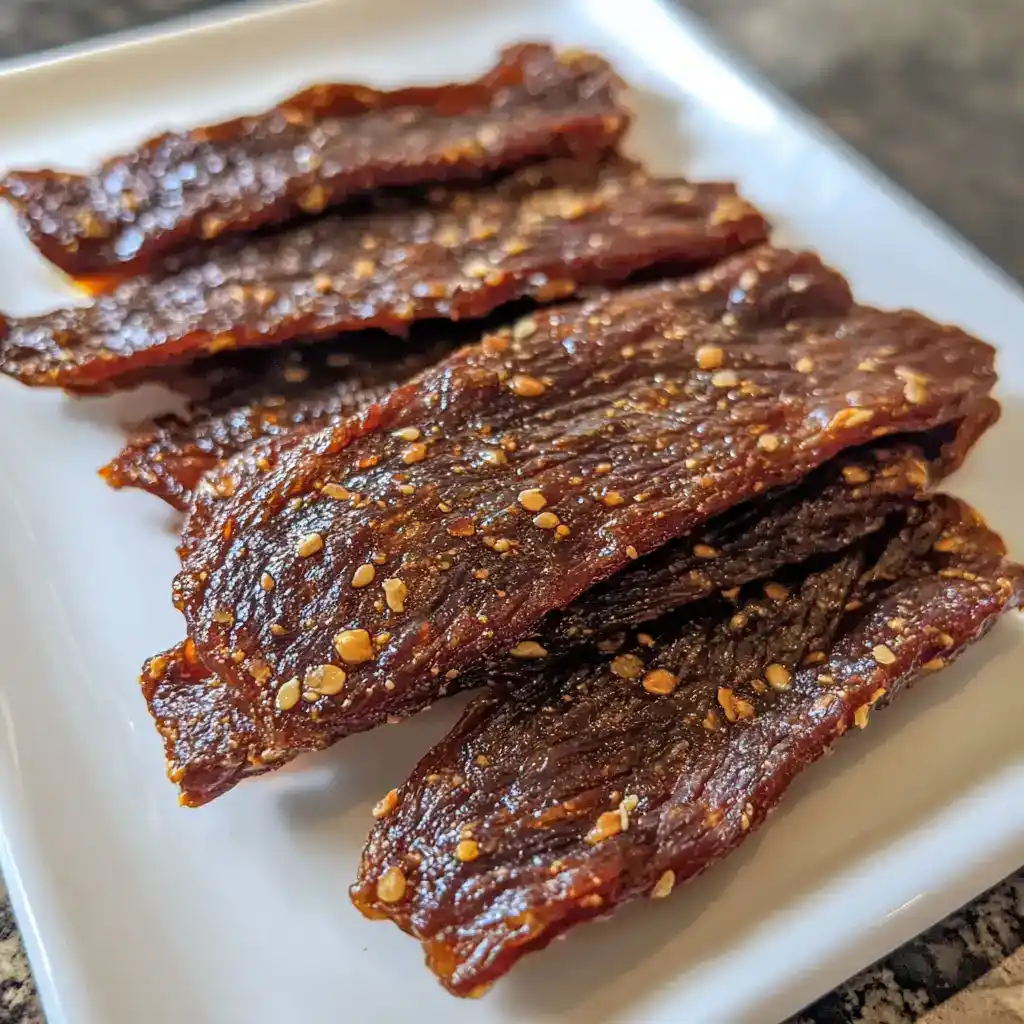
Here’s the magic behind these steak jerky strips—pure, simple beef that’s slowly dried to create the perfect chewy texture dogs absolutely crave. The secret to driving dogs wild is letting the natural beef flavors concentrate during the slow cooking process, creating an intensely savory treat that’s like crack for canines. I never knew homemade jerky could be this simple until I discovered that you don’t need any marinades or seasonings—just good quality beef and patience. It’s honestly safer than most commercial jerky treats because you control every aspect of the preparation, and way more cost-effective when you buy beef on sale.
What You’ll Need (And My Dog-Safe Shopping Tips)
Good lean beef steak is absolutely crucial for this recipe—I always grab eye of round or bottom round when it’s on sale because it’s lean enough to dry properly without being too fatty. Don’t skip the quality check; you want fresh, bright red meat without any gray spots or off odors (learned this after one batch that my dog rejected completely). The key is choosing cuts that are naturally lean since fat doesn’t dehydrate well and can go rancid.
I finally found a butcher who’ll slice the steak for me at the perfect thickness after three attempts at doing it myself with varying degrees of success. If you’re slicing at home, partially freezing the steak for about 30 minutes makes it so much easier to get consistent strips. Yes, plain beef with no seasonings is completely safe for dogs and actually provides the cleanest protein possible.
I always grab extra steak when it’s marked down because these jerky strips store beautifully and my neighbor’s Lab mix somehow knows when I’m making a batch. For more information about safe meat preparation for dogs, check out the American Kennel Club’s guide to feeding dogs meat.
Let’s Make This Pup-Perfect Treat Together
Start by slicing your beef steak into strips about 1/4 inch thick—here’s where I used to mess up jerky making by cutting them too thick and ending up with chewy leather instead of proper jerky. Your dog will probably start getting excited just from the smell of raw beef, so maybe close the kitchen door if you want to work without constant supervision.
Now for the important part (your dog will start drooling from the oven warming up)—preheat your oven to the lowest setting possible, ideally around 170°F. Line your baking sheets with parchment paper because these strips will stick without it, and I speak from frustrating experience on this one.
Here’s my secret for perfect dog jerky: arrange the beef strips in a single layer with space between each piece. Overcrowding leads to uneven drying, and some pieces will be perfect while others are still too moist. The strips should not touch each other at all.
Place them in the oven and prepare for the longest, most aromatic 4-6 hours of your life. The jerky is done when it bends without breaking but feels dry to the touch. My vet taught me this trick—properly dried jerky should crack slightly when bent but not snap in half completely.
Make sure they’re completely cool before giving them to your pup—hot jerky can burn their mouths, and patience here is crucial for safety. For more protein-packed homemade dog treat ideas, try our chicken liver training treats recipe.
When Things Go Sideways (And They Will)
Jerky came out too tough and chewy? You probably dried it too long or at too high a temperature—that’s common when you’re learning the timing, and it happens to everyone. I’ve learned that it’s better to check every hour after the 4-hour mark rather than just setting a timer and hoping for the best. When this happens (and it will), just note the timing for next batch.
Strips still seem too moist after hours of drying? This usually means your oven temperature was too low or the strips were cut too thick. Don’t panic, just continue drying until they reach the right texture. I always double-check by testing one piece completely cooled before deciding the whole batch is done.
If your dog seems uninterested in the finished jerky, it might be because the strips are too hard—some dogs prefer softer textures, and that’s totally normal. You can slightly under-dry the next batch for a chewier consistency.
Ways to Mix It Up
When my senior dog needs easier-to-chew treats, I’ll dry the strips for slightly less time to keep them more tender (perfect for older teeth). For special training sessions, I love cutting the strips into smaller, bite-sized pieces before drying—they’re perfect for high-value rewards.
Sometimes I use different cuts of lean beef like sirloin tip when it’s on sale, though that changes the texture slightly. My bulk-prep version involves making double batches when beef goes on clearance and freezing portions for later. The puppy version gets cut into tiny training-treat sizes that are perfect for little mouths and short attention spans.
What Makes This Recipe Special
These homemade steak jerky strips work so well because they provide pure, concentrated protein without any of the additives, preservatives, or excess sodium found in commercial jerky treats. The slow-drying process concentrates the natural beef flavors that dogs instinctively crave while creating a texture that provides mental stimulation and dental benefits. Unlike store-bought jerky that often contains questionable ingredients and high sodium levels, this recipe focuses on simple, whole-food nutrition that supports muscle health and provides sustained energy. My personal discovery about homemade jerky came from watching how much more engaged and satisfied my dog was with these simple strips compared to expensive commercial treats—sometimes the most basic approach really is the best.
Questions I Always Get
Can puppies eat these jerky strips?
Yes, but cut them into smaller pieces appropriate for puppy mouths and always supervise young dogs with any chewy treats. Start with very small amounts since jerky is rich and can be hard on developing digestive systems.
How long do these jerky treats stay fresh?
These strips stay fresh in airtight containers in the refrigerator for up to 2 weeks, or you can freeze them for up to 3 months. I usually make big batches and portion them into weekly containers for convenience.
What if my dog gulps these treats too quickly?
Try cutting the strips into smaller pieces or giving them one at a time. Some dogs are gulpers with high-value treats like jerky, so supervision and portion control are important for safety.
Can I use other cuts of beef?
Any lean cut works well—eye of round, bottom round, sirloin tip, or even lean ground beef formed into strips. Just avoid fatty cuts that won’t dry properly and can go rancid.
How do I know when the jerky is properly dried?
Properly dried jerky should bend without breaking but feel dry to the touch. It should crack slightly when bent but not snap completely in half. When in doubt, err on the side of slightly more drying time.
What’s the best way to store homemade jerky?
I use airtight containers in the refrigerator for short-term storage, or vacuum-sealed bags in the freezer for longer storage. Never leave jerky out at room temperature for extended periods.
Are these treats safe for dogs with food allergies?
Since this is just pure beef, it’s perfect for dogs with grain allergies or sensitivities to additives. However, always check with your vet if your dog has specific beef allergies or protein sensitivities.
Before You Head to the Kitchen
I couldn’t resist sharing this recipe because watching dogs enjoy something you made with your own hands, knowing it’s completely pure and safe, is honestly one of the most rewarding experiences as a dog parent. The best dog treat days are when you can spoil your furry family member with something that’s not just delicious, but actually beneficial for their health and well-being. These homemade steak jerky strips have become our special tradition, and I love knowing I’m giving my pup the highest quality protein possible without any questionable ingredients.
Print
The Perfect Steak Strip Jerky for Dogs
Description
Pure, simple, and irresistibly chewy—these homemade beef jerky strips provide concentrated protein and natural flavor that dogs absolutely crave. No additives, just pure beef goodness!
Prep Time: 30 minutes | Drying Time: 4-6 hours | Total Time: 4.5-6.5 hours | Makes: 20-30 strips
Ingredients
- 1 lb lean beef steak (eye of round or bottom round work perfectly, completely safe for dogs)
- That’s it! No seasonings, marinades, or additives needed—pure beef is perfect for our pups
Instructions
- Slice the beef steak into strips about 1/4 inch thick—partially freezing for 30 minutes makes this much easier and more consistent.
- Preheat your oven to the lowest setting possible, ideally 170°F—patience with low temperature is the key to perfect jerky texture.
- Line baking sheets with parchment paper to prevent sticking—trust me, this step saves so much frustration later.
- Arrange beef strips in a single layer with space between each piece—overcrowding leads to uneven drying and disappointing results.
- Place in oven for 4-6 hours, checking every hour after the 4-hour mark—jerky is done when it bends without breaking but feels dry.
- Let cool completely before serving—hot jerky can burn eager mouths, so patience here is crucial for safety.
- Test one piece when cooled to ensure proper texture before giving the whole batch to your excited pup.
Notes:
- Always let jerky cool completely before serving—your dog’s safety comes first
- Properly dried jerky should crack slightly when bent but not snap completely
- Start with smaller pieces for dogs who haven’t had jerky before
- Supervise dogs with any chewy treats to prevent gulping or choking
Storage Tips:
- Store in airtight containers in the refrigerator for up to 2 weeks
- Freeze in vacuum-sealed bags for up to 3 months
- Never leave jerky out at room temperature for extended periods
- Label containers with dates so you know when to use them up
What Makes This Recipe Special:
These jerky strips provide pure, concentrated protein without any additives, preservatives, or excess sodium found in commercial treats. The slow-drying process intensifies natural beef flavors while creating a satisfying texture that provides mental stimulation and helps clean teeth naturally. Unlike store-bought jerky with questionable ingredients, you control every aspect of preparation for maximum safety and nutrition.
Mix It Up (Dog-Safe Variations):
Training Size: Cut strips into bite-sized pieces before drying for perfect high-value training rewards
Senior Dog Version: Dry for slightly less time to create a more tender texture that’s easier on older teeth
Bulk Prep: Make double batches when beef is on sale and freeze portions for convenient future treats
Different Cuts: Try lean sirloin tip or eye of round when on sale—all lean cuts work beautifully for homemade jerky




