
Here’s My Story With This Recipe
Ready to become your dog’s favorite human with one simple recipe? I was desperately struggling with training sessions where my 8-year-old Golden Retriever Amber would get distracted by every leaf, squirrel, and imaginary smell until I discovered these high-value mackerel training bites. Now these protein-packed little rewards have completely transformed our training sessions, and I swear Amber starts doing perfect sits the moment he sees me pull out the treat pouch. Here’s the thing—mackerel is like the ultimate jackpot protein for dogs, packed with omega-3s and that irresistible fishy flavor that makes them forget everything except focusing on you. The best part? I know exactly what’s going into his belly during training (just wholesome ingredients that actually support his health), and watching Amber nail new commands because he’s genuinely excited about his rewards is honestly the most satisfying part of dog training.
Here’s the Thing About This Dog Recipe
The secret to making dogs actually want to pay attention during training is this perfect combination of high-value mackerel protein and bite-sized convenience that delivers maximum impact in minimal time. What makes this irresistible to pups is how the rich, omega-packed fish creates these amazing little motivation bombs that are impossible to ignore. I never knew such simple ingredients could transform Amber from a distracted goofball into a focused student, but something about that intense mackerel flavor just makes him lock onto me like I’m the most interesting thing in the world. It’s honestly better than any store-bought training treat because you’re giving them premium nutrition that actually benefits their brain function and coat health—no fillers or artificial flavors needed.
The Lineup – Let’s Talk Dog-Safe Ingredients (Safety First!)
Good canned mackerel is absolutely crucial for this recipe—I always grab mackerel packed in water, not oil or salt, because the pure fish flavor is what drives dogs wild. Don’t skip draining it thoroughly though (learned this after my first batch was too wet and wouldn’t hold together). I finally found sustainable canned mackerel at my grocery store after realizing how much omega-3 nutrition it packs compared to other fish. Yes, mackerel is completely safe for dogs and one of the best sources of brain-healthy fats you can give them.
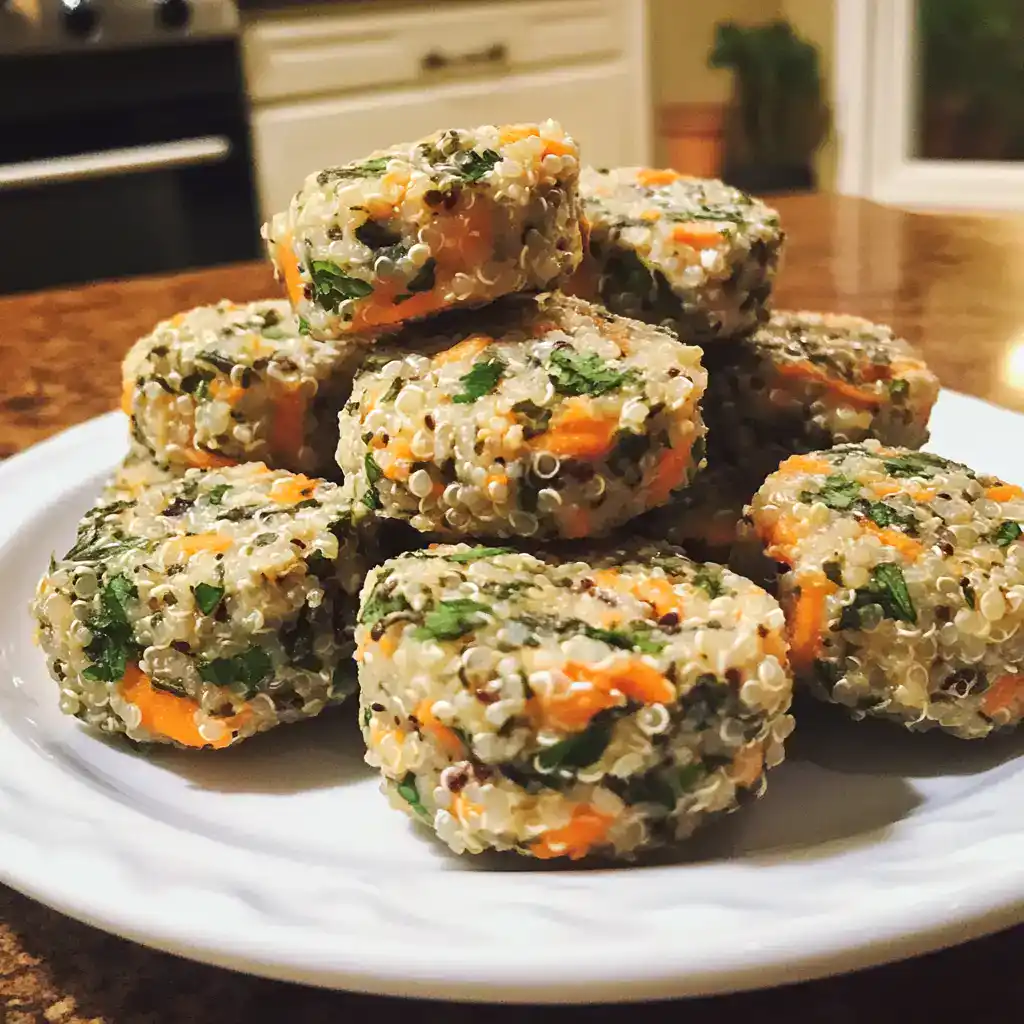
Cooked quinoa works beautifully for binding and adding complete protein—I usually cook a big batch on weekends and store it in the fridge for easy treat-making. Plain quinoa cooked in water is perfect; no seasonings needed. I used to think quinoa was just trendy human food until my vet explained how it provides all essential amino acids that are amazing for muscle maintenance, especially during active training sessions.
Fresh parsley might seem fancy, but it’s completely safe for dogs and adds this amazing fresh flavor plus natural breath-freshening benefits. I always grab organic when I can find it because we’re using it raw, and honestly, Amber’s breath definitely improves when I include herbs in his treats. Chopped fine works best so every bite gets that fresh flavor boost.
Fresh carrots work beautifully when shredded fine—the smaller pieces distribute better and add that natural sweetness that balances the strong fish flavor. I always grab extra because Amber somehow knows when I’m prepping his special training ingredients and starts his hopeful positioning routine. Raw carrots are completely safe and provide beta-carotene for eye health, which is great for dogs who need to focus during training.
Fresh eggs help everything stick together perfectly while adding protein and healthy fats (yes, cooked eggs are completely safe for dogs). I always grab free-range when possible because training treats should be the best quality, and the nutrition difference is noticeable in the final product.
Coconut flour is your secret weapon for the perfect training bite texture—it absorbs moisture better than regular flour and creates these firm little bites that won’t crumble in your treat pouch. I finally found it in the baking aisle after three stores, and it’s totally worth the hunt because it’s grain-free and easier to digest than wheat flour.
For more information about high-value training treats for dogs, the AKC has excellent resources on motivation-based training.
The Step-by-Step (Your Dog Will Thank You!)
Preheat your oven to 350°F and line a baking sheet with parchment paper—trust me, these fishy treats can really stick, so don’t skip this step if you want easy cleanup.
Here’s where I used to mess up training treats: I’d try to make them too big and fancy. Don’t be me! In a large bowl, mash your drained mackerel with a fork until it’s broken down but still has some texture—you want it flaky, not completely smooth. Amber will start drooling right about now because mackerel smells incredible to dogs.
Now for the fun part (your dog will definitely be positioning themselves strategically in the kitchen)—add your cooked quinoa, chopped parsley, shredded carrots, egg, and coconut flour to the mashed mackerel. Mix until it looks like the most delicious, high-value training mixture you’ve ever seen. The key is getting everything evenly distributed so every bite delivers maximum motivation.
Here’s my secret for perfect training bites: the mixture should hold together when squeezed but not be too wet. If it’s too sticky, add more coconut flour; if too dry, add another beaten egg gradually. You want that perfect consistency where you can shape small bites that hold together during training sessions.
Shape the mixture into small training bite-sized balls—think smaller than a grape, perfect for quick rewards without interrupting training flow. Place them on your prepared baking sheet with space between each bite for even cooking.
Slide them into the oven for 15-20 minutes. Here’s what I’ve learned about timing with training treats: they’re done when they feel firm when gently pressed and have turned golden brown on the outside. Fish treats can go from perfect to overcooked quickly, so keep an eye on them during the last few minutes.
The hardest part? Letting them cool completely before using them for training. Make sure they’re totally cool because hot treats can burn your pup’s mouth, plus they’ll crumble if they’re still warm. While these cool, check out my whitefish and pumpkin balls recipe for another protein-packed option.
If This Happens, Don’t Panic
Mixture too wet and won’t hold together? You probably didn’t drain the mackerel thoroughly enough or added too much liquid. That’s totally common with canned fish, and it happens to everyone. I’ve learned to press the mackerel in a fine mesh strainer to remove excess moisture before mixing.
Bites came out too crumbly for training? When this happens (and it will), you likely needed more binding ingredients like egg or the oven temperature was too high. Don’t stress—next batch, add an extra beaten egg and maybe reduce the temperature to 325°F.
If your dog seems overwhelmed by the fishy smell like Amber did at first, try letting them air dry for a few minutes after cooling. Sometimes the aroma is so intense right out of the oven that it can actually distract rather than motivate during training sessions.
When I’m Feeling Creative
When Amber needs extra brain support during challenging training sessions, I’ll add a tiny bit of turmeric—maybe 1/4 teaspoon for the whole batch. This makes them extra special for mental focus but takes zero additional effort, and the anti-inflammatory benefits are perfect for active dogs.
For special training milestones, I’ll make mini versions that are even smaller—perfect for rapid-fire reward sessions when you’re working on complex commands. Same recipe, just shape them smaller and reduce baking time to 10-15 minutes.
My senior dog version includes a tablespoon of plain Greek yogurt in the mix. Creates this amazing creamy texture that’s easier for older dogs to chew quickly during training, plus the probiotics are great for digestive health.
The Secret Behind This Dog-Approved Recipe
The genius behind this recipe is how mackerel provides intense flavor and omega-3 fatty acids that actually support brain function and learning capacity. Unlike bland training treats that dogs tolerate, these bites deliver premium nutrition that enhances their ability to focus and retain new information. The small size is perfect for training because you can reward frequently without filling them up or interrupting the session flow. I discovered that the omega-3s in mackerel actually support cognitive function, while the complete proteins help maintain energy levels during longer training sessions. It’s like giving your dog brain food disguised as the ultimate high-value reward, with nutrition that makes them sharper and more motivated to learn.
Things People Ask Me About Training Treats
Can puppies eat these mackerel training bites?
Absolutely! The small size is actually perfect for puppies, and mackerel is excellent for developing brains. Just make sure pieces are appropriate for your puppy’s mouth size—break them smaller if needed for tiny pups.
How long do these training treats stay fresh?
These will stay fresh in the refrigerator for up to 5 days in an airtight container. Because they contain fish and egg, they need to stay cold. I usually make a fresh batch weekly for consistent training sessions.
What if my dog has never had fish before?
Start with just one bite and watch for any digestive upset. Most dogs love fish immediately because the flavor is so appealing, but it’s always smart to introduce new proteins gradually.
Can I make these smaller for rapid training sessions?
Definitely! For complex training or puppy sessions, I make them about half the size and reduce baking time to 10-15 minutes. Perfect for rapid-fire rewards without overfeeding.
How many bites can I give during training?
These are small enough that you can use several during a training session without worry. For Amber (70 pounds), I might use 10-15 bites during a 30-minute session, adjusting his meal portions accordingly.
Are these treats safe for dogs with allergies?
Mackerel is generally well-tolerated and great for dogs with chicken or beef allergies. The grain-free coconut flour makes them suitable for dogs with wheat sensitivities too. Always check with your vet first though.
What’s the best way to store these for training sessions?
I keep them in a small treat pouch during training, and they hold up perfectly without crumbling. For longer storage, airtight containers in the fridge work great, and they actually get firmer after a day.
Before You Head to the Kitchen
I couldn’t resist sharing this recipe because watching Amber transform from a distracted, treat-motivated goofball into a focused, eager student with these mackerel bites is honestly one of my proudest dog-parent moments. The best training days are when you know you’re rewarding your furry family member with something that’s not only irresistible but actually supports their learning and brain health. Your dog deserves training treats that make them genuinely excited to work with you, and these mackerel bites make it incredibly easy to create that magical training connection.
Print
Mackerel Training Bites
Description
High-value, brain-boosting training rewards that transform distracted pups into focused students—watch your training sessions level up instantly!
Prep Time: 10 minutes | Cook Time: 15-20 minutes | Total Time: 30 minutes | Makes: About 40 small training bites
Ingredients
- 6 oz canned mackerel, drained (packed in water, not oil—the ultimate high-value protein)
- 1/2 cup cooked quinoa (complete protein for sustained energy during training)
- 1/4 cup fresh parsley, chopped (natural breath freshener and antioxidants)
- 1/4 cup shredded carrots (adds sweetness and beta-carotene for focus)
- 1 large egg (perfect binding agent—completely safe for dogs)
- 2 tablespoons coconut flour (grain-free flour that creates the perfect training bite texture)
Instructions
- Get your oven ready at 350°F and line a baking sheet with parchment paper—fishy treats can really stick, so this step is crucial.
- Mash your mackerel with a fork until it’s flaky but not completely smooth—you want some texture that dogs can really taste and smell.
- Mix everything together until your dog starts begging from the incredible fish aroma. Add quinoa, parsley, carrots, egg, and coconut flour to the mashed mackerel until you have this gorgeous, high-value mixture.
- Check your consistency—it should hold together when squeezed but not be too wet. Add more coconut flour if sticky, or another beaten egg if too dry.
- Shape into small training bites about grape-size or smaller—perfect for quick rewards that won’t interrupt training flow. Place on baking sheet with space between each bite.
- Bake for 15-20 minutes until firm and golden brown. Keep an eye on them—fish treats can overcook quickly.
- Cool completely before using for training (hot treats crumble and can burn your pup’s mouth).
Notes:
- Drain mackerel thoroughly for the right texture—press it in a fine mesh strainer if needed
- Smaller is better for training—these should be quick-reward size, not meal-replacement size
- Every dog responds differently to fish, but most go absolutely wild for the mackerel flavor
Storage Tips:
- Store in an airtight container in the refrigerator for up to 5 days
- These contain fish and egg, so they MUST stay cold
- Perfect size for treat pouches—they won’t crumble during training sessions
- Make fresh batches weekly for the most effective training motivation
What Makes This Recipe Special:
These bites feature mackerel’s intense flavor and omega-3 fatty acids that actually support brain function and learning capacity. The small size makes them perfect for frequent training rewards without disrupting sessions or overfeeding your eager student.
Mix It Up (Dog-Safe Variations):
Brain Boost: Add 1/4 teaspoon turmeric for extra cognitive support—perfect for challenging training sessions with smart dogs like my 8-year-old Amber.
Senior Student: Include 1 tablespoon plain Greek yogurt for easier chewing and digestive support during training.
Mini Rewards: Make them half-size for rapid-fire training sessions—reduce baking time to 10-15 minutes for perfect tiny motivators.




